The Smokey Cauldron
The Smokey Cauldron occupies a familiar address in Islamabad's Super Market district of F-6, a commercial node that has long drawn diners looking for something beyond the city's hotel dining circuit. The name signals a cooking style built around heat and smoke, placing it within a broader tradition of slow-fire Pakistani cooking that rewards patience at the table.
 Discover on Pearl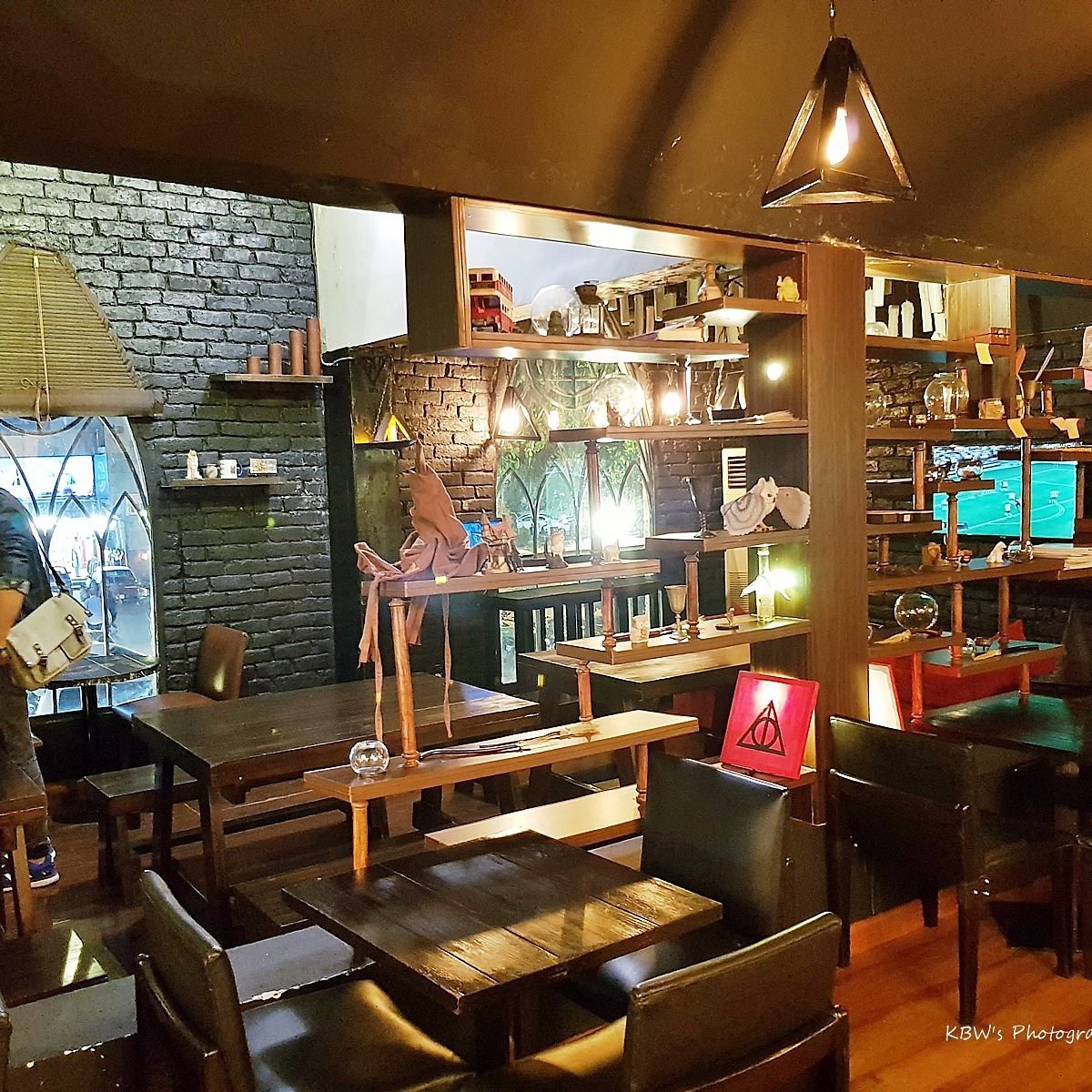
Where Super Market Meets the Logic of Smoke
F-6's Super Market strip in Islamabad operates on its own rhythm. By late afternoon, the commercial block shifts register: office workers thin out, families arrive, and the restaurants that line the area begin filling with the particular hum of a city that eats late and lingers longer. The Smokey Cauldron sits inside this pattern, its name alone doing editorial work — a cauldron implies depth, accumulation, something that has been going for hours before you arrive.
That framing matters in a city where the dining conversation has grown more layered in recent years. Islamabad is no longer simply a civil servant's capital with a handful of reliable karahi spots. The F-6 and F-7 corridors have accumulated enough variety that diners now make deliberate choices about format, not just cuisine. Smoke-forward cooking — whether in the form of charcoal-grilled meats, slow-braised karahi, or wood-fire techniques borrowed from northern traditions , has become one of the clearest signals of a kitchen taking its heat sources seriously. For context on how this sits within the city's broader options, our full Islamabad restaurants guide maps the range from street-adjacent spots to more formal dining rooms.
The shortlist, unlocked.
Hard-to-book tables, cellar releases, and concierge-planned trips.
Get Exclusive Access →The Ritual of Smoke-Cooked Eating
There is a particular pacing to smoke-cooked food that differs from the quick-fire service of a standard karahi house. Dishes built around slow heat carry an implicit instruction: wait, don't rush, let the table settle. In Pakistan's northern cooking traditions, the communal pot is not merely a delivery mechanism for protein , it is the organizing principle of the meal. Everyone at the table orients toward it. Bread arrives as a tool, not a side. The sequence of eating is determined by what is ready, not by what a printed course structure demands.
This style of eating carries its own etiquette. At establishments working in the smoky, slow-fire register, the expectation is that parties arrive with time to spend. The meal is not concluded by clearing plates in sequence; it ends when the pot is genuinely empty or the table collectively decides it is done. This rhythm distinguishes the format from the faster turnover model of Islamabad's more commercial dining strips and places it closer to the tradition of eating associated with Hunza Food Pavilion in Karimabad, where northern Pakistani hospitality shapes the pace of service as much as the menu does.
Karahi traditions across Pakistan's Punjab and KPK belt share this structural logic, and venues like Butt Karahi in Lahore and Butt Karahi by Usman Tahir in Gujar Khan have built long-running reputations by committing to that same unhurried approach. The Smokey Cauldron's placement in the F-6 commercial zone suggests it is drawing from a similar playbook, adapted for an Islamabad clientele that skews toward the professional and the well-travelled.
F-6 and the Question of Dining Context
Super Market in F-6 is not Islamabad's most atmospheric dining address , that title is contested by a handful of hilltop and residential-lane spots , but it is one of its most navigable. The area functions as a reference point. When Islamabad residents recommend a restaurant in F-6, the subtext is accessibility: parking is imperfect but manageable, the surrounding streets are lit, and the block itself operates as a destination rather than a discovery. Venues here succeed on consistency and word-of-mouth rather than novelty.
For diners arriving from outside the city, F-6 is a sensible anchor. It sits within a short distance of the major hotel corridor and the diplomatic enclave, which means it draws a crowd that mixes local regulars with visitors looking for something grounded rather than tourist-facing. Nearby, the city's Chinese dining scene has developed its own following, with spots like China Hot Pot and Lanzhou Beef Noodles I-8 Markaz serving a community that treats noodle and hot-pot formats with the same seriousness that smoke-cooking houses bring to karahi. The adjacency is instructive: Islamabad's mid-tier dining is increasingly defined by specialists, not generalists.
Asian fusion formats have also entered the conversation, with venues like Sesame And Soy occupying a different position in the city's competitive set. The Smokey Cauldron's name and location place it apart from that category, suggesting a commitment to the fire-and-meat tradition rather than cross-cultural menu experimentation.
Placing The Smokey Cauldron in a Wider Frame
To understand what a smoke-led Pakistani kitchen does well, it helps to consider the tradition it draws from. The cooking cultures of Lahore, Peshawar, and the mountain towns of Gilgit-Baltistan all treat fire as an ingredient in its own right. Venues like Sapna Shinwari Restaurant in Abbottabad and Rafsal in Skardu demonstrate how geographically specific that tradition becomes once you move out of the capital. In Islamabad, that regional specificity sometimes gets smoothed into a more generic grill-house format. The more interesting kitchens resist that flattening.
For those who want to calibrate expectations across the price and format spectrum, it is worth noting what formal fire-and-smoke cooking looks like at its most technically elaborate. The slow-braised and wood-fired traditions that define places like Lazy Bear in San Francisco or the controlled-heat precision at Atomix in New York City operate in a different register entirely, but they share a structural commitment: heat is a choice, and the specific heat source shapes every dish that follows. Pakistani smoke cooking makes the same argument, just with different materials and a different price point.
Elsewhere in the region, Capital View Restaurant in Islamabad serves as a point of comparison for diners weighing format against setting, and Buqayvia Restaurant in Lahore demonstrates how a well-defined concept can sustain a loyal following across different city contexts. The Smokey Cauldron's position in F-6 suggests it is working toward a similar kind of regularity.
For travelers making the trip up from the plains, a stop in Mountain Pizzeria in Bulchi Das illustrates just how far fire-cooked food can travel as a format before it becomes something else entirely. The comparison clarifies, rather than diminishes, what a committed smoke kitchen in an urban centre is actually doing.
Planning a Visit
The Smokey Cauldron is located in Super Market, F-6, Islamabad , one of the city's more reliably accessible commercial zones. The area is leading reached by car or ride-hail; Islamabad's public transit coverage of F-6 is limited. Evening hours, particularly from 7pm onward, align with the city's standard dining window, and the Super Market strip fills quickly on weekends. Arriving slightly before peak service , closer to 6:30pm , tends to give tables more breathing room without sacrificing the atmosphere that builds as the block fills. Specific hours, booking details, and current menu formats were not available at the time of writing; checking current operating information directly before visiting is advisable.
Frequently Asked Questions
- What do people recommend at The Smokey Cauldron?
- Given the venue's name and position within Islamabad's smoke-cooking tradition, the most reasonable expectation is a menu anchored by charcoal or slow-fire preparations , the format that defines this category across Pakistan's major cities. Dishes built around karahi-style cooking and grilled meats tend to be the reference points diners return to at venues in this register. Specific menu recommendations require current on-the-ground reporting; the Islamabad restaurants guide covers the broader category with more verified detail.
- How hard is it to get a table at The Smokey Cauldron?
- F-6's Super Market restaurants operate in a competitive block where foot traffic is high on weekends and evenings. In Islamabad's mid-range dining tier , the category The Smokey Cauldron appears to occupy by address and concept , walk-in access is generally available earlier in the evening, with waits building after 8pm on Fridays and Saturdays. Venues in this district do not typically operate formal reservation systems at the level seen at higher-end addresses like Le Bernardin in New York City or Alain Ducasse Louis XV in Monte Carlo, so timing your arrival is the most practical strategy.
- What's the signature at The Smokey Cauldron?
- The name points toward a cauldron-style format , slow-cooked, smoke-infused preparations that take time and communal eating as their baseline assumptions. Within Pakistani cooking, that typically means a karahi or similar pot dish built around charcoal heat, where the smoke is not incidental but structural to the flavor. For comparison, Emeril's in New Orleans and 8½ Otto e Mezzo Bombana in Hong Kong demonstrate how a signature cooking approach can anchor an entire dining identity , the same logic applies at the local level.
- Is The Smokey Cauldron suitable for group dining?
- Venues built around communal pot formats , the structural category The Smokey Cauldron's name suggests , are typically well-suited to group eating. The cauldron and karahi tradition in Pakistani dining is designed for shared portions rather than individual plating, which makes it a practical choice for tables of four or more. F-6's Super Market setting also offers street-level access without the logistical complexity of some of Islamabad's more tucked-away addresses, which helps with group arrivals.
Cuisine Lens
A compact peer snapshot based on similar venues we track.
| Venue | Cuisine | Awards | Notes |
|---|---|---|---|
| The Smokey Cauldron | This venue | ||
| China Hot Pot | |||
| Lanzhou Beef Noodles I-8 Markaz | |||
| Sesame And Soy |
Need a table?
Our members enjoy priority alerts and concierge-led booking support for the world's most difficult tables.
Get Exclusive AccessThe shortlist, unlocked.
Hard-to-book tables, cellar releases, and concierge-planned trips.
Get Exclusive Access →