China Hot Pot
Hot pot in Islamabad occupies a specific niche: communal, ingredient-forward, and built around the table as the cooking surface. China Hot Pot brings that format to the capital, where Chinese-influenced dining has grown steadily alongside the city's expanding F&B scene. For those tracking where Islamabad's Chinese dining tier is heading, this is part of that conversation.
 Discover on Pearl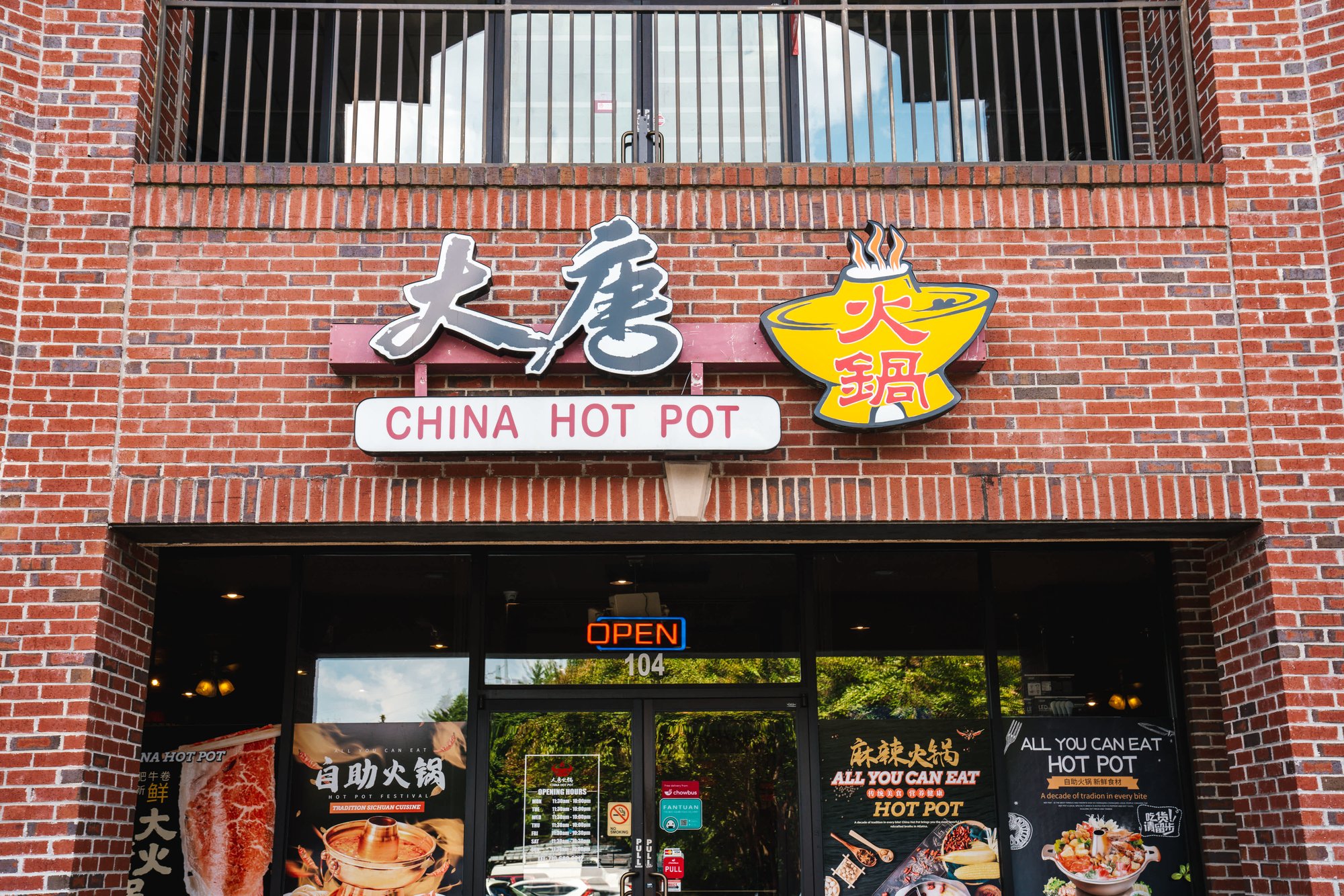
The Hot Pot Tradition and Where Islamabad Fits
Hot pot is, at its core, a format about sourcing transparency. Every ingredient arrives raw and visible at the table. Diners inspect the protein, the greens, the noodles before anything touches the broth. There is no kitchen sleight of hand, no sauce to mask a substandard cut. That structural honesty is why the format has endured across Sichuan, Chongqing, Yunnan, and Inner Mongolia in different registers, and why it travels well to cities still building their Chinese dining infrastructure. Islamabad is one of those cities.
Pakistan's capital has seen a measured but real expansion of Chinese dining over the past decade, partly driven by the economic and diplomatic corridors that have brought Chinese workers, engineers, and business visitors to the city in meaningful numbers. That demographic shift has, in turn, created demand for formats that go beyond the Pakistanified Chinese menus that dominated earlier. Hot pot sits at the more demanding end of that demand: it requires fresh, correctly sourced proteins and vegetables, a well-constructed base broth, and a condiment station with sufficient range. Getting those things right in Islamabad is a supply-chain question as much as a culinary one.
The shortlist, unlocked.
Hard-to-book tables, cellar releases, and concierge-planned trips.
Get Exclusive Access →China Hot Pot operates within this context. The venue's address places it within Islamabad, though specific neighbourhood detail is not confirmed in our data. For comparison, venues like Lanzhou Beef Noodles I-8 Markaz and Sesame And Soy represent adjacent points in the city's Chinese and Asian dining map, each with a different format emphasis. Hot pot is a more capital-intensive proposition than either noodle or soy-forward cooking, which tells you something about the intent at China Hot Pot.
What the Format Demands — and Reveals
The ingredient sourcing question matters more in hot pot than in almost any other format. A braise can recover a mediocre cut. A stir-fry can compensate with aromatics. Hot pot cannot. Thinly sliced beef or lamb cooked for thirty seconds in simmering broth is exactly what it is, nothing more. The marbling, the freshness of the slice, the thickness of the cut — all of it is exposed. The same applies to the vegetable selection. Spinach, chrysanthemum greens, enoki mushrooms, tofu skins: their quality is apparent the moment they hit the pot.
This is why serious hot pot operations invest heavily upstream. In Chongqing and Chengdu, the benchmark houses source from dedicated suppliers for their tallow-based broths and maintain cold-chain discipline on their protein slices. In Islamabad, the supply context is different, but the logic is the same: the format rewards sourcing discipline and punishes shortcuts visibly. For a city like Islamabad, where Chinese dining has historically been more adaptive than authentic, a venue that takes the hot pot format at face value is making a statement about what the local market can support.
Across Islamabad's broader dining scene, there is a pattern of venues anchoring around communal formats. The Smokey Cauldron operates in a similar register of shared-table, fire-forward dining, though the culinary tradition is distinct. The communal instinct is consistent: Islamabad diners, across categories, respond to formats that make the table itself the event.
The Atmosphere and the Experience Logic
Hot pot venues have a characteristic sensory environment that is not replicable in other formats. Steam rises from individual or shared pots at each table. The sound of simmering broth is a constant, low register underneath the conversation. Condensation forms on glasses. The pace is unhurried by design , you cannot rush a hot pot meal without making it worse. That structural slowness is part of the value proposition, and it tends to self-select for a particular kind of diner: one who treats the meal as duration, not transaction.
In cities where the format is established, like Chongqing or Xi'an, the hot pot restaurant at peak hours is a specific kind of controlled chaos: full tables, fogged windows, servers moving quickly between sections with refills of broth and side ingredients. Whether Islamabad's China Hot Pot operates at that kind of volume is not confirmed in our current data. What can be said is that the format itself encourages longer dwell times and higher per-table spend than a typical à la carte meal, which positions it differently from faster-turnover Chinese options in the city.
For context on how Islamabad's dining scene compares to broader regional and international benchmarks, consider how technique-driven formats like those at Atomix in New York City or sourcing-led programs at Atelier Moessmer Norbert Niederkofler in Brunico have built their reputations on ingredient provenance. The scale and context differ enormously, but the underlying argument , that where food comes from determines what ends up on the table , applies at every price point and in every city.
Placing China Hot Pot in the Islamabad Dining Map
Islamabad's restaurant scene rewards some navigation. The city's dining geography clusters around areas like F-7, F-10, and the Blue Area corridor, with newer clusters in the DHA and Bahria Town sectors. Chinese dining specifically has spread across several of these zones, with quality varying considerably. The full picture of where China Hot Pot sits within that geography is not confirmed in current data , phone, website, and precise address details are not available in our record. Visitors should verify current operating details before visiting.
For a broader orientation to what Islamabad offers across categories, the full Islamabad restaurants guide maps the city's dining options with more granular neighbourhood context. Those planning a longer itinerary in northern Pakistan may also find value in venues like Hunza Food Pavilion in Karimabad or Rafsal in Skardu, which represent the regional Pakistani culinary tradition at the northern end of the country.
Within Islamabad itself, Capital View Restaurant in Islamabad offers a different register of the city's dining, and Butt Karahi in Lahore anchors the Punjabi karahi tradition that remains the dominant comfort-food format across the region. Hot pot sits in a different quadrant entirely: less familiar to the average Pakistani diner, more demanding of a specific kind of engagement, and more dependent on ingredient quality being visibly right.
Further afield, those interested in how communal fire-based formats have developed in other cuisines might consider venues like Dal Pescatore in Runate, where the emphasis on sourcing regional ingredients has been a defining characteristic for decades. The cultural contexts are entirely different, but the logic of ingredient visibility as a quality signal is shared.
Planning Your Visit
Verified booking and contact details for China Hot Pot are not available in the current EP Club database, which means the most reliable approach is to inquire through local restaurant discovery platforms or visit in person. Hot pot venues generally accommodate walk-in traffic more readily than reservation-only fine dining, but group sizes above four typically benefit from advance notice given the logistics of table configuration and individual or shared pot arrangements.
Those visiting Islamabad for the first time and building a dining itinerary might sequence China Hot Pot as an evening meal, given that the format's pacing suits a longer dinner window. Pairing it with daytime visits to venues like Sapna Shinwari Restaurant in Abbottabad for the Pashtun tradition, or Butt Karahi by Usman Tahir in Gujar Khan for the karahi format, gives a reasonable cross-section of what the broader region does well across different culinary lineages.
Frequently Asked Questions
- Would China Hot Pot be comfortable with kids?
- Hot pot as a format involves open flames or induction burners at the table, simmering liquids, and a self-paced meal structure that works leading when diners are engaged throughout. If the Islamabad venue follows standard hot pot configuration, families with younger children should factor in the practical considerations around tableside cooking. The communal, informal rhythm of hot pot generally suits family groups better than tasting-menu formats, provided the table setup allows for safe distance from heat sources. Confirming the specific setup directly with the venue is advisable before bringing young children.
- Is China Hot Pot better for a quiet night or a lively one?
- Hot pot venues, across the format globally, tend toward animated rather than hushed environments. The combination of simmering pots, shared plates, and communal decision-making about what goes into the broth and when creates a naturally social dynamic. Islamabad's dining culture similarly skews toward communal engagement over quiet solo meals. If you are looking for a contemplative dinner, the format is not the right fit regardless of venue; if you want a meal that generates its own momentum, hot pot delivers that structurally.
- What should I eat at China Hot Pot?
- Without confirmed menu data in our record, specific dish recommendations would be speculative. What the hot pot format consistently rewards, across every city and operator, is ordering a range of proteins at different fat levels , leaner cuts that cook in seconds alongside fattier slices that benefit from longer immersion , and balancing these with fresh greens and tofu-based items that absorb broth. The condiment station, if available, is worth treating as a course in itself: sesame paste, fermented tofu, fresh garlic, and chilli oil combinations define the flavour profile of each bite as much as the broth does.
- What's the leading way to book China Hot Pot?
- Verified booking contact details are not available in our current data for China Hot Pot. In the absence of a confirmed website or phone number, local restaurant aggregator platforms active in Islamabad are the most practical starting point. For groups, arriving with advance notice , even informally , is sensible, as hot pot table configurations are more complex to adjust mid-service than standard dining setups.
- What's the standout thing about China Hot Pot?
- The format itself is the answer: hot pot is one of the few dining formats where ingredient quality cannot be obscured by technique, which means the kitchen's sourcing choices are visible to the diner throughout the meal. In Islamabad's Chinese dining tier, a venue committed to that format is making a specific kind of claim about what the market here can support. Whether China Hot Pot executes at the level the format demands is something current visitors are better placed to assess than archival data.
- How does China Hot Pot compare to other Chinese dining options in Islamabad for a first-time visitor to the format?
- Hot pot is a more participatory format than the Chinese dishes most Islamabad diners will have encountered at standard Chinese-Pakistani restaurants, where food arrives cooked and plated. For a first-time visitor to the format, the learning curve is minimal but real: you are cooking your own food at the table, which requires some familiarity with timing and broth management. Venues like Lanzhou Beef Noodles I-8 Markaz offer a simpler point of entry into Chinese culinary tradition for those who prefer a more conventional dining structure. Hot pot, by contrast, is leading approached as an experience you participate in rather than one that is delivered to you.
Quick Comparison
These are the closest comparables we have in our database for quick context.
| Venue | Cuisine | Price | Awards | Notes |
|---|---|---|---|---|
| China Hot Pot | This venue | |||
| Lanzhou Beef Noodles I-8 Markaz | ||||
| Sesame And Soy | ||||
| The Smokey Cauldron |
Need a table?
Our members enjoy priority alerts and concierge-led booking support for the world's most difficult tables.
Get Exclusive AccessThe shortlist, unlocked.
Hard-to-book tables, cellar releases, and concierge-planned trips.
Get Exclusive Access →