Sapna Shinwari Restaurant
Sapna Shinwari Restaurant sits in the Mera Muzaffar quarter of Abbottabad, serving the kind of Shinwari-tradition cooking that traces its roots to the Khyber Pakhtunkhwa frontier. The format is built around communal eating and the slow, wood-fired techniques that define the style across northern Pakistan. For visitors coming from the Karakoram Highway corridor, it represents a grounded stop in a city that sits at the threshold between the plains and the mountains.
Pearl is the En Primeur Club membership app — saves, bookings, and concierge access live there. Same editors, same standards.
- Address
- Mera muzaffar Abbottabad, 22010, Pakistan
- Phone
- +92 328 3111333
- Directions
- Get directions
 Saves & bookings on Pearl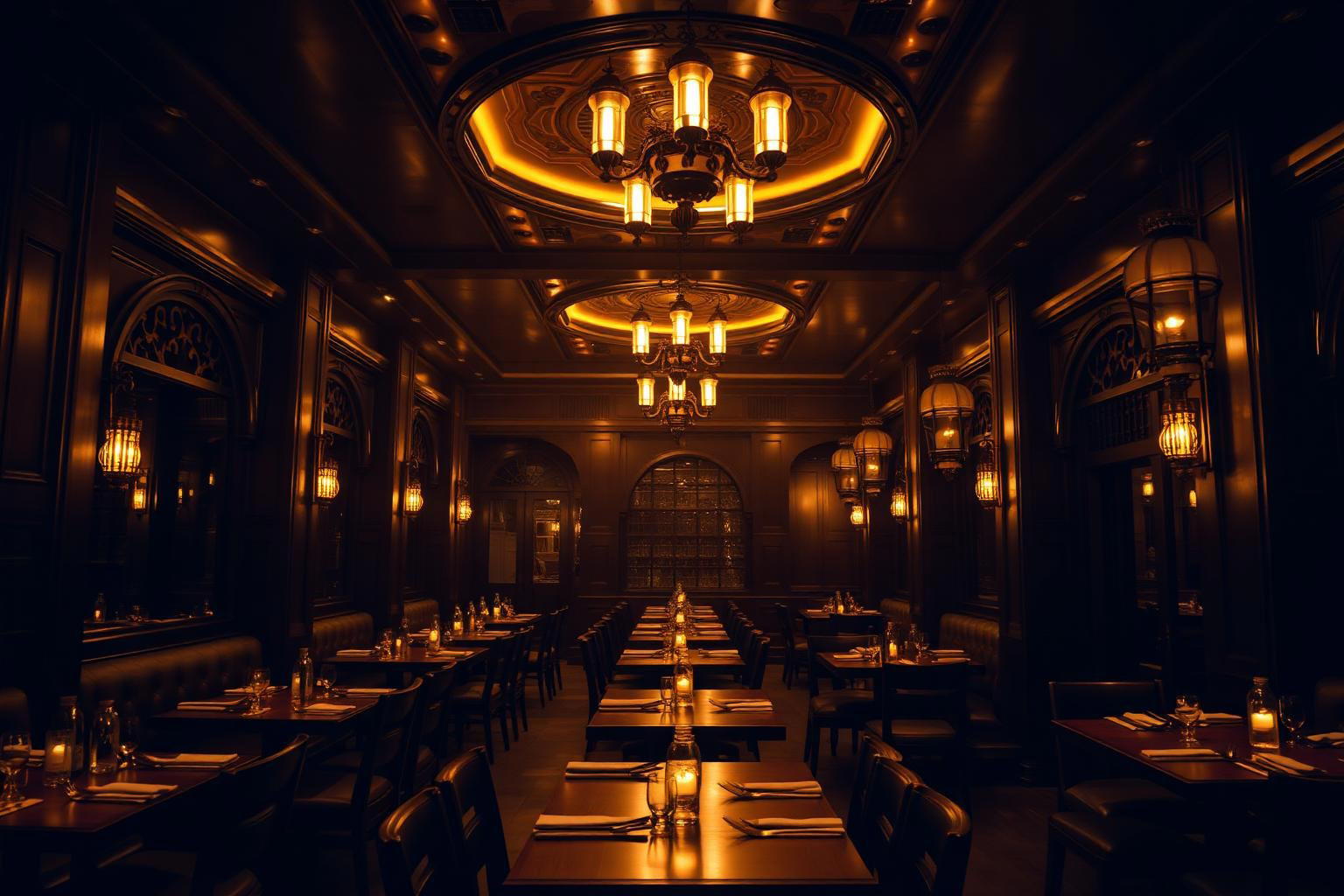
Where Frontier Cooking Meets Mountain Approach Routes
Abbottabad occupies a particular position in northern Pakistan's food geography. At roughly 1,260 metres above sea level, it sits at the point where the Punjab plains give way to the Hazara highlands, and the cooking reflects that transition. Shinwari cuisine, which originated among the Shinwari Pashtun communities of the Afghan-Pakistani borderlands, has spread across KPK and into the garrison towns and cantonment cities of the north. In Abbottabad, it appears in a handful of establishments that maintain the tradition's core principles: meat sourced from highland herds, fat-rendered cooking, and minimal adulteration of the base ingredient.
Sapna Shinwari Restaurant is a restaurant in Abbottabad serving traditional Pakistani Shinwari cuisine. The neighbourhood sits within one of the city's more residential districts, removed from the commercial density of Jinnah Abbottabad Road. Approaching it, the urban texture is quieter than the city's main arteries would suggest, and the restaurant draws a local crowd rather than a transit audience passing through to Mansehra or Naran.
The Ingredient Logic of Shinwari Cooking
Understanding what makes Shinwari food distinctive requires understanding where its proteins come from. The style was built around animals grazed at altitude, fed on highland pasture rather than lowland feed lots. Mutton is the load-bearing ingredient of the tradition, and the quality differential between mountain-grazed sheep and commercially reared alternatives is substantial enough that serious Shinwari kitchens have historically maintained direct supplier relationships with herders in Khyber Pakhtunkhwa and the adjacent tribal regions.
This sourcing logic shapes the entire cooking method. Shinwari karahi, the dish most closely associated with the tradition, is made in a heavy iron or steel wok over direct flame, with fat rendered from the meat itself providing the primary cooking medium. The absence of cream, excessive oil additions, or tomato-heavy bases distinguishes it from Punjabi-style karahi preparations. The meat is expected to carry the dish. That expectation only holds if the sourcing is right.
Across the northern Pakistan dining circuit, from Hunza Food Pavilion in Karimabad at higher elevation to Rafsal in Skardu further north, the consistent quality signal in the leading regional kitchens is the traceability of their protein supply. In Abbottabad, proximity to the Hazara highlands gives restaurants in the Shinwari tradition a geographic advantage over their counterparts in Islamabad or Lahore, where the same dish requires more logistics to approximate the same ingredient quality.
Abbottabad as a Dining Context
The city's restaurant culture is shaped by several overlapping populations: military families in the cantonment areas, students at Ayub Medical College and nearby institutions, trekkers and tourists staging for the Kaghan Valley or KKH departures, and a local Hazara community with its own food preferences. This mix produces a mid-market restaurant economy where price sensitivity is real and where venues survive on volume and repeat local business rather than on tourism premiums.
Shinwari-style restaurants in this environment compete less on refinement and more on consistency: the right cut, the right fat ratio, the right bread. Naan baked in a tandoor to order remains the standard accompaniment, and the quality of that bread is a reliable indicator of the kitchen's overall discipline. For visitors familiar with the karahi formats available at Butt Karahi in Lahore or Buqayvia Restaurant in Lahore, the Shinwari version in a Hazara-adjacent city like Abbottabad offers a measurably different product, built on different sourcing assumptions and a drier, more austere preparation style.
For context on how regional ingredient sourcing shapes cuisine at a broader level, the editorial logic is not dissimilar from what drives sourcing-led kitchens globally, whether at Le Bernardin in New York City, where seafood provenance anchors the menu, or at Lazy Bear in San Francisco, where local and seasonal supply chains define the format. The principle is the same, even if the scale and the food tradition are entirely different: the ingredient source is the argument.
Planning a Visit
Sapna Shinwari Restaurant is located in the Mera Muzaffar area of Abbottabad. The restaurant is walk-in friendly.
Dress is casual. The format is suited to group eating, as Shinwari portions are typically sized for sharing rather than individual plating. Families with children are accommodated without difficulty in the communal-style setting that characterises this type of venue.
Travellers continuing north toward Gilgit-Baltistan may also find Mountain Pizzeria in Bulchi Das a relevant reference point further along the KKH corridor, while those routing through Islamabad beforehand should note Capital View Restaurant in Islamabad and China Hot Pot in Islamabad as contrasting options in the capital's wider dining range. For comparison across karahi traditions specifically, Butt Karahi by Usman Tahir in Gujar Khan offers a useful regional data point along the same northern corridor.
Quick Comparison
Comparable venues nearby, for context on price, style, and recognition.
| Venue | Cuisine | Price | Notes |
|---|---|---|---|
| Sapna Shinwari RestaurantThis venue — the venue you are viewing | Traditional Pakistani Shinwari | $$ | Not listed |
| The Smokey Cauldron | Harry Potter Themed Cafe | $$ | F-6 |
| Haveli | Authentic Pakistani | $$ | Walled City of Lahore |
| Mountain Pizzeria | Pakistani Pizza | $$ | Bulchi Das |
| Capital View Restaurant | Traditional Pakistani | $ | Blue Area |
| Khalifa Naan Shop Since 1869 | Historic Pakistani Naan Shop | $$ | Walled City of Lahore |
At a Glance
- Cozy
- Family
Current opening hours
- Monday
- 12–11:50 PM
- Tuesday
- 12–11:50 PM
- Wednesday
- 12–11:50 PM
- Thursday
- 12 AM–11:50 PM
- Friday
- 12–11:50 PM
- Saturday
- 12–11:50 PM
- Sunday
- 12–11:50 PM
Hours can change for holidays and private events. Last verified .