Sesame And Soy
Sesame And Soy brings the sesame-forward flavors of East and South Asian cooking to Islamabad's evolving restaurant circuit. The name signals an intention: oils, pastes, and fermented condiments that underpin cooking from Sichuan to the Korean peninsula. For a city expanding its appetite for regional Asian cuisine, it occupies a specific niche within a dining scene still finding its footing with these traditions.
 Discover on Pearl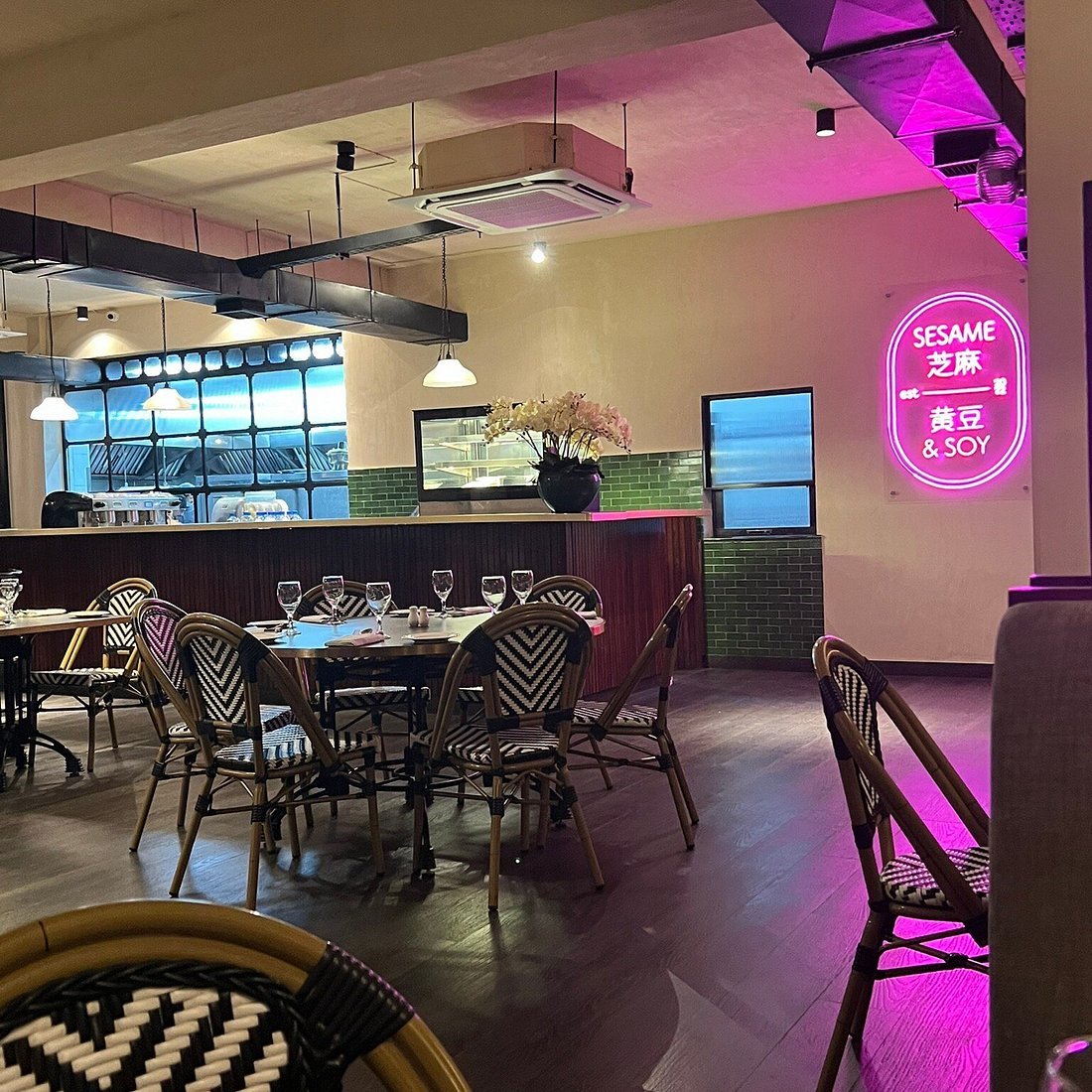
Islamabad's Appetite for Asian Cooking
Islamabad's restaurant circuit has expanded considerably over the past decade, moving well beyond the karahi houses and desi dhabas that once defined the city's eating-out culture. A younger, internationally educated population, a growing expatriate community, and increased exposure to cooking traditions across Asia have pushed the city's kitchens in new directions. Chinese, Thai, and Korean flavors now circulate through the capital's menus with more frequency and, in some cases, more fidelity than they did even five years ago. Sesame And Soy sits inside this broader shift: a name that anchors itself to the condiment grammar of East Asian cooking, in a city that is still developing the critical mass of diners and suppliers needed to sustain that kind of specificity. See our full Islamabad restaurants guide for the broader picture of where the capital's dining scene currently stands.
What the Name Signals
The pairing of sesame and soy is not incidental. Together, these two ingredients form the backbone of cooking traditions that stretch from the Chinese interior to the Japanese archipelago, from the Korean peninsula to parts of Southeast Asia. Sesame oil, in particular, occupies a specific aromatic register: added as a finish, not a cooking medium, it signals an understanding of layered fat-based seasoning that separates dishes built on technique from those built on convenience. Soy, in its many fermented forms, functions as the region's primary salt and umami carrier, from the light pours of Japanese shoyu to the thicker, sweeter profiles of kecap manis in Indonesian cooking. A restaurant that names itself after these two elements is making a claim about orientation and intent: the cooking looks east, and it takes condiment culture seriously.
The shortlist, unlocked.
Hard-to-book tables, cellar releases, and concierge-planned trips.
Get Exclusive Access →Islamabad's exposure to these traditions has historically come through Chinese restaurants, which have operated in the capital for decades, and through informal home cooking carried back by Pakistanis who have lived or worked across Asia. What has changed more recently is the appetite for specificity: diners who can now distinguish between Cantonese and Sichuan profiles, or between Japanese and Korean fermentation traditions, and who want restaurants to honour those distinctions. Venues like China Hot Pot and Lanzhou Beef Noodles I-8 Markaz represent the Chinese end of this spectrum, each anchored to a regional format with a defined cooking logic.
Where It Sits in the City's Dining Pattern
Islamabad's food scene divides broadly into a few operating tiers. At one end, there are the long-established karahi and grilled-meat specialists whose reputations are built on a single technique or cut, places where the cooking is immediate and the offer is narrow. The Smokey Cauldron operates in the smoke-and-char register that sits comfortably within this tradition. At the other end, there is a newer cohort of restaurants attempting more diverse or technically ambitious menus, often targeting the F-7, F-6, and Blue Area dining corridors where rent supports a slightly higher average spend. Sesame And Soy, with its emphasis on East Asian flavor building, occupies the latter category by orientation, even if its precise positioning within the market is difficult to confirm without current pricing data.
Comparison with the international tier of Asian cooking at this moment is instructive even if the gap is obvious. Restaurants like Atomix in New York City or 8 1/2 Otto e Mezzo Bombana in Hong Kong operate at a level of resource, supply chain, and culinary infrastructure that Islamabad's market cannot yet replicate. What that comparison usefully illuminates is where a restaurant like Sesame And Soy is pointing, and what the ceiling of ambition looks like when the market catches up. The trajectory of cities like Lahore, where venues such as Buqayvia Restaurant and Butt Karahi anchor very different ends of the dining spectrum, suggests that capital investment and dining culture tend to develop unevenly even within a single country.
The Broader Pakistani Context
Pakistani restaurant culture is rooted in a set of deeply specific regional traditions: the slow-braised nihari of Lahore, the charcoal-kissed seekh of the Punjab roadside, the dried-fruit and wild-herb cooking of the north, which places like Hunza Food Pavilion in Karimabad and Rafsal in Skardu represent within their own geographic context. These traditions command loyalty precisely because they are specific and place-rooted. A restaurant foregrounding East Asian condiment culture in the same city is not rejecting those traditions; it is betting that there is a separate audience willing to sit with a different flavor vocabulary.
That bet is not without precedent elsewhere in South Asia. Mumbai and Delhi both support mature East Asian restaurant scenes, with enough diners who can read a menu in regional Chinese terms to sustain differentiated offers. Islamabad is behind both cities on this curve, but the directional movement is consistent. The question for any restaurant in this position is whether the supply chain, the kitchen training, and the customer base are all moving at the same pace.
Planning a Visit
Specific booking mechanics, hours of operation, and pricing data for Sesame And Soy are not confirmed in available records, so direct contact through current local listings is the practical route for anyone planning ahead. Islamabad's dining scene does not yet operate on the advance-booking windows that characterize high-demand restaurants in markets like Lazy Bear in San Francisco or Le Bernardin in New York City, where reservations open months in advance. For most Islamabad restaurants outside a handful of high-demand weekend spots, walk-ins or same-week bookings remain the norm. The city's restaurant corridors, particularly F-7 Markaz and the newer Centaurus-adjacent dining cluster, are most active from Thursday through Saturday evenings, which remains the pattern across the capital's mid-to-upper dining tier. Visitors arriving from other parts of Pakistan, including those coming through the routes that take in Sapna Shinwari Restaurant in Abbottabad or Butt Karahi by Usman Tahir in Gujar Khan en route, will find Islamabad's restaurant day roughly aligned with Lahore's in terms of peak hours and weekend concentration. For a broader view of the capital's current restaurant geography, the Islamabad restaurants guide maps the city's dining corridors and notes which neighborhoods are currently generating the most activity. Those interested in the mountain-adjacent dining circuit further north can cross-reference with Mountain Pizzeria in Bulchi Das for a sense of how far the capital's dining influence currently extends into Pakistan's northern regions. Similarly, Capital View Restaurant in Islamabad offers a point of local comparison for anyone calibrating where Sesame And Soy sits within the city's wider mid-market dining tier.
Frequently Asked Questions
- What do people recommend at Sesame And Soy?
- The restaurant's name points directly to its cooking orientation: sesame and soy-based preparations rooted in East Asian flavor traditions. Without confirmed menu data on record, specific dish recommendations cannot be verified here. Diners familiar with the sesame-forward cooking traditions of China, Korea, and Japan will likely find the menu a useful reference point. For the most current picture of what is being served, recent visitor accounts on local platforms are the most reliable guide.
- How far ahead should I plan for Sesame And Soy?
- Islamabad's restaurant market does not generally operate on extended advance-booking windows, and the city sits well outside the reservation-scarce tier that applies to Michelin-recognised venues in New York or Hong Kong. For most Islamabad restaurants at this tier, a booking made a few days ahead is typically sufficient, though weekend evenings in the F-7 and F-6 corridors can fill faster than weeknight slots. Confirming current booking method directly is advisable before visiting.
- What makes Sesame And Soy worth seeking out?
- The case for Sesame And Soy sits inside a broader argument about Islamabad's evolving appetite for regional Asian cooking. The restaurant names itself after two of East Asia's most foundational flavoring agents, which is a specific editorial choice in a market where many Asian-facing restaurants remain generalist. For diners who track the city's movement toward more differentiated cuisine formats, it represents one of the clearer signals of that directional shift currently operating in the capital.
- Is Sesame And Soy a good option for someone interested in authentic East Asian cooking in Islamabad?
- For diners looking for East Asian flavor-building in Islamabad rather than the city's dominant karahi and barbecue traditions, Sesame And Soy positions itself as a purposeful alternative. The restaurant's name directly references the condiment traditions of Chinese, Korean, and Japanese cooking, suggesting a kitchen oriented toward that culinary grammar. Islamabad's East Asian restaurant circuit, which also includes dedicated format specialists like China Hot Pot and Lanzhou Beef Noodles I-8 Markaz, is still a relatively small tier within the city's overall dining market, which makes each operating venue within it more visible to the diners actively looking for it.
Budget and Context
These are the closest comparables we have in our database for quick context.
| Venue | Price | Awards | Notes |
|---|---|---|---|
| Sesame And Soy | This venue | ||
| China Hot Pot | |||
| Lanzhou Beef Noodles I-8 Markaz | |||
| The Smokey Cauldron |
Need a table?
Our members enjoy priority alerts and concierge-led booking support for the world's most difficult tables.
Get Exclusive AccessThe shortlist, unlocked.
Hard-to-book tables, cellar releases, and concierge-planned trips.
Get Exclusive Access →