Mountain Pizzeria
Our verdict
Mountain Pizzeria occupies a specific position in Bulchi Das's emerging casual dining scene, bringing a pizza-forward menu to a part of Pakistan where wheat-based traditions run deep. The kitchen sits at the intersection of local ingredient availability and an imported format, making it one of the more practical places to eat in the area for a cross-generational table.

Pearl is the En Primeur Club membership app — saves, bookings, and concierge access live there. Same editors, same standards.
- Address
- Bulchi Das, Pakistan
- Directions
- Get directions
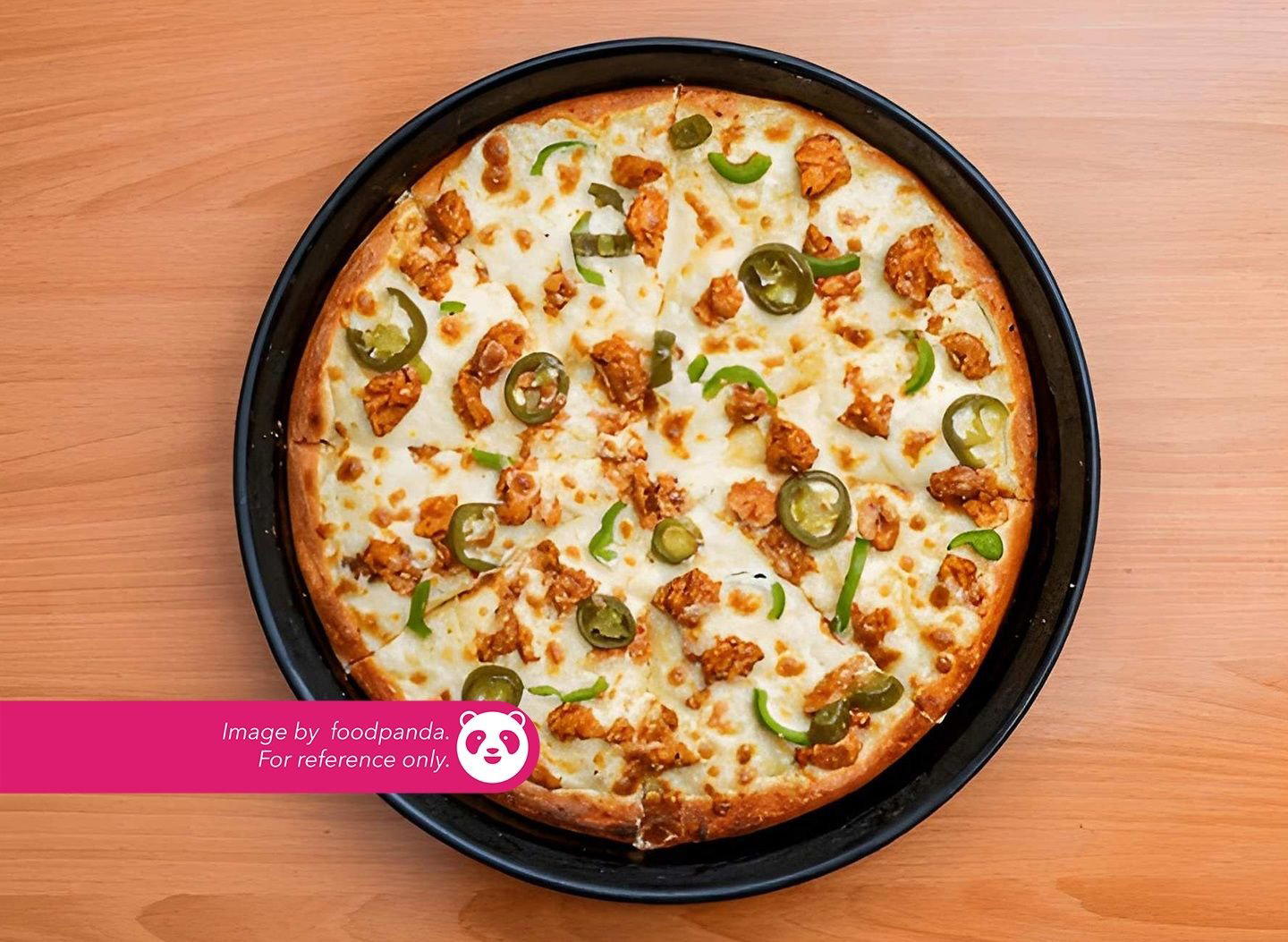
The menu
What to order
- Chicken Tikka Pizza
- Malai Chicken Pizza
- Chicken Super Pizza
Where the Dough Meets the Mountains
Bulchi Das sits in a part of Pakistan where the food culture has historically been shaped by altitude, agriculture, and trade routes rather than by the global restaurant formats that have reshaped dining in Lahore or Islamabad. The arrival of a pizzeria format in a setting like this is not incidental. It reflects a broader pattern visible across smaller Pakistani cities: a growing appetite for familiar, shareable formats that travel well across age groups and income brackets. Mountain Pizzeria fits that pattern, positioning itself as a casual dining option in a city where the restaurant sector is still finding its shape. For visitors passing through or residents looking for something outside the karahi-and-naan circuit, it represents a deliberate choice rather than a default. You can find our full context for eating in the region at our full Bulchi Das restaurants guide.
The Ingredient Question in Northern Pakistan
Pizza as a format is only as good as its supply chain allows, and in smaller Pakistani cities that supply chain is worth thinking about carefully. The wheat traditions of this region are genuinely strong: flatbreads, naans, and griddle-cooked doughs have been produced here for generations, which means the foundational ingredient in any pizza base is locally well-understood. The gap tends to appear in secondary ingredients: processed cheese, cured meats, and stabilized tomato products that most global pizza formats depend on. In cities like Islamabad, that sourcing problem is largely solved by the density of suppliers and importers. In a city the scale of Bulchi Das, the kitchen has to work with what regional distribution networks can deliver reliably. That constraint, common to many smaller-city pizza operations across Pakistan, tends to push menus toward locally available vegetables, simpler cheese formats, and sauces made closer to scratch. Whether Mountain Pizzeria has resolved that supply chain question well is something a diner on the ground will assess quickly, but the broader dynamic is real and worth understanding before you arrive.
Compare this with the approach at Hunza Food Pavilion in Karimabad, which works within a similar northern Pakistan context but leans into regional culinary identity rather than imported formats. The two represent genuinely different bets on what a restaurant in this geography should be doing.
The Format and What It Implies
A pizzeria in this setting is a practical format choice as much as a culinary one. Pizza travels across tables well, scales to different group sizes, and gives a kitchen a relatively tight production process to manage compared with the breadth required by a full karahi or barbecue operation. For the diner, it means the meal is inherently communal without demanding the negotiation that comes with a multi-dish Pakistani spread. That makes it functional for families, for groups of mixed appetite, and for visitors who want something predictable in an unfamiliar city. Contrast that with the karahi-centric operations like Butt Karahi in Lahore or Butt Karahi by Usman Tahir in Gujar Khan, where the format and the cuisine are inseparable, and the sourcing is entirely local by design. Mountain Pizzeria is playing a different game, one defined as much by format accessibility as by ingredient provenance.
Across Pakistan's smaller cities, the casual dining tier has expanded fastest in formats that reduce decision fatigue: pizza, burgers, grills. The China Hot Pot in Islamabad represents another version of this imported-format logic, where a communal cooking style is transplanted into a Pakistani urban context. Mountain Pizzeria in Bulchi Das is working at a smaller scale and with fewer resources than that Islamabad operation, but the underlying commercial logic is comparable.
Positioning Within the Local Scene
Without published awards, a verifiable price tier, or documented critical recognition, Mountain Pizzeria sits in the part of Pakistan's restaurant sector that operates almost entirely on local reputation and foot traffic. That is not a weakness specific to this venue; it describes the majority of restaurant operations in smaller Pakistani cities, where formal critical infrastructure simply does not exist at the same density as in Karachi, Lahore, or Islamabad. Places like Rafsal in Skardu and Sapna Shinwari Restaurant in Abbottabad operate in comparably underdocumented environments, where the signal for a visitor is local frequency of recommendation rather than published review scores.
For reference on what the upper tier of Pakistani-adjacent hospitality looks like when it has full infrastructure behind it, Capital View Restaurant in Islamabad and Buqayvia Restaurant in Lahore both operate with the density of urban Pakistan's more established dining markets behind them. Mountain Pizzeria is a different proposition: a city-specific operation in a small market, valued locally for what it provides to its immediate community rather than for how it competes on a national stage.
It is worth noting the distance between Mountain Pizzeria's category and the internationally recognized restaurants in EP Club's wider coverage. Venues like Le Bernardin in New York City, Alinea in Chicago, or Amber in Hong Kong represent the globally credentialed end of the dining spectrum. Mountain Pizzeria is not in that conversation, nor does it need to be. Its relevance is local and practical, which is exactly what the category of casual dining in a small Pakistani city requires.
Planning Your Visit
As with many restaurant operations in smaller Pakistani cities, the practical approach is to ask locally on arrival in Bulchi Das, where word-of-mouth directions and confirmation of current hours will be more reliable than any online record. The city itself is compact enough that finding a venue by neighbourhood inquiry is standard practice. Visitors arriving from larger cities should calibrate expectations for service infrastructure accordingly: the experience is closer to a local neighbourhood restaurant than to the managed hospitality of a Lahore or Islamabad dining room.
Frequently asked questions
How would you describe the vibe at Mountain Pizzeria?
Bulchi Das is a city where restaurant culture is shaped more by community and practicality than by formal dining conventions, and Mountain Pizzeria fits that context. Expect a straightforward, unpretentious setting oriented around the food rather than atmosphere as a primary draw. Published interior details are not available, so the tone is best gauged on arrival.
Is Mountain Pizzeria in Bulchi Das one of the few pizzerias operating in this part of Pakistan?
Dedicated pizzerias are uncommon across smaller Pakistani cities, and Bulchi Das is not a location with a documented restaurant cluster of this format. That makes Mountain Pizzeria a relatively rare format choice for the area, though no published awards or critical recognition currently verify its standing within the broader northern Pakistan dining scene. Travellers passing through Bulchi Das with limited options for this cuisine type will find it a practical stop.
What should I eat at Mountain Pizzeria?
Menu documentation for Mountain Pizzeria is published details are limited, which means specific dish recommendations cannot be made with confidence. In northern Pakistan, ingredient availability at altitude shapes what any kitchen can reliably deliver, so asking staff what is freshest or most consistent on a given day is the more useful approach than arriving with a fixed order in mind. Check the venue's official channels for the latest details.
Quick Comparison
Comparable venues nearby, for context on price, style, and recognition.
| Venue | Cuisine | Price | Notes |
|---|---|---|---|
| Mountain PizzeriaThis venue — the venue you are viewing | Pakistani Pizza | $10–20 | Not listed |
| The Smokey Cauldron | Harry Potter Themed Cafe | Not listed | F-6 |
| Sesame And Soy | Pan-Asian Cuisine | Not listed | Islamabad |
| Lanzhou Beef Noodles I-8 Markaz | Authentic Lanzhou Beef Noodles | Not listed | I-8 Markaz |
| Capital View Restaurant | Traditional Pakistani | $1–10 | Blue Area |
| Butt Karahi by Usman Tahir | Pakistani Karahi & Tikka | $1–10 | Gujar Khan |
Continue exploring
More in Bulchi Das
Restaurants in Bulchi Das
Browse all →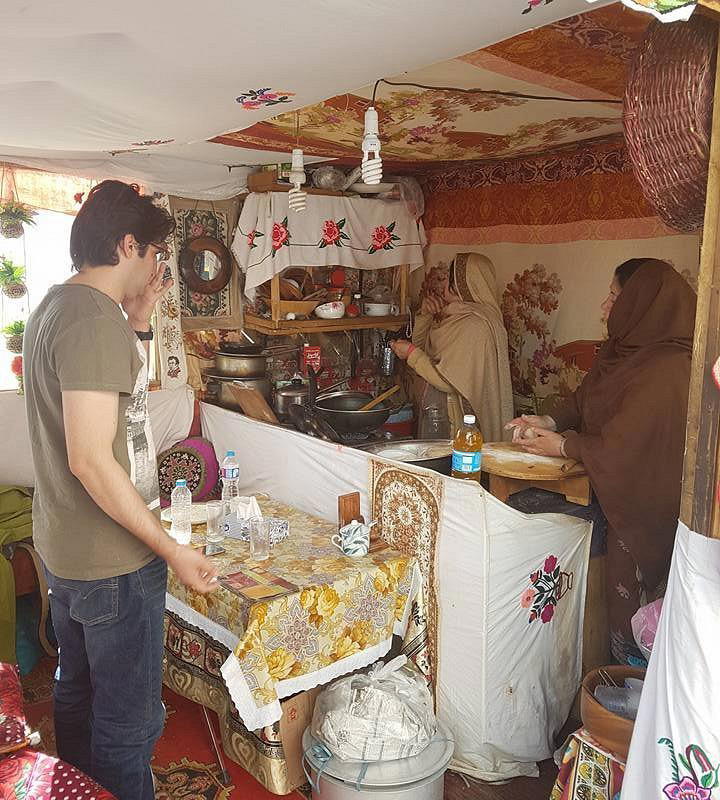
Hotels in Bulchi Das
Browse all →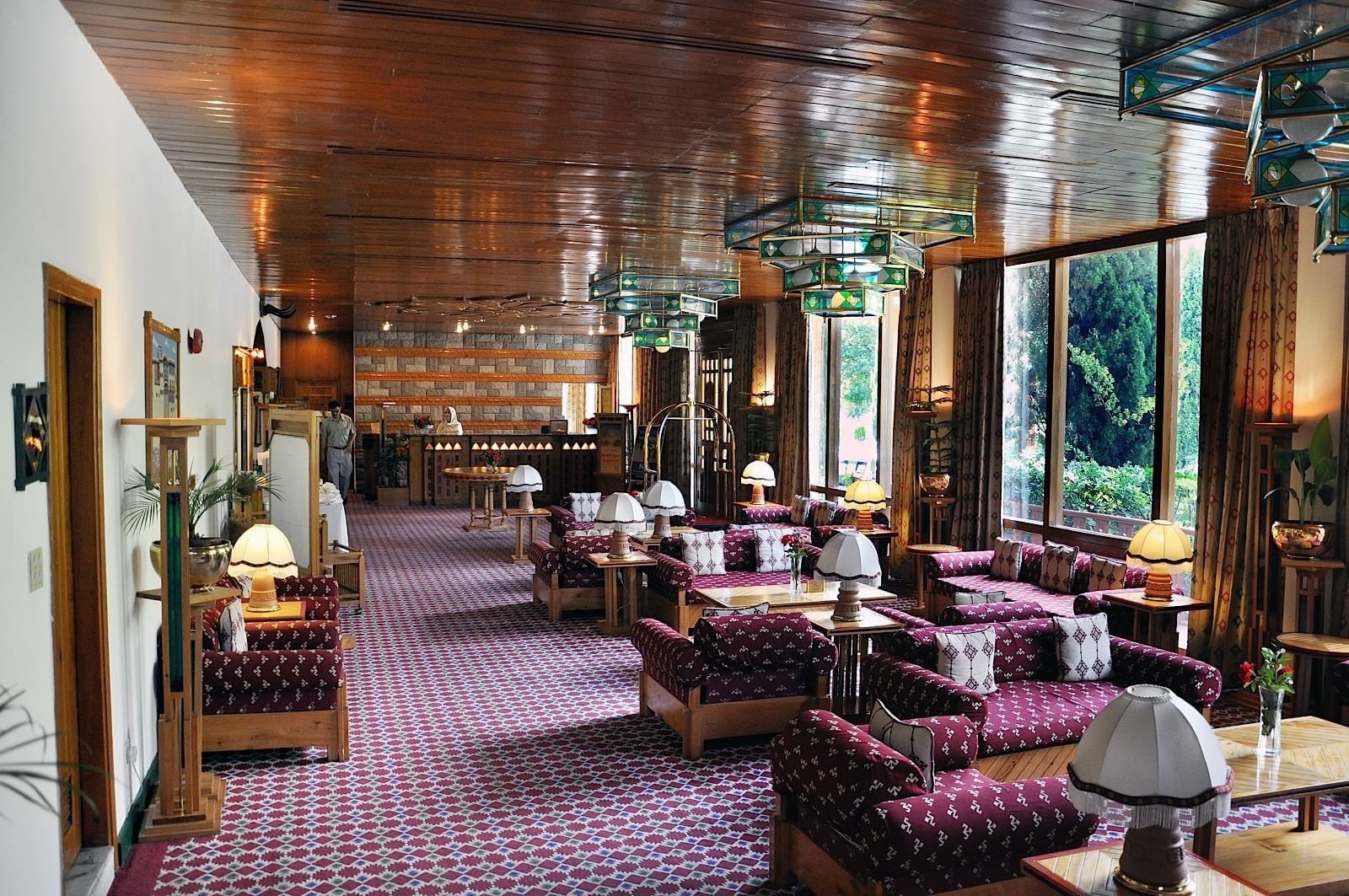
Details
- Casual Hangout
- Family
- A La Carte
- Halal
casual pizzeria atmosphere