On Wireless Road in Lumphini, The Silk Road occupies a stretch of central Bangkok where trade-route-inspired dining meets the neighbourhood's diplomatic calm. The address places it in conversation with the city's premium restaurant tier, drawing a returning clientele that values consistency over novelty. Regulars treat it less as a destination and more as a default, the kind of restaurant that earns its place through repeated visits rather than first-impression theatre.
Pearl is the En Primeur Club membership app — saves, bookings, and concierge access live there. Same editors, same standards.
- Address
- 61 Wireless Rd, Lumphini, Pathum Wan, Bangkok 10330, Thailand
- Phone
- +6626508800
- Website
- thesilkroadbangkok.com
- Directions
- Get directions
 Saves & bookings on Pearl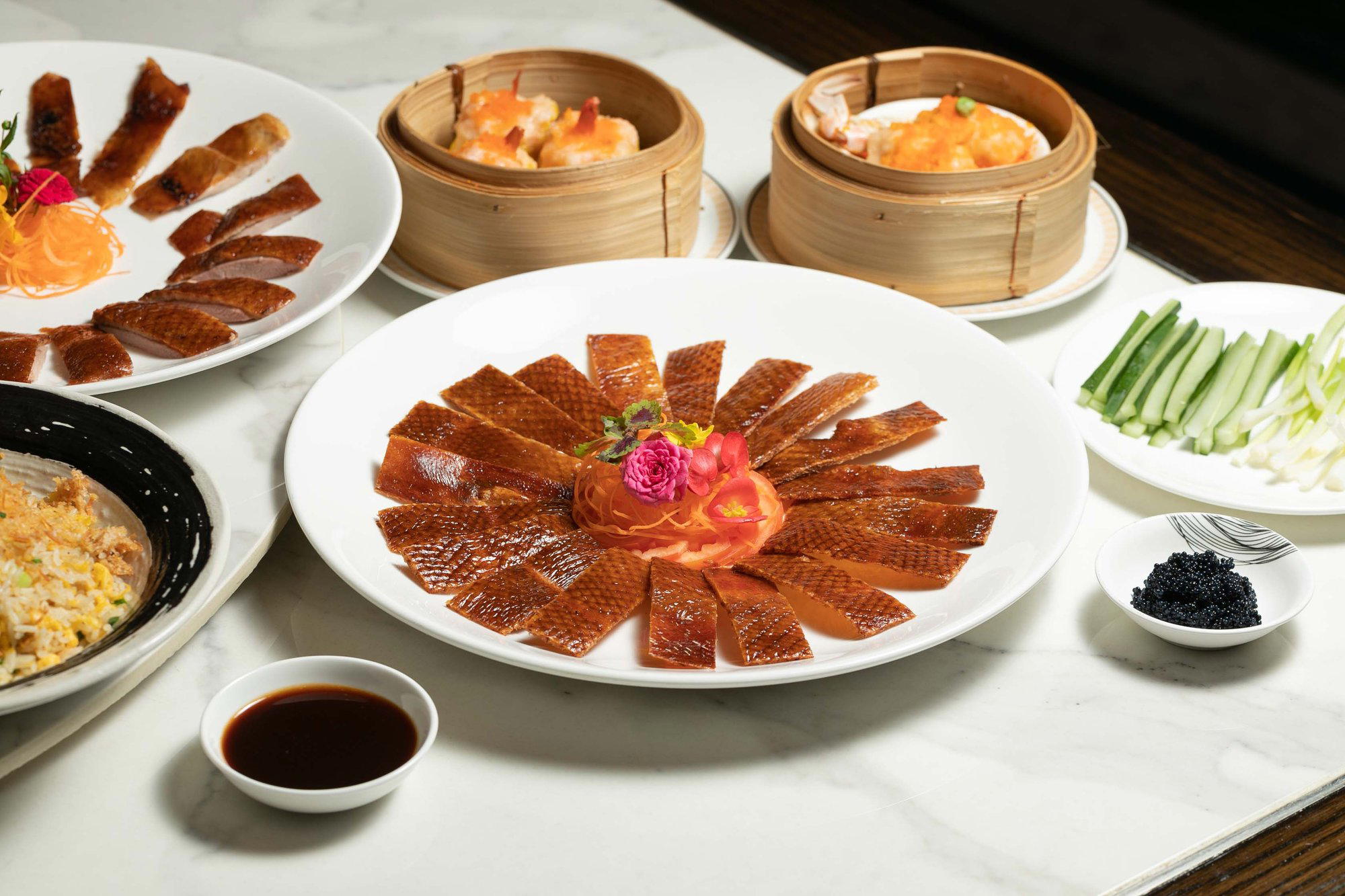
Wireless Road and the Grammar of a Regular's Restaurant
Lumphini's dining character is shaped as much by who lives and works nearby as by what any individual kitchen produces. The neighbourhood sits adjacent to embassy rows and corporate towers, and the restaurants that survive here for years tend to do so because they hold up under repeated scrutiny, from the same tables, ordered by the same people, across different seasons and moods. The Silk Road is a restaurant at 61 Wireless Road, Lumphini, Pathum Wan, Bangkok, serving Modern Cantonese cuisine. Its address places it squarely in one of Bangkok's most internationally oriented corridors, where a restaurant earns loyalty not through spectacle but through the kind of reliability that professionals and long-term residents build into their weekly rotation.
Bangkok's premium dining tier has expanded considerably over the past decade. Names like Sorn (Southern Thai) and Baan Tepa (Thai contemporary) anchor the high-concept, tasting-menu end of the market, while international imports such as Côte by Mauro Colagreco and Sühring (German) compete on pedigree and press recognition. Its name evokes land and maritime trade routes connecting East Asia to the Mediterranean through Central and South Asia, positioning it outside that tasting-menu bracket. It suggests something more à la carte, more adapted to repeat visits, more useful for a midweek dinner than a milestone occasion.
The Trade-Route Reference and What It Signals
Restaurant names carry editorial intent. "Silk Road" suggests breadth across regional cooking traditions, unified by the movement of spices, preserved proteins, flatbreads, and aromatic rice preparations. In Bangkok, that framing is a considered choice. The city already has deep infrastructure for any individual cuisine along that corridor, from the Yaowarat Road Chinese kitchens of Chinatown to the Indian and Muslim-Thai restaurants of Bang Rak. A restaurant that positions itself against the entire route, rather than a single national tradition, is making a claim about synthesis and range rather than authenticity to one origin point.
For regulars, this kind of breadth is an asset. It means the menu can accommodate different moods without requiring a venue change. A table that returns twice a month can work through different registers of the same culinary geography rather than exhausting a narrow repertoire. The Silk Road concept, executed well, functions less like a themed restaurant and more like a well-stocked pantry, one that rewards return visits with different entry points. Compare this to Bangkok's most tightly focused addresses, such as Gaa (Modern Indian), where the commitment to a single culinary lineage runs deep but the experience is necessarily more singular and occasion-specific.
What Keeps Regulars Returning
The regulars' perspective on any restaurant tends to strip away the elements that impress newcomers, the design moments, the opening-night energy, the novelty factor, and foreground what holds up over time. At Wireless Road addresses in Lumphini, the test is usually consistency of execution across lunch and dinner, the ability to handle a business table and a couple at adjacent tables without the service rhythm faltering, and a wine or beverage list that doesn't require starting from scratch on every visit.
Bangkok's diplomatic and corporate Lumphini crowd also tends to travel widely and eat comparatively. A regular at a Wireless Road restaurant has likely eaten at Le Bernardin in New York City or Atomix in New York City within a given year. That comparative frame means the bar for service intelligence and kitchen coherence is set by international reference points, not just local ones. Restaurants on this corridor that treat their clientele as sophisticated repeat visitors, rather than first-timers requiring orientation, tend to retain them.
The Silk Road name also carries a seasonality implication worth noting for timing a visit. Trade-route cuisines tend toward warming spice profiles, cumin-forward braises, slow-cooked lamb, charred flatbreads with fermented dairy, which read most naturally in Bangkok's cooler months, roughly November through February. That seasonal alignment is worth factoring into planning, particularly for first-time visitors who want the menu to feel in register with the weather.
Lumphini in the Broader Bangkok Dining Map
Bangkok's dining geography has expanded dramatically beyond the inner city. AKKEE in Pak Kret draws dedicated audiences north of the city. In the south, PRU in Phuket has built a farm-to-table identity that anchors Phuket's premium tier. Chiang Mai's character is defined by places like Cherng Doi Roast Chicken and Loet Rot, which represent the northern Thai culinary tradition at its most direct. Against that broader Thai map, Lumphini sits at the intersection of international demand and local establishment culture, less adventurous than some outer districts, more internationally calibrated than most.
Within Bangkok itself, the Wireless Road corridor competes with Sukhumvit's restaurant density and Silom's combination of fine dining and street-level eating. Lumphini's advantage is relative calm, fewer venues competing for the same table, easier vehicle access, and a clientele that has often already filtered itself toward a certain kind of purposeful restaurant visit rather than a browsing approach to dinner. For anyone eating across the country, the contrast between Lumphini's register and, say, the beachside informality of DEVASOM BEACH GRILL in Takua Pa or the coastal seafood directness of Hoy Tord Chao Lay in Bangkok's Watthana area illustrates how much Thailand's dining range exceeds any single category or price point.
Peers Worth Knowing
Comparable venues nearby, for context on price, style, and recognition.
| Venue | Cuisine | Price | Notes |
|---|---|---|---|
| The Silk RoadThis venue — the venue you are viewing | Modern Cantonese | $$$$ | Not listed |
| Mei Jiang | Fine Cantonese Dining | $$$$ | Khlong Ton Sai |
| Chef Man | Cantonese & Dim Sum | $$$ | Sathon |
| Purple Laurel | Modern Jiangnan Chinese Fine Dining | $$$$ | Ratchaprasong |
| Bo.lan | Thai Fine Dining | $$$$ | Thonglor |
| Four Seasons Bangkok at Chao Phraya River | Multi-Cuisine Fine Dining: Cantonese, Thai Farm-to-Table, Italian & French | $$$$ | Klong San |
Continue exploring
More in Bangkok
Restaurants in Bangkok
Browse all →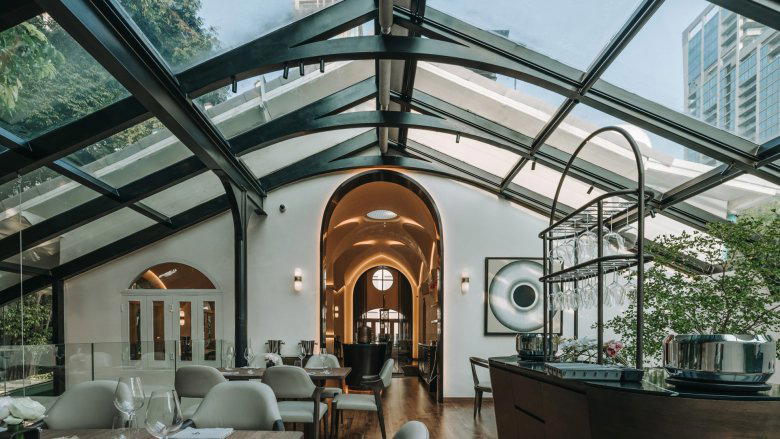
At a Glance
- Elegant
- Sophisticated
- Ornate
- Business Dinner
- Special Occasion
- Date Night
- Hotel Restaurant
- Private Dining
Current opening hours
- Monday
- 11:30 AM–2:30 PM, 6–10 PM
- Tuesday
- 11:30 AM–2:30 PM, 6–10 PM
- Wednesday
- 11:30 AM–2:30 PM, 6–10 PM
- Thursday
- 11:30 AM–2:30 PM, 6–10 PM
- Friday
- 11:30 AM–2:30 PM, 6–10 PM
- Saturday
- 11:30 AM–2:30 PM, 6–10 PM
- Sunday
- 11:30 AM–2:30 PM, 6–10 PM
Hours can change for holidays and private events. Last verified .
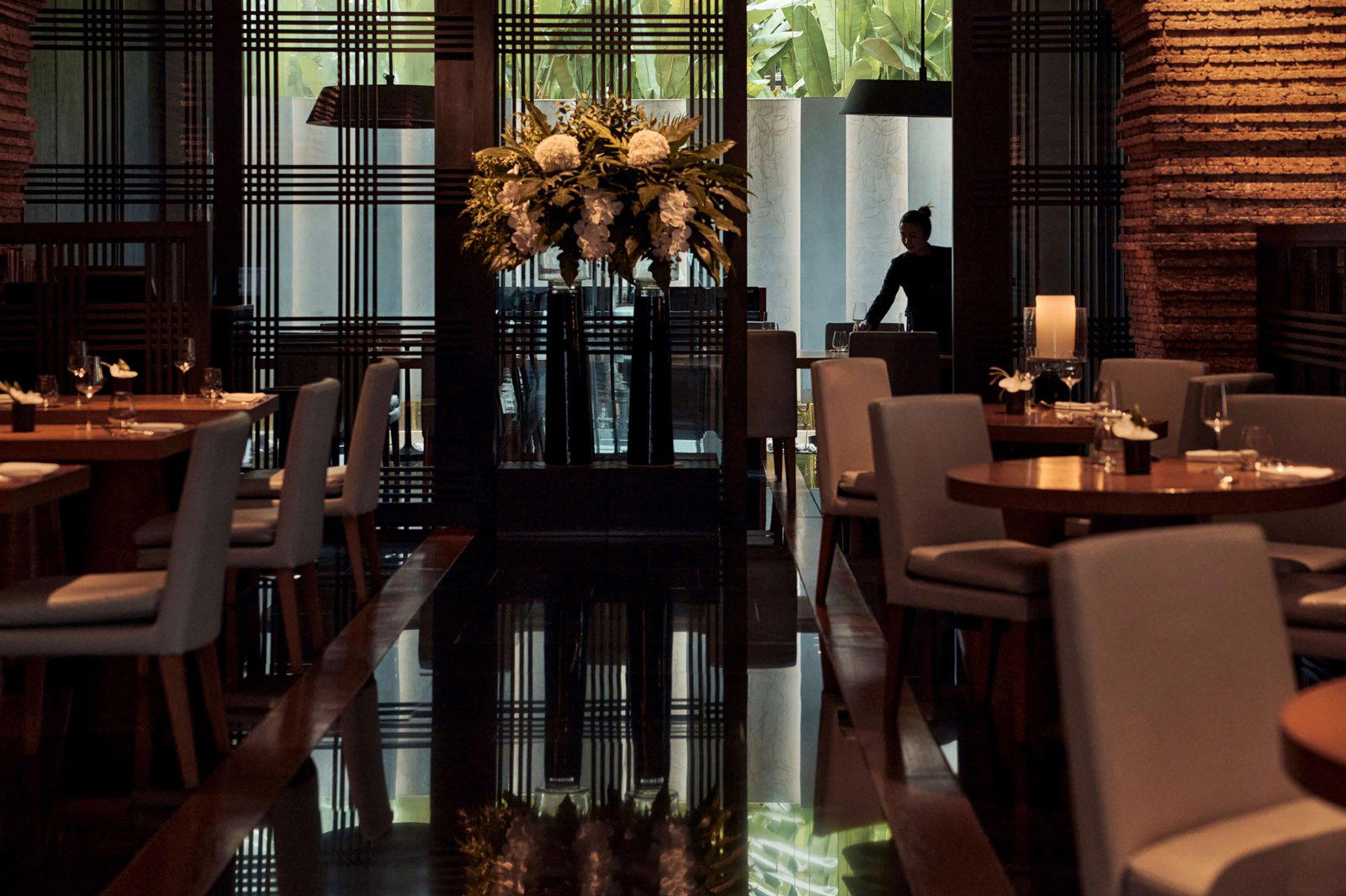
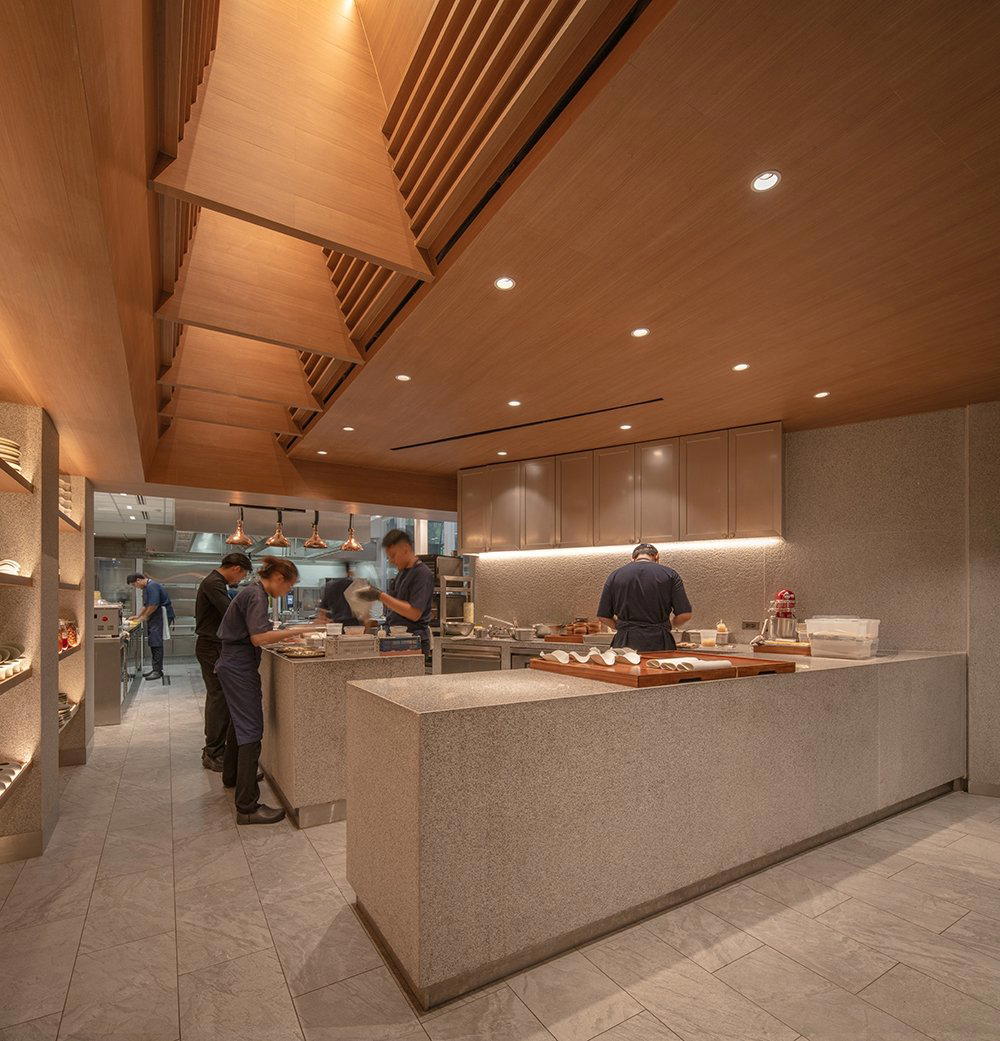
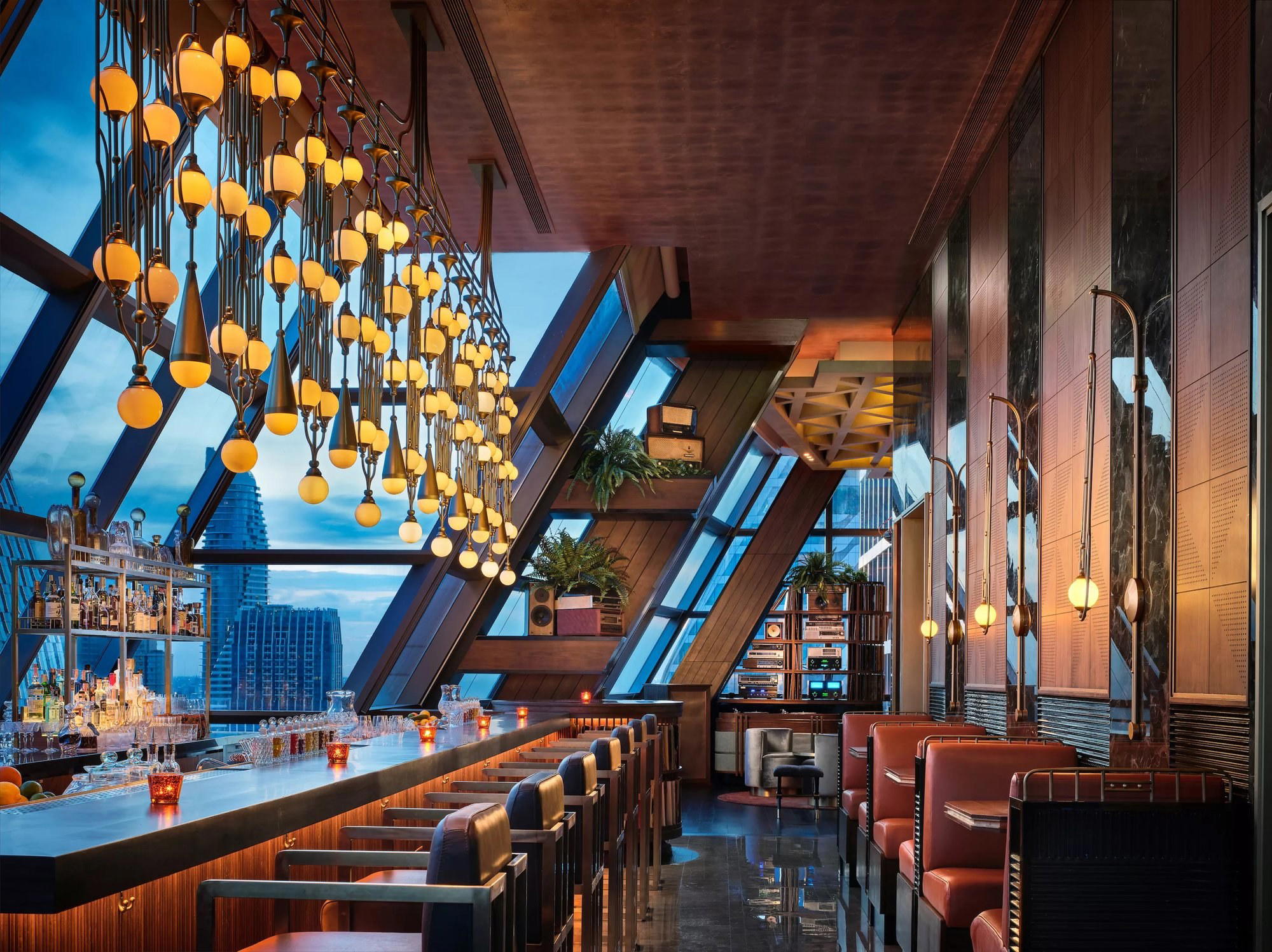
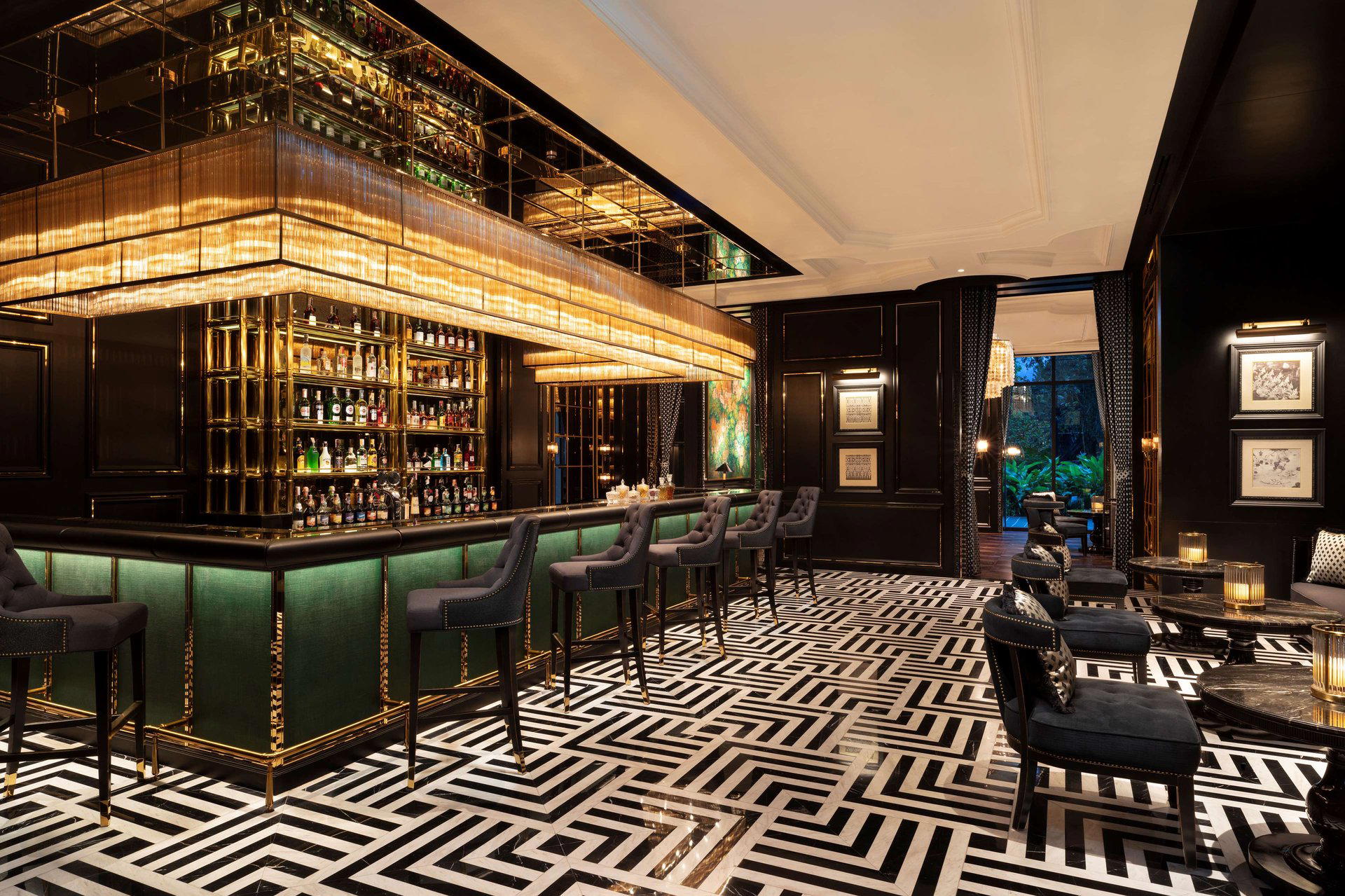
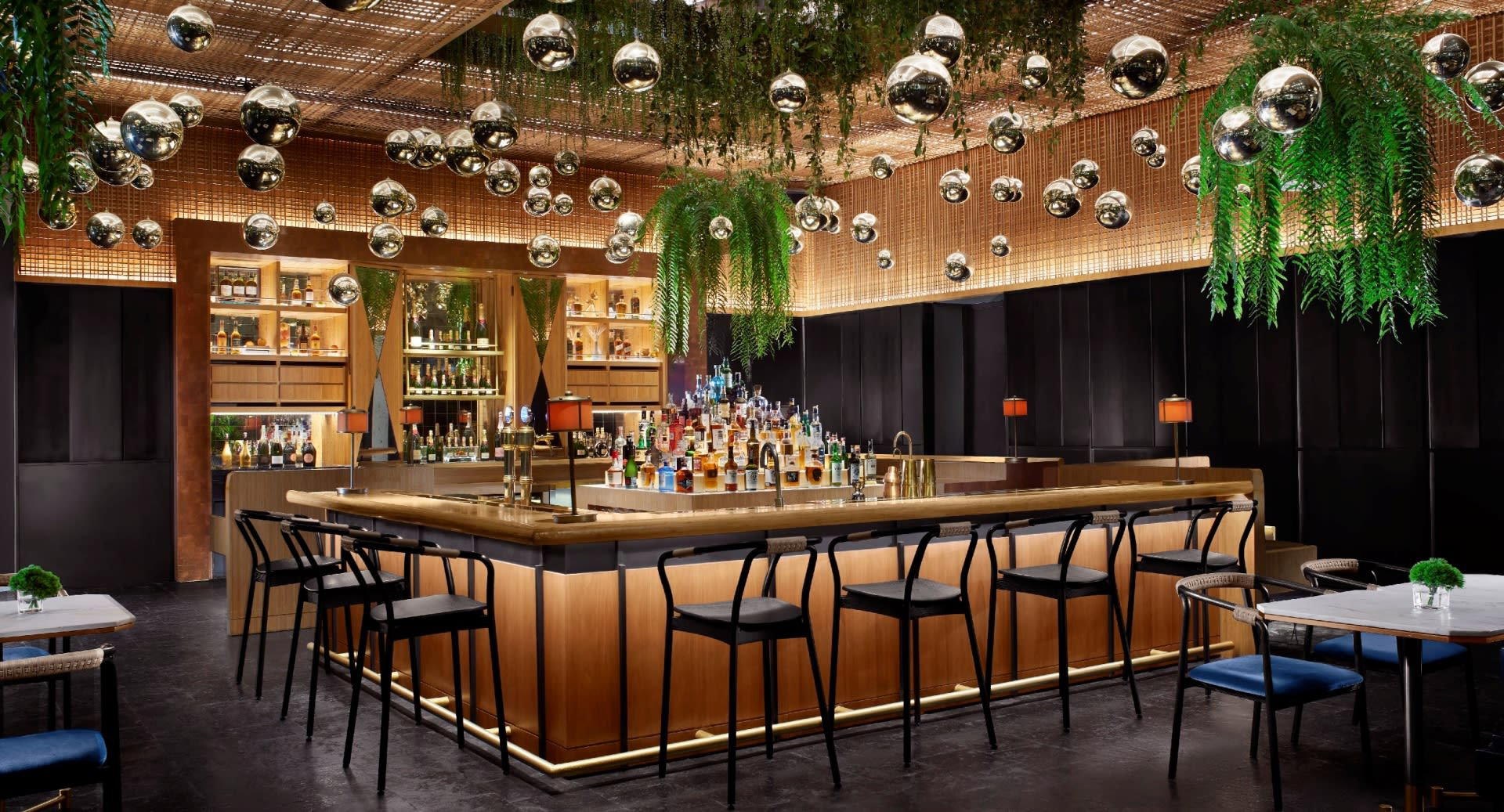
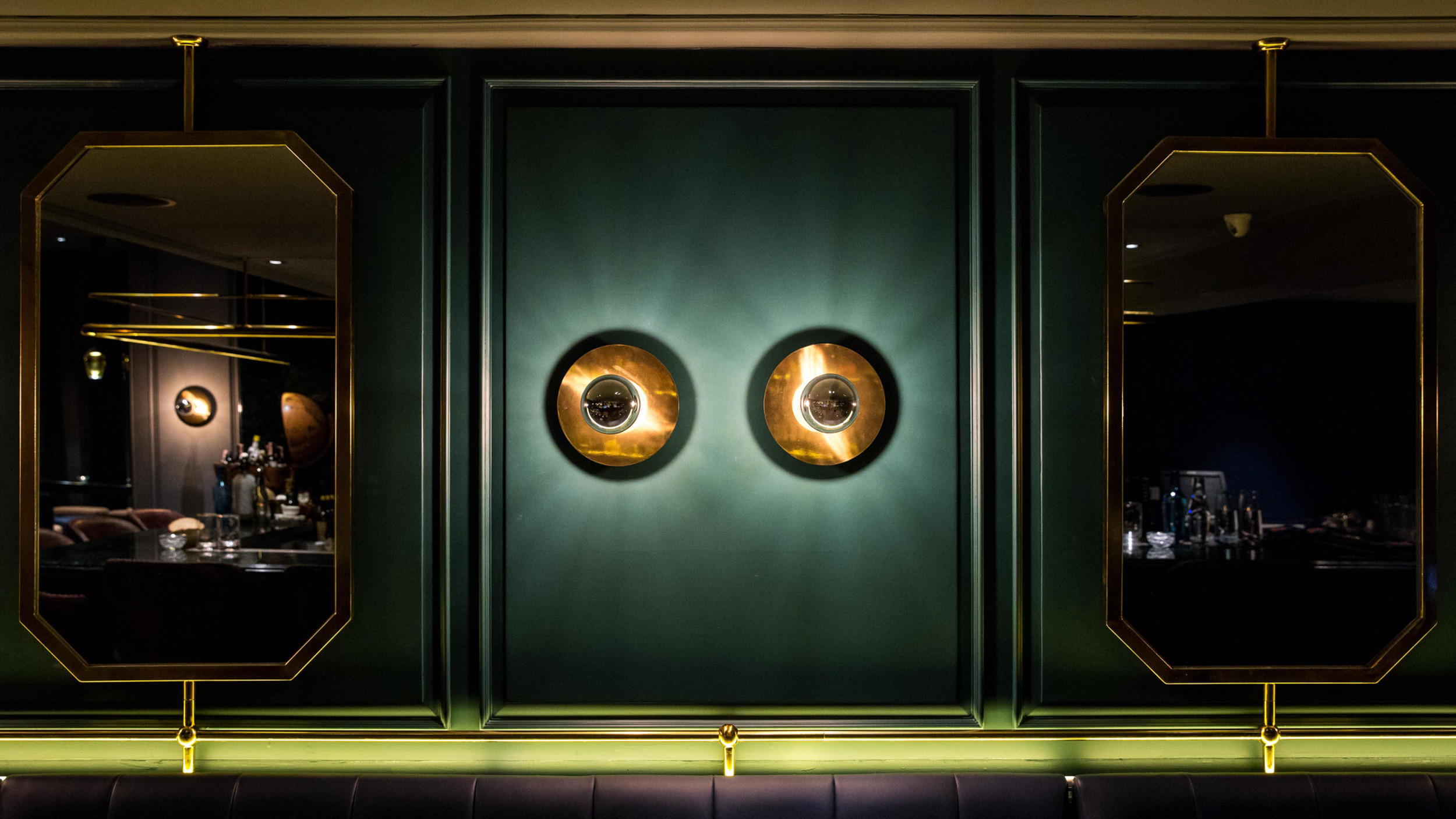
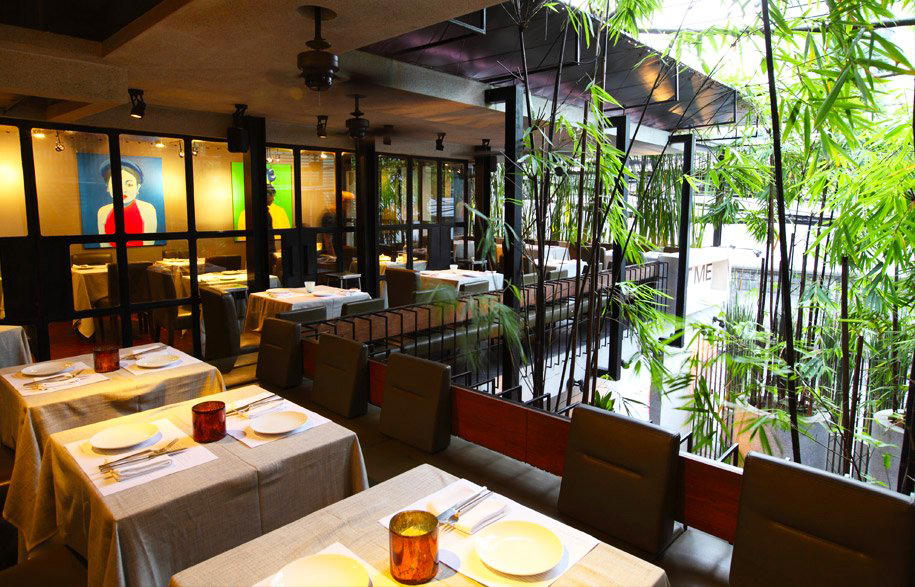
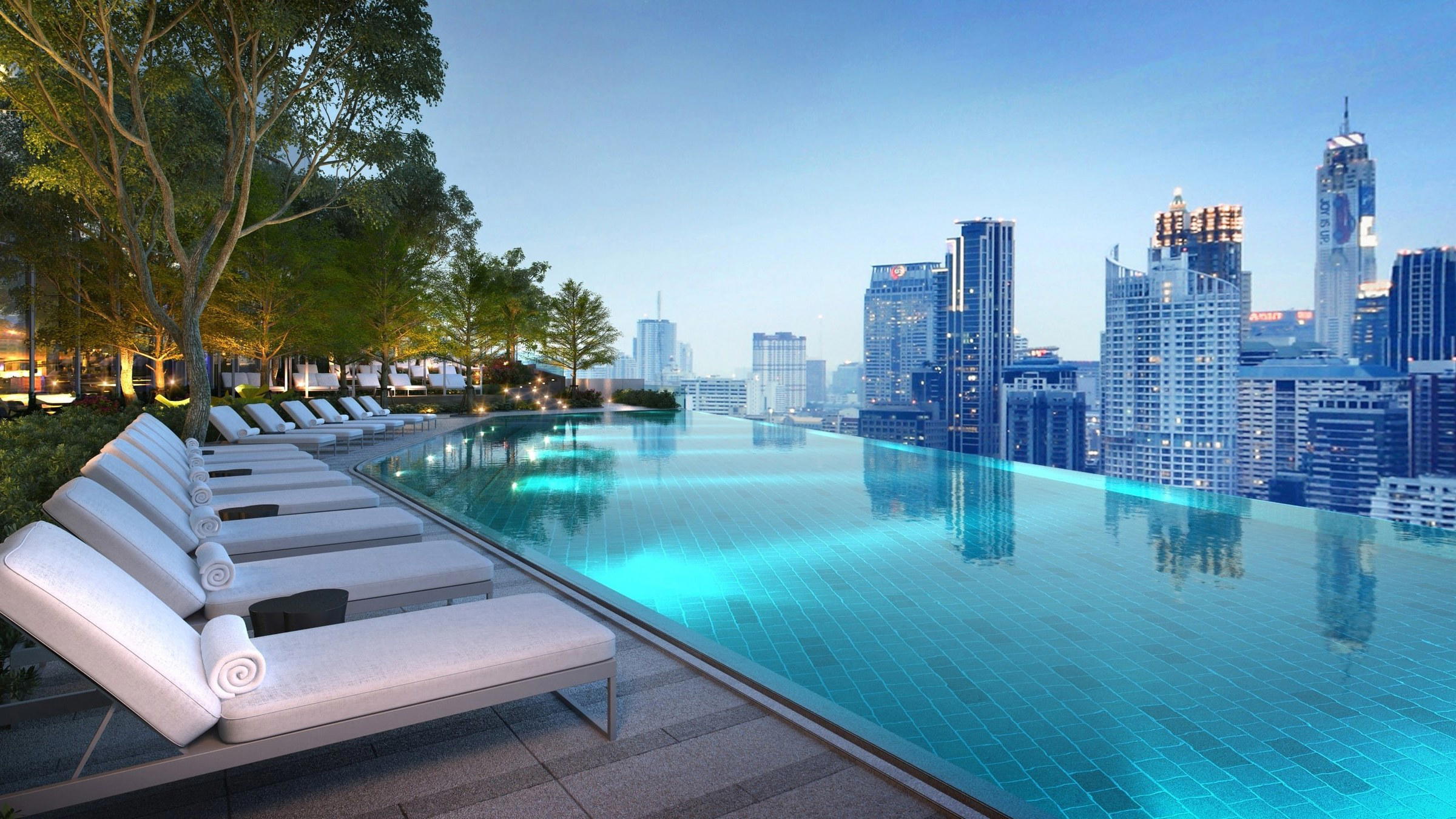
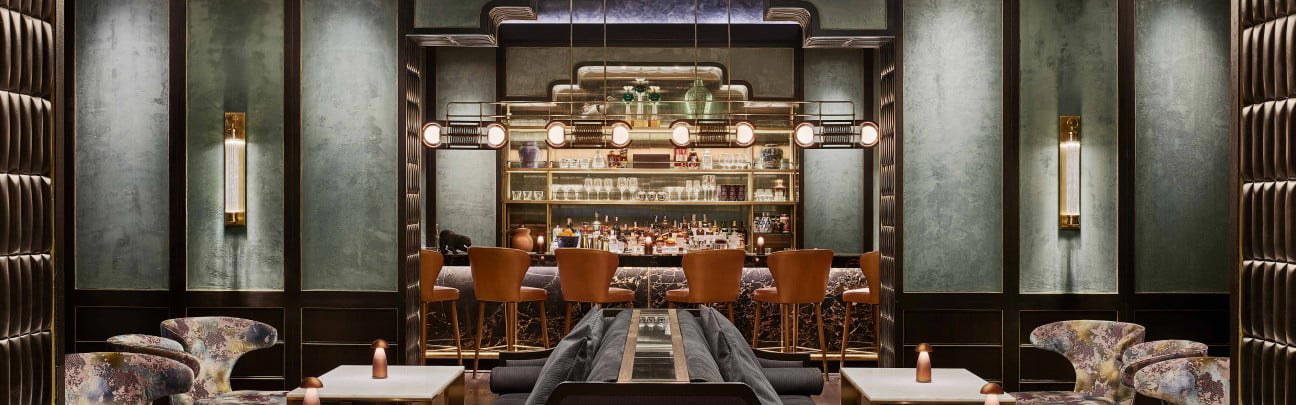
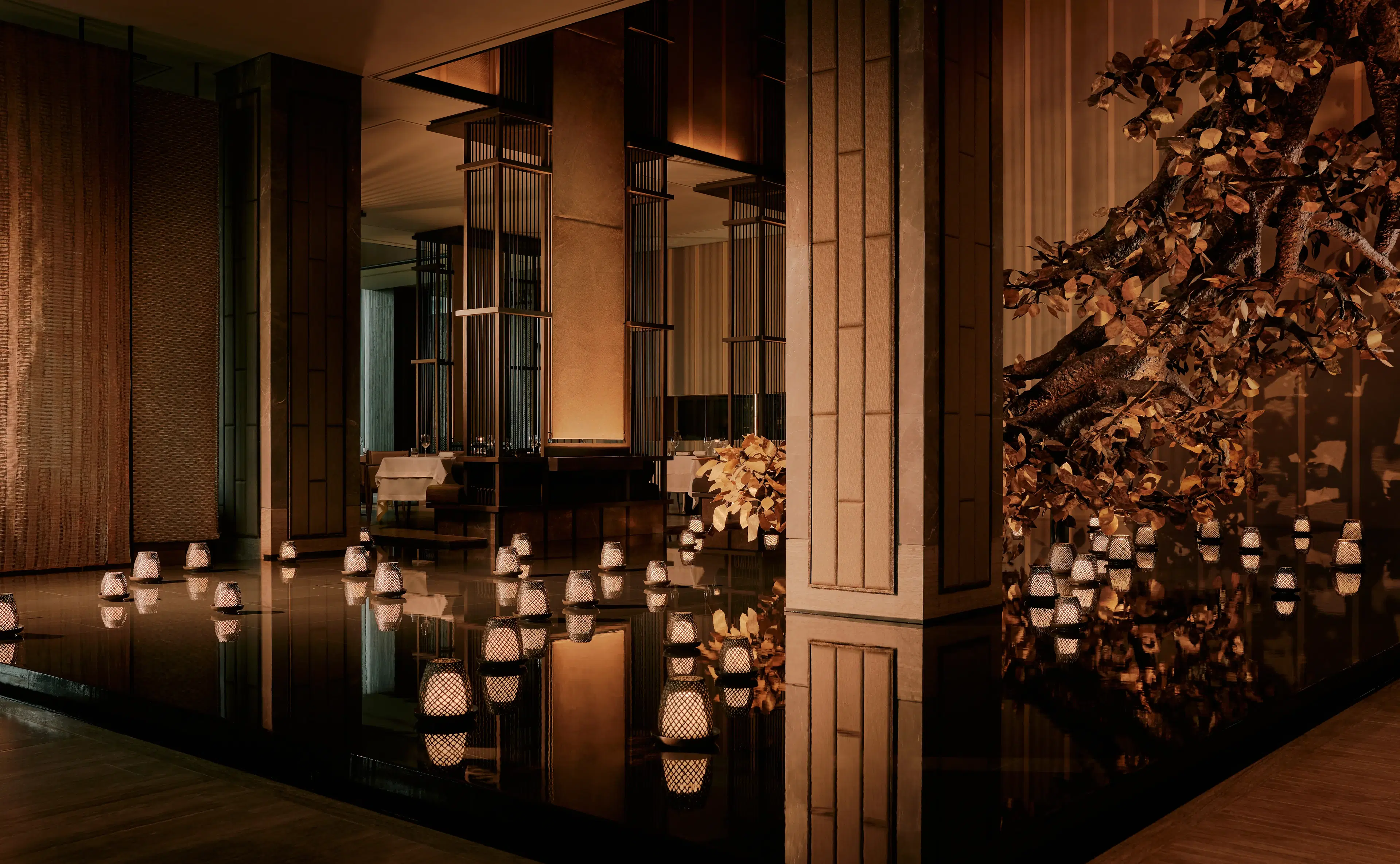
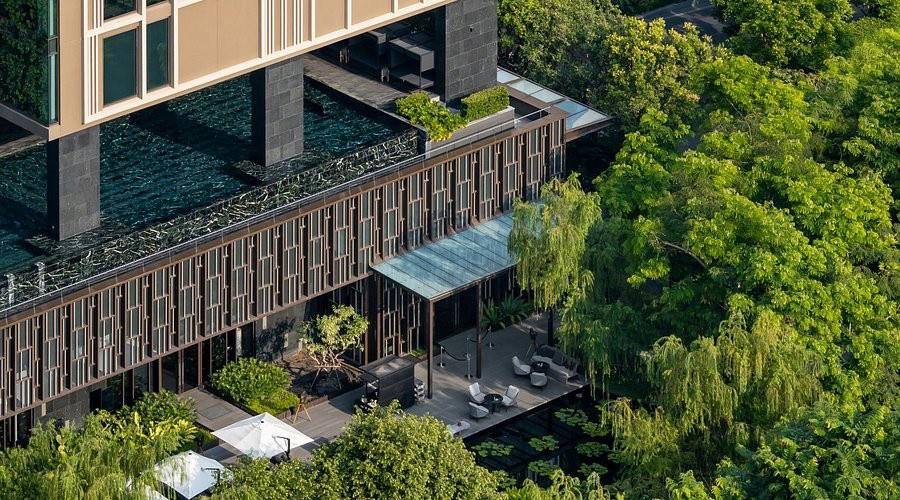
Ornate interior inspired by the ancient Silk Road with luxurious backdrop, elegant lighting, and sophisticated atmosphere well-suited for intimate dinners and business lunches.