The Porch
Our verdict
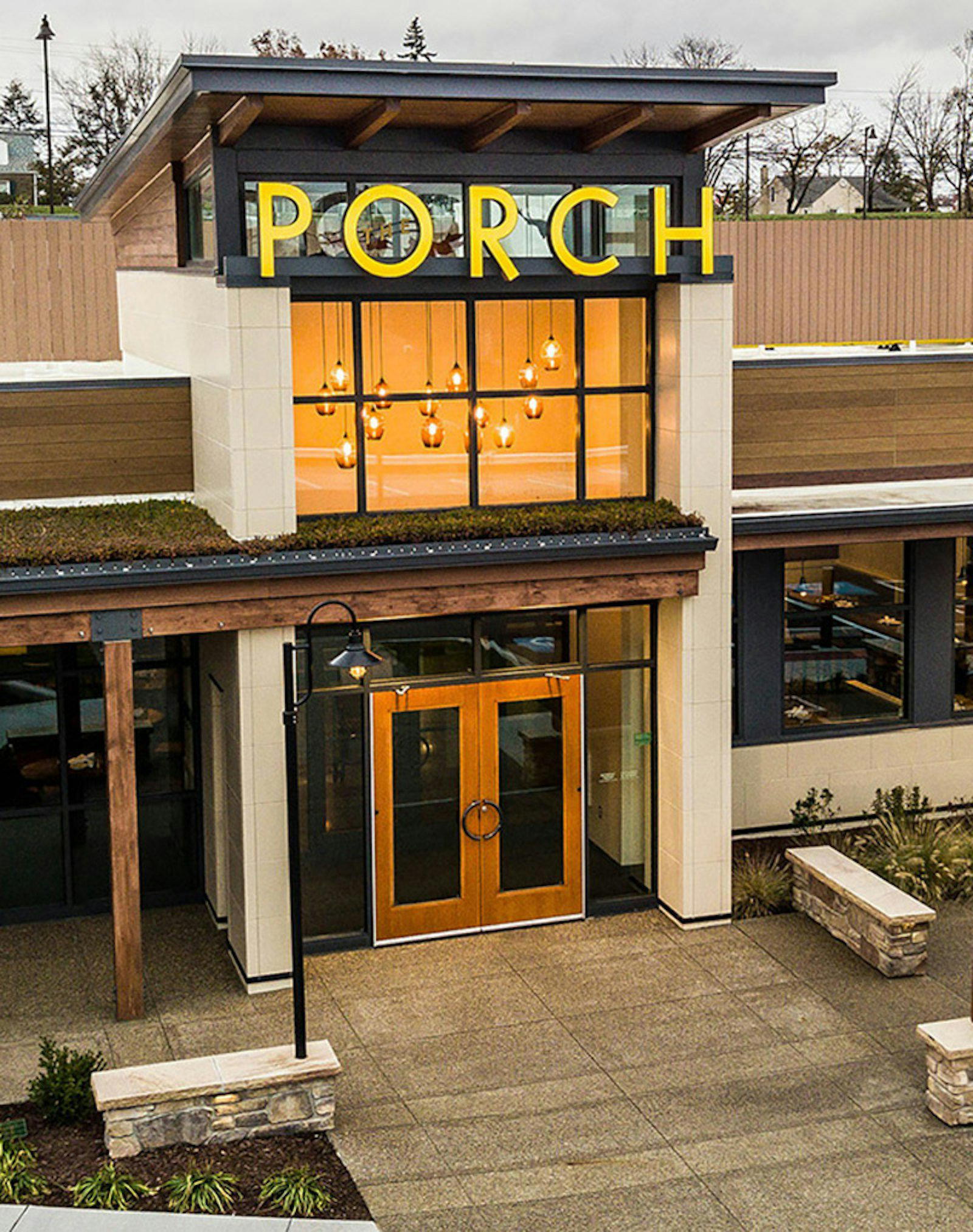
The Porch at 221 Schenley Drive sits at the edge of Schenley Park, drawing Oakland regulars and university-area visitors into a setting that balances casual accessibility with a considered approach to American cooking. The menu reads as a structured survey of approachable fare, positioned within Pittsburgh's broader movement toward neighborhood dining that takes ingredients seriously without demanding formality.

Pearl is the En Primeur Club membership app — saves, bookings, and concierge access live there. Same editors, same standards.
- Address
- 221 Schenley Drive, Pittsburgh, PA 15213
- Phone
- (412) 687-6724
- Hours
- Mon–Thu 7 AM–10 PMFri 7 AM–11 PMSat 10 AM–11 PMSun 10 AM–9 PM
- Website
- dineattheporch.com
- Directions
- Get directions
The menu
What to order
- Bianca Pizza
- Porch Truffle Burger
- Miso Chilean Sea Bass
Where Oakland's Green Edge Meets the Table
Schenley Park occupies an unusual position in Pittsburgh's geography: a genuine urban forest that abuts one of the city's densest academic and medical corridors. Restaurants that sit at that seam tend to attract a particular crowd — one that wants proximity to green space, wants food that matches the relaxed energy of the surroundings, and is not necessarily interested in the white-tablecloth formality you find downtown or across the river in the Strip District. The Porch, at 221 Schenley Drive, operates inside that dynamic. Its address alone sets expectations: this is Oakland, not the Cultural District, and the menu logic follows accordingly.
Pittsburgh's restaurant scene has spent the better part of the last decade bifurcating between ambitious tasting-format rooms — the kind with sourcing manifestos and chef-driven press cycles, and neighborhood anchors that prioritize repeatability and a broad welcome. The Porch lands clearly in the second category. That is not a diminishment. In cities where dining infrastructure is still maturing, the neighborhood anchor does significant cultural work: it normalizes food quality, builds regular audiences, and creates the kind of embedded local identity that destination restaurants rarely achieve. For more on how Pittsburgh's dining scene is organized across its neighborhoods, see our full Pittsburgh restaurants guide.
Menu Architecture: What the Structure Reveals
American casual dining menus often reveal their priorities in their organization. When a kitchen leads with flatbreads and shareables before moving into mains, it signals an intent to keep tables social and the check flexible. When protein-forward mains anchor the center of the card with a disciplined sides section, the kitchen is signaling confidence in its core cooking. The Porch's menu architecture sits recognizably within the American gastropub tradition, a format that has proven durable in college-adjacent neighborhoods across the country precisely because it handles group dynamics well. A table of four with varying appetites and budgets can each find a landing point without negotiation.
This format has a parallel in how markets like Chicago and San Francisco developed their mid-tier dining culture before more ambitious rooms followed. Places like Lazy Bear in San Francisco and Alinea in Chicago exist partly because neighborhood-level dining built a literate audience first. Pittsburgh is at an earlier stage of that curve, and restaurants operating in the accessible register, including The Porch, are doing the groundwork. The comparison is not about equivalence in ambition; it is about sequence. Every city's ambitious rooms trace back to a generation of approachable ones that taught people to care about what was on the plate.
What a menu structured this way cannot do is hide behind format. Without the theatrical scaffolding of a tasting menu or the drama of a counter service experience, every component, bread quality, protein sourcing, sauce discipline, is readable on its own terms. That exposure is its own standard.
Oakland as Context
Pittsburgh's Oakland neighborhood functions as a district defined by institutional density rather than culinary identity. The University of Pittsburgh and Carnegie Mellon University generate foot traffic that sustains a wide range of price points, but the neighborhood has historically underperformed on food quality relative to its population. The migration of more considered dining options into Oakland, including spots anchored around the Schenley Park edge, reflects a broader Pittsburgh pattern: culinary energy moving outward from the Strip District and Lawrenceville into neighborhoods that previously relied on convenience-driven options.
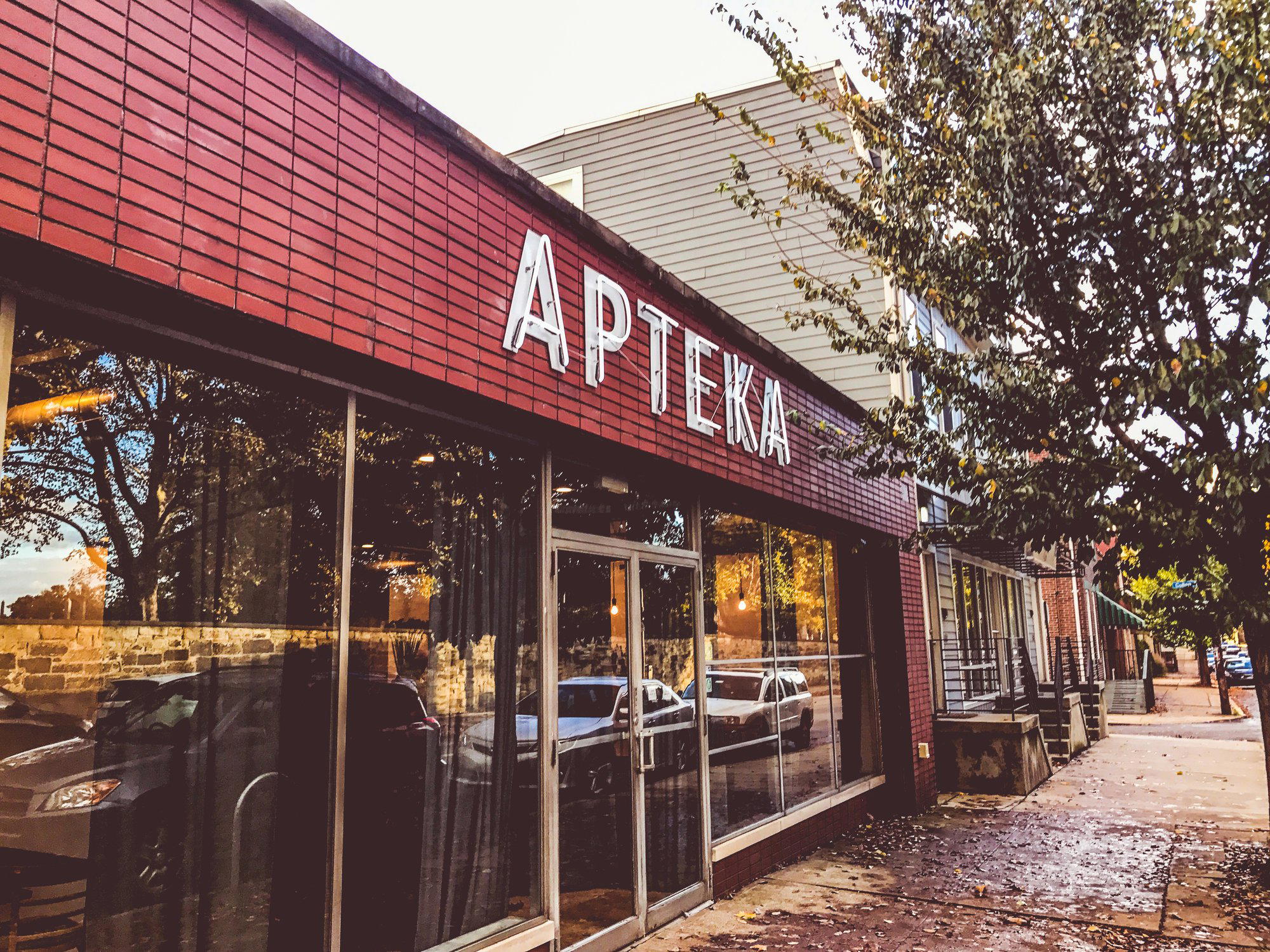
Restaurants worth knowing in Pittsburgh's wider orbit include Apteka, which has built a serious reputation in Polish-influenced plant-forward cooking in Bloomfield, and Altius, which operates in a different register entirely with sweeping views from Mt. Washington. Alfabeto represents the city's growing Italian-inflected dining tier, while 1930 by Atria's anchors the more formal end of the local scene. For something looser and snack-forward, Bakersfield Penn Ave holds its own as a reliable Lawrenceville stop. Each of these operates in a distinct register, which maps cleanly onto Pittsburgh's current moment: a city with multiple dining tiers developing simultaneously rather than sequentially.
The national frame is useful here. Pittsburgh's dining scene, taken as a whole, is still building the critical mass that cities like New Orleans (home to Emeril's) or Washington D.C. (home to The Inn at Little Washington) achieved over longer arcs. More recently, tasting-format destinations like Atomix in New York City or farm-integrated experiences like Blue Hill at Stone Barns in Tarrytown have reset expectations nationally for what a restaurant can argue about sourcing and structure. Pittsburgh's mid-tier is not yet making those arguments at scale, but venues in Oakland and beyond are raising the baseline.
Who This Is For
The Porch addresses a specific gap in the Oakland dining ecosystem: a sit-down option with more intention than a campus dining hall and less formality than the city's destination rooms. That positioning serves a wide demographic, graduate students with occasional disposable income, visiting academics, families attending university events, and locals who want a reliable park-adjacent stop without committing to a long tasting format. The outdoor seating configuration, consistent with the venue's name and its Schenley Park adjacency, extends the appeal through warmer months when Pittsburgh's green spaces draw people out of their neighborhoods and into the parks.
For readers who have already worked through Pittsburgh's higher-ambition rooms and are building a fuller picture of the city's dining range, The Porch represents the accessible end of a spectrum that now includes genuinely strong cooking. For those arriving from cities where restaurants like Providence in Los Angeles, Addison in San Diego, Single Thread Farm in Healdsburg, Le Bernardin in New York City, or The French Laundry in Napa define what serious dining looks like, The Porch is a useful recalibration point, a reminder that a city's dining culture is built as much by its consistent middle tier as by its flagship rooms. Even 8 1/2 Otto e Mezzo Bombana in Hong Kong exists within a city whose dining range runs from street-level dai pai dongs to Michelin-starred formal rooms; the range is the point.
Know Before You Go
- Address: 221 Schenley Drive, Pittsburgh, PA 15213
- Neighborhood: Oakland, adjacent to Schenley Park
- Format: Casual American dining; suitable for groups and families
- Nearest transit: Accessible via Port Authority bus routes serving Oakland
- Parking: Schenley Park area parking available; campus parking structures nearby
Frequently asked questions
Can I bring kids to The Porch?
The Porch's casual American format and Schenley Park setting make it a workable choice for families. The outdoor-adjacent atmosphere at 221 Schenley Drive is informal enough that children fit the room without friction. It sits well below Pittsburgh's fine-dining tier in formality, which takes the pressure off.
What is the atmosphere like at The Porch?
The Schenley Park address does significant work here: the setting is relaxed and green-edged rather than urban and polished. Expect the register of a neighborhood gathering spot rather than a destination dining room. Pittsburgh's Oakland district is defined by institutional density — universities, hospitals — and The Porch reads as a deliberate counter to that utilitarian environment.
Is The Porch a good option for dining near the University of Pittsburgh?
At 221 Schenley Drive, The Porch is positioned at the edge of Oakland's academic corridor, making it one of the few sit-down options in the district that targets something beyond the campus dining hall or quick-service model. Pittsburgh's Oakland neighborhood has historically been under-served at the mid-tier casual restaurant level, which gives The Porch a practical role in the local dining ecosystem. It addresses a gap rather than competing head-to-head with Pittsburgh's destination restaurant scene.
What should I eat at The Porch?
Without current verified menu data, the practical approach is to read the menu structure when you arrive: what the kitchen leads with typically signals where its confidence sits. American casual formats in this tier usually anchor around shareables and flatbreads before moving into mains, which gives a reasonable read on where to focus. Ask your server what has been on the menu longest — longevity on a casual menu is a reliable proxy for kitchen confidence.
Price and Recognition
Comparable venues nearby, for context on price, style, and recognition.
| Venue | Cuisine | Price | Notes |
|---|---|---|---|
| The PorchThis venue — the venue you are viewing | American Farm-to-Table with Wood-Fired Pizzas | $20–30 | Not listed |
| The Cafe Carnegie | Modern American Museum Cafe | $20–30 | Bellefield, Modern American Museum Cafe |
| The Café at the Frick | Seasonal American Cafe with Afternoon Tea | $20–30 | North Point Breeze, Seasonal American Cafe with Afternoon Tea |
| The Abbey on Butler Street | American Gastropub | $20–30 | Central Lawrenceville, American Gastropub |
| The Rebel Room | Modern American | $20–30 | Central Business District, Modern American |
| Fig & Ash | Modern American Wood-Fired | $50–100 | East Allegheny, Modern American Wood-Fired |
Continue exploring
More in Pittsburgh
Restaurants in Pittsburgh
Browse all →
Bars in Pittsburgh
Browse all →
Details
- Cozy
- Rustic
- Trendy
- Brunch
- Casual Hangout
- Group Dining
- Open Kitchen
- Rooftop
- Craft Cocktails
- Farm To Table
- Local Sourcing
- A La Carte
- Small Plates
- Vegetarian Friendly
- Vegan Options
- Gluten Free Options
Current opening hours
- Monday
- 7 AM–10 PM
- Tuesday
- 7 AM–10 PM
- Wednesday
- 7 AM–10 PM
- Thursday
- 7 AM–10 PM
- Friday
- 7 AM–11 PM
- Saturday
- 10 AM–11 PM
- Sunday
- 10 AM–9 PM
Hours can change for holidays and private events. Last verified .
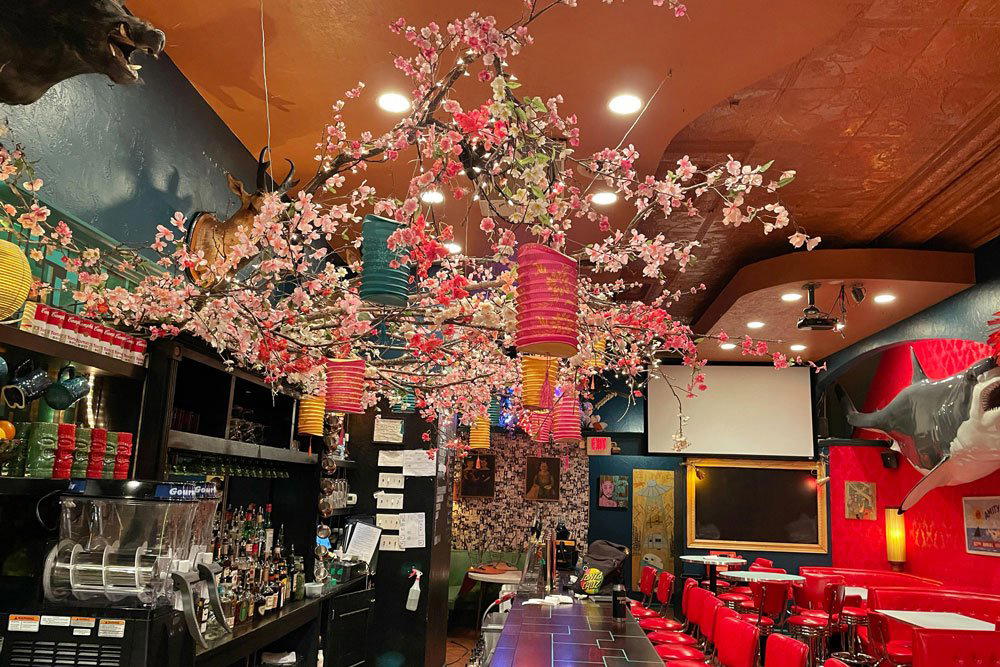
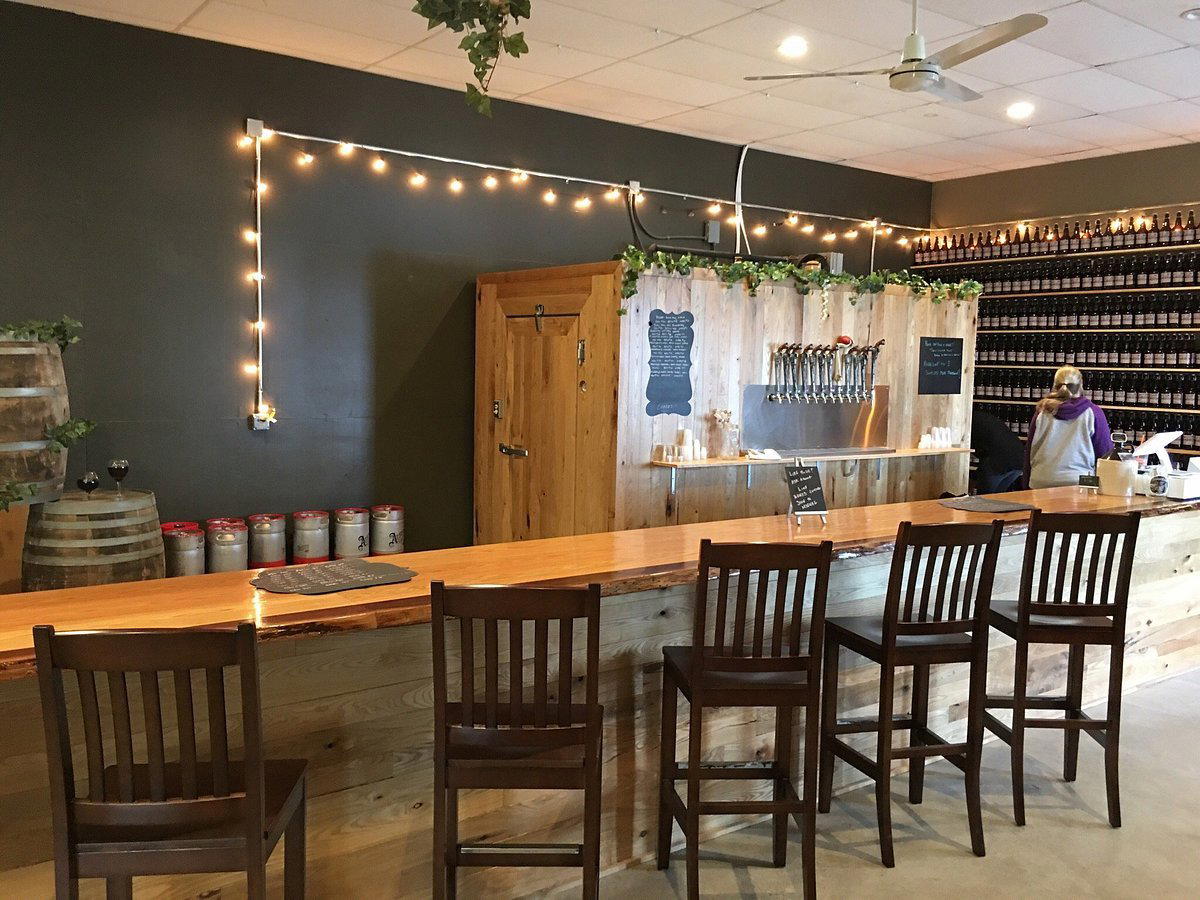
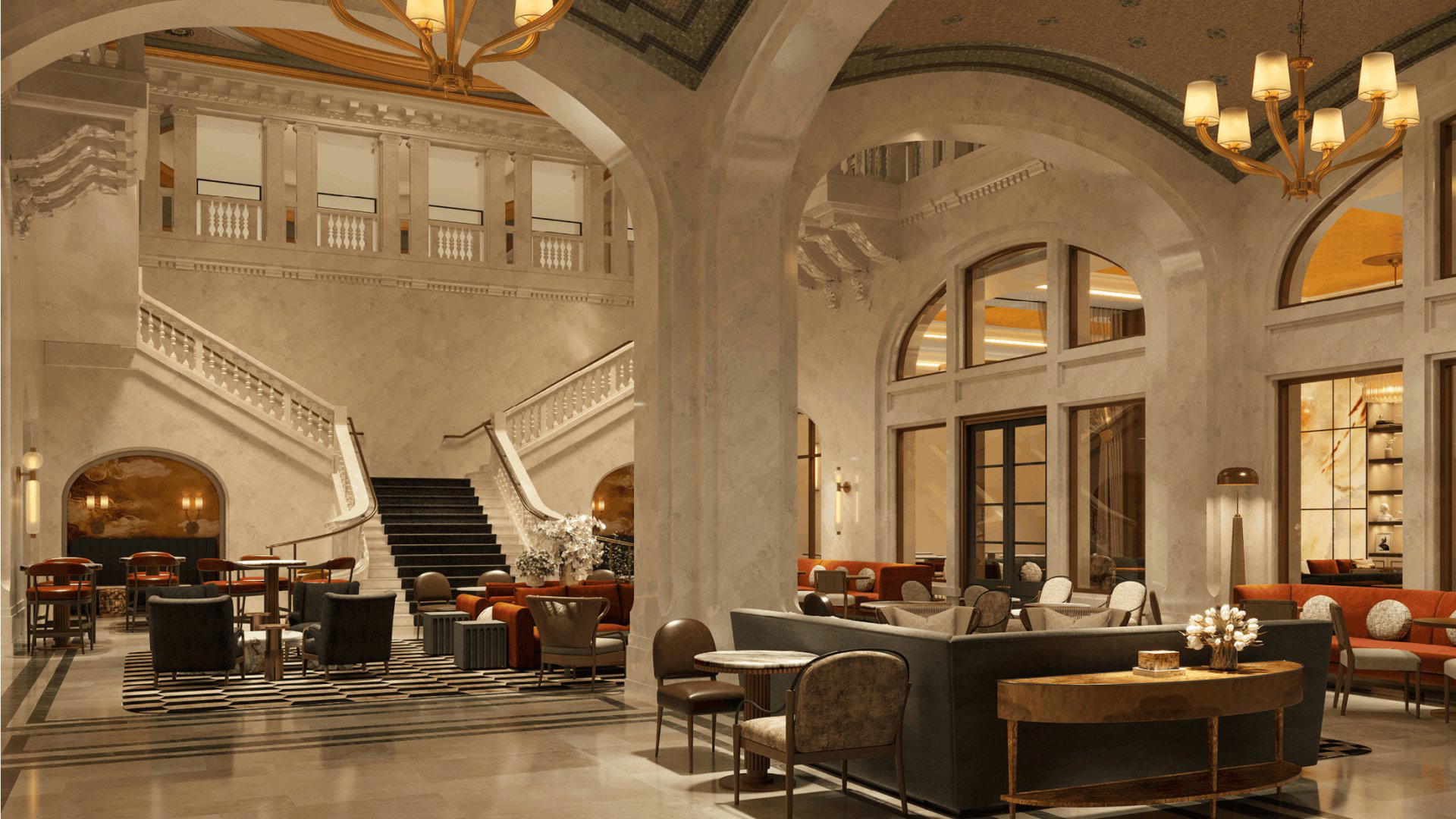
Casual and inviting with fresh, seasonal ingredients highlighting a cozy, garden-infused atmosphere.