Chengdu Gourmet

James Beard Award Semi Finalist
Our verdict
Chengdu Gourmet serves authentic Sichuan Chinese in Pittsburgh, with mapo tofu, Sichuan dumplings, cumin lamb, and double-cooked pork; 2025 James Beard Award Semi Finalist.

Pearl is the En Primeur Club membership app — saves, bookings, and concierge access live there. Same editors, same standards.
- Address
- 5840 Forward Ave, Pittsburgh, PA 15217
- Phone
- (412) 521-2088
- Hours
- Mon–Thu 11 AM–9 PMFri–Sat 11 AM–10 PMSun 11 AM–9 PM
- Website
- chengdugourmetpa.com
- Directions
- Get directions
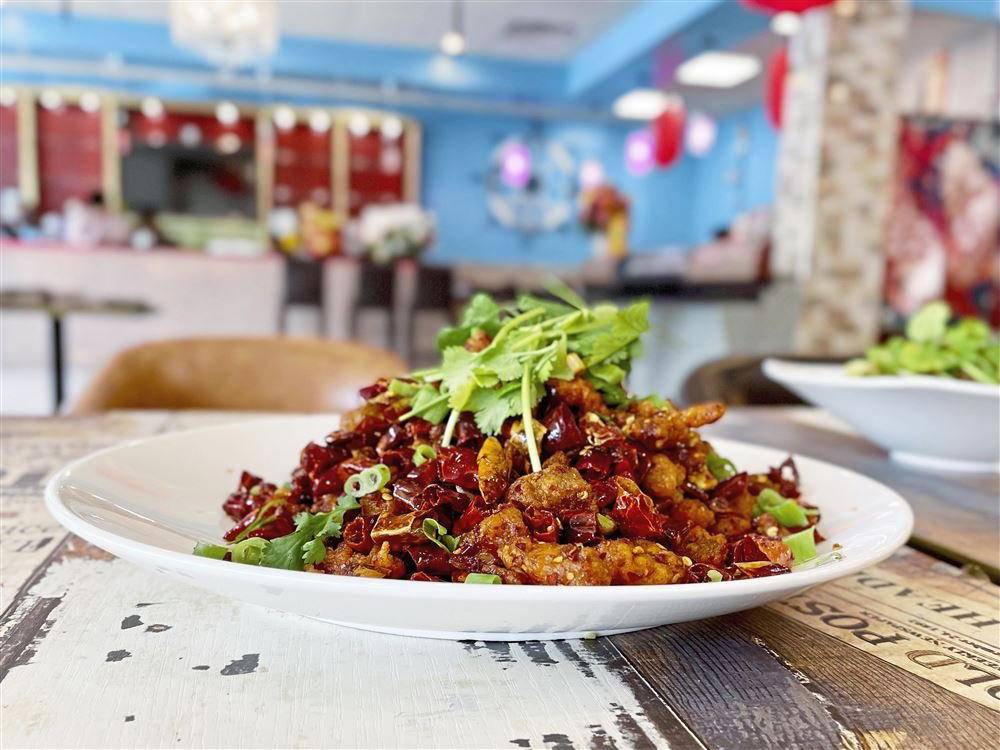
The menu
What to order
- Mapo tofu
- Sichuan dumplings
- Cumin lamb
- Double-cooked pork
Sichuan in Squirrel Hill: Where Pittsburgh's Chinese Dining Tradition Gets Serious
Forward Avenue in Squirrel Hill is not a street that announces itself dramatically. The neighborhood carries Pittsburgh's densest concentration of Jewish delis, Korean grocery stores, and long-standing Chinese restaurants — a culinary corridor shaped more by immigrant community than by dining-press attention. Chengdu Gourmet, at 5840 Forward Ave, sits inside that context rather than apart from it. The room is functional, the signage is modest, and the dining room operates with the kind of matter-of-fact efficiency that characterizes serious regional Chinese cooking houses across the country. There is no theater here; the food provides the argument.
The Sichuan Question in American Mid-Sized Cities
American Sichuan has spent the past two decades sorting itself out. The early wave of Americanized Chinese restaurants gave way, in coastal cities first, to a more regionally specific approach: numbing peppercorn heat, cold-dressed dishes, complex fermented bases. Pittsburgh arrived at this shift later than New York or San Francisco, but Squirrel Hill's Chinese community created a local demand for authenticity that outpaced what a purely tourist-facing dining economy would have required. Chengdu Gourmet emerged from that community pressure rather than from a fine-dining ambition. That origin matters when you are thinking about what the kitchen is optimizing for: replication of specific Chengdu flavor profiles rather than adaptation for a broader palate.
The distinction is worth making because it separates Chengdu Gourmet from the kind of sustainability-framed fine-dining operations — places like Blue Hill at Stone Barns in Tarrytown or Single Thread Farm in Healdsburg, where ethical sourcing is a stated program with named farm partners and published menus that change weekly. At community-rooted Chinese restaurants, sustainability frequently operates through a different logic: smaller menus that reduce waste, whole-animal and whole-vegetable utilization baked into regional cooking traditions, and supply relationships built over years with specific vendors rather than announced on a website. The Sichuan pantry, doubanjiang, dried chilies, Sichuan peppercorns, is itself a study in preservation and fermentation, methods that extend ingredient life as a matter of culinary practice rather than environmental branding.
How Regional Chinese Cooking Handles Waste Without Advertising It
Chengdu cuisine, as a tradition, is built around techniques that Western sustainability discourse has only recently started valuing formally. Fermentation, long braising of secondary cuts, cold preparations that maximize a single protein across multiple dishes, these are not innovations responding to contemporary environmental consciousness. They are structural features of a cooking culture that developed under resource constraints over centuries. The result, for a kitchen working in that tradition, is that waste reduction is embedded in method rather than marketed as policy.
This contrasts with the high-profile sustainability programs at places like Smyth in Chicago or Atelier Moessmer Norbert Niederkofler in Brunico, where the farm-to-table or regional-only sourcing ethos is a central part of the editorial identity and the justification for high price points. Community Chinese restaurants operate without that narrative scaffolding, which means their environmental credentials rarely surface in the dining press. The practical outcome, high utilization of ingredients, minimal processed components, supply chains anchored in specific ethnic-grocery networks, is no less real for being undocumented.
Pittsburgh's Squirrel Hill has the grocery infrastructure to support this kind of cooking: Asian supermarkets within walking distance supply the fermented pastes, fresh tofu, and specialty produce that make authentic Sichuan flavors replicable outside a major coastal market. That local supply network is itself a form of localism, even when it does not use that language.
Chengdu Gourmet Inside Pittsburgh's Broader Dining Conversation
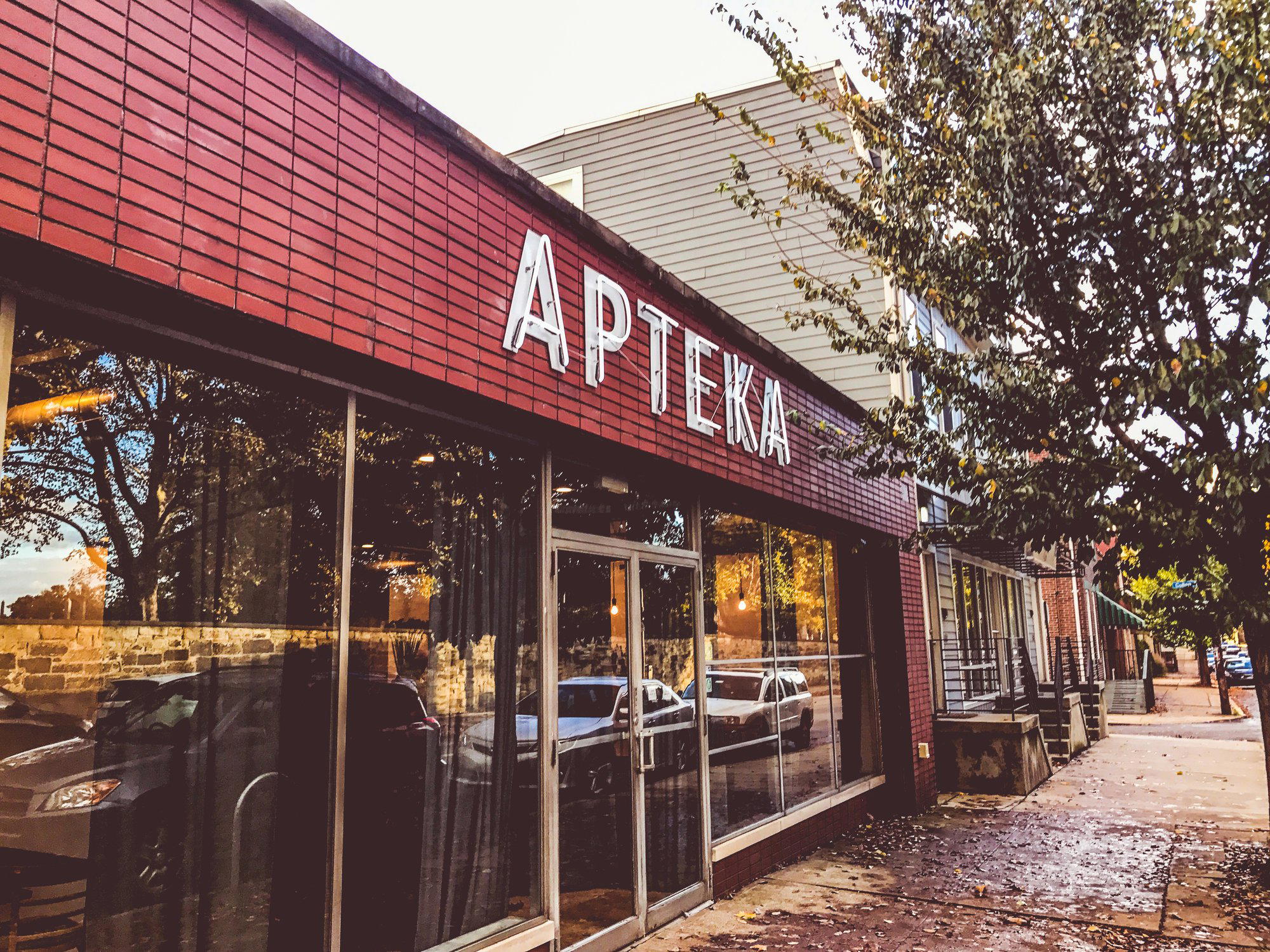
Pittsburgh's restaurant scene has developed a coherent identity over the past decade, with a cluster of ambitious kitchens in neighborhoods like Lawrenceville, the Strip District, and East Liberty. Venues like Apteka have built national reputations on plant-forward Central European cooking, while Altius and 1930 by Atria's occupy the city's more formal dining tier. Alfabeto and Bakersfield Penn Ave represent the neighborhood-casual end of that conversation. Chengdu Gourmet does not compete in any of those tiers in the conventional sense.
That parallel register does not mean lower ambition. Regional specificity in Chinese cooking is a form of exactness that requires as much discipline as formal tasting-menu kitchens. The Sichuan flavor profile depends on getting the ratio of fermented bean paste, chili oil, and peppercorn right at the level of a fraction; close is not good enough. For diners accustomed to measuring restaurant quality by decor spend or prix-fixe length, Chengdu Gourmet's Squirrel Hill dining room will read as informal. For diners calibrated to the flavor standards of Chengdu-style cooking, the same room reads differently.
For broader context on where Chengdu Gourmet fits within the city's full dining spectrum, the EP Club Pittsburgh restaurants guide maps the scene across neighborhoods and price points. Nationally, Sichuan cooking at this level of regional fidelity is still more common in cities with large Chinese communities; for comparison, Le Bernardin in New York City, Lazy Bear in San Francisco, Emeril's in New Orleans, The French Laundry in Napa, Providence in Los Angeles, Addison in San Diego, The Inn at Little Washington, and Atomix in New York City all represent different points on the spectrum of serious American restaurant ambition, a useful reminder that regional Chinese cooking occupies a distinct lane rather than a lower one.
Planning a Visit
Chengdu Gourmet is located at 5840 Forward Ave in Squirrel Hill, Pittsburgh, PA 15217, accessible by car and by Pittsburgh's bus network along Forward Avenue. The neighborhood rewards a longer visit: Squirrel Hill's food shops and bakeries make the area worth exploring before or after a meal. The restaurant's format appears consistent with Squirrel Hill's community-dining norm: no stated dress code, a menu priced at accessible levels relative to the neighborhood, and a walk-in-friendly approach on most nights.
Frequently asked questions
What part of town is Chengdu Gourmet in?
Chengdu Gourmet is located at 5840 Forward Ave, Pittsburgh, PA 15217, Pittsburgh.
How does Chengdu Gourmet differ from other Chinese restaurants in Pittsburgh?
Chengdu Gourmet sits in Squirrel Hill, which carries Pittsburgh's highest density of Chinese dining options and an established local population that sustains demand for regional specificity. Where many Pittsburgh Chinese restaurants maintain broader, multi-regional menus, Chengdu Gourmet's name signals a Sichuan provincial focus — a narrower and more technically demanding register anchored in fermentation, chilli-bean pastes, and Sichuan pepper. That positioning within Pittsburgh's Chinese dining scene is what separates it from generalist competitors in the city.
What's the must-try dish at Chengdu Gourmet?
Chengdu Gourmet's kitchen operates within a regional Sichuan tradition where cold preparations, fermented aromatics, and numbing-heat combinations are the structural pillars — those categories are where regulars on Squirrel Hill tend to focus. Asking the staff what's freshest that day is the more reliable strategy at a restaurant of this type.
Do they take walk-ins at Chengdu Gourmet?
Arriving early or calling ahead is the standard approach in this neighbourhood.
What do critics highlight about Chengdu Gourmet?
Within Pittsburgh's broader dining conversation, Chengdu Gourmet is discussed in the context of Squirrel Hill's concentration of serious Chinese cooking — a neighbourhood with enough regulars to sustain regional specificity over generalist menus. That reputation among local diners is its primary documented credential.
Is Chengdu Gourmet good for vegetarians?
Chengdu cooking as a tradition includes a substantial range of vegetable-forward dishes built on fermented sauces, doubanjiang, and dry-fried preparations that carry full flavour without meat. Checking directly with the kitchen on arrival is the practical step, particularly if avoiding pork-based stocks matters.
Is Chengdu Gourmet worth it?
For anyone in Pittsburgh seeking Sichuan cooking grounded in regional technique rather than Americanised adaptations, the address on Forward Ave in Squirrel Hill is one of the few in the city operating in that register. The repeat-customer base in Squirrel Hill is the clearest indicator of sustained quality.
A Tight Comparison
Comparable venues nearby, for context on price, style, and recognition.
| Venue | Cuisine | Price | Awards | Notes |
|---|---|---|---|---|
| Chengdu GourmetThis venue — the venue you are viewing | Authentic Sichuan Chinese | $20–30 | James Beard Award Semi Finalist | Not listed |
| Eliza Hot Metal Bistro | Contemporary American Bistro with Pittsburgh Flavors | Not listed | Not listed | South Oakland, Contemporary American Bistro with Pittsburgh Flavors |
| LA Dolce Vita | Traditional Italian Trattoria | $30–50 | Not listed | South Side Slopes, Traditional Italian Trattoria |
| Tupelo Honey - Pittsburgh | Southern Kitchen & Bar | $20–30 | Not listed | South Shore, Southern Kitchen & Bar |
| Pasha Mediterranean Restaurant | Turkish Mediterranean | $20–30 | Not listed | Shadyside, Turkish Mediterranean |
| Jozsa Corner | Hungarian Home Cooking | Not listed | Not listed | Hazelwood, Hungarian Home Cooking |
Recognition history
Dated appearances from independent guides and award organizations, with the underlying list record or original source where available.
James Beard Award Semi Finalist
James Beard Award
Continue exploring
More in Pittsburgh
Restaurants in Pittsburgh
Browse all →
Bars in Pittsburgh
Browse all →
Details
- Lively
- Group Dining
- Family
- Casual Hangout
- A La Carte
- Family Style
- Vegetarian Friendly
Current opening hours
- Monday
- 11 AM–9 PM
- Tuesday
- 11 AM–9 PM
- Wednesday
- 11 AM–9 PM
- Thursday
- 11 AM–9 PM
- Friday
- 11 AM–10 PM
- Saturday
- 11 AM–10 PM
- Sunday
- 11 AM–9 PM
Hours can change for holidays and private events. Last verified .
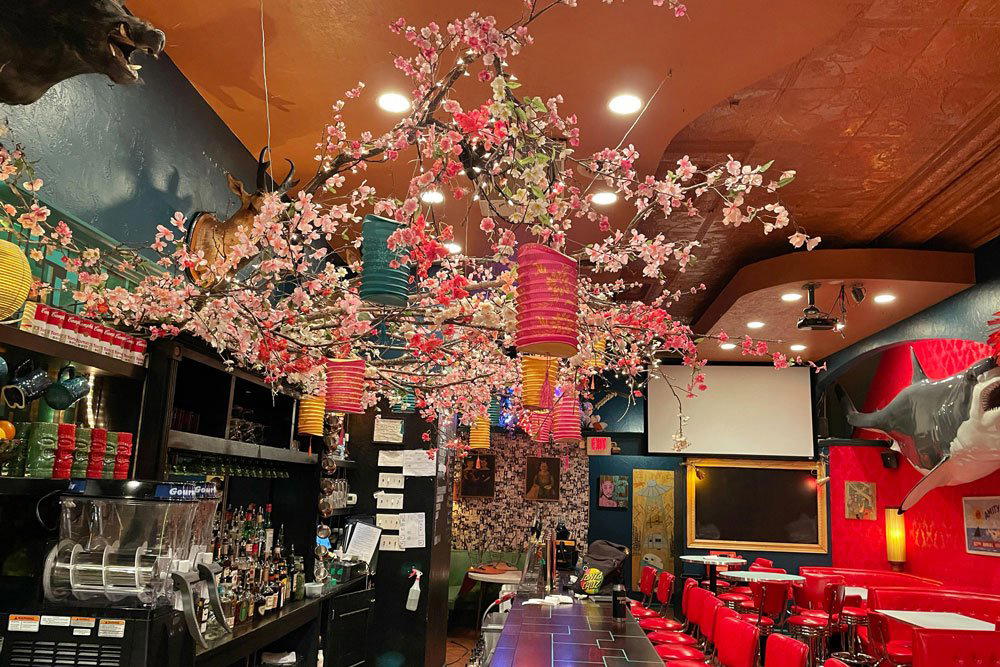
Casual and warm atmosphere ideal for family-style group dining.