The Café at the Frick
Our verdict
The Café at the Frick occupies a distinct position in Pittsburgh's cultural dining scene, set within the grounds of the Clayton estate in Point Breeze. As museum café dining has matured across American cities, this space has evolved well beyond institutional catering, drawing visitors who come as much for the setting as the food. It sits comfortably in the tier of destination café experiences attached to significant cultural institutions.

Pearl is the En Primeur Club membership app — saves, bookings, and concierge access live there. Same editors, same standards.
- Address
- 7227 Reynolds St, Pittsburgh, PA 15208
- Phone
- (412) 371-0600
- Hours
- Mon ClosedTue–Sun 9:30 AM–3 PM
- Website
- thefrickpittsburgh.org
- Directions
- Get directions
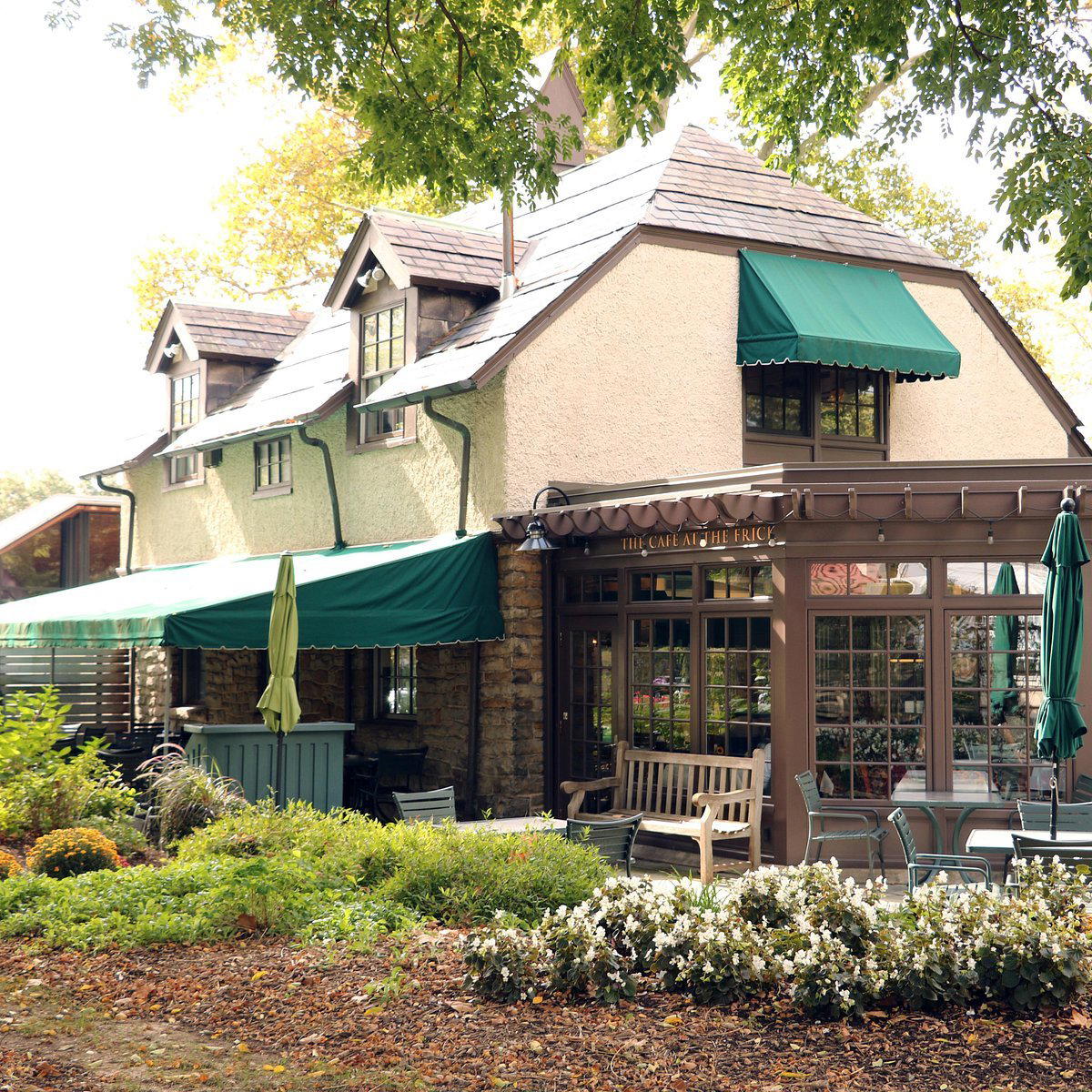
Where Point Breeze Meets the Plate
The grounds of the Frick Pittsburgh complex in Point Breeze have long operated on a different register from the city's restaurant corridors. Reynolds Street in the 15208 zip code is not where Pittsburgh diners typically go looking for a meal. They come here first for Clayton, the preserved Victorian mansion of Henry Clay Frick, or for the Car and Carriage Museum, or for the rotating exhibitions in the art gallery. The café arrives in that context as a secondary discovery — and that positioning has shaped everything about how it functions as a dining experience.
Museum café dining in the United States has undergone a substantial shift over the past two decades. What was once a category defined by cafeteria trays, shrink-wrapped sandwiches, and institutional coffee has split into two distinct tiers. The first remains transactional — fuel between galleries. The second has become genuinely editorial, with institutions like the Museum of Modern Art in New York and the Art Institute of Chicago attaching serious restaurant concepts to their buildings. The Café at the Frick sits in that evolving middle ground: a cultural café that has moved away from pure utility without committing to the full fine-dining apparatus that some of its peers have adopted.
The Evolution of a Cultural Dining Room
Tracking how museum-adjacent dining changes over time reveals something about the institutions themselves. A café that improves its food program signals that the institution is thinking about the full visitor experience, not just the collection. A café that stagnates tells you something different. The Café at the Frick has followed the former path, gradually shifting its emphasis from pure convenience toward something more considered, reflecting both broader national trends in cultural dining and the Frick Pittsburgh's own positioning as a destination rather than a drive-by attraction.
This kind of evolution is rarely dramatic. It happens in increments: a more thoughtful sourcing approach here, a seasonal rotation there, a greater attention to the physical environment as a hospitality asset rather than an afterthought. The result, at venues like this one, is a space that rewards visitors who factor the café into their plans rather than treating it as an emergency option when hunger strikes between buildings.
For context on what ambitious cultural dining can look like at its furthest extreme, venues like Blue Hill at Stone Barns in Tarrytown have demonstrated how deeply a restaurant can integrate with a broader estate or institutional mission. That model, where the dining concept and the cultural or agricultural mission become genuinely inseparable, represents one end of a spectrum. The Café at the Frick occupies a more accessible position on that spectrum, which suits its audience and its setting.
Point Breeze as Context
Pittsburgh's restaurant geography has concentrated heavily in neighborhoods like Lawrenceville, East Liberty, and the Strip District, where venues including Apteka and Alfabeto have built reputations within dense, walkable corridors. Point Breeze operates differently. The neighborhood is residential and quieter, its dining options fewer and more dispersed. That scarcity changes the calculus for the Frick's café: it serves not only museum visitors but also local residents who lack the density of options found closer to Penn Avenue or Butler Street.
This dual audience, cultural tourists and neighborhood regulars, is a dynamic that shapes many institutional cafés in mid-sized American cities. It's a different challenge than what urban museum restaurants face in New York or Chicago, where the surrounding restaurant scene is so dense that the on-site café must either compete seriously on food quality or accept its role as purely incidental. Pittsburgh's more dispersed dining geography gives the Frick café a different kind of relevance.
For visitors building a Pittsburgh itinerary that spans neighborhoods, venues like Altius or 1930 by Atria's represent the more formal end of the city's dining register, while Bakersfield Penn Ave anchors a more casual, neighborhood-bar segment. The Frick café sits outside those competitive sets entirely, its peer group is other cultural institution dining, not the broader Pittsburgh restaurant scene.
How It Compares in the National Picture
American dining attached to cultural institutions has produced some genuinely significant restaurant concepts in recent years. At the further reaches of fine dining, venues like Alinea in Chicago and The French Laundry in Napa operate at a remove from institutional contexts, though both carry the weight of their cities' cultural identities. More directly comparable to the Frick's model are cafés and restaurants that have evolved within estate or museum settings, places where the food program is one component of a larger cultural visit rather than the destination in its own right.
That positioning is not a limitation. For many visitors, a well-run café that respects its setting and serves food worth eating is precisely what the context demands. The ambition that drives a destination like Single Thread Farm in Healdsburg or Providence in Los Angeles would be contextually inappropriate in a Victorian estate café. The question is whether the food and environment clear the bar for their actual context, and here, the Frick café has progressively raised that bar over time.
Planning a Visit
The café is located at 7227 Reynolds Street in Pittsburgh's Point Breeze neighborhood, within the Frick Pittsburgh grounds. Visitors should confirm current hours and seasonal operating schedules directly through the Frick Pittsburgh, as café hours typically align with the broader estate's operating calendar rather than independent restaurant hours. Pricing, booking policies, and menu details are leading verified on arrival or via the institution's official channels, as these have shifted with the café's ongoing evolution. For a broader view of where the Frick café sits within Pittsburgh's dining scene, the full Pittsburgh restaurants guide maps the city's dining geography in more detail.
Frequently asked questions
What dish is The Café at the Frick famous for?
Visitors should check directly with the Frick Pittsburgh for current offerings. What can be said is that the café's direction has moved toward food that complements the estate experience rather than generic institutional catering, a shift consistent with how cultural dining in mid-sized American cities has developed more broadly.
How hard is it to get a table at The Café at the Frick?
The Café at the Frick operates within the Frick Pittsburgh estate grounds, which means its capacity and access are tied to the institution's broader visitor flow rather than a traditional restaurant reservation model. Unlike destination restaurants such as Atomix in New York City or Le Bernardin in New York City, where booking months ahead is standard, the café functions primarily as a visitor amenity. Peak weekend and event periods on the estate grounds are likely to see higher demand, so arriving early or visiting on weekday mornings typically offers more relaxed access.
Is The Café at the Frick suitable for visitors who aren't attending the museum?
The café is located within the Frick Pittsburgh estate at 7227 Reynolds Street, and access arrangements for non-museum visitors should be confirmed with the institution directly, as policies can vary by season and event schedule. Point Breeze has limited standalone dining options in the immediate vicinity, which has historically made the café relevant to neighborhood residents as well as cultural visitors, a dual audience that shapes its format and operating approach.
Cuisine and Credentials
Comparable venues nearby, for context on price, style, and recognition.
| Venue | Cuisine | Price | Notes |
|---|---|---|---|
| The Café at the FrickThis venue — the venue you are viewing | Seasonal American Cafe with Afternoon Tea | $20–30 | Not listed |
| The Church Brew Works | American Gastropub in Historic Church | $30–50 | Lower Lawrenceville |
| Franktuary (Lawrenceville) | Gourmet Hot Dogs with Regional Toppings | Not listed | Lower Lawrenceville |
| Tapville Social - Pittsburgh | Modern American | $20–30 | Strip District |
| Tupelo Honey - Pittsburgh | Southern Kitchen & Bar | $20–30 | South Shore |
| Shady Grove | American Gastropub | $20–30 | Shadyside |
Continue exploring
More in Pittsburgh
Restaurants in Pittsburgh
Browse all →
Bars in Pittsburgh
Browse all →
Details
- Elegant
- Classic
- Cozy
- Scenic
- Sophisticated
- Brunch
- Casual Hangout
- Special Occasion
- Garden
- Historic Building
- Terrace
- Extensive Wine List
- Local Sourcing
- Garden
- A La Carte
- Prix Fixe
- Vegetarian Friendly
Current opening hours
- Monday
- Closed
- Tuesday
- 9:30 AM–3 PM
- Wednesday
- 9:30 AM–3 PM
- Thursday
- 9:30 AM–3 PM
- Friday
- 9:30 AM–3 PM
- Saturday
- 9:30 AM–3 PM
- Sunday
- 9:30 AM–3 PM
Hours can change for holidays and private events. Last verified .
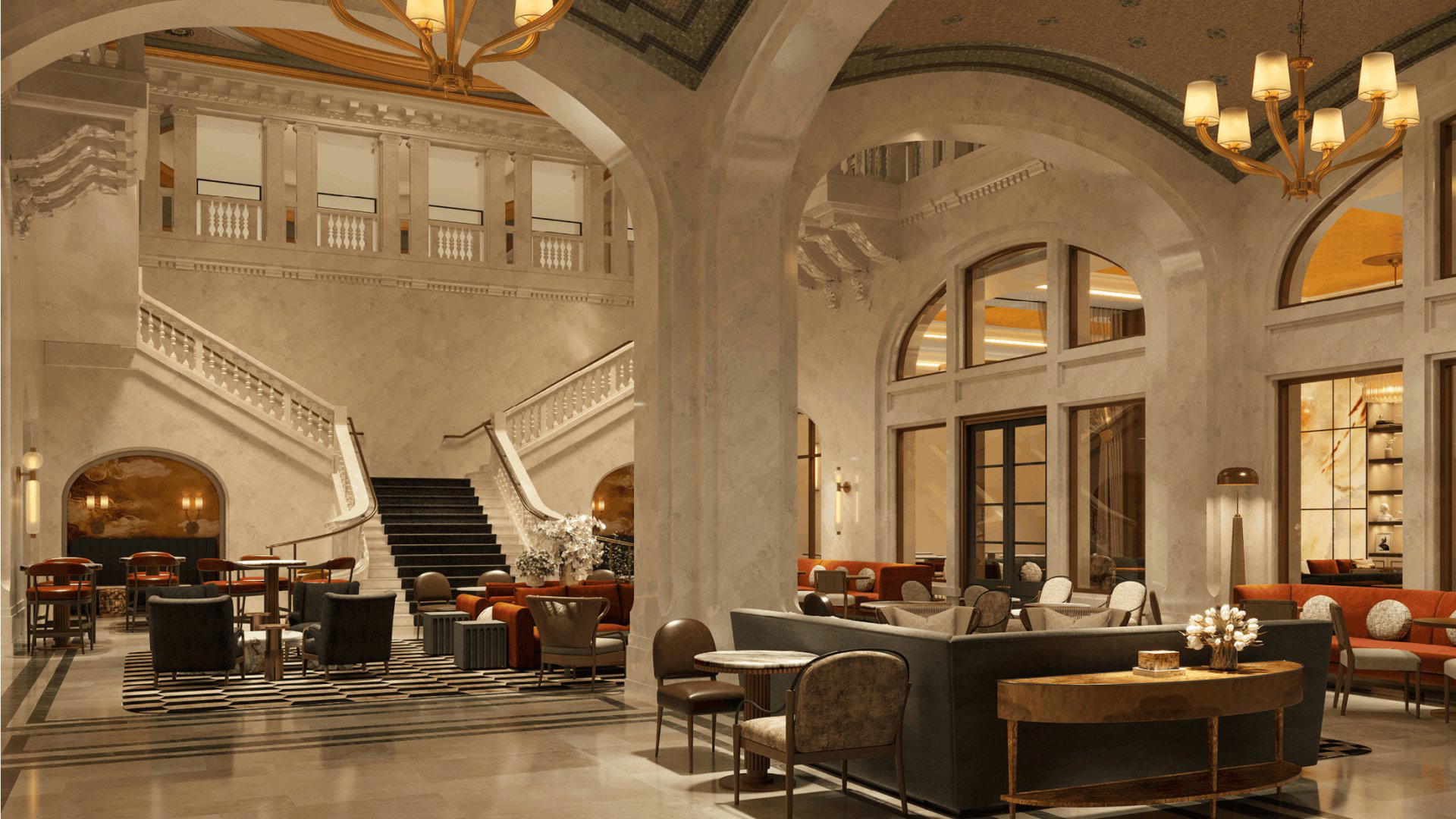
Victorian elegance with a fresh twist, featuring picturesque garden views, natural light, and a serene, leafy atmosphere.