Kimpton Hotel Monaco Pittsburgh

Michelin Selected
Housed in Pittsburgh's former Pennsylvanian skyscraper at 620 William Penn Place, Kimpton Hotel Monaco occupies one of the city's most architecturally significant addresses. The property sits in the downtown core, positioning guests within walking distance of the cultural district and the rivers. It belongs to Kimpton's design-forward portfolio, where adaptive reuse and local character take precedence over standardised luxury.

Pearl is the En Primeur Club membership app — saves, bookings, and concierge access live there. Same editors, same standards.
- Address
- 620 William Penn Pl, Pittsburgh, PA 15219
- Phone
- (412) 471-1170
- Website
- monaco-pittsburgh.com
- Directions
- Get directions
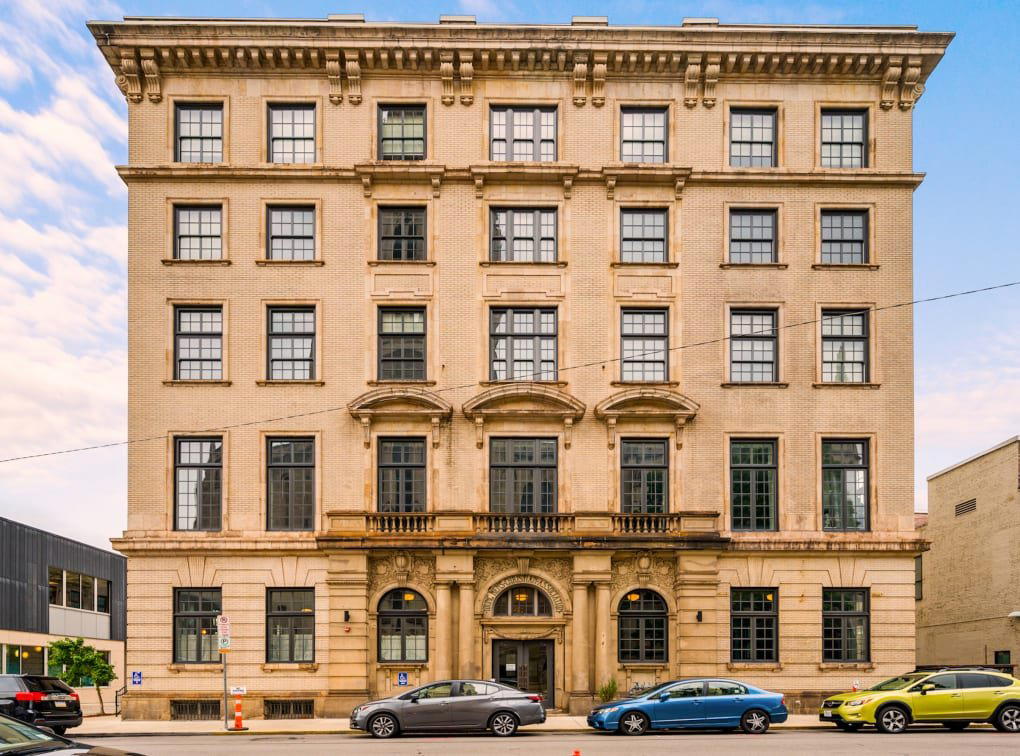
A Beaux-Arts Shell, Repurposed
Pittsburgh's downtown hotel market divides cleanly between new-build convention properties and adaptive reuse projects that draw on the city's architectural patrimony. The Kimpton Hotel Monaco at 620 William Penn Place falls firmly in the second category. The building, one of the more prominent Beaux-Arts structures in the Golden Triangle, was designed for institutional gravity rather than hospitality — its bones are those of a financial-era skyscraper, with the proportions and ornamental language that Pittsburgh's early-twentieth-century builders used to signal permanence. Converting that kind of structure into a functioning hotel requires decisions about how much of the original fabric to preserve and how much to domesticate for modern comfort. The Monaco's approach, consistent with Kimpton's broader design philosophy across its American portfolio, treats the architecture as content rather than backdrop.
The Beaux-Arts tradition that shaped this building emerged in the same era that produced comparable civic-institutional work across American cities: the kind of colonnaded facades, limestone detailing, and double-height lobbies that you find in adaptive reuse hotels like the Chicago Athletic Association in Chicago. What these projects share is a fundamentally different starting condition than purpose-built luxury. The constraints of the original structure, its load-bearing logic, its fenestration, its floor plate depths, become the design brief. The result tends toward a particular atmosphere: spaces with more vertical drama than contemporary hotels achieve, but also more idiosyncratic room configurations.
The Golden Triangle Address
William Penn Place is about as central as Pittsburgh gets. The address places guests within the city's business and cultural core, with the Cultural District and its theatre venues accessible on foot, and the Point, where the Allegheny and Monongahela rivers converge to form the Ohio, reachable within a short walk. For visitors whose Pittsburgh itinerary includes the Carnegie museums in Oakland, the commute is manageable by car or rideshare; the neighbourhoods are not walkably connected. The immediate blocks around the hotel include the standard tissue of a mid-sized American downtown: the mix of financial firms, restaurants, and the occasional cultural institution that defines this part of the city.
Pittsburgh's downtown has undergone a recognisable post-industrial recalibration over the past two decades, with tech sector growth and healthcare institutions replacing steel as the economic anchors. That shift has produced a more diverse hospitality market than the city carried in the 1990s. The Monaco sits in this context as one of several properties competing for business and leisure travellers who want a downtown address with some design character, rather than the anonymous comfort of a full-service chain hotel. For a broader orientation to the city's dining and hospitality options, the EP Club Pittsburgh guide covers the full range.
Where Kimpton's Formula Works
Kimpton operates a portfolio of individual-identity hotels under a shared brand umbrella, with each property nominally distinct in design and F&B programming. The Monaco sub-brand specifically targets historic buildings with strong architectural character, a strategy that has produced some of Kimpton's most consistently reviewed properties nationally. The formula works when the original building has sufficient spatial drama to carry the concept; it works less well when the conversion has had to compromise too heavily on room dimensions or lobby presence. In Pittsburgh's case, the Beaux-Arts source material provides the former.
Within Pittsburgh's own competitive set, the Monaco occupies a design-forward middle tier. Properties like The Lodge at Glendorn and The Maverick by Kasa address different market positions: Glendorn operates as a remote sporting retreat, while Kasa-style properties compete on flexible pricing and minimal-service formats.
Nationally, Kimpton's design-led conversion model can be benchmarked against comparable adaptive reuse projects in other American cities. The Raffles Boston and The Fifth Avenue Hotel in New York City operate at a higher price tier, but they share the same underlying logic: the building's history as a differentiator in markets where new-build luxury has become the default. At the opposite end of the setting spectrum, purpose-built destination properties like Amangiri in Canyon Point or Post Ranch Inn in Big Sur achieve architectural identity through a completely different route, designing the building to express a landscape rather than to preserve an urban institution.
Design Continuity Across Kimpton's Portfolio
The Monaco brand within Kimpton's wider portfolio signals specific design commitments: a willingness to accommodate architectural eccentricity, a palette that tends toward richer colour than the neutral minimalism prevalent in contemporary hotel design, and public spaces that are meant to function as genuine gathering points rather than pass-through lobbies. This sits within a broader movement in American boutique hospitality away from the stripped-back aesthetic that dominated the 2010s and toward interiors with more material presence. Properties as different as Troutbeck in Amenia and Bernardus Lodge & Spa in Carmel Valley reflect the same shift toward hotels with a defined aesthetic voice.
For guests who calibrate their accommodation choices against internationally positioned luxury properties, the Aman New York, Hotel Bel-Air in Los Angeles, or Badrutt's Palace Hotel in St. Moritz represent a different register entirely: the Monaco does not compete on that axis. Its competitive claim is specific to its city, its building, and the experiential proposition that comes from sleeping inside a structure built before the First World War.
Planning Your Stay
The hotel's address at 620 William Penn Place makes it the kind of downtown property where a car is useful for neighbourhood exploration but unnecessary for the immediate cultural district. Pittsburgh International Airport connects the city to major US hubs, with the drive into the Golden Triangle taking roughly thirty to forty minutes depending on traffic. For visitors extending beyond Pittsburgh, Alpine Falls Ranch in Superior and Sage Lodge in Pray represent the kind of wilderness retreat that pairs logically with an urban first leg, though they sit in entirely different parts of the country. Closer to Pittsburgh's own tourism circuit, the Carnegie museums and the Andy Warhol Museum are within the same walkable radius as the hotel, making the address particularly efficient for first-time visitors covering the city's cultural highlights. For those planning a broader American design hotel itinerary, the EP Club portfolio includes properties across multiple categories: from SingleThread Farm Inn in Healdsburg to Kona Village, A Rosewood Resort in Kailua Kona, Little Palm Island Resort & Spa in Little Torch Key, Four Seasons at The Surf Club in Surfside, Canyon Ranch Tucson, Ambiente in Sedona, Amangani in Jackson Hole, 1 Hotel San Francisco, Auberge du Soleil in Napa, and Aman Venice.
Fast Comparison
| Venue | Cuisine | Price | Awards |
|---|---|---|---|
| Kimpton Hotel Monaco PittsburghThis venue — the venue you are viewing | This venue | Not listed | Michelin Selected |
| Aman New York | Michelin 3 Key, World's 50 Best | Not listed | 3 Michelin Keys · World's 50 Best #87 |
| Amangiri | Michelin 3 Key, World's 50 Best | $1,000–1,500 | 3 Michelin Keys · World's 50 Best #45 |
| Hotel Bel-Air | Michelin 3 Key, World's 50 Best | $750–1,000 | 3 Michelin Keys · World's 50 Best #57 |
| The Beverly Hills Hotel | Michelin 3 Key, World's 50 Best | Not listed | 3 Michelin Keys · World's 50 Best #65 |
| The Carlyle, A Rosewood Hotel | Michelin 2 Key, World's 50 Best | $1,500–2,500 | 2 Michelin Keys · World's 50 Best #64 |
Recognition history
Dated appearances from independent guides and award organizations, with the underlying list record or original source where available.
Michelin Selected
Michelin
Details
- Whimsical
- Modern
- Elegant
- Trendy
- Business Trip
- Weekend Escape
- Romantic Getaway
- Historic Building
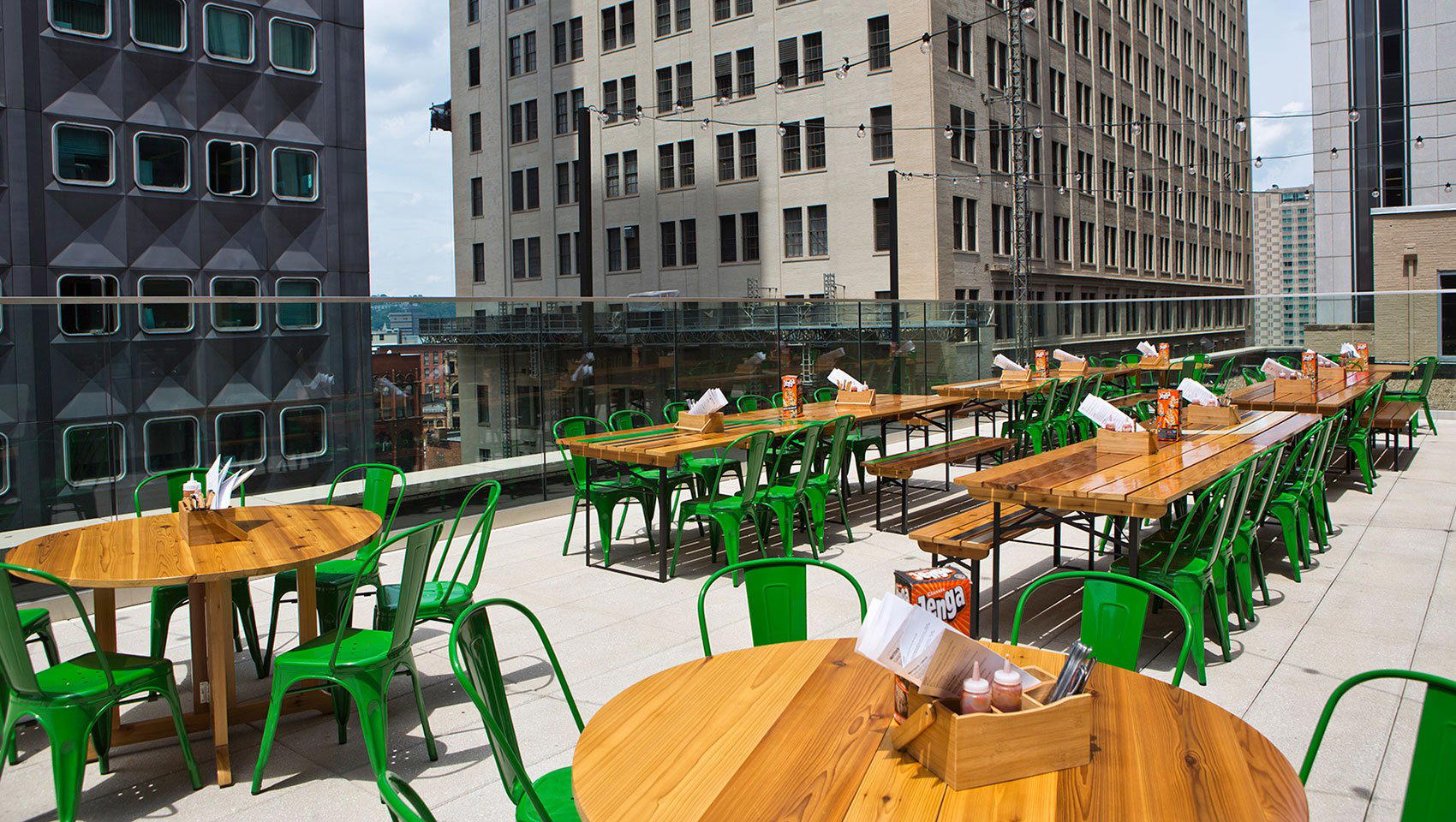
- Rooftop
- Panoramic View
- Fitness Center
- Wi Fi
- Concierge
- Room Service
- Valet Parking
- Skyline
- Wheelchair Accessible
- Elevator
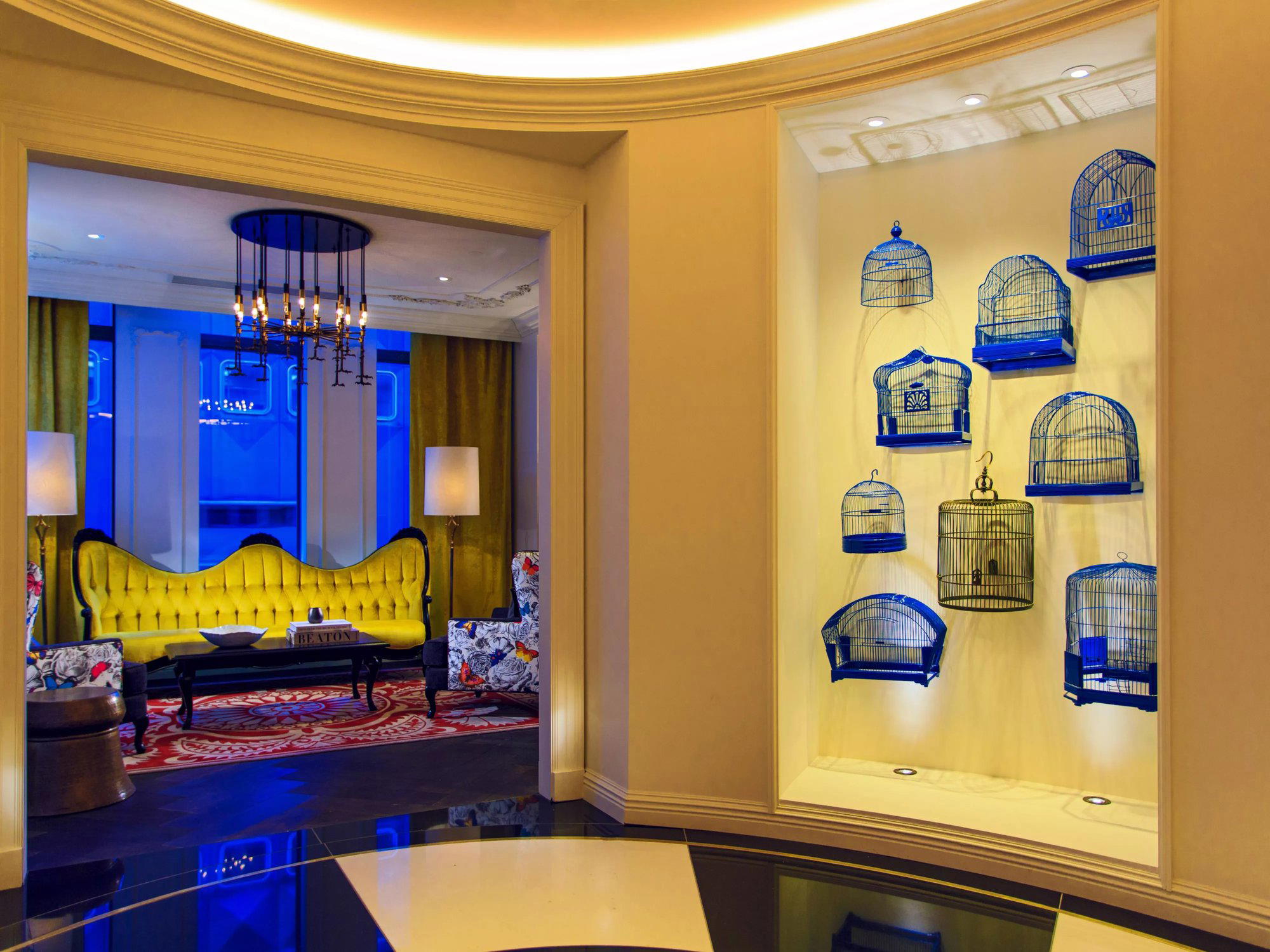
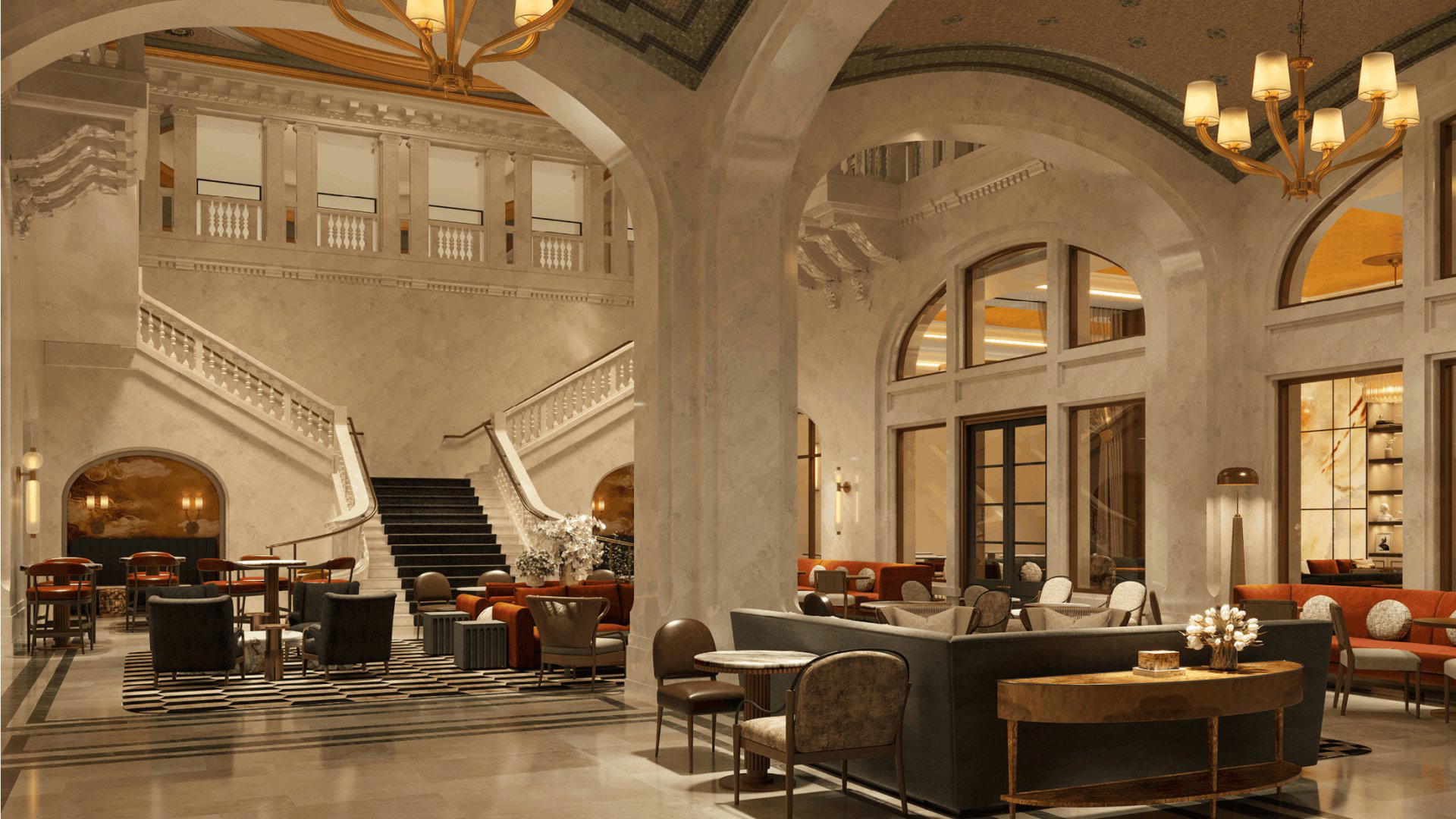
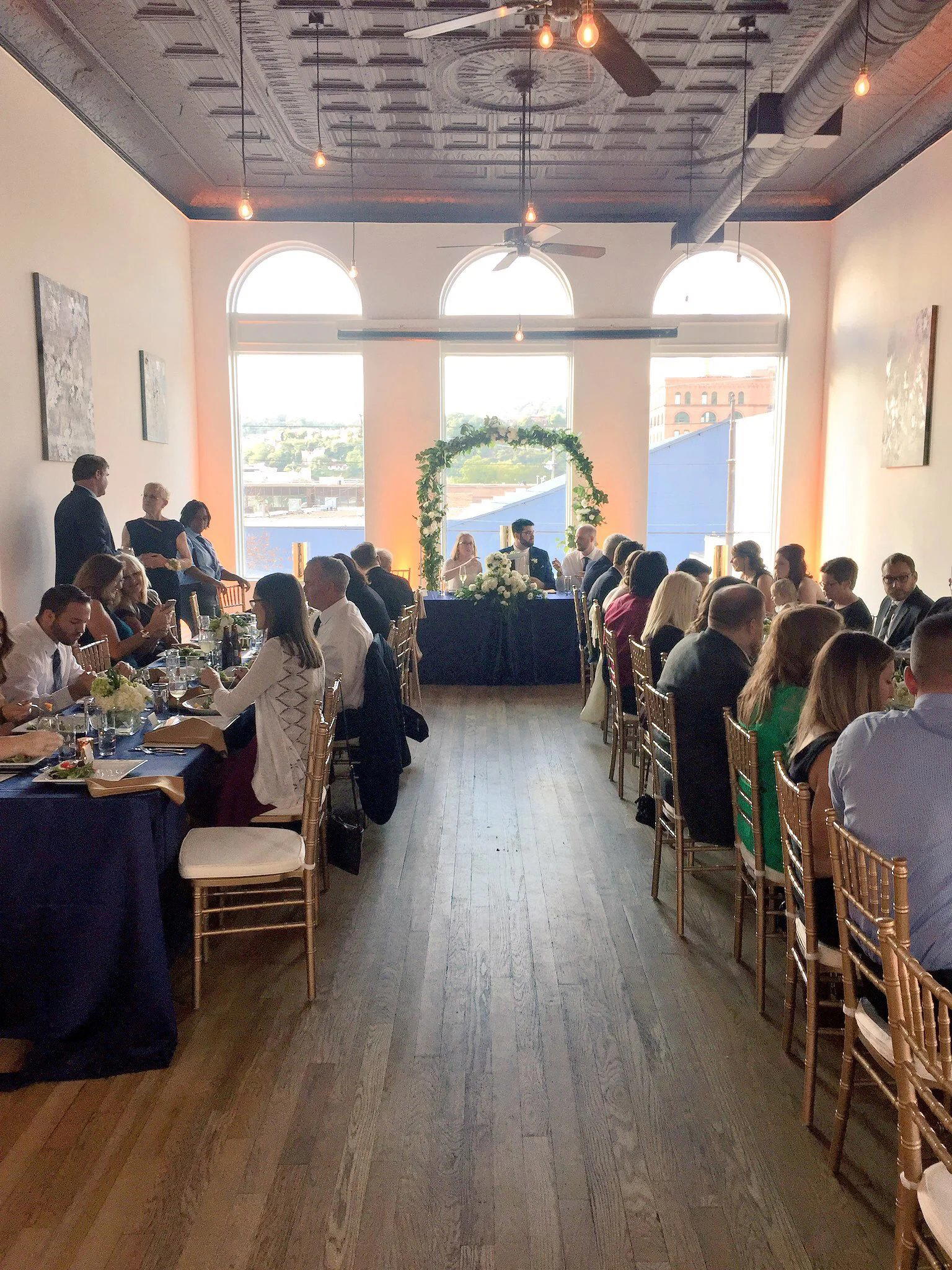
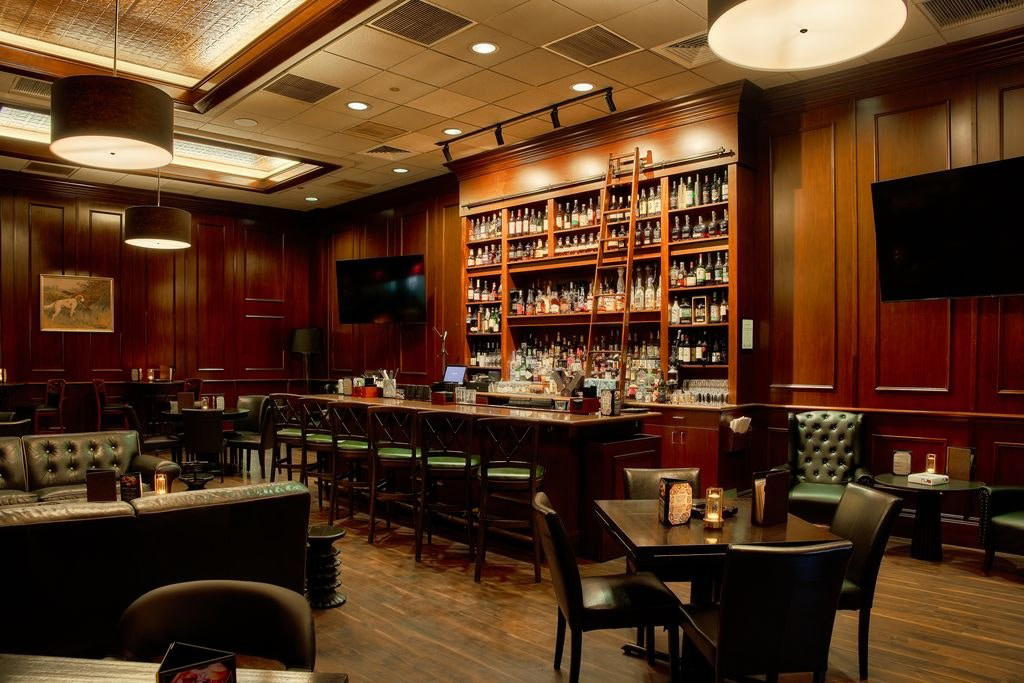
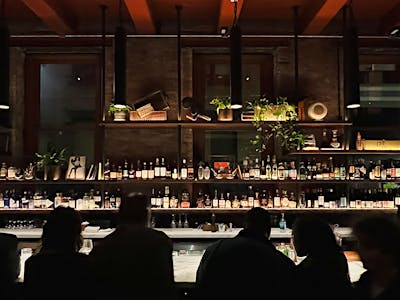
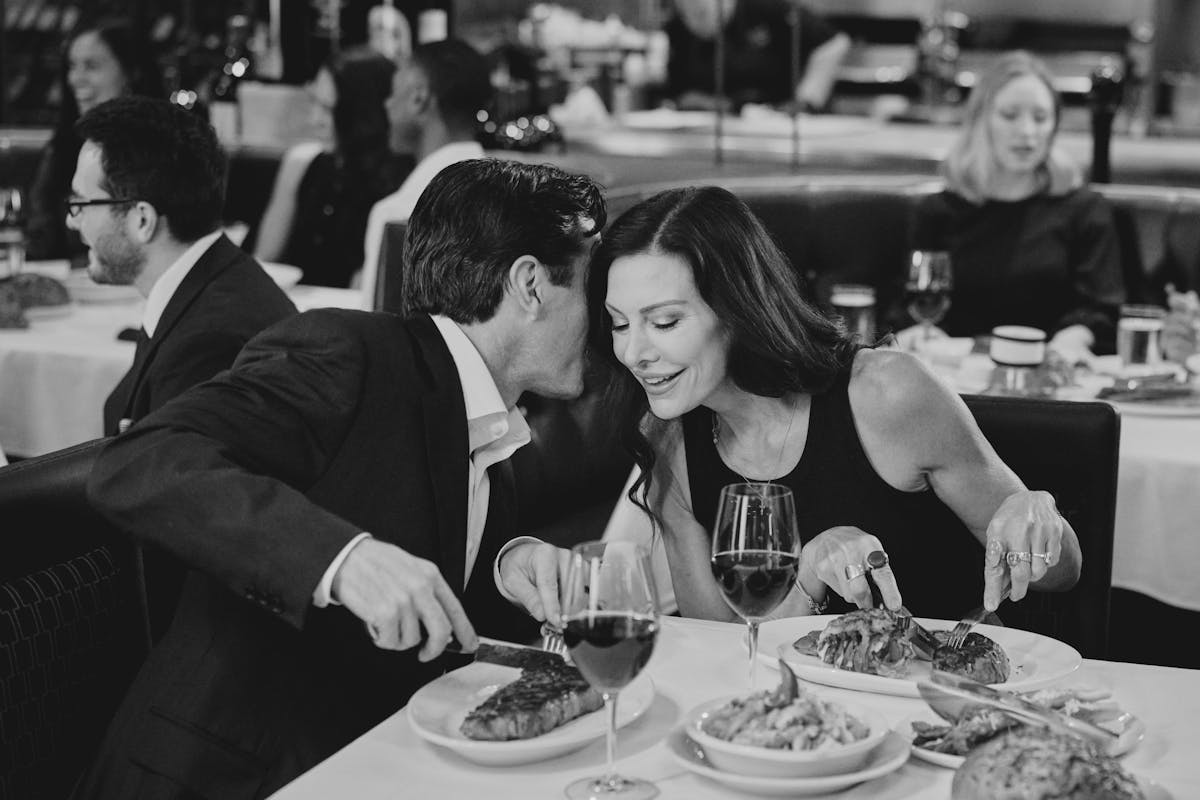
Playfully bold and lively atmosphere with pops of color, golden birdcage chandeliers, and a cozy yet exciting feel blending historic charm with modern whimsy.