1930 by Atria's
Our verdict
1930 by Atria's occupies a quiet stretch of Beverly Road in Pittsburgh's South Hills, where the name signals both a decade and an approach: an era when American dining first began absorbing European technique in earnest. The kitchen positions itself at the intersection of local sourcing and classical method, placing it in a small tier of Pittsburgh restaurants where ambition runs ahead of the neighborhood's immediate surroundings.

Pearl is the En Primeur Club membership app, where members save venues, book tables and use the concierge.
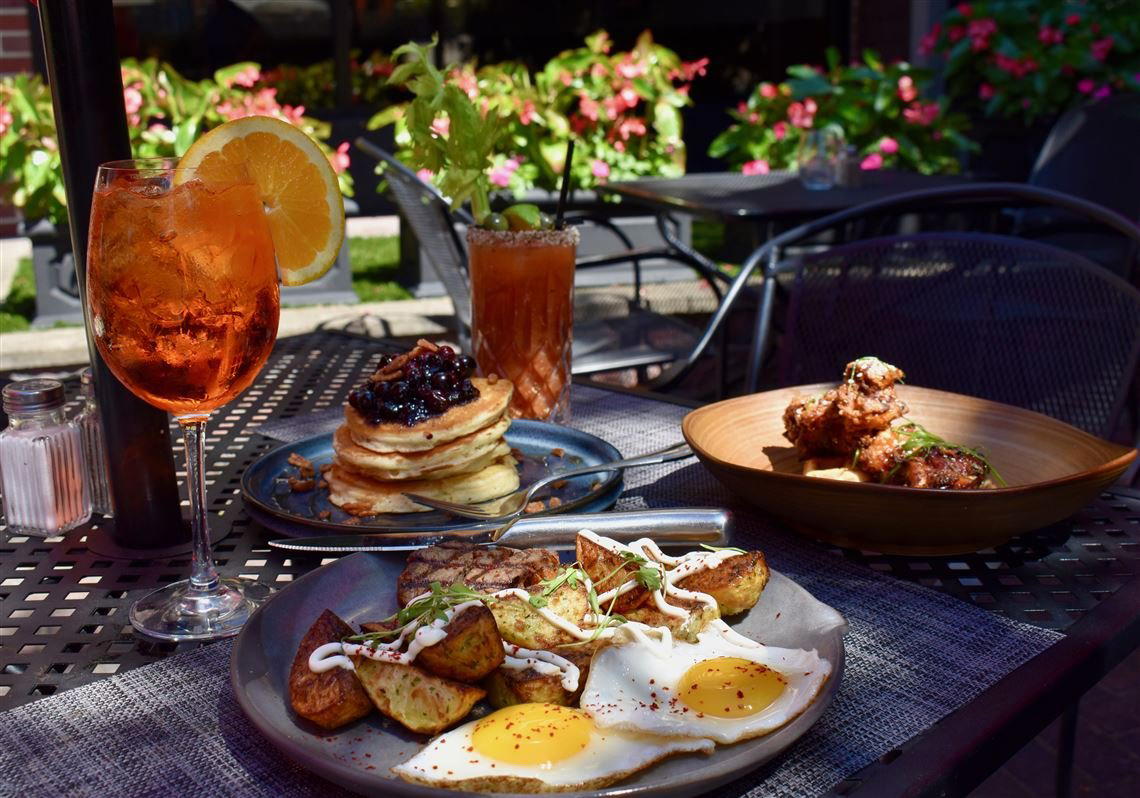
Where Local Product Meets Classical Discipline
Pittsburgh's dining scene has spent the better part of two decades sorting itself into cleaner categories. There are the neighborhood stalwarts, the farm-to-table converts, and a smaller tier of kitchens that treat imported culinary technique as a serious structural commitment rather than a marketing posture. 1930 by Atria's, on Beverly Road in the South Hills neighborhood of Brookline, occupies that third category. The address is quiet, residential, and not the kind of block that announces itself as a dining destination, which, in American fine dining, often signals that the kitchen is doing the work rather than the room.
The name frames a specific moment in culinary history: 1930 sits at the hinge point when French classical training was beginning to reshape American professional kitchens, a decade before mid-century simplicity took hold and well before the farm-to-table movement reintroduced regional sourcing as a virtue in its own right. What the name implies about the kitchen's approach is a kind of synthesis, technique inherited from Europe, product drawn from the surrounding region. That positioning is not unusual in American fine dining at this level; it is, in fact, the dominant mode at restaurants like Blue Hill at Stone Barns in Tarrytown, Single Thread Farm in Healdsburg, and The French Laundry in Napa. What distinguishes a Pittsburgh kitchen working in that mode is the specific agricultural context: western Pennsylvania's growing calendar, its dairy and grain traditions, and a regional supplier base that is serious but not yet as codified as Northern California's.
The Western Pennsylvania Kitchen Calendar
The agricultural rhythm of southwestern Pennsylvania gives any kitchen committed to local sourcing a sharply defined seasonal arc. Spring brings ramps, morels, and the first asparagus from farms along the Ohio River valley. Summer extends into soft fruits, field tomatoes, and sweet corn from the Pittsburgh exurbs. Autumn, the most productive quarter for a kitchen that takes preservation seriously, delivers squash, root vegetables, and the apple and pear varieties that define the region's orchard output. Winter narrows the fresh palette considerably and tests a kitchen's ability to work with stored, fermented, or preserved product without losing structural interest on the plate.
That seasonal pressure is, in practical terms, the most honest filter for assessing a kitchen's technique. Restaurants operating in the mode that 1930 by Atria's implies, local ingredient sourcing structured by classical European method, face a more demanding test than those working from a stable, year-round commodity supply chain. The comparison points elsewhere in American fine dining are instructive: Addison in San Diego benefits from a near-continuous growing season; Lazy Bear in San Francisco works a California calendar that remains generous into November. Pittsburgh's kitchen seasonality is closer to the Northeast: demanding, compressed, and honest.
South Hills Context and the Pittsburgh Fine Dining Tier
Brookline is not where Pittsburgh's culinary conversation is loudest. That conversation tends to center on Lawrenceville, East Liberty, and the Strip District, where restaurants like Apteka and Alfabeto have built specific, well-argued identities. Downtown Pittsburgh anchors its own end of the market, with Bigelow Grille and Altius occupying the formal dining tier against skyline and river views. The South Hills, by contrast, is residential. A kitchen that places itself at Beverly Road is making a deliberate choice to operate outside the standard dining-district logic, which either signals confidence in the food's ability to draw traffic on its own terms, or reflects a community-first model where the local neighborhood is the primary audience.
Either reading is reasonable, and neither is a criticism. Some of the strongest cooking in American mid-sized cities happens in exactly this kind of neighborhood position, where rent economics allow a kitchen to invest more in product and labor than a downtown room with comparable covers could sustain. Bakersfield Penn Ave works a different segment of the market entirely, but the geographic logic is similar: place the right product in front of the right audience, and the address becomes less important than the consistency of execution.
Technique as the Through Line
The American fine dining tier that interests itself in the intersection of global technique and local ingredient has grown into a recognizable competitive set over the last fifteen years. At the national level, the clearest examples are Le Bernardin in New York City, where French classical rigor is applied to product sourced with near-obsessive specificity, Providence in Los Angeles, which takes a similar approach to Pacific seafood, and Alinea in Chicago, which uses modernist technique as the primary lens. The international frame extends further: Atomix in New York City applies Korean tradition through contemporary fine dining structure, and 8 1/2 Otto e Mezzo Bombana in Hong Kong exports Italian classical training into a completely different agricultural and cultural context. Emeril's in New Orleans built its original identity on exactly the tension between regional Louisiana product and French brigade technique.
What connects these references is not prestige for its own sake, but a shared structural question: when you apply technique from one tradition to ingredients from another geography, what do you get? The answer depends entirely on the kitchen's specificity and honesty, its willingness to let the ingredient speak rather than simply demonstrate the method. Kitchens that manage that balance produce food that communicates place; kitchens that don't produce food that communicates only ambition. See our full Pittsburgh restaurants guide for how this kitchen fits into the wider local scene. The Inn at Little Washington in Washington offers a useful regional comparison: a kitchen that built a national reputation from a small-town address through sustained technical commitment and local ingredient sourcing.
Planning Your Visit
1930 by Atria's is located at 110 Beverly Road, Pittsburgh, PA 15216, in the Brookline neighborhood on the city's South Hills. Given its residential setting, driving or rideshare is the practical approach from central Pittsburgh; the address sits outside the walkable zones that connect most of the city's major dining clusters. Booking details, current hours, and contact information are best confirmed directly through the restaurant, as specific availability and service formats at this level in Pittsburgh can shift with season and reservation demand. Given the kitchen's apparent alignment with seasonal sourcing, the autumn table, September through November, represents the most productive moment to visit, when the regional larder is at its most generous and a technically oriented kitchen has the most material to work with.
Frequently asked questions
Where is 1930 by Atria's in Pittsburgh?
1930 by Atria's is located at 110 Beverly Rd, Pittsburgh, PA 15216, Pittsburgh.
Why is 1930 by Atria's located in Brookline rather than Pittsburgh's better-known dining districts?
Brookline sits in Pittsburgh's South Hills, away from the Lawrenceville and East Liberty corridors that generate most of the city's restaurant press. A fine dining kitchen choosing a residential neighborhood over a high-profile dining district often signals a deliberate focus on a local, repeat clientele rather than a tourist or media-driven footfall strategy. At 110 Beverly Road, that positioning shapes the room's character: the audience is largely Pittsburgh diners who have sought the restaurant out, not visitors defaulting to a well-publicized strip.
What should I eat at 1930 by Atria's?
The kitchen's orientation toward classical European technique applied to western Pennsylvania ingredients points toward dishes that follow the regional seasonal calendar, ramps and foraged greens in spring, stone fruit and corn in summer, root vegetables and game through autumn. At a Brookline address operating in Pittsburgh's fine dining tier, the daily composition tends to reflect what is available locally rather than a fixed printed menu.
Do they take walk-ins at 1930 by Atria's?
Walk-in availability at Pittsburgh fine dining addresses in this category is limited on weekends and during peak service hours. 1930 by Atria's is located at 110 Beverly Road in Brookline, a residential South Hills neighborhood rather than a high-traffic corridor, which means demand is concentrated among a committed local clientele who tend to plan ahead. A reservation is the practical default; contacting the restaurant directly before arrival is advisable.
What's the signature at 1930 by Atria's?
Based on what the kitchen communicates through its positioning, the signature is less a fixed dish than a consistent approach: classical European discipline applied to ingredients sourced from southwestern Pennsylvania's agricultural calendar. That through line is what separates this Brookline address from Pittsburgh's more trend-driven kitchens.
What if I have allergies at 1930 by Atria's?
At fine dining restaurants across Pittsburgh and most American cities operating at this tier, dietary and allergy information is best communicated at the time of reservation rather than on arrival. Kitchens committed to classical technique and local sourcing typically prepare dishes to order, which creates more flexibility for substitutions than a high-volume operation would allow. Contact 1930 by Atria's at 110 Beverly Road, Pittsburgh, PA 15216 in advance so the kitchen can plan accordingly.
Is a meal at 1930 by Atria's worth the investment?
That depends on what you are comparing against. Pittsburgh's fine dining tier has grown more competitive in recent years, with kitchens in Lawrenceville and East Liberty drawing most of the critical attention. A restaurant in Brookline that applies serious classical technique to local Pennsylvania product is addressing a gap that the city's more fashionable neighborhoods have largely left open. If that combination of discipline and regional identity is what you are after, the value case at 110 Beverly Road is straightforward.
Same-City Peers
Comparable venues nearby, for context on price, style, and recognition.
| Venue | Cuisine | Price | Awards | Notes |
|---|---|---|---|---|
| 1930 by Atria'sThis venue (the venue you are viewing) | Modern American Gastropub | $30–50 | Not listed | Not listed |
| Ditka's | Classic American Steakhouse | $50–100 | Wine Spectator Award of Excellence | Robinson Township |
| Meat & Potatoes | Modern American Gastropub | $50–100 | Not listed | Downtown |
| Coca Café | American Brunch Cafe | Not listed | Not listed | Lower Lawrenceville |
| Special Events at Fairmont Pittsburgh | Modern American | $50–100 | Not listed | Central Business District |
Continue exploring
More in Pittsburgh
Restaurants in Pittsburgh
All restaurants in Pittsburgh →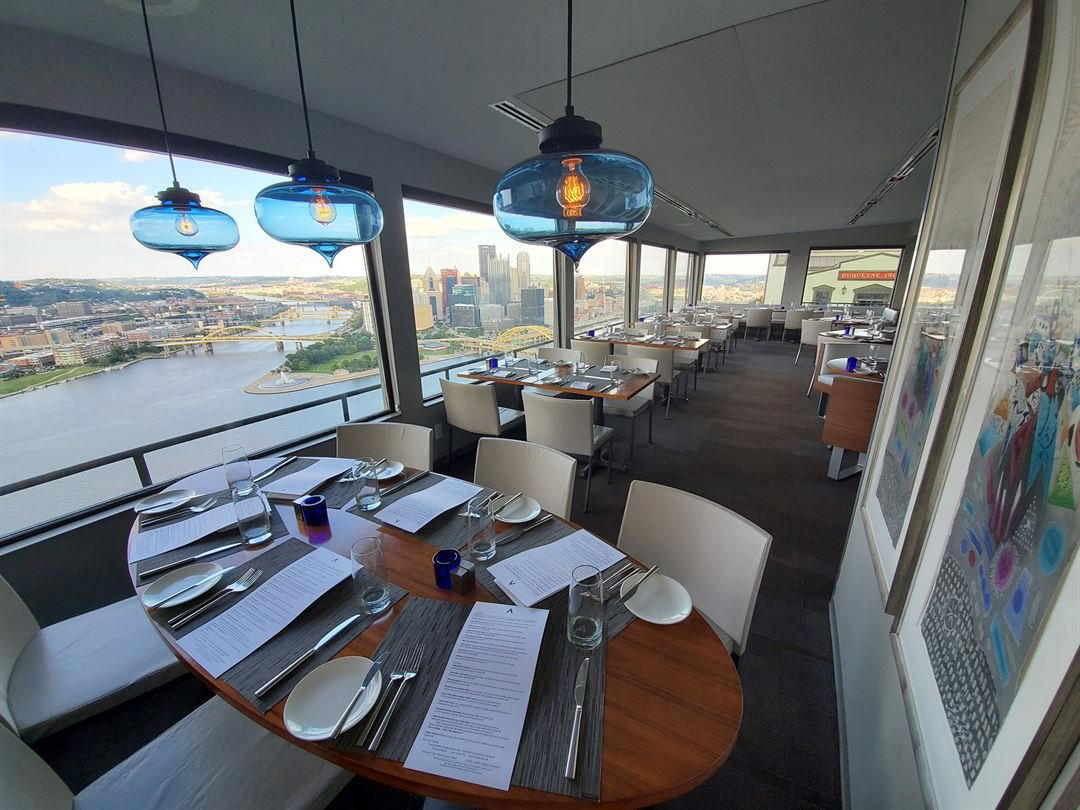

Details
- Classic
- Elegant
- Sophisticated
- Cozy
- Date Night
- Business Dinner
- Group Dining
- Casual Hangout
- After Work
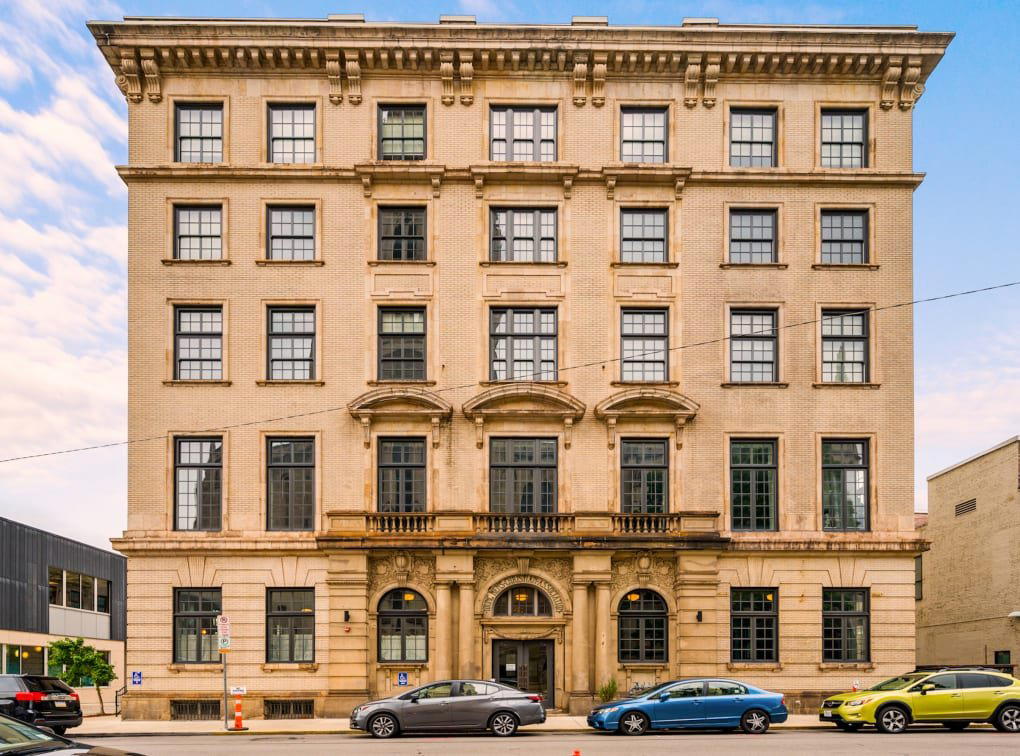
- Historic Building
- Standalone
- Craft Cocktails
- A La Carte
- Small Plates
- Craft Cocktails
- Whiskey
Current opening hours
- Monday
- 11 AM–12 AM
- Tuesday
- 11 AM–12 AM
- Wednesday
- 11 AM–12 AM
- Thursday
- 11 AM–12 AM
- Friday
- 11 AM–12 AM
- Saturday
- 11 AM–12 AM
- Sunday
- 11 AM–12 AM
Hours can change for holidays and private events. Hours as of .
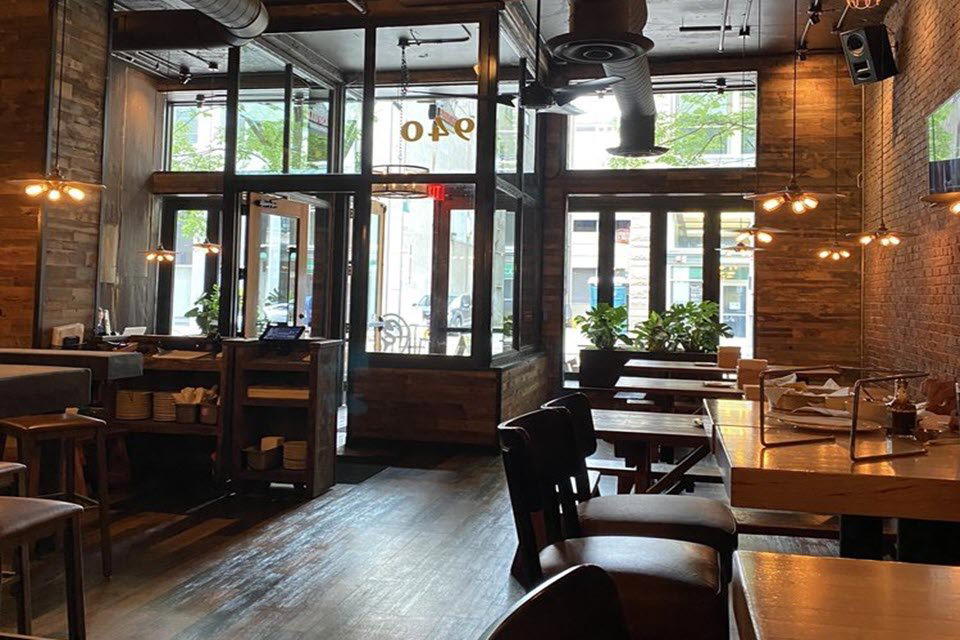
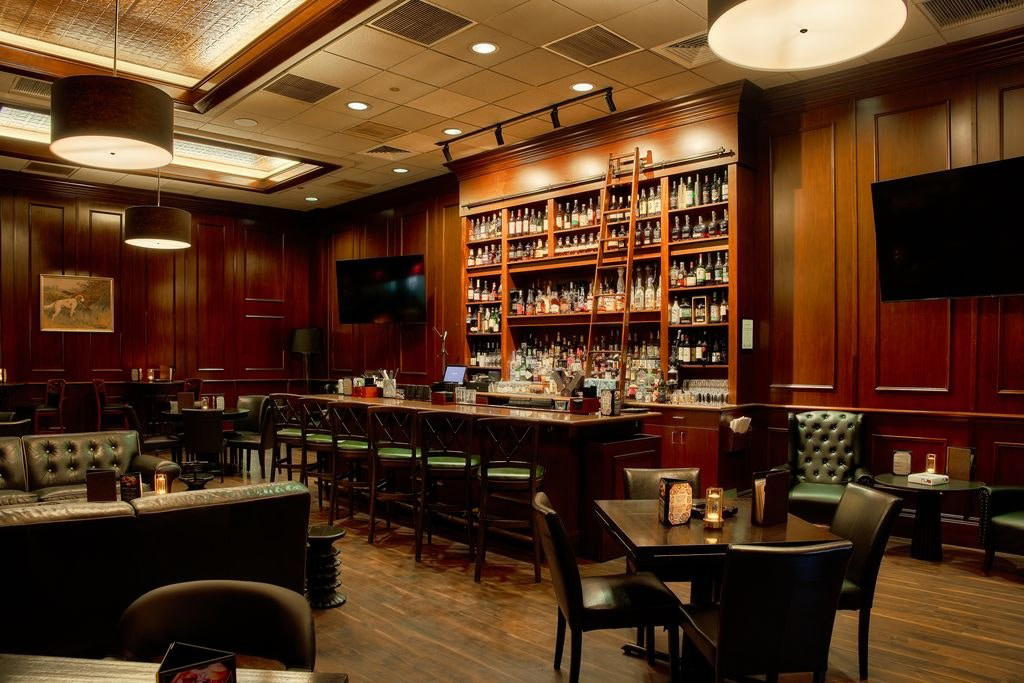
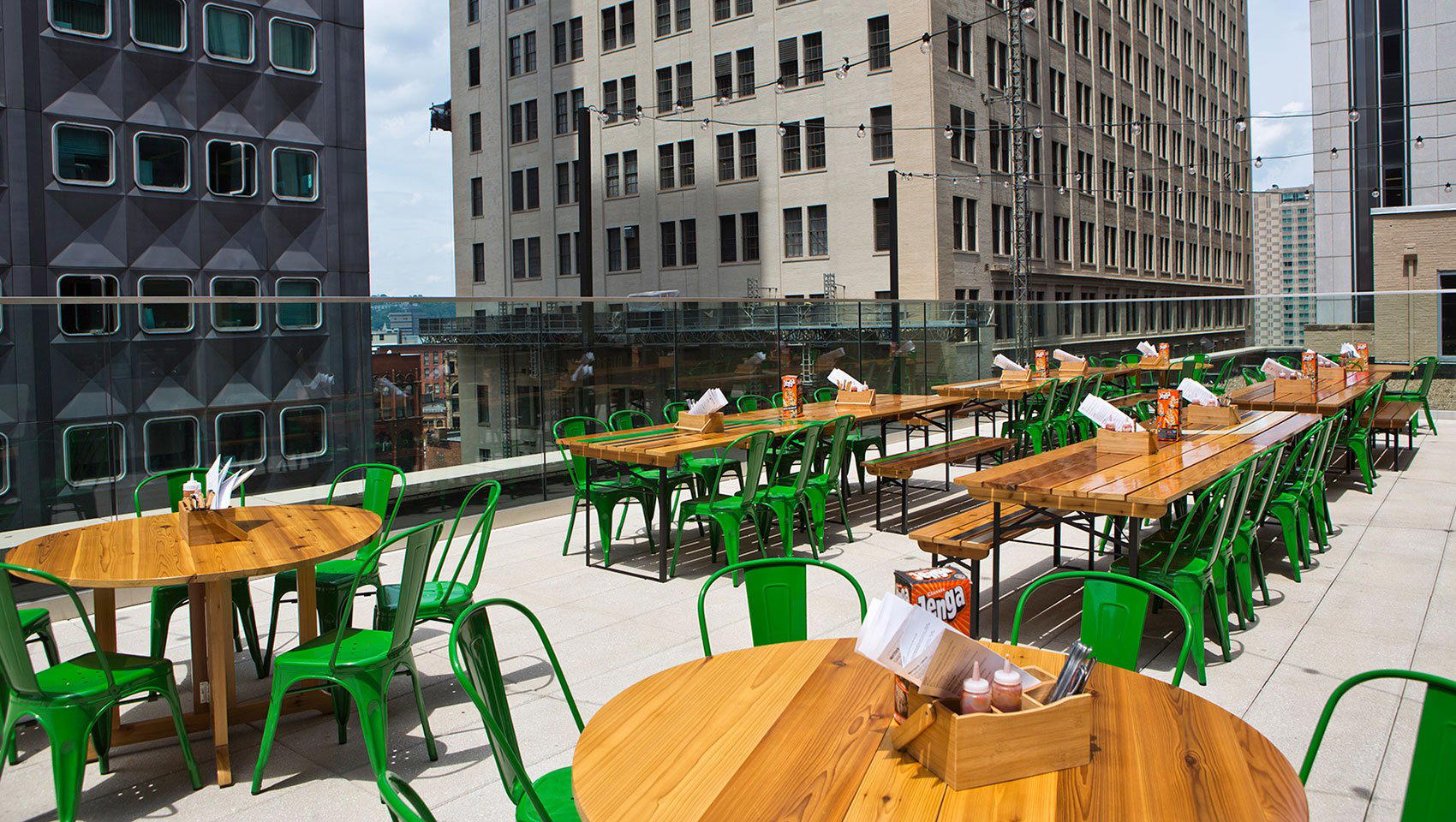
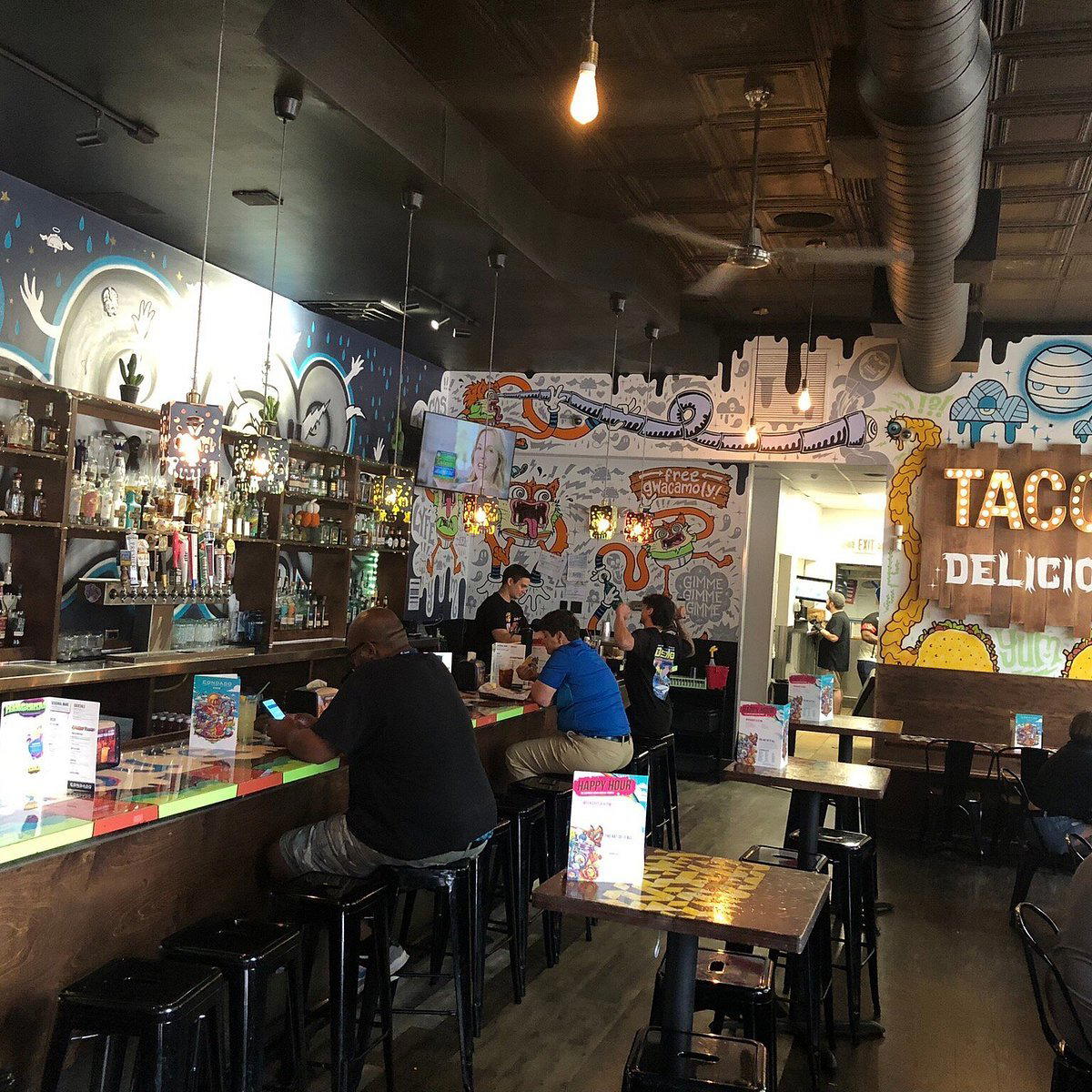
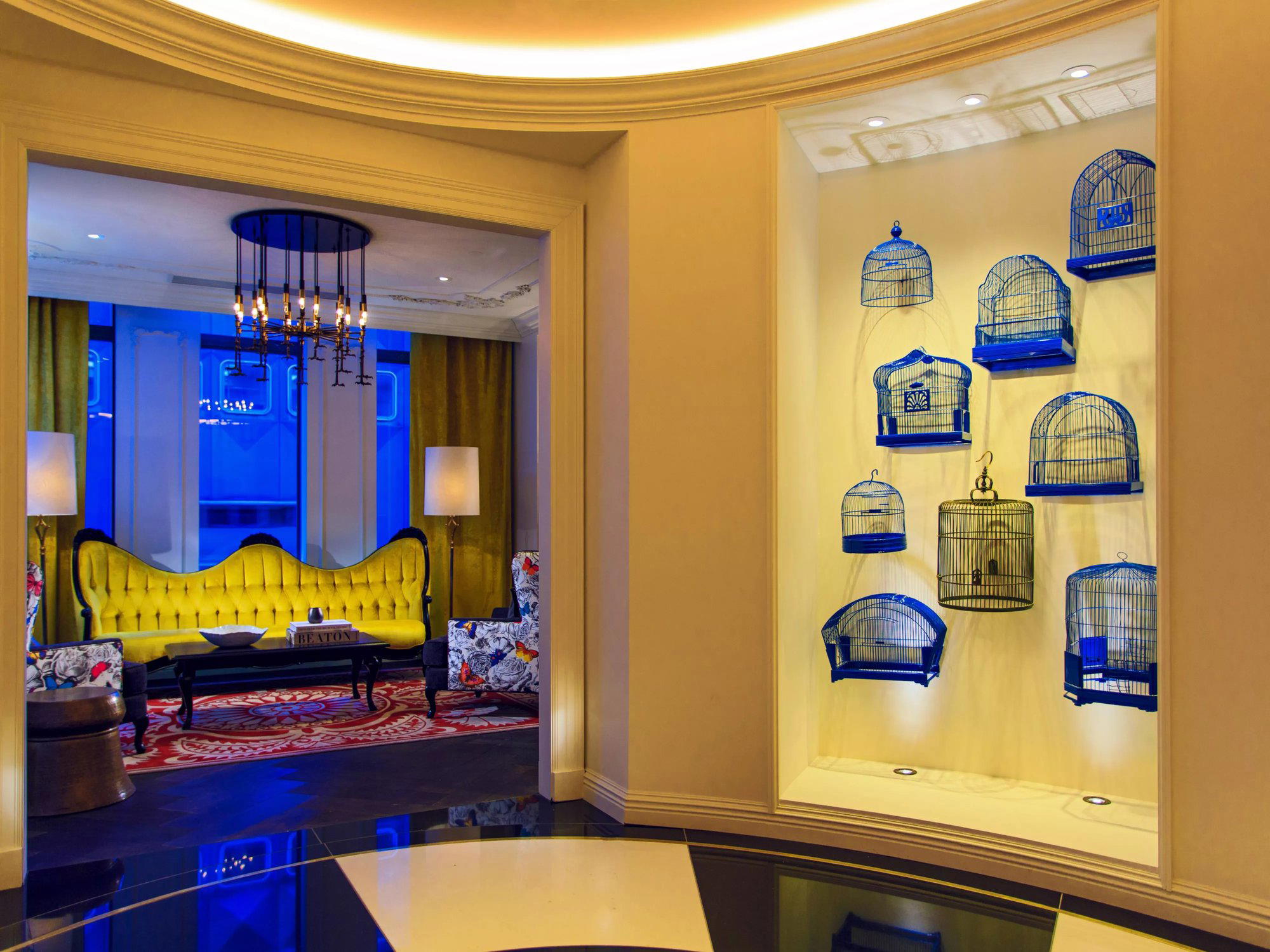
1930s-era tavern ambiance with old-school charm, featuring a speakeasy-style lounge with modern design elements and warm, inviting lighting.