The Cafe Carnegie
Our verdict
Positioned on Forbes Avenue in Pittsburgh's Oakland district, The Cafe Carnegie sits alongside the Carnegie Museums complex, making it a practical stop for visitors moving through one of the city's densest cultural corridors. While detailed menu and operational data remain limited in public records, the address alone places it within a neighbourhood increasingly recognised for its institutional dining options and proximity to the University of Pittsburgh and Carnegie Mellon campuses.

Pearl is the En Primeur Club membership app — saves, bookings, and concierge access live there. Same editors, same standards.
- Address
- 4400 Forbes Ave, Pittsburgh, PA 15213
- Phone
- (412) 622-3225
- Hours
- Daily 9 AM–5 PM
- Website
- thecafecarnegie.com
- Directions
- Get directions
- Booking
- Book on OpenTable
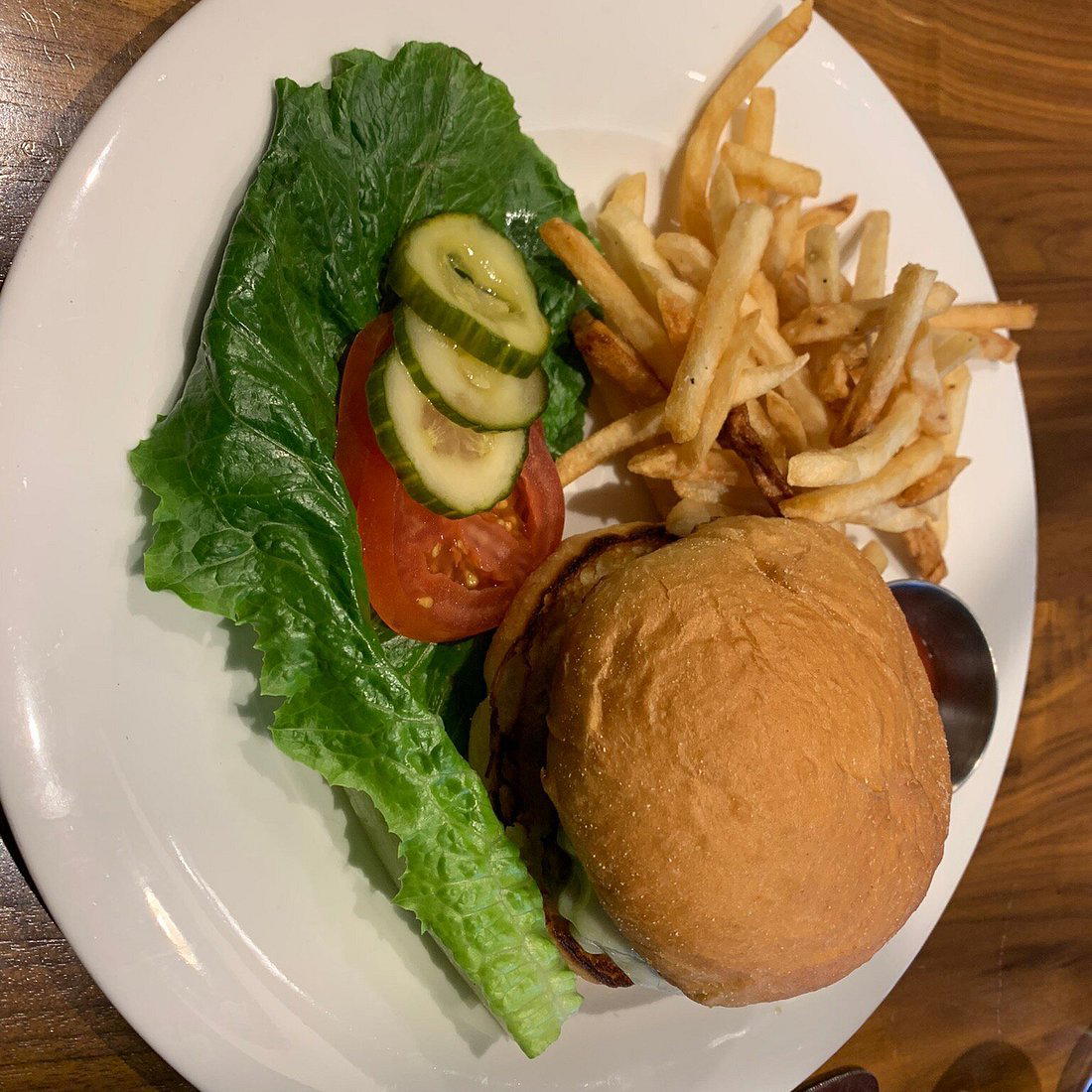
The menu
What to order
- Chicken schnitzel
- Deviled eggs
- Falafel salad
Oakland's Institutional Dining Corridor and Where The Cafe Carnegie Fits
Pittsburgh's Oakland neighbourhood operates on a different rhythm from the restaurant-driven energy of the Strip District or the chef-led independents clustering around Lawrenceville. Oakland is shaped by institutions: the University of Pittsburgh, Carnegie Mellon University, and the Carnegie Museums complex at the corner of Forbes and Fifth. Dining here has historically followed that institutional gravity, serving a population of students, researchers, museum visitors, and conference attendees rather than destination diners making a cross-city trip for a specific table. The Cafe Carnegie, addressed at 4400 Forbes Ave, sits directly within that ecosystem.
That address is significant context. Cafe dining attached to or adjacent to major museum complexes occupies a specific tier in any city's food culture. At institutions like Blue Hill at Stone Barns in Tarrytown, the relationship between the surrounding land and what arrives on the plate is the entire editorial point. The farm-to-table sourcing philosophy there is inseparable from the property's agricultural mission. Closer to The Cafe Carnegie's urban-institutional format, the question is less about provenance theatre and more about what a museum-adjacent cafe chooses to prioritise when its captive audience is culturally engaged but often time-constrained.
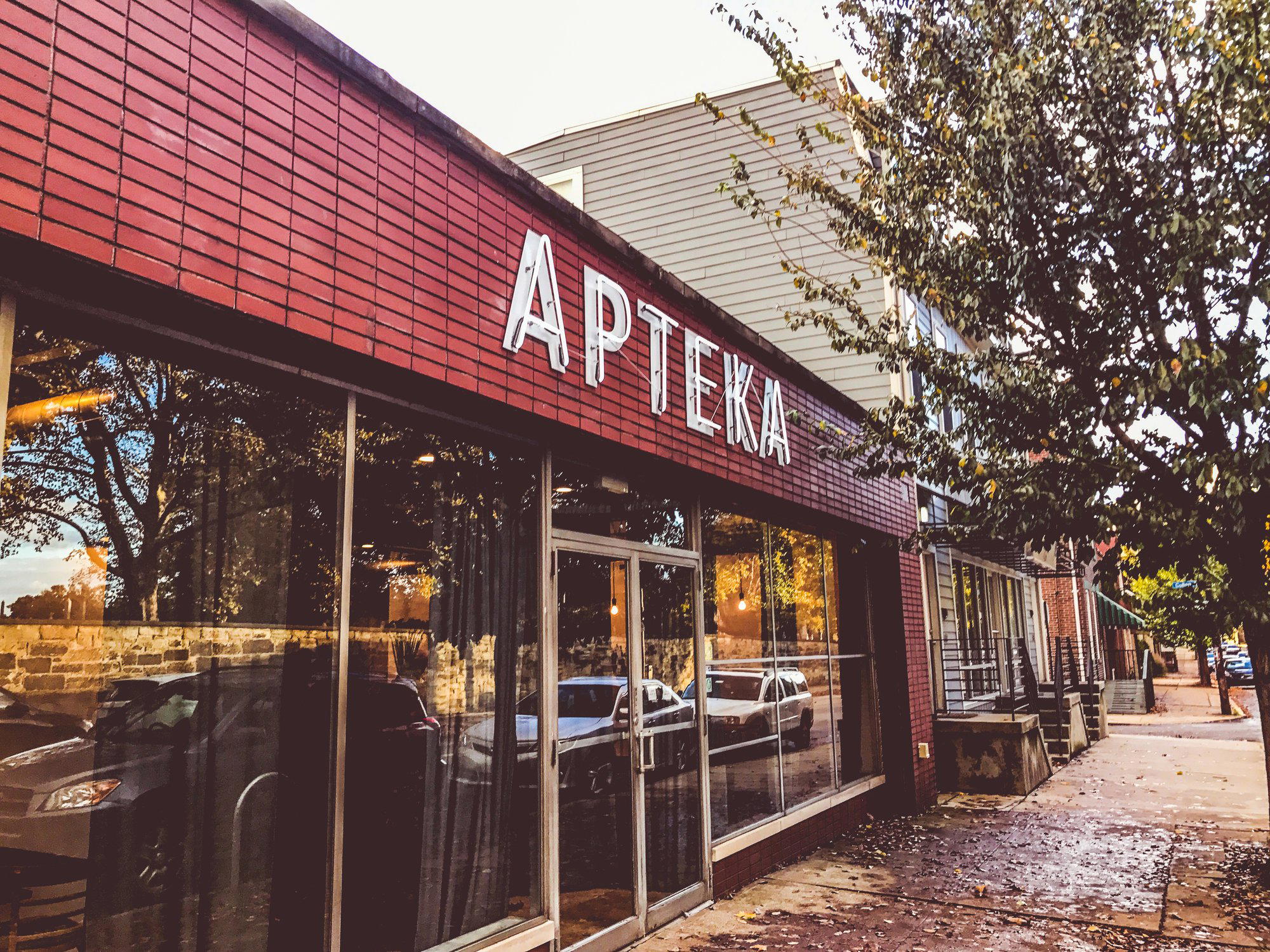
Pittsburgh's broader dining conversation has matured considerably over the past decade. Places like Apteka, operating in Polish Hill, have built serious reputations around plant-forward, Eastern European-inflected cooking that draws diners from across the city. Altius on Mount Washington positions itself around panoramic views and a more formal dining register. Alfabeto and Bakersfield Penn Ave serve the more casual, neighbourhood-anchored end of the spectrum. 1930 by Atria's represents the city's steakhouse tradition. The Cafe Carnegie operates in none of these registers exactly, instead serving a function that most major cities require but few give sustained editorial attention: the museum cafe done with some level of intention.
Ingredient Sourcing and What It Signals in an Institutional Setting
The editorial angle that matters most for any cafe operating within or adjacent to a cultural institution is what it chooses to source, and why. In American cities where food sourcing has become a marker of seriousness, museum cafes split into two distinct camps. The first treats the kitchen as a concession operation: reliable, volume-driven, largely indifferent to provenance. The second uses the captive audience of culturally curious visitors as an opportunity to reflect the institution's broader values through the food program.
At the highest end of American institutional dining, that sourcing conversation becomes the entire point. Operations like Single Thread Farm in Healdsburg build farm, inn, and restaurant into a single vertically integrated sourcing story. Lazy Bear in San Francisco frames sourcing through a communal, seasonally responsive lens. Those are destination restaurants where the sourcing narrative is the draw. A museum cafe operates with different constraints and different obligations, but the question of where the food comes from still matters, because it signals what the operation believes its audience deserves.
Pennsylvania's agricultural geography gives any Pittsburgh restaurant a reasonable sourcing argument to make. The state's dairy sector, its orchard traditions in Adams and York counties, its mushroom production concentrated around Kennett Square, and the growing network of small farms supplying Pittsburgh's more ingredient-conscious restaurants all sit within a practical supply radius.
The Carnegie Museums Context
The Carnegie Museums of Pittsburgh, which include the Carnegie Museum of Art and the Carnegie Museum of Natural History under a single roof at the Forbes Avenue address, attract hundreds of thousands of visitors annually. That footfall creates both an opportunity and a constraint for any food operation on the premises. The opportunity is consistent volume and a visitor base that skews educated and culturally engaged. The constraint is that peak demand concentrates around weekend afternoons, school group visits, and exhibition openings, which creates service pressure that can work against kitchen ambition.
Placing The Cafe Carnegie in the Broader American Dining Conversation
For context on where serious American restaurant culture currently sits, the reference points range from the sourcing-driven rigour of The French Laundry in Napa and the technique-focused ambition of Alinea in Chicago to the seafood-centred precision of Le Bernardin in New York City and the Korean-inflected tasting format of Atomix in New York City. Further south, Emeril's in New Orleans, Providence in Los Angeles, Addison in San Diego, and The Inn at Little Washington in Washington each anchor their respective cities' fine dining conversations. Internationally, operations like 8 1/2 Otto e Mezzo Bombana in Hong Kong illustrate how Italian technique travels across cultural contexts. The Cafe Carnegie does not compete in that register, nor should it be expected to.
For a fuller map of where Pittsburgh's dining is moving across price points and neighbourhoods, the full Pittsburgh restaurants guide covers the city's current range in more depth.
Know Before You Go
Frequently Asked Questions
Frequently asked questions
Where do I go for The Cafe Carnegie?
The Cafe Carnegie is located at î4400 Forbes Ave, Pittsburgh, PA 15213, Pittsburgh.
Is The Cafe Carnegie accessible to visitors who are not attending the Carnegie Museums?
Many American museum cafes require general admission or have a separate street-level entrance, but the access structure here would need to be confirmed with Carnegie Museums of Pittsburgh directly. Oakland's Forbes Avenue corridor does have alternative dining options if independent access is not available.
What do people recommend at The Cafe Carnegie?
Museum cafes in American cities at this address tier typically rotate offerings around lighter lunch formats, but any specific recommendations would require current on-site or operator confirmation. The best approach is to check directly with Carnegie Museums of Pittsburgh before your visit.
Is The Cafe Carnegie reservation-only?
No reservation policy is confirmed for The Cafe Carnegie in Pittsburgh. Museum-adjacent cafes at institutions like the Carnegie Museums of Art and Natural History in Oakland generally operate on a walk-in basis, aligned to gallery hours rather than a bookings calendar. Verify current access directly with the Carnegie Museums at 4400 Forbes Ave.
What's The Cafe Carnegie best at?
What is clear is that The Cafe Carnegie occupies a position inside the Carnegie Museums complex in Pittsburgh's Oakland neighbourhood, which gives it a captive audience of museum-goers rather than a destination dining identity built independently. That context shapes what the cafe is designed to do.
Can The Cafe Carnegie adjust for dietary needs?
Your most direct route is to contact the Carnegie Museums of Pittsburgh through their main institutional channels before visiting 4400 Forbes Ave.
The Quick Read
Comparable venues nearby, for context on price, style, and recognition.
| Venue | Cuisine | Price | Notes |
|---|---|---|---|
| The Cafe CarnegieThis venue — the venue you are viewing | Modern American Museum Cafe | $20–30 | Not listed |
| The Abbey on Butler Street | American Gastropub | $20–30 | Central Lawrenceville, American Gastropub |
| Twelve Whiskey BBQ | American Whiskey BBQ | $20–30 | South Side Slopes, American Whiskey BBQ |
| The Café at the Frick | Seasonal American Cafe with Afternoon Tea | $20–30 | North Point Breeze, Seasonal American Cafe with Afternoon Tea |
| The Rebel Room | Modern American | $20–30 | Central Business District, Modern American |
| Coca Café | American Brunch Cafe | Not listed | Lower Lawrenceville, American Brunch Cafe |
Continue exploring
More in Pittsburgh
Restaurants in Pittsburgh
Browse all →
Bars in Pittsburgh
Browse all →
Details
- Modern
- Cozy
- Brunch
- Casual Hangout
- Business Dinner
- Historic Building
- Open Kitchen
- Craft Cocktails
- Local Sourcing
- A La Carte
- Small Plates
- Vegetarian Friendly
- Vegan Options
Current opening hours
- Monday
- 9 AM–5 PM
- Tuesday
- 9 AM–5 PM
- Wednesday
- 9 AM–5 PM
- Thursday
- 9 AM–5 PM
- Friday
- 9 AM–5 PM
- Saturday
- 9 AM–5 PM
- Sunday
- 9 AM–5 PM
Hours can change for holidays and private events. Last verified .
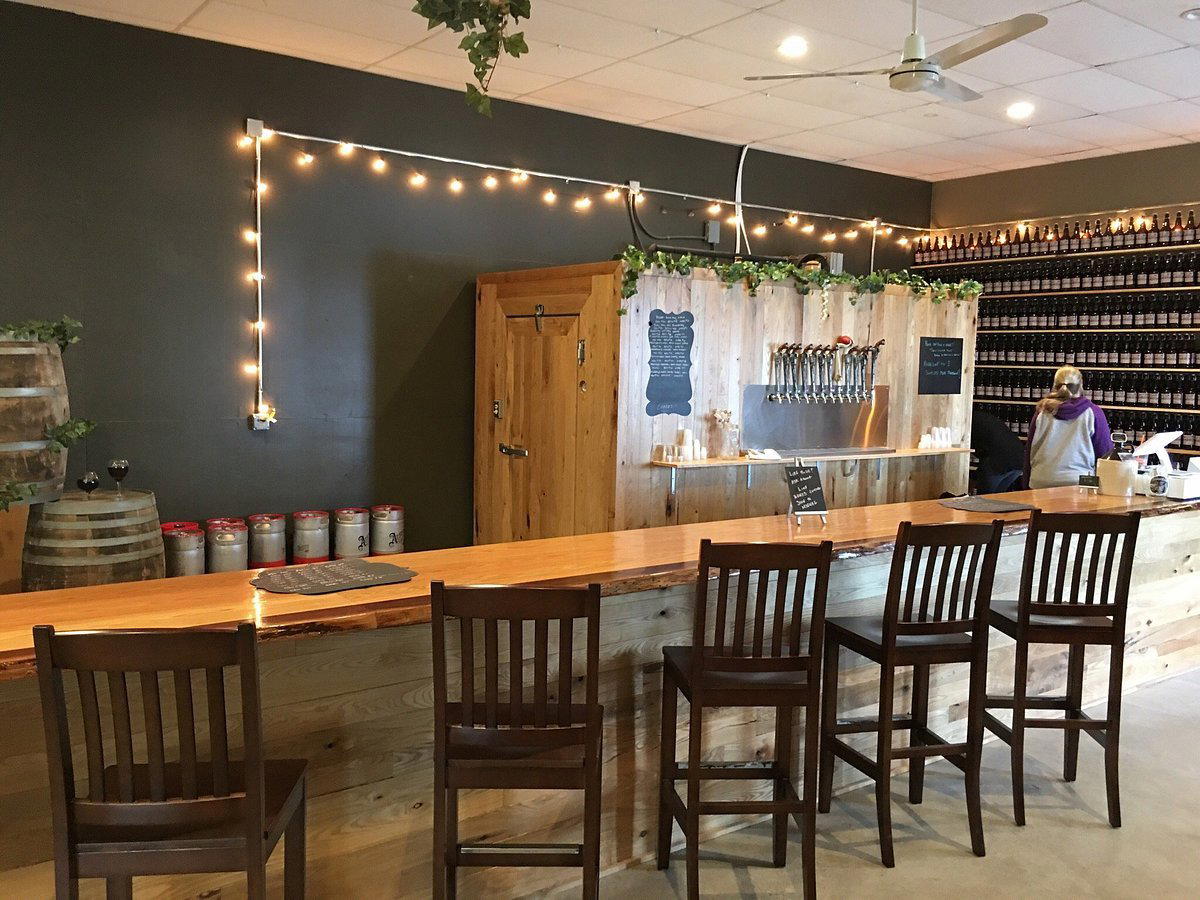
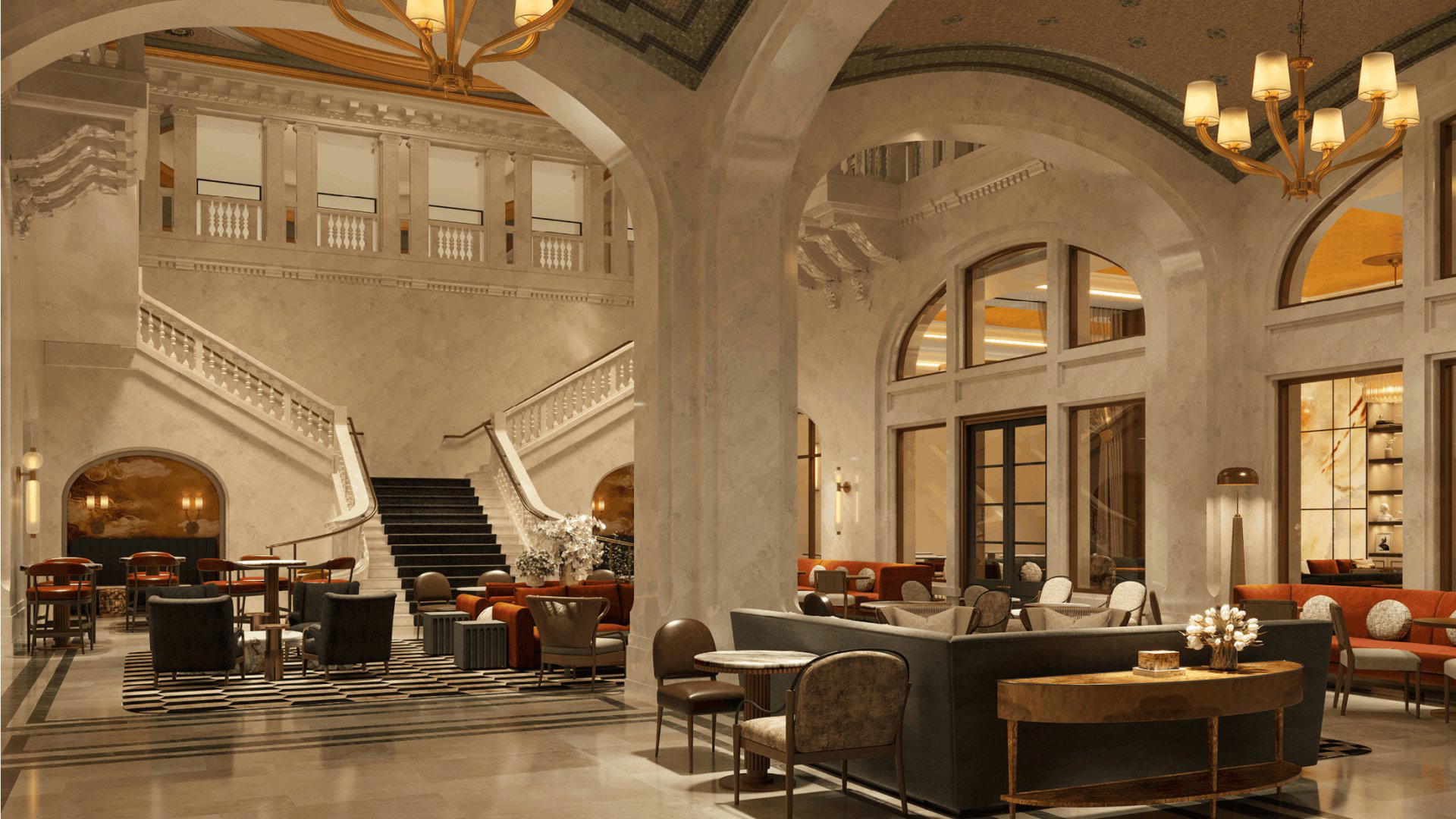
Bright and airy space with high ceilings, lots of windows, and a modern, comfortable atmosphere.