1930 Cigar Bar
1930 Cigar Bar gives Pittsburgh a cigar-lounge dining format rather than a conventional restaurant template, pairing American shareables with a room built around smoke, conversation, and slow pacing. The appeal is less about chef-driven theatre than category fit: a bar-adjacent setting for adults who want food to support the evening rather than dominate it.
Pearl is the En Primeur Club membership app — saves, bookings, and concierge access live there. Same editors, same standards.
- Address
- 2350 Railroad St, Pittsburgh, PA 15222
- Phone
- (412) 329-6197
- Website
- 1930byatrias.com
- Directions
- Get directions
 Saves & bookings on Pearl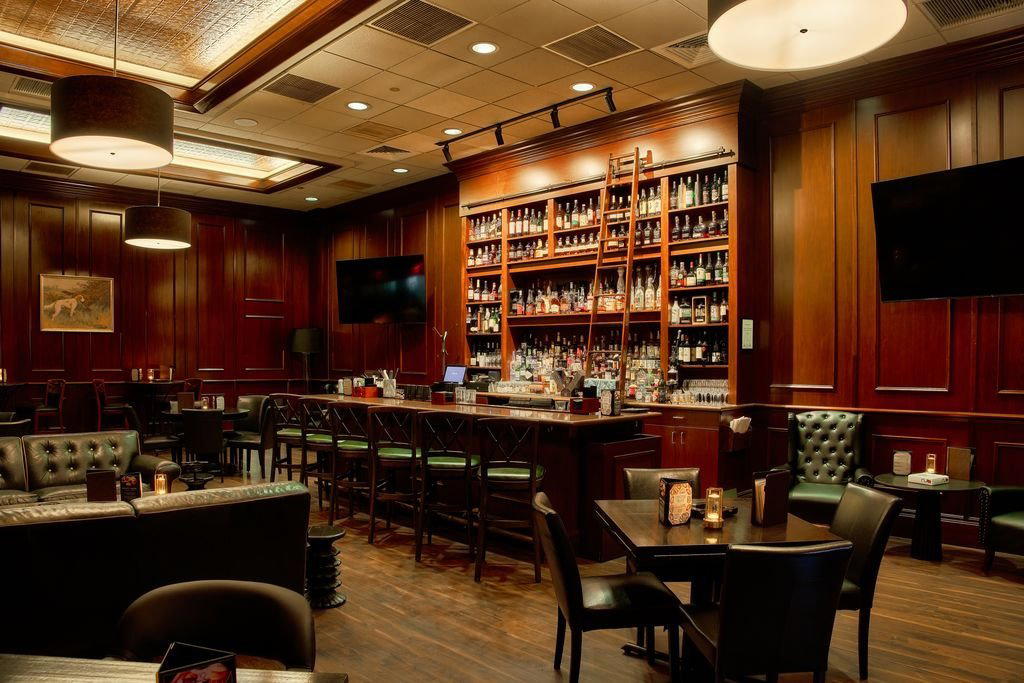
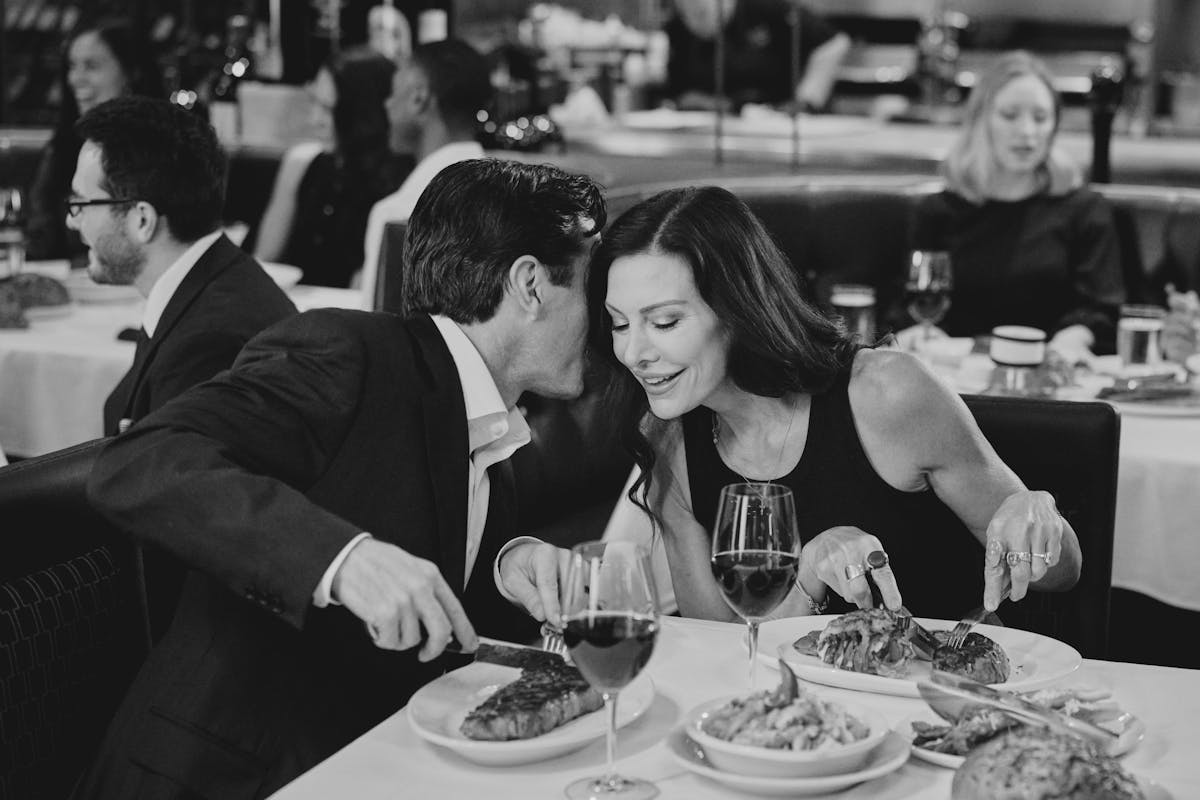
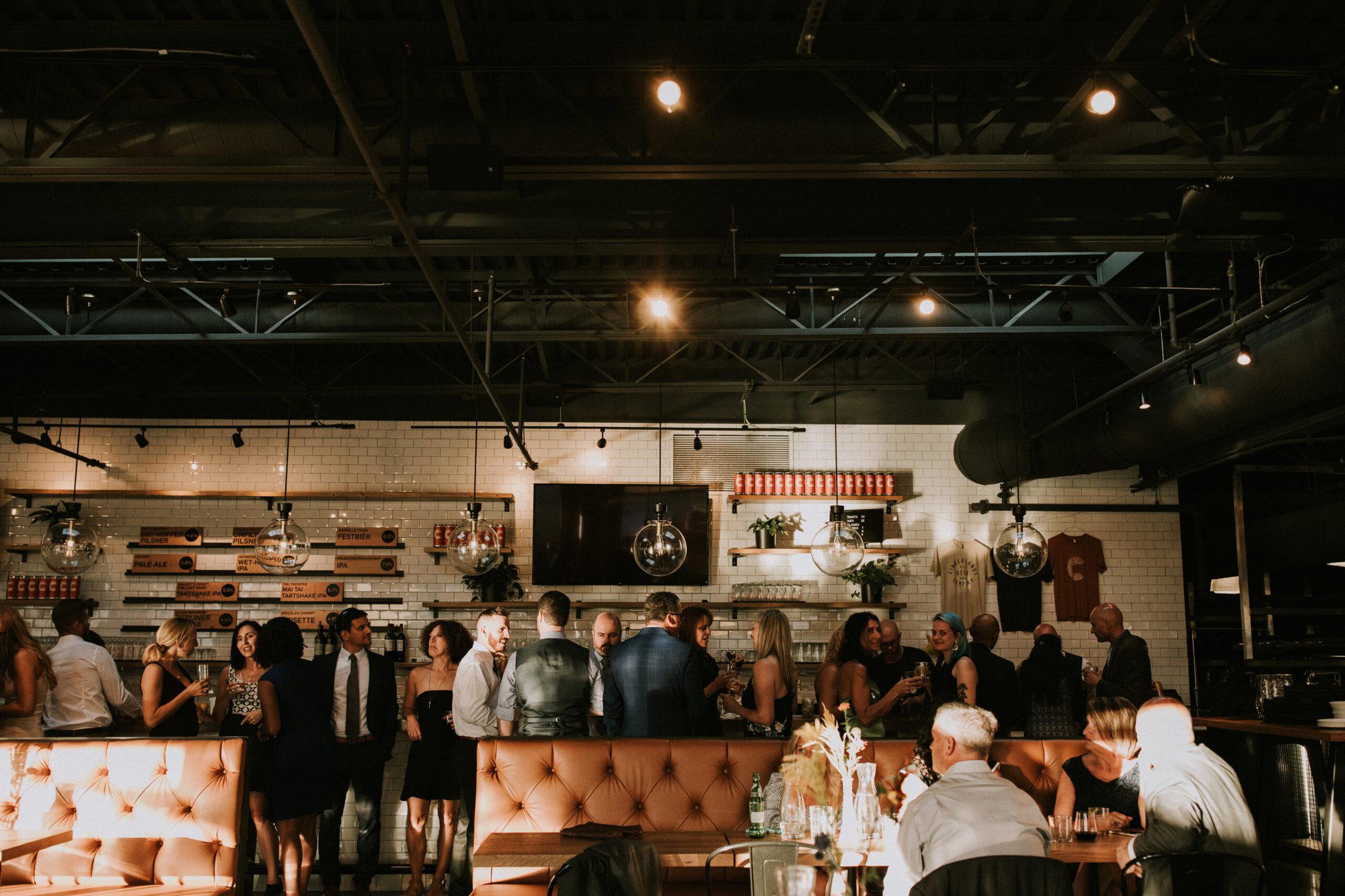
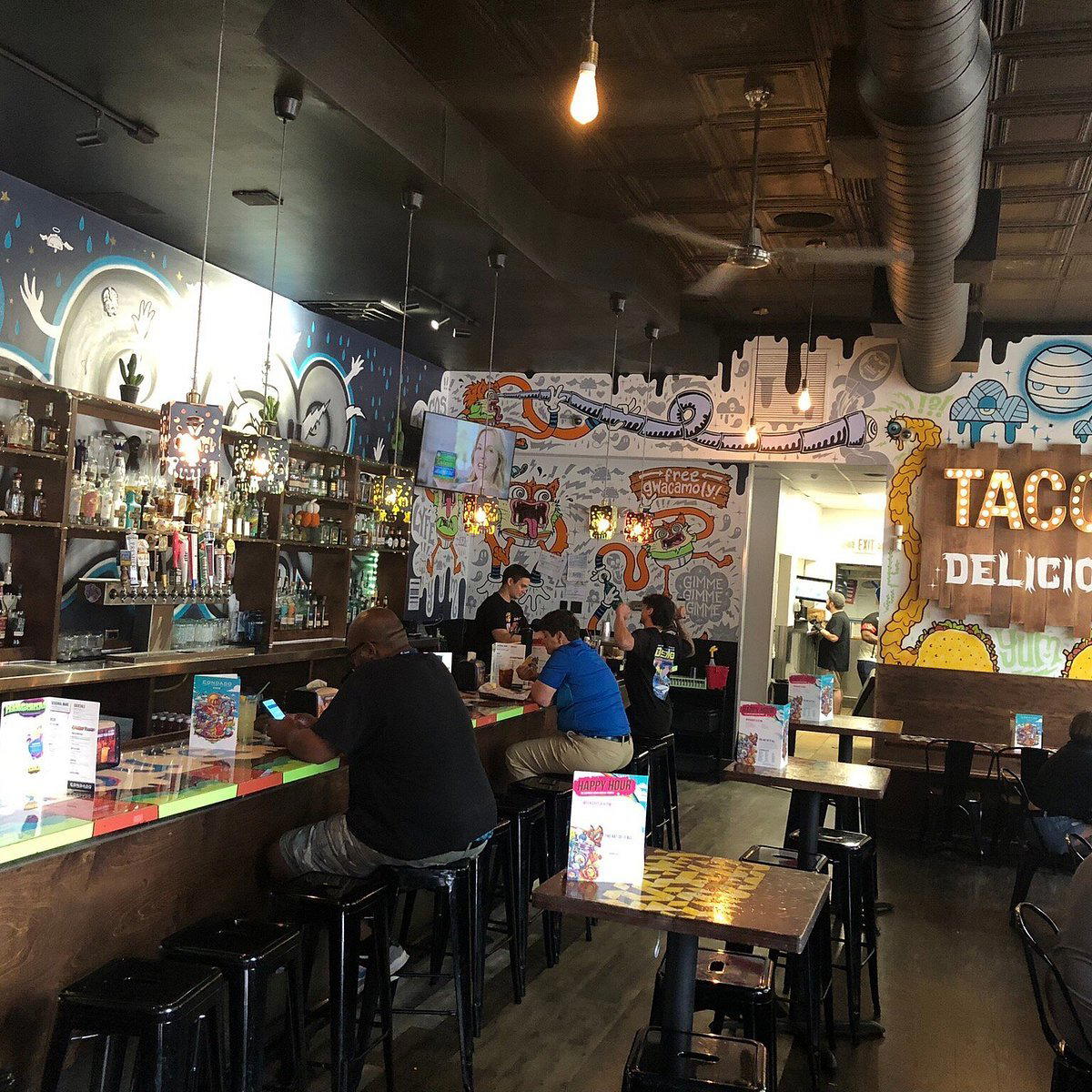
The first read is sensory before culinary: low light, slower voices, and the social rhythm of a room where nobody is racing the table turn. In Pittsburgh, where restaurant conversation swings between legacy comfort, ambitious tasting formats, and neighbourhood-driven casual dining, 1930 Cigar Bar occupies a narrower lane. Its food identity is American shareables, suited to a lounge because the plate is not forced to carry the night. The meal sits beside a drink, a cigar, and longer conversation.
That matters because Pittsburgh dining has moved beyond the old shorthand of steakhouse-and-sandwich city. The stronger current is range: Eastern European vegan cooking, polished hilltop dining rooms, taco-and-bourbon casual formats, and regionally minded American menus competing for attention. A cigar bar sits outside that main restaurant race. It asks not where to eat dinner in isolation, but where food, smoking culture, and late-evening social use can share a room without pretending to be a tasting counter.
American shareables built for a cigar-room pace
American shareables are practical in a cigar-bar context. The format avoids the stiffness of coursed dining and the noise of a large-plate, entrée-led room. It lets a table order in waves, pause, return to the menu, and keep focus on the room’s central ritual. In that sense, 1930 Cigar Bar belongs to a category where restraint helps. Heavy culinary authorship would pull attention from the lounge function; anonymous bar snacks would undersell the evening. The middle ground is food structured enough to hold a group, without so much ceremony that the cigar side becomes secondary.
The farm-to-table movement changed how American menus discuss sourcing, but its influence now reaches beyond restaurants that print farm names beside every dish. In a shareable bar format, the lesson is less proclamation than seasonality, freshness, and avoiding the industrial sameness that once defined lounge food. Pittsburgh is a good test city for that evolution. Western Pennsylvania has farms, dairies, bakeries, and small producers close enough to make local sourcing plausible, yet the hospitality scene is pragmatic. Diners tend to reward substance over vocabulary. A plate either works in the room or it does not.
That is the editorial frame for 1930 Cigar Bar: judge how convincingly the food supports the cigar-lounge experience, not whether it behaves like a conventional destination restaurant. The absence of a chef-name narrative in the public identity is not automatically a weakness here. Many cigar rooms are built on hosting, pacing, and beverage culture rather than culinary celebrity. The stronger question is whether the kitchen gives a group enough range to eat without leaving for dinner elsewhere.
Pittsburgh's adult-night-out category is broader than dinner
Pittsburgh has several hospitality identities at once. Downtown and the riverfront corridors carry business-dinner energy; Lawrenceville and Bloomfield lean into independent restaurants and bars; Mount Washington trades on views and occasion dining; Squirrel Hill and the East End bring neighbourhood regularity and immigrant foodways into the weekly circuit. A cigar bar need not compete directly with those lanes. It works when the evening calls for lower velocity, adult conversation, and a table not measured by how quickly it can be reset.
For readers mapping the wider city, EP Club’s Pittsburgh coverage is organised by category rather than by a single dining thesis. Restaurant-focused planning belongs in Our full Pittsburgh restaurants guide, while drinking-led nights sit more naturally in Our full Pittsburgh bars guide. Visitors building a longer trip can pair that with Our full Pittsburgh hotels guide, plus Our full Pittsburgh experiences guide for cultural planning and Our full Pittsburgh wineries guide for wine-country context near the city.
The city’s range also explains why a cigar bar should be read as part of a broader night-out ecosystem. For restaurant-led evenings, Pittsburgh coverage includes 1930 by Atria's, Alfabeto, Altius, Apteka, and Bakersfield Penn Ave. Those pages serve a different reader decision than the restaurant: where the meal is the main event. Here, the stronger use case is an evening where room, smoke, and pacing are equal partners with the plates.
How to read this kind of venue before committing the night
Cigar bars demand a more specific fit than restaurants. Anyone sensitive to smoke, travelling with children, or seeking a quick pre-theatre meal should be cautious. The better audience is an adult group that wants a slower room and is comfortable letting dinner unfold informally through shared plates. Since public details such as hours, price, and booking method are not part of the venue’s available profile here, plan conservatively: confirm operating details directly before building an evening around it, especially on weekends or around major city events.
There is also a useful national context. Across the United States, casual premium dining has splintered into specific formats: sake bars, onigiri counters, plant-based Hawaiian kitchens, taqueria-led neighbourhood rooms, and regional Japanese beef specialists all serve diners who know exactly what evening they want. That specificity appears in EP Club coverage of Jōdo Saké Bar in Los Angeles, Onigiri Time in Pasadena, ¿Por Qué No? in Portland, 'Ai Love Nalo in Waimanalo Beach, 'āina in San Francisco, 'Ama 'Ama in Kapolei, -Grilled beef Sukiyaki- KAMAKURA TANUKIAN 鎌倉 たぬき庵 in Kamakura, and ¡Salud! in Los Angeles. The common thread is not cuisine; it is format clarity.
That is the cleanest way to approach the restaurant. Do not expect the conventions of a chef-profile restaurant, and do not reduce it to a place that merely serves food beside cigars. Its value sits in the overlap: American shareables, an adult lounge setting, and a Pittsburgh audience increasingly comfortable choosing venues by mood and function rather than old restaurant categories.
In Context
Comparable venues nearby, for context on price, style, and recognition.
| Venue | Cuisine | Price | Notes |
|---|---|---|---|
| 1930 Cigar BarThis venue — the venue you are viewing | Not listed | $$$ | Not listed |
| fl.2 | Not listed | $$$ | Central Business District, Modern American Brasserie |
| Revel | Not listed | $$ | Central Business District, Refined American Steakhouse |
| Meat & Potatoes | Downtown, Modern American Gastropub | $$$ | Not listed |
| The Porch | Not listed | $$ | Central Oakland, American Farm-to-Table with Wood-Fired Pizzas |
| OTARU | South Shore, Modern Japanese Fine Dining | $$$ | Not listed |
Continue exploring
More in Pittsburgh
Restaurants in Pittsburgh
Browse all →

Bars in Pittsburgh
Browse all →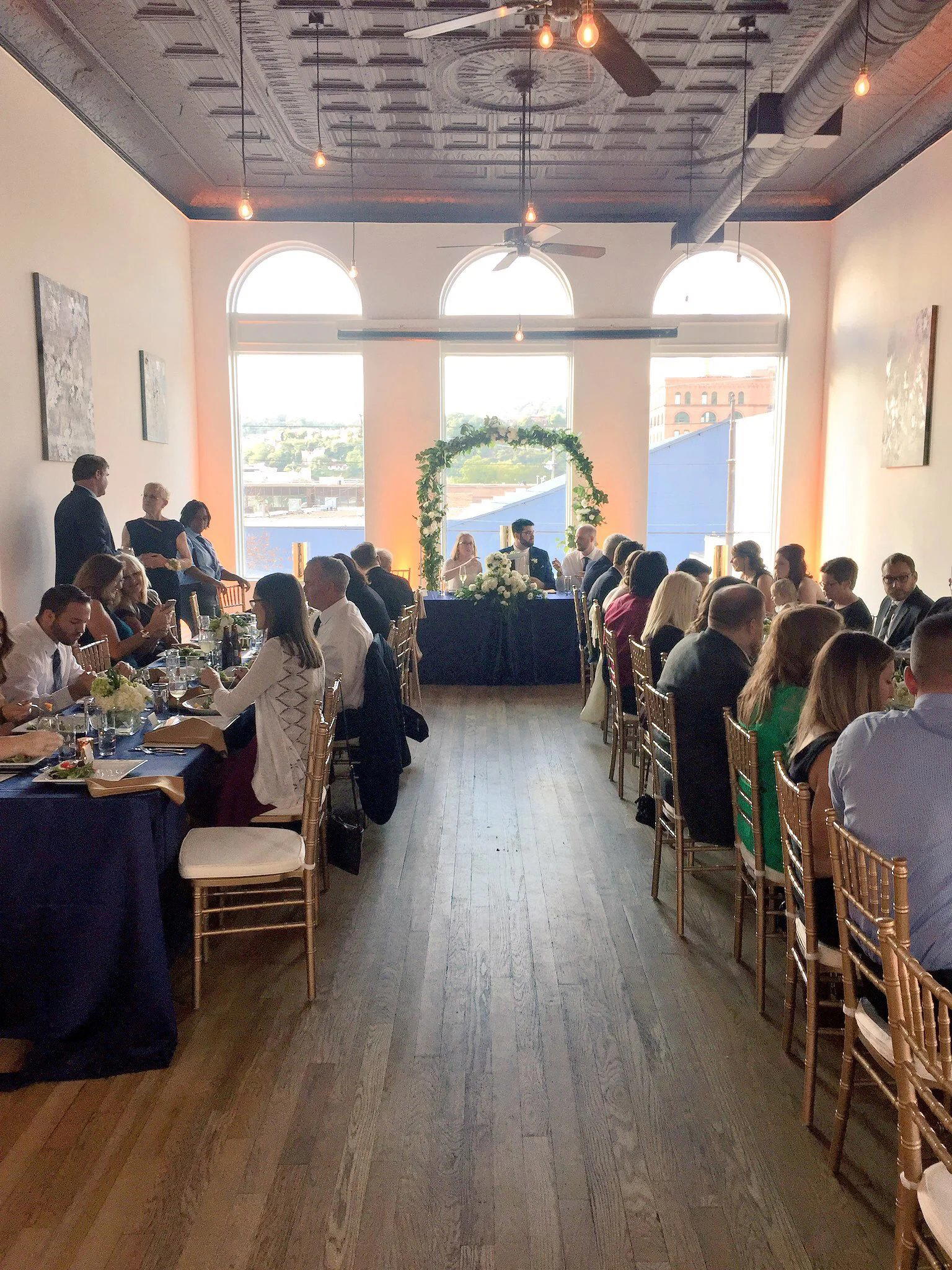
At a Glance
- Sophisticated
- Elegant
- Industrial
- Intimate
- Trendy
- After Work
- Date Night
- Group Dining
- Late Night
- Private Event
- Celebration
- Private Dining
- Design Destination
- Standalone
- Craft Cocktails
- Extensive Wine List
- Beer Program
Current opening hours
- Monday
- 4 PM–12 AM
- Tuesday
- 4 PM–12 AM
- Wednesday
- 4 PM–12 AM
- Thursday
- 4 PM–12 AM
- Friday
- 4 PM–12 AM
- Saturday
- 4 PM–12 AM
- Sunday
- 4 PM–12 AM
Hours can change for holidays and private events. Last verified .
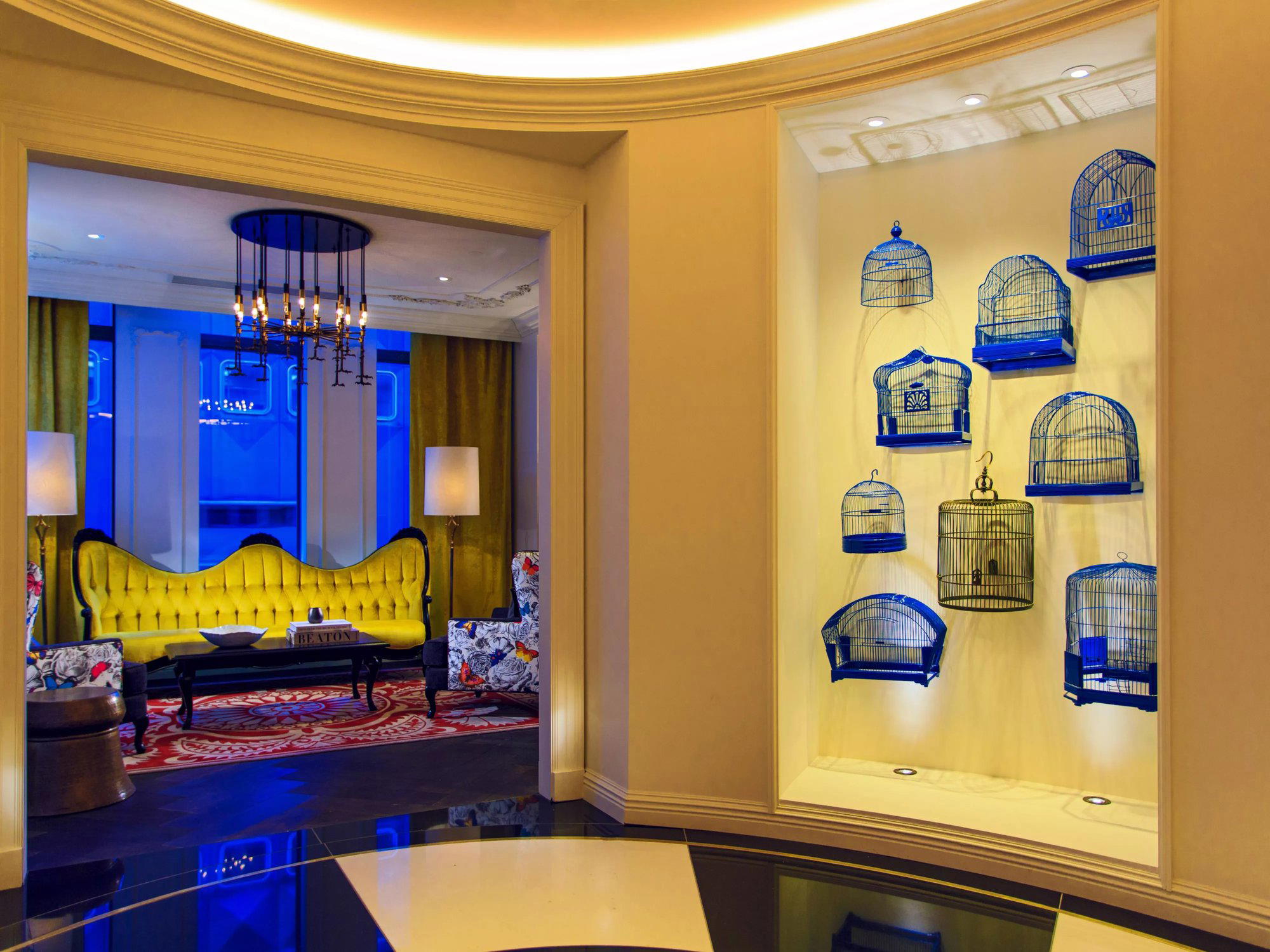
A refined lounge atmosphere with an upscale, 1930s-influenced bar feel, designed for relaxed, cigar-focused socializing with comfortable seating and a polished, grown-up vibe.