FET-FISK


James Beard Award Semi Finalist · Bon Appétit The 20 Best New Restaurants #3
Our verdict
FET-FISK brings a Nordic seafood and oyster bar framework to Pittsburgh's Bloomfield neighbourhood, grounding the concept in Appalachian agriculture rather than importing identity wholesale from Scandinavia. The result is a restaurant that reads as genuinely local in sourcing while drawing on a culinary tradition built around restraint, precision, and the honest treatment of fish. It occupies a niche that few American cities have filled this deliberately.

Pearl is the En Primeur Club membership app, where members save venues, book tables and use the concierge.
The menu
What to order
- Roasted half chicken with lingonberry sauce
- Pickled mackerel
- Smoked sturgeon pate
- Floating island dessert
- Grilled branzino
Where the North Sea Meets the Allegheny Valley
Liberty Avenue in Bloomfield runs through one of Pittsburgh's most densely neighbourhood-scale commercial strips, a stretch where bakeries, dive bars, and independent restaurants share storefronts without much ceremony. FET-FISK sits at 4786 Liberty Ave, and its positioning there is itself an editorial statement: this is not a restaurant that has arranged itself around a destination-dining address. The Nordic seafood tradition it draws on was never designed for spectacle, and the surroundings make clear that spectacle is not the agenda here either.
Nordic seafood cooking, as a broader tradition, is built on an almost stubbornly disciplined relationship with ingredient quality. Where French seafood restaurants like Le Bernardin in New York City work through classical technique and sauce architecture, or where California-coast restaurants such as Providence in Los Angeles frame the Pacific through a fine-dining lens, the Nordic model tends toward minimalism: salt, smoke, fermentation, and cold-water fish handled with as little interference as possible. FET-FISK imports that framework, then layers something unexpected on top of it.
Appalachian Agriculture as a Nordic Ingredient List
The most analytically interesting thing about FET-FISK is not the oyster bar or the Scandinavian reference points, but what happens when those two things are deliberately routed through Appalachian agriculture. The restaurant's defining commitment is to regional sourcing from the farms, forests, and waters of the greater Appalachian region. That is not a decorative claim. It restructures the entire supply logic of a Nordic-inflected menu.
Appalachia is not typically framed as a seafood region, yet the Ohio River watershed and the inland waterways of Pennsylvania, West Virginia, and Kentucky produce a range of freshwater species, foraged ingredients, and small-scale agricultural products that map surprisingly well onto Nordic culinary vocabulary. Where Scandinavian kitchens would reach for sea buckthorn, wild herbs, and cold-climate root vegetables, an Appalachian equivalent offers ramps, pawpaws, black walnuts, and a tradition of pickling and preserving that pre-dates any contemporary trend toward fermentation.
This is the kind of sourcing logic that restaurants like Blue Hill at Stone Barns in Tarrytown have made central to their identity, or that Single Thread Farm in Healdsburg pursues through its own agricultural operation. FET-FISK operates at a different scale and price point, but the underlying argument is similar: that local sourcing is not a marketing gesture but an organising principle that changes what a menu can logically contain.
Pittsburgh's dining scene has matured considerably over the past decade, and the city now supports restaurants that would hold their own in larger coastal markets. For a fuller picture of where FET-FISK sits in that context, our full Pittsburgh restaurants guide maps the broader field, from neighbourhood standbys to the more ambitious end of the city's current dining.
The Oyster Bar as a Philosophical Anchor
Oysters are worth pausing on as a format choice. Across American cities, the oyster bar has become something of a democratic institution: accessible price entry, immediate sensory reward, and a format that does not require a full dining commitment. In cities like New Orleans, restaurants such as Emeril's have long treated Gulf shellfish as a cultural touchstone rather than a menu category. The oyster bar at FET-FISK operates within a different register, using the format as a way to anchor the Nordic-Appalachian concept in something concrete and participatory.
Raw shellfish also functions as one of the most honest ingredient tests in any restaurant. There is no sauce, no cooking technique, and no plating decision that can compensate for a mediocre oyster. A restaurant that puts the oyster bar at its conceptual centre is making a claim about sourcing confidence that the ingredient itself will either validate or expose. That FET-FISK has built its identity around this particular format, rather than burying it as a supporting menu section, suggests a degree of conviction about the product it can consistently access.
What to Eat
Given FET-FISK's dual commitment to Nordic seafood technique and Appalachian agricultural sourcing, the dishes most worth ordering are those where those two systems interact rather than simply coexist. Expect preparations that use cold-water fish species or regional freshwater catch alongside preserved, fermented, or foraged Appalachian ingredients. The oyster selection will reflect what is seasonally available from Atlantic Coast producers and, where possible, from waters accessible to the region's supply chains.
Restaurants working in this Nordic-inflected register tend to favour cured, smoked, or lightly treated fish over heavily sauced preparations. If the kitchen is working consistently with that tradition, look for dishes where technique is restrained and the sourcing argument is made through flavour rather than description. The menu at FET-FISK is not publicly detailed in ways that allow for specific dish recommendations here, but the concept's logic points clearly toward what the kitchen is trying to do.
For comparison, progressive American restaurants like Lazy Bear in San Francisco or more avant-garde operations like Alinea in Chicago use sourcing and technique to build tasting-format narratives. FET-FISK appears to work in a more informal register, where the Nordic and Appalachian threads are expressed through a menu that rewards curiosity without demanding a full omakase-style commitment.
Atmosphere and Who It Works For
The broader shift in American dining over the past several years has moved away from the formality that once defined serious restaurants. Places like The Inn at Little Washington or The French Laundry in Napa represent one end of the spectrum, where occasion dining and white-tablecloth convention still hold. FET-FISK operates at the opposite pole: Bloomfield's residential-commercial character, the Liberty Ave address, and the oyster bar format all suggest a room that is animated and unpretentious rather than hushed.
Nordic interior design sensibility, when it is present, tends toward natural materials, low lighting, and a deliberate lack of visual noise. Families with children should be aware that oyster bars and Nordic-inflected restaurants in this category are generally adult-oriented in atmosphere, though the relatively informal Bloomfield setting and price positioning (neither confirmed as fine-dining nor as a casual counter operation) means the restaurant is unlikely to be as formally restrictive as a tasting-menu room. If you are bringing children, it is worth confirming directly with the restaurant what the format allows.
Pittsburgh has a broader hospitality infrastructure worth knowing if FET-FISK is part of a longer visit. Our Pittsburgh hotels guide, bars guide, wineries guide, and experiences guide cover the city across categories.
Planning a Visit
FET-FISK is located at 4786 Liberty Ave in Bloomfield, Pittsburgh's PA 15224. Given the oyster bar format and Bloomfield's neighbourhood dining character, the restaurant is most likely accessible as a walk-in for bar seating or by reservation for the full dining room, though that arrangement should be confirmed. Liberty Avenue is served by Pittsburgh's bus network, and the neighbourhood has street parking, making it reachable without significant logistical planning from most parts of the city.
For readers building a broader picture of serious American seafood and farm-sourcing concepts, Addison in San Diego, Albi in Washington, D.C., and Atomix in New York City each represent different iterations of the same underlying argument: that where food comes from is as editorially significant as how it is cooked. FET-FISK makes that argument in Pittsburgh, through a Nordic frame, with Appalachian ingredients. That combination is not found in many other places.
Frequently asked questions
Is FET-FISK okay with children?
FET-FISK is a Nordic seafood restaurant and oyster bar, a format oriented toward adult diners with a specific interest in sourcing-driven cooking. Bloomfield is a residential neighbourhood, so the setting is low-key rather than formal, but the oyster bar concept and Nordic culinary focus make it a better fit for older or adventurous teenage diners than young children.
What should I expect atmosphere-wise at FET-FISK?
FET-FISK sits on Liberty Avenue in Bloomfield, one of Pittsburgh's most neighbourhood-scale commercial corridors, so the context is local and residential rather than destination-dining. The Nordic seafood and oyster bar format signals a focused, counter-oriented experience, closer to a serious neighbourhood room than a large dining hall. Dress accordingly: this is not a jacket-required address.
Is FET-FISK Michelin-listed?
FET-FISK has received recognition including: A Nordic seafood restaurant and oyster bar with a devotion to Appalachian agriculture.
What should I eat at FET-FISK?
The oysters are the conceptual anchor of FET-FISK's menu, reflecting the restaurant's dual commitment to Nordic seafood tradition and Appalachian agricultural sourcing. Beyond the oyster bar, the dishes most worth ordering are those where those two throughlines converge, specifically preparations where regional land-based ingredients are worked into a Nordic seafood framework.
Side-by-Side Snapshot
| Venue | Cuisine | Price | Awards | Notes |
|---|---|---|---|---|
| FET-FISKThis venue (the venue you are viewing) | Nordic-Appalachian Seafood | $50–100 | James Beard Award Semi Finalist · Bon Appétit The 20 Best New Restaurants #3 | Not listed |
| Le Bernardin | French Seafood Fine Dining | $300–500 | 3 Michelin Stars · World's 50 Best #13 | French, Seafood |
| Atomix | Modern Korean Tasting Menu | $300–500 | 2 Michelin Stars · World's 50 Best #7 | Modern Korean, Korean |
| Lazy Bear | Modern American Tasting Menu | Not listed | 2 Michelin Stars · World's 50 Best #25 | Progressive American, Contemporary |
| Alinea | Avant-Garde Molecular Gastronomy | $300–500 | 2 Michelin Stars · World's 50 Best #37 | Progressive American, Creative |
| Masa | Seasonal Hokkaido Tempura Omakase | $150–200 | Tabelog 100 #34 | Sushi, Japanese |
Recognition history
Dated appearances from independent guides and award organizations, with the underlying list record or original source where available.
James Beard Award Semi Finalist
James Beard Award
Bon Appétit The 20 Best New Restaurants #3
Bon Appétit
Continue exploring
More in Pittsburgh
Restaurants in Pittsburgh
All restaurants in Pittsburgh →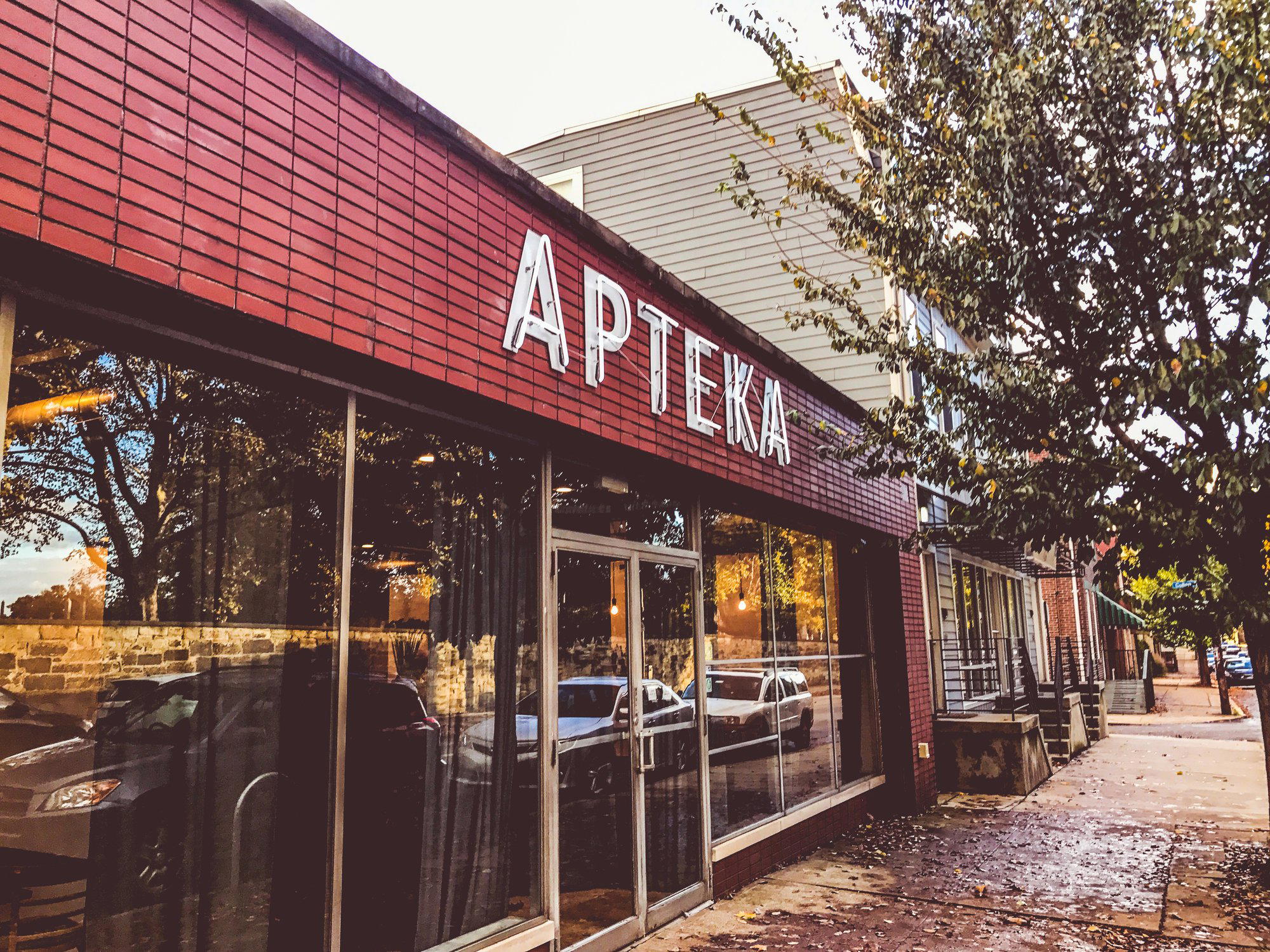

Details
- Cozy
- Elegant
- Trendy
- Intimate
- Date Night
- Group Dining
- Special Occasion
- Standalone
- Open Kitchen
- Craft Cocktails
- Natural Wine
- Extensive Wine List
- Farm To Table
- Sustainable Seafood
- Local Sourcing
- Biodynamic
- Street Scene
- Small Plates
- A La Carte
- Aquavit Cocktails
- Natural Wine
- House Made Schnapps
- Vegetarian Friendly
Current opening hours
- Monday
- 5–10 PM
- Tuesday
- Closed
- Wednesday
- Closed
- Thursday
- 5–10 PM
- Friday
- 5–10 PM
- Saturday
- 5–10 PM
- Sunday
- 5–10 PM
Hours can change for holidays and private events. Hours as of .
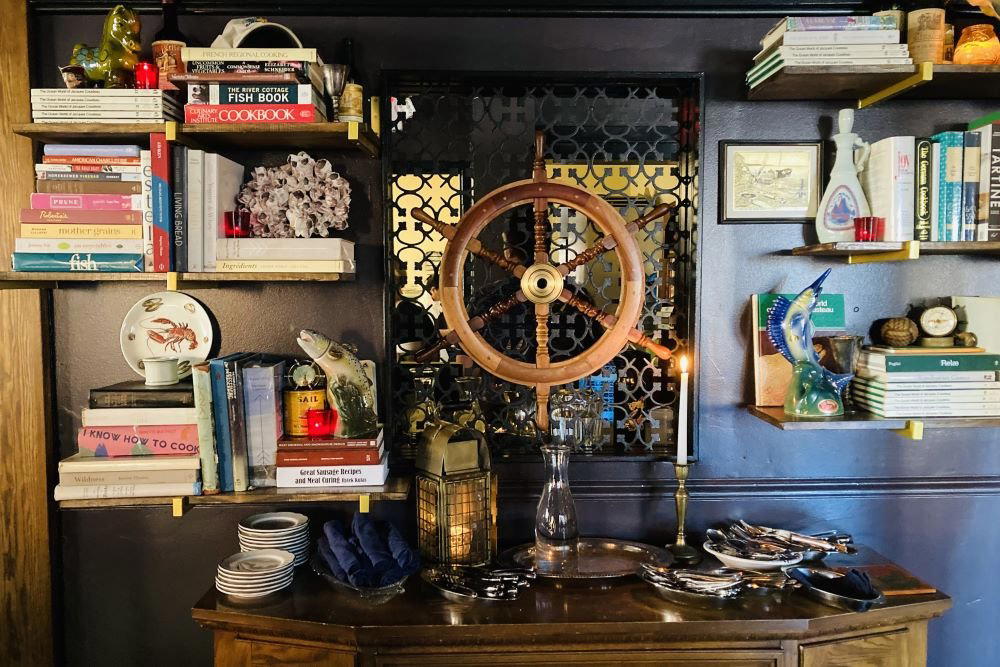
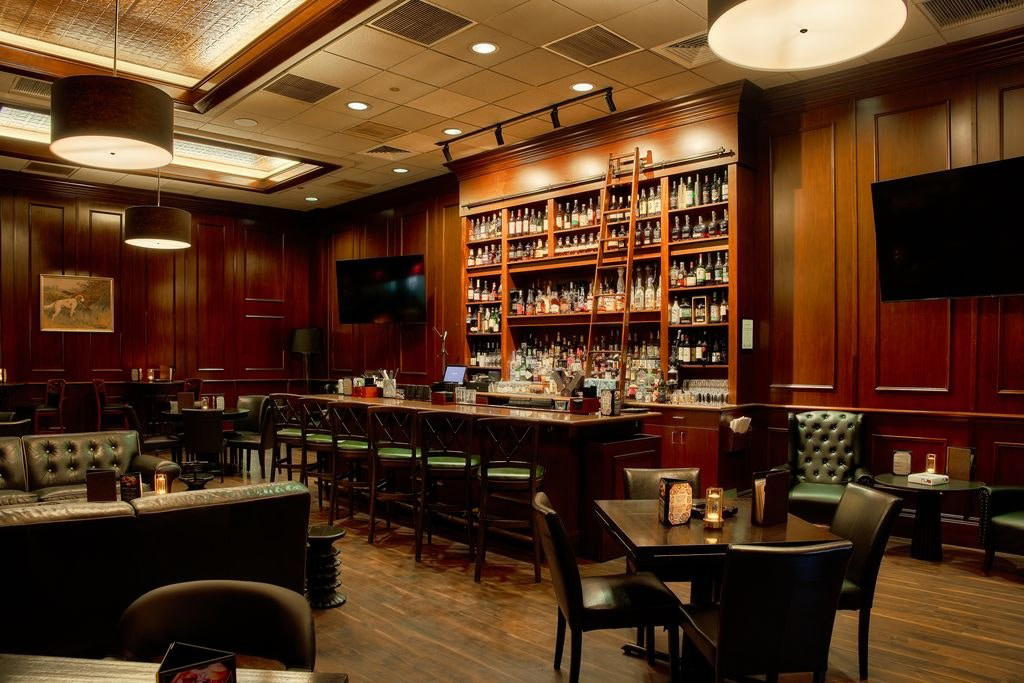
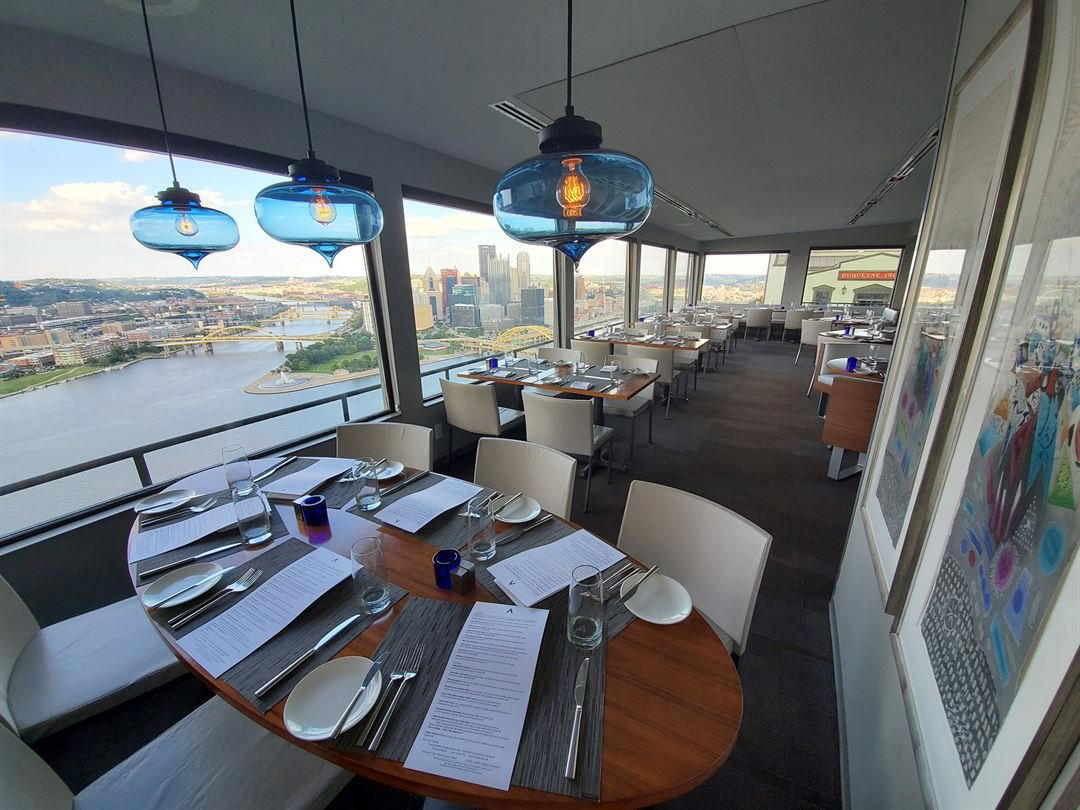
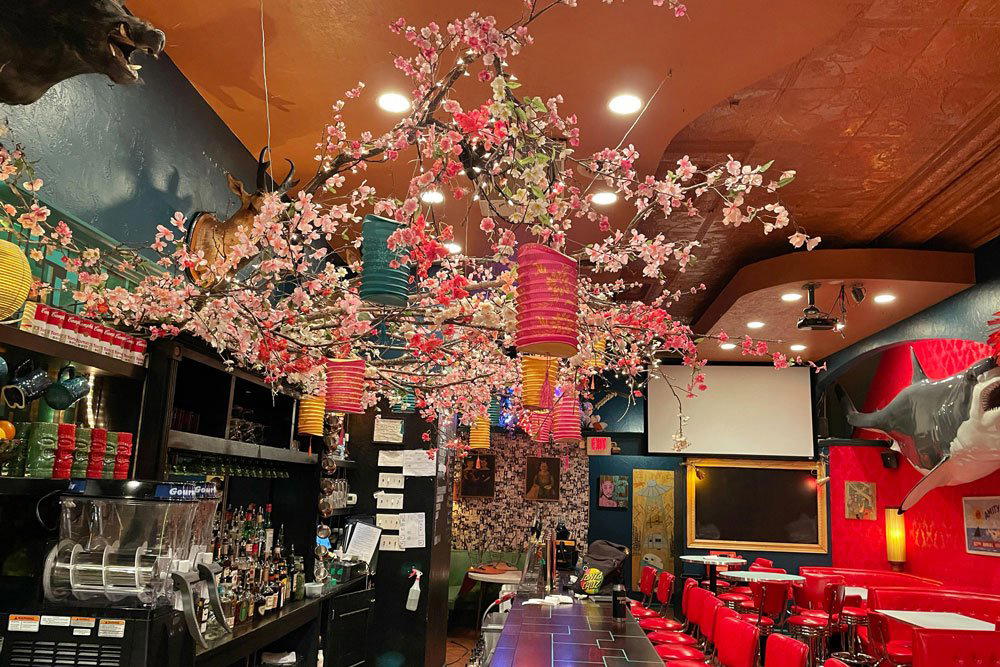
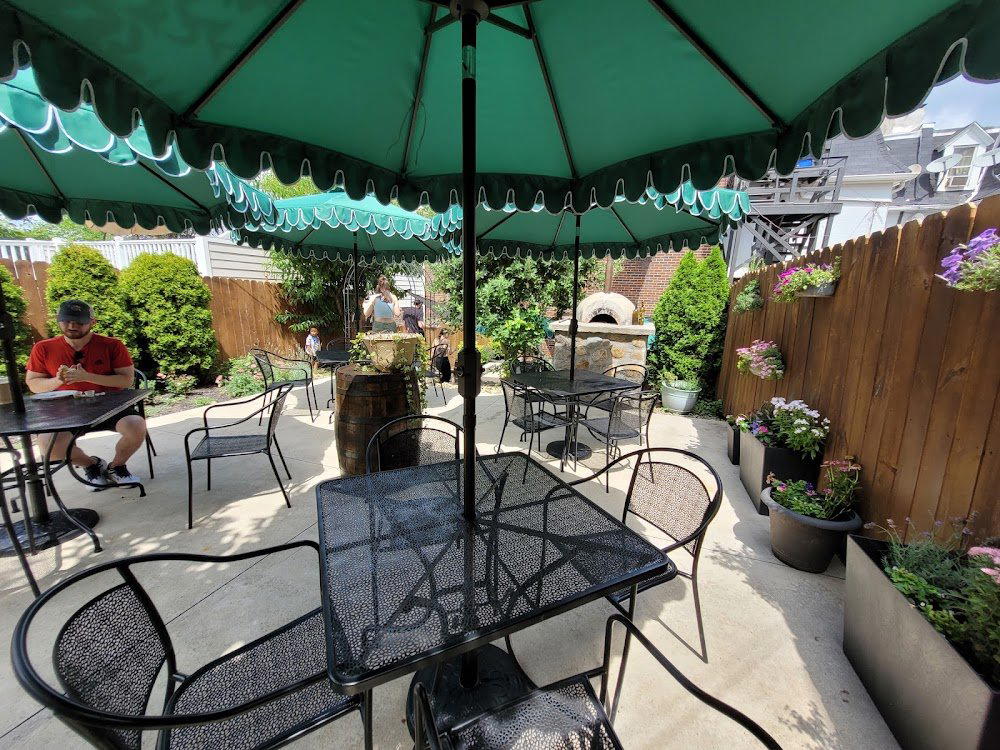
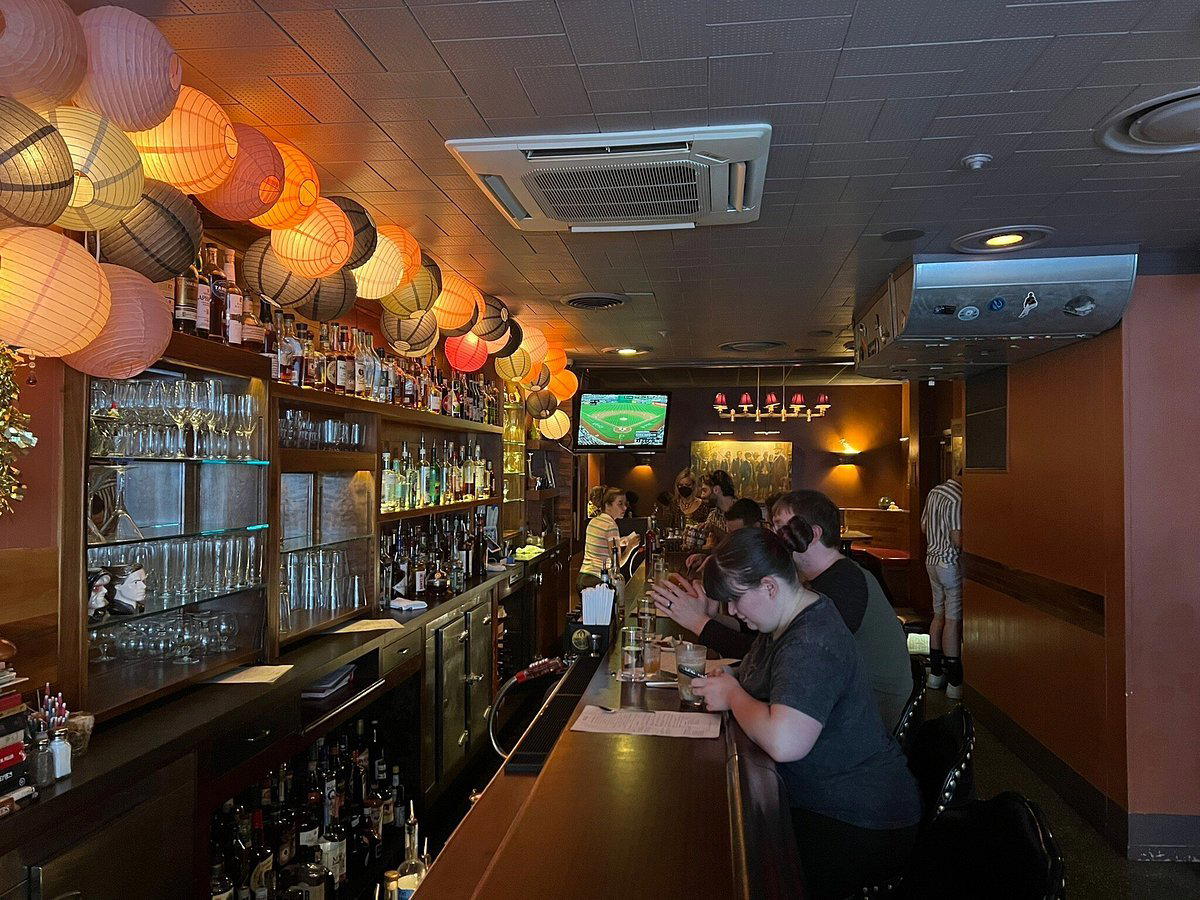
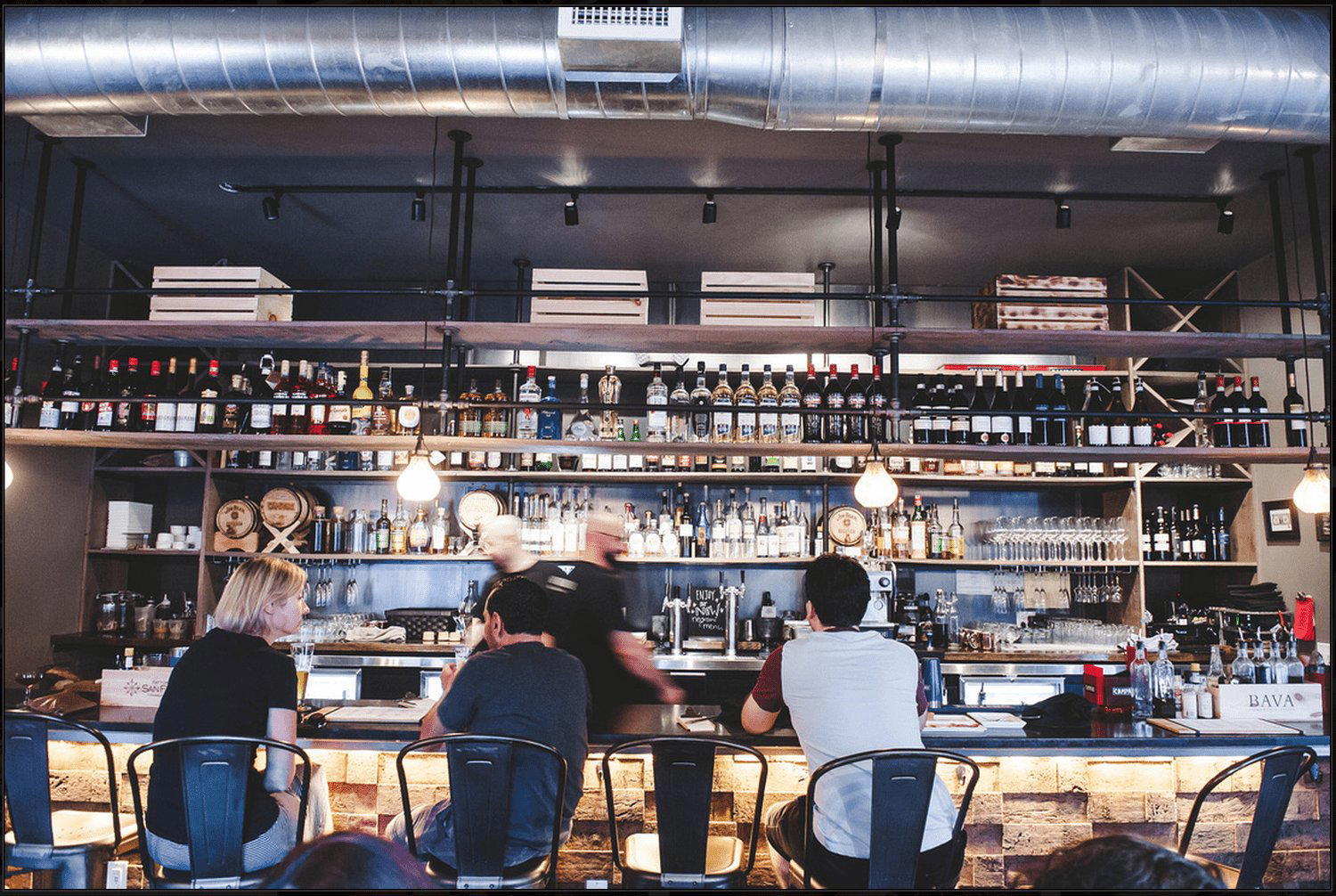
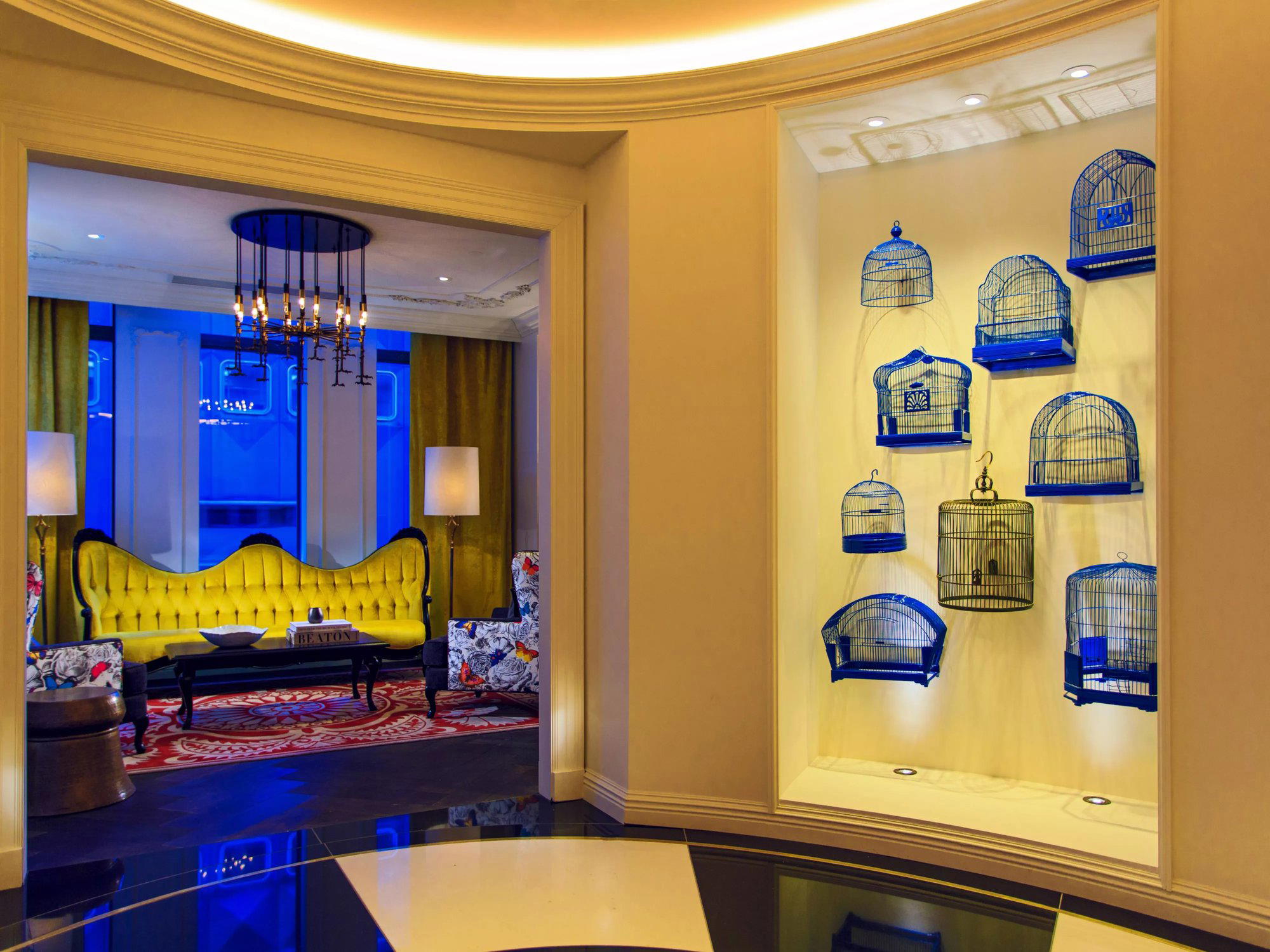
Warm and lived-in with vintage platters and wood paneling, moody bar area with dark lighting, spacious main dining room with expansive windows overlooking Liberty Avenue, maritime-inspired decor preserving original Lombardozzi elements.