Apteka


James Beard Award Semi Finalist · We're Smart World 3 Radishes
Our verdict
Apteka on Penn Avenue brings Eastern European-inflected plant cooking to Pittsburgh's Bloomfield neighbourhood, earning recognition from We're Smart for its disciplined, ingredient-led approach. This is not refined tasting-menu territory, but the cooking takes vegetables seriously as the main event rather than the accompaniment. For Pittsburgh diners looking beyond the city's meat-forward reputation, it occupies a distinct position.

Pearl is the En Primeur Club membership app, where members save venues, book tables and use the concierge.
The menu
What to order
- Pierogies
- Potato Dumplings with Mushroom Sauce
- Stuffed Cabbage
- Borscht
- Celeriac Schnitzel
Where Bloomfield Meets the Beet
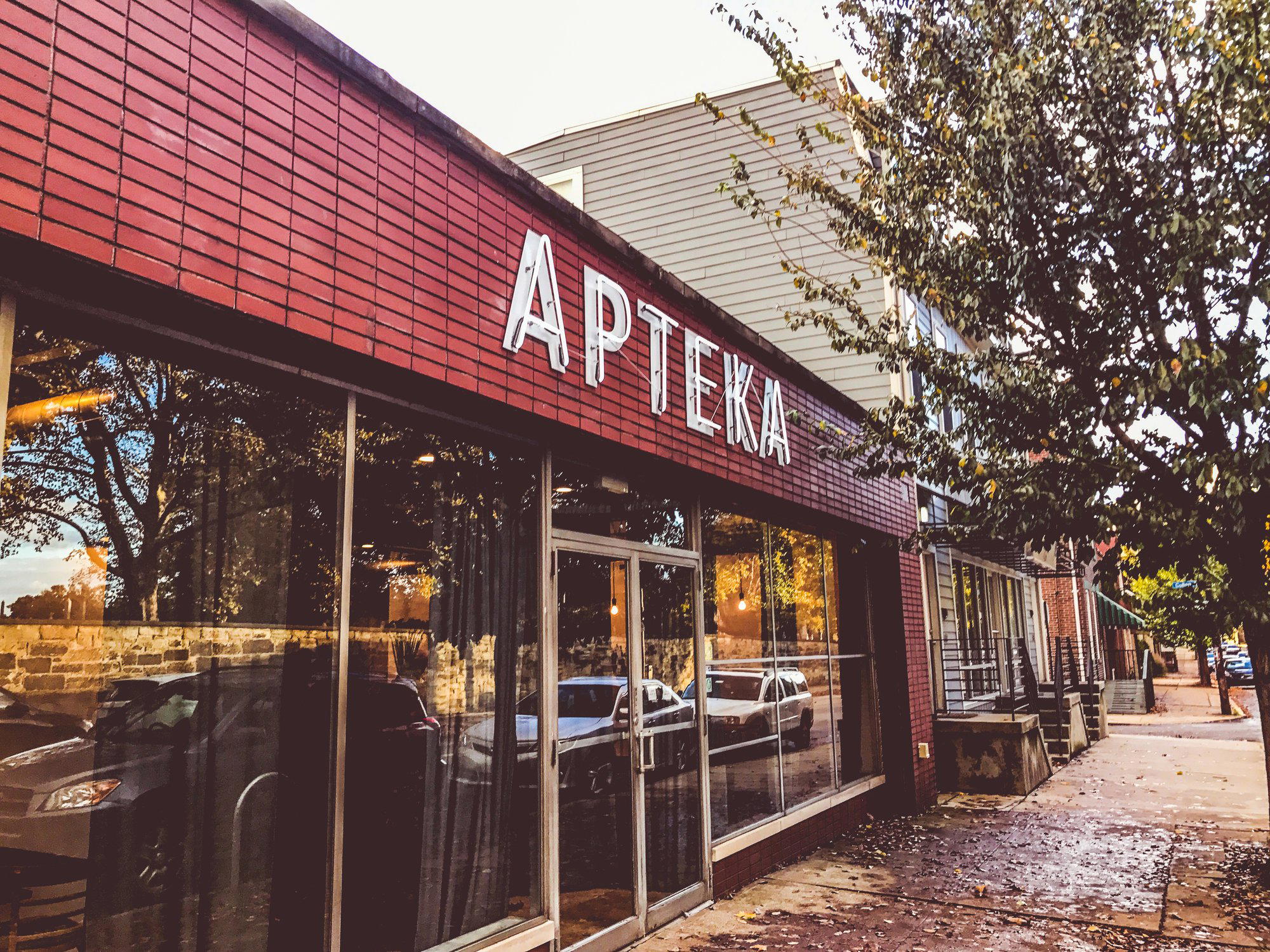
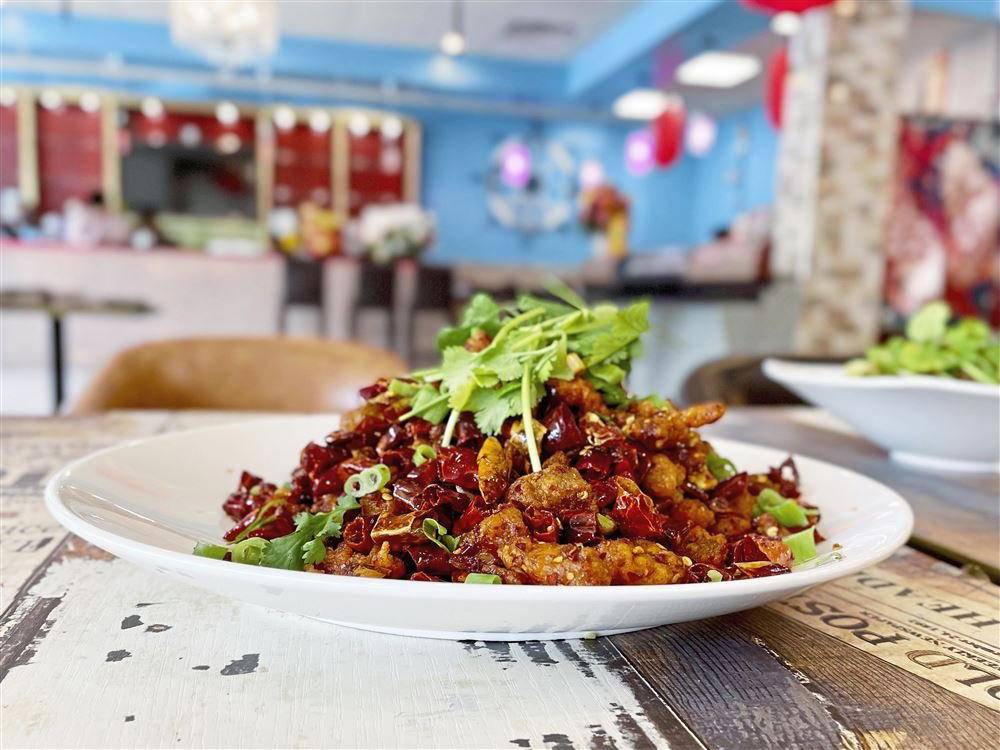
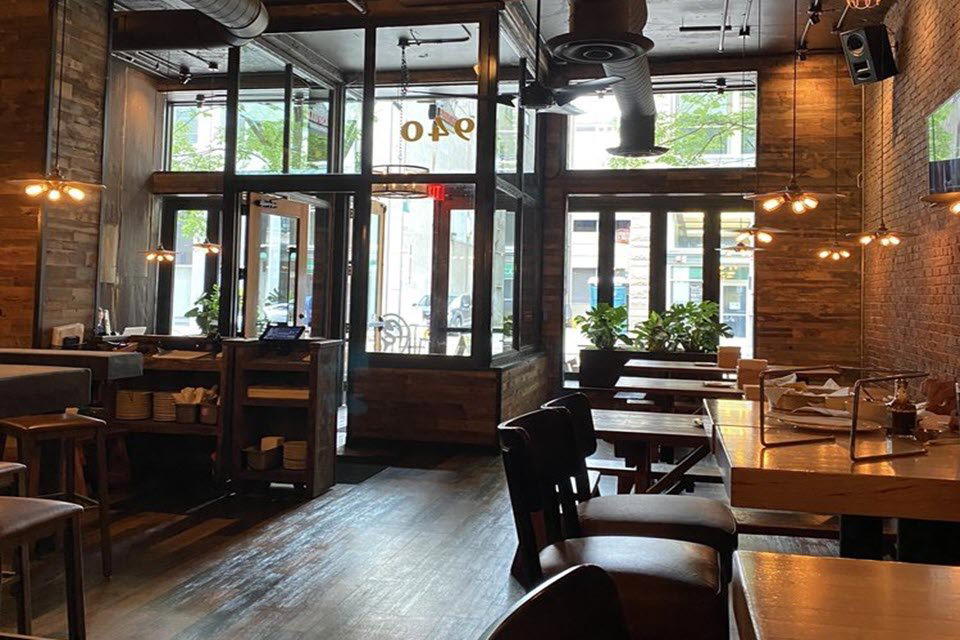
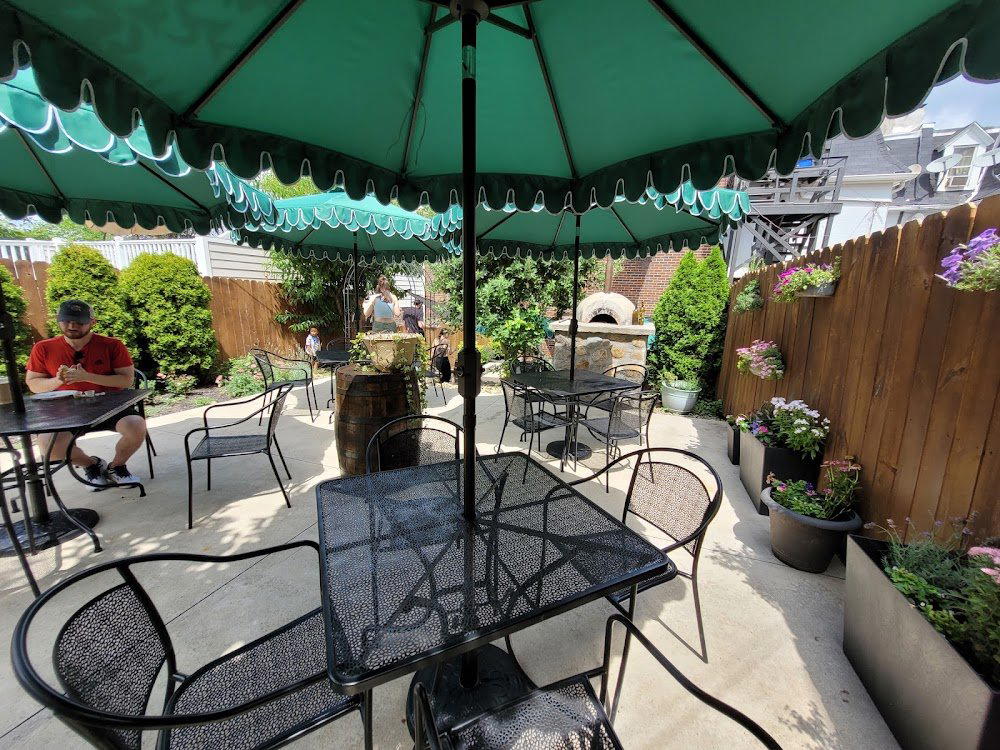
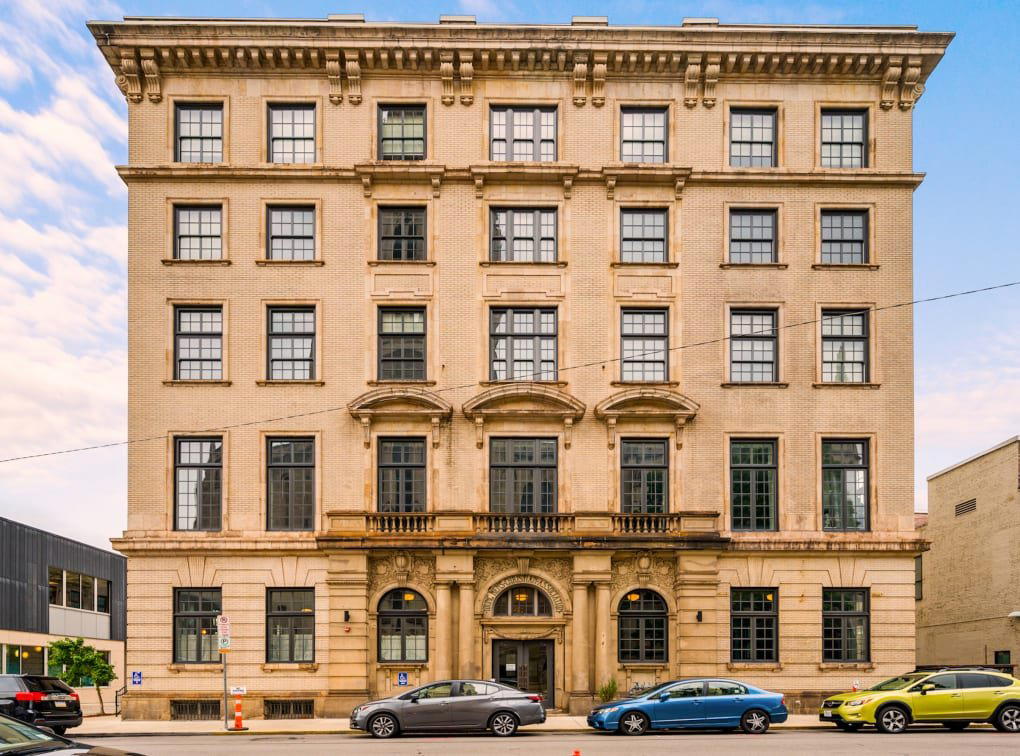
Penn Avenue in Bloomfield runs through one of Pittsburgh's more eclectic stretches: independent grocers alongside dive bars, studio spaces above former storefronts. Apteka sits at 4606 Penn Ave inside this corridor, and the environment signals its orientation before you order. The room does not perform luxury. What it performs is intention: a spare, unpretentious space that asks you to pay attention to what arrives on the plate rather than the drama of the room around it.
That framing matters, because the cooking at Apteka operates within a tradition that tends to get flattened by its own category label. Plant-based dining in American cities has split into two broad camps: the approximation school, which tries to replicate meat-based dishes using substitute proteins, and the ingredient-first school, which treats vegetables, grains, pulses, and fermented goods as primary materials with their own logic. Apteka belongs firmly in the second camp, drawing on Central and Eastern European culinary grammar to do it.
The Eastern European Plant Argument
Central and Eastern European cooking has, for centuries, built substantial and satisfying meals around plants by economic necessity and agricultural tradition. Root vegetables, pickled and fermented cabbage, dumplings built from potato and buckwheat, mushrooms as a primary umami source: these are not recent inventions dressed up as progressive dining. They are an existing canon. What Apteka does is apply that canon in a contemporary Pittsburgh context, and the result is a restaurant that feels grounded in something real rather than assembled from trend logic.
We're Smart, the Belgian organisation that benchmarks vegetable-forward restaurants globally, has formally recognised Apteka for this approach. Their assessment notes that the kitchen follows the rules of culinary craft while placing plants as the central subject of each dish. That phrasing is useful: it distinguishes Apteka from restaurants where vegetables are handled cursorily, and it places the restaurant in a peer group defined by seriousness of execution rather than price tier or ambient formality.
For context on where that peer group sits nationally, consider that the ingredient-sourcing ethos at Apteka shares philosophical ground with programs at places like Blue Hill at Stone Barns in Tarrytown or Single Thread Farm in Healdsburg, though those operate at price points and formality levels several registers above Apteka. The difference is not in the underlying commitment to ingredient provenance but in the format and the audience. Apteka applies comparable seriousness to vegetables without the tasting-menu price architecture of a The French Laundry in Napa or the theatrical ambition of Alinea in Chicago.
Ingredient Sourcing as the Editorial Spine
The Eastern European framework at Apteka is not decorative. It carries practical implications for how ingredients are selected and handled. Fermentation, curing, and preservation are structural techniques in this tradition, not garnishes. That means the kitchen is working with ingredients that have been transformed over time rather than simply assembled fresh. Lacto-fermented vegetables, slow-cooked legumes, and preparations that require days rather than minutes are consistent with the Central European pantry Apteka draws from.
This approach has a secondary effect on sourcing: it favours ingredients that respond well to transformation, which in practice means local and seasonal produce chosen for its capacity to carry technique. Pittsburgh sits within reach of significant agricultural output from western Pennsylvania and the broader Ohio Valley region, and a kitchen oriented around fermentation and preservation has strong incentive to work with what that growing calendar produces. The result is a menu that shifts with the season not as a marketing gesture but as a functional requirement of how the food is actually made.
That seasonal discipline places Apteka in a different conversation from the protein-substitute plant restaurants that have proliferated in American cities over the past decade. There, the primary technical challenge is textural mimicry. Here, the primary technical challenge is flavour depth: how to build the savoury weight and complexity that makes a bowl of root vegetables and pickled things feel genuinely satisfying rather than virtuous but thin.
Pittsburgh Context
Pittsburgh's dining identity has historically leaned toward Central European working-class traditions, particularly through its Polish, Slovak, and Ukrainian immigrant communities. Apteka's idiom is not alien to that history; it is, in some ways, a contemporary re-engagement with it. The neighbourhood of Bloomfield, sometimes called Pittsburgh's Little Italy though that designation has become increasingly notional, sits adjacent to Lawrenceville, which has developed into the city's most visible stretch of independent restaurant programming over the past fifteen years.
For visitors constructing a Pittsburgh itinerary, the Penn Avenue corridor rewards attention. Apteka is part of a broader independent dining ecosystem that includes FET-FISK and the range of options detailed in our full Pittsburgh restaurants guide. The city does not carry the national dining profile of a San Francisco or Chicago, but it has produced a cluster of independent restaurants with genuine points of view that operate at accessible price points. Apteka sits clearly within that cohort.
For broader city planning, our full Pittsburgh hotels guide, our full Pittsburgh bars guide, and our full Pittsburgh experiences guide cover the wider picture, while our full Pittsburgh wineries guide addresses the growing regional wine scene.
Planning Your Visit
Apteka is located at 4606 Penn Ave in Bloomfield, walkable from Lawrenceville and accessible by bus along Penn Avenue. The restaurant does not sit in the fine-dining tier, which means pricing is accessible by Pittsburgh standards and reservations, while advisable, do not require the multi-month lead time of a Lazy Bear in San Francisco or a Providence in Los Angeles. The format is consistent with a mid-range neighbourhood restaurant rather than a destination tasting-menu program, and the room reflects that: come dressed for a casual evening, not a formal occasion.
Visitors comparing plant-focused programs across the country will find Apteka occupies a different register from the high-formality end of the spectrum, where restaurants like Addison in San Diego, The Inn at Little Washington, or the European benchmarks set by Alain Ducasse at Louis XV in Monte Carlo define the upper boundary of the form. That is not a criticism. Apteka's contribution to the conversation about plant cooking is made at street level, in a city where that argument needed to be made, and the We're Smart recognition suggests it is being made with enough culinary discipline to register.
Frequently asked questions
Is Apteka good for families?
Apteka's plant-based menu and neighbourhood setting on Penn Avenue in Bloomfield make it accessible for families open to vegetable-forward Eastern European food. The format is casual rather than formal, which suits mixed groups. Families with selective eaters should check the current menu in advance, as the kitchen works within a specific culinary tradition rather than offering broad crowd-pleaser options.
How would you describe the vibe at Apteka?
Apteka fits the Penn Avenue character of Bloomfield: unpretentious, independent, and oriented toward the food rather than the surroundings. We're Smart, which tracks vegetable-focused restaurants internationally, has recognised it not for refinement but for culinary integrity, vegetables treated as the main argument on the plate, not as a dietary concession.
Has Apteka won any awards?
Apteka has received recognition including: Pure plant food at Apteka! Pittsburgh people love this vegan restaurant. Don't expect refined gastronomy here, but everything that goes on the plate is brought according to the rules of culinary art, and that's how we like to see it at We'r….
What's the signature dish at Apteka?
Apteka doesn't publicise a fixed signature dish, and the menu rotates within its Eastern European plant-based framework. The kitchen's identity is less about a single plate and more about a method: fermentation, preservation, and cooking techniques drawn from Central and Eastern European tradition applied entirely to vegetables. We're Smart's recognition points to the consistency of that approach across the menu.
What part of town is Apteka in?
Apteka is located at 4606 Penn Ave, Pittsburgh, PA 15224, Pittsburgh.
A Quick Peer Check
Comparable venues nearby, for context on price, style, and recognition.
| Venue | Cuisine | Price | Awards | Notes |
|---|---|---|---|---|
| AptekaThis venue (the venue you are viewing) | Vegan Eastern European | $30–50 | James Beard Award Semi Finalist · We're Smart World 3 Radishes | Not listed |
| Jozsa Corner | Hungarian Home Cooking | Not listed | Not listed | Hazelwood |
| Pasha Mediterranean Restaurant | Turkish Mediterranean | $20–30 | Not listed | Shadyside |
| Carmella's Plates & Pints | Upscale Comfort American | $30–50 | Not listed | South Side Slopes |
| El Burro Uno | West Coast Mexican Taqueria | $20–30 | Not listed | North Side |
| F&F Pizzeria - Mt. Lebo | NYC-Style Italian Pizzeria | $20–30 | Not listed | Banksville |
Recognition history
Dated appearances from independent guides and award organizations, with the underlying list record or original source where available.
James Beard Award Semi Finalist
James Beard Award
We're Smart World 3 Radishes
We're Smart World
Full recognition history (3 entries)
James Beard Award Semi Finalist
James Beard Award
Continue exploring
More in Pittsburgh
Restaurants in Pittsburgh
All restaurants in Pittsburgh →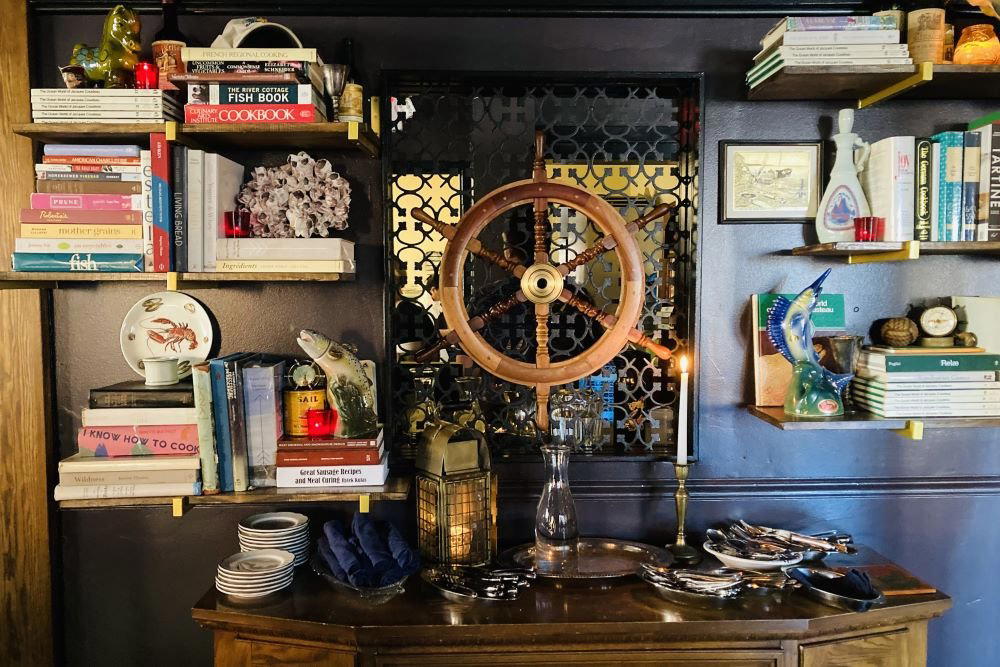
Details
- Trendy
- Cozy
- Rustic
- Minimalist
- Bohemian
- Date Night
- Group Dining
- Celebration
- Casual Hangout
- Special Occasion
- Open Kitchen
- Standalone
- Craft Cocktails
- Beer Program
- Local Sourcing
- Small Plates
- A La Carte
- Craft Cocktails
- Local Beer
- House Made Syrups
- Vegan Options
- Vegetarian Friendly
- Gluten Free Options
- Allergy Accommodating
Current opening hours
- Monday
- Closed
- Tuesday
- Closed
- Wednesday
- Closed
- Thursday
- 5–9 PM
- Friday
- 5–10 PM
- Saturday
- 5–10 PM
- Sunday
- 5–10 PM
Hours can change for holidays and private events. Hours as of .
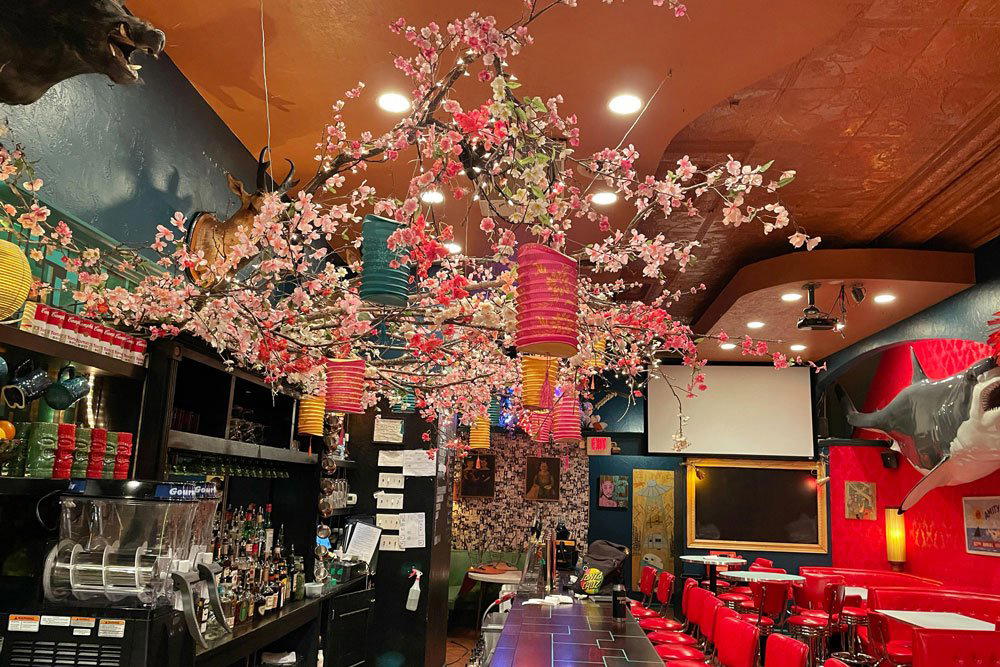
Casual, warm, and intimate with enamel plates and minimalist decor; can be loud and crowded during peak hours with dim lighting.