Arsenal Cider House & Wine Cellar
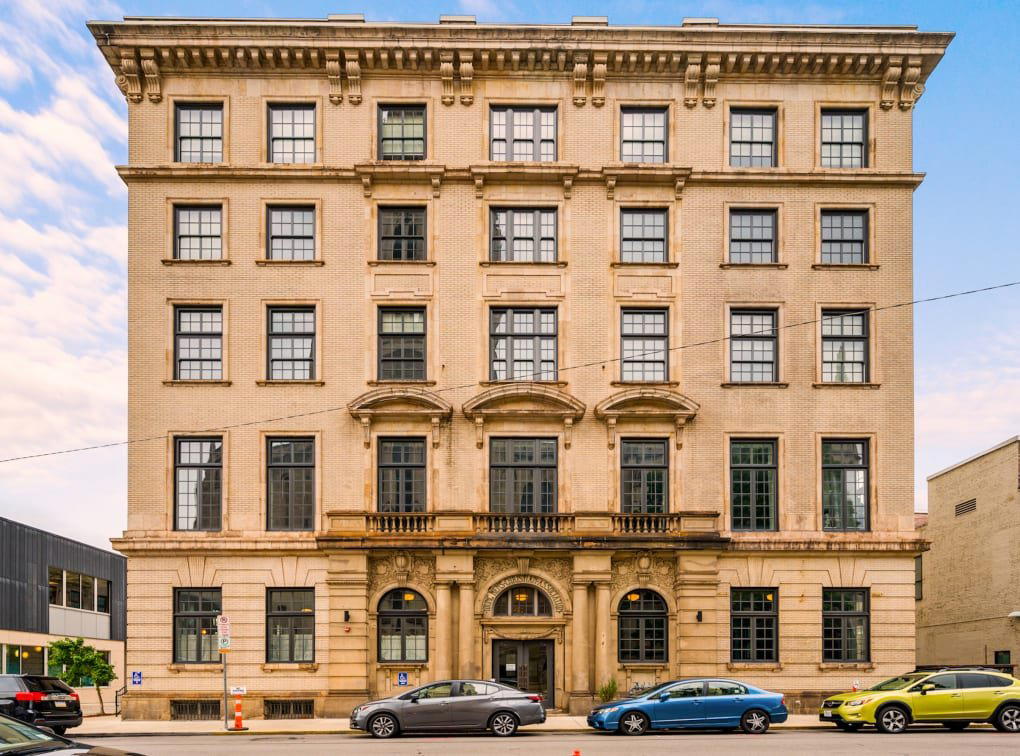
Arsenal Cider House & Wine Cellar occupies a converted space on 39th Street in Pittsburgh's Lawrenceville neighbourhood, where hard cider and natural wine share equal billing alongside a drinks program that resists easy categorisation. The format draws from both cider house traditions and wine bar culture, making it one of the more considered pour-and-stay destinations along Pittsburgh's most active dining corridor.

Pearl is the En Primeur Club membership app — saves, bookings, and concierge access live there. Same editors, same standards.
- Address
- 300 39th St, Pittsburgh, PA 15201
- Phone
- (412) 682-7699
- Hours
- Mon–Tue ClosedWed–Thu 4–8 PMFri 4–9 PMSat 12–9 PMSun 12–4 PM
- Website
- arsenalciderhouse.com
- Directions
- Get directions
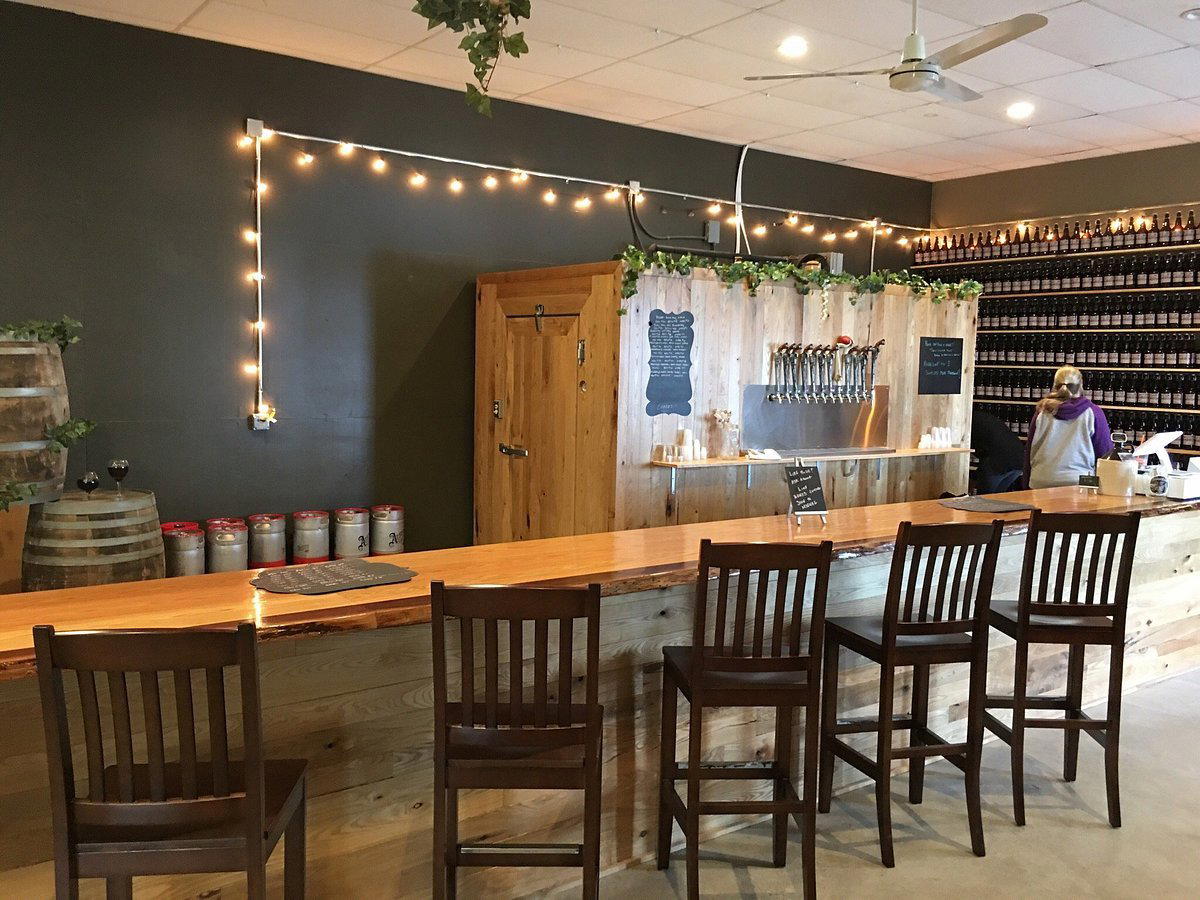
What Arsenal represents, in the context of American bar culture, is a relatively recent willingness to put cider at the same table as wine rather than below it. For most of the past thirty years, hard cider occupied a shelf between beer and alcopops in American drinking shorthand. A generation of cider houses, particularly in the Pacific Northwest and New England, began arguing otherwise — pushing toward orchard-specific, low-intervention production that tracked closely with what natural wine buyers were already asking for.
The Drinks Logic
The pairing of cider and wine under one roof is less eccentric than it might appear. Both categories have been reshaped in the past decade by the same underlying buyer: someone who asks where the fruit came from, prefers lower alcohol, and reads fermentation method as a quality signal rather than a footnote. That buyer has driven the growth of petillant naturel, piquette, and co-ferments on wine lists, and the parallel growth of heritage-varietal ciders that reference specific orchards rather than generic apple blends. A bar format built around both is, in that sense, calibrated to a single palate, not two separate ones.
Across American cities, venues working this territory have developed in recognisable ways. Kumiko in Chicago approaches its drinks list with an almost academic rigour, pairing Japanese technique with Western spirits and wine. Bar Leather Apron in Honolulu has built its reputation on restraint and precision. ABV in San Francisco positions itself as a spirits-forward room with serious bar food. Each of these venues succeeds by having a clear point of view about what belongs on the list and why. Arsenal's version of that clarity runs through fermentation: if it's made from fruit, aged in a cellar, and produced with some degree of agricultural intention, it earns consideration.
Internationally, the format has precedents in the cider houses of the Basque Country and Normandy, where the drink arrives from the barrel with minimal ceremony and the food exists to sustain the drinking rather than compete with it. The American interpretation, including Arsenal's, tends to be more curatorial, the ciders are selected or produced with an eye toward variety and terroir distinction rather than volume. The wine list typically reflects similar values: producers working at small scale, often with organic or biodynamic certification, and with a preference for lower-intervention winemaking. For a parallel approach to spirits, Jewel of the South in New Orleans demonstrates how historical context can anchor a contemporary drinks program; Arsenal does something analogous with fermented fruit traditions.
Seasonal Logic, Year-Round Program
Cider, more than most bar categories, runs on agricultural time. Apple and pear harvests in the northeastern United States concentrate in late summer and autumn, which means that cider programs built on domestic production typically see their most interesting new releases arrive between September and December. This seasonality shapes what a venue like Arsenal can offer at different times of year: a visit in October is likely to surface newer, fresher expressions alongside the older barrel-aged pours that anchor the list year-round. Winter visits lean toward richer, higher-gravity ciders and the fuller-bodied natural wines that suit the room's cellar aesthetic. Spring and early summer, when fresh stock has matured slightly and the selection has broadened, tends to be when cider houses at this tier have the widest range on offer simultaneously. The city's broader bar scene, which includes Julep in Houston with its single-minded focus on whiskey's Southern history, or Superbueno in New York City with its commitment to agave spirits, show how a tightly defined category emphasis tends to produce deeper lists and more knowledgeable staff than broader, hedged programs. The Parlour in Frankfurt on the Main demonstrates the same principle in a European context: specificity of focus builds credibility faster than range for its own sake. Specific hours, booking arrangements, and current pricing are best confirmed directly with the venue before visiting, as programming and availability shift seasonally. For first visits, arriving on a quieter evening mid-week, when staff have more time to walk through the list, tends to yield the most useful introduction to what the program is actually doing. Lawrenceville's evening foot traffic picks up considerably on weekends, which changes the atmosphere of most bars along the corridor, including this one. Pricing and hours should be confirmed directly with the venue.
| Venue | Cuisine | Price |
|---|---|---|
| Arsenal Cider House & Wine CellarThis venue — the venue you are viewing | This venue | $10–20 |
| Allegheny Wine Mixer | Not listed | $20–30 |
| Dive Bar & Grille (South Side) | Not listed | $20–30 |
| Bar Marco | Not listed | $50–100 |
| Wigle Whiskey Distillery | Not listed | $30–50 |
Continue exploring
More in Pittsburgh
Bars in Pittsburgh
Browse all →
Restaurants in Pittsburgh
Browse all →
Details
- Rustic
- Cozy
- Historic
- Casual Hangout
- Group Outing
- Historic Building
- Garden
- Outdoor Terrace
- Lounge Seating
- Conventional Wine
- Craft Beer
Current opening hours
- Monday
- Closed
- Tuesday
- Closed
- Wednesday
- 4–8 PM
- Thursday
- 4–8 PM
- Friday
- 4–9 PM
- Saturday
- 12–9 PM
- Sunday
- 12–4 PM
Hours can change for holidays and private events. Last verified .
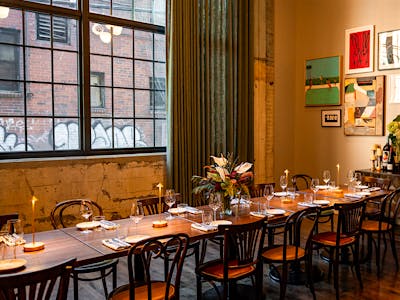
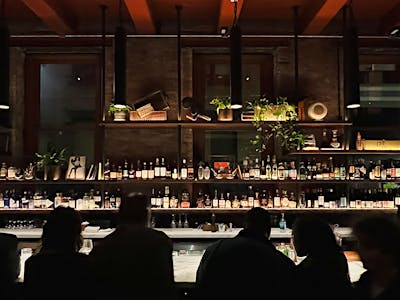
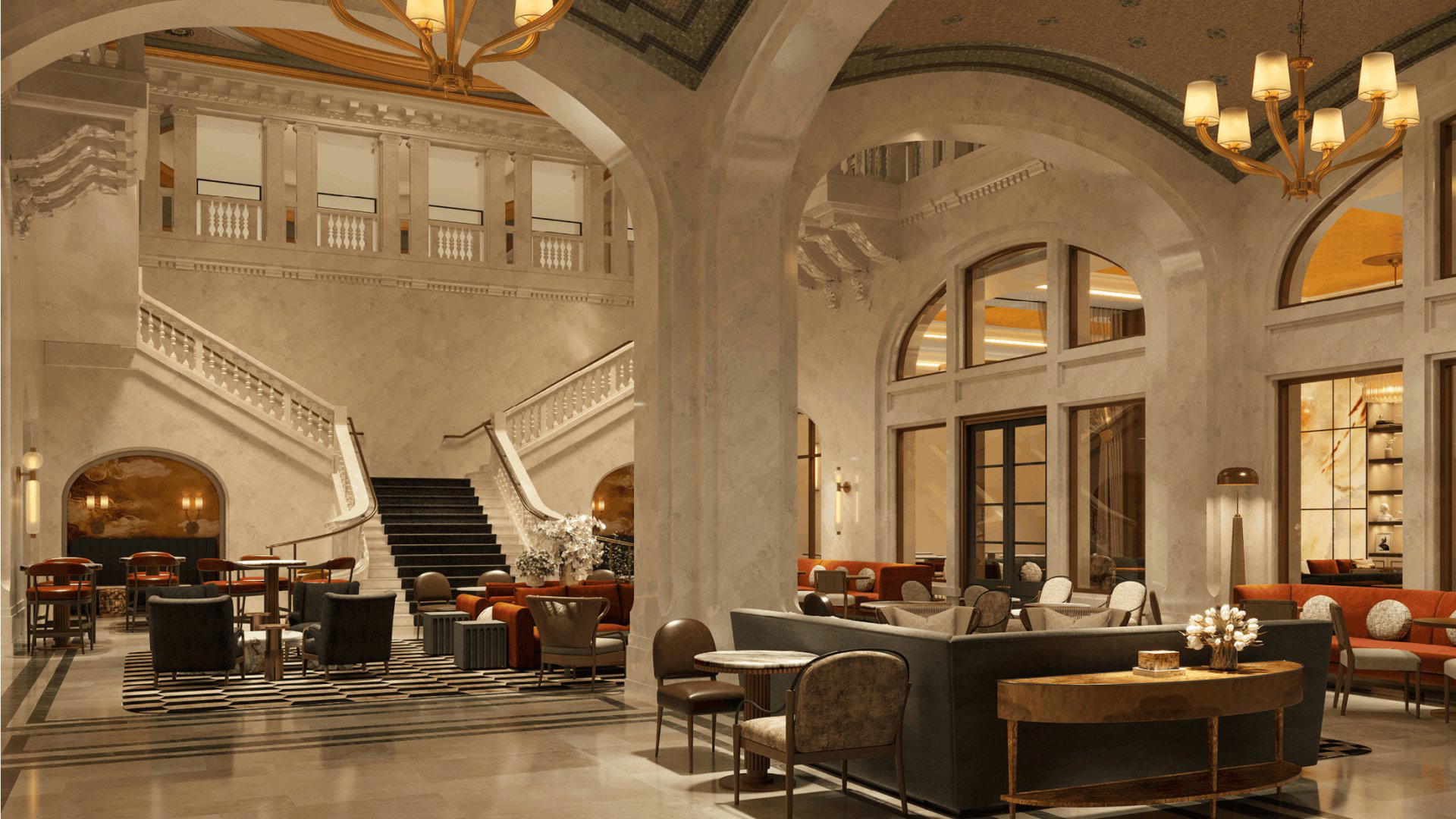
Relaxed atmosphere in an old house with Civil War decor, featuring a garden-backed backyard patio for outdoor seating.