Afrosiyob Restaurant
Our verdict
Afrosiyob Restaurant sits along Samarqand's Rowing Channel, grounding visitors in the agricultural traditions that have supplied the Silk Road's kitchens for centuries. The setting alone signals something about how the city understands hospitality: unhurried, river-adjacent, rooted in the land. For travellers moving through Uzbekistan's heritage corridor, this is a useful waypoint for understanding regional cooking on its own terms.

Pearl is the En Primeur Club membership app, where members save venues, book tables and use the concierge.
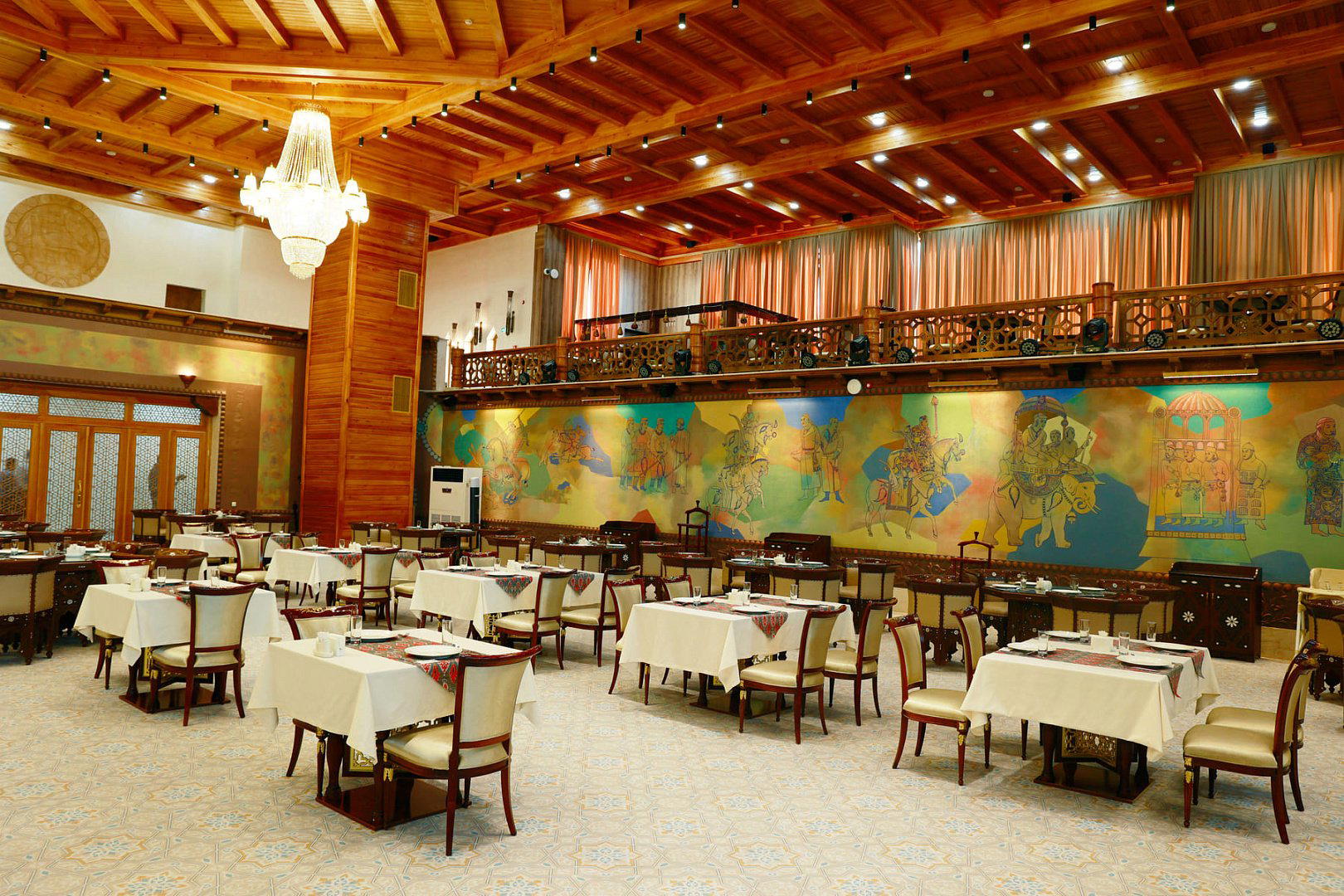
Where the Water Meets the Table
Samarqand has always organised itself around water. The Zarafshan River and its tributaries carved the irrigation systems that made this plateau productive long before the city became a crossroads of the ancient trade routes. The Rowing Channel, a calm stretch of managed waterway threading through the eastern side of the city, carries that logic forward into the modern urban fabric. Restaurants that position themselves along its banks are making a statement about pace and place: this is not the tourist-rush corridor near the Registan, but a quieter geography where the city's residents actually eat.
Afrosiyob Restaurant occupies a ground-floor position in the channel-side development at Building 1, Rowing Channel. The approach from the street offers a gradual transition from the ambient noise of Samarqand's traffic to something more deliberate: the sound of water, the lower temperature that comes with proximity to a body of water in a continental climate, and the visual compression of a river-edge dining environment. In a city that often shows travellers its ancient monuments first and its daily life second, this location inverts that sequence.
Ingredient Sourcing and the Central Asian Agricultural Tradition
To understand what ends up on plates in Samarqand, it helps to understand what grows within reach of the city. The Ferghana Valley, roughly 200 kilometres to the northeast, remains one of Central Asia's most productive agricultural zones, supplying stone fruits, legumes, and grains that have structured Uzbek cooking for centuries. The Kashkadarya and Surkhandarya regions to the south contribute lamb and beef from semi-arid grazing land where animals move across large distances, producing leaner, more intensely flavoured meat than feedlot equivalents. Samarqand itself sits in the Zarafshan valley, where market gardens supply the herbs, onions, carrots, and seasonal vegetables that form the base of the regional cooking tradition.
This matters at the table level. The carrots in a Samarqand plov are not the same carrots available in a European supermarket in February. The yellow variety favoured here, sometimes called Samarqand carrot, carries more sugar and less moisture, which changes how it behaves in the kazan, the large cast-iron cauldron over live fire that defines pilaf cookery in this region. Similarly, the lamb used in Uzbek slow-cooked preparations tends to come from fat-tailed Karakul or Jaidari breeds, where the fat distribution across the carcass is fundamentally different from European sheep varieties. Restaurants working within this tradition are, whether or not they articulate it explicitly, operating with a specific ingredient set that carries its own flavour logic.
Samarqand's position on the Silk Road also means its cooking absorbed Persian, Chinese, and Mongol influences over centuries, reflected in spice use, preparation methods, and the layering of sweet and savoury in dishes that European palates sometimes find unexpected. Dried fruit, particularly apricots and raisins sourced from the Ferghana Valley, appear in savoury contexts. Chickpeas and mung beans show up alongside meat in soups and pilaf variants. The breadth of the region's cooking is wider than most international travellers anticipate, and the Rowing Channel area, oriented toward local diners rather than monument-adjacent tourism, tends to reflect that breadth more accurately than the restaurants immediately surrounding the major heritage sites.
Placing Afrosiyob in Samarqand's Dining Structure
Samarqand's restaurant scene in recent years has stratified along a fairly clear axis. On one side sit the heritage-facing establishments near Registan Square, which price against international tourist expectations and lean on ambient setting to carry the experience. On the other side are the neighbourhood-oriented restaurants where pricing reflects local income levels and the menu reflects what families actually order when they eat out. The Rowing Channel development sits somewhere between these poles: accessible to both visitors and residents, with a location that implies a degree of civic investment in the waterway's amenity value.
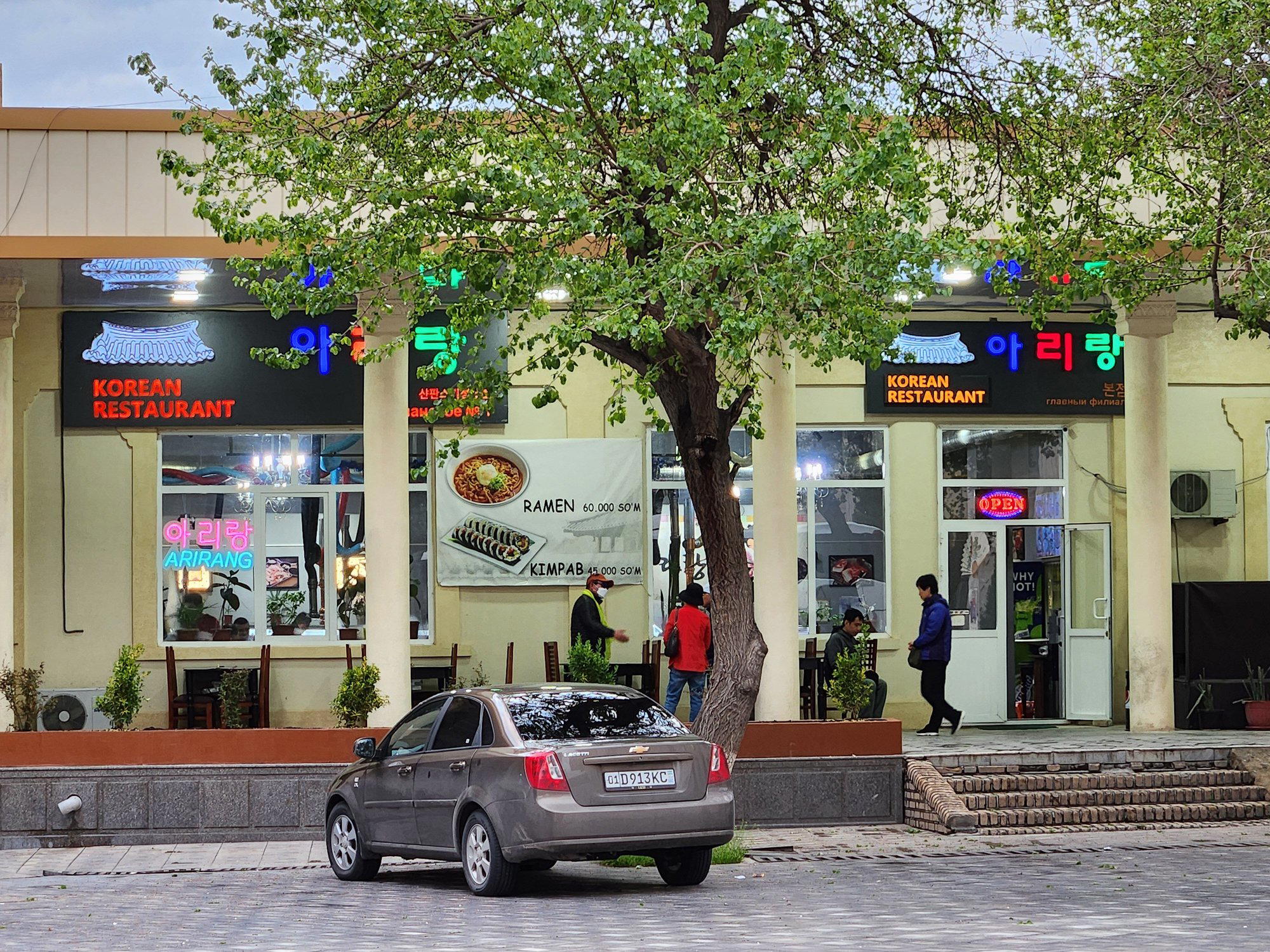
Within the immediate area, Shokhrukh Nur and 아리랑 Arirang represent different points on the local spectrum, with the latter's Korean-influenced format reflecting Samarqand's long-standing Koryo-saram community, one of the more historically significant cultural presences in the region. Yi Palace in Konigil, a short drive from the city centre, represents the city's Chinese dining offer, another legacy of Samarqand's position as a meeting point of trade routes.
For travellers building an itinerary across Uzbekistan's heritage corridor, the comparison points extend beyond Samarqand. Old Bukhara in Buxoro and Ayvan Restaurant in Bukhara represent how Bukhara handles the same tradition of regional cooking for mixed local and visitor audiences. Mirza Bashi in Xiva does similar work in the more remote Khwarezm region. Tashkent, the capital, offers a broader urban dining environment, with options like Jumanji in Tashkent and Khiva Cafe in Toshkent serving as reference points for how the national dining scene compares across cities. For a comprehensive view of what Samarqand's dining scene currently offers, our full Samarqand restaurants guide maps the full range of options.
Planning a Visit
Samarqand sees its peak visitor traffic in spring, roughly April through early June, and again in September and October, when the heat of the continental summer has eased and the harvest season brings additional produce into the markets. The Rowing Channel area is accessible by taxi from the city centre and from the high-speed railway station, which connects Samarqand to Tashkent in just over two hours. Dress expectations in Samarqand's mid-range restaurants are generally informal but not casual in the Western sense: visitors who present themselves respectfully in line with the city's social norms will encounter no friction.
Frequently asked questions
What's the address for Afrosiyob Restaurant?
Afrosiyob Restaurant is located at Building 1, Rowing Channel, 140319, Samarqand, Samarqand viloyati, Uzbekistan, Samarqand.
Is Afrosiyob Restaurant a good choice for dining near the Samarqand Rowing Channel?
Afrosiyob sits at Building 1 on the Rowing Channel, one of the few dining addresses in Samarqand directly positioned along this waterway rather than clustered around the old-city monuments. That separation gives it a different character from the Registan-adjacent establishments that dominate most visitor itineraries. For travellers based in the newer districts of Samarqand or arriving via the high-speed rail station, it represents a geographically convenient option that also connects to the city's longer tradition of organising life around its water infrastructure.
What do people recommend at Afrosiyob Restaurant?
Afrosiyob sits along the Rowing Channel in Samarqand, a city whose tables are built around produce from the Ferghana Valley and the surrounding plateau. Dishes at this level of the Samarqand dining scene typically draw on lamb, rice, seasonal vegetables, and dried fruits that define Central Asian cooking in this region. For specifics on current menu highlights, visiting in person or checking with local hotel concierges will give you the most current picture.
How far ahead should I plan for Afrosiyob Restaurant?
Samarqand sees concentrated visitor traffic from April through early June and again in September and October, and restaurants along the Rowing Channel fill quickly during those windows. Arriving without a reservation during peak season carries real risk, particularly on weekends. A booking made a few days in advance should suffice outside those periods, but aim for a week or more if your travel falls in spring or autumn.
What makes Afrosiyob Restaurant worth seeking out?
The address on the Rowing Channel places Afrosiyob away from the tourist-facing cluster around Registan, which tends to mean a clientele that skews more local and a menu less adjusted for outside expectations. Samarqand's agricultural geography, sitting close to the Ferghana Valley, gives restaurants here access to some of the most productive farmland in Central Asia. That ingredient context is the strongest argument for the restaurant, independent of any specific award or rating.
Can Afrosiyob Restaurant accommodate dietary restrictions?
Central Asian cooking in Samarqand is built substantially around lamb, mutton, and wheat-based breads, which can limit options for those avoiding meat or gluten. There is no documented dietary accommodation policy for Afrosiyob specifically. Communicating restrictions directly before your visit is advisable, as kitchen flexibility varies widely across Samarqand's dining scene.
Is Afrosiyob Restaurant overpriced or worth every penny?
As a general marker, mid-tier restaurants in Uzbekistan's major cities tend to run well below equivalent establishments in Western Europe or the Gulf, making the value proposition relatively straightforward for international visitors. The Rowing Channel location, slightly removed from the most tourist-concentrated areas, typically correlates with more grounded pricing than heritage-district competitors.
At-a-Glance Comparison
| Venue | Cuisine | Price |
|---|---|---|
| Afrosiyob RestaurantThis venue (the venue you are viewing) | Uzbek / Central Asian | $10–20 |
| Shokhrukh Nur | Traditional Uzbek Shashlik | $1–10 |
| 아리랑 Arirang | Korean Barbecue | $10–20 |
| Jumanji | Fusion (European, Asian, Uzbek) | $20–30 |
| Besh Qozon Central Asian Pilaf Centre | Central Asian Plov | $1–10 |
| Old Bukhara | Traditional Uzbek Grill | $10–20 |
Continue exploring
More in Samarkand
Restaurants in Samarkand
All restaurants in Samarkand →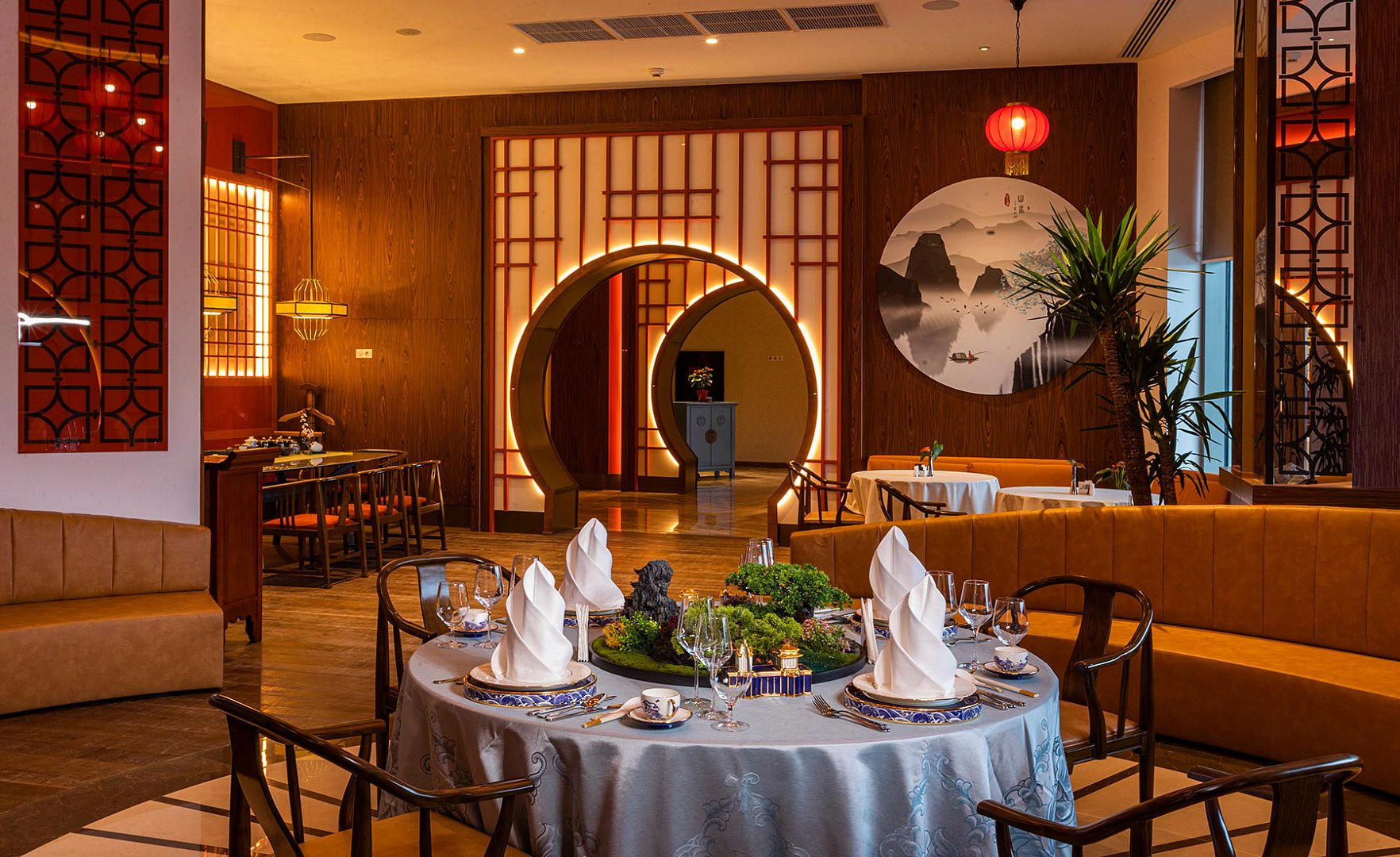
Details
- Modern
- Classic
- Cozy
- Group Dining
- Family
- Business Dinner
- Casual Hangout
- Hotel Restaurant
- Street Scene
- A La Carte
- Buffet
- Non Alcoholic
- Halal
- Vegetarian Friendly
- Vegan Options
Spacious, comfortable, and group-friendly, with a themed Uzbek dining room atmosphere and efficient service; hotel-linked sources also suggest a polished, guest-facing restaurant setting.