Fruition Restaurant
On East 6th Avenue in Denver's Seventh Avenue Historic District, Fruition Restaurant sits within a tier of Colorado fine dining that prizes seasonal discipline over spectacle. The address places it a short walk from Congress Park, in a residential pocket that shapes the room's tone as much as its kitchen does. For Denver's serious dining scene, it remains a reliable reference point.
- Address
- 1313 E 6th Ave, Denver, CO 80218
- Phone
- +1 303 831 1962
- Website
- fruitionrestaurant.com
- Directions
- Get directions
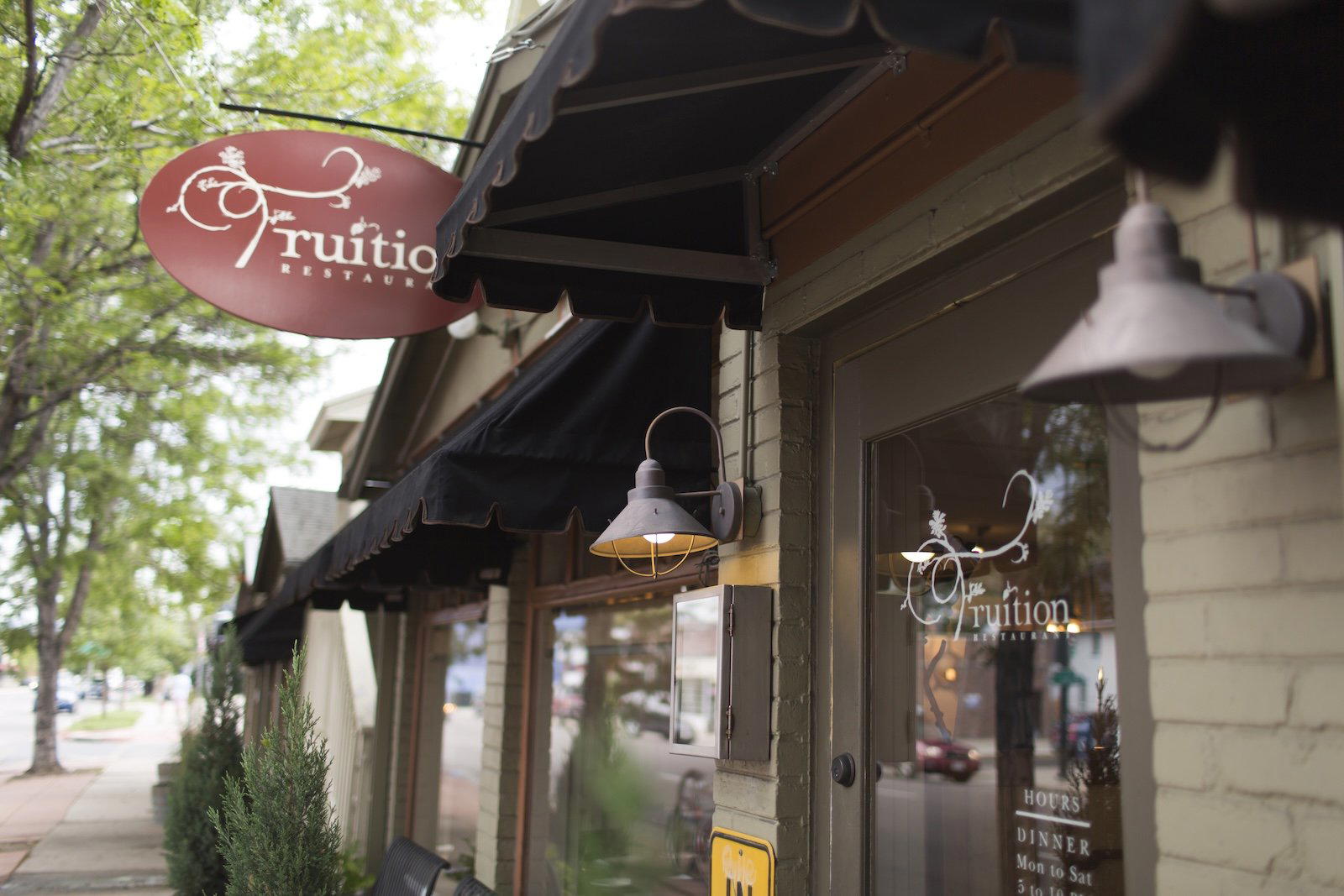
East 6th Avenue and What It Asks of a Restaurant
Denver's fine dining geography is not uniform. The RiNo corridor has attracted the city's more experimental kitchens, while the stretch of East 6th Avenue running through the Seventh Avenue Historic District operates at a different register entirely. The neighbourhood is residential and quiet, its streets lined with bungalows and mature trees that give it a settled, almost understated character. A restaurant on this block cannot rely on foot traffic or neighbourhood buzz to fill seats. It has to earn its reservation list on merit, which is precisely the condition that tends to produce more focused cooking.
Fruition Restaurant is a restaurant in Denver, Colorado, at 1313 E 6th Ave, serving Modern American Farm-to-Table cuisine. Fruition Restaurant, at 1313 E 6th Ave, has occupied that position for long enough to become part of how Denver's dining community measures itself. In a city where the conversation about serious American cooking has grown considerably louder over the past decade, Fruition is one of the addresses that gets cited when the argument is about consistency and craft rather than novelty.
Where Fruition Sits in Denver's Fine Dining Tier
Denver's upper dining bracket has diversified in recent years. Brutø and The Wolf's Tailor represent the contemporary and New American end of that spectrum, both operating at the $$$$ price point with tasting formats that lean into technique and provenance. Beckon occupies a similar tier with a chef's counter experience that foregrounds narrative. Fruition belongs to this conversation but approaches it from a slightly different angle: the dining room format here is traditional rather than counter-driven, and the ethos has always been closer to refined American seasonal than to the avant-garde.
At the $$ to $$$ band occupied by neighbourhood staples like Alma Fonda Fina, the dynamic is different. Fruition pitches above that level in ambition and execution, even if it does not necessarily operate at the maximalist price point of the city's most formal tasting menus. That middle position, serious without being forbidding, has historically been its strongest card.
Compared nationally, Denver's fine dining tier is still establishing its identity. The restaurants that set the reference points in American fine dining, places like The French Laundry in Napa, Le Bernardin in New York City, or Blue Hill at Stone Barns in Tarrytown, tend to anchor their identity around either coastal produce access or a single defining concept. Denver's position in the Rocky Mountain region gives its serious kitchens a distinct agricultural context: Colorado lamb, high-altitude growing conditions, proximity to the Western Slope's orchards and farms. Fruition has long worked within that regional frame.
The Seasonal Framework and What It Implies
American seasonal cooking is a well-worn label, but the discipline it requires is not. Menus that genuinely follow seasonal availability in Colorado have to contend with a shorter growing window than coastal kitchens, and the leading Denver restaurants have turned that constraint into an editorial position. The cooking at Fruition reflects that geography: preparations that respect the ingredient's primary character, sourcing that draws on Colorado producers, and a menu structure that shifts with the calendar.
This approach places Fruition in a broader American tradition that includes kitchens like Smyth in Chicago, which applies a similar seasonal rigour in a comparable landlocked climate, or Single Thread Farm in Healdsburg, which takes the farm-to-table framework to its most structured expression. Fruition does not pursue that level of theatrical integration, but it shares the underlying premise: that the calendar should set the menu, not the other way around.
Other Colorado-focused kitchens worth placing in context include Annette, which applies similar seasonal thinking in a more casual register. The comparison is useful because it shows how wide the seasonal American category has become in Denver, stretching from accessible neighbourhood dining to genuinely ambitious fine dining.
The Room and the Experience
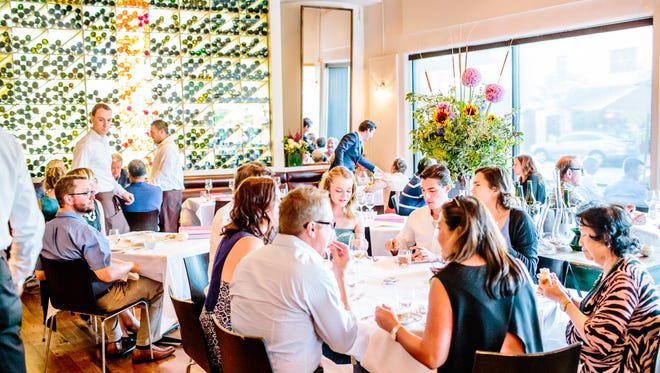
The physical context of East 6th Avenue shapes what Fruition feels like before the food arrives. The neighbourhood does not generate the industrial-chic energy of RiNo or the retail density of LoDo. Arriving here is quieter, more deliberate. The restaurant sits in a space that reflects the block's character: contained, warm, without the volume levels that larger downtown rooms tend to produce. For a certain kind of dinner, that matters as much as the wine list.
American restaurants at this level have moved in two directions over the past decade. One direction is toward the theatrical, with counter seating, open kitchens, and pacing that turns the meal into a structured event, as at Lazy Bear in San Francisco or Atomix in New York City. The other direction maintains a conventional dining room format where the table remains the unit of the experience and the cooking is the performance. Fruition belongs in the second category, which suits both the neighbourhood and the demographic it draws: Denver residents making a considered dinner choice rather than out-of-town visitors in search of a landmark meal.
Planning a Visit
The 1313 E 6th Ave address sits in a residential part of Capitol Hill, close enough to Congress Park that it draws from both neighbourhoods. Street parking is generally available on the surrounding blocks, and the location is accessible from central Denver without the parking difficulties of denser districts. For diners coming from out of town, the address is roughly equidistant from several of the city's better hotels, making it a practical dinner option rather than a special-trip destination. Reservations are advisable, particularly on weekends, though the booking situation is less pressurised than at the city's most capacity-constrained counters.
Fruition in the National Frame
For readers calibrating Denver against other American dining cities, it helps to know what the city's serious kitchens are and are not. Denver is not yet producing the density of Michelin-starred restaurants found in Chicago or New York, nor does it have the coastal produce access that gives kitchens like Providence in Los Angeles or Addison in San Diego their particular advantage. What it has is a distinct regional agricultural identity and a dining community that has grown steadily more serious over the past fifteen years. Fruition sits near the centre of that development: not especially experimental address in the city, not especially formal, but a reliable indicator of where Denver's dining conversation has arrived. Restaurants like The Inn at Little Washington or Emeril's in New Orleans carry a similar function in their respective cities, functioning as long-established reference points against which newer openings are measured. Globally, the model of the precision-driven, regionally rooted fine dining room, exemplified at places like Atelier Moessmer Norbert Niederkofler in Brunico, suggests that Fruition's approach is not a local anomaly but part of a broader shift toward specificity over spectacle.
Just the Basics
Comparable venues nearby, for context on price, style, and recognition.
| Venue | Cuisine | Price | Notes |
|---|---|---|---|
| Fruition RestaurantThis venue — the venue you are viewing | Not listed | $$$ | Not listed |
| Prelude + Post | Not listed | $$$ | Central Business District, Modern American Small Plates |
| range | Not listed | $$$ | Central Business District, New American West |
| American Elm | Berkeley, Polished American Comfort | $$$ | Not listed |
| The Nickel | Union Station, Modern American Bistro | $$ | Not listed |
| STK – Denver | LoDo, Modern Steakhouse | $$$$ | Not listed |
Continue exploring
More in Denver
Restaurants in Denver
Browse all →
Bars in Denver
Browse all →
Hotels in Denver
Browse all →

At a Glance
- Cozy
- Elegant
- Intimate
- Sophisticated
- Date Night
- Special Occasion
- Open Kitchen
- Extensive Wine List
- Craft Cocktails
- Farm To Table
- Local Sourcing
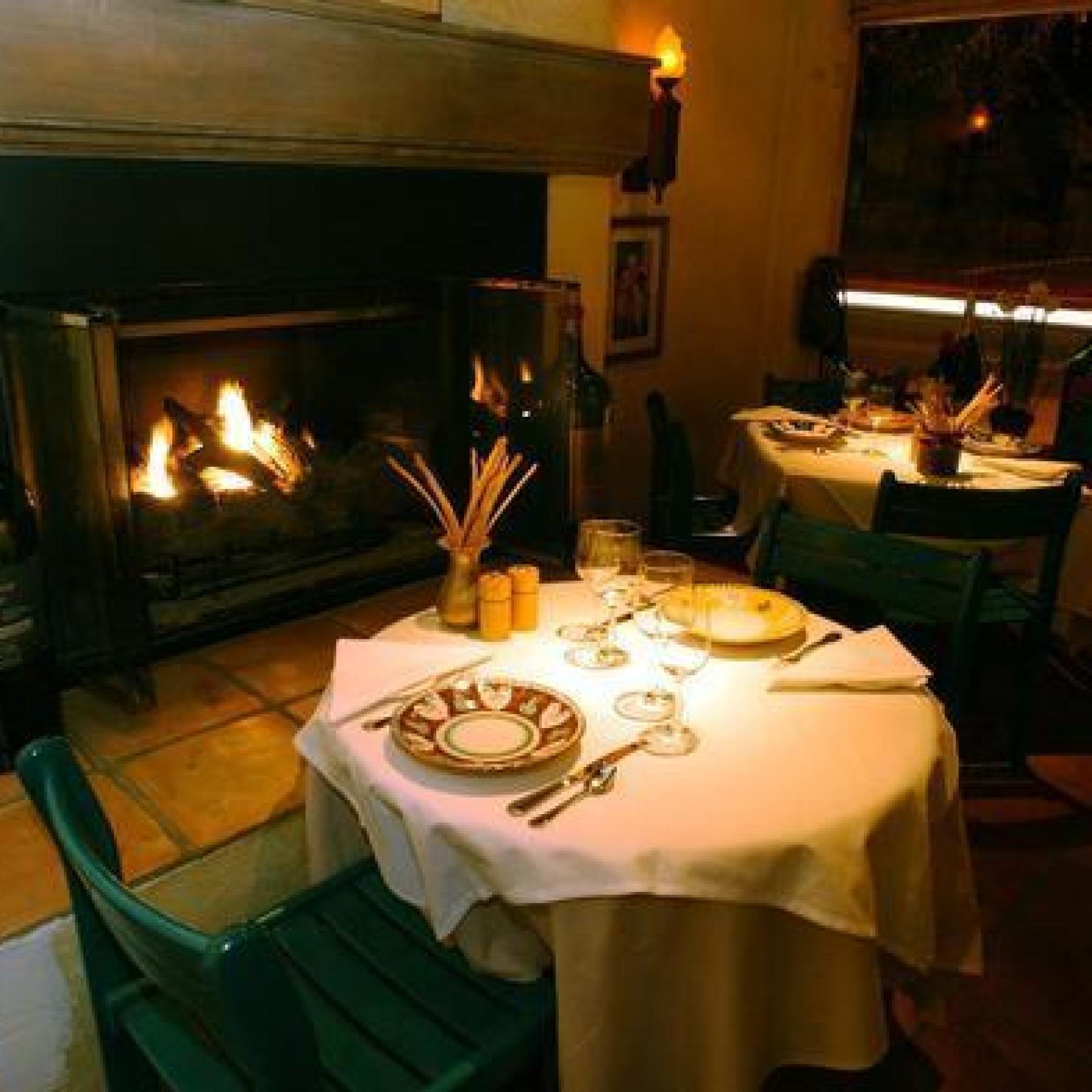
Warm ambiance with soft lighting and tasteful decor that invites guests to unwind in a relaxed neighborhood setting.