The Pit
Located at 16400 SW 8th St in the western reaches of Miami-Dade, The Pit sits in a part of the city where barbecue and open-fire cooking carry genuine cultural weight. Miami's outdoor-fire dining scene has grown steadily alongside the city's broader appetite for smoke-driven formats, and The Pit occupies a position within that movement worth tracking for anyone building a serious itinerary through the region.
Pearl is the En Primeur Club membership app — saves, bookings, and concierge access live there. Same editors, same standards.
- Address
- 16400 SW 8th St, Miami, FL 33194
- Phone
- +13052262272
- Website
- thepitbarbq.com
- Directions
- Get directions
 Saves & bookings on Pearl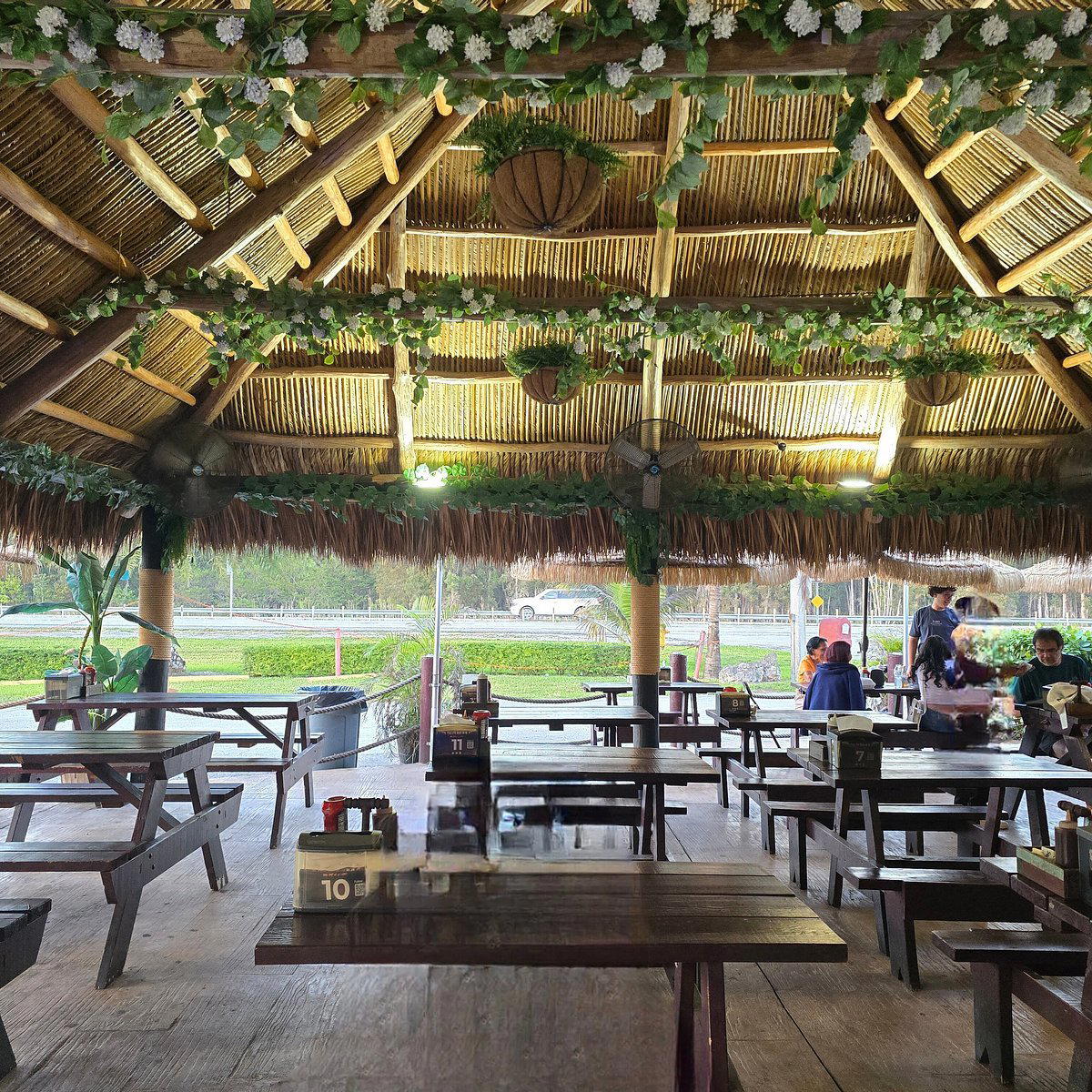
Where the Smoke Meets the Street: Miami's Open-Fire Dining in Context
Miami's dining identity has long been debated in terms of its extremes: the spectacle of South Beach, the chef-driven ambition of Wynwood, the neighborhood loyalty of Little Havana. What gets less attention is the city's parallel tradition of open-fire and pit-cooked food, rooted not in restaurant trends but in the kind of cooking that travels poorly to air-conditioned dining rooms. Along the SW 8th Street corridor and into the western reaches of Miami-Dade, this tradition persists with particular intensity, shaped by Cuban, Nicaraguan, and broader Latin American barbecue cultures that treat live fire as a default rather than a concept.
The Pit, addressed at 16400 SW 8th St, sits at the edge of this geography, in a part of Miami that most food itineraries skip over in favor of the more photographable districts closer to the water. The Pit operates outside that infrastructure, which makes it either a limitation or a signal depending on what you're looking for.
The Logic of a Meal Structured Around Fire
Open-fire cooking imposes its own sequencing on a meal, and that sequencing is worth understanding before you arrive. In traditions that prioritize the pit, the progression of a meal is often determined less by a menu's printed order and more by what's ready, what's rested, and what the fire has done over the preceding hours. This is the structural opposite of the multi-course tasting format practiced at places like L'Atelier de Joël Robuchon Miami, where each stage is engineered to a precise outcome. Here, the kitchen's timing logic belongs to the fire.
That fire-first sequencing tends to reward a particular approach from the diner: arrive early, ask what's been cooking longest, and build outward from the anchor protein rather than working through a printed menu in order. The early hours of service at pit-focused restaurants frequently offer cuts that won't survive into the evening, simply because they're finished first. This is not a reservation-culture dining format; it operates on the assumption that the guest is paying attention to production rhythms rather than expecting a fixed progression to arrive on cue.
For context on how dramatically different this model is from the contemporary American tasting format, consider the experience at Lazy Bear in San Francisco or Alinea in Chicago, where the meal's arc is authored down to temperature and plating angle. The Pit's format, if it follows the conventions of its category and location, inverts that control entirely: the guest adapts to the kitchen's timeline rather than the reverse.
How The Pit Sits Within Miami's Broader Fire-Cooking Tradition
Miami's most discussed open-fire restaurant in recent years has been Los Fuegos by Francis Mallmann at the Faena Hotel, which brought Argentine wood-fire technique into a luxury hotel context and demonstrated that fire-forward cooking could occupy the leading price tier in this market. That positioning created a visible upper bracket. Below it, and operating with considerably less press attention, sits a range of pit-cooking operations across Miami-Dade that work from entirely different economic and cultural logic.
The SW 8th St address places The Pit within reach of a dense concentration of Latin American cooking traditions, and that proximity matters for understanding what fire-cooking means in this part of the city. This is not the Argentinian parrilla tradition that Mallmann brought to Faena; it's closer to the Cuban lechón asado and Caribbean slow-cook heritage that has defined western Miami-Dade's food culture for decades. The difference in tradition shapes everything from cut selection to seasoning philosophy to the social role of the meal itself.
For diners who have built their frame of reference around the more formally documented end of American fire-cooking, represented by places like Blue Hill at Stone Barns in Tarrytown or Single Thread Farm in Healdsburg, where open-fire technique is deployed within a farm-to-table narrative, The Pit's operating context is instructive precisely because it operates from a different set of cultural premises entirely.
Placing The Pit in Miami's Current Restaurant Moment
Miami's restaurant press has focused heavily over the past several years on the city's movement toward chef-driven, technique-forward dining. Cote Miami brought the Korean steakhouse format to a market that responded with consistent demand. ITAMAE applied Peruvian-Japanese technique within an omakase framework. These venues have attracted award attention, editorial coverage, and the booking pressures that follow. They also represent a very specific kind of dining ambition: internationally legible, credential-backed, and oriented toward a guest arriving with existing context.
The Pit operates outside this framework, and for a certain kind of diner, that's precisely the point. Miami's food culture has depth beyond its award-tracked tier, and the SW 8th St corridor represents some of that depth in the most direct possible form. Whether The Pit specifically delivers on the promise implicit in its location and format is a question that requires firsthand assessment, but the geography alone suggests a different kind of conversation about Miami than the one happening on Brickell or in the Design District.
For travelers building an itinerary that spans the range of what Miami actually offers, the city guide at our full Miami restaurants guide provides the broader context across neighborhoods and price tiers. Those looking for comparison points at the upper end of American fine dining can reference The French Laundry in Napa, Providence in Los Angeles, Addison in San Diego, or The Inn at Little Washington to calibrate the distance between the tasting-menu tier and the pit-cooking tradition represented here.
For reference beyond the American context, Le Bernardin in New York City, Emeril's in New Orleans, Atomix in New York, and 8 1/2 Otto e Mezzo Bombana in Hong Kong each represent how deeply the award infrastructure shapes which restaurants generate legible signals for travelers. The Pit generates almost none of those signals, which makes it harder to assess from a distance and potentially more interesting on the ground.
Know Before You Go
Address: 16400 SW 8th St, Miami, FL 33194
Neighborhood: Western Miami-Dade, SW 8th St corridor
Phone: Not available
Website: Not available
Price Range: Not confirmed; category suggests accessible pricing
Reservations: Confirm directly; pit-format venues in this category often operate on a walk-in or limited-booking basis
Ideal time to visit: Miami's cooler months (November through March) make outdoor or semi-outdoor fire-cooking environments considerably more comfortable; summer heat and humidity affect the experience meaningfully
Parking: Western Miami-Dade locations at this address range typically offer surface parking; public transit coverage is limited in this corridor
At a Glance
- Rustic
- Lively
- Casual
- Casual Hangout
- Group Dining
- Family
- Beer Program
Current opening hours
- Monday
- 11 AM–8 PM
- Tuesday
- 11 AM–8 PM
- Wednesday
- 11 AM–8 PM
- Thursday
- 11 AM–8 PM
- Friday
- 11 AM–8 PM
- Saturday
- 11 AM–12 AM
- Sunday
- 11 AM–12 AM
Hours can change for holidays and private events. Last verified .
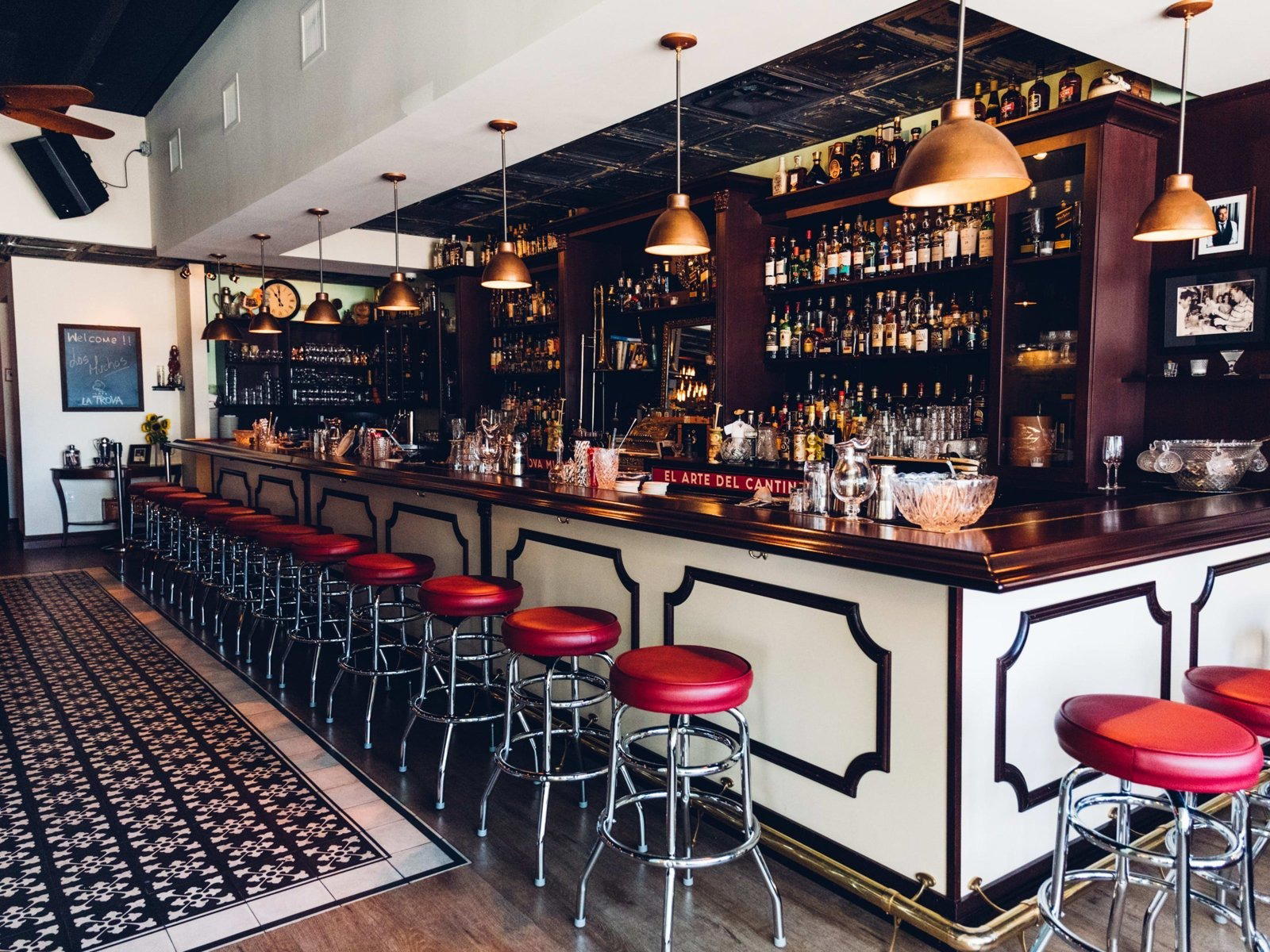
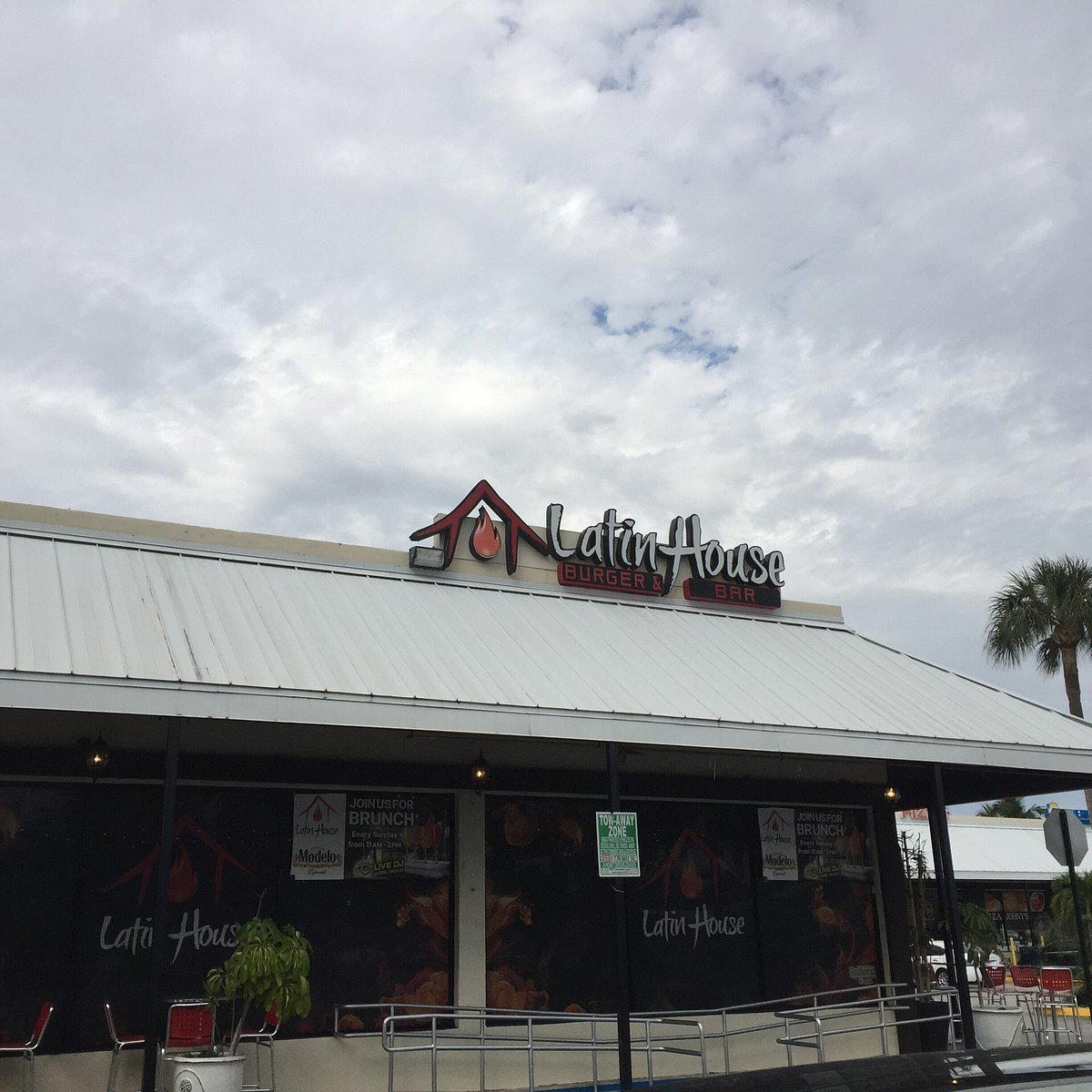
Casual picnic-style outdoor seating with Latin decor and welcoming, relaxed atmosphere.
Know Before You Go
- Getting there
- 16400 SW 8th St, Miami, FL 33194