The Parlour Room

The Parlour Room operates from an address on West 36th Street that places it squarely in Midtown Manhattan's less-trafficked corridors, away from the restaurant-row density of nearby neighbourhoods. Contact details and booking specifics are best confirmed directly with the venue, as programming and format may vary seasonally. For broader dining context in the city, see EP Club's New York City guide.
Pearl is the En Primeur Club membership app — saves, bookings, and concierge access live there. Same editors, same standards.
- Address
- 70 W 36th St. Front 1b, New York, NY 10018
- Phone
- +19172615495
- Website
- parlourroomnyc.com
- Directions
- Get directions
 Saves & bookings on Pearl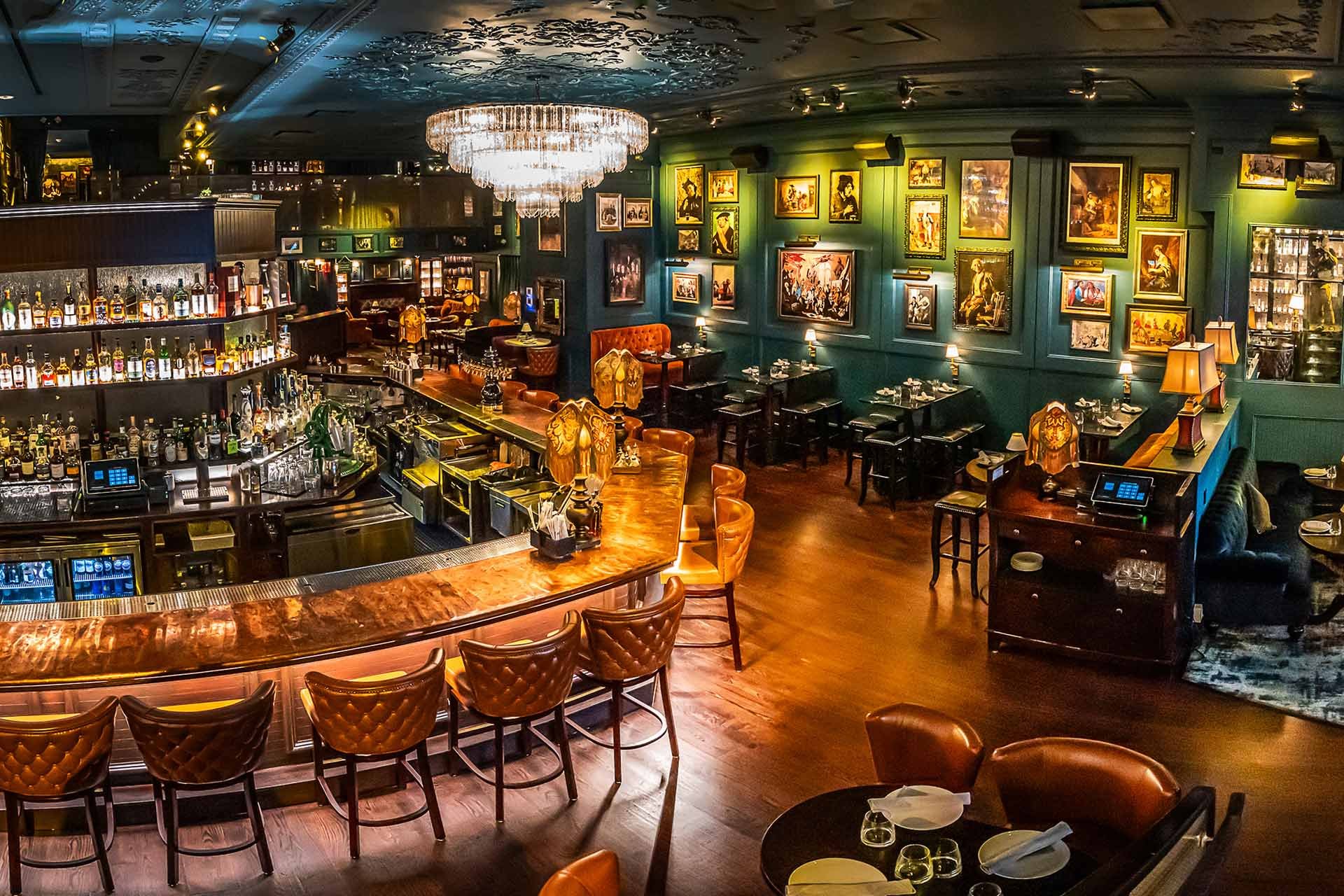
Midtown's Quieter Block: What West 36th Street Signals About Where New York Eats Now
Manhattan's dining geography has never been uniform. The blocks between Penn Station and the Garment District, historically dismissed as a transit corridor or a lunch-counter strip, have quietly absorbed a different kind of operator in recent years: venues that rely on address-agnostic clientele and a local-knowledge filter rather than foot traffic or neighbourhood cachet. The Parlour Room is a restaurant in New York City serving Modern American Grill with Raw Bar and priced at about $75 per person. The Parlour Room occupies that category. Its sub-street-level address (Front 1b) positions it within a building format common to this part of Midtown, where ground-floor retail gives way to lower-level spaces that require a degree of intentionality to find. In a city where a room's discoverability is often its first credential, that threshold functions as a soft qualifier for the guest who arrives.
This part of Midtown sits at a remove from the concentrated fine-dining corridors of the Upper East Side, the West Village, or Tribeca, where venues like Le Bernardin, Per Se, and Atomix anchor their respective scenes. The distance, geographical and cultural, from those corridors matters. It sets a different set of expectations on arrival, and for the right guest, that recalibration is the point.
Sourcing and Seasonality: The Editorial Framework for What Ends Up on the Table
Across American fine dining, the sourcing conversation has matured considerably in the past decade. What began as a marketing shorthand, farm names on menus, producer portraits near the host stand, has evolved into a more substantive operational commitment at the venues that take it seriously. Kitchens that maintain direct relationships with growers and ranchers absorb the unpredictability of seasonal supply into their menus rather than papering over it with year-round staples. The discipline this requires is visible in the menu's structure: fewer static anchors, more rotation, and a willingness to let what's available drive what's served.
Venues in New York operating under this framework sit across a range of price points and formats. At the high end of the spectrum, places like Blue Hill at Stone Barns in Tarrytown have made ingredient provenance the organising principle of the entire dining experience. Closer to the city, a smaller cohort of operators apply the same sourcing rigour at a more accessible scale. Where The Parlour Room positions itself within that spectrum, in terms of format, price, and the depth of its sourcing relationships,
What the address and format do suggest is a room operating with deliberate restraint on scale. Sub-street venues in this part of Midtown tend toward smaller capacities, which in turn allows for tighter sourcing windows: when you're cooking for fewer covers, you can commit to a supplier's harvest quantity rather than requiring volume guarantees that only industrial-scale producers can meet. That dynamic, present at American restaurants as varied as Single Thread Farm in Healdsburg and Lazy Bear in San Francisco, tends to produce menus that change with genuine frequency rather than seasonal tokenism.
The Midtown Context: A Neighbourhood That Rewards the Curious
The blocks around 36th Street and Broadway are not without dining history, but that history is largely invisible to visitors navigating by reputation alone. The neighbourhood's proximity to the Javits Center, Penn Station, and the core Midtown office grid means its restaurant population has historically tilted toward volume and convenience rather than craft. That is changing incrementally, as operators priced out of the Village or Tribeca find that Midtown's lower commercial rents allow for a different kind of risk-taking on format and menu ambition.
The pattern is legible in other American cities too. In Atlanta, Bacchanalia demonstrated early that serious kitchens could anchor themselves in non-obvious neighbourhoods and build their own gravitational pull. In Washington, The Inn at Little Washington made the distance from the city's dining core into an asset. In New York, the dynamic is compressed by density, but the logic holds: a room that requires effort to find tends to attract guests who have already decided to take the meal seriously.
For visitors whose New York itinerary is already anchored by higher-profile bookings, Masa, Jungsik, or Alinea-adjacent experiences when passing through Chicago, the restaurant represents the kind of secondary booking that often produces the more memorable meal. Not because it competes on the same terms as those venues, but because it operates on different terms entirely.
Planning a Visit: What to Know Before You Go
The restaurant is recommended for reservations and is open Monday through Thursday from 3:30 PM to 12 AM, Friday from 3:30 PM to 1 AM, Saturday from 2:30 PM to 1 AM, and closed Sunday. The venue's address, 70 West 36th Street, Front 1b, New York, NY 10018, places it in a building with a street-level entry that leads to a lower-level space. Guests visiting for the first time should allow additional time to locate the entrance, particularly during evening hours when the immediate block quiets considerably from its daytime office traffic.
For comparable sourcing-forward experiences across the US, EP Club tracks venues including Providence in Los Angeles, Addison in San Diego, Emeril's in New Orleans, and internationally at Alain Ducasse at Louis XV in Monte Carlo and 8½ Otto e Mezzo Bombana in Hong Kong. The French Laundry in Napa remains a useful reference point for understanding how ingredient sourcing can function as a restaurant's primary editorial voice, a standard that ambitious smaller rooms often measure themselves against quietly.
- Parlour Burger
- Island Creek Oysters
- Clams Casino Bucatini
- Steak Frites
- Braised Beef Short Rib
- Crispy-Skin Scottish Salmon
- Caesar Salad
- Corn Risotto
- Crème Brûlée
Comparable Options
Comparable venues nearby, for context on price, style, and recognition.
| Venue | Cuisine | Price | Notes |
|---|---|---|---|
| The Parlour RoomThis venue — the venue you are viewing | Modern American Grill with Raw Bar | $$$ | Not listed |
| The East Pole | Polished Farm-to-Table American | $$$ | Upper East Side-Carnegie Hill |
| Lucky Cheng's | American Drag Cabaret | $$$ | Hell's Kitchen |
| Dizzy's Club | Southern American Jazz Club Cuisine | $$$ | Upper West Side-Lincoln Square |
| Otway | American Seasonal Bistro | $$$ | Clinton Hill |
| The Dawson | Modern Irish-American Pub Fare | $$$ | Midtown-Times Square |
Recognition history
Dated appearances from independent guides and award organizations, with the underlying list record or original source where available.
World's 50 Best Best Bars #18
World's 50 Best
Continue exploring
More in New York City
Restaurants in New York City
Browse all →
Bars in New York City
Browse all →
Hotels in New York City
Browse all →




At a Glance
- Elegant
- Classic
- Sophisticated
- Lively
- Date Night
- Business Dinner
- Group Dining
- After Work
- Special Occasion
- Open Kitchen
- Standalone
- Design Destination
- Extensive Wine List
- Craft Cocktails
- Sommelier Led
- Local Sourcing
- Sustainable Seafood
- Street Scene
Current opening hours
- Monday
- 3:30 PM–12 AM
- Tuesday
- 3:30 PM–12 AM
- Wednesday
- 3:30 PM–12 AM
- Thursday
- 3:30 PM–12 AM
- Friday
- 3:30 PM–1 AM
- Saturday
- 2:30 PM–1 AM
- Sunday
- Closed
Hours can change for holidays and private events. Last verified .
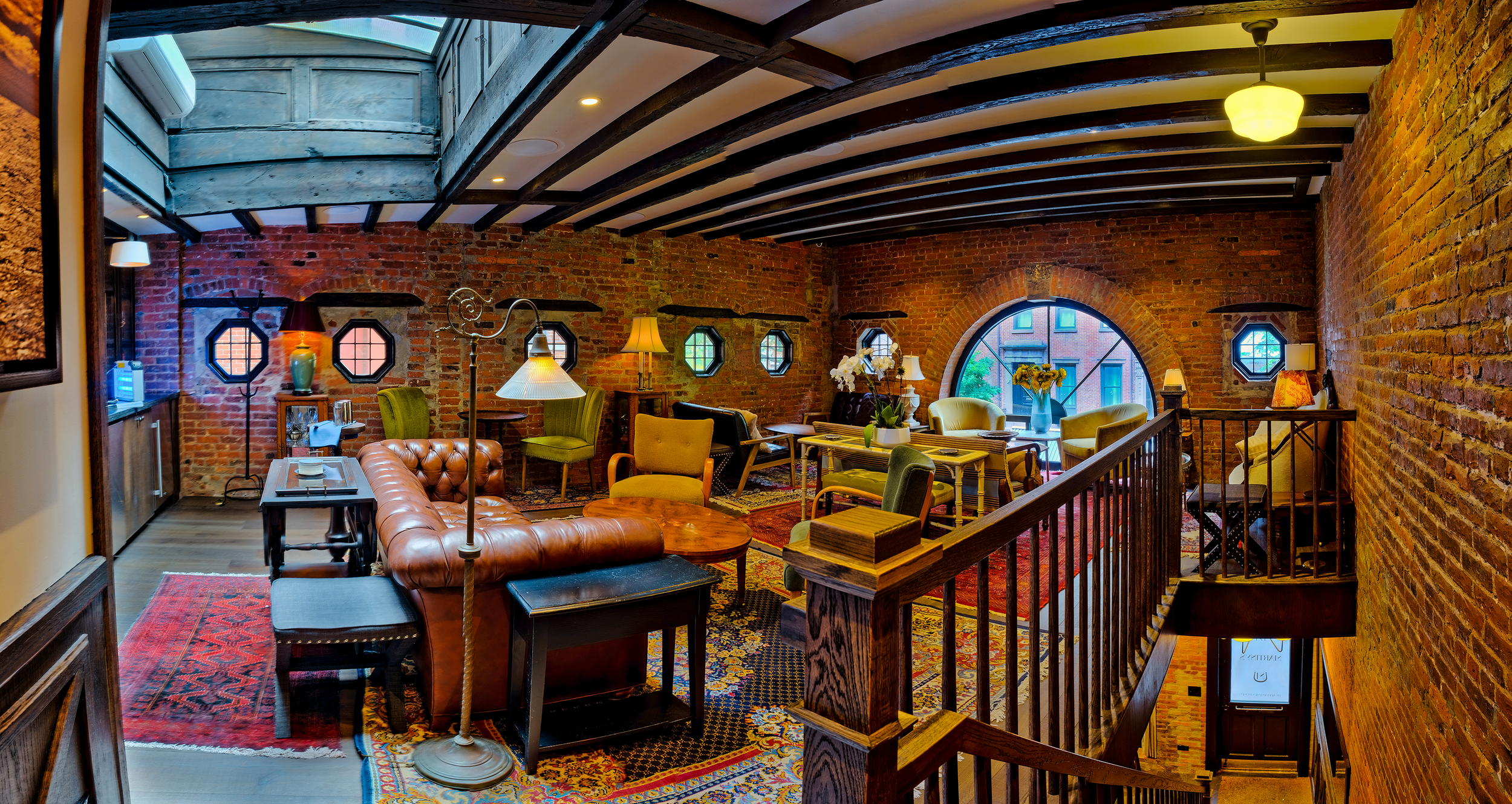
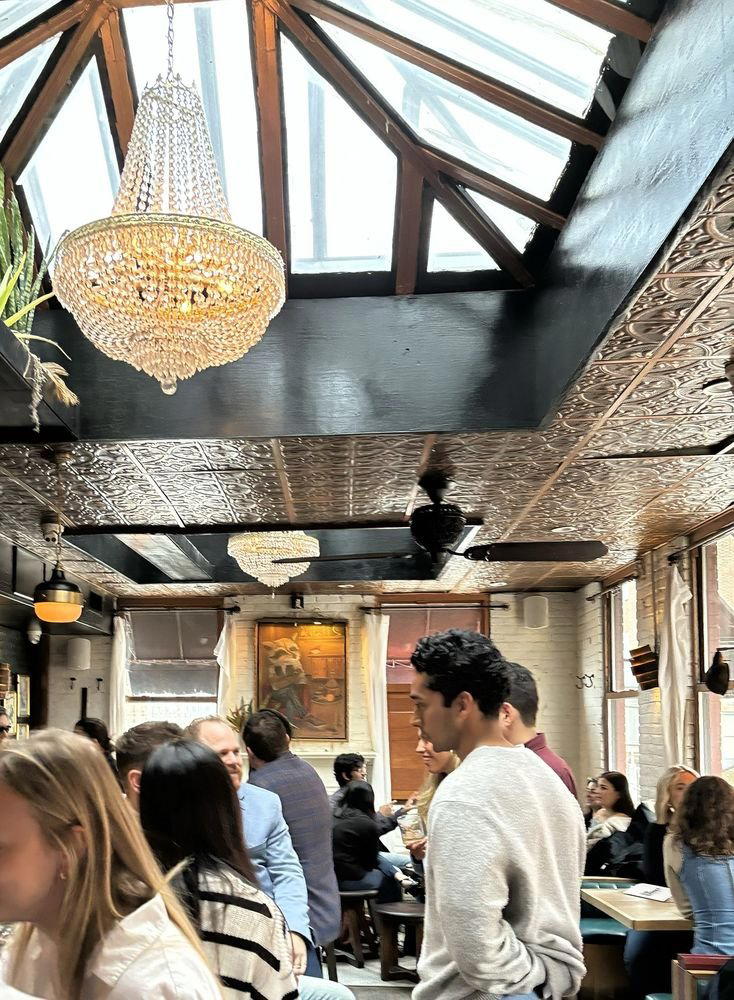
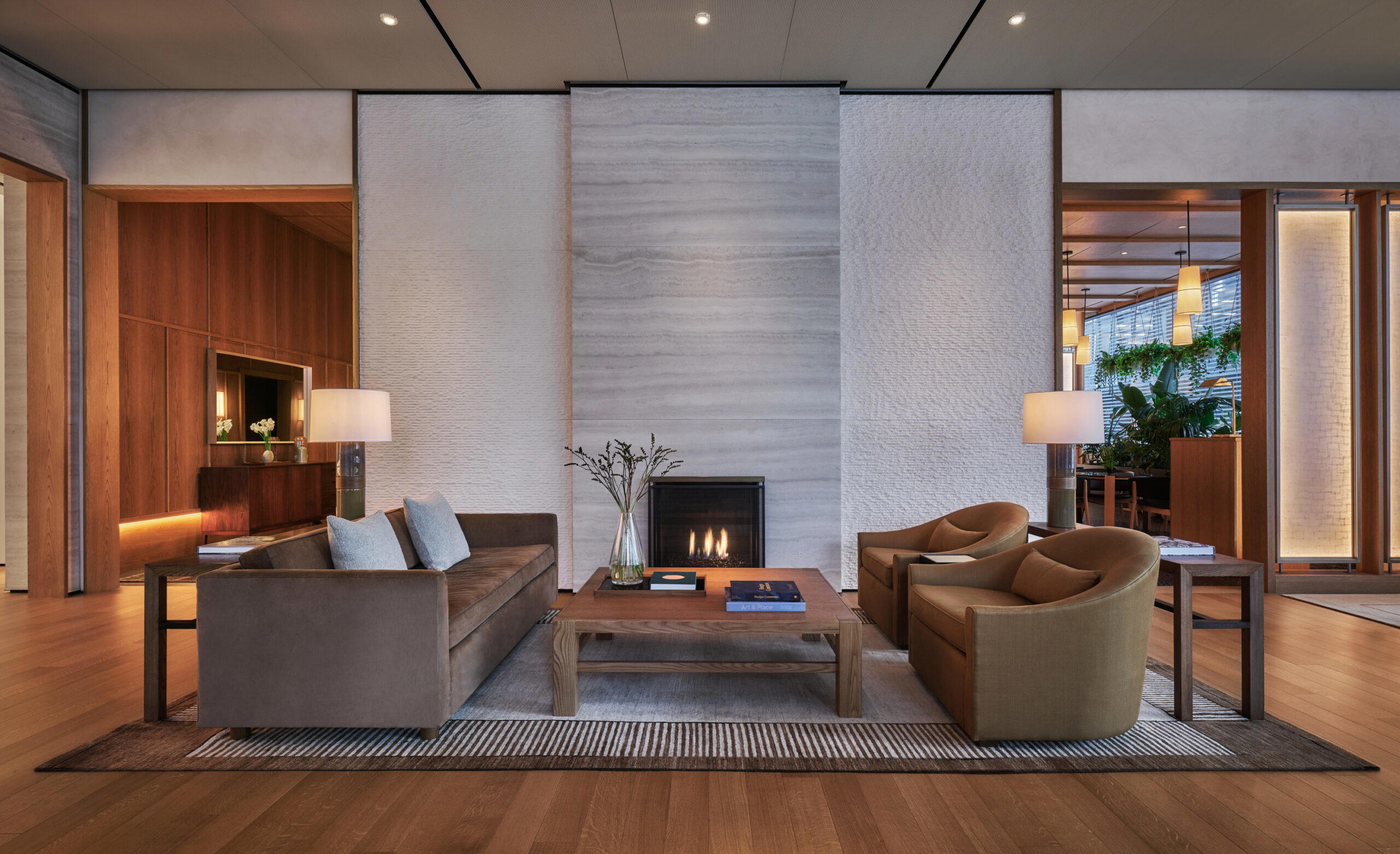
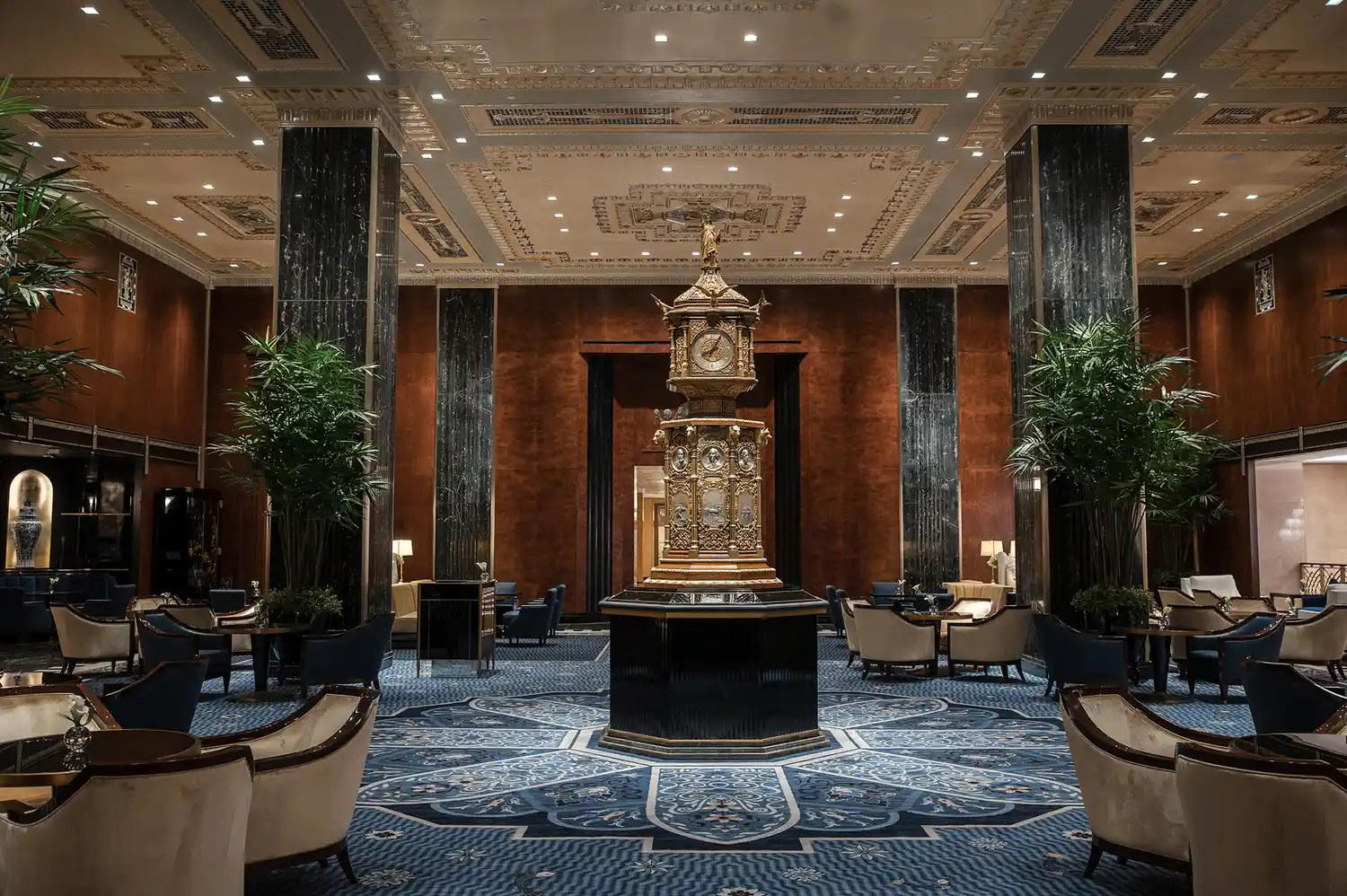
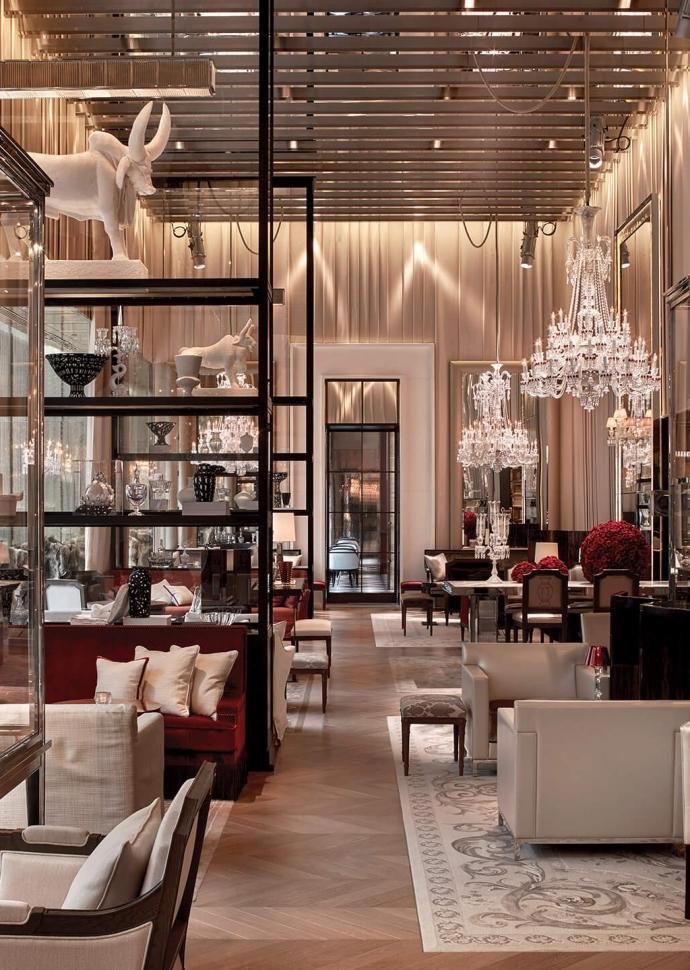
Dark, sophisticated interior with traditional booths and comfortable seating, accented by street-facing open air seats; refined but approachable atmosphere without excessive formality.