Our verdict
On Camden Street, The Iveagh occupies a stretch of Dublin 2 that has long served as a connector between the city's Georgian south side and the more local rhythms of the Liberties. The restaurant sits within an area where Irish produce culture and imported culinary technique have converged with increasing seriousness over the past decade, making it a point of reference for the broader Saint Kevin's dining scene.

Pearl is the En Primeur Club membership app — saves, bookings, and concierge access live there. Same editors, same standards.
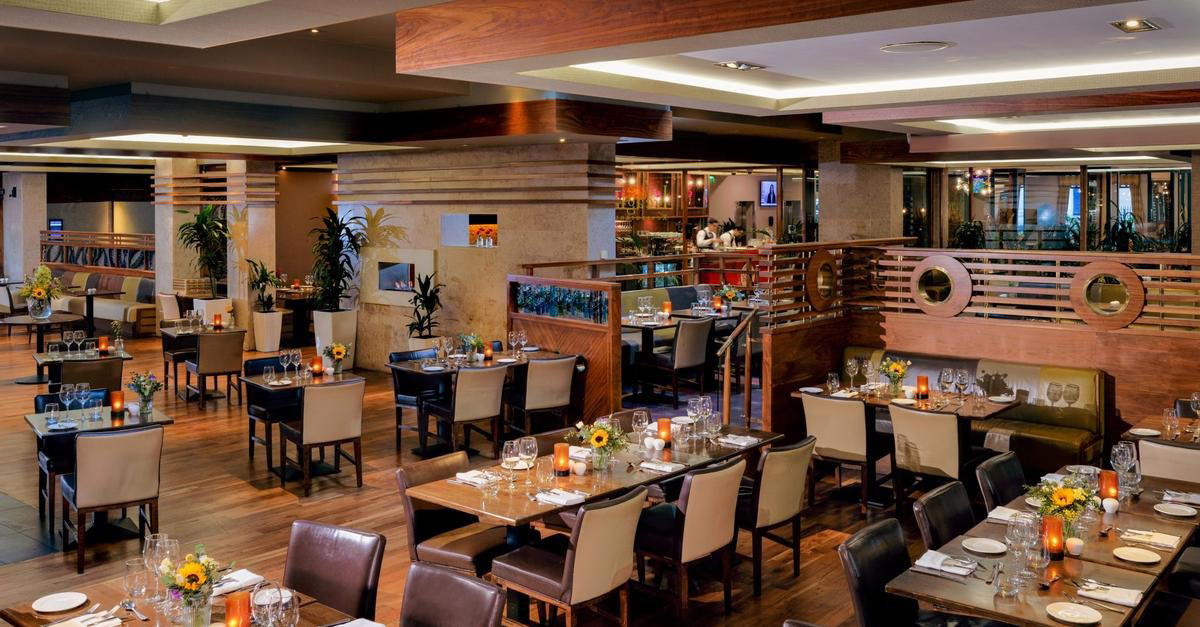
Camden Street and the New Seriousness in Dublin 2
There is a particular character to the stretch of Camden Street that runs through Saint Kevin's into Dublin 2. It is neither the conspicuous fine dining of Merrion Square nor the casual density of Temple Bar. The streets here have absorbed waves of independent hospitality over the past decade, and the cooking that has emerged from those changes reflects a tension that runs through Irish dining more broadly: how to apply rigorous, internationally trained technique to produce that is emphatically local without the result reading as either nostalgic or derivative.
The Iveagh sits at this address, on a part of the city where that question gets tested in the daily operation of a kitchen. The relevant comparison set is not the Michelin-decorated rooms of the city centre, such as Patrick Guilbaud or Chapter One by Mickael Viljanen, nor the destination dining of Glovers Alley. The Iveagh belongs to the tier of neighbourhood-anchored rooms where cooking ambition is high but the register is less ceremonial, closer in spirit to what Bastible has done on Leonard's Corner or what D'Olier Street represents on the other side of the Liffey.
The Approach: Local Ingredients, Imported Method
The story of Irish cooking over the past fifteen years is substantially a story about technique transfer. Chefs trained in French kitchens, Nordic restaurants, or the post-Noma fermentation culture brought methods home and applied them to an ingredient base that was, in many respects, already exceptional. West Cork dairy, Atlantic seaweed, wild game from the midland bogs, aged beef from small herds: Ireland's larder had always existed, but the vocabulary to present it in a contemporary international context was largely imported.
That dynamic plays out across the Irish dining scene from Aniar in Galway, which built its reputation on a strict terroir philosophy, to Liath in Blackrock, where the creative approach is more experimental and personal. It connects coastal rooms like Bastion in Kinsale and dede in Baltimore to inland tables such as Campagne in Kilkenny and Lady Helen in Thomastown. What those places share is the willingness to treat Irish produce not as a rustic selling point but as the primary material for serious cooking.
The Iveagh operates within that wider context. Its position on Camden Street places it in a neighbourhood where the audience has grown more technically literate about food, and where a restaurant can make a case for careful sourcing and considered preparation without translating it into an elaborate tasting-menu format or a destination-level price point. The comparison with what Terre in Castlemartyr or Chestnut in Ballydehob does in rural settings is instructive: those rooms work with the isolation and prestige of their locations. The urban Camden Street room has to do something different, making the produce argument in a setting where the city itself is competition.
Seasonal Timing and When to Visit
Dublin's restaurant culture has a pronounced seasonal rhythm that is easy to miss if you are visiting outside the summer months. The period from late spring through early autumn brings the ingredients that drive the most interesting cooking: new-season lamb, sea vegetables from the west coast, early-harvest root crops, and the soft fruit that Irish kitchens use briefly and intensively before the season closes. Restaurants on the Camden Street corridor, like the broader Dublin 2 dining scene, tend to reflect that shift in the quality and specificity of what appears on the plate.
Rooms such as Homestead Cottage in Doolin and House in Ardmore have built their identities explicitly around coastal and seasonal availability. The Iveagh, operating in an urban Dublin context, engages with that same seasonal logic but from a different supply position, drawing on city market networks and direct producer relationships rather than proximity to a particular coastline or farmland.
For visitors, the implication is practical: a visit in September or October, when late-season Irish produce overlaps with the early autumn energy of the Dublin dining scene, tends to yield the most interesting cooking across the city. January and February are quieter across the neighbourhood, with fewer tourists and more space, but the produce range is correspondingly narrower. For those planning around a specific kind of experience, the shoulder season in either direction offers a reasonable balance.
Where The Iveagh Sits in a Wider Set
The global context for what Irish restaurants are doing with local-ingredient and international-technique combinations is worth holding in mind. The approach has international parallels: Le Bernardin in New York City built its reputation on bringing classical French rigour to Atlantic seafood, and Atomix in New York City applied Korean culinary logic within a fine-dining format that draws equally on international technique. The Irish version of that conversation is newer, less codified, and operating on smaller budgets, but the intellectual project is recognisably similar.
The neighbourhood has attracted a cohort of operators who are cooking at a higher register than the price point might suggest, betting that Dublin 2's dining audience has enough curiosity to meet them there. Whether that bet holds across a full year of trading is a different question from whether the cooking is serious, and the answer to the second question, in most of these rooms, is yes.
For a broader overview of where The Iveagh fits within Dublin's restaurant scene, the EP Club Dublin guide maps the city's full range of dining options by neighbourhood, price tier, and culinary approach.
Planning Your Visit
| Venue | Area | Format | Price Tier |
|---|---|---|---|
| The Iveagh | Camden Street, Dublin 2 | Neighbourhood dining room | Confirm directly |
| Bastible | Leonard's Corner, Dublin 8 | Modern Irish, à la carte | €€€€ |
| Patrick Guilbaud | Merrion Street, Dublin 2 | Irish-French, formal | €€€€ |
| D'Olier Street | D'Olier Street, Dublin 2 | Modern Cuisine | Confirm directly |
Frequently asked questions
Where exactly is The Iveagh?
The Iveagh is located at Camden Street, Saint Kevin's, Dublin 2, D02 W086, Ireland, Dublin.
What makes The Iveagh a worthwhile stop on Camden Street compared to other Dublin 2 restaurants?
The Iveagh occupies a specific position within the Camden Street corridor — a part of Dublin 2 that has developed a reputation for ingredient-focused cooking without the price points or formality of the city's established fine dining addresses. For a visitor working through Dublin's D02 dining options, that combination of neighbourhood accessibility and kitchen seriousness places it in a distinct category from both the casual pub food of the area and the tasting-menu rooms further north in the city.
What dish is The Iveagh famous for?
The Iveagh is positioned on Camden Street in Dublin 2 within a dining scene that places considerable weight on seasonal Irish produce handled with imported technique.
How far ahead should I plan for The Iveagh?
Dublin's restaurant calendar has a pronounced peak from late spring through summer, when demand on Camden Street tightens noticeably. Booking a week or two ahead is a reasonable baseline outside those months; during summer, extend that window further. Current booking policies for The Iveagh are not publicly listed, so checking directly via the venue is the reliable route.
What has The Iveagh built its reputation on?
The Iveagh sits on Camden Street in Saint Kevin's, a stretch of Dublin 2 that has attracted a generation of kitchens focused on serious local sourcing without the formality of the city's fine dining corridor. Its reputation is grounded in that neighbourhood seriousness — the application of technique developed in European kitchens to Irish produce — rather than award accumulation or celebrity chef association.
Is The Iveagh allergy-friendly?
No allergy or dietary accommodation policy is currently documented for The Iveagh at its Camden Street, Dublin 2 address. Contacting the venue directly before visiting is the only reliable way to confirm what the kitchen can accommodate for specific dietary requirements.
Peers in This Market
Comparable venues nearby, for context on price, style, and recognition.
| Venue | Cuisine | Price | Notes |
|---|---|---|---|
| The IveaghThis venue — the venue you are viewing | Modern Irish Bistro | $20–30 | Not listed |
| Café 1920 | Modern Irish Gastropub | $20–30 | Royal Exchange A |
| Buswells | Classic Irish Gastropub | $20–30 | Mansion House B |
| Kittyhawks | Irish Gastropub | Not listed | Airport |
| Camden Kitchen | Modern Irish Bistro | $30–50 | Saint Kevin'S |
| Beanhive | Irish Cafe with Healthy Options | $10–20 | Mansion House B |
Continue exploring
More in Dublin
Restaurants in Dublin
All restaurants in Dublin →
Bars in Dublin
All bars in Dublin →

Details
- Modern
- Elegant
- Casual Hangout
- After Work
- Open Kitchen
- Terrace
- Hotel Restaurant
- Craft Cocktails
- Local Sourcing
- Street Scene
- A La Carte
Current opening hours
- Monday
- 7–10:30 AM, 5:30–9:30 PM
- Tuesday
- 7–10:30 AM, 5:30–9:30 PM
- Wednesday
- 7–10:30 AM, 5:30–9:30 PM
- Thursday
- 7–10:30 AM, 5:30–9:30 PM
- Friday
- 7–10:30 AM, 5:30–9:30 PM
- Saturday
- 7–11 AM, 5:30–9:30 PM
- Sunday
- 7–11 AM, 5:30–9:30 PM
Hours can change for holidays and private events. Last verified .
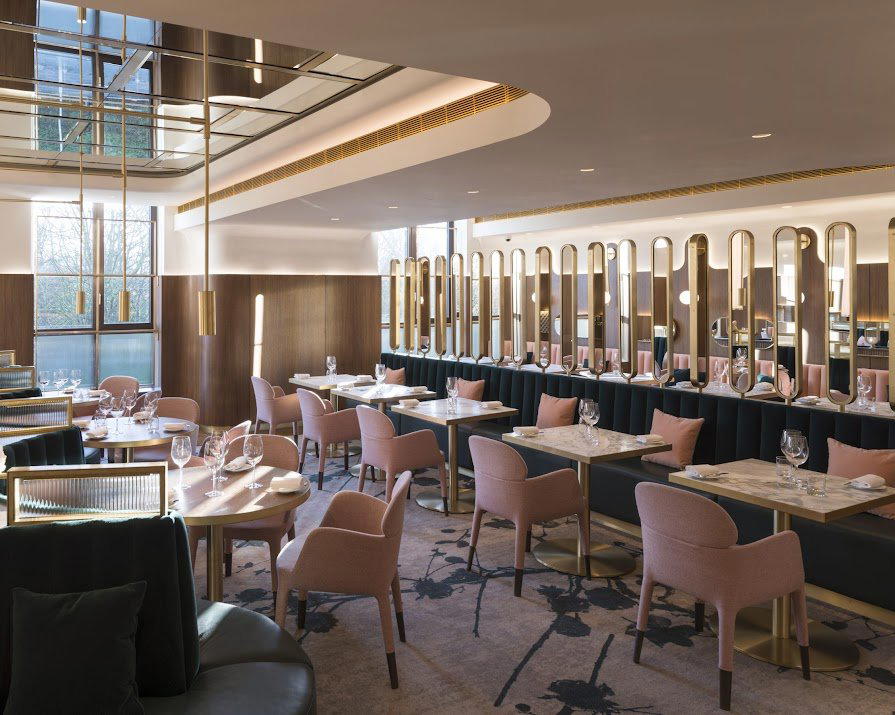
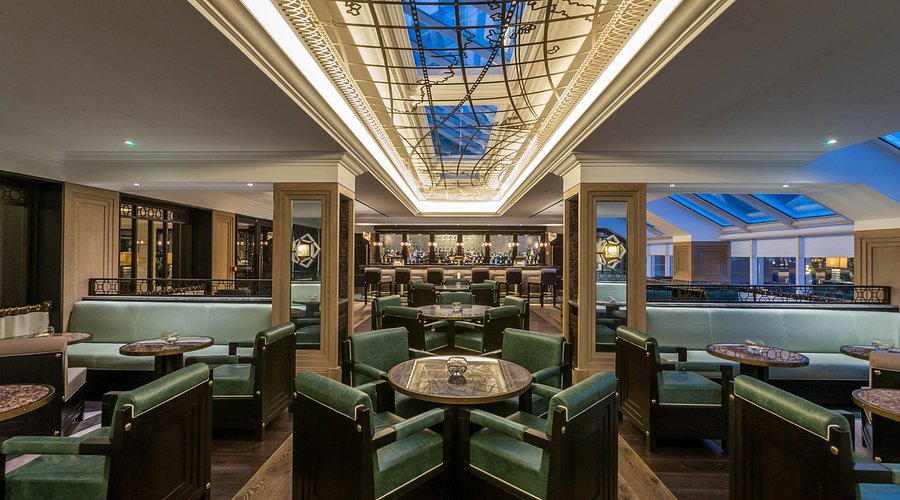
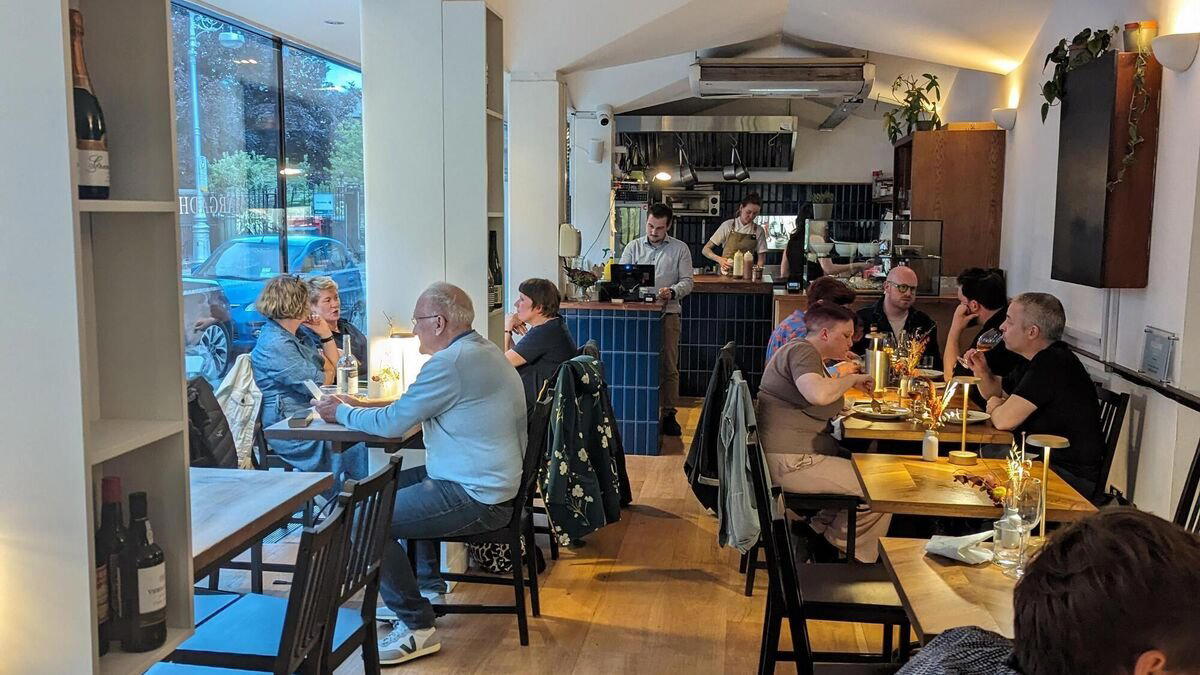
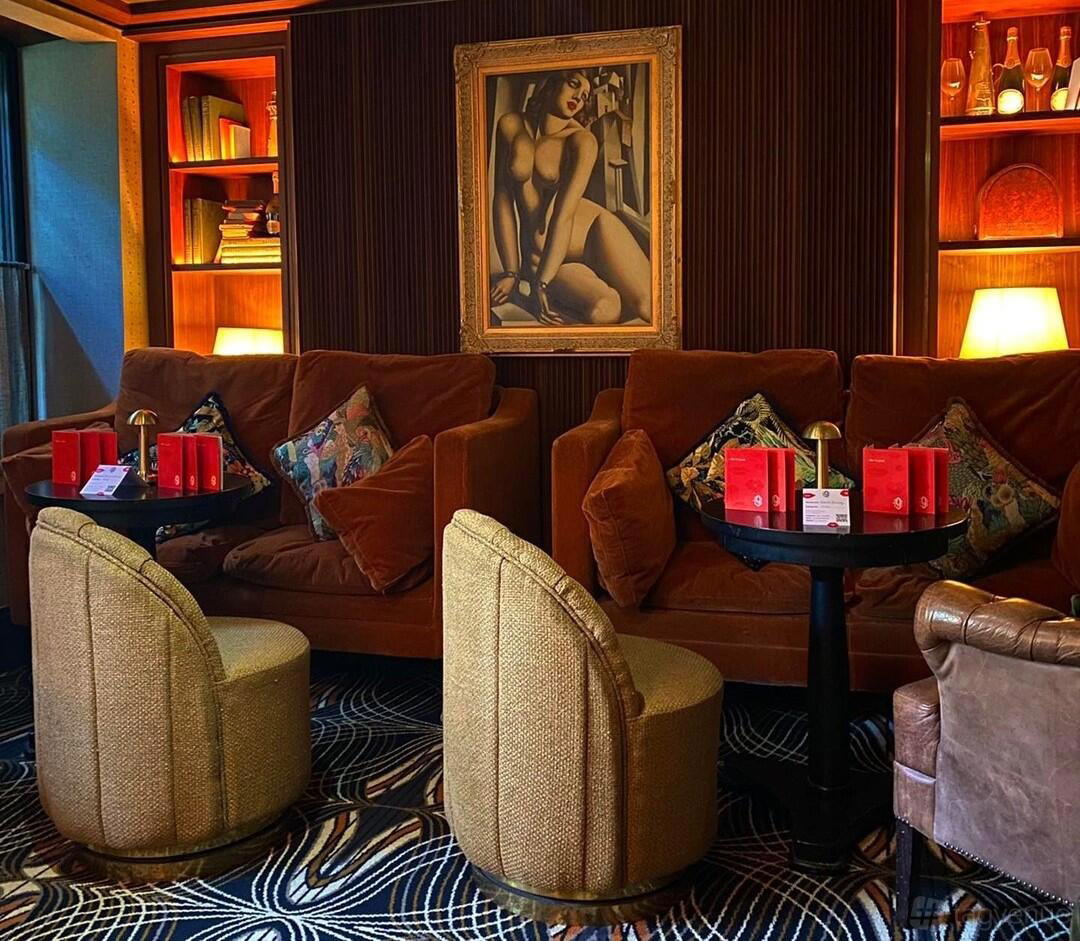
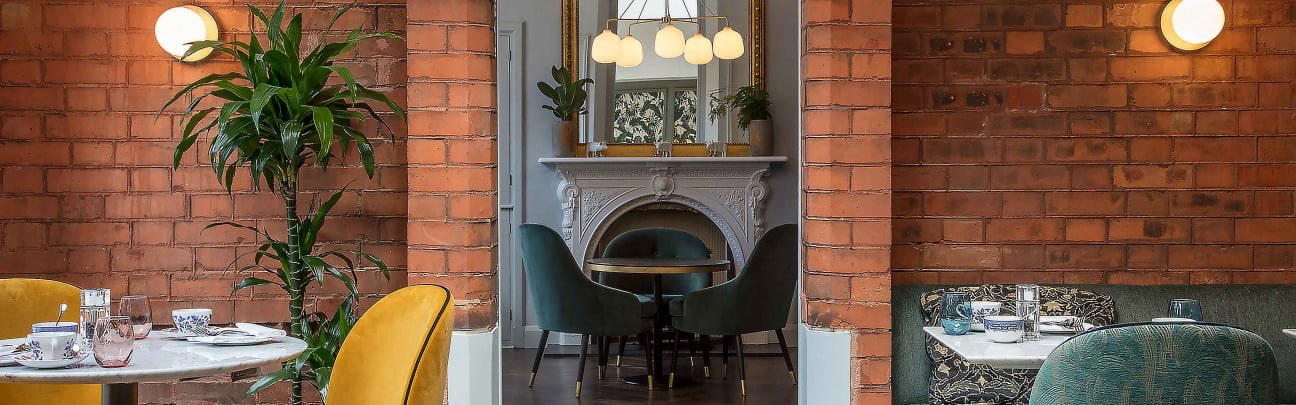
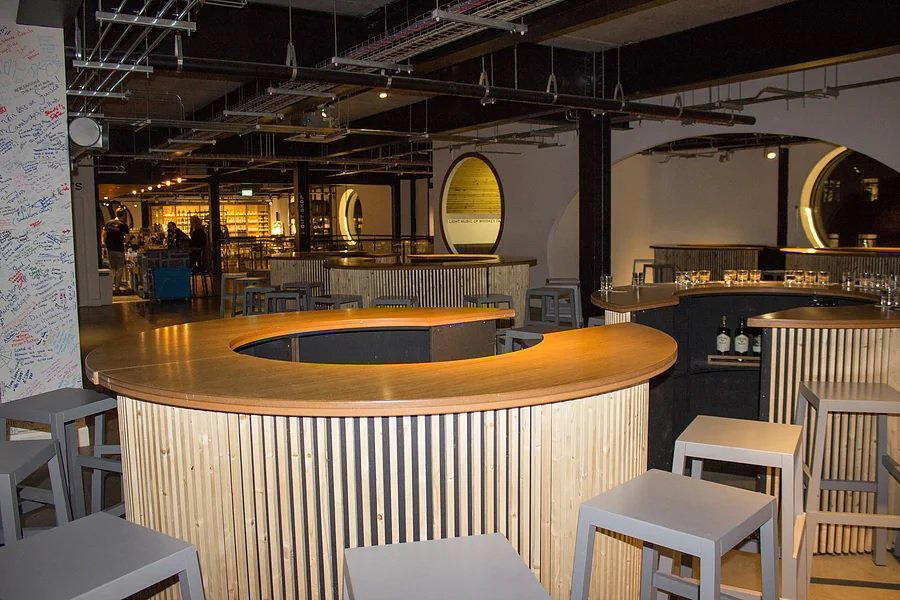
Sleek and stylish with moody lighting, bold wallpaper, and a busy bar atmosphere.