Our verdict
On Westmoreland Street, where Temple Bar meets the city's Georgian core, Café 1920 occupies a stretch of Dublin that has witnessed more than a century of the city's social life. The address places it in conversation with the wider revival of considered all-day dining in central Dublin, where the line between café culture and proper kitchen ambition has grown increasingly thin.

Pearl is the En Primeur Club membership app — saves, bookings, and concierge access live there. Same editors, same standards.
- Address
- 10 Westmoreland St, Temple Bar, Dublin, D02 CD45, Ireland
- Phone
- +353832068274
- Hours
- Mon–Thu 10:30 AM–9 PMFri–Sat 10 AM–9 PMSun 11 AM–9 PM
- Website
- fleethoteltemplebar.com
- Directions
- Get directions
- Booking
- Book on OpenTable
The menu
What to order
- Irish Beef Stew
- Seafood Chowder
- Dublin Coddle
Where Westmoreland Street Sets the Tone
There is a particular quality to dining rooms that sit at the intersection of neighbourhood habit and deliberate destination. Westmoreland Street has long functioned as one of Dublin's connective arteries, running from O'Connell Bridge toward College Green and the cultural weight of Trinity College beyond. Café 1920, at number 10, occupies a position on that corridor where the foot traffic is genuinely mixed: tourists crossing into Temple Bar, office workers moving between the financial district and the cultural quarter, and locals who have built the address into their weekly rhythm. That mix shapes what a room on this street needs to do, and how a kitchen here must position itself relative to the broader dining conversation happening across the city.
Dublin's central dining scene has reorganised itself considerably over the past decade. The city's most formally ambitious rooms — Patrick Guilbaud on Merrion Street, Chapter One by Mickael Viljanen in Parnell Square — operate at a price point and occasion tier that most visitors and residents reach for sparingly. Below that bracket, the more interesting shift has been the emergence of kitchens that bring genuine technique to formats that do not require a jacket or a special occasion. Glovers Alley and D'Olier Street each represent versions of this recalibration. Café 1920, named for the address's historical resonance with the revolutionary period that shaped modern Ireland, sits within this evolving middle tier, where the expectations around atmosphere, provenance, and kitchen output have risen sharply.
The Arc of a Meal in This Part of the City
The tasting progression framework matters here because it reveals how kitchens in this tier of Dublin dining think about sequencing and intent. In rooms operating at the higher end of the informal-to-formal spectrum in central Dublin, the opening phase of a meal tends to do significant work: it signals whether the kitchen is drawing on Irish produce with genuine conviction or using local provenance as a marketing posture. Ireland's larder, Atlantic shellfish, farmhouse dairy, wild game from the west, is genuinely rich, and the gap between kitchens that deploy it thoughtfully and those that name-drop suppliers without evident craft has become a reliable quality signal for returning visitors.
Mid-meal, at the point where the kitchen's identity becomes most readable, Dublin's better informal rooms tend to distinguish themselves through restraint rather than accumulation. The influence of Nordic minimalism, which reshaped Irish cooking's reference points after a generation of chefs trained or staged in Scandinavia, is visible across the city's mid-market ambition. Bastible on Leonard's Corner is perhaps the clearest expression of this tendency, where a short menu and precise execution carry more argumentative weight than a longer list with more variable results. The same logic applies in the better rooms of the Temple Bar adjacency, where brevity has come to signal confidence rather than limitation.
The close of a meal in this part of Dublin, the dessert course and what follows, is often where the gap between ambition and delivery becomes visible. Pastry programs in mid-tier Irish restaurants have historically been the weakest link; the renewed investment in this part of the menu, visible at several Dublin addresses over the past few years, is a reliable indicator of a kitchen taking the full arc of the dining experience seriously rather than front-loading effort into the savoury courses alone.
Westmoreland Street in the Wider Irish Dining Context
Positioning a Dublin city-centre address against the wider Irish dining map is instructive. The most creatively forceful cooking in Ireland right now is arguably happening outside the capital: Liath in Blackrock, Aniar in Galway, dede in Baltimore, Bastion in Kinsale, Chestnut in Ballydehob, and Homestead Cottage in Doolin each operate with proximity to primary producers that city rooms cannot replicate. Campagne in Kilkenny, Terre in Castlemartyr, and The Oak Room in Adare draw on estate and regional produce with a directness that central Dublin addresses must work harder to match. The Morrison Room in Maynooth has built a reputation on a similarly grounded regional focus.
What a Westmoreland Street address trades for that proximity is footfall, accessibility, and the kind of incidental discovery that drives a significant share of dining decisions in a capital city. Visitors arriving to Dublin via Heuston or Connolly stations, staying in the cluster of hotels between the Liffey and St Stephen's Green, pass through or near this corridor. The commercial logic of the address and the culinary ambitions of a serious kitchen are not necessarily in tension, but managing both requires a clearer sense of format discipline than out-of-town rooms typically need.
Practical Notes for Visiting
Café 1920 is located at 10 Westmoreland Street, in the Temple Bar district. The address is walkable from most central Dublin hotels in under ten minutes, and the Westmoreland Street stop on several core bus routes places it within easy reach of visitors arriving from the north side. For those using the DART, Tara Street station is a short walk across the river. Given the central position and the density of foot traffic on this stretch, walk-in availability during peak lunch and weekend evening hours is likely to be limited; contacting the venue directly in advance is the more reliable approach. Up-to-date hours and booking details are best confirmed through the venue, as hours in this tier of Dublin dining frequently shift seasonally. For a broader orientation to what the city's dining scene currently offers across price points and occasions, our full Dublin restaurants guide maps the field in more detail.
Frequently asked questions
What do people recommend at Café 1920?
The kitchen's position on Westmoreland Street, adjacent to Temple Bar and a short walk from Trinity College, places it in a tier of Dublin dining where Irish produce with genuine technique tends to drive the strongest recommendations. Look first to whatever the menu is doing with seasonal Irish ingredients, that is where kitchens at this address level tend to concentrate their leading effort. For comparison with the city's highest-achieving rooms, Chapter One by Mickael Viljanen and Patrick Guilbaud represent the upper bracket against which the broader scene positions itself.
Can I walk in to Café 1920?
On Westmoreland Street, walk-in availability depends heavily on the time of day and day of week. The address draws a mix of tourists, office workers, and deliberate diners, which means peak hours fill quickly. Contacting the venue directly before arriving is the more reliable approach, particularly for weekend evenings. Dublin's city-centre dining rooms in this tier and price bracket fill faster than their informal presentation might suggest.
What is the standout thing about Café 1920?
The address itself carries significant historical weight: the 1920 designation links the venue to one of the most consequential years in modern Irish history, which gives the room a layer of cultural grounding that purely contemporary Dublin openings lack. Within the cuisine tier it occupies, the strongest signal of quality in rooms like this is how the kitchen handles the full arc of a meal, from opening through to dessert, rather than concentrating effort on a single showpiece course. Bastible sets a useful benchmark for what restrained, well-sequenced cooking looks like in this city.
Can Café 1920 accommodate dietary restrictions?
Dublin's mid-tier dining rooms increasingly accommodate dietary needs as standard, but the specific options at any given kitchen depend on the current menu format and seasonal availability. Because the venue's menu details are not published centrally, direct contact in advance is the only way to confirm what accommodation is possible for your visit.
Is Café 1920 overpriced or worth every penny?
On Westmoreland Street, value is leading read relative to the specific tier a kitchen occupies. Rooms in this part of Dublin that bring genuine produce sourcing and technique to an accessible format tend to price in a way that reflects the cost of operating in a high-footfall city-centre address. The question of value is more usefully answered by comparing the output on the plate to what neighbouring rooms at similar price points are doing, rather than holding the address to the standards of Patrick Guilbaud or Glovers Alley. For international reference points on what serious mid-tier dining looks like at its most developed, Lazy Bear in San Francisco and Le Bernardin in New York City show how the format-to-ambition calibration works at scale.
Is Café 1920 connected to any particular culinary tradition or movement in Dublin?
The name's reference to 1920 places the venue in a broader cultural moment when Irish identity, including its food culture, was being actively contested and constructed. Contemporary Dublin rooms that draw on this historical grounding typically position themselves within the Irish produce-led tradition that has defined the city's more serious kitchens since the 1990s, a lineage traceable through rooms like Patrick Guilbaud and, more recently, through produce-focused formats like Bastible. Whether the kitchen at Café 1920 engages with that tradition explicitly or operates as a more direct city-centre address is leading assessed through a visit or a review of the current menu, which the venue can provide directly.
Cuisine and Credentials
| Venue | Cuisine | Price | Awards | Notes |
|---|---|---|---|---|
| Café 1920This venue — the venue you are viewing | Modern Irish Gastropub | $20–30 | Not listed | Not listed |
| Patrick Guilbaud | Modern French Fine Dining | $150–200 | 2 Michelin Stars · La Liste Top Restaurants | Irish - French, Modern French |
| Bastible | Modern Irish | $100–150 | 1 Michelin Star · The Sunday Times Ireland’s 100 Best Restaurants | Modern Cuisine |
| Host | Modern Italian | $50–100 | Michelin Plate | Nordic, Modern Cuisine |
| mae | Modern Irish Fine Dining | $50–100 | Michelin Plate · The Sunday Times Ireland’s 100 Best Restaurants | Southern, Modern Cuisine |
| Matsukawa | Authentic Edomae Omakase | $100–150 | Michelin Plate · La Liste Top Restaurants | Kaiseki, Japanese |
Continue exploring
More in Dublin
Restaurants in Dublin
Browse all →
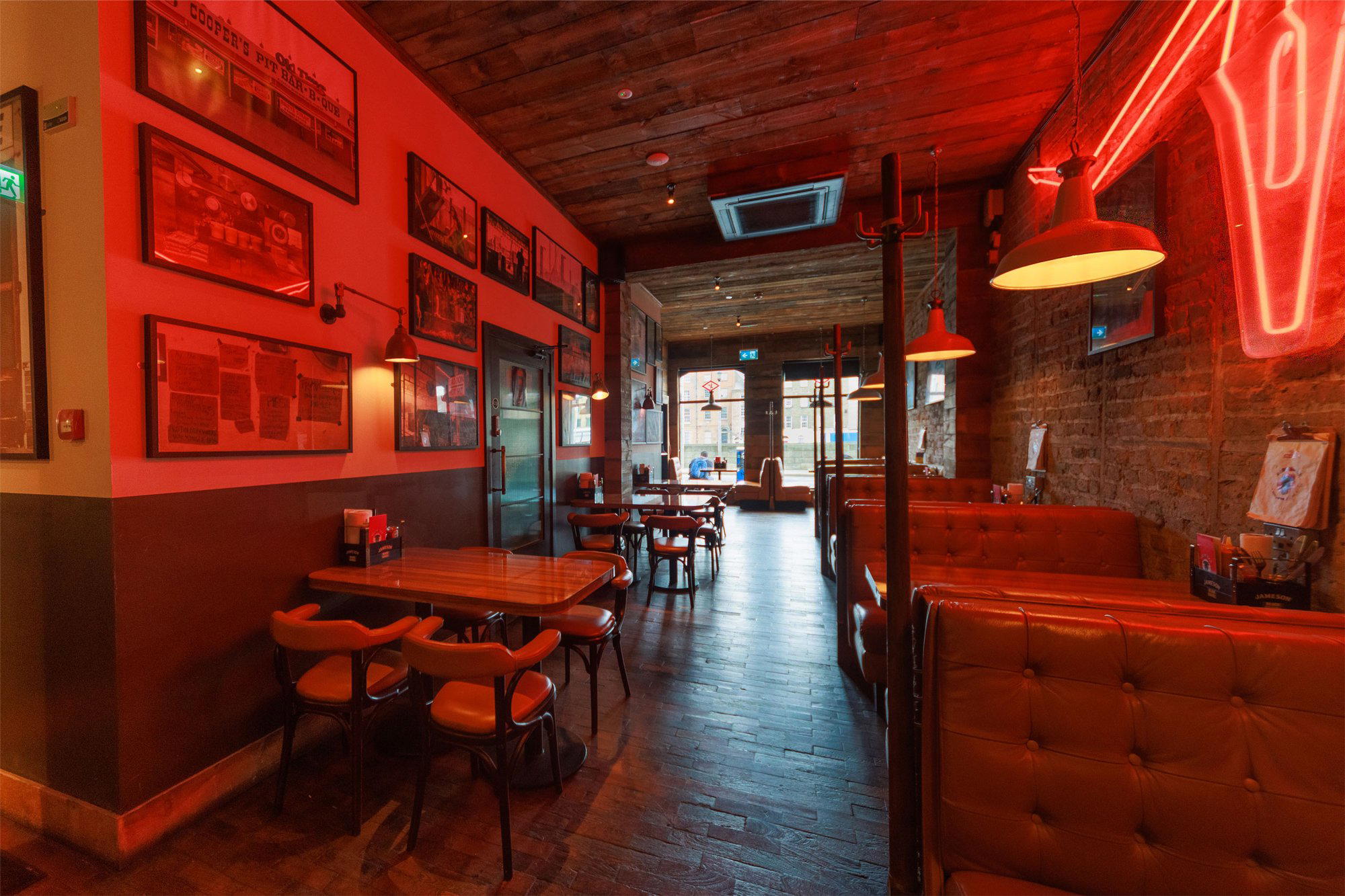
Bars in Dublin
Browse all →
Hotels in Dublin
Browse all →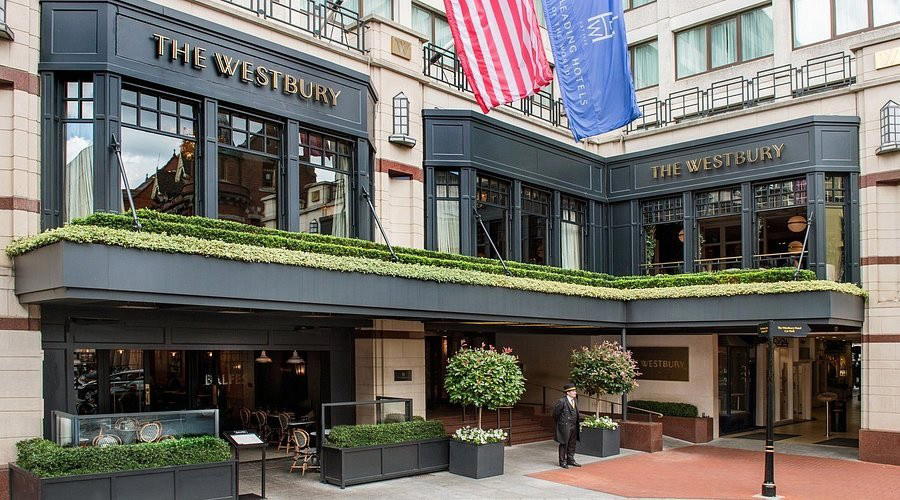
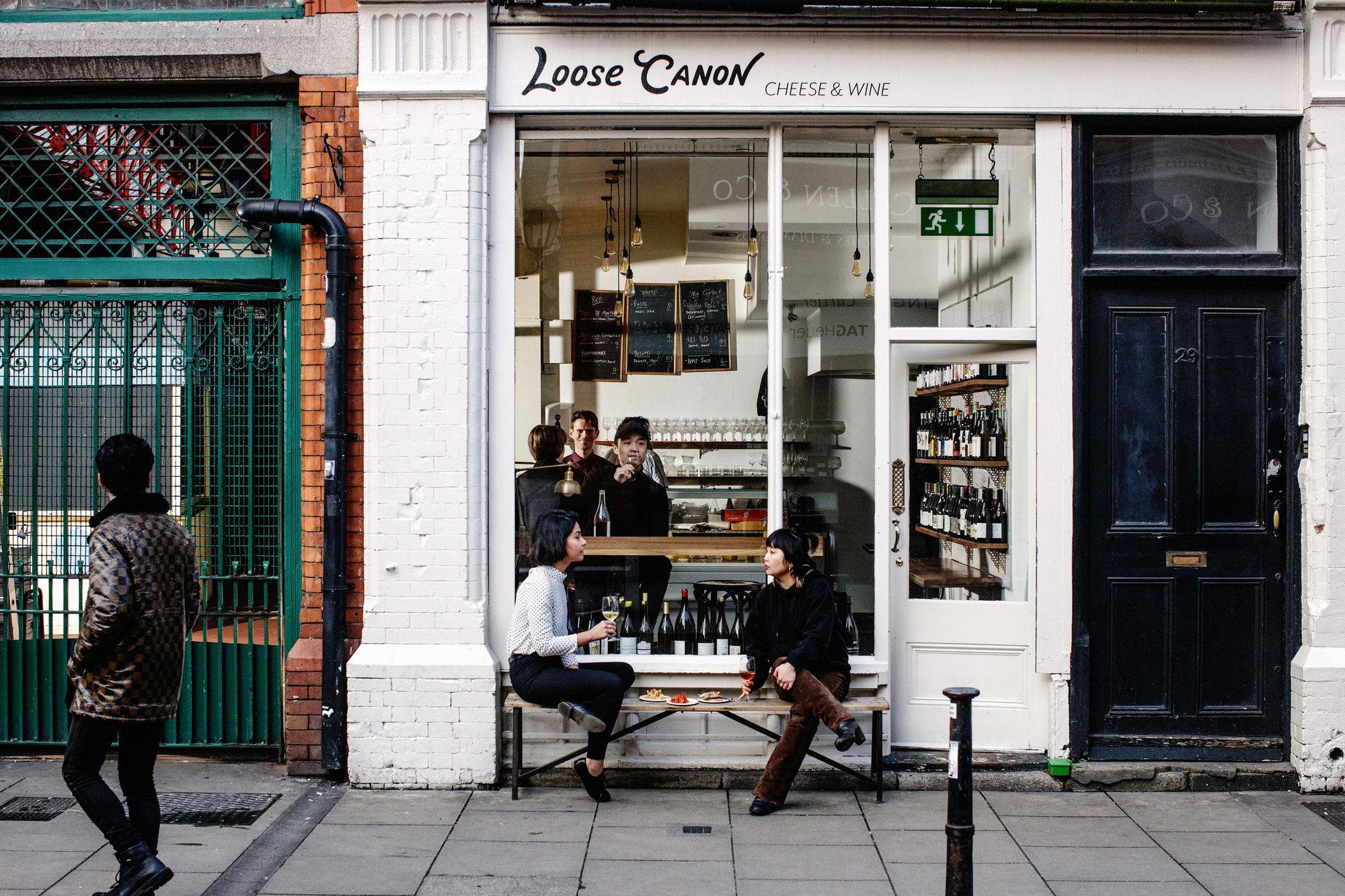
Wineries in Dublin
Browse all →
Details
- Cozy
- Classic
- Intimate
- Casual Hangout
- Brunch
- Historic Building
- Craft Cocktails
- Local Sourcing
- A La Carte
- Craft Cocktails
- Fine Wines
- Vegetarian Friendly
- Vegan Options
- Gluten Free Options
Current opening hours
- Monday
- 10:30 AM–9 PM
- Tuesday
- 10:30 AM–9 PM
- Wednesday
- 10:30 AM–9 PM
- Thursday
- 10:30 AM–9 PM
- Friday
- 10 AM–9 PM
- Saturday
- 10 AM–9 PM
- Sunday
- 11 AM–9 PM
Hours can change for holidays and private events. Last verified .
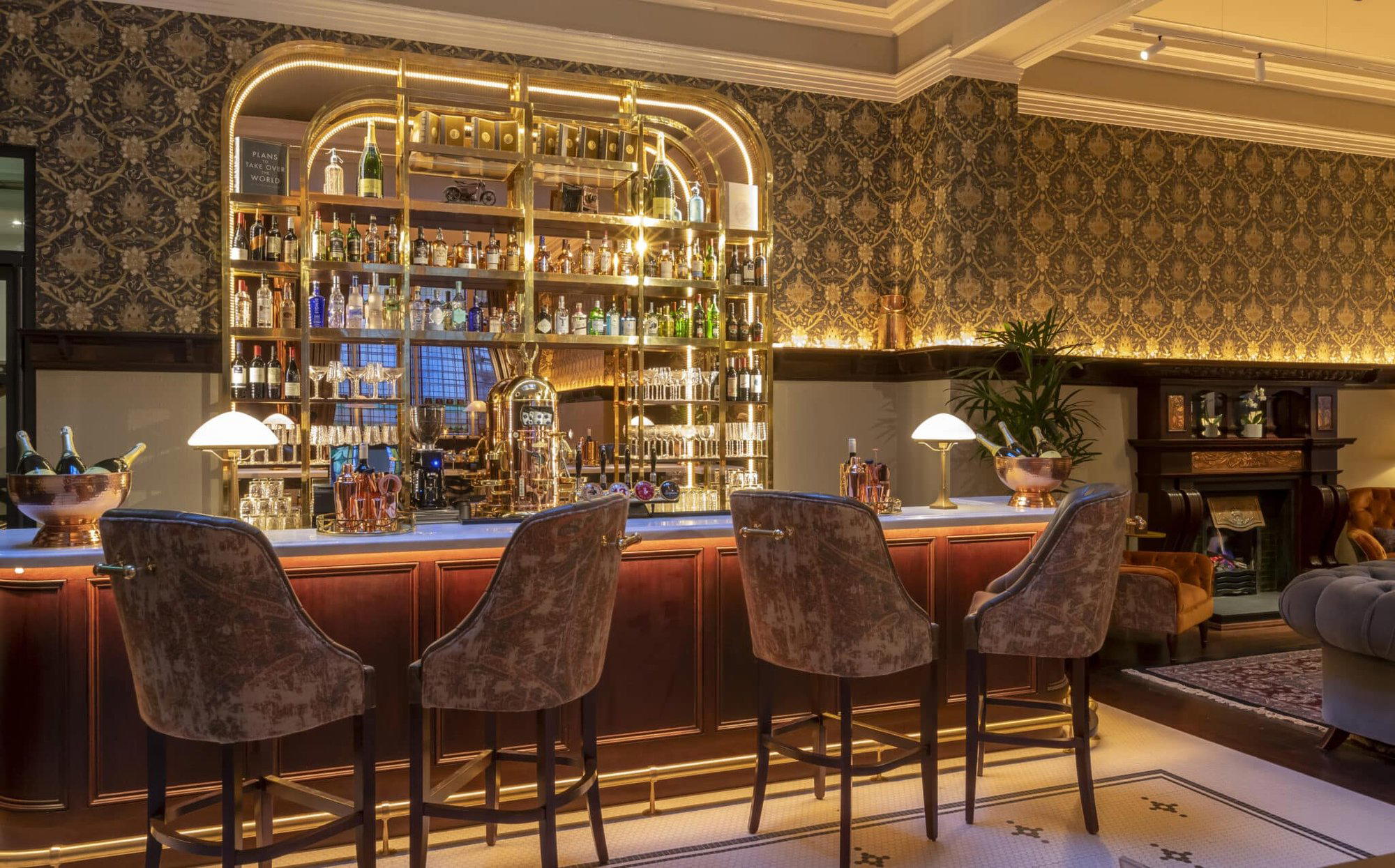
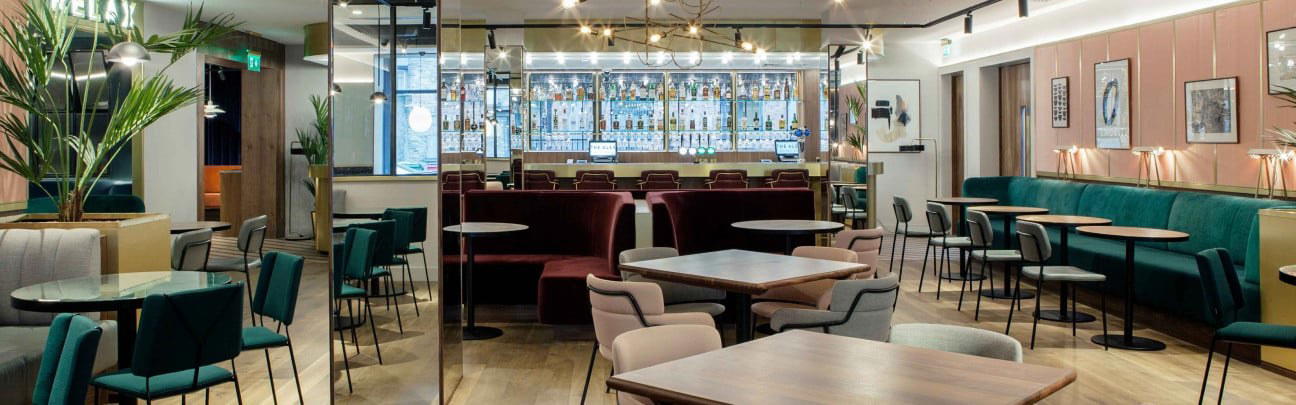
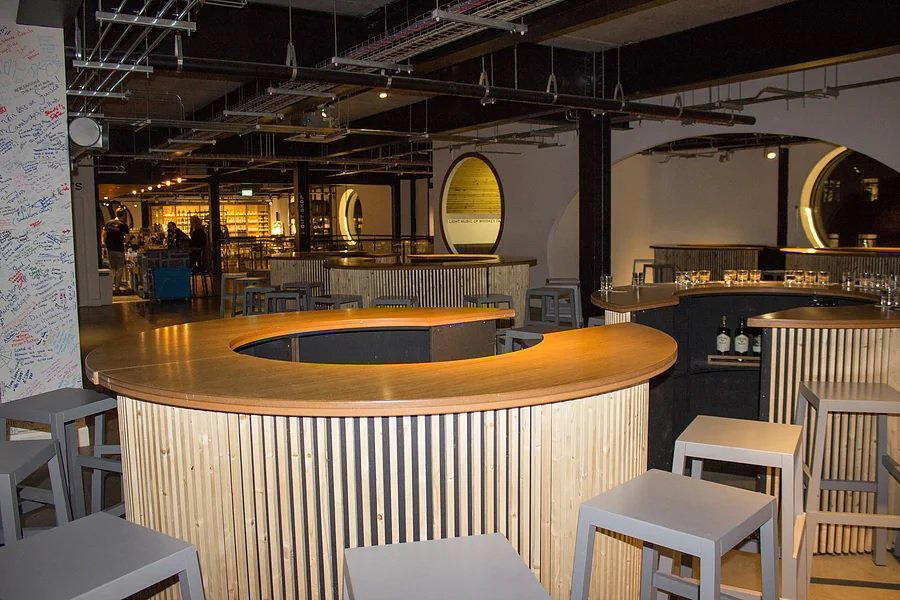
Warm and inviting with stylish décor providing a tranquil escape from the city hustle, featuring elegant lighting and a relaxed vibe.