Bombay Brasserie

A South Kensington institution that helped establish Indian fine dining on the London map, Bombay Brasserie occupies a spacious, colonially inflected dining room opposite Gloucester Road Tube. The scale and ambition of the space set it apart from the tighter modern Indian restaurants that followed in its wake, and it remains a reference point for understanding how the city's relationship with the subcontinent's food has evolved.
Pearl is the En Primeur Club membership app — saves, bookings, and concierge access live there. Same editors, same standards.
- Address
- Opposite Gloucester Road Tube, Courtfield Rd, South Kensington, London SW7 4QH, United Kingdom
- Phone
- +44 20 7370 4040
- Website
- bombayb.co.uk
- Directions
- Get directions
 Saves & bookings on Pearl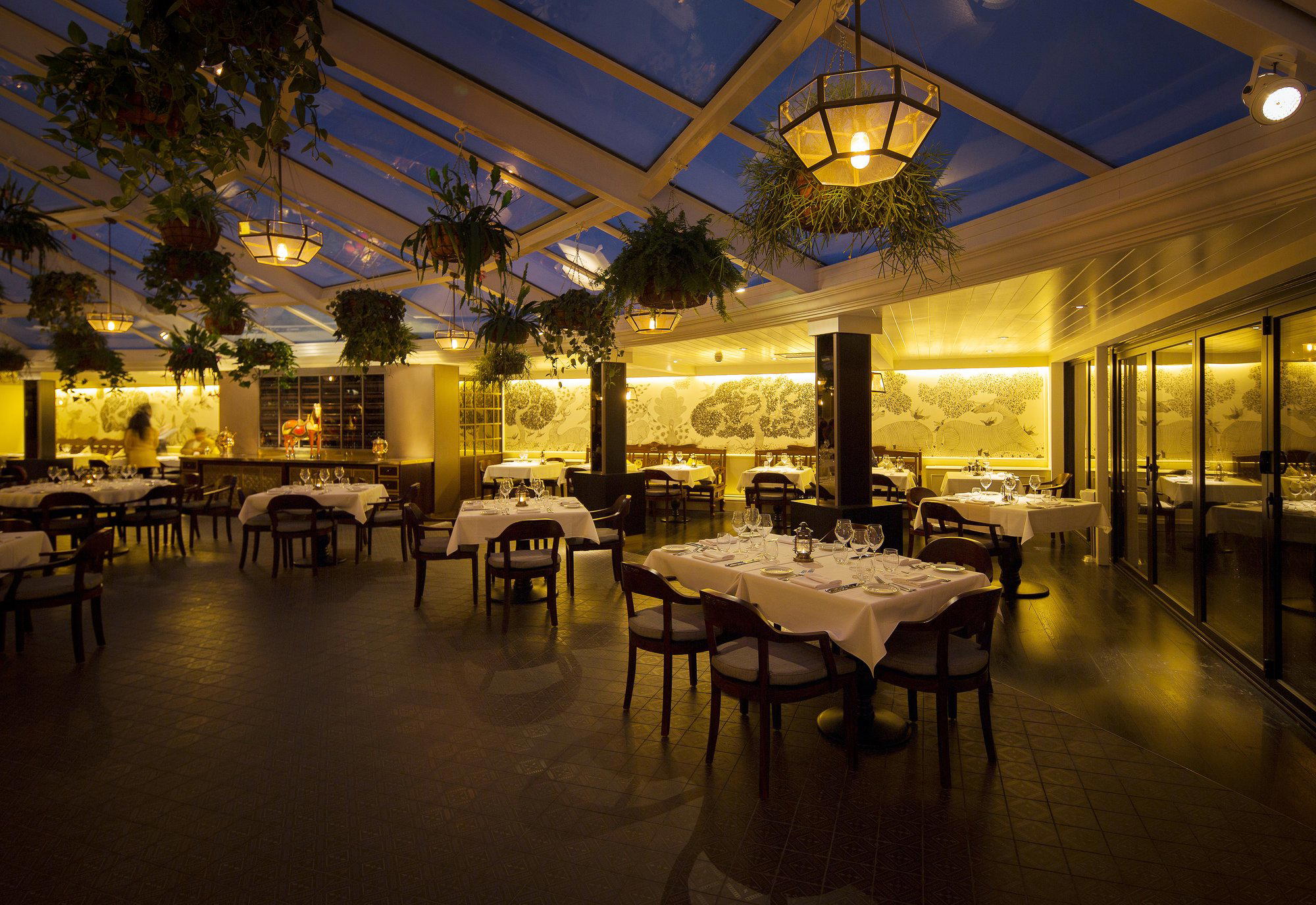
A Room That Argues Its Case Before the Menu Arrives
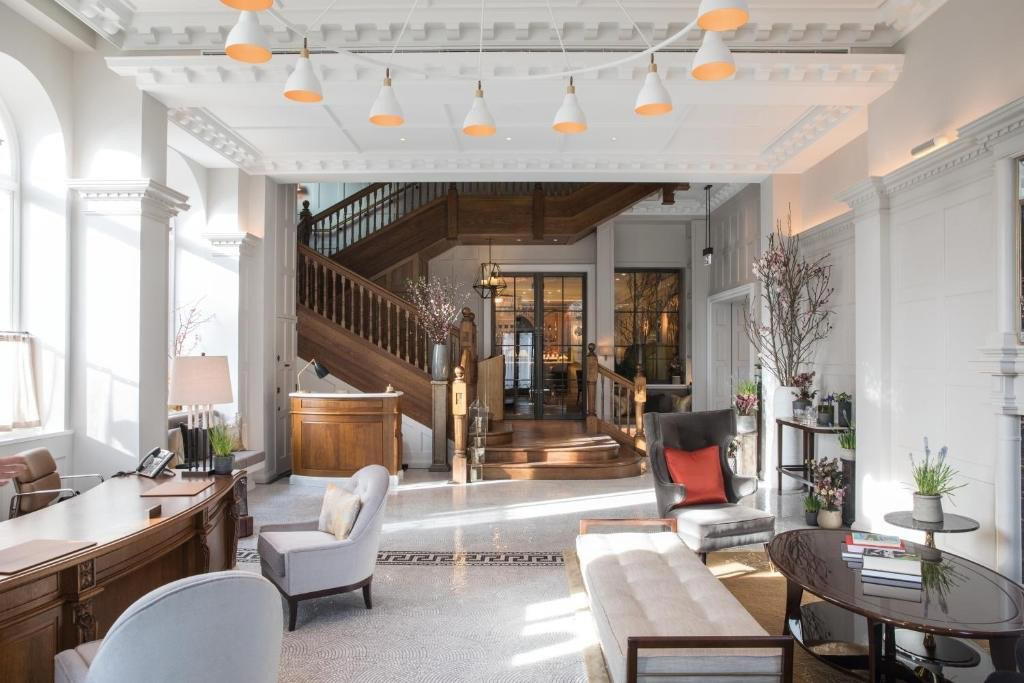
South Kensington's dining character skews residential and international in equal measure, shaped by the embassy belt, the museum district, and decades of wealthy expatriate tenants. The area has never quite developed the concentrated restaurant density of Soho or Fitzrovia, but what it has produced is a handful of rooms with genuine staying power, venues where the physical container is as much the point as the food inside it. Bombay Brasserie, situated directly opposite Gloucester Road Tube on Courtfield Road, belongs firmly to that tradition. The room's scale, high ceilings, colonial-era plantation detailing, a conservatory section that floods the rear of the restaurant with natural light, makes an argument for a certain kind of dining that smaller, more contemporary Indian restaurants in London have largely abandoned.
That architectural framing matters when placing Bombay Brasserie in context. The London Indian restaurant scene has bifurcated sharply over the past two decades: on one side sit the tightly edited tasting-menu formats (Gymkhana, Trishna, Sabor's Spanish adjacents) and on the other, the grand-brasserie model that allows for large tables, extended lunches, and a menu range that covers multiple regional Indian cuisines within a single sitting. Bombay Brasserie has always occupied the second category. Its longevity since the 1980s reflects a reading of what a particular segment of the London market, diplomats, well-travelled professionals, visiting South Asian diaspora families, actually wants from an upscale Indian dinner: space, breadth, and a degree of ceremony.
The Logic of the Space
Interior architecture in Indian restaurants across London tends toward one of two poles: the stripped-back minimalism that signals a willingness to compete on technique alone, or the layered visual density that positions food within a broader cultural context. Bombay Brasserie sits decisively at the second pole. The conservatory, in particular, functions as a design set-piece: it breaks the typical restaurant sequence of entrance, bar, dining room and creates a spatial narrative that rewards slow movement through the restaurant. Tables in that section tend to be especially requested, which says something about how the room shapes diner behaviour even before a menu is opened.
This approach to space has become rarer as central London rents have pushed operators toward higher table-turn efficiency and tighter floor plans. The restaurant model, generous table spacing, a design investment in atmosphere as a primary output, now feels like a reference point rather than a template, sitting in a comparable set that in London might include similarly scaled brasseries in hotel dining rooms or the larger Mayfair Indian restaurants, rather than the newer neighbourhood Indian restaurants that dominate critical coverage. For comparison, the Michelin-starred tier of London dining represented by venues like CORE by Clare Smyth, Restaurant Gordon Ramsay, or Sketch, The Lecture Room and Library competes on different terms entirely, tasting menus, rigorous technique documentation, and prix fixe formats that restaurant has never tried to replicate.
Cuisine in the Context of London's Indian Restaurant Evolution
When the restaurant opened, it occupied territory that barely existed: upscale Indian dining in London was thin, the association between Indian food and low-cost eating was strong, and the range of regional Indian cuisines available to a London diner was extremely narrow. The restaurant's original brief, to represent the broader complexity of Indian cookery, from coastal Goan preparations to Mughlai-influenced northern dishes, was more ambitious than it might read now, after thirty-plus years of Indian restaurant expansion in the city.
That context shapes how to read the menu today. The approach has always been interpretive rather than strictly traditional, aiming to translate regional Indian cooking for an international dining room without reducing it to lowest-common-denominator curry house conventions. Where contemporary venues have moved toward single-region focus or chef-led reinvention (Asma Khan's Darjeeling Express, the Sethi family's Trishna, Rohit Ghai's Kutir all operate with tighter, more personally authored menus), the restaurant maintains a broader canvas. That breadth carries a trade-off: no single dish can receive the obsessive refinement that a shorter menu permits, but the range allows a table to move across India's geography in a single meal, which is its own form of value.
Venues like The Ledbury or Dinner by Heston Blumenthal are solving entirely different hospitality problems. The restaurant's competitive set is the large-format, mid-to-upper-price Indian restaurant in the zone between neighbourhood dining and tasting-menu fine dining, a category where atmosphere, service consistency, and menu breadth matter as much as any individual plate.
Placement in London's Wider Dining Map
South Kensington's position, between the Knightsbridge hotel corridor and the quieter residential streets of West Brompton, means the restaurant draws from a different catchment than a Soho or Mayfair restaurant. The Gloucester Road Tube stop directly opposite is a practical logistical advantage: the District, Circle, and Piccadilly lines all stop there, which makes the restaurant more accessible from central and east London than the postcode might suggest. Pre-theatre use is less common here than in Covent Garden, but the restaurant's scale accommodates private dining and group bookings in ways that tighter formats cannot.
For visitors building an itinerary around London's restaurant culture, the restaurant occupies a specific and useful position: it is the kind of venue that shows how Indian food was repositioned as a serious dining category in this city, and that history is legible in the room itself.
Beyond London, readers whose appetite for serious British dining extends to the country's Michelin-starred destination restaurants will find a different set of reference points in venues like The Fat Duck in Bray, L'Enclume in Cartmel, Moor Hall in Aughton, Gidleigh Park in Chagford, Hand and Flowers in Marlow, or hide and fox in Saltwood.
Planning Your Visit
| Detail | The restaurant | Typical Michelin-Starred London Peer (e.g. CORE, Gordon Ramsay) | Contemporary Indian Mid-Market (e.g. Trishna) |
|---|---|---|---|
| Format | Grand brasserie, à la carte | Set tasting menu | À la carte, focused menu |
| Location | South Kensington (Gloucester Road Tube) | Chelsea / Mayfair | Marylebone / Soho |
| Space character | High ceilings, conservatory, large tables | Intimate, structured seating | Compact, modern |
| Price tier | £££ | ££££ (tasting menu, 200GBP+ per head) | £££ (moderate à la carte) |
| 6 to 12 weeks typical | 1 to 3 weeks typical |
Cuisine Lens
Comparable venues nearby, for context on price, style, and recognition.
| Venue | Cuisine | Price | Notes |
|---|---|---|---|
| Bombay BrasserieThis venue — the venue you are viewing | Modern Indian Brasserie | $$$ | Not listed |
| Thali | Modern North Indian | $$$ | Earl's Court |
| Bombay Palace | Traditional Indian | $$$ | Paddington |
| Three Falcons | Indian Gastropub | $$$ | Lisson Grove |
| Oudh 1722 | Awadhi fine dining from Lucknow in a historic Borough townhouse | $$$ | Borough |
| Gunpowder Tower Bridge | Modern Indian Small Plates | $$$ | Borough |
Recognition history
Dated appearances from independent guides and award organizations, with the underlying list record or original source where available.
Opinionated About Dining Casual in Europe Recommended
Opinionated About Dining
Continue exploring
More in London
Restaurants in London
Browse all →
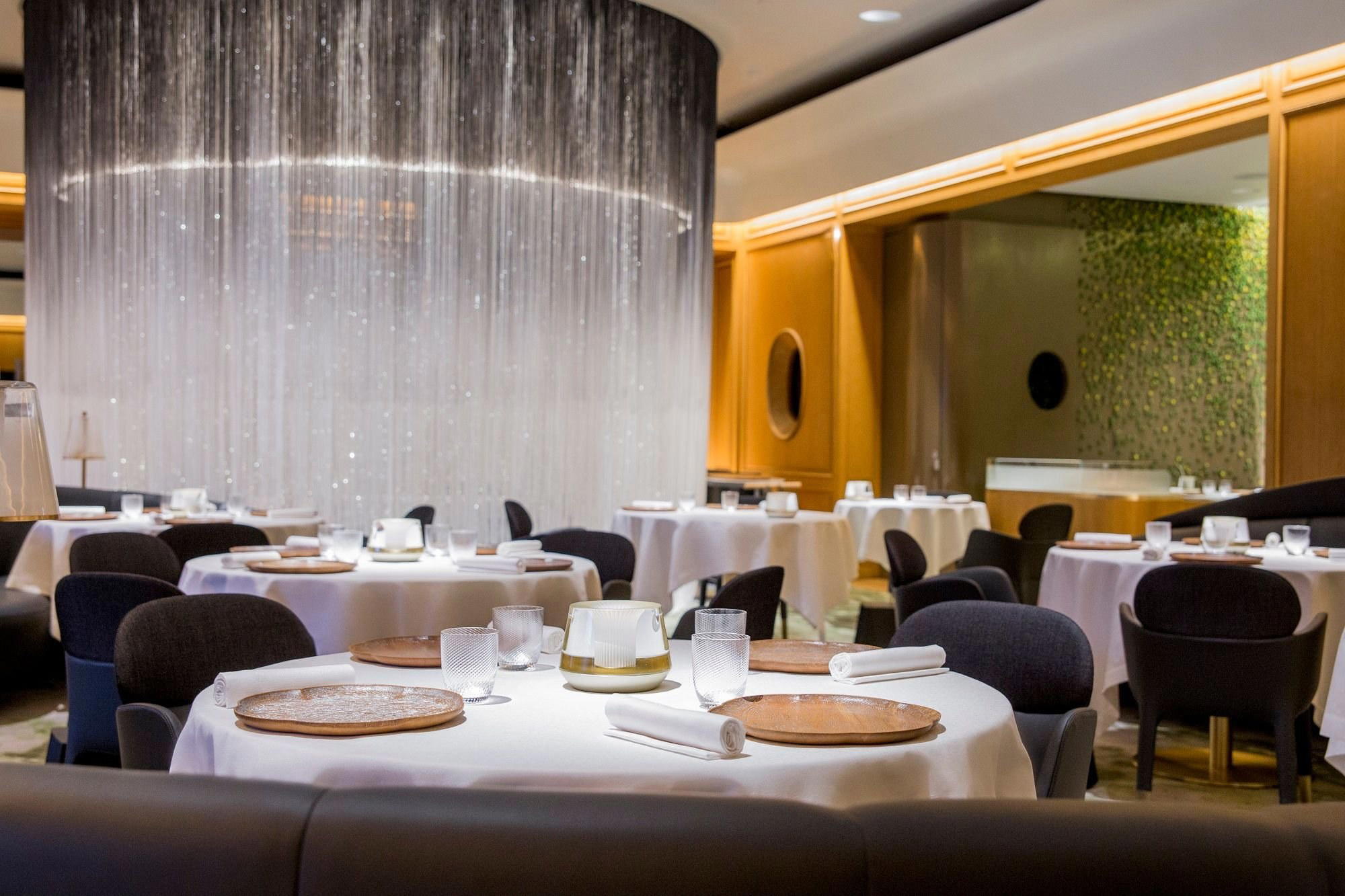
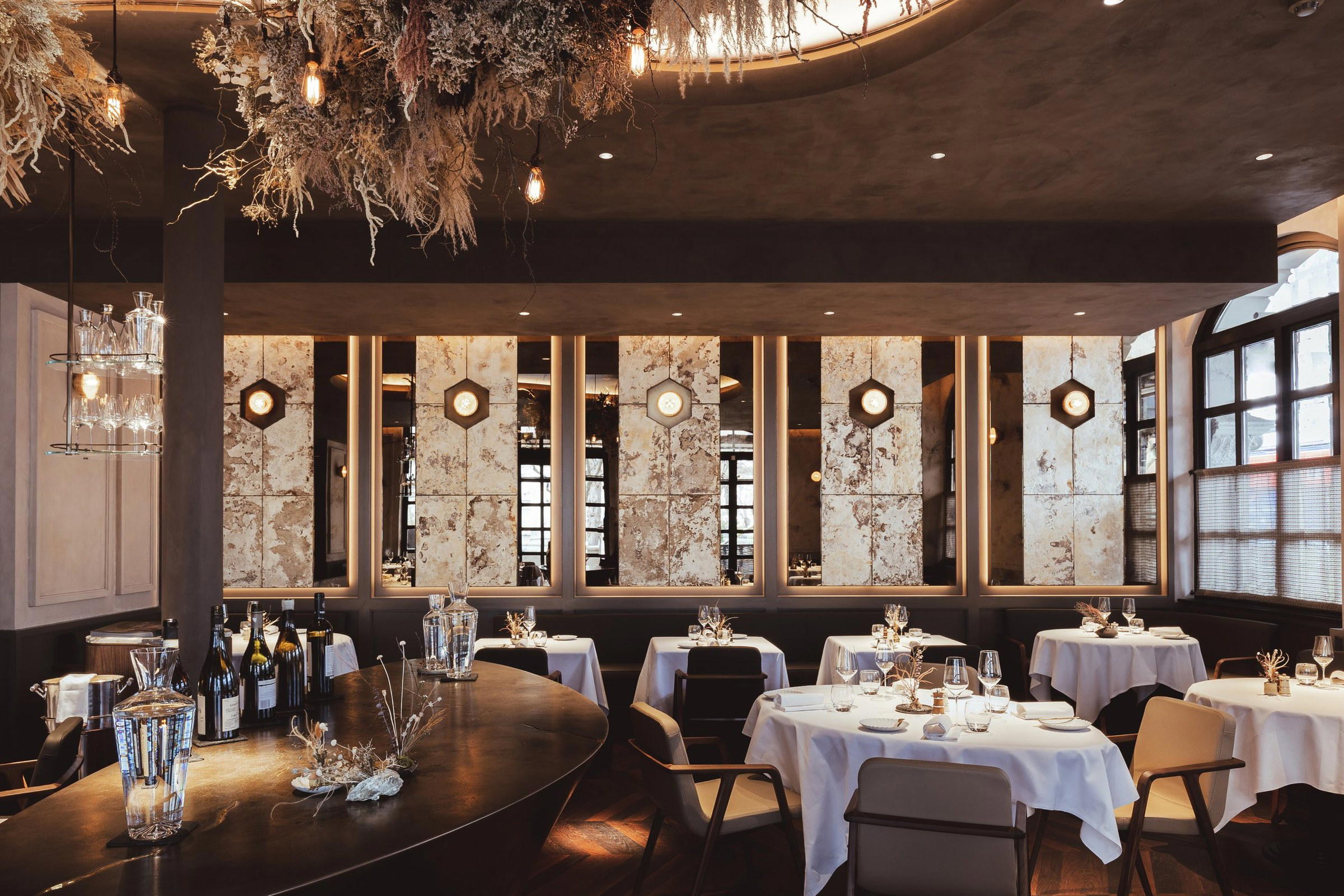
Bars in London
Browse all →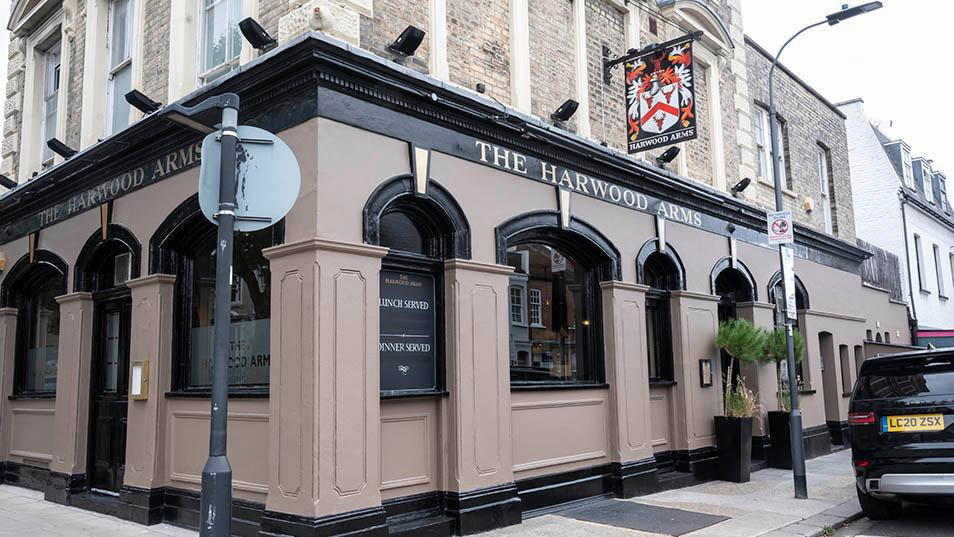
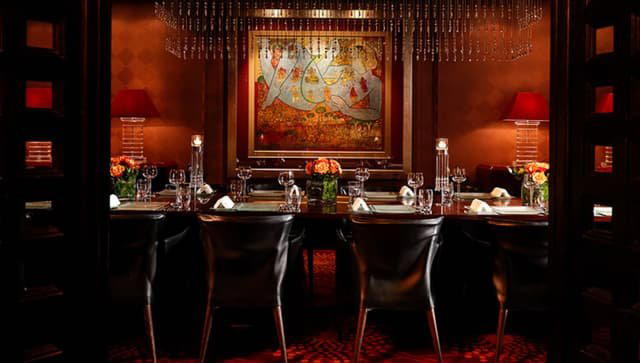
Hotels in London
Browse all →

At a Glance
- Elegant
- Sophisticated
- Classic
- Special Occasion
- Business Dinner
- Celebration
- Date Night
- Private Dining
- Craft Cocktails
- Extensive Wine List
Current opening hours
- Monday
- Closed
- Tuesday
- 5:30–10 PM
- Wednesday
- 5:30–10 PM
- Thursday
- 5:30–10 PM
- Friday
- 12:30–3:30 PM, 5:30–10:30 PM
- Saturday
- 12:30–3:30 PM, 5:30–10:30 PM
- Sunday
- 12:30–3:30 PM, 5:30–10 PM
Hours can change for holidays and private events. Last verified .
Spacious interior with airy conservatory, bright murals, and elegant atmosphere praised for its beauty and design.