
World's 50 Best #46
Our verdict
Budapest's most historically freighted restaurant, Gundel has anchored the city's fine dining conversation since the late nineteenth century. A World's 50 Best ranked entry as recently as 2002, it represents the institutional weight of Hungarian traditional cuisine at its most formal, whole roasted and braised preparations, lake fish from the Hungarian interior, and the kind of service architecture that predates the modern tasting-menu era.

Pearl is the En Primeur Club membership app, where members save venues, book tables and use the concierge.
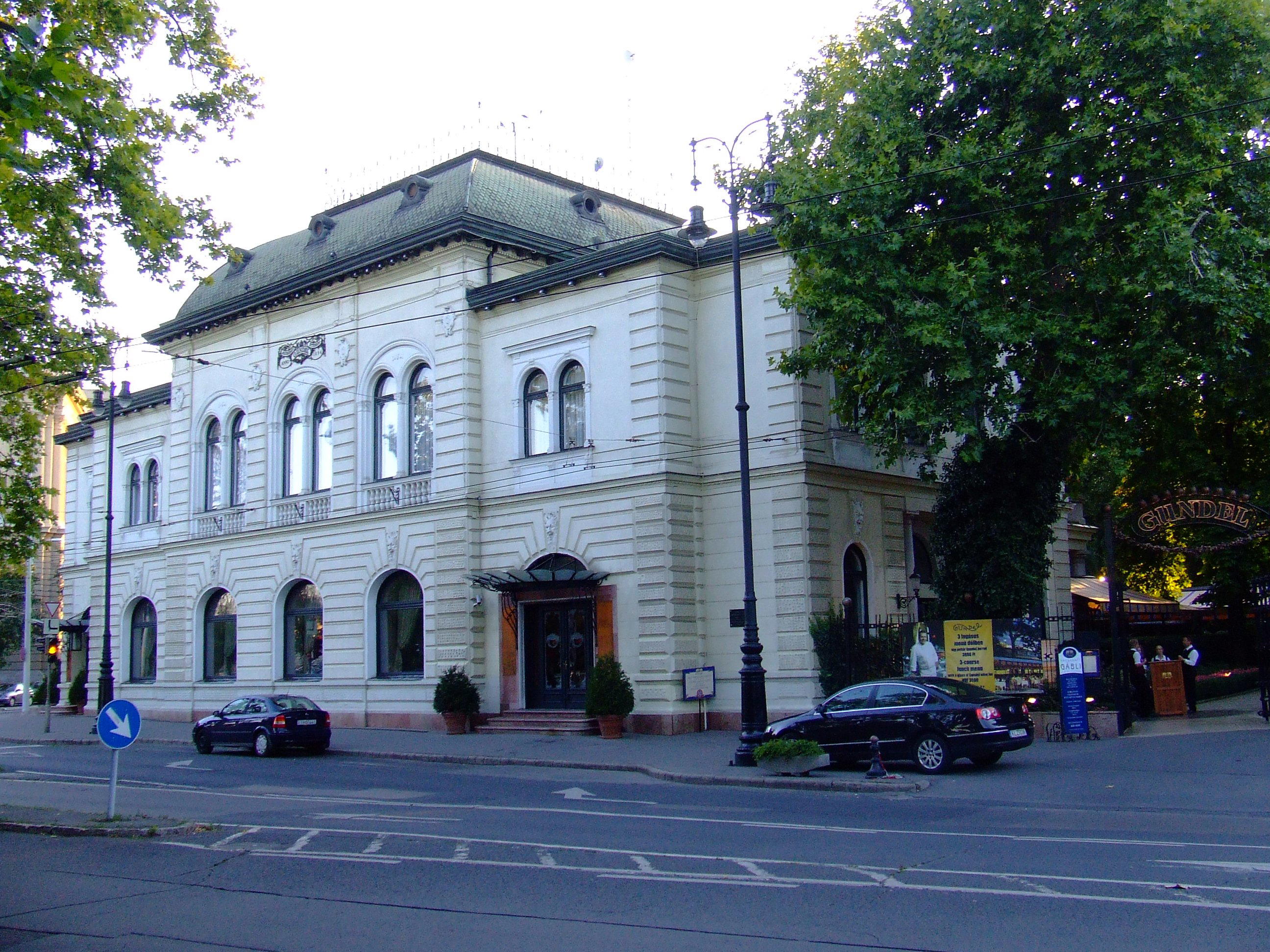
The Weight of Városliget
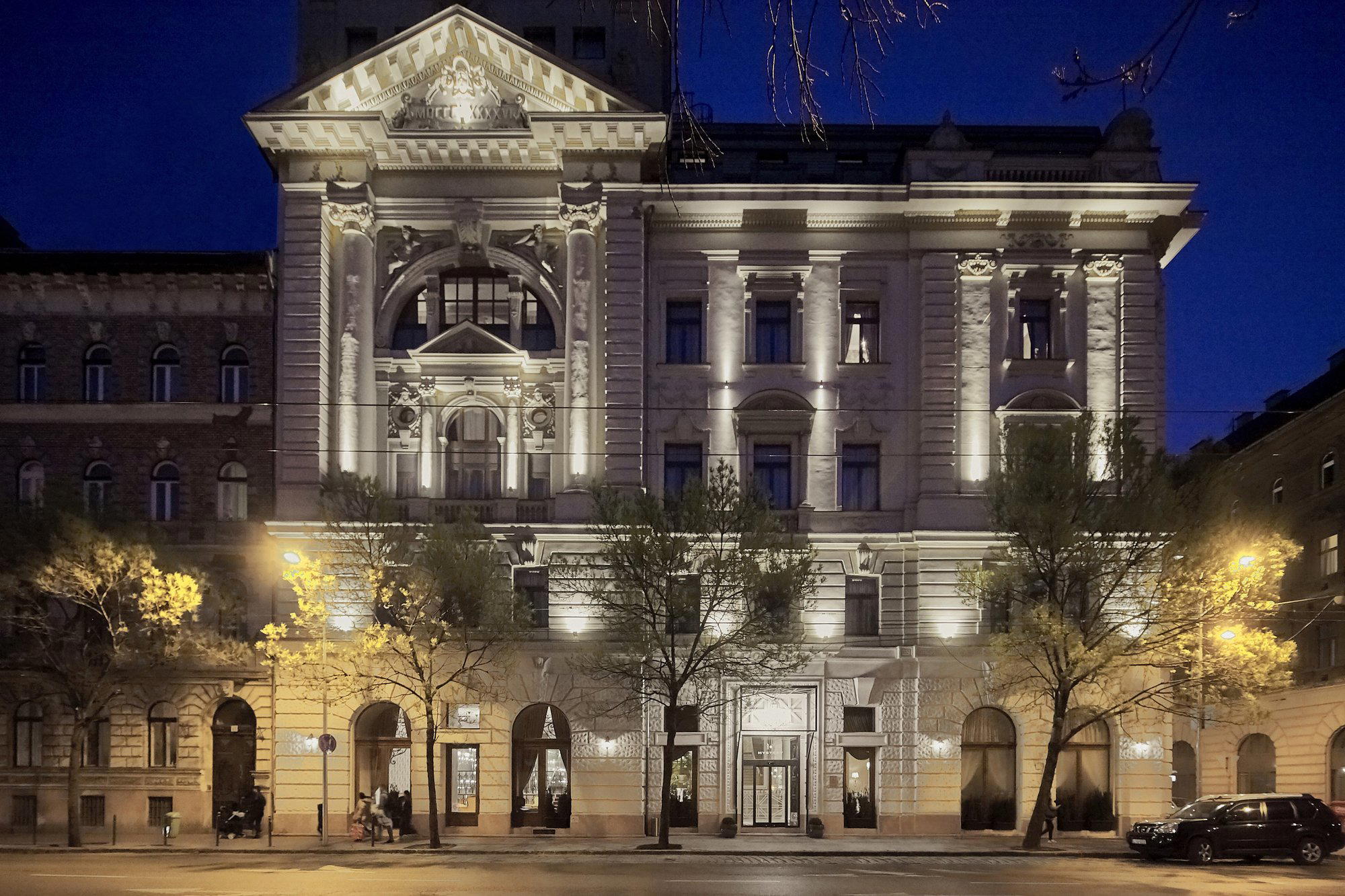
The approach to Gundel says something before the food does. Gundel Károly út 4 sits at the edge of Városliget, Budapest's oldest public park, and the building itself carries the density of over a century of civic occasion: state dinners, post-opera suppers, the kind of institutional meals that cities used to mark with geography as much as ceremony. In a dining city that has spent the last two decades building outward, toward Babel and Stand and the international-facing modernism of Costes, Gundel remains the address that points backward, and deliberately so.
The interior holds that tension between grandeur and use. High ceilings, formal table spacing, and the kind of room where the acoustics reward a lower register. This is not a venue trying to approximate warmth through exposed brick or ambient playlisting. The architecture sets an expectation: you are here for Hungarian traditional cuisine in its most considered institutional form, and the room will not apologize for that proposition.
Where the Ingredients Come From, and Why It Matters
Hungarian traditional cuisine is more ingredient-specific than its Central European neighbors tend to receive credit for. The country's agricultural geography is genuinely distinctive: the Tisza and Balaton lake systems supply freshwater fish, fogas (pike-perch) in particular, that appear at tables like Gundel because they appear almost nowhere outside the region. Mangalica pork, a lard-heavy Hungarian heritage breed that nearly disappeared in the second half of the twentieth century before a sustained revival effort, is now a marker of culinary seriousness at the country's premium addresses. Paprika, grown in concentrated form around Kalocsa and Szeged in the Great Plain, is not a finishing spice in this tradition but a structural one, built into the base of dishes rather than dusted over the surface.
For a restaurant operating at the tier Gundel has occupied historically, these sourcing decisions function as a kind of editorial position. Traditional Hungarian cooking is not austere, and it is not ingredient-minimal. The richness of the fat, the depth of the paprika braises, the weight of the lake fish preparations, these are the substance of the tradition, not stylistic flourishes. Where Budapest's newer modern cuisine addresses use Hungarian ingredients as a point of provenance within a lighter European framework (the approach at Borkonyha Winekitchen or essência), Gundel's frame is the tradition itself. The sourcing is the cuisine.
This is what separates the city's heritage fine dining from the modern tier more cleanly than price or formality does. Restaurants like Pajta in Őriszentpéter or Platán Gourmet in Tata are working regional-ingredient frames outside the capital, but with a contemporary technique overlay that Gundel does not apply. Gundel's kitchen translates the same sourcing geography through classical preparation rather than reinterpretation.
The 50 Best Bracket and What It Signals
Gundel's appearance at number 46 on the World's 50 Best Restaurants list in 2002 is not a current marketing point, it is a historical data marker. In 2002, the list was in its first year of publication, and the restaurants that appeared on it represented the establishments that serious international food media had already established consensus around. Gundel's placement in that inaugural cohort positioned it alongside addresses that had been operating at an internationally recognized level for a sustained period. Le Bernardin in New York City appeared in similar early-era lists as an anchor of classical technique; Gundel occupied an analogous institutional role for Central European traditional cooking.
The 2002 list did not include Budapest's current generation of modern cuisine addresses, those did not yet exist in their current form. Gundel was representing a different argument: that Hungarian classical cooking, at its most seriously executed, belonged in international fine dining conversation. That argument was accepted. The subsequent two decades of Budapest dining development have diversified the city's representation considerably, but the historical validation of what Gundel was doing remains on record.
For comparison, addresses like Atomix in New York City represent how national cuisines enter the international fine dining tier through contemporary reinterpretation. Gundel made the equivalent move for Hungary through pure classical tradition, an approach that requires a different kind of discipline because there is no modernist technique available to smooth over sourcing gaps or inconsistency.
Budapest's Traditional Tier in Context
Budapest's restaurant scene has stratified sharply since the early 2000s. The modern cuisine addresses that have accumulated Michelin recognition and international attention operate in a format, tasting menus, wine pairings, seasonal reinterpretation, that is legible to the global fine dining consumer regardless of geography. Gundel's format is not that. It is a restaurant where the format is inseparable from the cuisine, and the cuisine is Hungarian traditional at its most formally presented.
That makes it a different kind of decision for an international visitor than choosing between Stand and Babel. Those addresses offer Hungarian ingredients filtered through a contemporary European fine dining grammar. Gundel offers the grammar of the tradition itself. Neither is a substitute for the other. A visitor who moves between the two tiers, classical and contemporary, gets a more accurate account of what Budapest's dining character actually is than one who stays exclusively in the modern tier.
Outside the capital, addresses like 42 Restaurant in Esztergom, 67 Sigma in Székesfehérvár, and A Konyhám Stúdió 365 in Fonyód demonstrate that serious Hungarian cooking is not a Budapest-only proposition. Alkimista Kulináris Műhely in Szeged works deep into regional southeast Hungarian ingredients. But none of these operate with the formal weight of Gundel's particular position in the city's history.
It is the kind of rating that says the kitchen has not coasted on historical reputation alone.
Planning Your Visit
Gundel sits at Gundel Károly út 4 in Budapest's XIV district, adjacent to Városliget park and within walking distance of Heroes' Square, which means it draws on both the tourist circuit and the local occasion-dining market simultaneously. For visitors, the park location makes the restaurant a natural anchor for an afternoon that moves between the major museums and a serious dinner. Tables at a restaurant of this profile and occasion-dining function tend to book ahead, particularly for weekend evenings; arriving with a reservation rather than as a walk-in is the sensible approach, especially in the spring and summer months when Városliget draws significant visitor traffic.
The dining room's formality signals that this is a setting where occasion dressing reads appropriately. It is not the kind of room where technical casual clothing aligns with the architecture. For visitors building a broader picture of Budapest's dining scene, our full Budapest restaurants guide maps the full range from Gundel's tier down through the city's bistro and wine-kitchen registers. Our full Budapest hotels guide, bars guide, wineries guide, and experiences guide provide the surrounding infrastructure for a complete visit.
Frequently asked questions
What's the signature dish at The Grundel?
How far ahead should I plan for The Grundel?
What's The Grundel leading at?
In Context: Similar Options
Comparable venues nearby, for context on price, style, and recognition.
| Venue | Cuisine | Price | Awards | Notes |
|---|---|---|---|---|
| The GrundelThis venue (the venue you are viewing) | Historic Hungarian Fine Dining | $50–100 | World's 50 Best #46 | Not listed |
| Costes | Modern Hungarian Fine Dining | $150–200 | 1 Michelin Star · La Liste Top Restaurants | Varhegy |
| Babel | Modern Hungarian Fine Dining | Not listed | 1 Michelin Star · La Liste Top Restaurants | Belvaros |
| Stand | Modern Hungarian Fine Dining | $200–300 | 2 Michelin Stars · La Liste Top Restaurants | Belvaros |
| Rumour by Rácz Jenő | Modern Fusion Tasting Menu | $100–150 | 1 Michelin Star · La Liste Top Restaurants | Belvaros |
| Salt | Modern Hungarian Fine Dining | $150–200 | 1 Michelin Star · La Liste Top Restaurants | Belvaros |
Recognition history
Dated appearances from independent guides and award organizations, with the underlying list record or original source where available.
World's 50 Best Restaurants #46
World's 50 Best
Continue exploring
More in Budapest
Restaurants in Budapest
All restaurants in Budapest →
Bars in Budapest
All bars in Budapest →

Details
- Classic
- Elegant
- Historic
- Well Known
- Special Occasion
- Date Night
- Celebration
- Live Music
- Garden
- Historic Building
- Extensive Wine List
- Sommelier Led
- Garden
- Street Scene
- A La Carte
- Vegetarian Friendly
- Vegan Options
- Gluten Free Options
Current opening hours
- Monday
- 11:30 AM–10 PM
- Tuesday
- 11:30 AM–10 PM
- Wednesday
- 11:30 AM–10 PM
- Thursday
- 11:30 AM–10 PM
- Friday
- 11:30 AM–10 PM
- Saturday
- 11:30 AM–10 PM
- Sunday
- 11:30 AM–10 PM
Hours can change for holidays and private events. Hours as of .
Elegant art deco decor with live music from orchestras or piano, creating a sophisticated, nostalgic old-world atmosphere.