The Golden Swan

The Golden Swan occupies a West Village address on W 11th Street that has long attracted a dining crowd drawn more to intention than spectacle. In a New York moment when sustainability-led kitchens are moving from niche positioning to credible critical territory, this is a room worth tracking, particularly for guests who read sourcing practices as seriously as they read a wine list.
Pearl is the En Primeur Club membership app — saves, bookings, and concierge access live there. Same editors, same standards.
- Address
- 314 W 11th St, New York, NY 10014
- Phone
- +12125972681
- Website
- tgsnyc.com
- Directions
- Get directions
 Saves & bookings on Pearl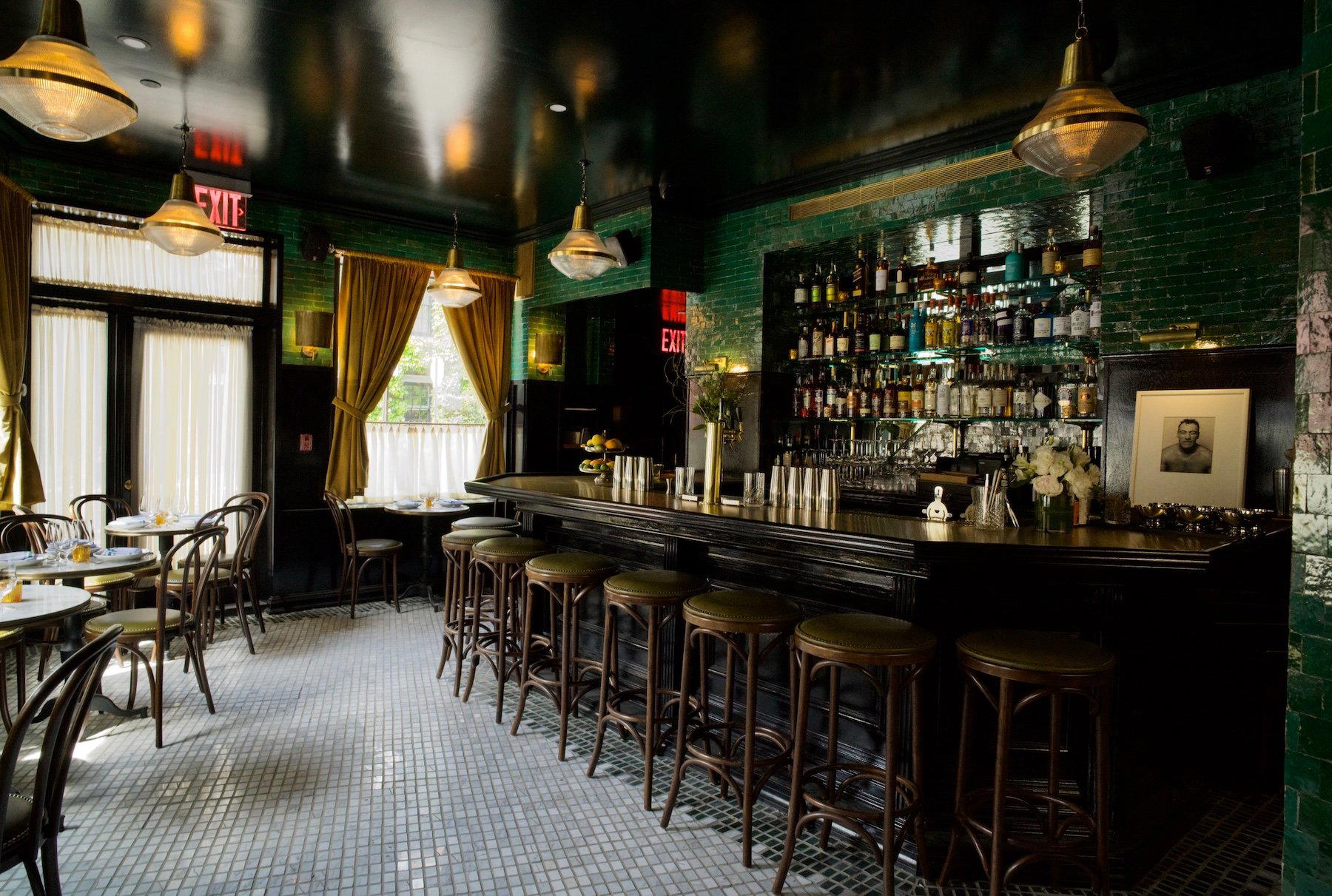
The Golden Swan in West Village: French Mediterranean dining with a 4.5 Google rating
West 11th Street in the West Village sits in one of Manhattan's most contested dining corridors, a block type where longevity is earned slowly and turnover is brisk. The address at 314 W 11th St places The Golden Swan in the West Village, where a committed local following tends to outlast any single season of press attention. That geography matters as context, because the restaurants that survive here rarely do so on concept alone.
Across the wider New York fine dining tier, where Le Bernardin, Per Se, and Masa define a ceiling shaped by decades of attention and institutional reputation, a smaller tier of independently minded kitchens has been gaining traction by framing their work around supply chain ethics rather than technique spectacle. The Golden Swan operates within that frame. What distinguishes it from the broader sustainability conversation in New York dining is not the rhetoric but the positioning: W 11th Street is not a restaurant row built for trend-chasing, and a kitchen that sets up there with an ethical sourcing emphasis is making a quieter, more durable argument.
Sustainability as Structure, Not Decoration
The shift in how New York's serious kitchens handle sourcing has been gradual but directional. A decade ago, farm provenance on a menu read as marketing shorthand. Now, at the tier where Atomix and Jungsik New York operate, sourcing transparency functions as a credibility signal, reviewers track it, and the city's more engaged dining audience notices its absence. The kitchens that have moved furthest in this direction treat waste reduction and ethical procurement as structural decisions that shape what ends up on the plate, not as an afterthought.
Regionally, the American restaurants that have made sustainability a genuine organizing principle, Blue Hill at Stone Barns in Tarrytown, Single Thread Farm in Healdsburg, Lazy Bear in San Francisco, share a common trait: the sourcing relationship precedes the menu, not the other way around. The dish is determined by what the producer has, not what the kitchen wants to cook. That inversion has consequences for how a guest experiences the meal. Menus change with genuine frequency, the seasonality is granular rather than decorative, and the kitchen's creative range is shaped by constraint rather than abundance.
For New York specifically, the challenge has always been geography: the city sits at enough remove from agricultural land that ingredient relationships require more active maintenance than they do for, say, The French Laundry in Napa or Addison in San Diego. The kitchens that make it work have established ongoing supplier relationships in the Hudson Valley and further afield, commitments that run year-round rather than peaking in summer and contracting in February.
The West Village Room
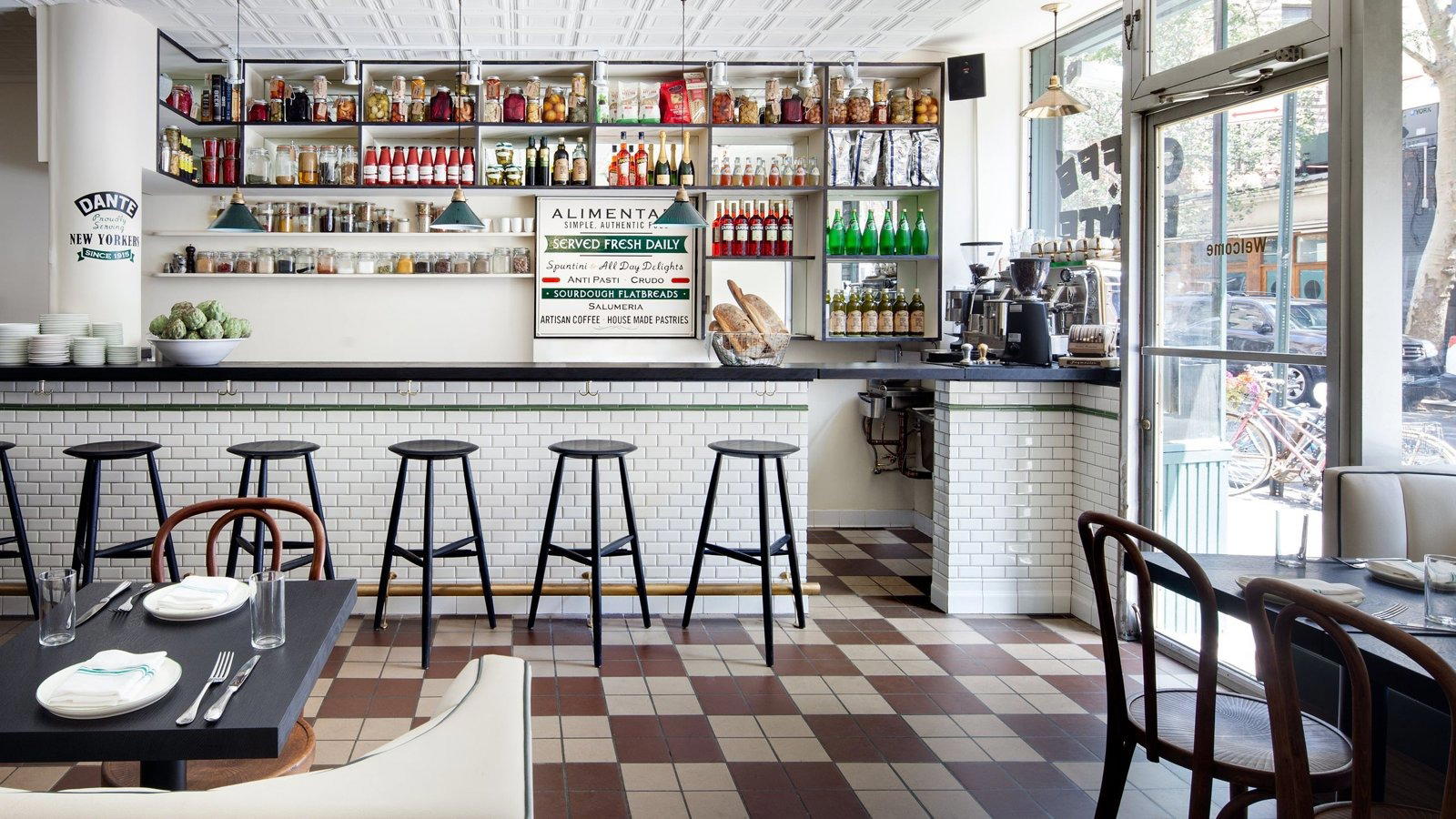
The room at 314 W 11th St is residential in scale, with proportions that make an intimate service format feel appropriate rather than forced. West Village dining rooms of this character tend to reward cooking that doesn't require theatrical distance between kitchen and guest, the format fits an approach where the ingredient story travels directly from a server's explanation to the plate in front of you, without requiring elaborate production design to land.
That physical scale aligns with the sustainability-led model in a practical sense. Smaller capacity means tighter inventory, and tighter inventory is easier to manage without waste. The kitchens in this tier that have particularly coherent zero-waste programs tend to be the ones with the least square footage and one disciplined mise en place. At Alinea in Chicago or Providence in Los Angeles, scale and ambition run together; here the logic is different, and smaller is a feature of the model rather than a limitation of it.
How The Golden Swan Sits in Its comparable set
Within the New York sustainability-forward tier, the restaurant's West Village address positions it differently from the farm-to-table restaurants that clustered in Brooklyn over the last decade. The West Village demographic skews older, wealthier, and less interested in earnest positioning. A sustainability-focused kitchen that opens here is implicitly signalling that the environmental commitment is embedded in the cooking rather than in the branding, the neighbourhood filters for that.
Nationally, the restaurants that have built particularly durable reputations around ethical sourcing, Bacchanalia in Atlanta, Emeril's in New Orleans, The Inn at Little Washington, have done so by making the sourcing decision invisible to the guest experience: you taste it rather than read about it. The same standard applies here. If the supply chain decisions are working, the guest encounters them through ingredient quality and seasonal specificity, not through prompting.
For those building a New York itinerary around the city's more considered end of the dining spectrum, our full New York City restaurants guide maps the broader range of options across neighbourhoods and price tiers. Internationally, kitchens that have taken sustainability as a serious structural commitment, 8½ Otto e Mezzo Bombana in Hong Kong and Alain Ducasse at Louis XV in Monte Carlo among them, demonstrate that the approach is not geographically specific; it scales with discipline at any tier.
Planning Your Visit
Address: 314 W 11th St, New York, NY 10014, West Village, accessible from the Christopher St-Sheridan Sq (1) and 14th St (A/C/E) subway stations. Dress: West Village fine dining norms apply, smart casual is standard, with the room's residential scale keeping the atmosphere from reading as formal. Budget: Pricing sits in the third tier. Timing: The restaurant is open Mon: 5–9 PM; Tue: 5 PM–12 AM; Wed: 5 PM–12 AM; Thu: 5 PM–1 AM; Fri: 5 PM–1 AM; Sat: 11 AM–1 AM; Sun: 11 AM–9 PM.
Awards and Standing
Comparable venues nearby, for context on price, style, and recognition.
| Venue | Cuisine | Price | Notes |
|---|---|---|---|
| The Golden SwanThis venue — the venue you are viewing | French Mediterranean | $$$ | Not listed |
| Bobo | Classic French Country | $$$ | West Village |
| Brasserie Cognac Midtown East | Classic French Brasserie | $$$ | East Midtown-Turtle Bay |
| Jacques Brasserie | Classic French Brasserie | $$$ | Upper East Side-Carnegie Hill |
| Le Jardin Bistro | Authentic French Bistro | $$$ | Lower East Side |
| Chez Josephine | Classic French Bistro | $$$ | Hell's Kitchen |
Recognition history
Dated appearances from independent guides and award organizations, with the underlying list record or original source where available.
Wine Spectator Award of Excellence
Wine Spectator
Continue exploring
More in New York City
Restaurants in New York City
Browse all →

Bars in New York City
Browse all →
Hotels in New York City
Browse all →







At a Glance
- Elegant
- Cozy
- Sophisticated
- Classic
- Date Night
- Group Dining
- Special Occasion
- Historic Building
- Craft Cocktails
- Local Sourcing
- Street Scene
Current opening hours
- Monday
- 5–9 PM
- Tuesday
- 5 PM–12 AM
- Wednesday
- 5 PM–12 AM
- Thursday
- 5 PM–1 AM
- Friday
- 5 PM–1 AM
- Saturday
- 11 AM–1 AM
- Sunday
- 11 AM–9 PM
Hours can change for holidays and private events. Last verified .
Graceful, lovely, and comfortable with warm golden tones, plush banquettes, sun-filled spaces, and Moroccan-tiled walls creating a sumptuous, elegant atmosphere.