Bobo occupies a West Village townhouse on West 10th Street, a address that places it inside one of Manhattan's most residential and historically layered dining corridors. The room draws on the neighbourhood's brownstone character, and the kitchen operates in a register that fits the block: considered, unhurried, and priced for a room that earns repeat visitors rather than destination tourists.
Pearl is the En Primeur Club membership app — saves, bookings, and concierge access live there. Same editors, same standards.
- Address
- 181 W 10th St, New York, NY 10014
- Phone
- +12124882626
- Website
- bobonyc.com
- Directions
- Get directions
 Saves & bookings on Pearl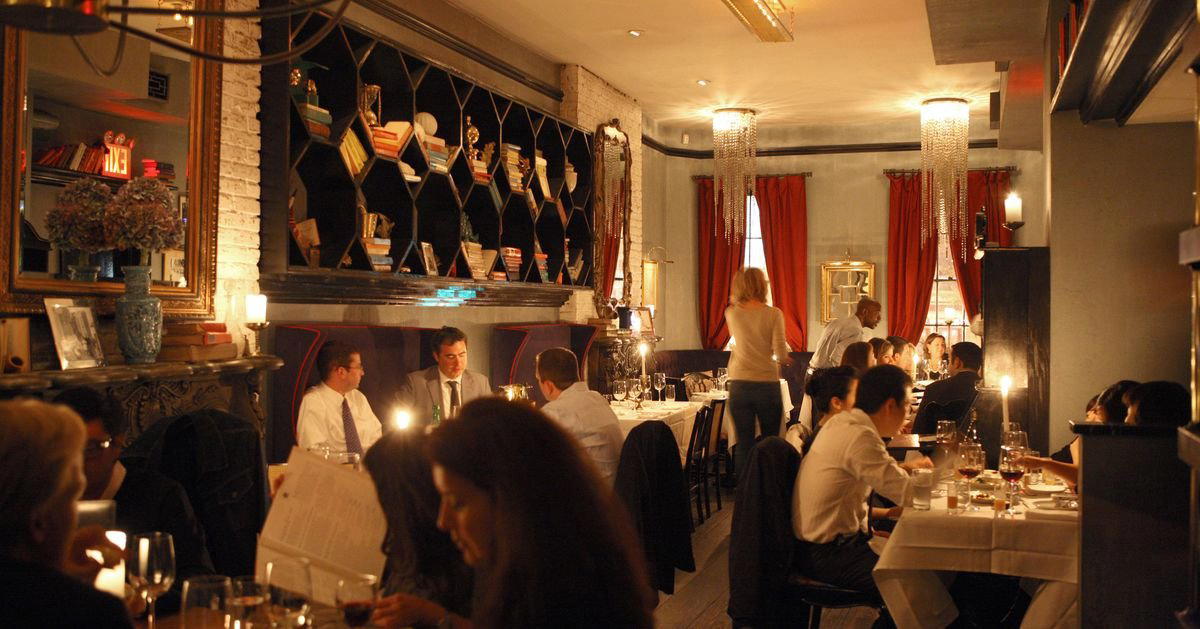
West 10th Street and What It Means for a Restaurant
The West Village has long operated as Manhattan's counterargument to spectacle dining. While the Flatiron corridor and Midtown's trophy rooms attract expense-account traffic and tourists with printed itineraries, the streets around Bleecker and West 10th have historically housed restaurants that survive on neighbourhood loyalty. Leases are harder to turn over here, rooms tend toward the intimate, and the diner profile skews toward people who live within walking distance and return often. Bobo, at 181 W 10th St in New York City, sits directly inside that tradition.
The address itself carries some weight. West 10th runs through the heart of the West Village's landmarked district, where Federal-era and Greek Revival townhouses set the architectural tone. A restaurant on this block is not trading on foot traffic from a hotel lobby or a transit hub; it is making a case to a neighbourhood that has seen dozens of openings come and go. That context shapes what kind of room tends to work here: one that reads as an extension of the surrounding residential character rather than a departure from it.
For comparison, the $$$$ tier in Manhattan at venues like Le Bernardin, Per Se, Masa, Atomix, and Eleven Madison Park operates through a logic of occasion dining: tasting menus, formal service, advance booking windows measured in months. The West Village's dining culture runs on a different rhythm. Rooms here are more likely to reward the walk-in or the same-week reservation, and the experience is calibrated to feel earned rather than ceremonial.
A Townhouse Setting and Its Implications
Restaurants housed in converted Manhattan townhouses occupy a specific architectural category. The floor-by-floor layout, the low ceilings of upper rooms, the original staircase geometry, these elements impose constraints that purpose-built restaurant spaces do not face. They also create the kind of spatial intimacy that is genuinely difficult to manufacture in a ground-floor room designed from scratch. The townhouse format, when it works, produces dining rooms that feel more like private apartments than public eating halls, which suits certain kinds of cooking and certain kinds of evenings.
Bobo's location in a West Village townhouse positions it in a comparable set that includes some of the neighbourhood's most durable addresses. The physical constraints of the building type tend to keep seat counts modest, which affects the pace of service and the noise levels in a way that distinguishes these rooms from larger, more commercially optimized spaces. For a neighbourhood defined by its resistance to the generic, the townhouse restaurant format has a particular coherence.
Where Bobo Fits in the West Village Dining Pattern
The West Village has historically produced restaurants that outlast trend cycles. The neighbourhood's dining character is less about chasing recognition, though recognition sometimes arrives, and more about the kind of consistency that builds a permanent local clientele. Across the broader map of American fine and near-fine dining, from Blue Hill at Stone Barns outside the city to Smyth in Chicago, the restaurants that carry real longevity tend to be places with a clear point of view on their setting and their diner. The West Village rewards exactly that.
Bobo's position on West 10th places it within easy reach of a cluster of serious addresses. The neighbourhood's restaurant geography is walkable and densely layered, which means diners who spend time in this part of Manhattan tend to cycle through a rotating set of favourites rather than committing to one destination for a special occasion. That pattern produces a different kind of regulars culture than the one that sustains Midtown's tasting-menu rooms.
For those building a broader itinerary, our full New York City restaurants guide maps the city's dining options across neighbourhoods and price tiers, and is worth consulting before fixing a week's reservations. The West Village alone contains enough serious cooking to anchor multiple evenings.
The Broader American Context
Placed in the wider American dining picture, the West Village neighbourhood restaurant occupies a tier that sits between the formal tasting-menu destination and the casual trattoria. It is a tier with real competition across the country: Lazy Bear in San Francisco, Frasca Food and Wine in Boulder, Providence in Los Angeles, and Addison in San Diego all move through the same question: how to sustain serious cooking without requiring the full apparatus of the formal dining occasion. Emeril's in New Orleans, Single Thread Farm in Healdsburg, and The French Laundry in Napa each represent a different answer to that question, shaped by their respective cities and settings.
In New York, the West Village's answer has traditionally been: keep the room small, keep the cooking grounded, and let the neighbourhood do the marketing. That approach produces a specific kind of dining experience, one that does not photograph well for social media but earns the kind of word-of-mouth that sustains a restaurant across years rather than months. Internationally, the model has parallels at places like Atelier Moessmer Norbert Niederkofler in Brunico and Dal Pescatore in Runate, restaurants where the setting and the local rootedness are as load-bearing as the kitchen's output. Closer to home, The Inn at Little Washington illustrates how deeply a restaurant can embed itself in its geographic context when the two are built around each other from the start.
Planning a Visit
The neighbourhood's character means that evenings here tend to run later and more loosely than in Midtown, and arriving with time to walk the surrounding streets before or after a meal is the standard approach for visitors who want to understand the area rather than simply pass through it.
The West Village dining room format means tables are likely limited in number, so advance enquiry is sensible for weekend visits.
Peers Worth Knowing
Comparable venues nearby, for context on price, style, and recognition.
| Venue | Cuisine | Price | Notes |
|---|---|---|---|
| BoboThis venue — the venue you are viewing | Classic French Country | $$$ | Not listed |
| Brasserie Boulud Lincoln Center | Seasonal French Brasserie by Daniel Boulud | $$$ | Lincoln Square |
| Levant on Smith | French-Mediterranean Bistro | $$$ | Carroll Gardens-Cobble Hill-Gowanus-Red Hook |
| L'Accolade | French Neo-Bistro | $$$ | West Village |
| Le Jardin Bistro | Authentic French Bistro | $$$ | Lower East Side |
| Bibliotheque | French Wine Bar & Café | $$$ | SoHo-Little Italy-Hudson Square |
Continue exploring
More in New York City
Restaurants in New York City
Browse all →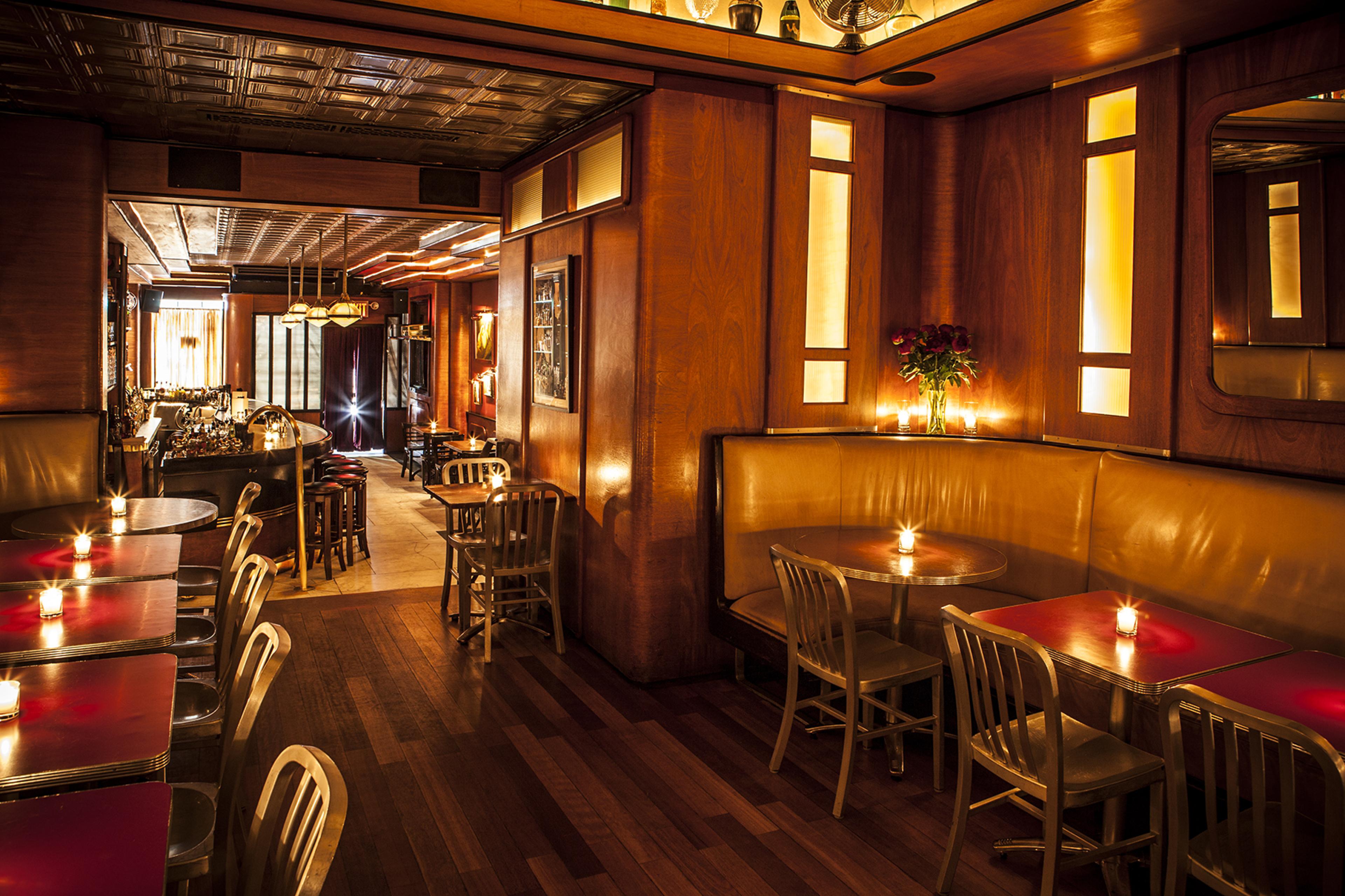
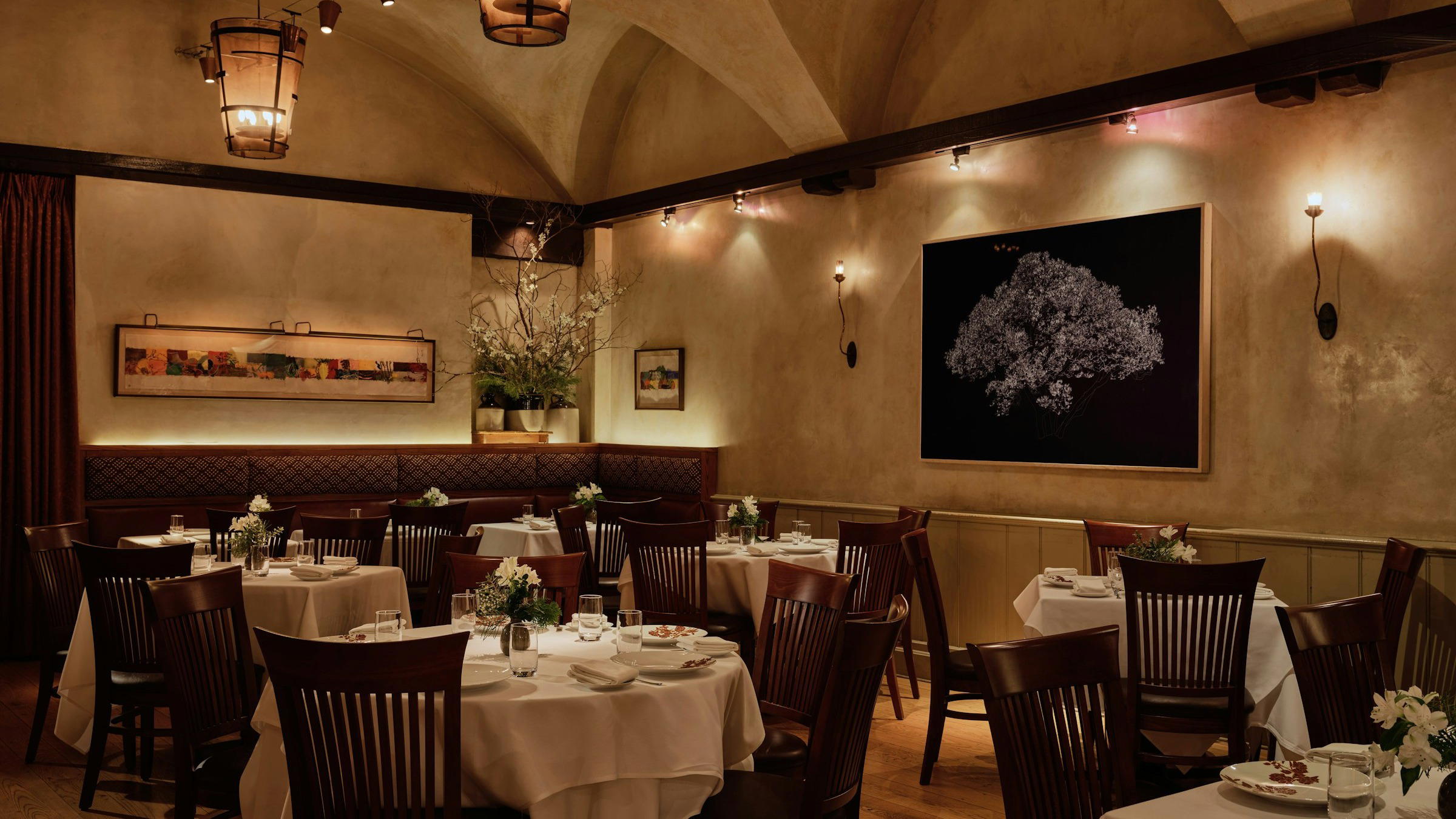
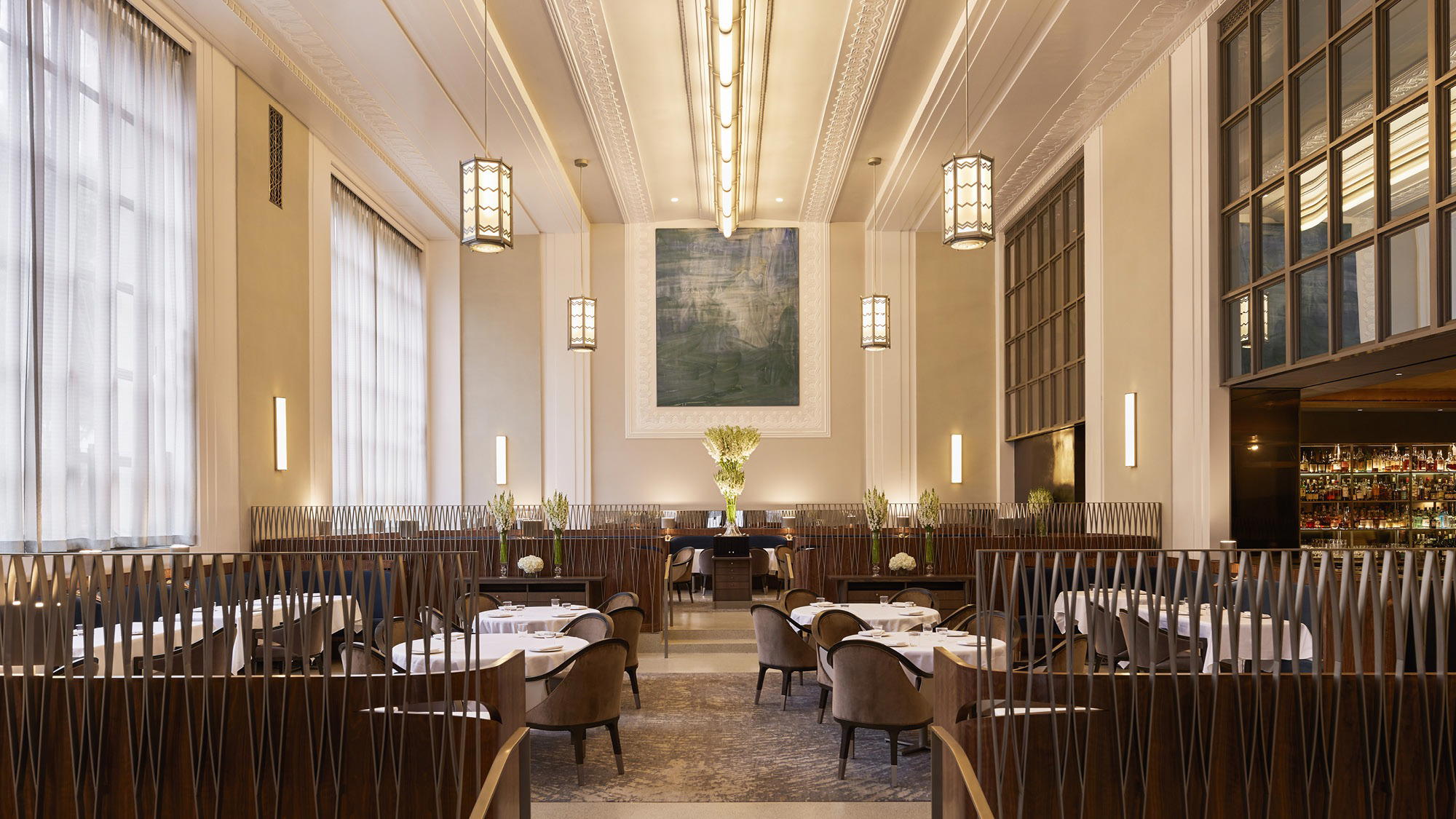
Bars in New York City
Browse all →
Hotels in New York City
Browse all →




At a Glance
- Romantic
- Cozy
- Elegant
- Rustic
- Intimate
- Date Night
- Special Occasion
- Brunch
- Garden
- Private Dining
- Historic Building
- Craft Cocktails
- Local Sourcing
- Garden
Current opening hours
- Monday
- 5–10 PM
- Tuesday
- 5–10 PM
- Wednesday
- 5–10 PM
- Thursday
- 5–10 PM
- Friday
- 5–11 PM
- Saturday
- 11 AM–11 PM
- Sunday
- 11 AM–10 PM
Hours can change for holidays and private events. Last verified .
Warm, inviting French country home decor across several floors with natural rustic elements, cozy lighting, and neighborly hospitality.