The Culpeper


A four-storey operation on Commercial Street in Spitalfields, The Culpeper layers a ground-floor pub, a first-floor restaurant, a second-floor hotel and a working rooftop vegetable garden into a single address. Named after 17th-century herbalist Nicholas Culpeper, the kitchen runs a weekly-changing menu with consistent attention to vegetables and a guaranteed vegetarian option at every service.
Pearl is the En Primeur Club membership app — saves, bookings, and concierge access live there. Same editors, same standards.
- Address
- 40 Commercial St, London E1 6LP, United Kingdom
- Phone
- +44 20 7247 5371
- Website
- theculpeper.com
- Directions
- Get directions
 Saves & bookings on Pearl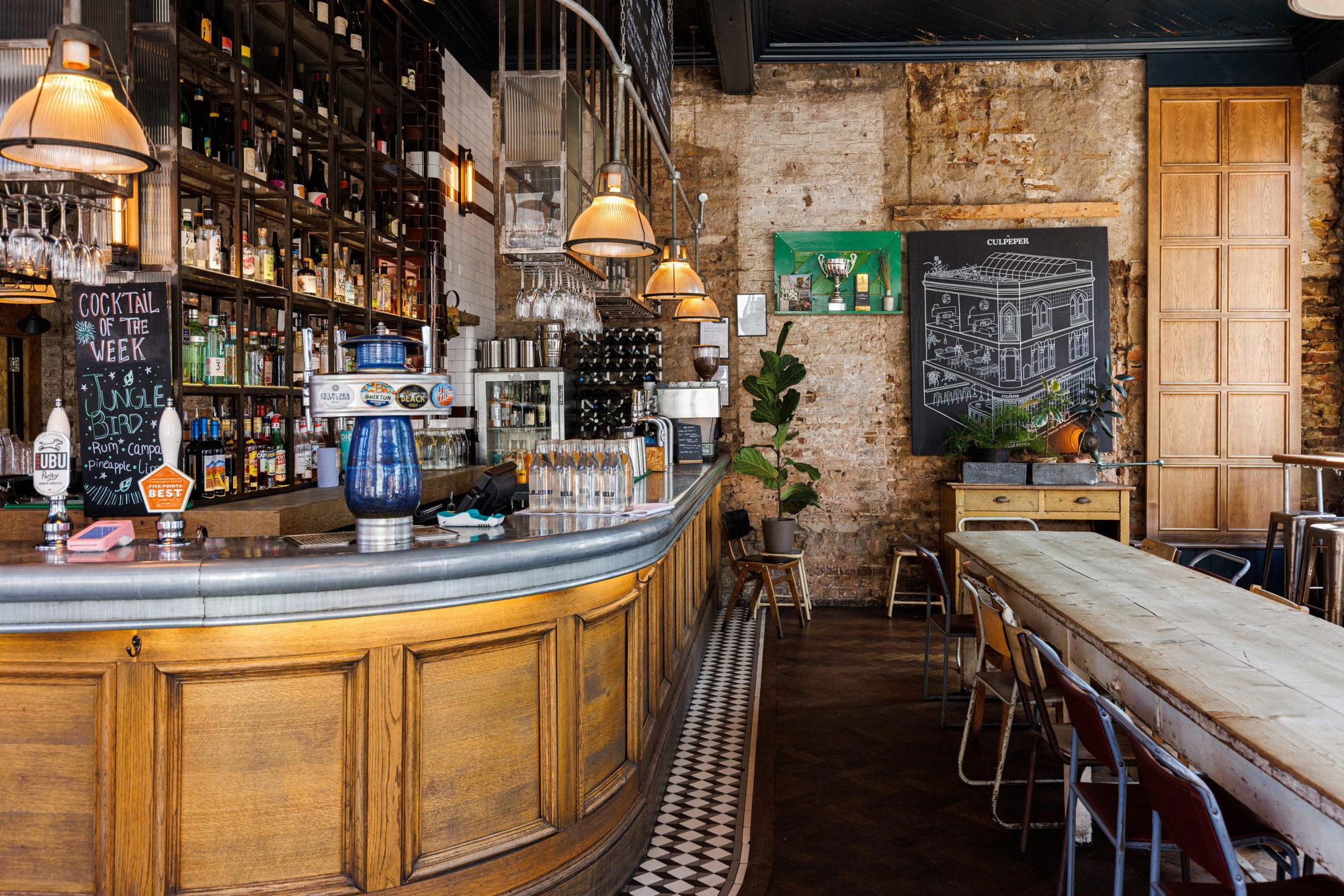
Four Floors, One Address: The Culpeper in Context
Spitalfields occupies a particular position in London's east end story: a neighbourhood that has moved from market-town fringe to creative-professional corridor without fully shedding either identity. Commercial Street sits at the junction of those two versions of the area, and The Culpeper at number 40 reflects that layering with unusual literalness. The building stacks a pub on the ground floor, a restaurant on the first, a hotel on the second, and a working vegetable garden on the roof. That vertical integration is not a novelty pitch. It represents a specific approach to sourcing and service rhythm that positions The Culpeper in a different competitive bracket from the high-tasting-menu addresses in London's west, venues such as CORE by Clare Smyth, The Ledbury, or Alain Ducasse at The Dorchester.
The Ritual of the Weekly Menu
The dining ritual at the restaurant is shaped by one structural decision: the menu changes every week. In a city where seasonal menus typically rotate quarterly, a weekly cycle signals something different about kitchen priorities. It shifts the rhythm of the meal away from set-piece tasting formats and toward the kind of cooking that responds to what is available rather than what is designed. For the diner, that means the decision of what to order arrives with less certainty and more discovery than at restaurants built around signature dishes and stable formats.
That weekly change also means the vegetarian choice built into every menu is not a static concession. It changes alongside the rest of the card, rooted in whatever the rooftop garden and seasonal supply are producing. London's broader restaurant scene has gradually moved toward genuine vegetable-forward cooking rather than the old accommodation model of removing the meat from an existing dish. The restaurant sits inside that shift, though it approaches it from an explicitly herbalist reference rather than from the fine-dining vegetable-as-protagonist mode seen at some more experimental addresses or at places like The Clove Club in nearby Shoreditch.
The Herbalist's Lens: Nicholas Culpeper and the Kitchen's Frame
The venue takes its name from Nicholas Culpeper, the 17th-century herbalist and botanist whose Complete Herbal was published in 1653 and remained in continuous print for centuries. That is a more specific reference than the usual pub name etymology, and it gives the kitchen a coherent frame: attention to plants, their properties, and their preparation. The rooftop garden functions as a direct extension of that frame, supplying the restaurant below with produce grown above it. In the context of London dining, where farm-to-table claims are often logistically distant from the actual kitchen, the spatial relationship between roof and restaurant floor is unusually close.
This kind of on-site cultivation is rare at street-level London restaurants. It places the restaurant in a small category of urban operations that treat their growing space as working infrastructure rather than ambient backdrop. The practical effect is a menu that reflects growing cycles rather than wholesale availability, which is a different constraint and a different result.
The Pub as Threshold
Entering through the ground-floor pub changes the register of the visit before you reach the restaurant. The pub layer is not incidental, it sets the tone that the floors above are working within a hospitality tradition that has a lower threshold than a dedicated restaurant entrance. That layering of access points is common in older British hospitality formats (the coaching inn, the inn with rooms above) and the restaurant reads as a considered return to that model rather than a accidental accumulation of functions.
For visitors to London comparing formats, that structure places the restaurant alongside neighbourhood British pubs-with-serious-kitchens rather than in the tier occupied by destination-only dining rooms. The gap between those two categories is not just price. It is pacing, formality, and the kind of occasion the meal serves. At the restaurant, a first-floor dinner following a ground-floor drink is a coherent sequence, not a compromise. That sequence is available to hotel guests staying on the second floor in a form that few London addresses below the luxury tier can replicate.
East London's Dining Position
The restaurant's address places it in a dining geography that has moved considerably over the past fifteen years. Spitalfields and the broader E1 corridor now sit between Shoreditch to the north and the City to the west, both of which have produced serious restaurant clusters. The neighbourhood character, market heritage, creative-industry density, relatively lower commercial rents than W1, has historically supported a different kind of operation than Mayfair or Knightsbridge. Less dependent on expense-account traffic, more reflective of how residents actually eat across the week.
That context matters when comparing the restaurant to restaurants operating in different London geographies. It is not the same calculation as Waterside Inn in Bray, Moor Hall in Aughton, or L'Enclume in Cartmel, which operate as destination-only formats in rural or semi-rural settings where the journey is part of the commitment. The restaurant is a neighbourhood anchor with hotel rooms above it, oriented toward repeat visitors and local regulars as much as toward destination diners. That is a distinct and more durable model.
Know Before You Go
- Address: 40 Commercial St, London E1 6LP
- Format: Ground-floor pub / first-floor restaurant / second-floor hotel / rooftop garden
- Menu cycle: Weekly-changing menu; vegetarian option guaranteed at every service
- Name origin: Named after 17th-century herbalist Nicholas Culpeper
- Nearby transport: Aldgate East (District/Hammersmith & City lines) and Liverpool Street (Central, Elizabeth, Overground) are both within comfortable walking distance
Style and Standing
Comparable venues nearby, for context on price, style, and recognition.
| Venue | Cuisine | Price | Notes |
|---|---|---|---|
| The CulpeperThis venue — the venue you are viewing | Modern British Gastropub | $$ | Not listed |
| Swan London | Traditional British Pub Fare | $$ | Bankside |
| The Buttery | Contemporary British Cafe | $$ | Belgravia |
| Hereford Road | Seasonal British Gastropub | $$ | Bayswater |
| Faulkner's | Traditional British Fish & Chips | $$ | Kingsland |
| The Stablehand | British Gastropub | $$ | Paddington |
Recognition history
Dated appearances from independent guides and award organizations, with the underlying list record or original source where available.
The Good Food Guide GFG Good
The Good Food Guide
We're Smart World 1 Radish
We're Smart World
Continue exploring
More in London
Restaurants in London
Browse all →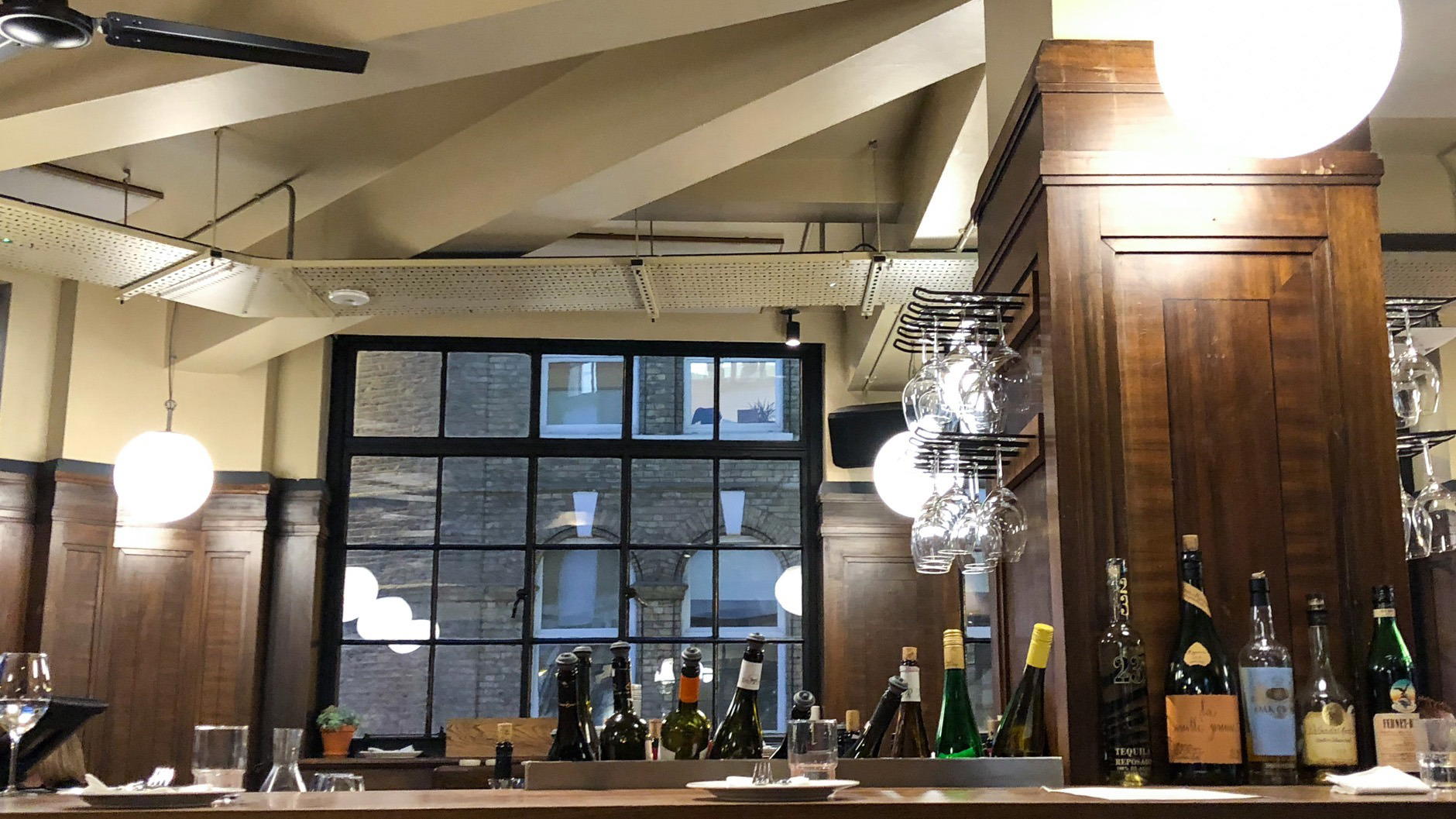
Bars in London
Browse all →
Hotels in London
Browse all →
Wineries in London
Browse all →
At a Glance
- Rustic
- Lively
- Cozy
- Trendy
- Casual Hangout
- Group Dining
- Family
- Celebration
- Brunch
- Rooftop
- Garden
- Historic Building
- Standalone
- Terrace
- Extensive Wine List
- Craft Cocktails
- Beer Program
- Farm To Table
- Local Sourcing
- Skyline
- Garden
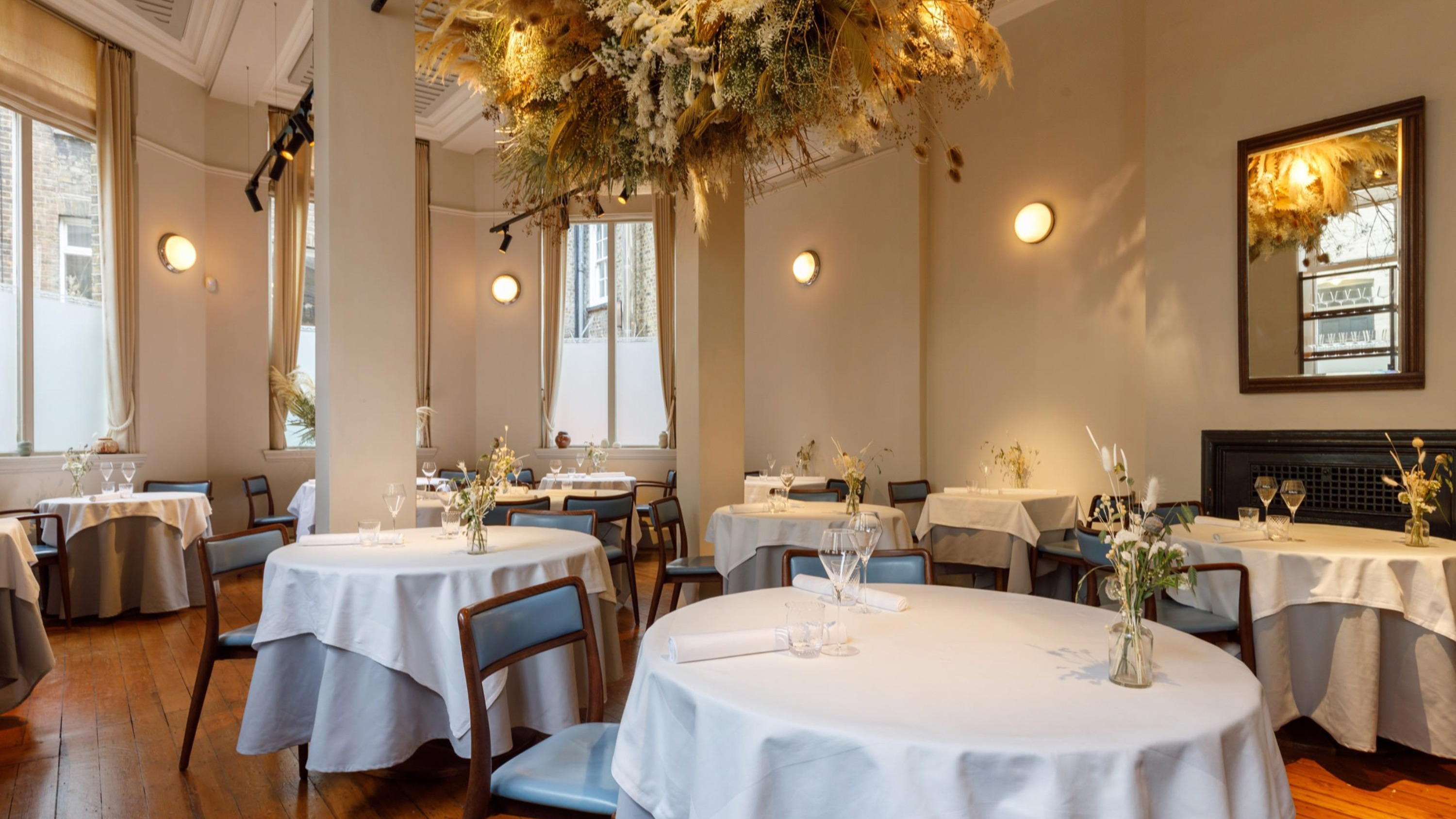
Bright and airy with bare-brick walls, heritage windows, well-worn parquet floors, and period details; ground floor pub is lively and jam-packed while first floor restaurant is quieter and more refined.