Hereford Road
Our verdict
Hereford Road occupies a particular position in London's Notting Hill dining scene: a neighbourhood restaurant that takes British seasonal cooking seriously without the ceremony of the city's three-star tier. Set against Notting Hill's increasingly expensive backdrop, it offers a direct, produce-led approach to British ingredients at a price point well below the ££££ bracket occupied by peers like The Ledbury and CORE by Clare Smyth.

Pearl is the En Primeur Club membership app — saves, bookings, and concierge access live there. Same editors, same standards.

The menu
What to order
- House-made bread
- Lamb neck
- Pork belly
- Fore rib of beef
Where Hereford Road Fits in London's British Dining Conversation
London's Modern British dining scene has always maintained a useful split between destination restaurants that price and present themselves for special occasions, and neighbourhood rooms that apply the same seasonal seriousness to everyday cooking. Notting Hill, historically one of the city's more food-literate postcodes, has sustained both ends of that spectrum. At the destination end sits The Ledbury, whose Modern European cooking has earned three Michelin stars and the kind of booking difficulty that demands three months of planning. At the other end, Hereford Road has, since its opening in 2007, represented the argument that British seasonal cooking doesn't require a tasting menu or a dress code to be done well.
That founding moment matters as context. In 2007, London's premium restaurant economy was accelerating fast toward the highly choreographed, multi-course format that Sketch's Lecture Room and Library and Restaurant Gordon Ramsay embodied. Hereford Road opened into that moment as a deliberate counterpoint: a former Victorian butcher's shop repurposed as a dining room where the cooking was rooted in British offal, game, and seasonal produce, priced for regulars rather than expense accounts. That positioning hasn't aged badly.
The Notting Hill Setting and What It Signals
Notting Hill's food scene has become more expensive and more international in the years since 2007, making Hereford Road's continued focus on unfussy British cooking something worth noting. The neighbourhood now competes with Mayfair and Chelsea for restaurant spend, and properties along Westbourne Grove and the streets around Portobello Road increasingly attract operators looking for the area's combination of residential wealth and tourist footfall. A restaurant that has held its format and price tier through that inflationary pressure is either doing something right or subsidising its rent. The evidence points to the former.
For visitors comparing it to other Notting Hill-adjacent options, the calculation is direct. The Ledbury demands both financial and logistical commitment. Hereford Road operates in a different register, with à la carte ordering, a lunch service that doesn't require the planning of a tasting-menu evening, and a room that functions as a local dining room rather than a destination event. That distinction matters when you're planning a London trip with more than one serious meal on the agenda.
The Booking Experience: What to Know Before You Go
The editorial angle most useful to a traveller here is not what's on the plate, but what it actually takes to secure a table and what you should understand before you try. London's restaurant booking environment has become significantly more pressured since 2020. The venues that attract the most planning attention, CORE by Clare Smyth, Dinner by Heston Blumenthal, and The Ledbury among them, now operate booking windows of six to twelve weeks as standard, with some requiring card guarantees or deposits that function as pre-payment. The penalty for no-shows at this tier has become real money.
Hereford Road operates below that threshold of difficulty, which is part of its value proposition for a traveller constructing a London week. If your itinerary already contains one booking-intensive dinner, having a second night at a restaurant where a table for two can be secured with reasonable notice reduces the logistical load considerably. For context, neighbourhood rooms of this type in London typically accept reservations two to four weeks out through standard online booking platforms, with same-week availability likely for lunch on weekdays. That is a materially different planning scenario from a three-star room.
The seasonal menu format also affects how you should time a visit. British seasonal cooking at this level tracks the agricultural calendar closely: game from autumn through winter, spring vegetables through April and May, summer produce in July and August. A visit in November or March, when the seasonal larder is either rich with game and roots or transitioning toward spring, generally captures the kitchen at its most purposeful. Midsummer, while pleasant in the neighbourhood, can be a quieter moment for this style of cooking.
Comparing the Logistics: Hereford Road vs. London's Broader British Dining Tier
| Venue | Price Tier | Michelin Recognition | Typical Booking Window | Format |
|---|---|---|---|---|
| Hereford Road | ££-£££ | None listed | 1-3 weeks | À la carte, neighbourhood |
| The Ledbury | ££££ | 3 Stars | 8-12 weeks | Tasting menu |
| CORE by Clare Smyth | ££££ | 3 Stars | 6-10 weeks | Tasting menu |
| Dinner by Heston Blumenthal | ££££ | 2 Stars | 4-8 weeks | À la carte |
British Seasonal Cooking at the Neighbourhood Level
The tradition Hereford Road draws from is older than the restaurant itself. Nose-to-tail British cooking, championing offal, secondary cuts, and unfashionable ingredients, had a visible revival in London through the late 1990s and 2000s, partly driven by St. John in Clerkenwell, which opened in 1994 and gave this approach its most internationally recognised platform. Hereford Road's founding philosophy sits within that lineage: British produce treated with respect for what it actually is, without French technique used to disguise it or elaborate plating to justify high prices. In the context of the wider British dining scene, you can find the same seasonal seriousness applied at varying scales across the country, from L'Enclume in Cartmel and Moor Hall in Aughton at the destination end, to Hand and Flowers in Marlow and hide and fox in Saltwood in a more accessible register. Hereford Road belongs to the accessible register, applied to a London neighbourhood context.
International comparison is also instructive. Restaurants like Le Bernardin in New York City and Atomix in New York City represent what happens when a singular culinary tradition is applied with maximum precision and formality. Hereford Road represents the opposite argument: that a culinary tradition is most durable when it's accessible enough to sustain regular use. A restaurant that Notting Hill residents can visit on a Tuesday in October, rather than saving for an anniversary, has a different relationship with its neighbourhood than a tasting-menu destination does.
Planning a Visit: Practical Orientation
Hereford Road sits in Notting Hill, W2, accessible from Bayswater and Notting Hill Gate underground stations, both on the Circle and District lines. For visitors using it as part of a broader London food itinerary, it pairs logistically with the neighbourhood's other food-focused draws, including the Portobello Road market on Fridays and Saturdays. Our full London restaurants guide covers the broader spectrum of the city's dining options, while our London hotels guide, London bars guide, London wineries guide, and London experiences guide cover the surrounding picture for trip planning. For those extending beyond London, The Fat Duck in Bray and Gidleigh Park in Chagford represent the kind of country-house destination dining that makes for a useful contrast to the city's neighbourhood room format.
Frequently asked questions
Is Hereford Road better for a quiet night or a lively one?
The room's format as a neighbourhood à la carte restaurant, rather than a tasting-menu destination, means the atmosphere tracks closer to the lively end on weekend evenings and during prime London dining hours (7:30-9pm). Weekday lunches and early-week evenings tend to be quieter. For context, the city's three-star rooms like CORE by Clare Smyth or Sketch's Lecture Room maintain a more consistently hushed register given their price tier and format. Hereford Road's energy is residential rather than ceremonial.
What is the signature dish at Hereford Road?
What is documentable is the kitchen's consistent reputation for British offal and seasonal game cookery, a tradition that runs through the restaurant's founding in 2007 and connects it to the broader nose-to-tail British revival. For verified dish-level specifics, checking the current menu directly before visiting is the reliable approach. Seasonality means what was notable in one quarter may not appear in the next. The award and critical record for the venue also does not specify individual dishes.
Is Hereford Road a good choice for visitors already planning a high-end British tasting menu elsewhere in London?
For travellers whose itinerary already includes a three-star experience at venues like The Ledbury or Dinner by Heston Blumenthal, Hereford Road offers a structurally different evening: à la carte ordering, a lower price point, and a booking process that doesn't require months of forward planning. The cuisine lineage is related, rooted in British seasonal and produce-led cooking, but the format and register are distinct enough that the two visits don't duplicate each other. That contrast, destination formality against neighbourhood directness, is actually an argument for including both in a longer London stay.
Budget and Context
A small set of peers for context, based on recorded venue fields.
| Venue | Cuisine | Price | Awards | Notes |
|---|---|---|---|---|
| Hereford RoadThis venue — the venue you are viewing | British | $30–50 | Not listed | Not listed |
| The Ledbury | Modern British Fine Dining | $300–500 | 3 Michelin Stars · World's 50 Best #42 | Modern European, Modern Cuisine |
| Sketch, The Lecture Room and Library | Modern French Fine Dining | $200–300 | 3 Michelin Stars · World's 50 Best #18 | Modern French |
| CORE by Clare Smyth | Modern British Fine Dining | $150–200 | 3 Michelin Stars · World's 50 Best #97 | Modern British |
| Restaurant Gordon Ramsay | French Fine Dining | $200–300 | 3 Michelin Stars · World's 50 Best #13 | Contemporary European, French |
| Dinner by Heston Blumenthal | Historic British Fine Dining | $200–300 | 2 Michelin Stars · World's 50 Best #45 | Modern British, Traditional British |
Continue exploring
More in London
Restaurants in London
All restaurants in London →
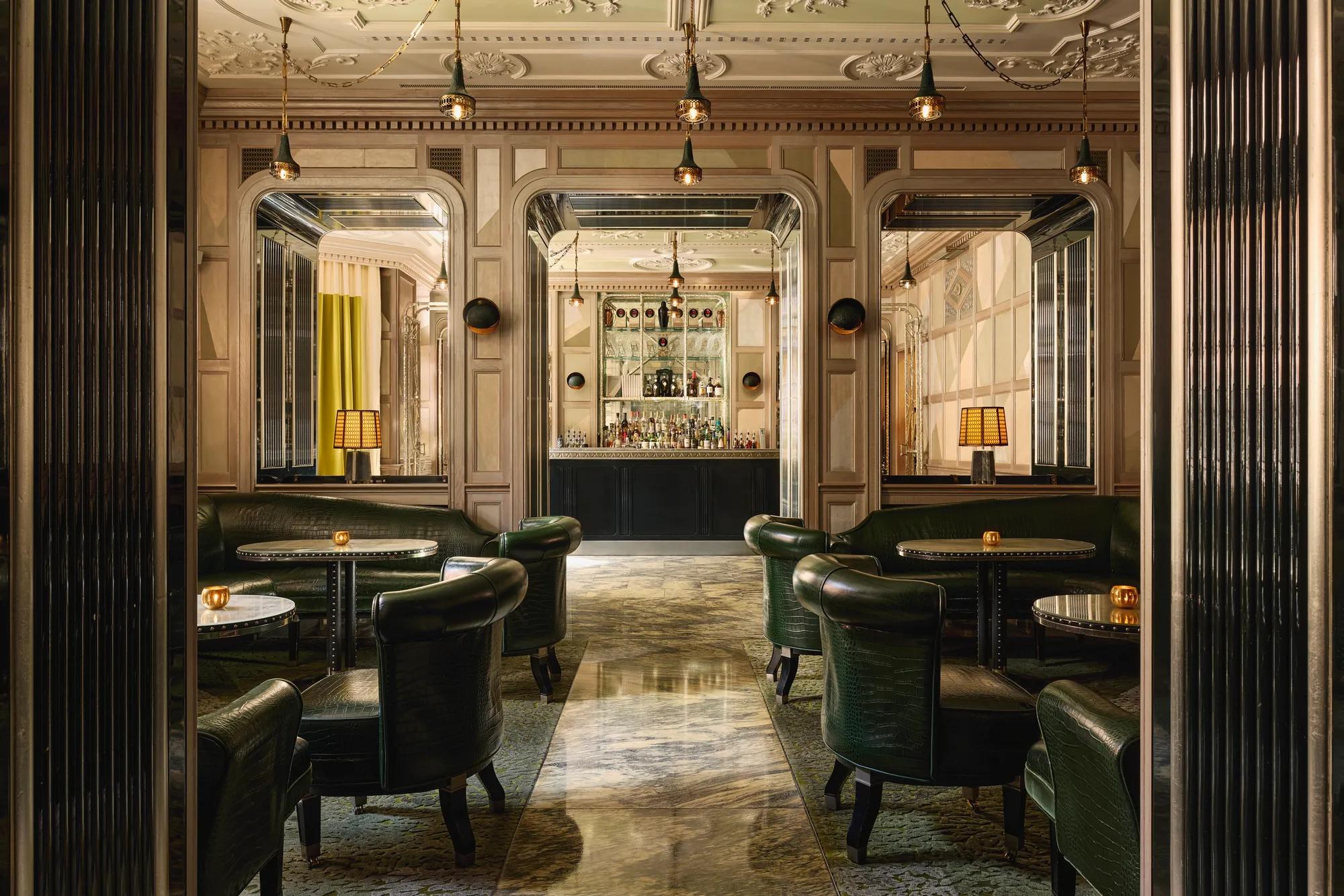
Bars in London
All bars in London →
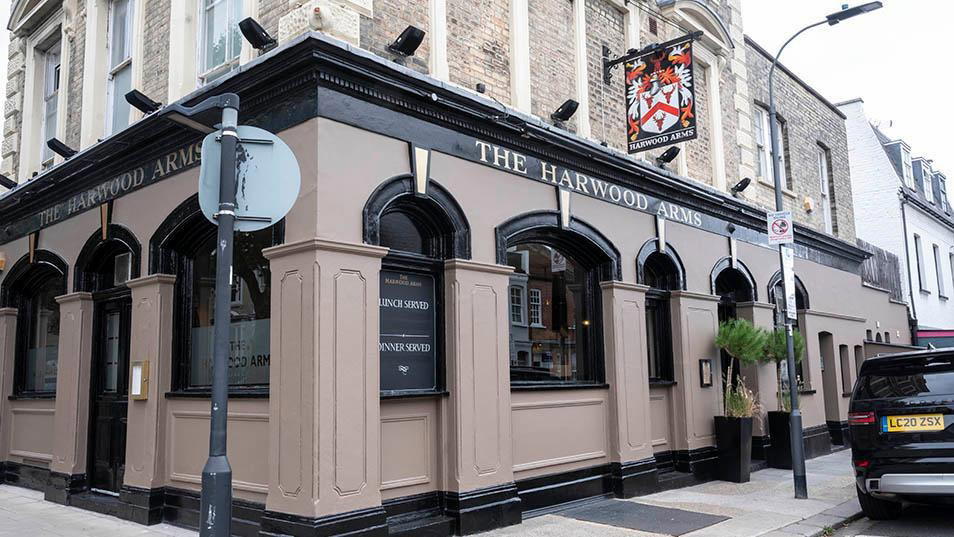
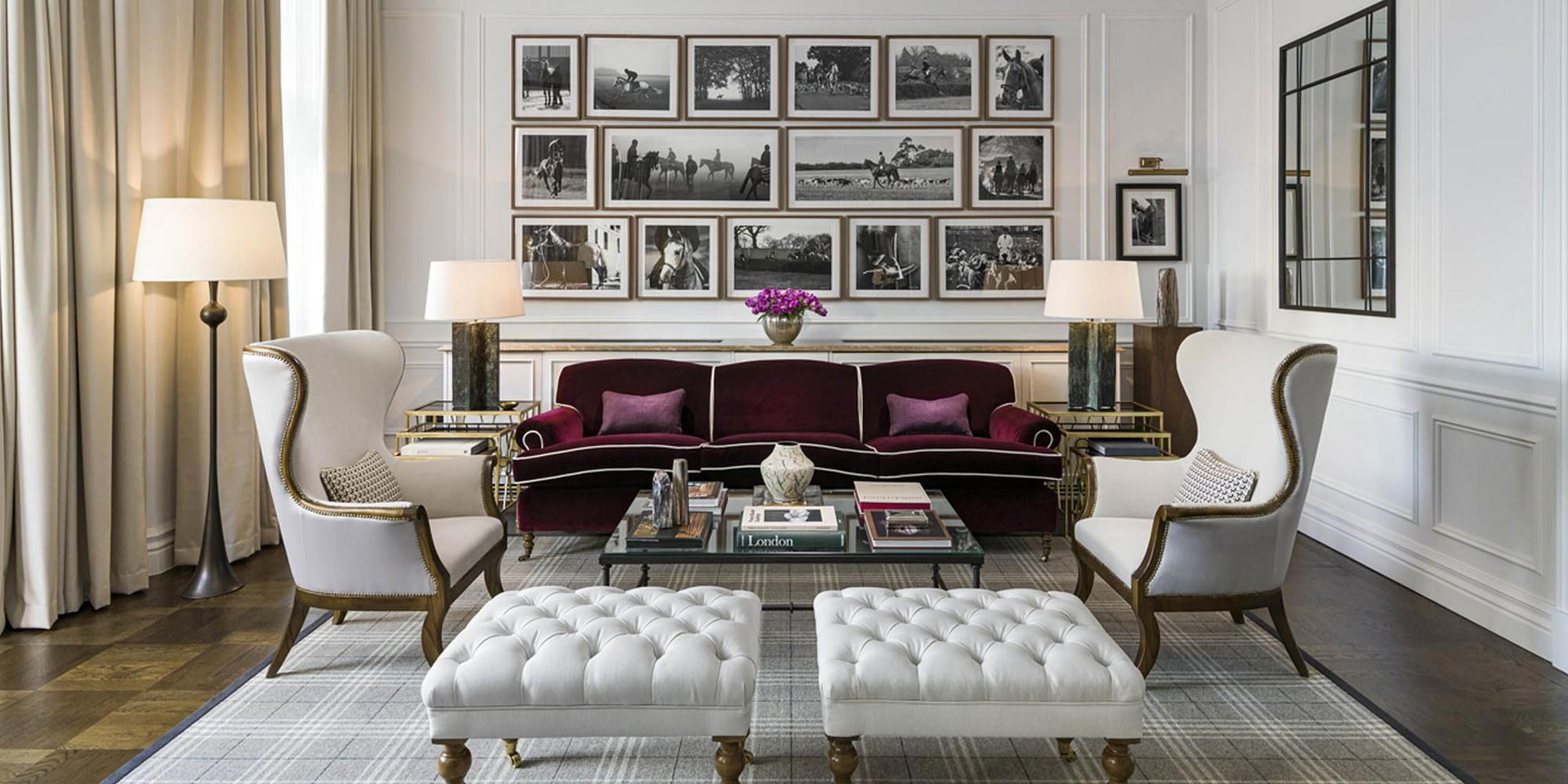
Hotels in London
All hotels in London →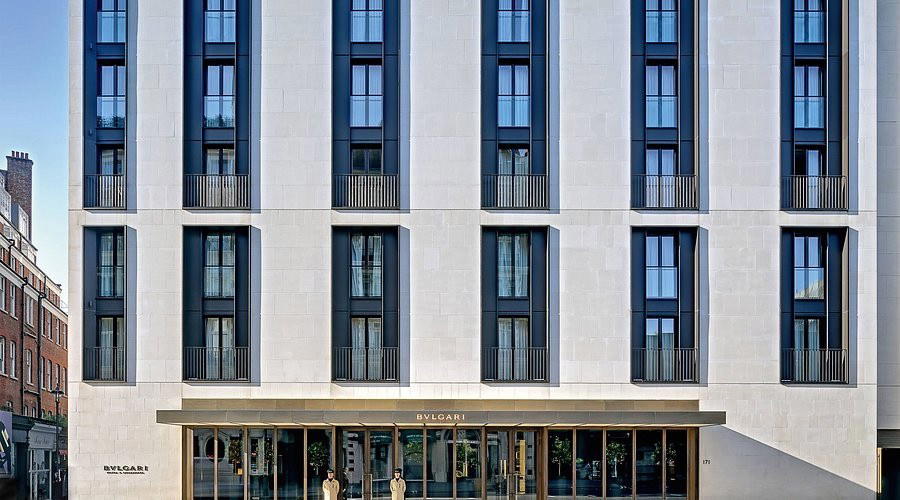



Details
- Modern
- Classic
- Date Night
- Group Dining
- Casual Hangout
- Standalone
- Extensive Wine List
- Local Sourcing
- A La Carte
- Wine
- Vegetarian Friendly
Modern-looking dining room with a traditional British food focus.