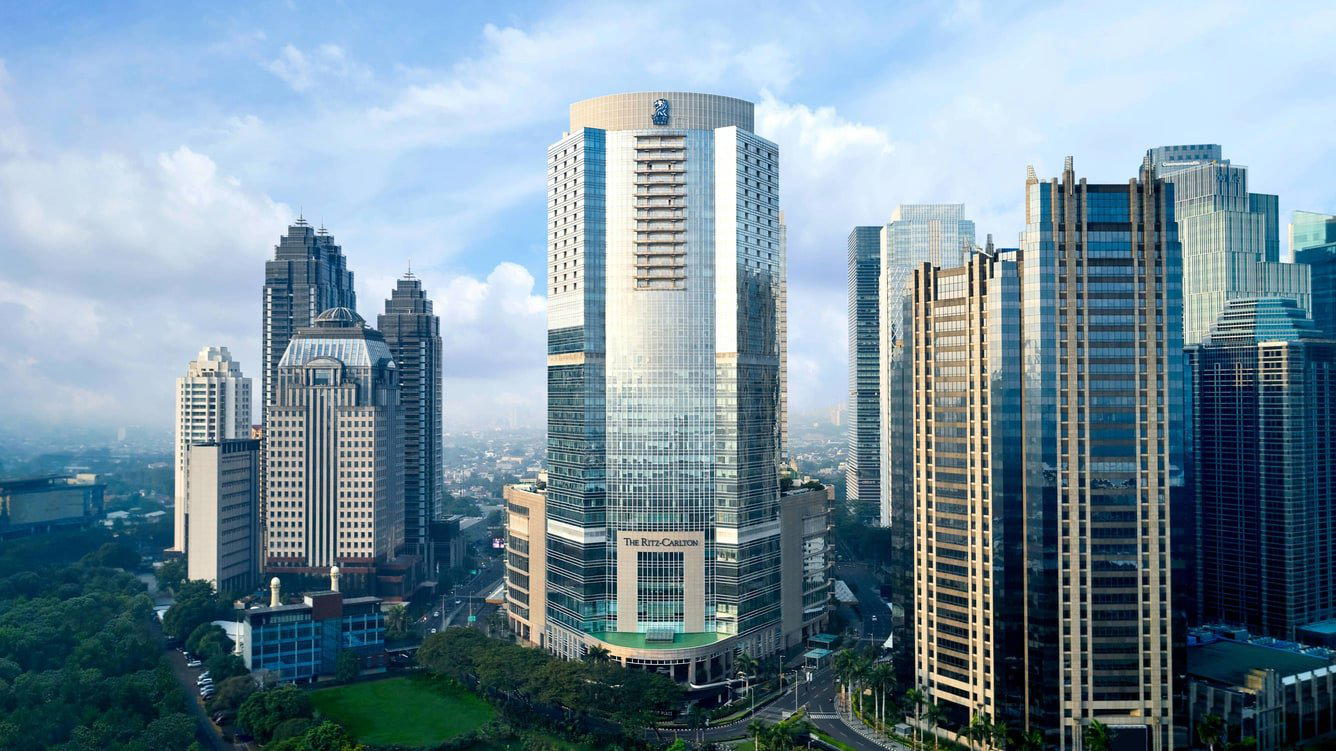
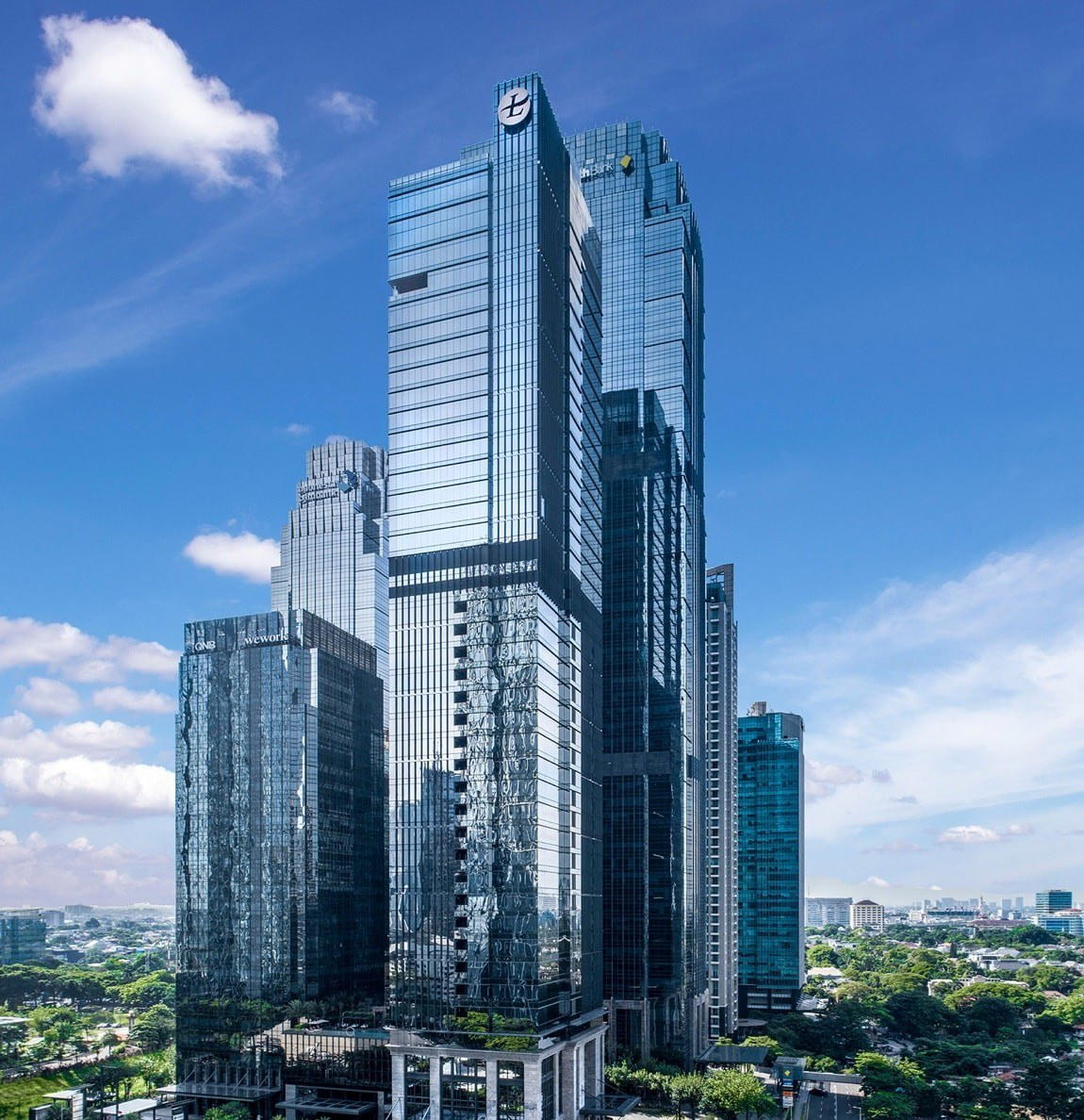
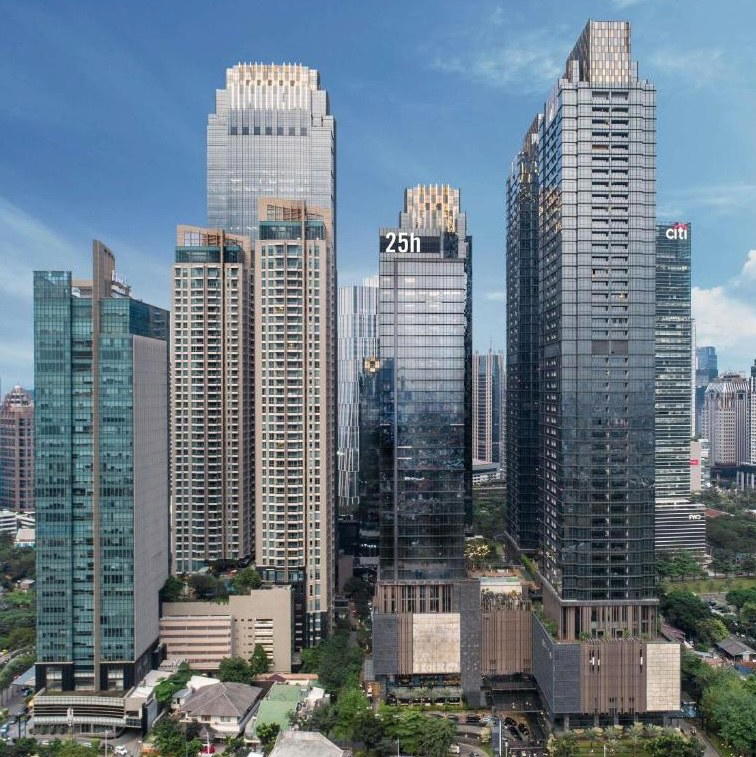
The Cafe occupies a central position in Jakarta's Senayan district, at the edge of the Asia Afrika corridor where the city's political and cultural institutions meet its commercial core.
Pearl is the En Primeur Club membership app — saves, bookings, and concierge access live there. Same editors, same standards.
- Address
- Senayan, Jl. Asia Afrika, RT.1/RW.3, Gelora, Kecamatan Tanah Abang, Kota Jakarta Pusat, Daerah Khusus Ibukota Jakarta 10270, Indonesia
- Phone
- +6262215747777
- Website
- themulia.com
- Directions
- Get directions
 Saves & bookings on Pearl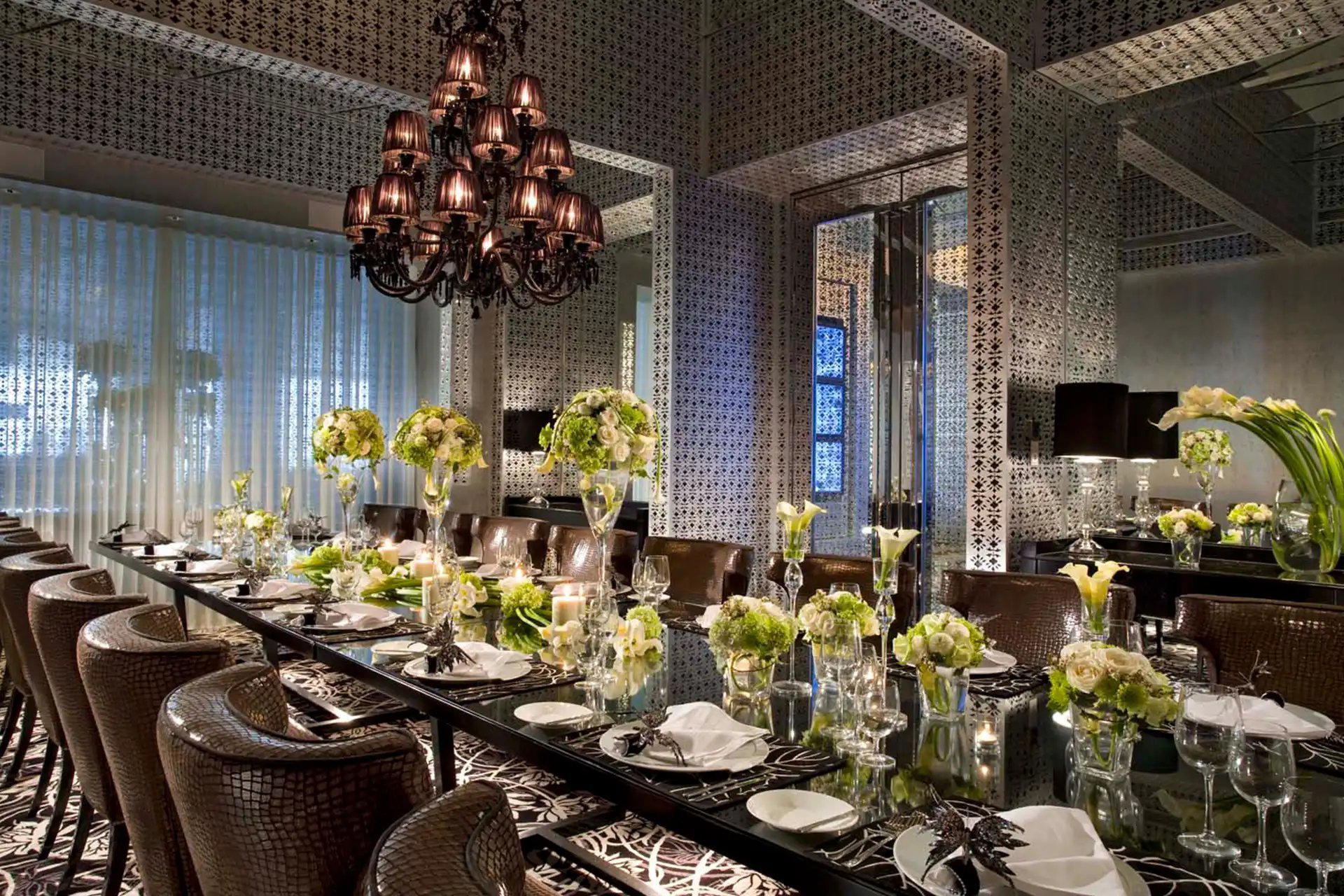
Senayan's Dining Corridor and Where The Cafe Sits Within It
Jakarta's Senayan district operates at a different register from the city's more talked-about dining precincts. Where Kemang skews international-casual and SCBD tilts toward finance-crowd expense accounts, the stretch of Jalan Asia Afrika running past Gelora and into Tanah Abang carries a more layered audience: government workers, sports visitors drawn by the Gelora Bung Karno complex, and a local middle-class that has been eating well in this corridor long before Jakarta's restaurant scene attracted outside attention. The Cafe sits within that context, drawing from a catchment that is neither tourist-facing nor exclusively upmarket.
That geographic placement matters when thinking about what kind of restaurant actually succeeds here. Senayan rewards reliability over novelty. The dining rooms that endure on Asia Afrika tend to do so because they have earned a repeating local clientele, not because they are chasing a particular culinary trend. For a visitor calibrating expectations, the neighbourhood itself is a useful signal: this is not where Jakarta's most telegraphed fine-dining experiments happen, but it is where some of the city's most consistent everyday eating takes place.
The Question of the Wine List in Jakarta's Mid-Market
Jakarta's relationship with wine has changed considerably over the past decade. Indonesia's import duty structure on alcohol has historically kept wine pricing at a significant premium over regional peers in Singapore or Bangkok, which means that any restaurant choosing to maintain a serious cellar does so at real cost, passing that cost to the guest or absorbing it as a positioning decision. At the summit tier, venues like August and Bistecca have both committed to wine programs that align with their food ambitions, with lists that justify the Jakarta price premium through curation depth and sommelier guidance.
For the broader mid-market, the calculus is different. A thoughtfully assembled list of thirty to fifty references, sourced from reliable importers and priced with some awareness of the competition, often does more for a restaurant's repeat business than an encyclopedic cellar with no one trained to sell from it. That is, in practice, the majority of Jakarta's dining audience, and restaurants that serve it well with an accessible, fairly priced selection often outperform those that have over-invested in cellar depth without the front-of-house expertise to match.
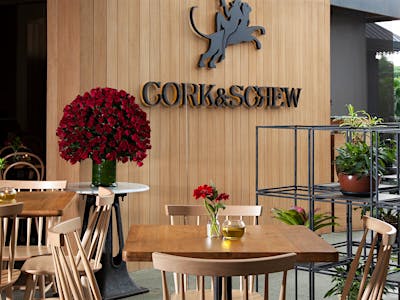
Jakarta's more wine-forward options in the immediate area include the SCBD corridor, where Aged + Butchered Jakarta and Bistecca both maintain lists oriented toward red-meat pairings, and Pacific Place's Cork&Screw; which frames itself explicitly around bottle selection.
How Senayan Compares to Jakarta's Other Dining Precincts
Understanding where The Cafe fits requires some sense of how Jakarta's dining geography actually works. The city does not have one centre; it has several, each with its own density and character. Kemang, in the south, has long housed expat-facing casual restaurants, including Abunawas Restaurant and a range of cafes that shade between Indonesian and international formats. Central Jakarta's Menteng precinct has its own cluster, including Kita Restaurant and Bar, which operates in a more refined register. South Jakarta draws the hotpot crowd to venues like Chongqing Liuyishou Hotpot, while Central Jakarta's Chinatown adjacencies support places like Hai Di Lao.
Senayan sits between these zones, close enough to SCBD to share some of its commercial energy but distinct enough to maintain its own character. The Gelora Bung Karno precinct adds a rhythmic surge of traffic around major sporting and cultural events, which shapes the kind of restaurant that makes sense here: venues that can handle variable volume, serve a wide demographic, and do not rely exclusively on the fine-dining or concept-driven audience that gravitates to SCBD.
For those building a Jakarta itinerary with a broader Indonesian lens, the country's dining conversation extends well beyond the capital. Locavore NXT in Ubud represents one internationally recognised end of Indonesian cuisine, while Jungle Fish Bali in Gianyar and Bikini Restaurant Bali in Badung illustrate how Bali's dining scene has developed its own distinct register. Bandung's Kunyit Restaurant and Bogor's Agreya Coffee represent the secondary-city tier, where local sourcing and lower overhead often produce more honest cooking than the capital's trend-chasing middle. And for those curious about Indonesian-adjacent cooking in contexts with more critical infrastructure, Hwang Fu Dimsum in Tangerang shows how Chinese-Indonesian food traditions persist and evolve in the greater Jakarta metro.
Planning a Visit: What to Know Before You Go
The Cafe's address on Jalan Asia Afrika in the Gelora subdistrict places it within reach of the Senayan City and Plaza Senayan malls, which serve as orientation points for visitors unfamiliar with the area. Traffic in this corridor is subject to Jakarta's characteristic congestion, particularly during morning and evening peaks and on event days at Gelora Bung Karno. Arriving by ride-share is the practical choice; the app-based options available in Jakarta allow door-to-door routing that accounts for real-time conditions better than any fixed transit alternative in this part of the city.
The Cafe is open Mon to Thu 6 to 10 AM, 12 to 2:30 PM, and 6 to 10 PM; Fri and Sat 6 to 10 AM, 12 to 2:30 PM, and 6 to 10:30 PM; Sun 6 to 10:30 AM, 12 to 3 PM, and 6 to 10:30 PM. Reservations are recommended. This is standard practice for smaller Jakarta restaurants that have not built a significant digital presence, and it is not unusual for a venue of this neighbourhood profile.
For dessert-oriented stops in the wider area, Bakerzin Central Park offers a reference point for Jakarta's international-brand cafe segment, while Istanbul Kebab in Lombok Utara represents the kind of regional specialty that travels across Indonesia's archipelago in ways that complicate any simple account of what Indonesian eating actually looks like.
Accolades, Compared
Comparable venues nearby, for context on price, style, and recognition.
| Venue | Cuisine | Price | Notes |
|---|---|---|---|
| The CafeThis venue — the venue you are viewing | International Buffet | $$$ | Not listed |
| Kamui Restaurant | Authentic Japanese | $$$ | Kebon Melati |
| Yoshi Izakaya | Authentic Japanese Izakaya | $$$ | Kuningan Timur |
| Kaum | Modern Indonesian | $$$ | Menteng |
| Blue Terrace | Modern French Bistro | $$$ | Karet Teng Sien |
| Namaaz Dining | Indonesian Molecular Gastronomy | $$$$ | Petogogan |
At a Glance
- Elegant
- Cozy
- Sophisticated
- Family
- Celebration
- Brunch
- Group Dining
- Hotel Restaurant
- Private Dining
Current opening hours
- Monday
- 6–10 AM, 12–2:30 PM, 6–10 PM
- Tuesday
- 6–10 AM, 12–2:30 PM, 6–10 PM
- Wednesday
- 6–10 AM, 12–2:30 PM, 6–10 PM
- Thursday
- 6–10 AM, 12–2:30 PM, 6–10 PM
- Friday
- 6–10 AM, 12–2:30 PM, 6–10:30 PM
- Saturday
- 6–10 AM, 12–2:30 PM, 6–10:30 PM
- Sunday
- 6–10:30 AM, 12–3 PM, 6–10:30 PM
Hours can change for holidays and private events. Last verified .
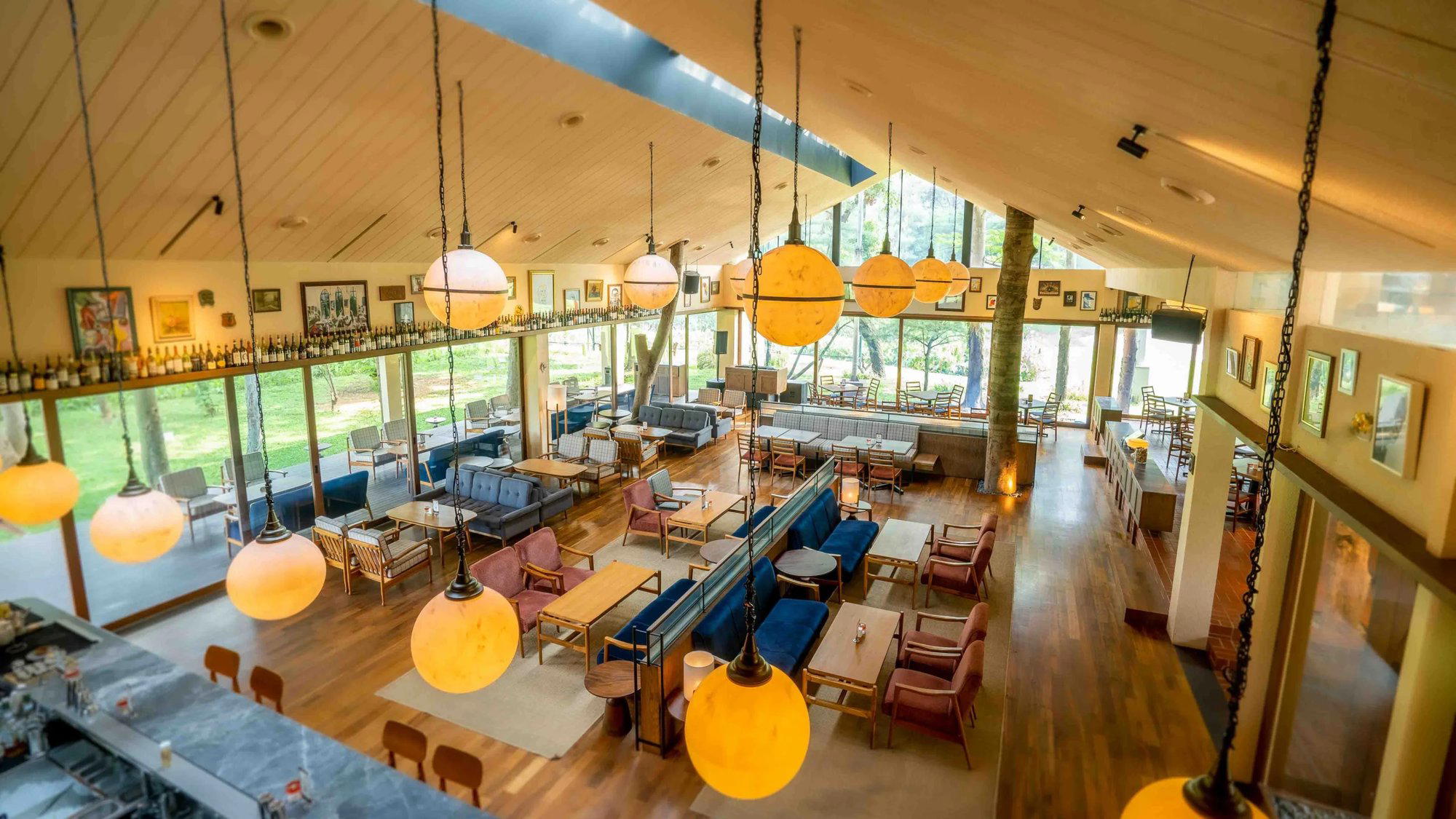
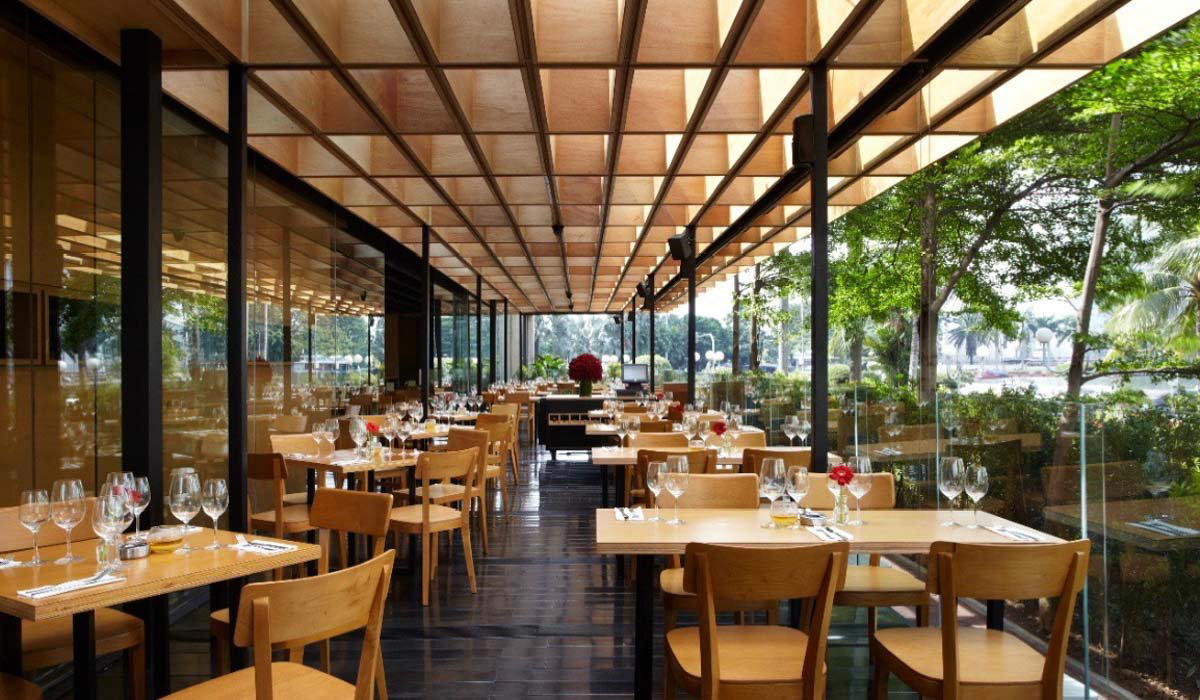
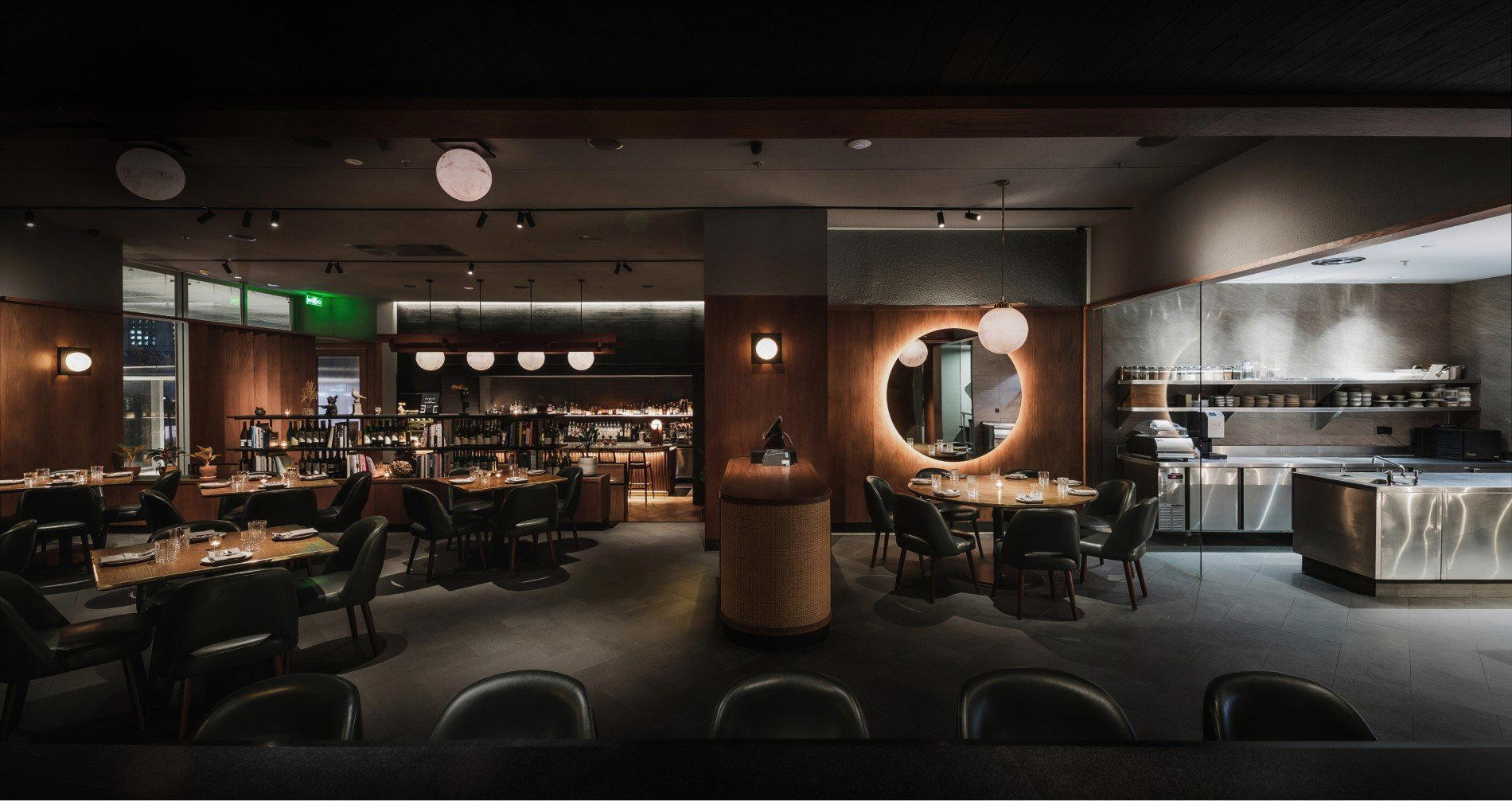
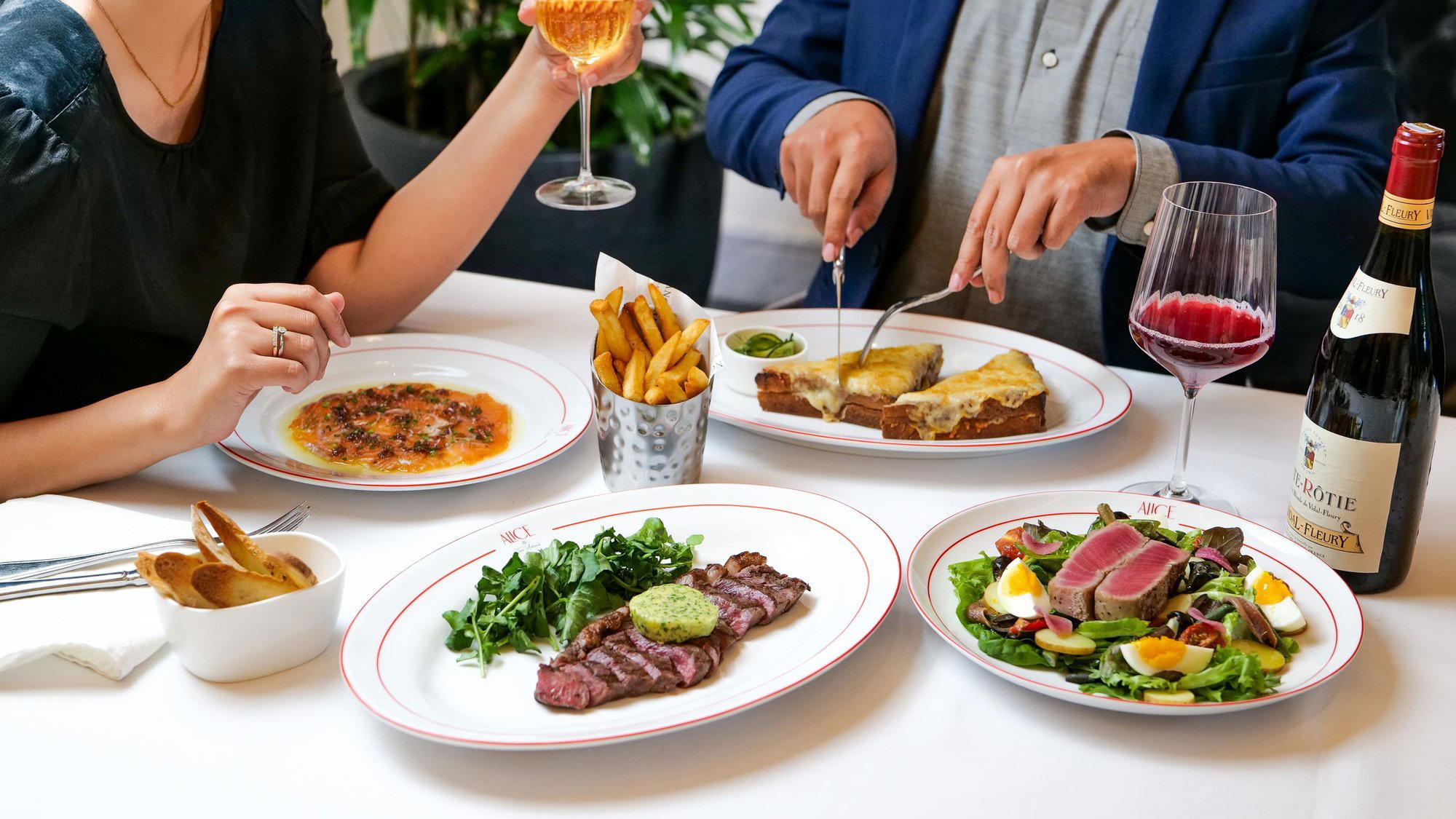
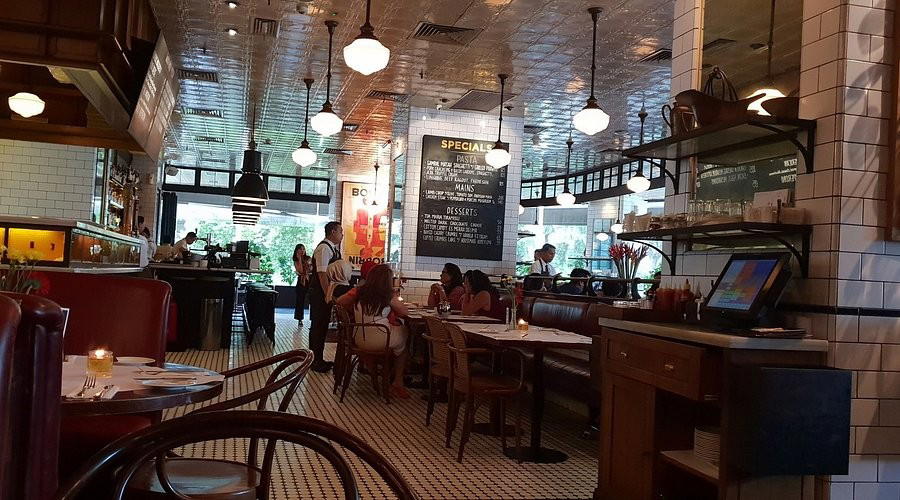
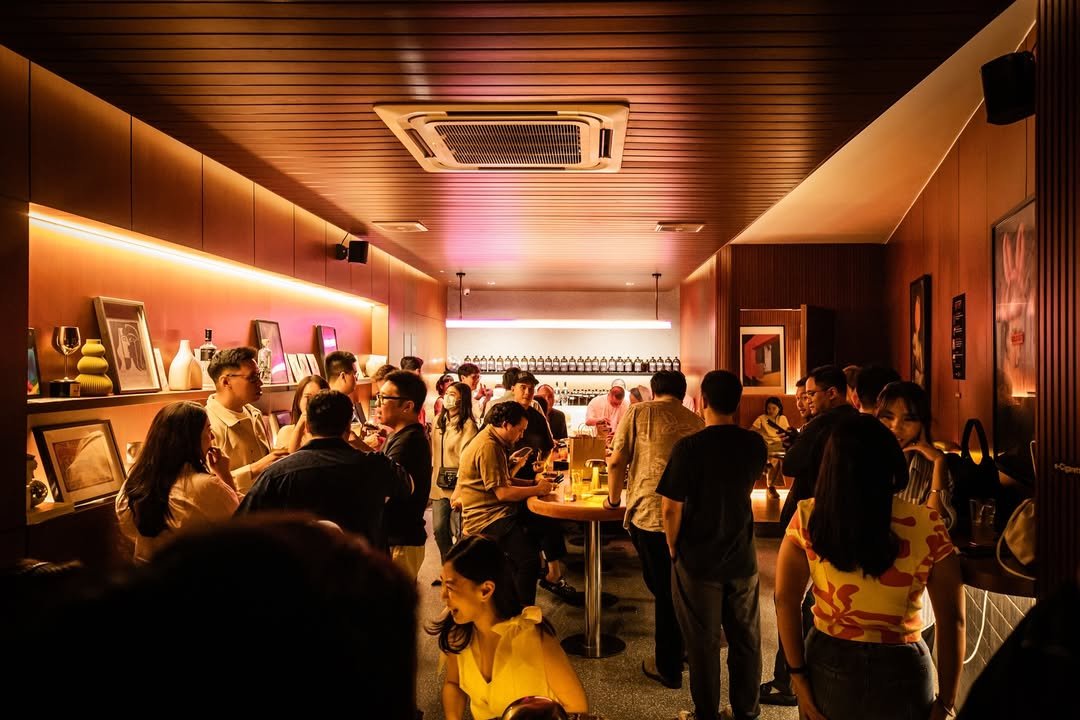
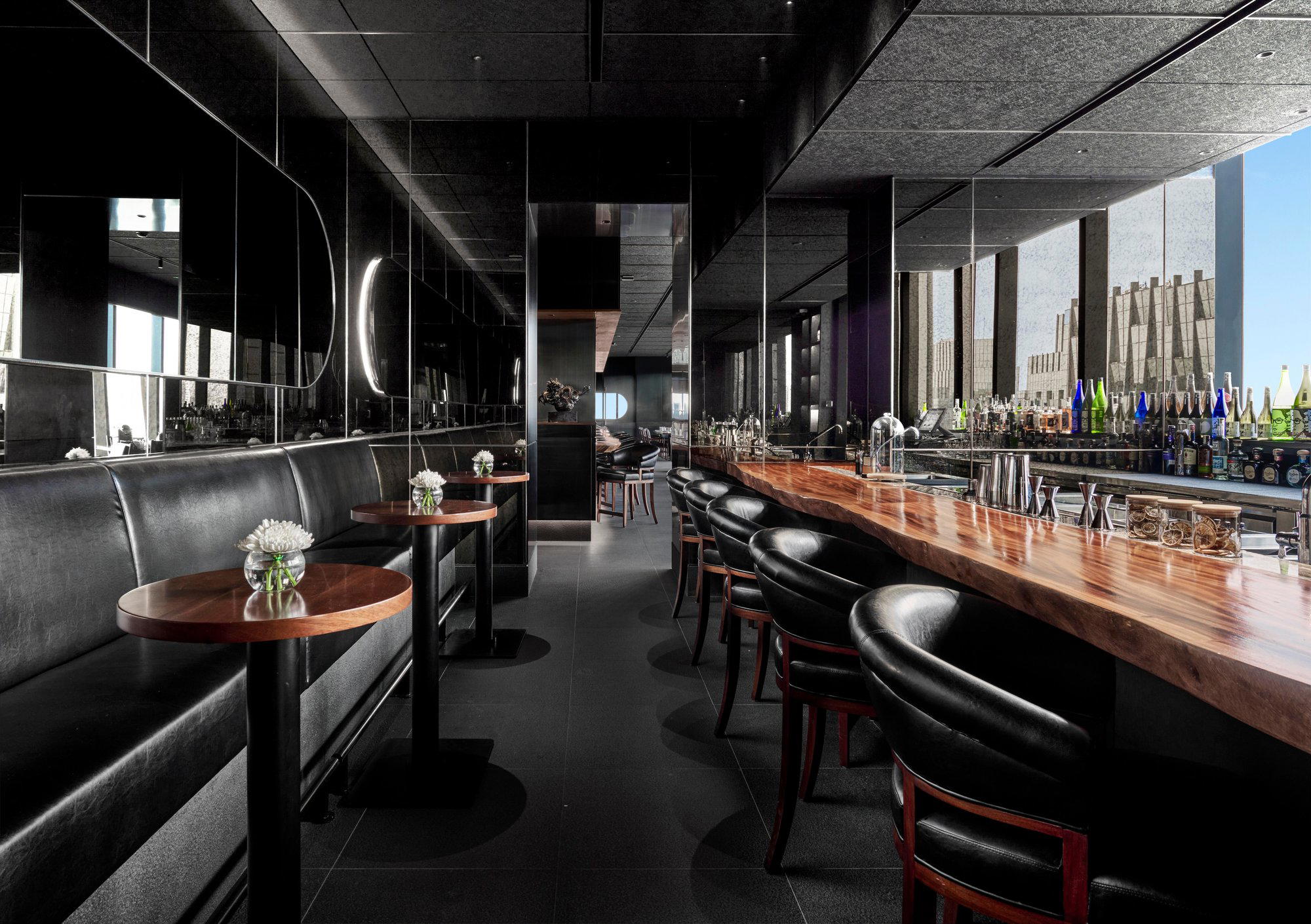
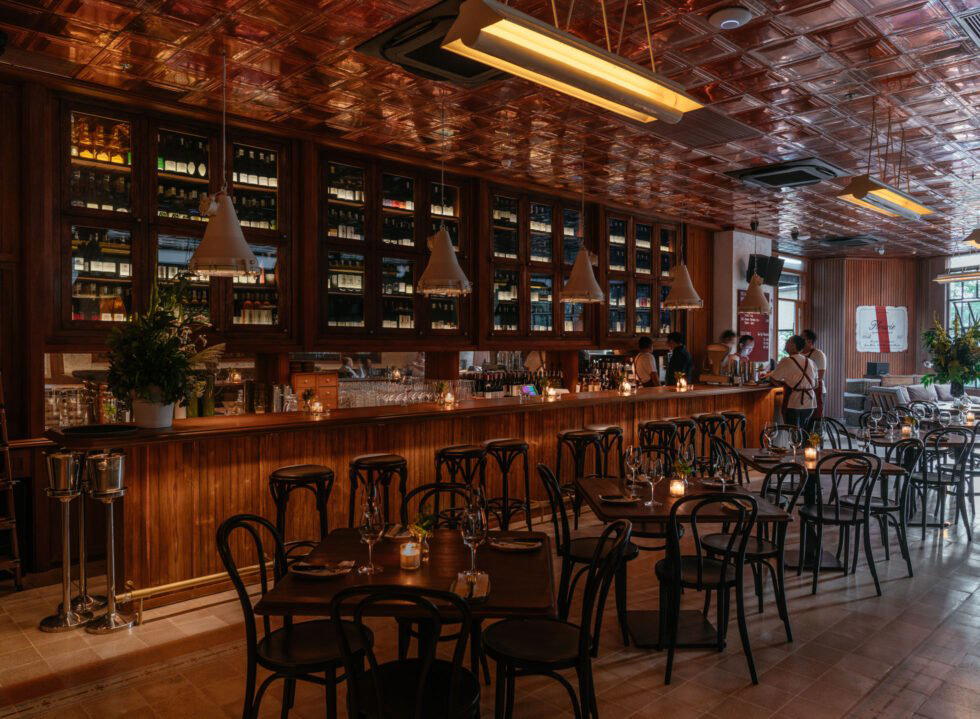
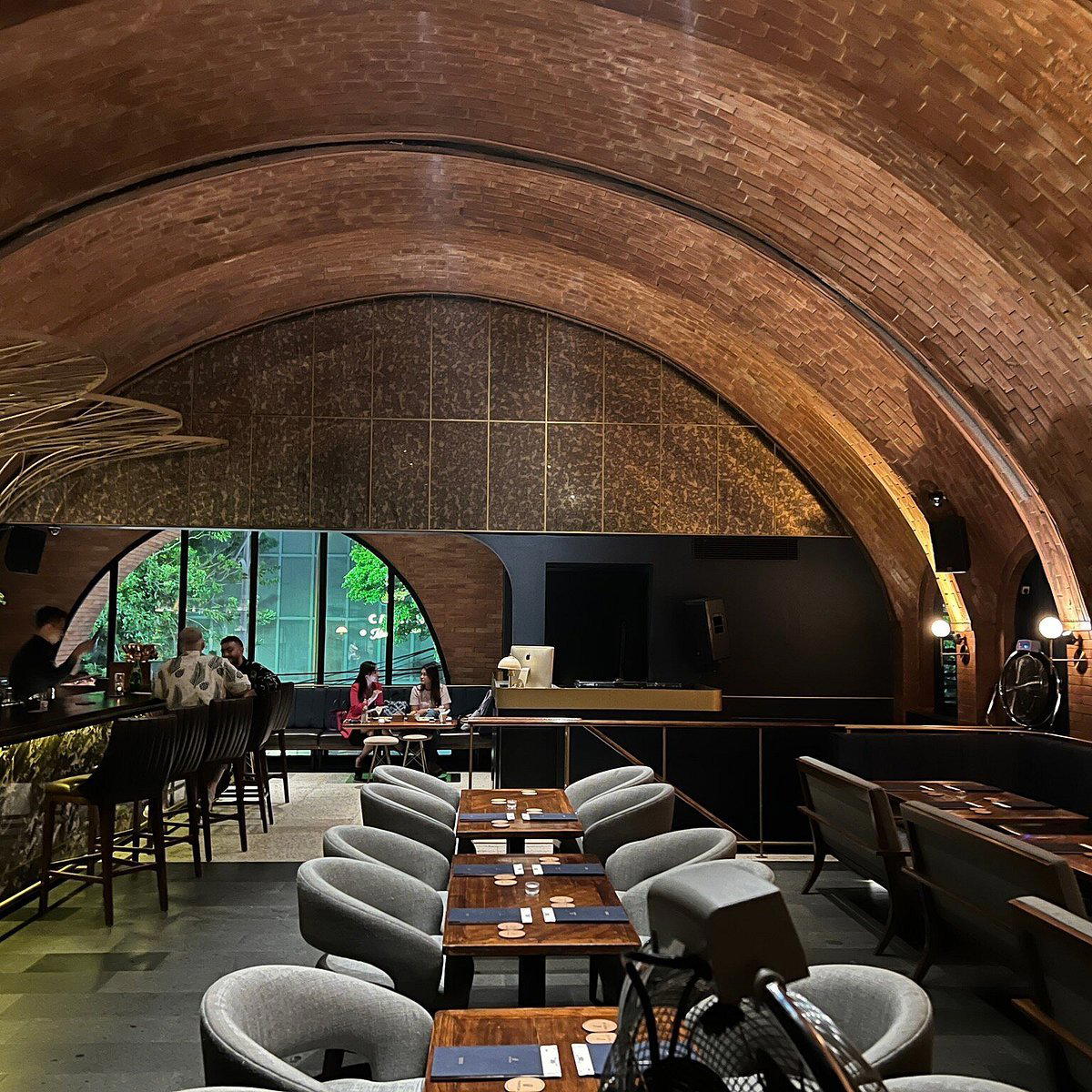
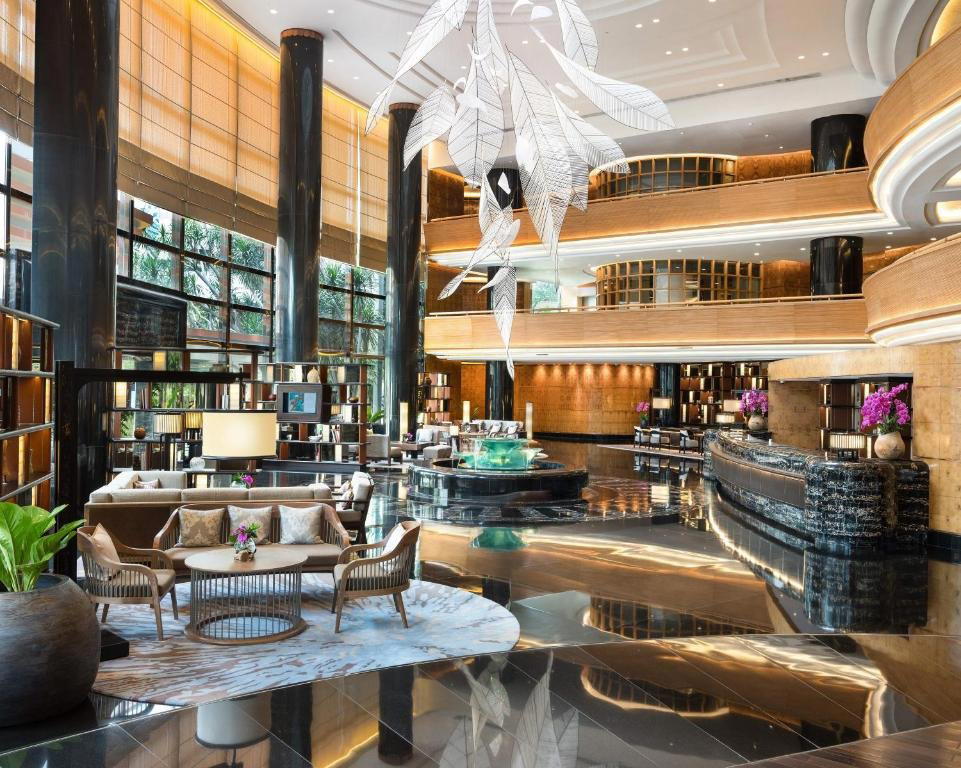
Blends contemporary elegance with homely charm, featuring soft lighting, warm and inviting atmosphere as described in guest reviews.