Our verdict
Yoshi Izakaya sits in Kuningan, one of Jakarta's most commercially active corridors, bringing the izakaya format to a city that has developed a genuine appetite for Japanese drinking-dining culture. The izakaya tradition, built on shared plates, grilled skewers, and unhurried drinking, translates with particular ease into Jakarta's social dining habits, making this address a reference point for the format in South Jakarta.

Pearl is the En Primeur Club membership app, where members save venues, book tables and use the concierge.
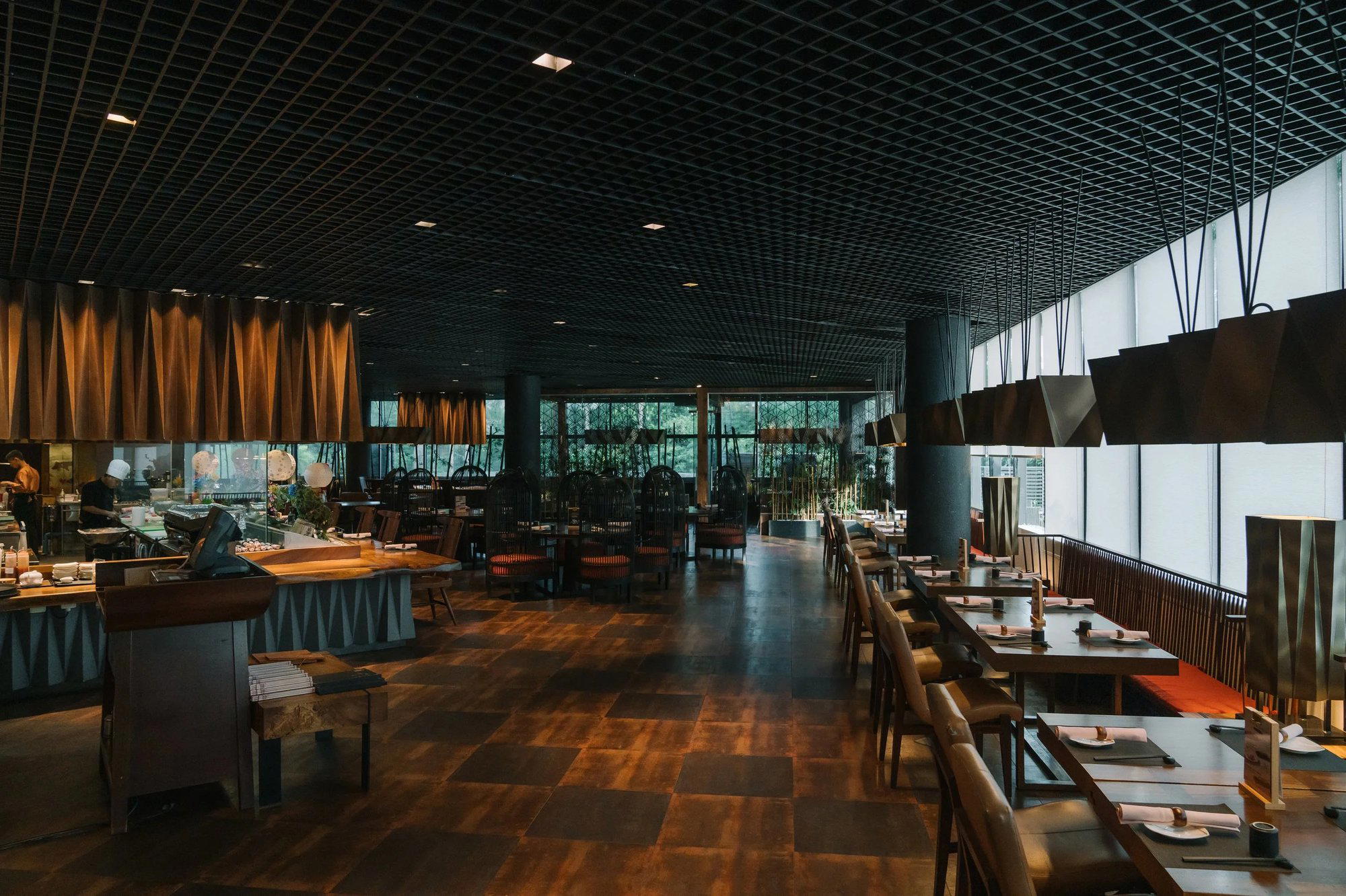
The Izakaya Format in a City That Understands It
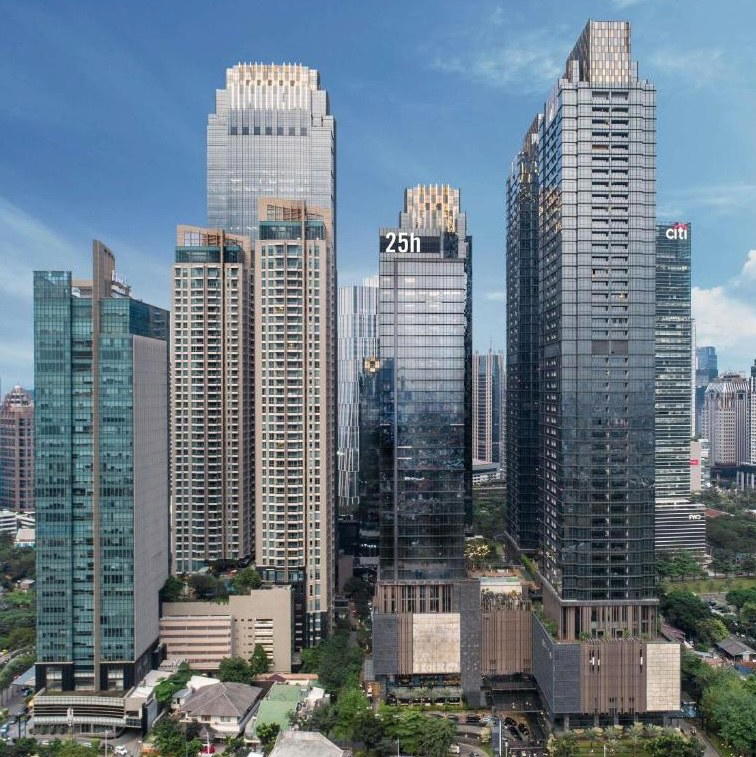
Jakarta's relationship with Japanese food runs deeper than most Southeast Asian capitals. Decades of Japanese corporate presence, sustained expat communities, and a local appetite for precision-led dining have produced a city where the izakaya format, Japan's after-work drinking-and-eating institution, has taken genuine root rather than arriving as a trend. Yoshi Izakaya operates within that established culture, positioned in the Kuningan district of South Jakarta, a corridor that concentrates business towers, international hotels, and a dining scene pitched at both corporate accounts and informed locals.
The izakaya as a category sits between the formality of a dedicated Japanese restaurant and the looseness of a casual bar. Its logic is accumulation: small plates arrive in no fixed order, grilled skewers come off a charcoal bintang, cold beer or sake punctuates the table, and the meal stretches as long as the group wants it to. That rhythm, which runs counter to the structured tasting formats gaining ground at addresses like Atomix in New York City or the precise seafood progression at Le Bernardin in New York City, is part of the appeal. The izakaya is deliberately low-resolution in its sequencing, and that informality is the point.
Kuningan as Context
The address on Jl. H.R. Rasuna Said places Yoshi Izakaya at the heart of Kuningan, a district where the dining calculus is shaped by proximity to offices and the pace of business entertaining. Restaurants here tend to compete on reliability and atmosphere rather than novelty. The Kuningan corridor supports a range of formats: steakhouse programs like Aged + Butchered Jakarta and the Italian-leaning Bistecca sit within reach, as does the broader Jakarta dining circuit that includes August, one of the city's more discussed contemporary addresses.
For Jakarta's Japanese-food tier specifically, the competition is diffuse. The city has sushi counters at various price points, ramen specialists, and a growing number of yakitori-focused rooms. The izakaya sits across all of these categories without being reducible to any single one, which gives well-executed examples a breadth that more focused formats lack. A group eating at an izakaya can move from edamame and cold tofu to skewered chicken hearts to a bowl of ramen at the end of the night, covering more culinary ground than most single-concept restaurants allow.
Japanese Drinking Culture and Its Jakarta Translation
The izakaya has a specific cultural architecture. In Japan, it functions as the social institution that absorbs the space between the workday and the return home, a place to decompress in company rather than in solitude. That role has been exported across Asia with varying degrees of fidelity. In cities with large Japanese expat populations and strong bilateral trade relationships, like Singapore, Seoul, and Jakarta, the format lands with more cultural weight than in markets where it arrives purely as a restaurant category.
Jakarta's version of izakaya culture benefits from that weight. The city's Japanese community has sustained authentic-format venues for long enough that local diners have developed real familiarity with the conventions: the warm oshibori towel on arrival, the call of irasshaimase from the kitchen, the logic of ordering in rounds rather than courses. These details are not decorative; they signal that the kitchen and floor are organized around a specific service philosophy rather than a generic Asian-fusion template.
This contrasts with the approach of, say, the hotpot format now represented in Jakarta by venues like Chongqing Liuyishou Hotpot in South Jakarta or Hai Di Lao in Central Jakarta, where the Chinese chain model has been transplanted with high operational discipline but little cultural adaptation. The izakaya, at its finest, asks for more from its operators: the format only works when the food, drink, and pacing are calibrated together.
What the Format Asks of the Kitchen
Izakaya cooking is deceptively demanding. The dishes are individually simple, but the range is wide, and maintaining quality across cold preparations, grilled items, fried snacks, and noodle finishers simultaneously is a kitchen management challenge that not every operation meets. The yakitori component alone requires specific charcoal technique and the willingness to work with the full range of the bird, not just the breast. In Jakarta, where supply chains for Japanese ingredients have improved substantially over the past decade, the raw material question is less acute than it once was, but the technical execution gap between strong and weak izakaya remains visible on the plate.
For diners building a broader Jakarta eating itinerary, the izakaya sits at a different point on the formality spectrum than addresses like Kita Restaurant and Bar in Menteng or the Indonesian-focused Abunawas Restaurant in Kemang. It offers a more improvisational format, better suited to groups and extended evenings than to focused tasting experiences. The regional comparison worth drawing is with Bali's dining scene, where venues like Locavore NXT in Ubud and Jungle Fish Bali in Gianyar represent a more internationally oriented, experience-led dining culture. Jakarta's izakaya tier operates in a different register entirely: local, communal, and built for repeat visits rather than singular occasions.
Planning Your Visit
Know Before You Go
- Address: Jl. H.R. Rasuna Said Kav. X-0, Kuningan, Setiabudi, Jakarta 12950
- District: Kuningan, South Jakarta, easily reached from the main Rasuna Said corridor and adjacent to the Kuningan business cluster
- Format: Izakaya, suited to groups of two or more; the format rewards ordering broadly and staying for multiple rounds
- Booking: Contact details are not currently listed; walk-in is an option at off-peak hours, but Kuningan venues in this tier tend to fill on weekday evenings from around 19:00 onward
- Nearby context: The Kuningan corridor supports a range of dining formats; see our full Jakarta restaurants guide for broader itinerary planning
- Related formats: For dimsum in the greater Jakarta area, Hwang Fu Dimsum in Tangerang represents another Asian-format option in the wider city; for a different register entirely, Bakerzin Central Park covers the western side of the city
Frequently asked questions
What's the address for Yoshi Izakaya?
Yoshi Izakaya is located at Jl. H.R. Rasuna Said kav. X-0 Kuningan, RT.1/RW.2, Kuningan Tim. Kecamatan Setiabudi, Jakarta, Daerah Khusus Ibukota Jakarta 12950, Indonesia, Jakarta.
Is Yoshi Izakaya in Kuningan suitable for a post-work group dinner in Jakarta?
The izakaya format is specifically designed for groups eating and drinking across a long evening, making it a natural fit for Jakarta's Kuningan business district, where the after-office dining window is well established. The address on Jl. H.R. Rasuna Said puts the venue within reach of the district's main office towers. Groups should confirm capacity and any booking requirements directly with the venue, as seating details are not publicly recorded.
What should I order at Yoshi Izakaya?
Izakaya menus are built for range rather than a single centrepiece dish, the format rewards ordering several small plates across cold preparations, grilled items, and fried courses rather than anchoring on one main. At a Kuningan address serving a business-district crowd, expect the kitchen to run a wide spread.
What's the best way to book Yoshi Izakaya?
Yoshi Izakaya is located at Jl. H.R. Rasuna Said Kav. X-0, Kuningan, Jakarta, a corridor where weekday evening demand is driven by the surrounding office towers, so booking ahead for Thursday and Friday evenings is practical. No reservation platform or phone number is currently documented publicly. Visiting in person or checking the venue's social presence is the most direct route to confirming reservations.
What's the standout thing about Yoshi Izakaya?
The format itself is the proposition. Izakayas function as social infrastructure in Japan, the institution that sits between the end of the workday and going home, and Yoshi's placement in Kuningan, Jakarta's densest concentration of corporate offices and regional headquarters, maps that function onto a neighbourhood that actually needs it. Jakarta has a long-established Japanese dining scene built on decades of expat presence, which means the izakaya format lands here with an audience that understands it.
Where the Accolades Land
Comparable venues nearby, for context on price, style, and recognition.
| Venue | Cuisine | Price | Notes |
|---|---|---|---|
| Yoshi IzakayaThis venue (the venue you are viewing) | Authentic Japanese Izakaya | $50–100 | Not listed |
| Kintaro Sushi Senopati | Modern Japanese Sushi | $20–30 | Rawa Barat |
| Okuzono Japanese Dining | Modern Japanese Izakaya | $30–50 | Selong |
| Sumibi Gandaria | Modern Japanese Robatayaki | $20–30 | Kramat Pela |
| Kinshamo Japanese Restaurant | Authentic Japanese Robata & Omakase | Not listed | Grogol Utara |
| Mo-Mo-Paradise | Authentic Japanese Shabu-Shabu & Sukiyaki | $20–30 | Central Jakarta |
Continue exploring
More in Jakarta
Restaurants in Jakarta
All restaurants in Jakarta →
Bars in Jakarta
All bars in Jakarta →

Details
- Trendy
- Modern
- Cozy
- Sophisticated
- Date Night
- Business Dinner
- Group Dining
- Special Occasion
- Open Kitchen
- Sake Program
- A La Carte
- Omakase
- Small Plates
- Counter Dining
- Sake
- Vegetarian Friendly
Current opening hours
- Monday
- 11:30 AM–3 PM, 5:30–10 PM
- Tuesday
- 11:30 AM–3 PM, 5:30–10 PM
- Wednesday
- 11:30 AM–3 PM, 5:30–10 PM
- Thursday
- 11:30 AM–3 PM, 5:30–10 PM
- Friday
- 11:30 AM–3 PM, 5:30–10 PM
- Saturday
- 11:30 AM–3 PM, 5:30–10 PM
- Sunday
- 11:30 AM–3 PM, 5:30–10 PM
Hours can change for holidays and private events. Hours as of .
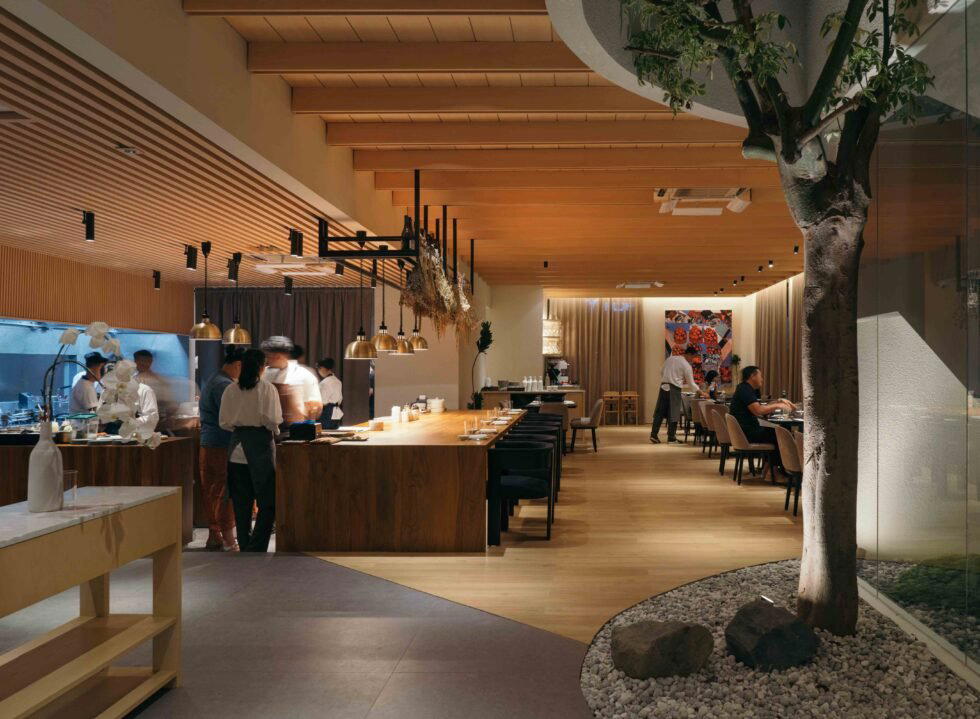
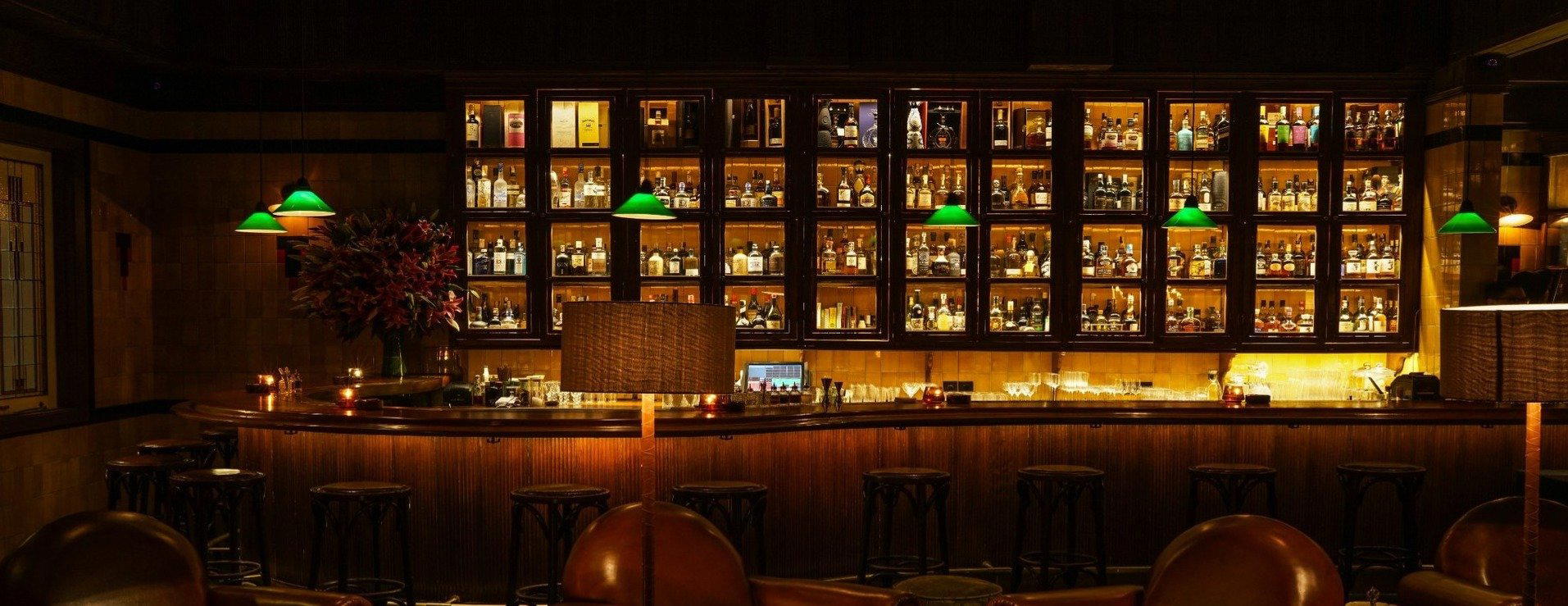
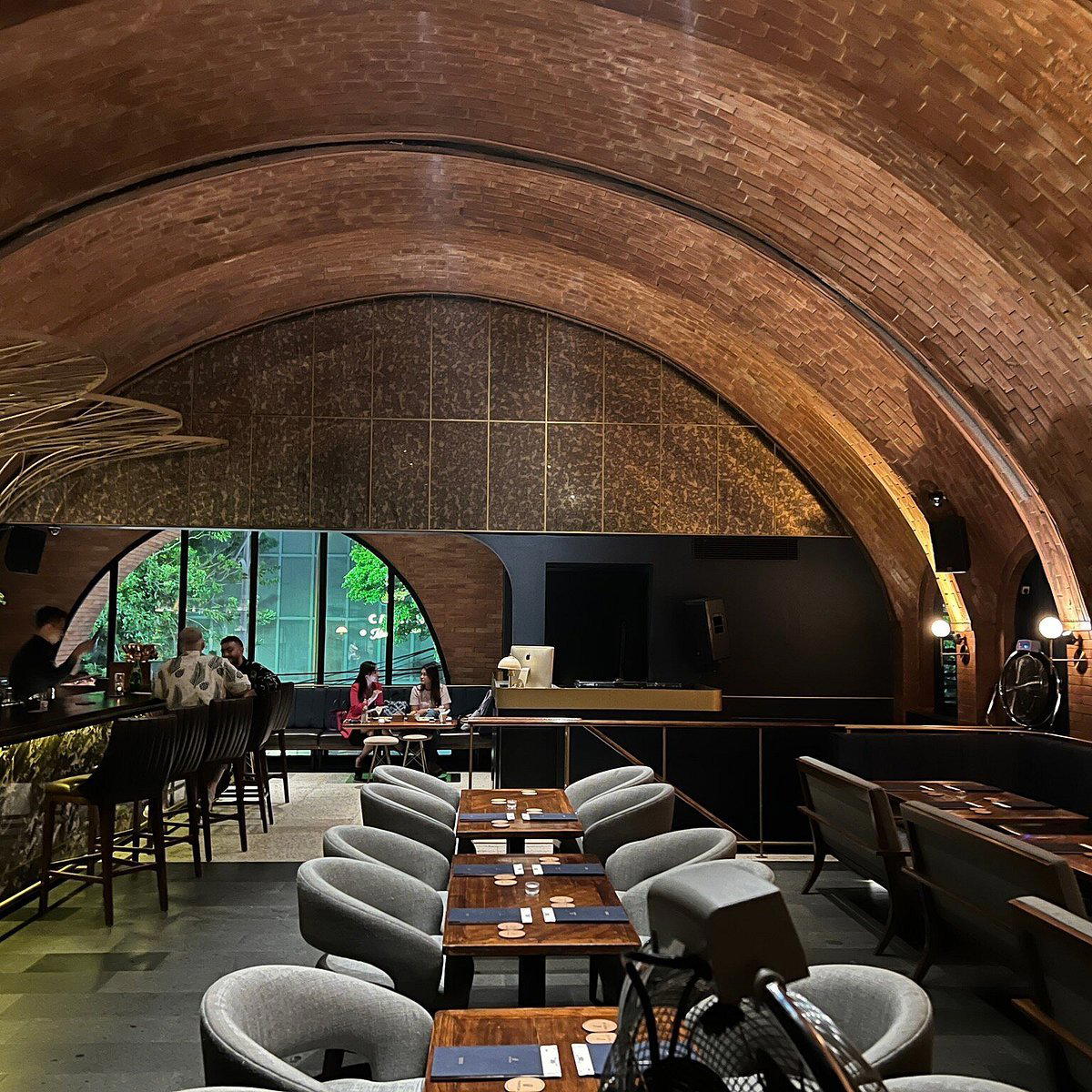
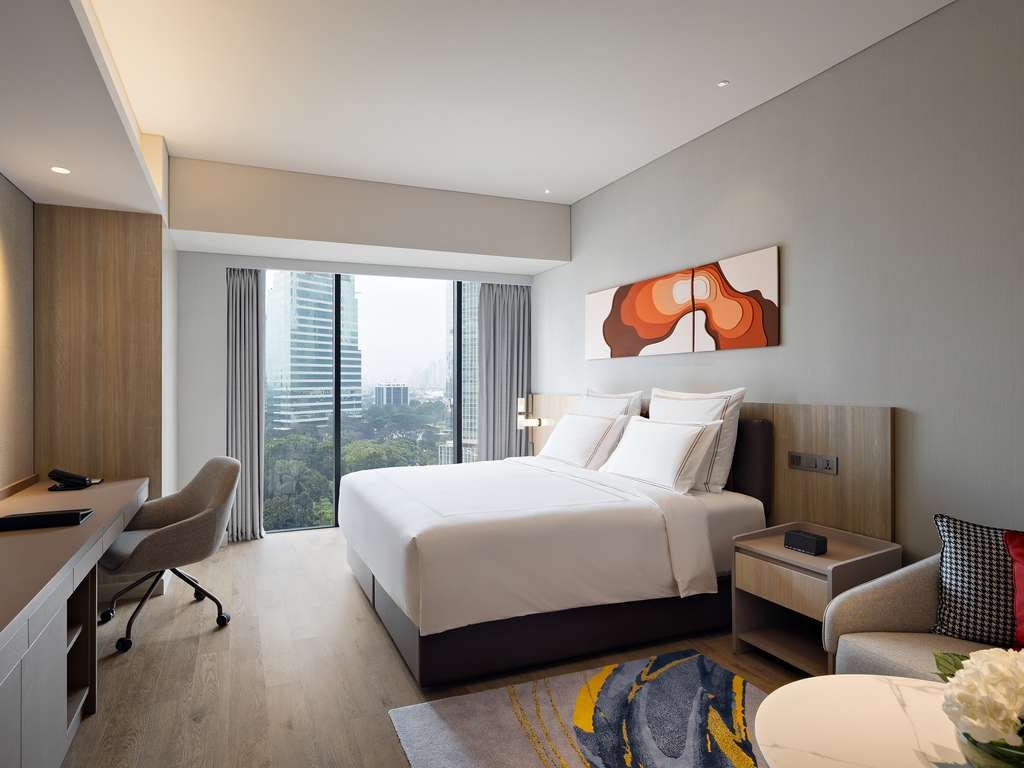
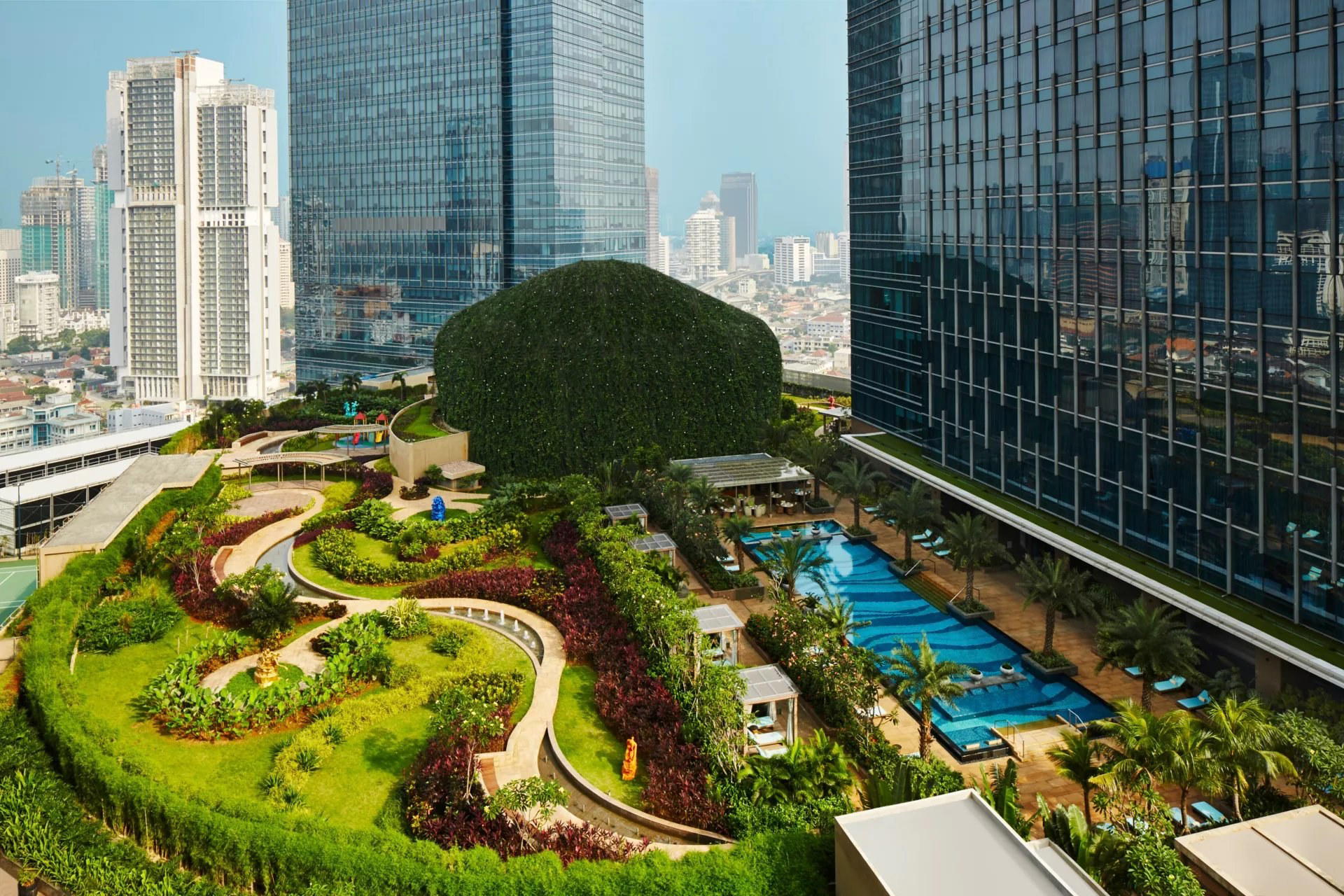
Avant-garde yet warm and cozy with earthy tones, wooden counters, granite tables, stylish modern design, sake bar lounge, and tranquil garden setting.