The Buoy
Located at 22 Franklin St in San Francisco's Civic Center corridor, The Buoy occupies a dining category where the menu structure itself does the talking. With limited public-record data available, the restaurant sits within a city whose fine-dining tier runs from Michelin-recognised tasting counters to neighbourhood-anchored progressive kitchens. Booking details and current hours are best confirmed directly before visiting.
Pearl is the En Primeur Club membership app — saves, bookings, and concierge access live there. Same editors, same standards.
- Address
- 22 Franklin St, San Francisco, CA 94102
- Phone
- +14154169409
- Website
- thebuoysf.com
- Directions
- Get directions
 Saves & bookings on Pearl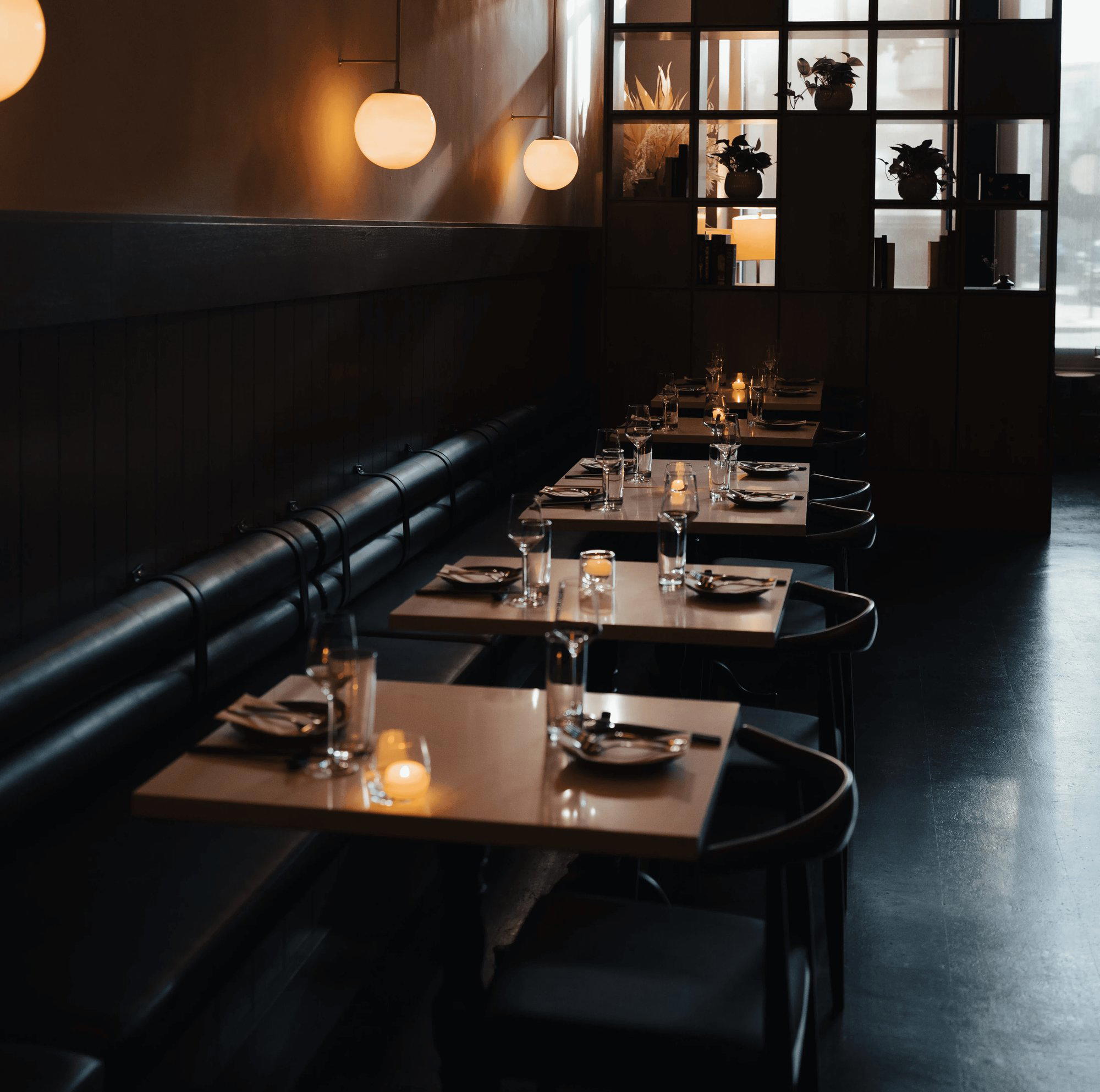
Where The Buoy Fits in San Francisco's Dining Order
San Francisco has spent the better part of two decades sorting its restaurants into legible tiers. At the upper end, a cluster of tasting-menu institutions, Benu, Atelier Crenn, and Quince, anchor the city's Michelin presence and price against a national comparable set that includes Alinea in Chicago and The French Laundry in Napa. Below that bracket sits a more fluid middle tier: restaurants that operate with serious intent and neighbourhood specificity but without the marketing infrastructure of a three-star operation. The Buoy, at 22 Franklin St in the Civic Center corridor, occupies this less-mapped territory. Its address alone places it in one of the more interesting transitional zones in the city, close enough to Hayes Valley's concentration of culinary ambition to draw from that energy, but operating outside its most heavily covered blocks.
The Buoy is a San Francisco restaurant serving Modern Korean Anju at 22 Franklin St in the Civic Center corridor. That mode of operation has a long tradition in this city, and it tends to produce a specific kind of dining experience, one where the menu does the communicating that a PR team otherwise would.
Reading the Menu as a Document
In fine dining, menu architecture is rarely neutral. The decision to run a tasting menu versus à la carte, to organise dishes by ingredient rather than course, or to let a kitchen's sourcing philosophy drive the sequence, each of these is an editorial act that tells a reader something about the kitchen's priorities before a single plate arrives. The restaurants that have most durably shaped San Francisco's identity in this regard are those where the menu structure itself carries an argument. Lazy Bear's communal progression and Saison's fire-driven sequencing are two local examples of menus that function as position statements.
What can be said is that the Civic Center location and the restaurant's general positioning suggest a kitchen working within the broader California tradition of market-responsive cooking, a tradition with deep roots here, running from the original Chez Panisse ethos through to contemporary expressions at places like Single Thread Farm in Healdsburg and Blue Hill at Stone Barns in Tarrytown. In that tradition, the menu changes not on a seasonal clock but in response to what the sourcing relationship makes available, a structural choice that tends to produce shorter menus with higher per-item investment.
Readers comparing the restaurant against the city's more documented tasting-menu houses should note that the absence of awards data does not indicate a lower standard of cooking. San Francisco has always had kitchens operating at serious levels beneath the Michelin spotlight. Providence in Los Angeles and Addison in San Diego illustrate how California's broader fine-dining conversation extends well beyond any single awards framework. The restaurant's position in that conversation will become clearer as more verified data enters the public record.
The Franklin Street Address and What It Signals
The Civic Center and lower Hayes Valley corridor is not the first neighbourhood San Francisco food coverage reaches for. That distinction typically goes to the Mission, the Ferry Building adjacency, or the established restaurant rows in SoMa and the Tenderloin. But the stretch around Franklin Street has accumulated a quiet density of serious operations precisely because rents have remained more workable than in Hayes Valley proper. For a kitchen with ambitions but without the capitalisation of a restaurant group behind it, that trade-off is meaningful, it allows for smaller teams, tighter sourcing budgets redirected toward ingredient quality, and a dining room scale that keeps the experience closer to the food than to the theatre.
This pattern is visible in other American cities too. Bacchanalia in Atlanta and Emeril's in New Orleans have both demonstrated that serious culinary operations can take root in locations that sit slightly outside the obvious corridor, often building more loyal local audiences as a result. The geography is part of the editorial position.
How The Buoy Sits Against San Francisco's Premium Tier
For context on where the restaurant lands relative to the city's most decorated restaurants: the upper tier in San Francisco runs to $$$$ pricing across houses like Benu, Atelier Crenn, Quince, Lazy Bear, and Saison, all of which operate fixed tasting menus with wine pairing options and booking windows that can stretch weeks to months in advance. Comparable national operations such as Atomix in New York City, Le Bernardin in New York City, and The Inn at Little Washington price and operate within similar parameters. Reservations are recommended.
What the full San Francisco restaurants guide makes clear is that the city's dining identity is not reducible to its starred operations. The kitchens that define a city's character over time are often those that operate in the productive middle, responsive to the market, legible to a local audience, and structured around a menu logic that rewards return visits. Whether the restaurant is building that kind of following on Franklin Street is the question that more time and more verified reporting will answer. The address is known. The intent, based on its category and location, reads as serious. The details are known: Modern Korean Anju, $89 per person, reservations recommended. Readers planning a visit to this corner of the city would do well to treat the experience as exploratory, and to cross-reference against comparable international fine-dining reference points when calibrating expectations for the format.
Planning Your Visit
The restaurant is located at 22 Franklin St, San Francisco, CA 94102, in the Civic Center corridor, walkable from the Van Ness and Civic Center BART stations. Current hours are Monday through Tuesday, 11 AM to 3 PM; Wednesday through Thursday, 11 AM to 3 PM and 5 to 10 PM; Friday and Saturday, 11 AM to 3 PM and 5 to 11 PM; Sunday, 11 AM to 3 PM and 5 to 10 PM. Reservations are recommended. For the broader San Francisco dining picture, EP Club's city guide covers the full range from neighbourhood staples to multi-course tasting counters.
Booking and Cost Snapshot
Comparable venues nearby, for context on price, style, and recognition.
| Venue | Cuisine | Price | Notes |
|---|---|---|---|
| The BuoyThis venue — the venue you are viewing | Hayes Valley, Modern Korean Anju | $$$ | Not listed |
| Buoy Bar | Not listed | $$$ | Hayes Valley, Modern Korean Bar & Small Plates |
| Mosu | Not listed | $$$$ | Fillmore District, Modern Kaiseki with Korean Influences |
| Espetus Churrascaria | Not listed | $$$ | Hayes Valley, Authentic Brazilian Churrascaria |
| The Rotunda | Not listed | $$$ | Financial District/South Beach, Contemporary American |
| Amber India Restaurant | Not listed | $$$ | Financial District/South Beach, North Indian |
Continue exploring
More in San Francisco
Restaurants in San Francisco
Browse all →
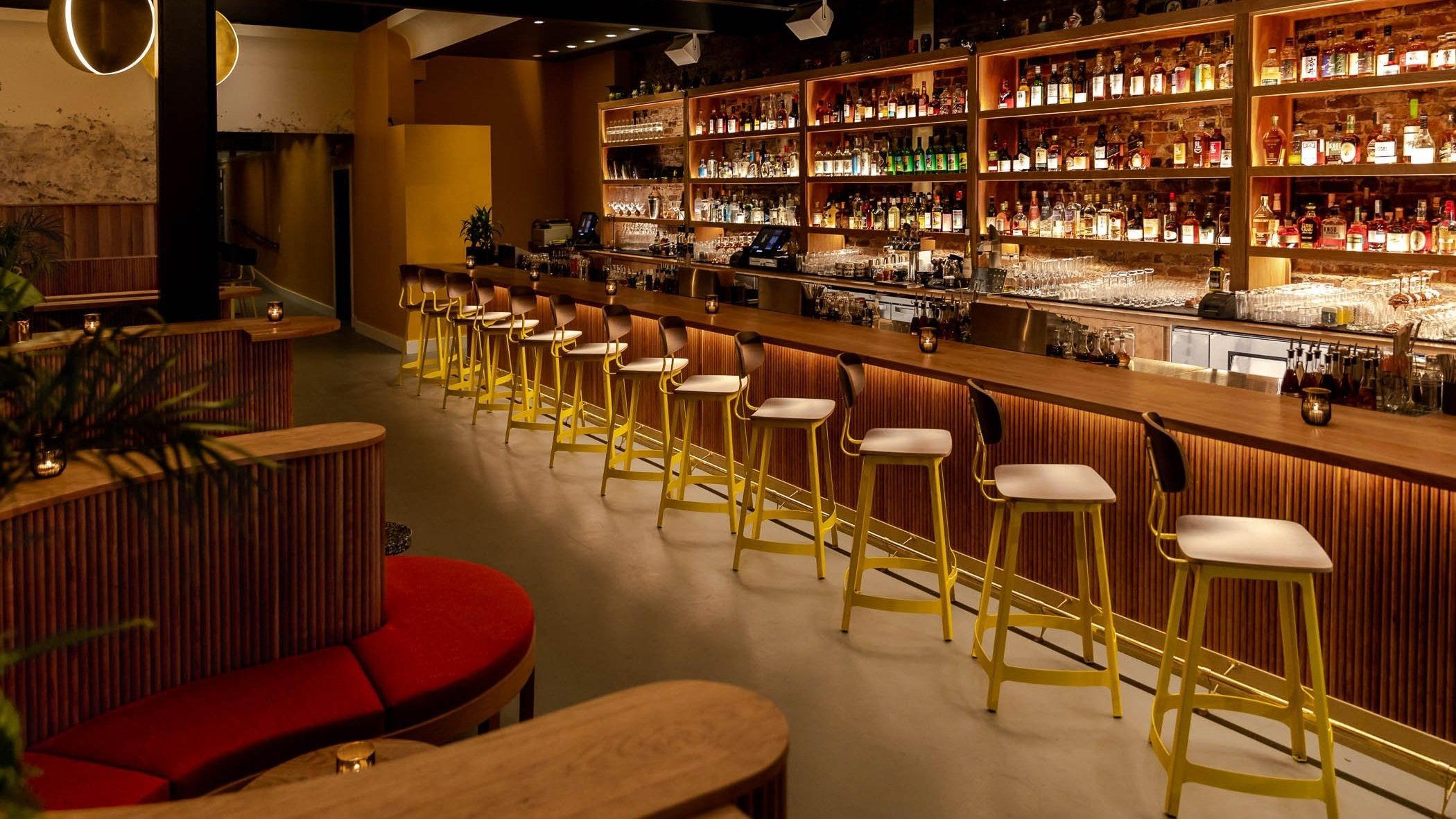
Bars in San Francisco
Browse all →
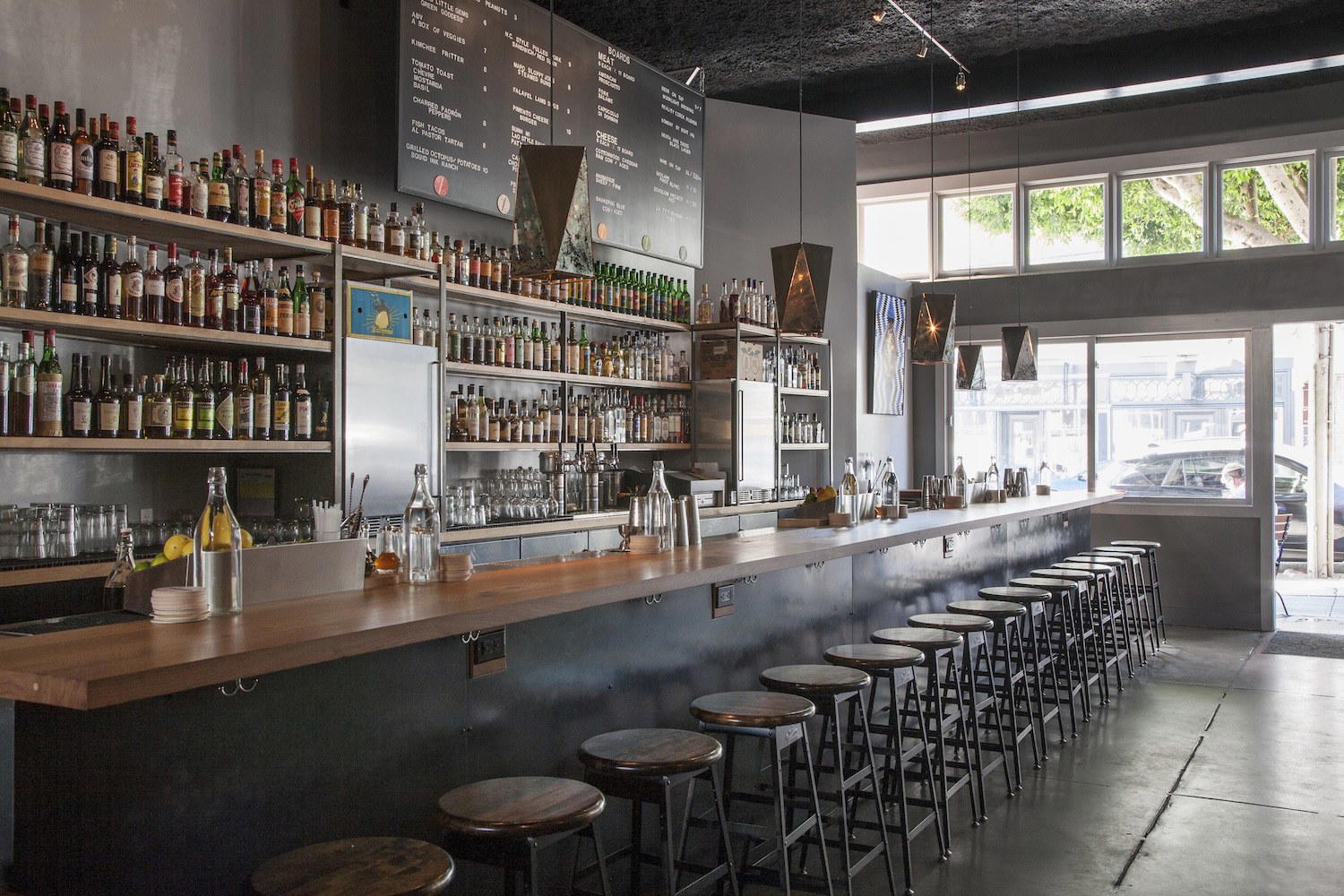
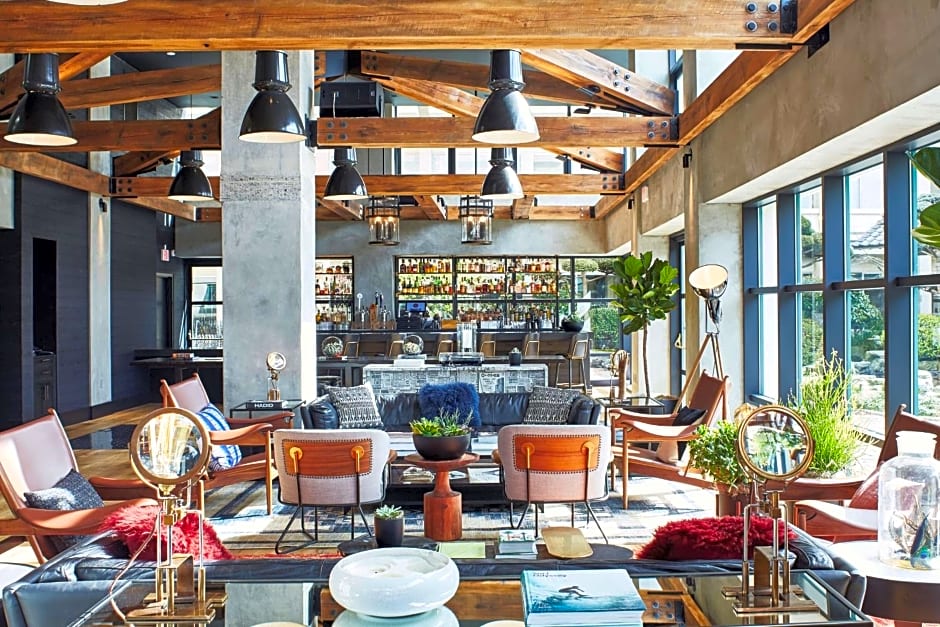
Hotels in San Francisco
Browse all →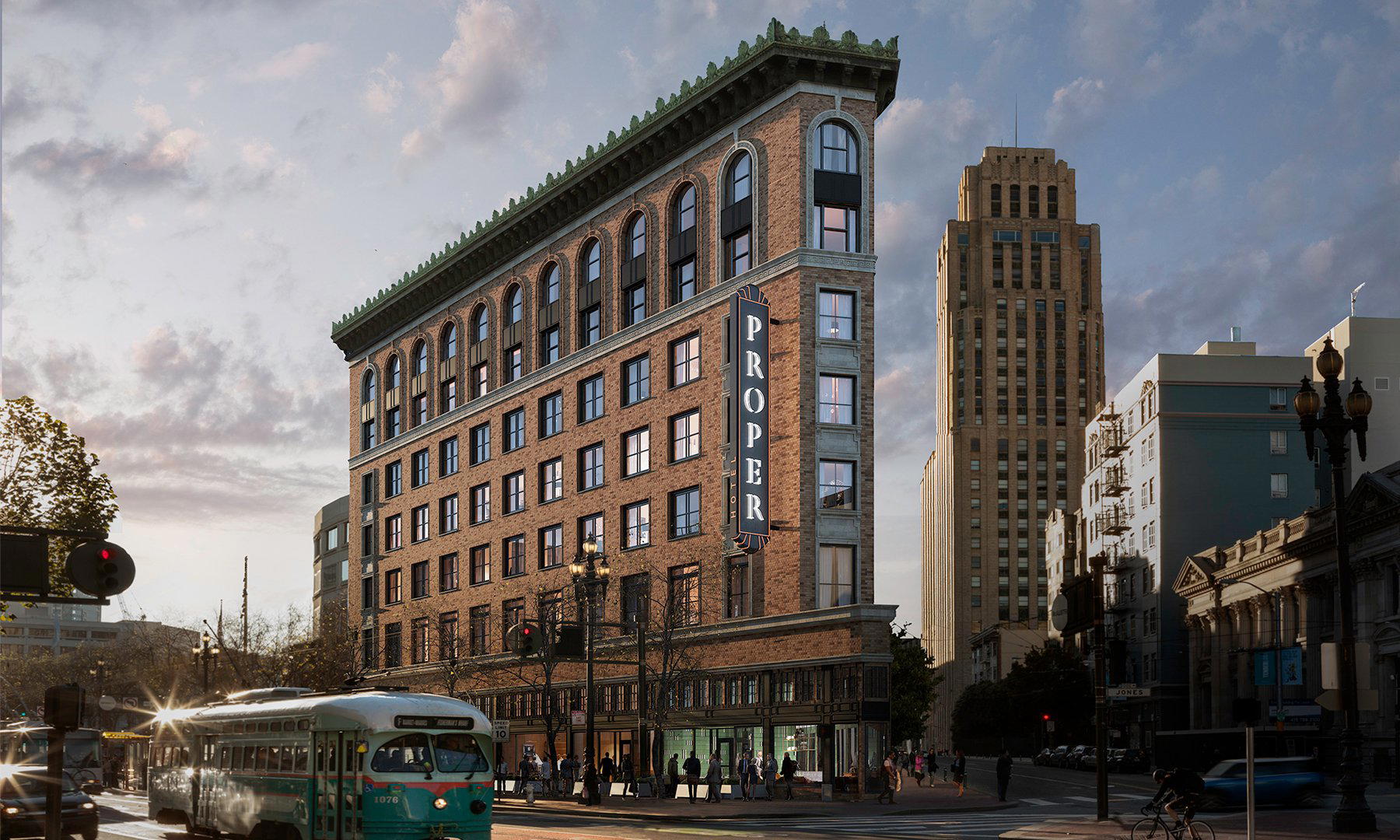
At a Glance
- Intimate
- Trendy
- Cozy
- Elegant
- Date Night
- Casual Hangout
- Open Kitchen
- Sake Program
Current opening hours
- Monday
- 11 AM–3 PM
- Tuesday
- 11 AM–3 PM
- Wednesday
- 11 AM–3 PM, 5–10 PM
- Thursday
- 11 AM–3 PM, 5–10 PM
- Friday
- 11 AM–3 PM, 5–11 PM
- Saturday
- 11 AM–3 PM, 5–11 PM
- Sunday
- 11 AM–3 PM, 5–10 PM
Hours can change for holidays and private events. Last verified .
Barely-there lighting with lo-fi beats creating a calm, warm, playful, and elegant atmosphere ideal for intimate dates.