Espetus Churrascaria
Espetus Churrascaria on Market Street brings the Brazilian rodízio format to San Francisco with a directness that cuts through the city's tasting-menu orthodoxy. Gaucho-style service, rotating skewers of grilled meat, and an all-you-can-eat structure place it in a different register from the Michelin-saturated blocks nearby. For visitors planning around a large group or a protein-forward evening, this is a reliable fixed point on the SF dining map.
Pearl is the En Primeur Club membership app — saves, bookings, and concierge access live there. Same editors, same standards.
- Address
- 1686 Market St, San Francisco, CA 94102
- Phone
- +14155528792
- Website
- espetus.com
- Directions
- Get directions
 Saves & bookings on Pearl
Market Street, Before You Walk In
Espetus Churrascaria is an Authentic Brazilian Churrascaria at 1686 Market St, San Francisco, CA 94102. Espetus Churrascaria at 1686 Market St occupies this middle ground with unusual clarity of purpose. The rodízio format, continuous tableside service of grilled meats carved directly from long skewers by circulating gaucho-dressed servers, removes all the deliberation that defines most upscale San Francisco dining. You are not choosing from a menu. You are managing pace and volume, which is a different skill set entirely.
That format distinction matters when you're mapping a city where so much of the conversation centres on restaurants like Lazy Bear (Progressive American, Contemporary), Atelier Crenn (Modern French, Contemporary), Benu (French - Chinese, Asian), Quince (Italian, Contemporary), and Saison (Progressive American, Californian), all operating at the $$$$ tier with tasting menus, seasonal ingredient sourcing, and multi-hour pacing. Espetus operates on a fundamentally different logic: abundance over restraint, communal energy over quiet contemplation, a fixed price structure that covers volume rather than precision. These are not competing values so much as parallel traditions appealing to different evenings and different groups.
The Rodízio Tradition and What It Asks of You
Brazilian churrascaria dining follows a format developed in the cattle country of Rio Grande do Sul, where ranch culture produced an approach to beef that privileges fire, salt, and volume over sauce and complexity. In the rodízio variant that spread globally from the 1970s onward, the theatrical element is central: meat arrives at your table on skewers, servers carve to order, and your coloured disc (green side up to continue, red side up to pause) gives you control over the flow. The salad bar and side dishes that anchor most US churrascarias are standard complements, not afterthoughts.
Understanding this structure before you arrive at Espetus is especially useful preparation you can do. The pacing decision is entirely yours. Groups that arrive without this knowledge often either overload early and miss later cuts, or under-pace and leave before the kitchen cycles through its full range. The format rewards a degree of strategy: hold back at the salad bar, signal the servers early for the cuts you prioritise, and treat the meal as a sustained session rather than a single sitting. Compared to the pre-set tasting rhythms of somewhere like The French Laundry in Napa or Smyth in Chicago, the rodízio puts temporal control squarely with the diner.
How Espetus Sits in the Broader US Churrascaria Picture
American churrascaria has been shaped largely by the Fogo de Chão and Texas de Brazil chains, which have standardised the format across dozens of locations nationwide. Independent houses like Espetus occupy a different position: fewer locations, more neighbourhood embeddedness, and a dining experience shaped by a specific city's demographics and expectations rather than a national brand template. San Francisco's Brazilian community and the Mission District's South American dining presence give Espetus a local referent that chain operations in most cities lack.
Across the wider US independent fine-dining scene, restaurants like Providence in Los Angeles, Addison in San Diego, and Le Bernardin in New York City represent the counter-pole: single-restaurant operations where format, sourcing, and technique are tightly controlled. Espetus doesn't compete in that register, and the comparison is useful mainly to clarify what category it occupies. It is a specialist format venue in a city that has more specialist format options per capita than almost anywhere in the country. Its reference set is other churrascarias and group-format steakhouses, not the tasting-menu tier.
For visitors building a multi-night San Francisco itinerary that also includes evenings at higher-formality restaurants, Espetus functions well as a counterweight: high energy, social format, lower planning friction. See our full San Francisco restaurants guide for a broader map of the city's dining tiers.
Planning Your Visit: Logistics and Booking
The booking experience at a churrascaria differs structurally from reservation management at San Francisco's high-demand tasting-menu counters. Venues like Blue Hill at Stone Barns in Tarrytown or Atomix in New York City operate prepaid, limited-seat release systems where timing windows and waitlists are part of the experience. Espetus, as a higher-capacity group-format restaurant, typically operates on a more conventional reservation system with greater flexibility, though weekend evenings and large groups will benefit from advance booking.
The address, 1686 Market Street, San Francisco, CA 94102, places the restaurant within reach of several MUNI lines and within walking distance of the Castro, Civic Center, and Hayes Valley neighborhoods. For visitors staying in Union Square or Soma, this is a direct transit ride. Driving to this stretch of Market is less practical given parking constraints, and rideshare drop-off on Market Street is typically efficient.
Group bookings deserve particular attention at any rodízio venue. The format scales well for parties of six to twelve, where the communal pacing and volume-sharing work naturally. Smaller parties of two or three can feel the all-you-can-eat structure less efficiently delivered, though the experience remains intact. For large celebrations, rehearsal dinners, corporate groups, milestone birthdays, churrascarias in general offer an operationally simpler evening than tasting-menu formats, where coordinating dietary restrictions and pacing across a large table becomes genuinely complex. Compare this to the booking geometry required at somewhere like Single Thread Farm in Healdsburg or Emeril's in New Orleans, where group reservations involve significant lead time and structured pre-service coordination.
Dietary restrictions are worth flagging specifically at Espetus, as at any meat-forward format restaurant. The salad bar and side dishes accommodate non-meat eaters to a degree, but the core format is built around animal protein. Guests with allergies or strict dietary requirements should contact the restaurant directly before booking,
What the Format Tells You About the Evening Ahead
Restaurants anchored in a specific national culinary tradition, churrascaria, kaiseki, meze, tend to succeed or fail based on how honestly they execute the format rather than how extensively they elaborate on it. The leading international comparisons for rodízio dining sit in cities like São Paulo, Porto Alegre, and Buenos Aires, where the format has centuries of local context. In San Francisco, Espetus carries that tradition into a city whose dining culture is more focused on produce-led California cuisine and precision tasting formats, which makes it a deliberate departure rather than a default option.
For a city that has produced particularly technically demanding restaurant experiences in the country, see also Frasca Food and Wine in Boulder, The Inn at Little Washington, and Atelier Moessmer Norbert Niederkofler in Brunico as reference points for what technique-forward dining looks like globally, there is something clarifying about a format that asks nothing of you except appetite and timing. That is not a criticism of Espetus. It is precisely the point.
Quick reference: Espetus Churrascaria, 1686 Market St, San Francisco, CA 94102. Brazilian rodízio format. Reservations recommended.
How It Stacks Up
Comparable venues nearby, for context on price, style, and recognition.
| Venue | Cuisine | Price | Notes |
|---|---|---|---|
| Espetus ChurrascariaThis venue — the venue you are viewing | Authentic Brazilian Churrascaria | $$$ | Not listed |
| Bellota | Spanish Tapas & Paella | $$$ | South of Market |
| Anzu | Contemporary Japanese-Californian Fusion | $$$ | Tenderloin |
| Little Original Joe's | Italian-American Comfort | $$$ | Marina |
| 1300 on Fillmore | Modern Southern-Inspired American | $$$ | Fillmore Jazz District |
| Aster | Modern California-American Fine Dining | $$$ | Mission District |
Continue exploring
More in San Francisco
Restaurants in San Francisco
Browse all →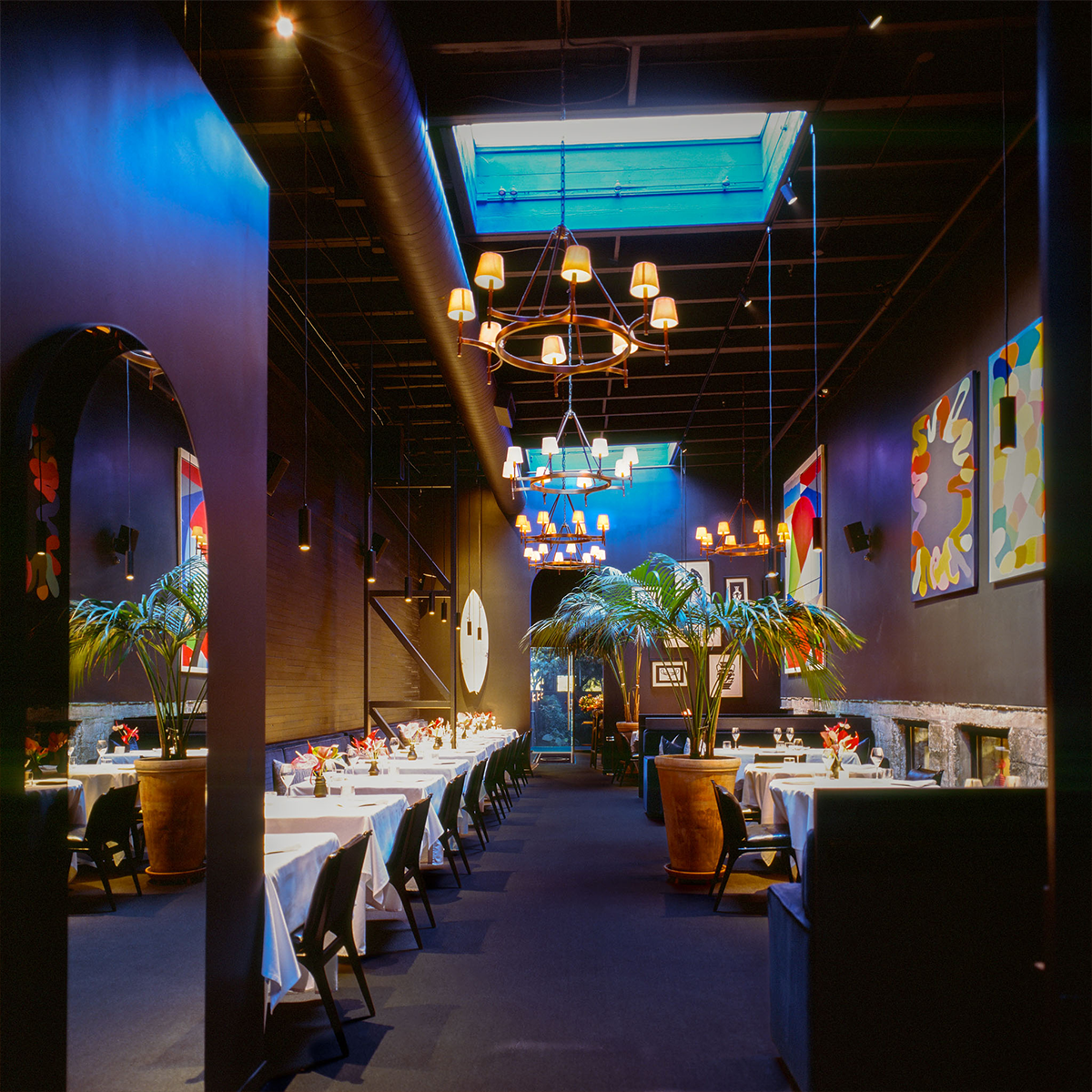
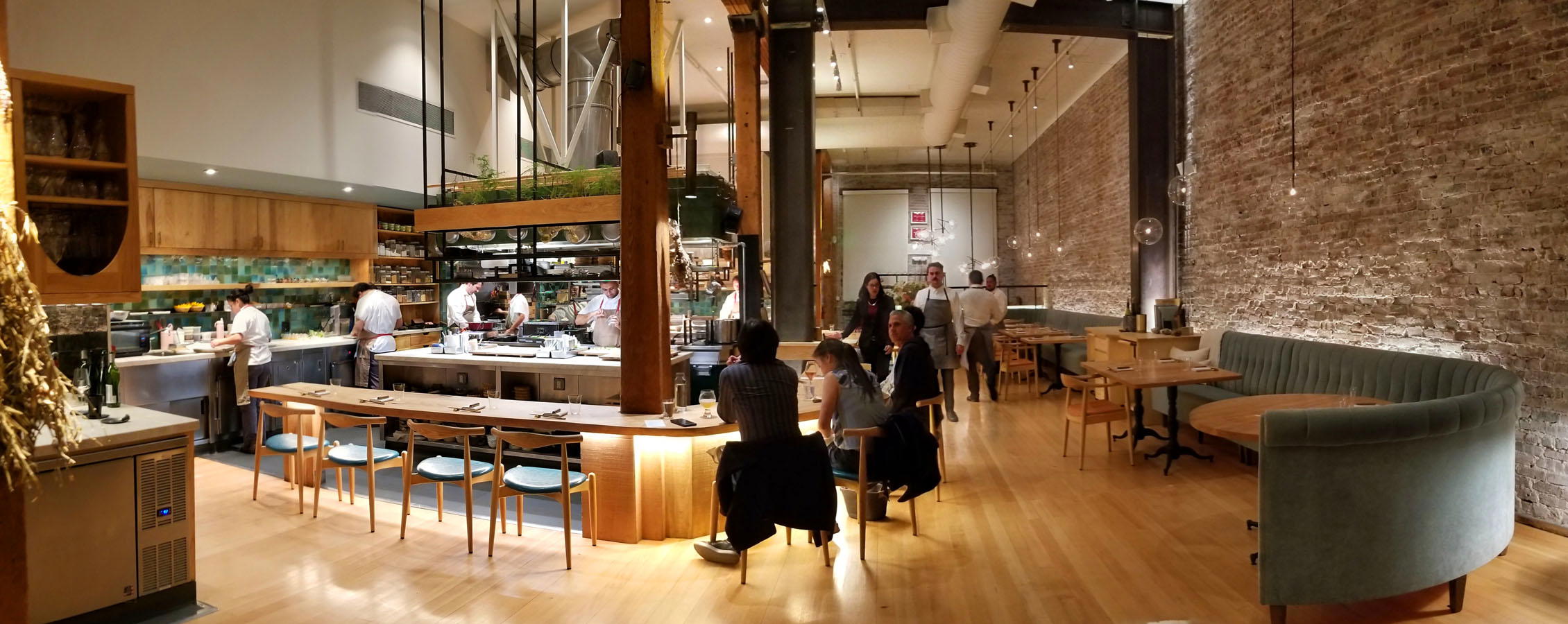
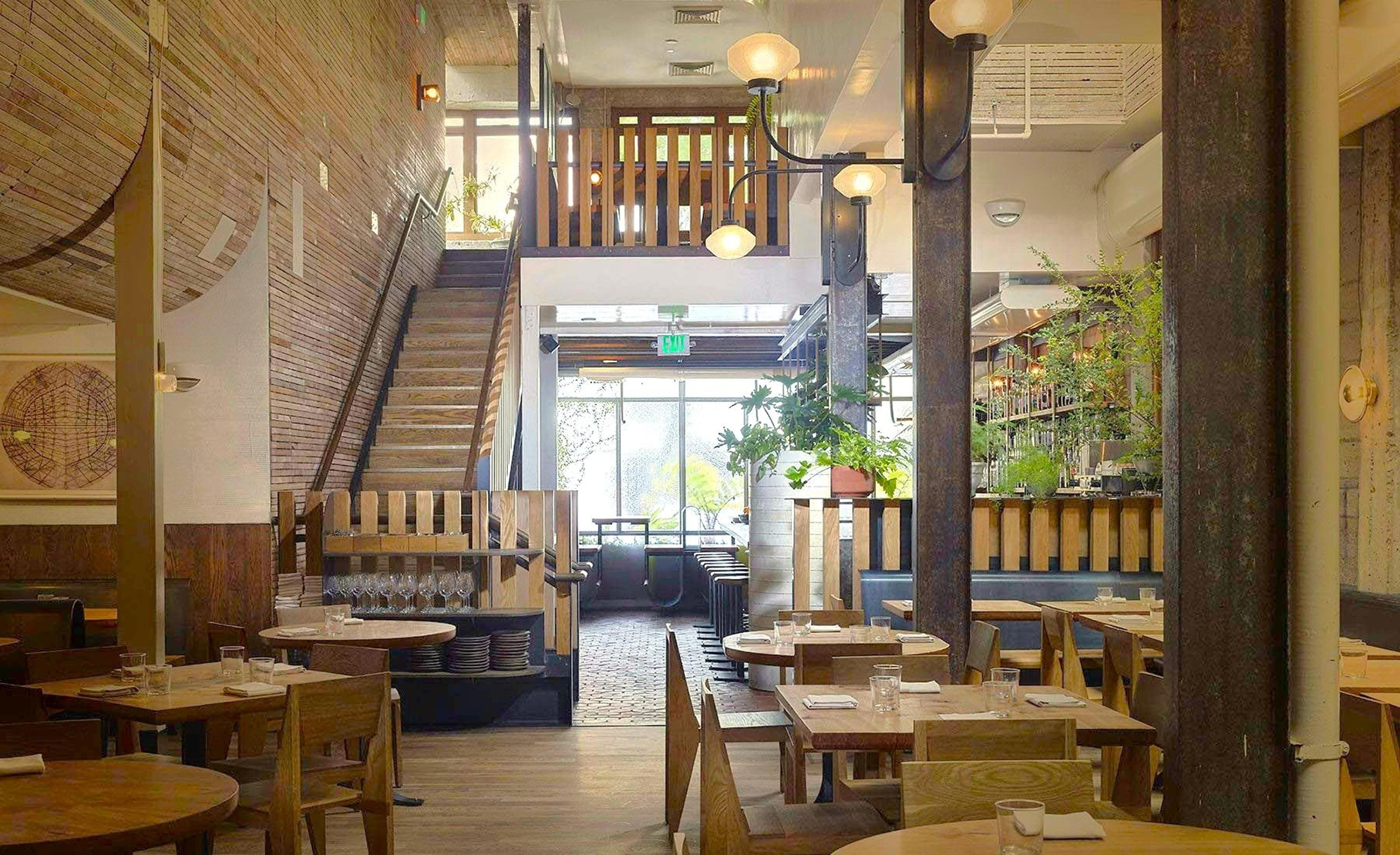
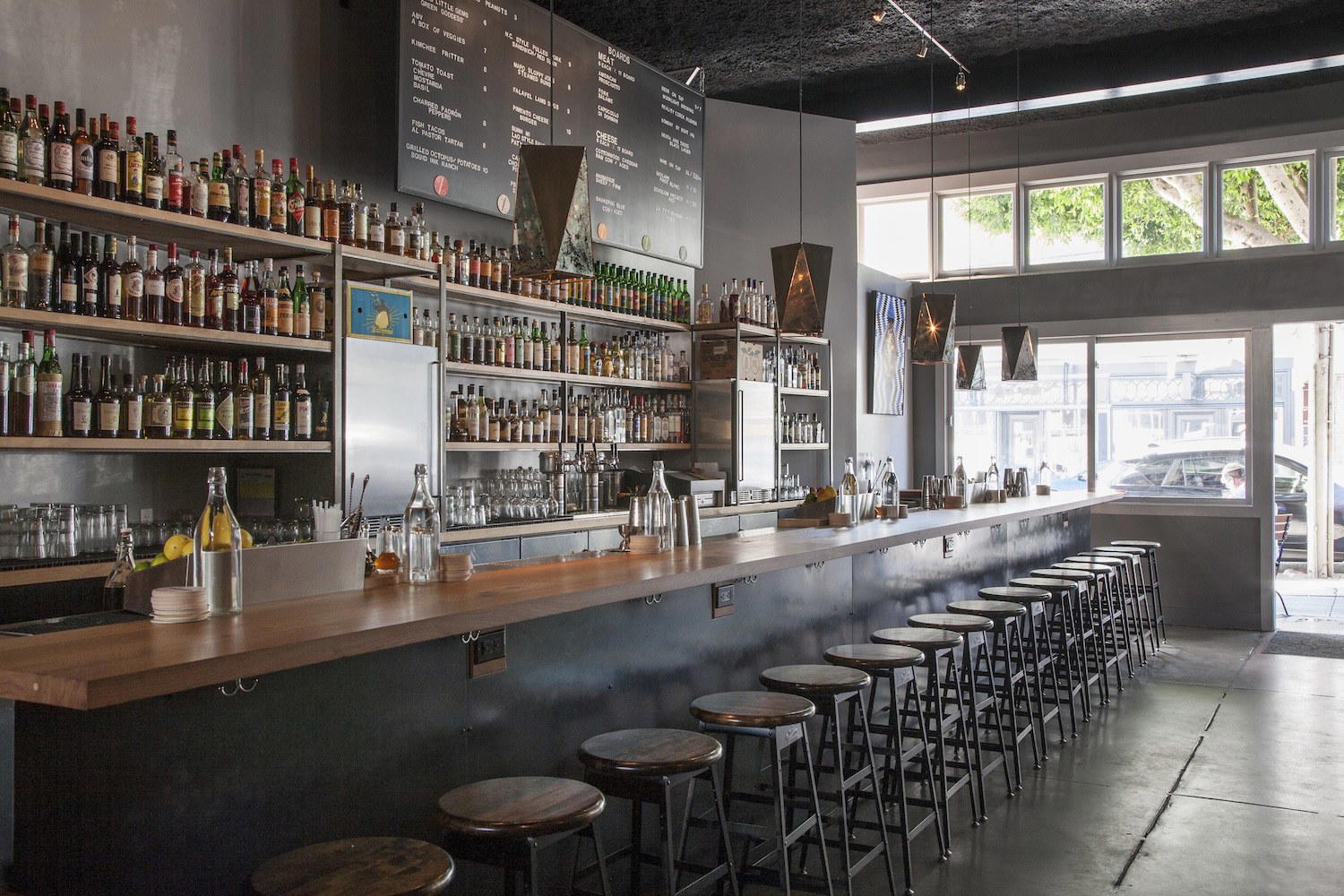
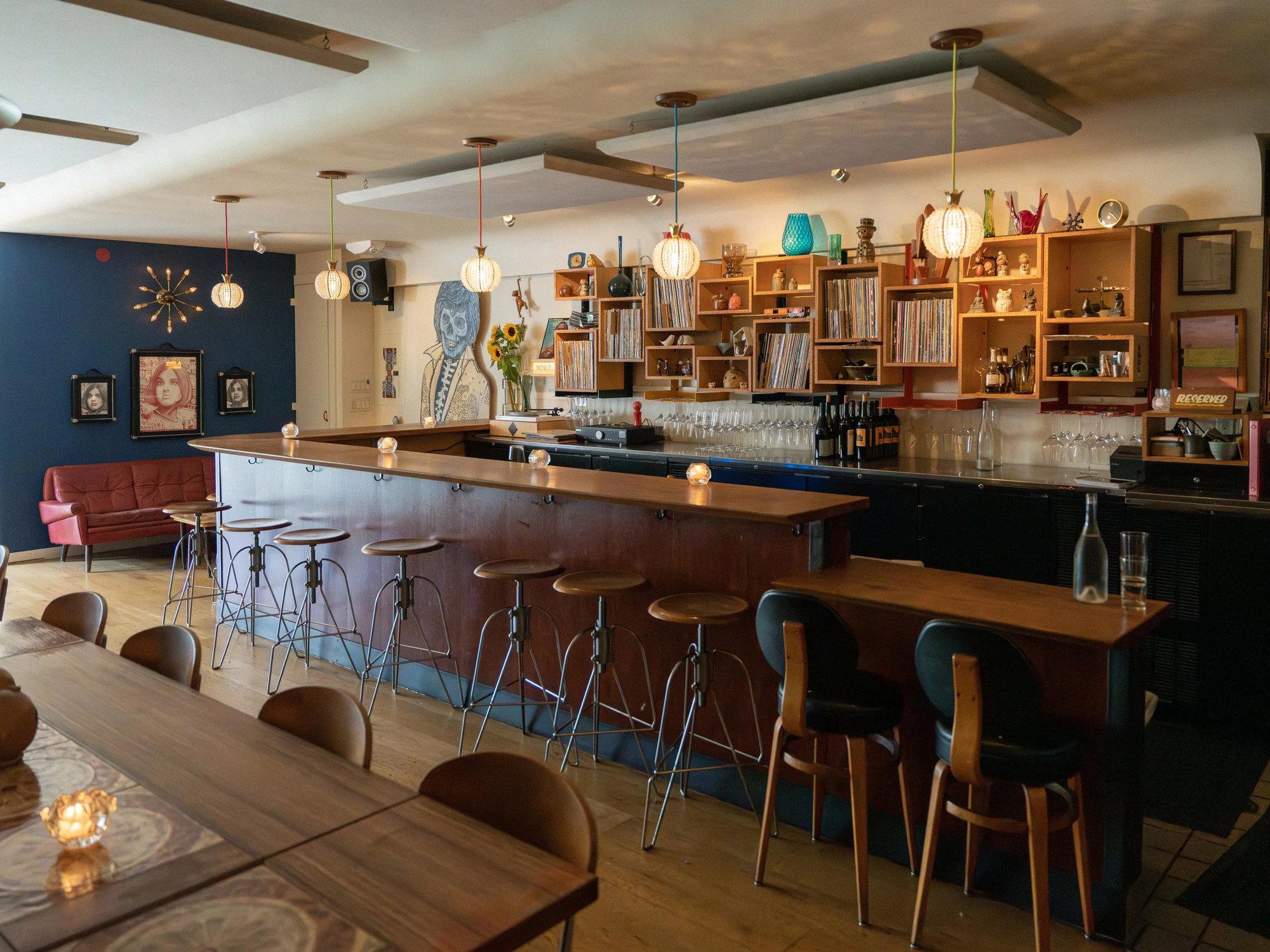
Bars in San Francisco
Browse all →

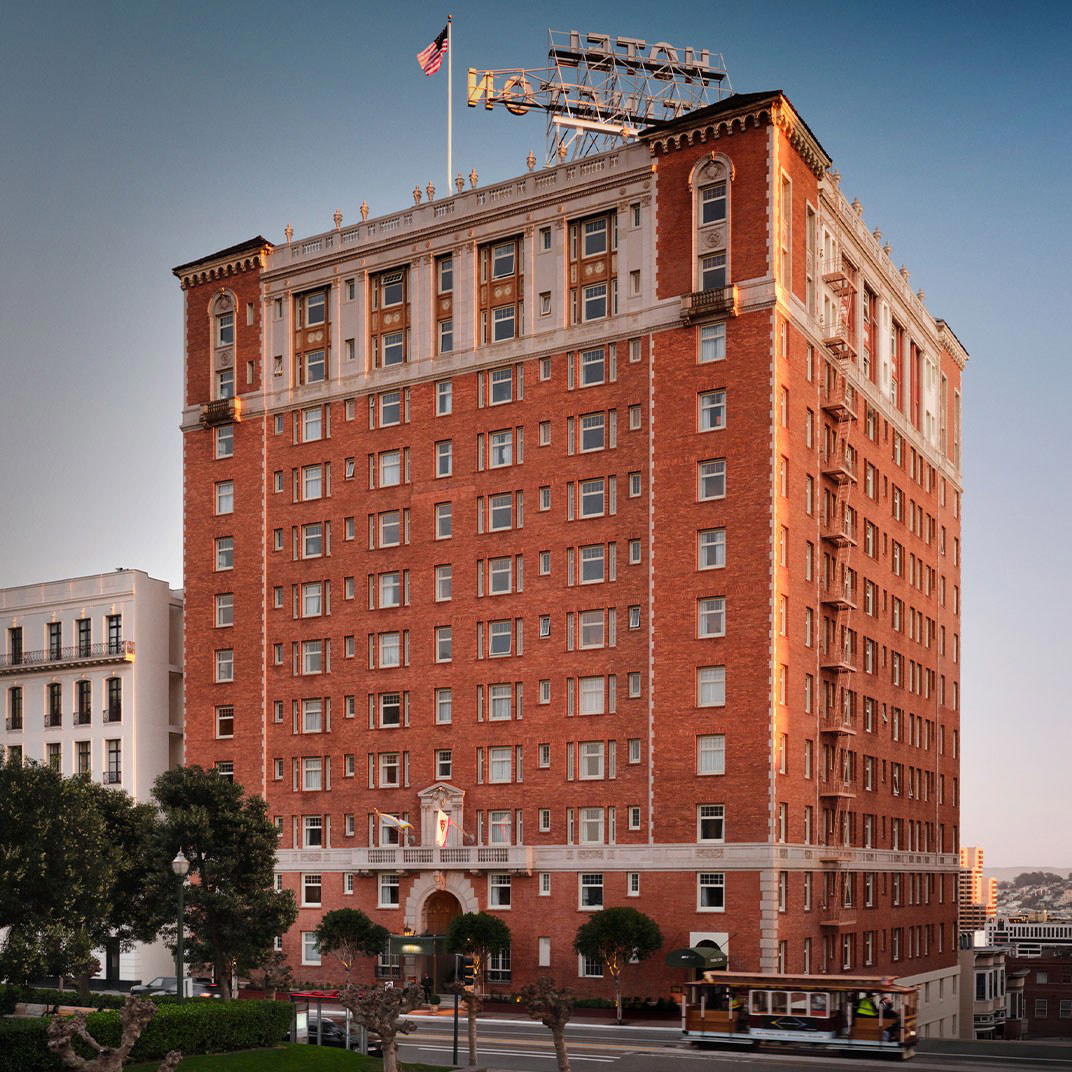
Hotels in San Francisco
Browse all →




At a Glance
- Lively
- Energetic
- Group Dining
- Celebration
- Special Occasion
- Open Kitchen
- Extensive Wine List
Current opening hours
- Monday
- 11:30 AM–2:30 PM, 5–10 PM
- Tuesday
- 11:30 AM–2:30 PM, 5–10 PM
- Wednesday
- 11:30 AM–2:30 PM, 5–10 PM
- Thursday
- 11:30 AM–2:30 PM, 5–10 PM
- Friday
- 11:30 AM–2:30 PM, 5–11 PM
- Saturday
- 12–3 PM, 5–11 PM
- Sunday
- 12–9 PM
Hours can change for holidays and private events. Last verified .
Lively and lively atmosphere with continuous tableside meat service in a traditional setting.