Buoy Bar
Buoy Bar brings a Modern Korean lens to San Francisco, a city where Korean dining increasingly moves between barbecue tradition, drinking food, and contemporary small-plate formats. Read it through the banchan table: variety, contrast, and accompaniment matter as much as any main event, with the bar setting shaping the meal’s rhythm.
Pearl is the En Primeur Club membership app — saves, bookings, and concierge access live there. Same editors, same standards.
- Address
- San Francisco, United States
- Website
- thebuoysf.com
 Saves & bookings on Pearl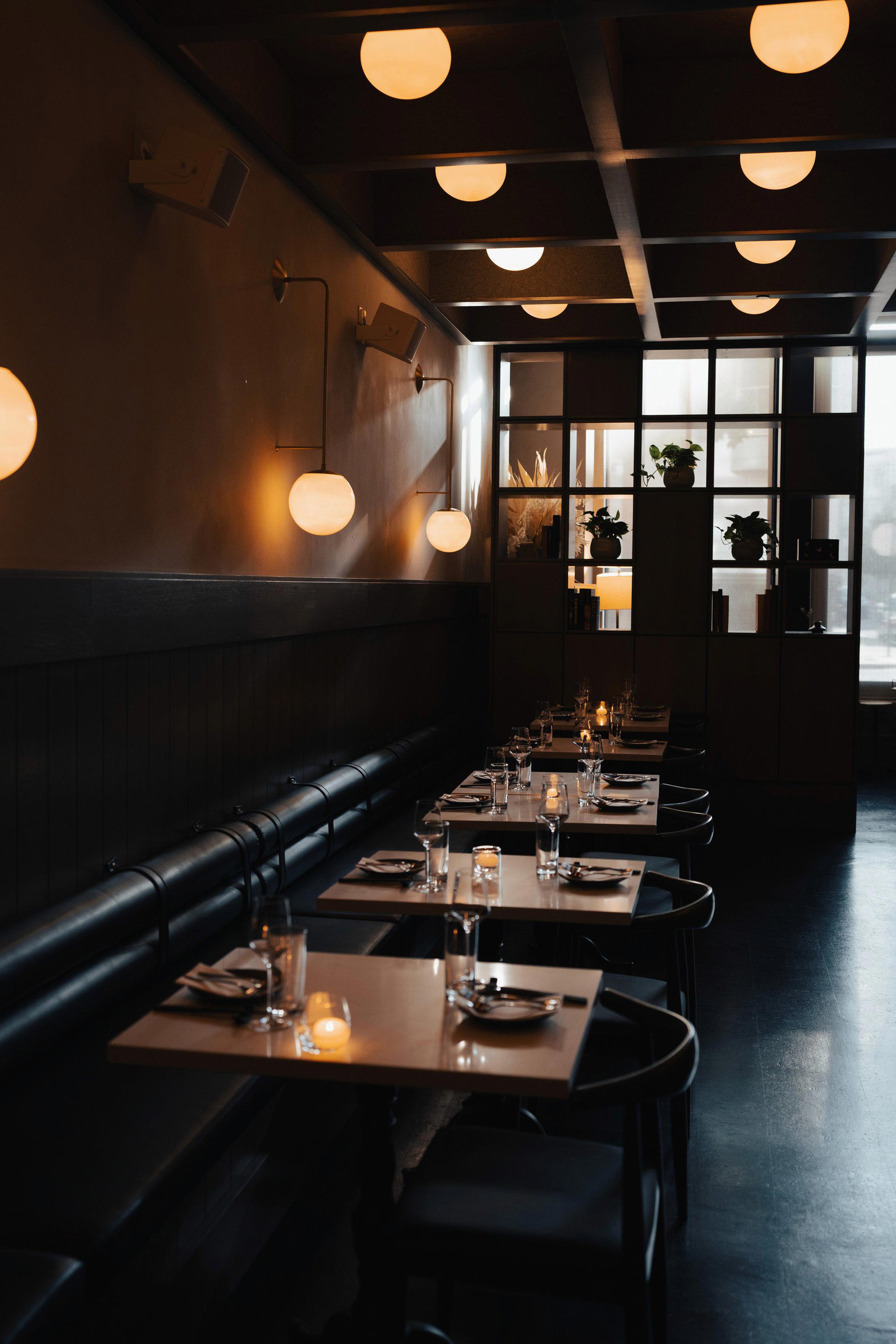
Approach a Korean bar table with the wrong expectation and the meal can look fragmented: small plates, condiments, drinking snacks, rice, heat, acid, crunch. Read it through banchan and the logic becomes clearer. Korean dining has long treated accompaniment as structure, not garnish, and that idea gives Buoy Bar its most useful frame in San Francisco: Modern Korean food measured by contrast, pacing, and how many directions a table can move at once.
San Francisco has never had a single Korean dining identity. The city’s Korean restaurants have often sat between neighborhood comfort, late-night social eating, and the broader Bay Area habit of translating immigrant foodways through produce, seafood, and wine-bar informality. Buoy Bar belongs to that newer lane. The name signals bar energy rather than ceremonial tasting-menu formality, while the cuisine category points toward Korean technique and flavor grammar adapted for a contemporary room.
The banchan logic behind a Modern Korean bar table
Banchan is not a warm-up act. In Korean meals, the side-dish spread is a system of calibration: salt against rice, fermentation against fat, sweetness against chile, vegetable snap against grilled or braised richness. Modern Korean restaurants outside Korea often use that structure less literally, but the principle remains. A table works when the smaller components create movement, not when every plate competes to be the headline.
That matters in San Francisco because the city’s diners are trained to graze. Shared plates, natural-wine bars, seafood counters, and casual tasting formats have made flexible ordering second nature. Modern Korean cooking fits that appetite when it preserves the discipline of accompaniment. The stronger read here is not to search for a single defining dish, but to think in sequences: fermented, fried, fresh, spicy, cooling, starchy. The meal should feel assembled rather than staged.
This is also where Korean food differs from the generic small-plates template. Banchan culture carries an expectation of generosity and variation, but not excess for its own sake. The point is range. A good spread makes the table more articulate with each addition, letting sharper, colder, or more saline elements reset the palate. In a bar context, that structure has practical value: it supports conversation, longer pacing, and drinks without reducing the food to background noise.
San Francisco's Korean dining has moved beyond a single format
The Bay Area’s Korean restaurants are often discussed through barbecue, tofu stews, and late-night comfort, but that frame now misses part of the story. Contemporary Korean cooking in American cities has been reshaped by chefs and operators who treat banchan, anju, fermentation, and rice as flexible tools rather than fixed categories. New York has its own version of that shift, visible in places such as Atoboy, Modern Korean in New York City, while Seoul’s modern dining scene provides a different reference point at 24seasons, Modern Korean in Seoul.
San Francisco adds its own pressure. The city rewards restaurants that can compress ambition into informal settings. That pattern runs across categories, from neighborhood Italian-American counter culture at Napizza to Hawaiian memory and Bay Area sourcing at ‘āina, and from Fillmore dining rooms such as 1300 on Fillmore to the flexible contemporary cooking associated with 1760. Even community-minded food spaces such as 18 Reasons reflect the city’s bias toward food as participation rather than performance.
Within that context, Buoy Bar reads less as a Korean restaurant trying to explain tradition and more as a bar-format answer to it. The useful comparison is not another named San Francisco peer, but a category shift: Korean flavors moving from set-piece barbecue or homestyle stew into a room where ordering can be incremental and social. That suits a city where dinner often begins with snacks and turns into a longer evening without announcing itself as a formal occasion.
How to read the room before ordering
The smartest approach is to treat the table as a composition. Start with the banchan idea, then build around temperature, texture, and intensity. If a menu leans into fermented vegetables, chile, pickles, rice, seafood, grilled elements, or fried drinking food, those categories should not be ordered as isolated cravings. They work as checks and balances. A Korean bar table becomes more satisfying when acidity has somewhere to go, heat has a cooling counterpoint, and richer plates have enough rice or vegetable structure around them.
That ordering style also helps set expectations. Modern Korean does not mean a museum version of Korean food, and a bar setting does not mean the cooking is secondary. It means the experience depends on rhythm. In San Francisco, where restaurant formats often blur, that rhythm is the point: part dinner, part drinking table, part contemporary interpretation of a much older meal structure.
For wider city planning, the broader EP Club San Francisco coverage is useful by category: Our full San Francisco restaurants guide, Our full San Francisco bars guide, Our full San Francisco hotels guide, Our full San Francisco wineries guide, and Our full San Francisco experiences guide. Related West Coast and Pacific references show how casual formats carry serious food ideas in different cities, from Jōdo Saké Bar in Los Angeles and Onigiri Time in Pasadena to ¿Por Qué No? in Portland, ‘Ai Love Nalo in Waimanalo Beach, ‘Ama ‘Ama in Kapolei, and ‘Dashery in Baltimore.
Comparable Venues Nearby
Comparable venues nearby, for context on price, style, and recognition.
| Venue | Cuisine | Price | Notes |
|---|---|---|---|
| Buoy BarThis venue — the venue you are viewing | Modern Korean Bar & Small Plates | $$$ | Not listed |
| Um. Ma | Korean | $$ | Inner Sunset |
| My Tofu House | Korean Soft Tofu House | $$ | Inner Richmond |
| Tonight Soju Bar | Korean Soju Bar | $$ | Sunset |
| Daeho Kalbijim & Beef Soup | Traditional Korean Braised Short Ribs & Beef Soup | $$$ | Japantown |
| The Tailor's Son | Northern Italian Trattoria | $$$ | Pacific Heights |
Continue exploring
More in San Francisco
Restaurants in San Francisco
Browse all →
Bars in San Francisco
Browse all →
Hotels in San Francisco
Browse all →
Wineries in San Francisco
Browse all →
At a Glance
- Lively
- Modern
- Trendy
- Cozy
- Energetic
- Romantic
- Date Night
- After Work
- Celebration
- Group Dining
- Late Night
- Casual Hangout
- Standalone
- Design Destination
- Craft Cocktails
- Beer Program
- Zero Proof
- Local Sourcing
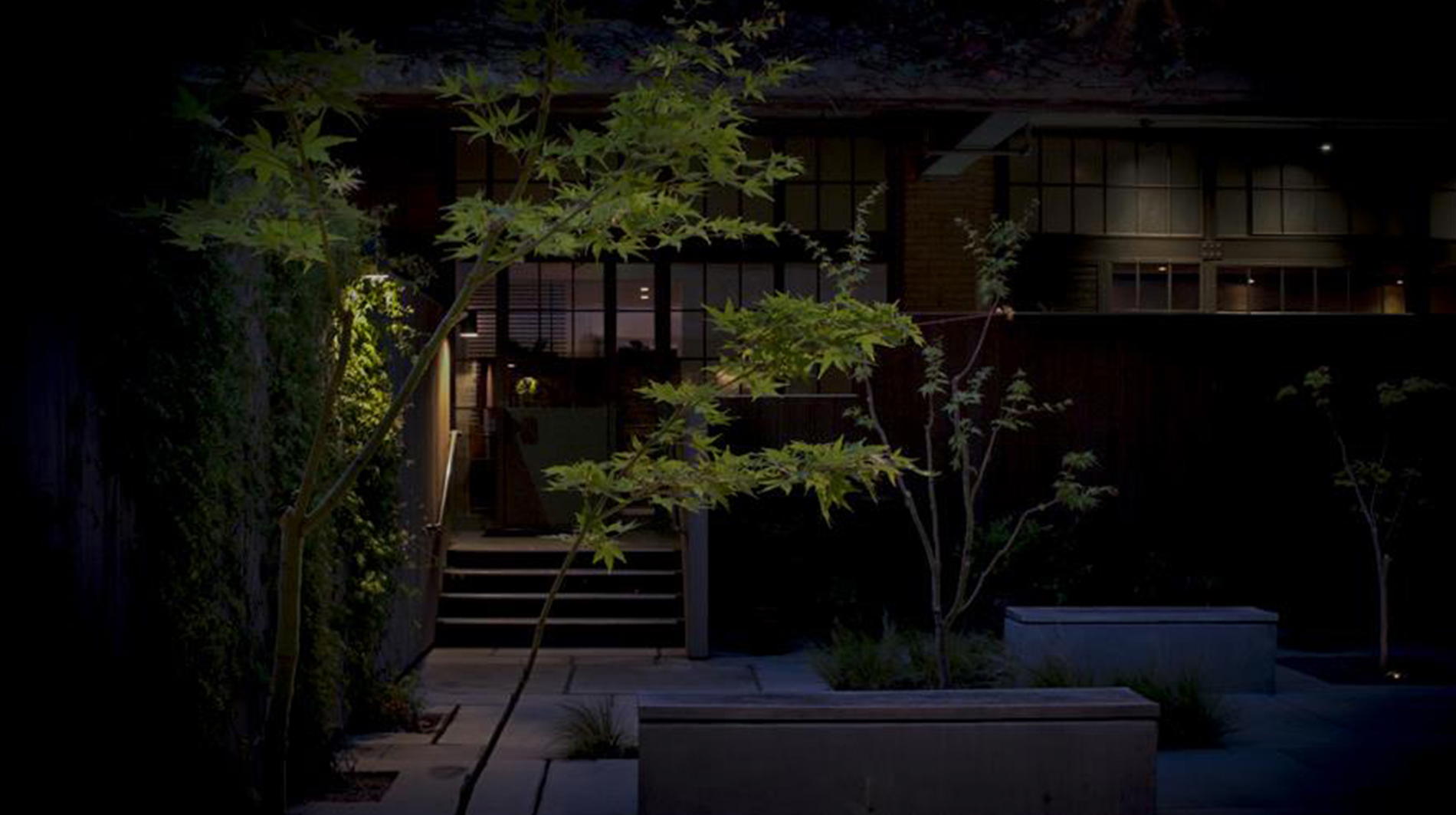
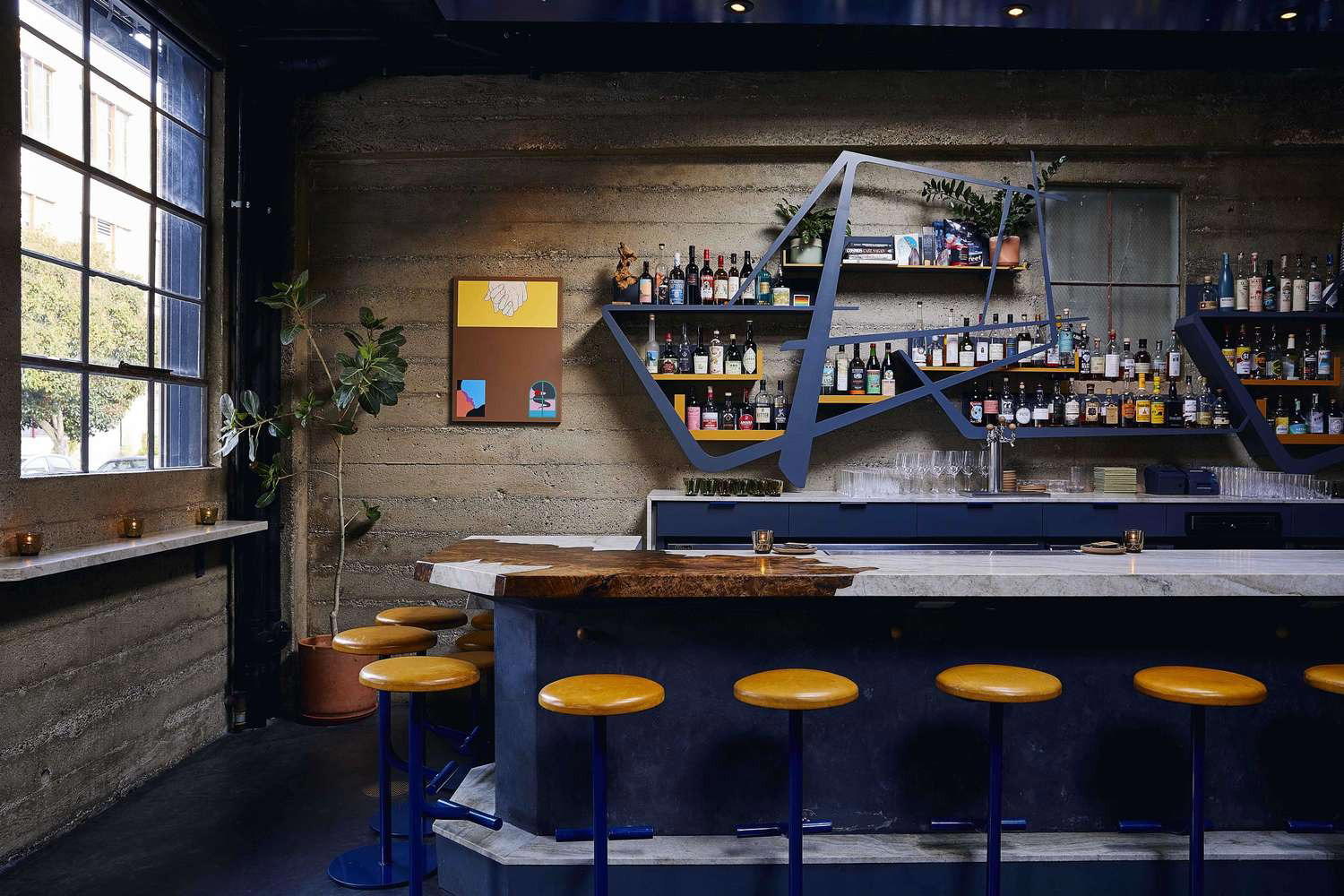
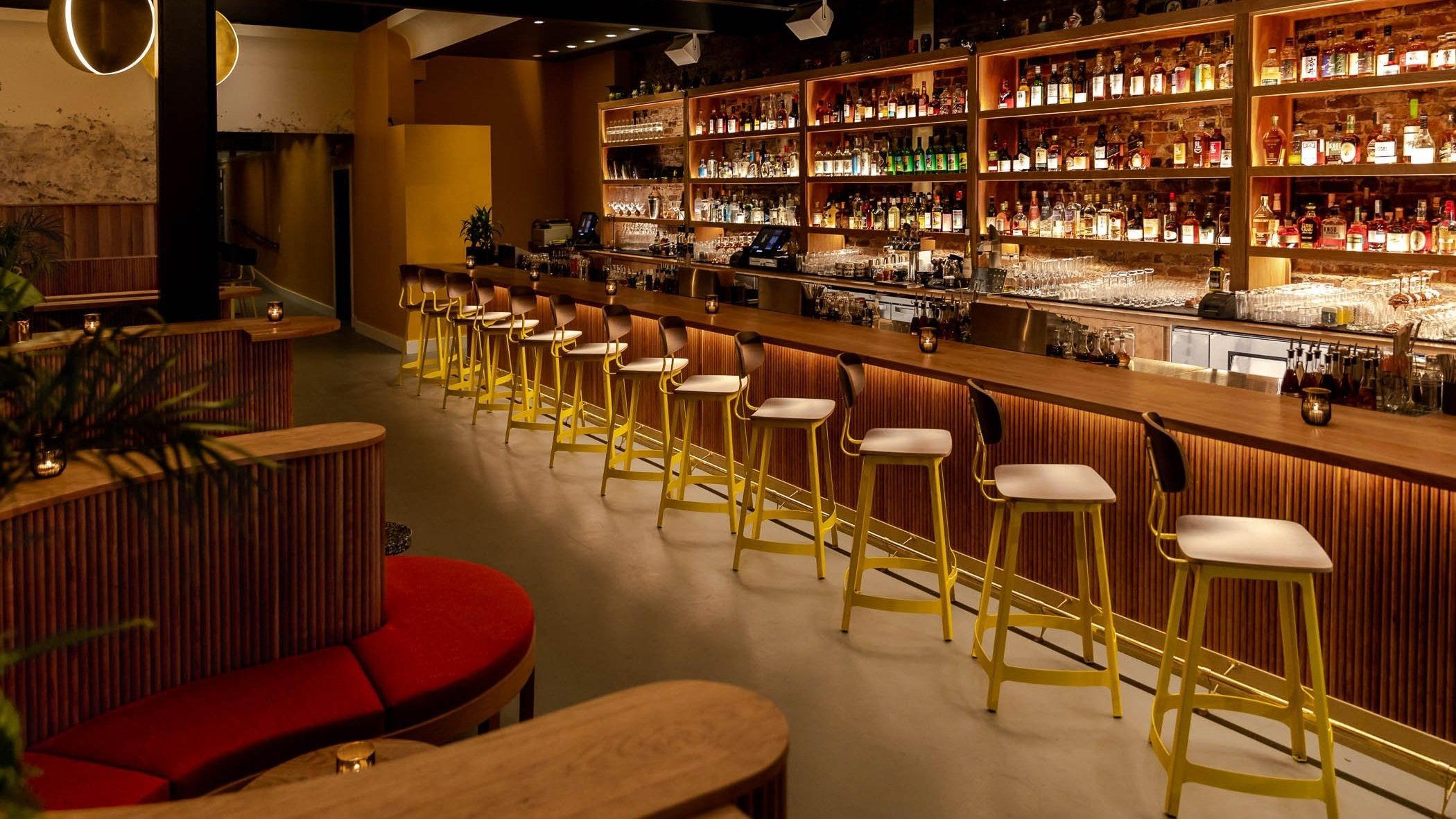
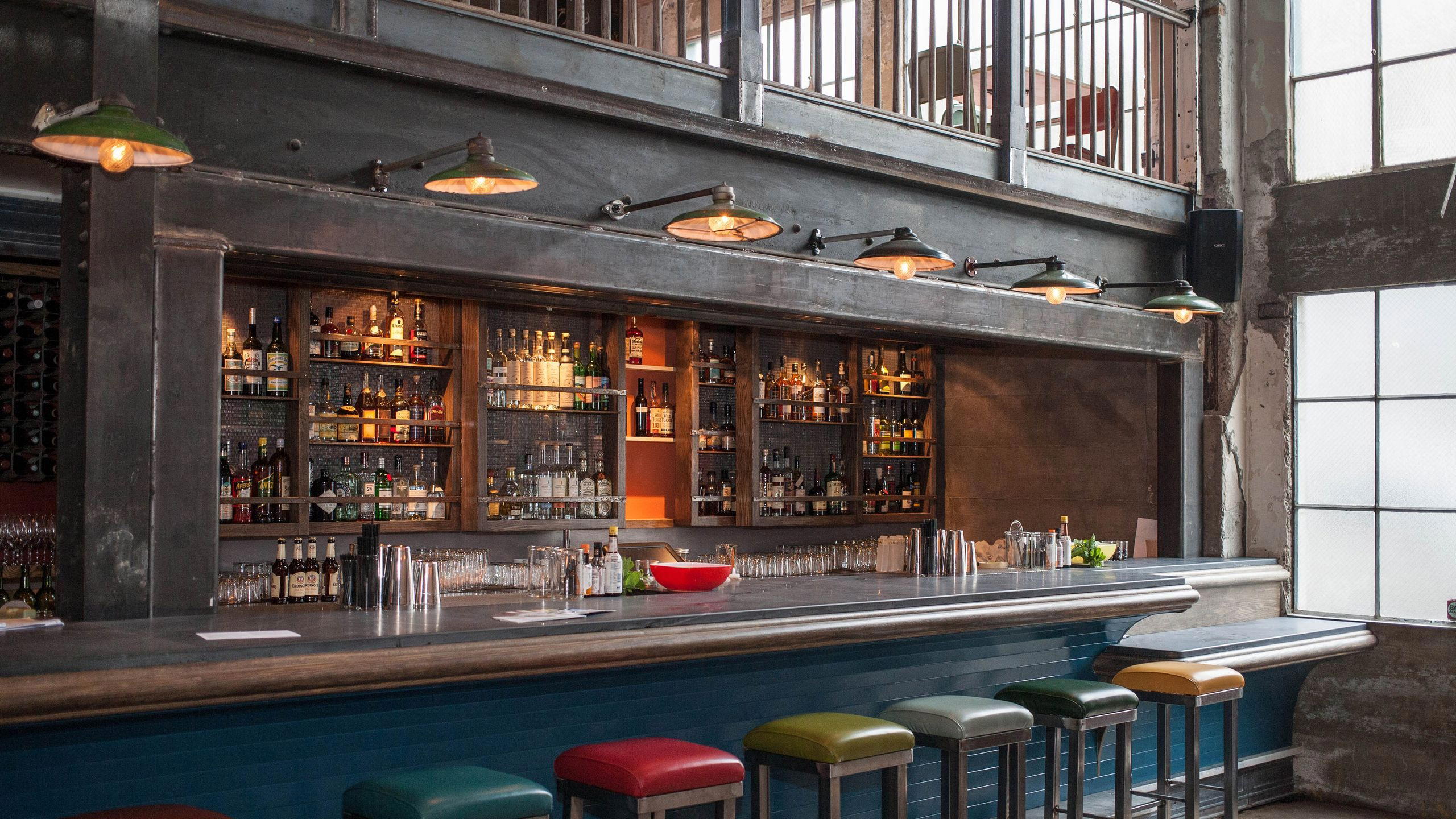
Warm, playful, and polished with an energetic bar vibe at night; lighting is dimmer and intimate in the lounge while still feeling casual and welcoming for dates and celebrations.