Tide & Thyme

Tide & Thyme sits in Kames, on the Cowal Peninsula's quieter shore, where the Kyles of Bute narrows to a channel you could almost swim across. The kitchen draws on the produce rhythms of the Scottish west coast, a tradition that prizes proximity and seasonality over formal pretension. For Tighnabruaich's small dining scene, it occupies a distinct position.
Pearl is the En Primeur Club membership app — saves, bookings, and concierge access live there. Same editors, same standards.
- Address
- Tide & Thyme, Kames, Tighnabruaich PA21 2AB, United Kingdom
- Phone
- +447590187342
- Directions
- Get directions
 Saves & bookings on Pearl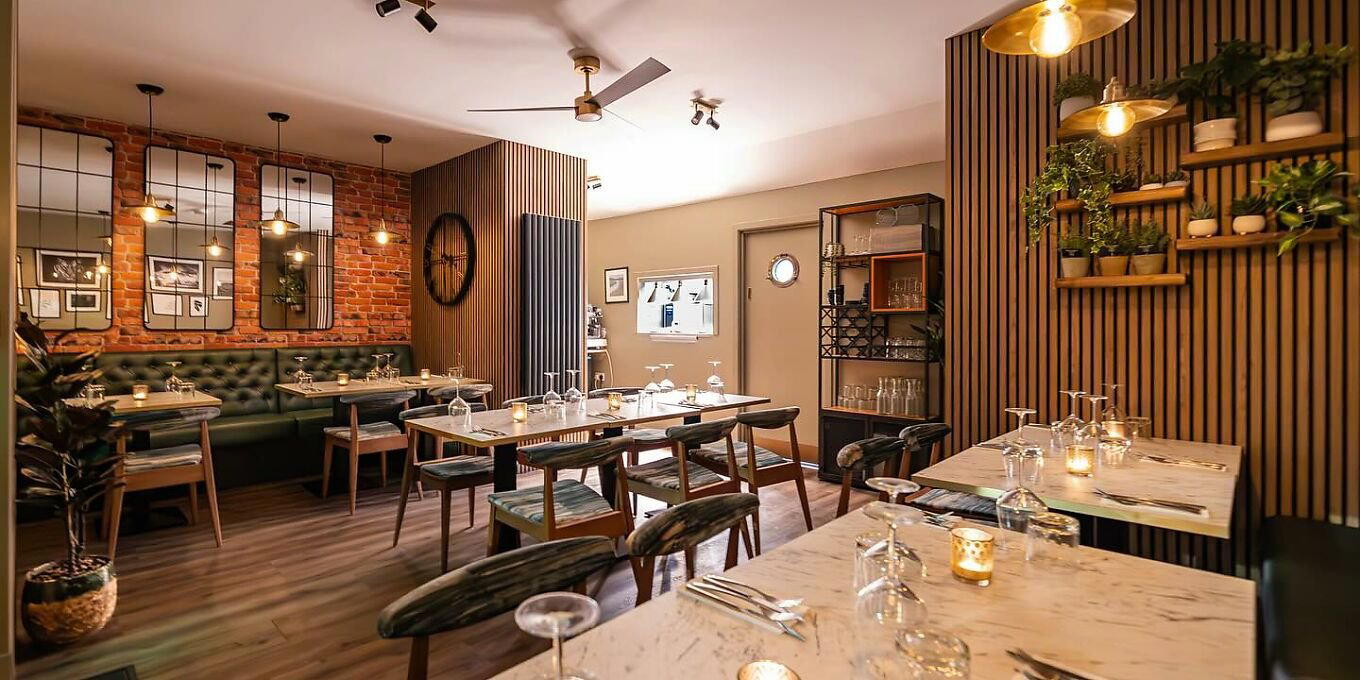
Where the Kyles Meet the Kitchen
The Cowal Peninsula operates on a different register from Scotland's more trafficked dining destinations. Reached by a ferry crossing from Gourock or a long drive around Loch Fyne, Tighnabruaich is the kind of village that filters out casual visitors by geography alone. The Kyles of Bute, the narrow sea channel that defines the village's eastern edge, frames the approach to Kames with the particular quality of light that comes off tidal water in the late afternoon. It is in this setting that Tide & Thyme has established itself, at the address Kames, Tighnabruaich PA21 2AB, as a kitchen that takes the surrounding landscape seriously as a source rather than a backdrop.
Scotland's west coast has long sustained a quiet tradition of cooking that the central belt's restaurant culture tends to overlook. The lochs and sea channels here produce shellfish, the glens supply game, and the short growing season concentrates flavour in vegetables and herbs that don't have the luxury of a long summer. Restaurants that root themselves in this tradition, as Tide & Thyme appears to do, are not making a trend-driven choice. They are working within a supply logic that has shaped west coast cooking for generations. For comparison, Wild Kitchen in the same village represents another iteration of that same local sourcing instinct, and the two together give Tighnabruaich more culinary coherence than its size might suggest.
The Cultural Weight of West Coast Scottish Cooking
To understand what a kitchen like Tide & Thyme is working within, it helps to situate west coast Scottish cooking in its broader context. This is not Highland romanticism dressed up as a menu. The tradition is functional and product-driven: proximity to fishing grounds and estate land meant that for much of the region's history, the table reflected what the season and the water provided. The shift in recent decades has been from necessity-driven proximity to principled proximity, cooks choosing local supply chains because they produce better results, not because no alternative exists.
That shift has played out in Scotland's more prominent dining rooms, too. Restaurant Andrew Fairlie in Auchterarder, Scotland's only two-Michelin-starred restaurant, built its identity around French technique applied to Scottish produce, while The Glenturret Lalique in Crieff has brought similar rigour to a distillery setting. These are destination restaurants with formal structures and booking windows that stretch months ahead. Tide & Thyme operates at a different register, in a village where the nearest alternative dining option is a drive away, but the underlying commitment to place and produce sits inside the same cultural current.
Farther down the UK, kitchens such as L'Enclume in Cartmel and Moor Hall in Aughton have demonstrated that serious cooking in rural or coastal settings can attract a national audience, and that proximity to primary ingredients is a genuine competitive signal rather than a consolation for not being in a city. Ynyshir Hall in Machynlleth in Wales has pushed that logic further still, to a format that is entirely dependent on its remote position and the produce that remoteness affords. The pattern suggests that the Tighnabruaich context, far from being a limitation, is a credible platform for serious cooking.
What the Setting Demands of the Kitchen
Cooking in a village of this scale places specific demands on a kitchen that urban restaurants rarely face. Supply chains require more planning, staff recruitment is harder, and the seasonal rhythm of tourism means that covers are not evenly distributed across the year. Kitchens that survive these pressures typically do so by developing a strong local identity, a reason for both visiting travellers and returning locals to make the effort. The west coast's seasonal visitors, many arriving by yacht through the Kyles, represent a clientele that has already self-selected for an appetite for this kind of destination.
That context sits behind the dining tradition that Tide & Thyme works within. The comparison set here is not CORE by Clare Smyth in London or Le Manoir aux Quat'Saisons in Oxford, both of which operate within highly formalised, urban luxury frameworks. Nor is it the pub-dining model of Hand and Flowers in Marlow, which has built a two-Michelin-star reputation in a public house format but in a commuter-belt village with different access dynamics. The coastal, remote-Scotland comparable set is narrower, and within Tighnabruaich itself, Tide & Thyme represents one of the primary options for a kitchen-led meal.
Planning a Visit
Reaching Tighnabruaich requires intent. One direct route from Glasgow takes just under two hours by road via the A815 through the Cowal Peninsula, though the Western Ferries crossing from Gourock to Dunoon cuts the journey and adds the particular pleasure of arriving by water. Timing matters: the village's hospitality operates at a seasonal pace, and visiting outside the summer and early autumn window means reduced options across the board. Prospective diners should contact Tide & Thyme directly through available local channels to confirm availability and any reservation requirements, as booking information and hours are not published centrally. Given the village's limited dining options on any given evening, securing a table ahead of arrival is the practical approach rather than the cautious one.
Visitors building a broader Scottish dining itinerary might also consider Restaurant Andrew Fairlie in Auchterarder or The Glenturret Lalique in Crieff as part of an extended west and central Scotland trip. Those travelling from further afield with an interest in how remote British kitchens are redefining what serious cooking looks like outside major cities might also find useful reference in hide and fox in Saltwood, Gidleigh Park in Chagford, and Midsummer House in Cambridge, each of which has navigated the challenges of cooking seriously outside a metropolitan centre.
Booking and Cost Snapshot
Comparable venues nearby, for context on price, style, and recognition.
| Venue | Cuisine | Price | Notes |
|---|---|---|---|
| Tide & ThymeThis venue — the venue you are viewing | Not listed | $$$ | Not listed |
| Wild Kitchen | Not listed | $$ | Kames Industrial Estate, Local Scottish Café |
| Claridge's Bakery | Mayfair, Modern British bakery & café | $$$ | Not listed |
| Parillan | London Bridge, Spanish Parrilla Grill | $$$ | Not listed |
| Lilibets | Not listed | $$$ | Mayfair, Modern seafood fine dining in a historic Mayfair townhouse |
| Lucky Yu | Greenside, Asian Fusion Small Plates | $$$ | Not listed |
Recognition history
Dated appearances from independent guides and award organizations, with the underlying list record or original source where available.
The Good Food Guide Good Food Guide Best Local Restaurant
The Good Food Guide
Continue exploring
More in Tighnabruaich
Restaurants in Tighnabruaich
Browse all →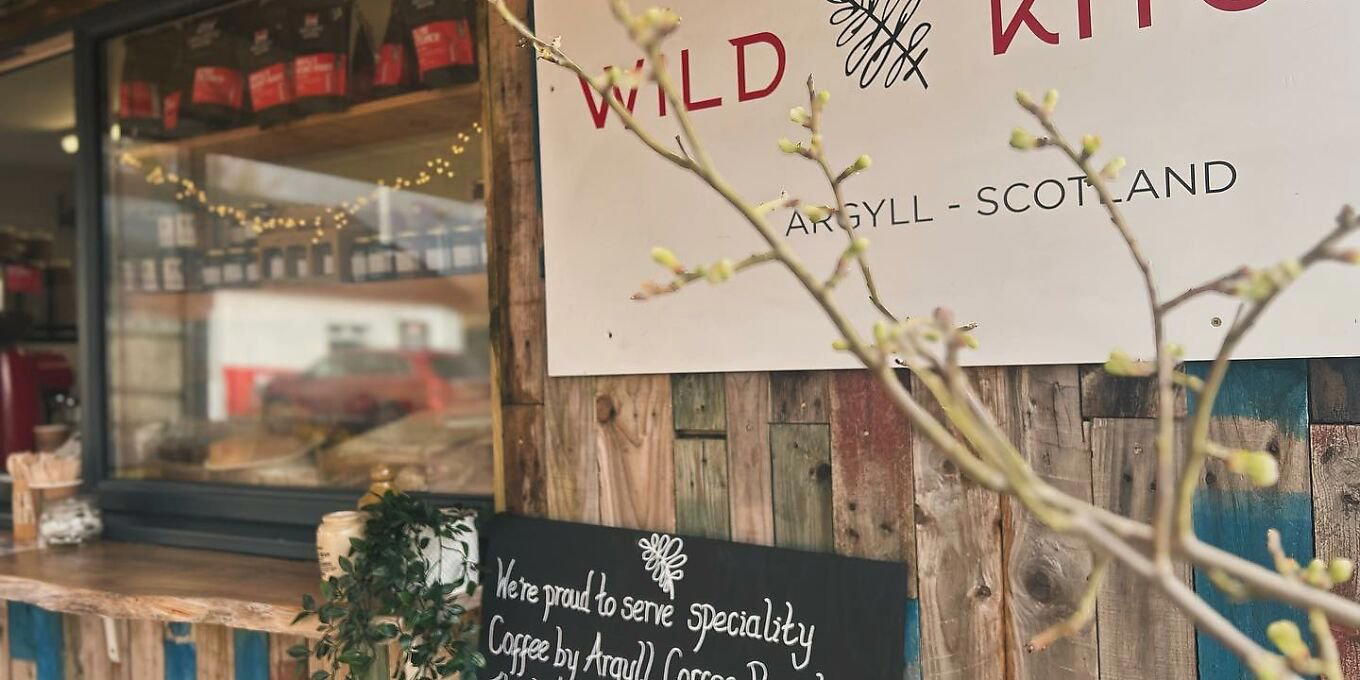
Bars in Tighnabruaich
Browse all →
Hotels in Tighnabruaich
Browse all →
Wineries in Tighnabruaich
Browse all →
At a Glance
- Cozy
- Intimate
- Rustic
- Casual Hangout
- Family
- Group Dining
- Special Occasion
- Standalone
- Corkage Allowed
- Byob
- Local Sourcing
- Farm To Table
Current opening hours
- Monday
- Closed
- Tuesday
- Closed
- Wednesday
- Closed
- Thursday
- 5–10 PM
- Friday
- 5–10 PM
- Saturday
- 5–10 PM
- Sunday
- 5–10 PM
Hours can change for holidays and private events. Last verified .
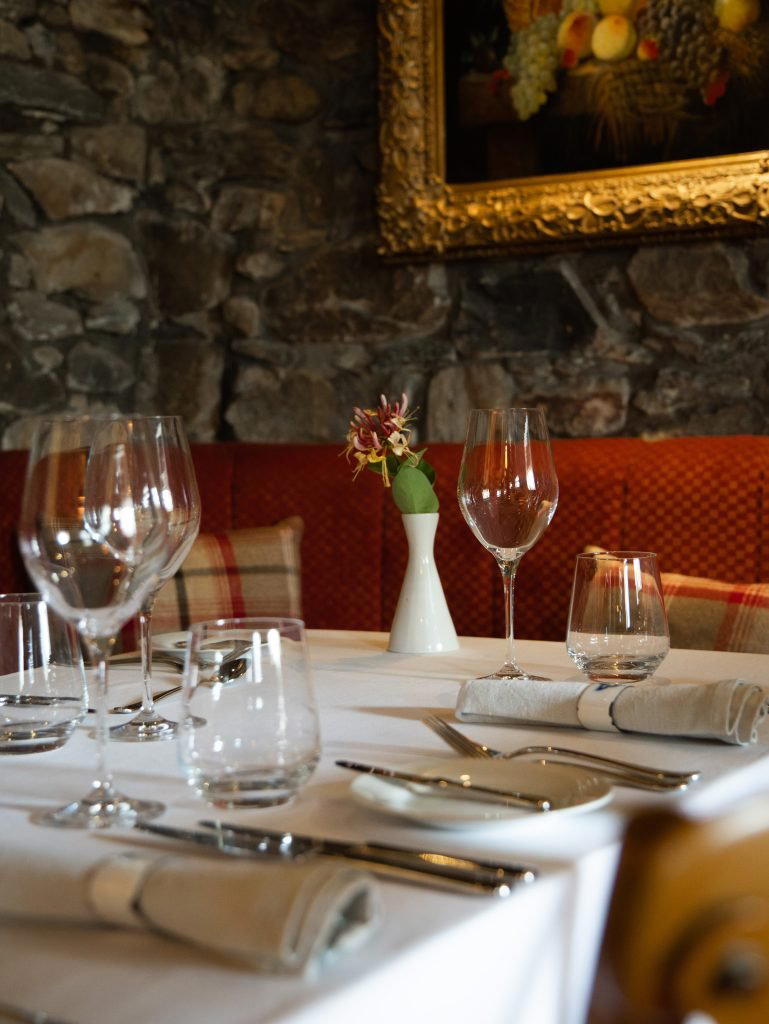
Warm and welcoming with a relaxed, unpretentious atmosphere that belies the quality of the cooking; described as a smart little restaurant with friendly service.