Old School Restaurant
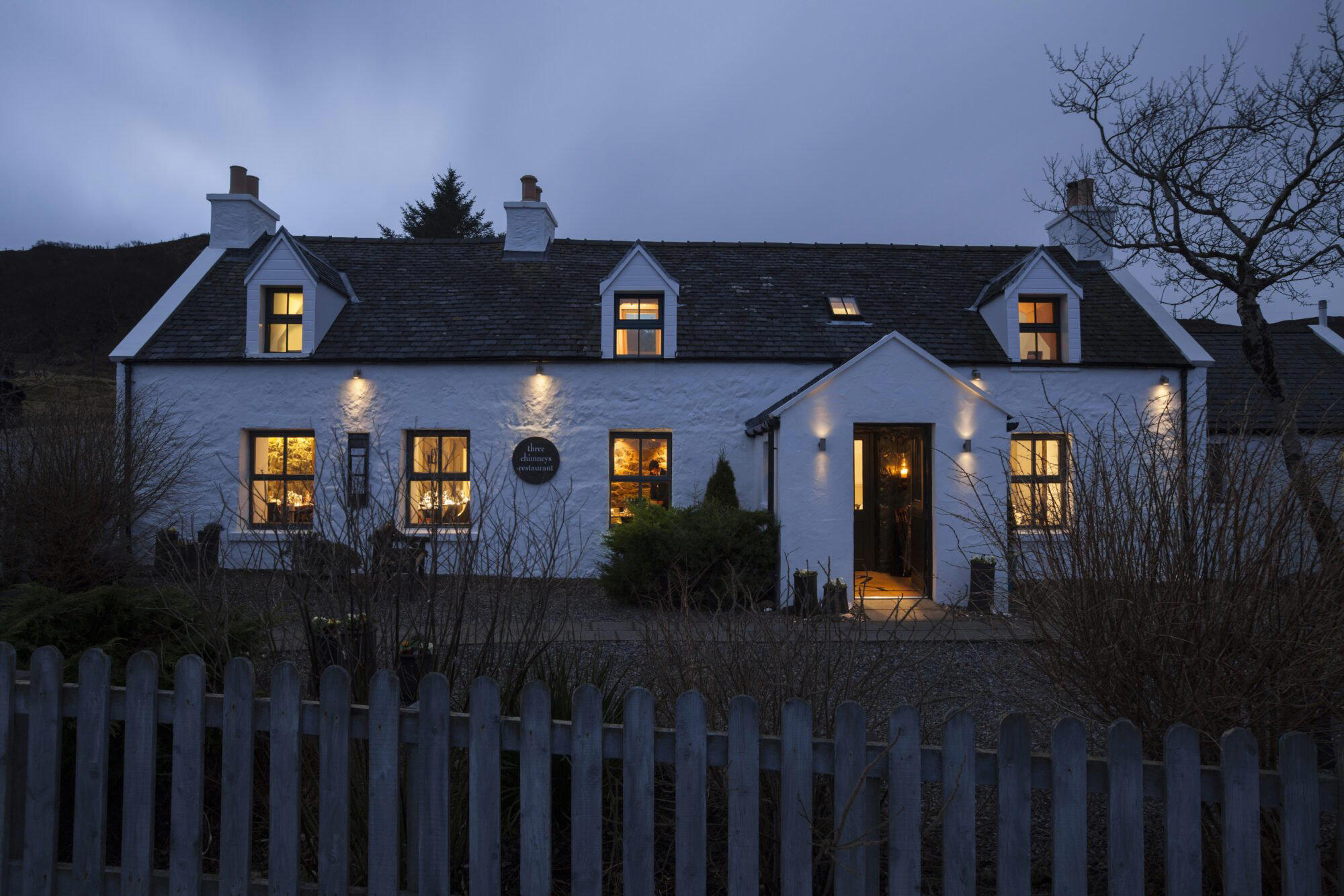
On the Isle of Skye's remote northwest tip, Old School Restaurant occupies a converted schoolhouse in Dunvegan village, a setting that frames the broader story of highland dining: produce pulled from nearby sea and land, prepared with a directness that reflects the place itself. For visitors making the journey out to Dunvegan Castle country, it represents the kind of address where geography and ingredient sourcing are inseparable.
Pearl is the En Primeur Club membership app — saves, bookings, and concierge access live there. Same editors, same standards.
- Address
- Dunvegan, Dunvegan, I V55
- Directions
- Get directions
 Saves & bookings on Pearl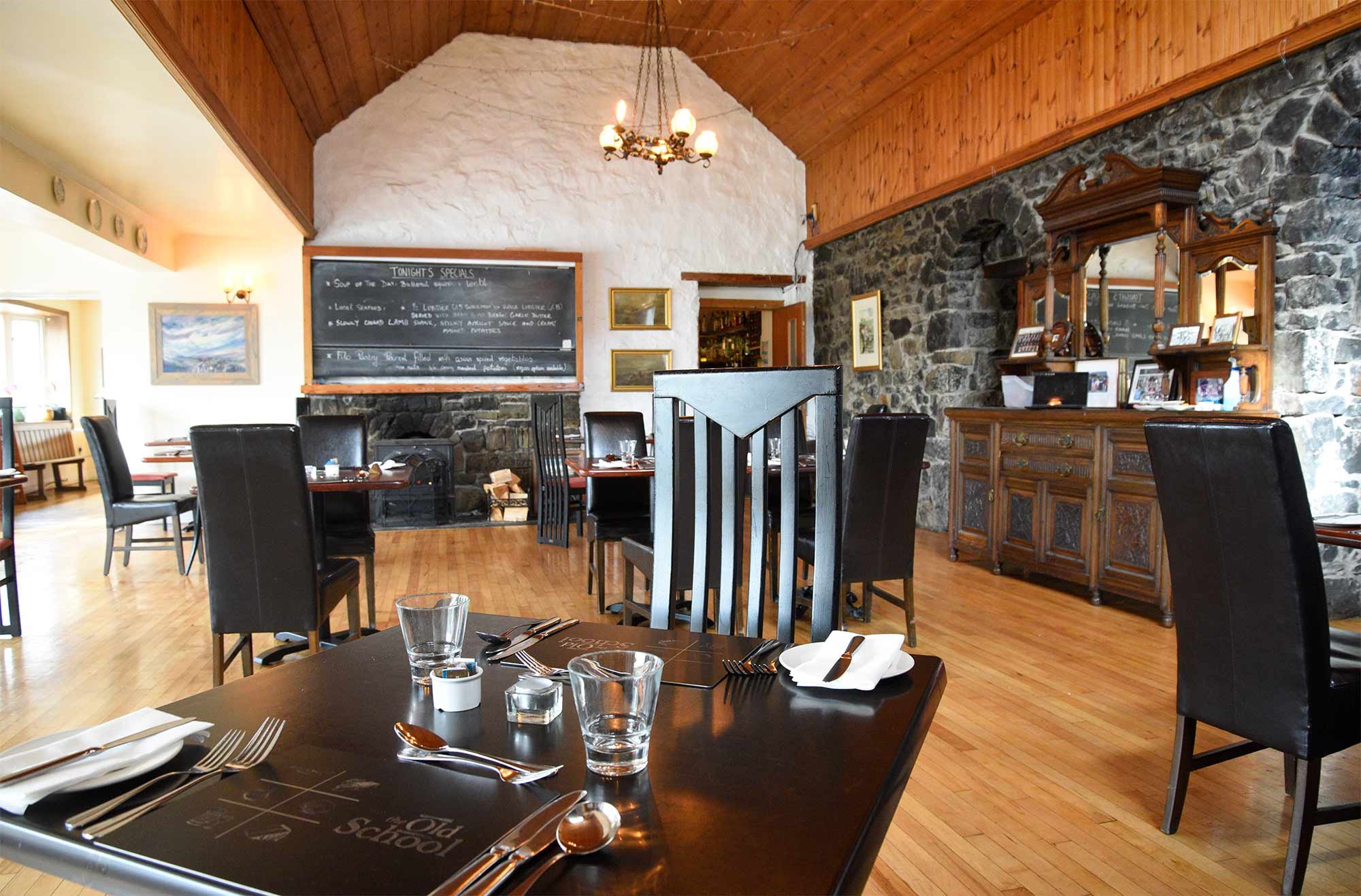
Where the Ingredient Is the Argument
The far northwest of the Isle of Skye is not a place you pass through on the way to somewhere else. Dunvegan sits at the end of a single-track road system, backed by the Cuillins and facing out toward the Outer Hebrides. The schoolhouse building that gives Old School Restaurant its name carries the particular weight of that remoteness: repurposed stone walls, the silence of a village that empties with the season, and a proximity to the loch that makes the sourcing question almost self-answering. In highland Scotland, the strongest dining argument is almost always a geographical one, and Dunvegan makes that case before the first course arrives.
This is the context in which small independent restaurants on Skye have built a quiet reputation over the past two decades. While the island's best-known food story has centred on the Michelin-recognised scene further south, the northwest tip operates differently: fewer covers, shorter seasons, and a direct relationship with the water and land that surrounds them. For a sense of the formal end of Scottish destination dining, Restaurant Andrew Fairlie in Auchterarder and The Glenturret Lalique in Crieff sit at the other end of that spectrum. Old School Restaurant belongs to a different register entirely.
The Sourcing Logic of Remote Highland Dining
In most of Britain, provenance claims have become a standard part of menu language, often deployed at a distance from the actual supply chain. In a village like Dunvegan, the sourcing claim compresses dramatically. The loch system connected to Dunvegan Sea Loch holds shellfish, and the broader Minch fishery running between Skye and the Western Isles has supplied local tables with langoustine, crab, and white fish for generations. On land, lamb from the surrounding crofts carries the mineral sharpness of coastal grazing, a characteristic that distinguishes it from lowland equivalents in ways a diner notices without needing it explained.
This is what separates the better rural addresses in highland Scotland from urban restaurants that import their provenance narrative. The distance between the catch and the kitchen is measurable in minutes rather than supply-chain steps. For comparison, the conversation around hyper-local sourcing at restaurants like L'Enclume in Cartmel or Moor Hall in Aughton involves farms contracted nearby; at Dunvegan, the relationship between place and plate is less curated and more structural. The geography does the work.
The pattern holds across the island's independent dining room tier. Where upland British addresses like Gidleigh Park in Chagford or Ynyshir Hall in Machynlleth draw on a surrounding estate or valley for their sourcing identity, restaurants at the edge of Skye work within a harder constraint: what the sea and the croft produce in season is largely what you serve. That limitation, treated as a discipline rather than a restriction, is where interesting rural cooking in Britain tends to happen.
Position in the Skye Dining Scene
Skye's dining scene is unusual among Scottish island destinations in that it sustains a year-round visitor base, driven by the castle at Dunvegan, the Talisker distillery to the south, and the broader draw of the Cuillins for walkers and climbers. That visitor traffic supports a cluster of independent restaurants spread across the island, with different kitchens occupying distinct price tiers and formats. The Dunvegan end of the island draws visitors who have committed to a full-day drive or at minimum a long detour, which filters for a particular kind of guest: one who is already invested in the place and arrives ready to eat with attention.
Within the broader context of ambitious British rural dining, Old School Restaurant operates at a scale and remove that places it closer in spirit to the independent end of the spectrum than to the destination-restaurant circuit that runs through addresses like Waterside Inn in Bray, Le Manoir aux Quat'Saisons in Oxford, or Hand and Flowers in Marlow. The ambition here is geographical and ingredient-led rather than technique-led, which reflects where highland Scottish independent dining has always found its strongest ground. For the formal London end of modern British cooking, CORE by Clare Smyth or Midsummer House in Cambridge represent a different tier of investment and expectation altogether.
Planning a Visit to Dunvegan
Getting to Dunvegan requires either the Skye Bridge from Kyle of Lochalsh followed by a drive north through Portree, or a ferry approach from the mainland. From Portree, the drive to Dunvegan runs roughly 45 minutes on the A850. The village itself is compact, and the restaurant sits within easy reach of Dunvegan Castle and Gardens, which is worth building into a full-day itinerary. Season matters considerably in this part of Scotland: the busiest months run May through September, and visitors planning to dine in Dunvegan during peak summer should expect limited availability at smaller independent rooms and plan accordingly. Checking directly with the restaurant on opening days and hours before making the journey is advisable, given the seasonal and small-scale nature of operations in this part of Skye. See our full Dunvegan restaurants guide for the broader picture of what to eat and where across the village and surrounding area.
At-a-Glance Comparison
| Venue | Cuisine | Price | Awards |
|---|---|---|---|
| Old School RestaurantThis venue — the venue you are viewing | This venue | Not listed | Not listed |
| CORE by Clare Smyth | Modern British | ££££ | Michelin 3 Star |
| Restaurant Gordon Ramsay | Contemporary European, French | ££££ | Michelin 3 Star |
| Sketch, The Lecture Room and Library | Modern French | ££££ | Michelin 3 Star |
| The Ledbury | Modern European, Modern Cuisine | ££££ | Michelin 3 Star |
| Dinner by Heston Blumenthal | Modern British, Traditional British | ££££ | Michelin 2 Star |
Continue exploring
More in Dunvegan
Restaurants in Dunvegan
Browse all →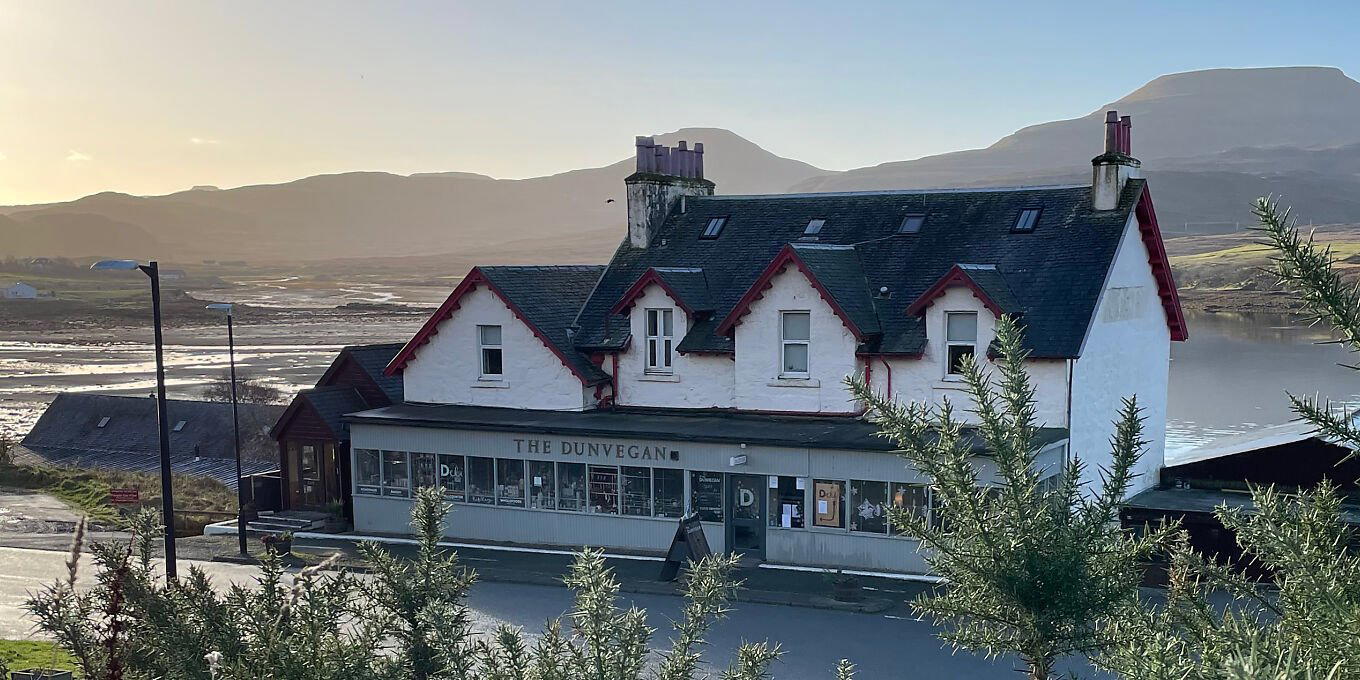
Bars in Dunvegan
Browse all →
Hotels in Dunvegan
Browse all →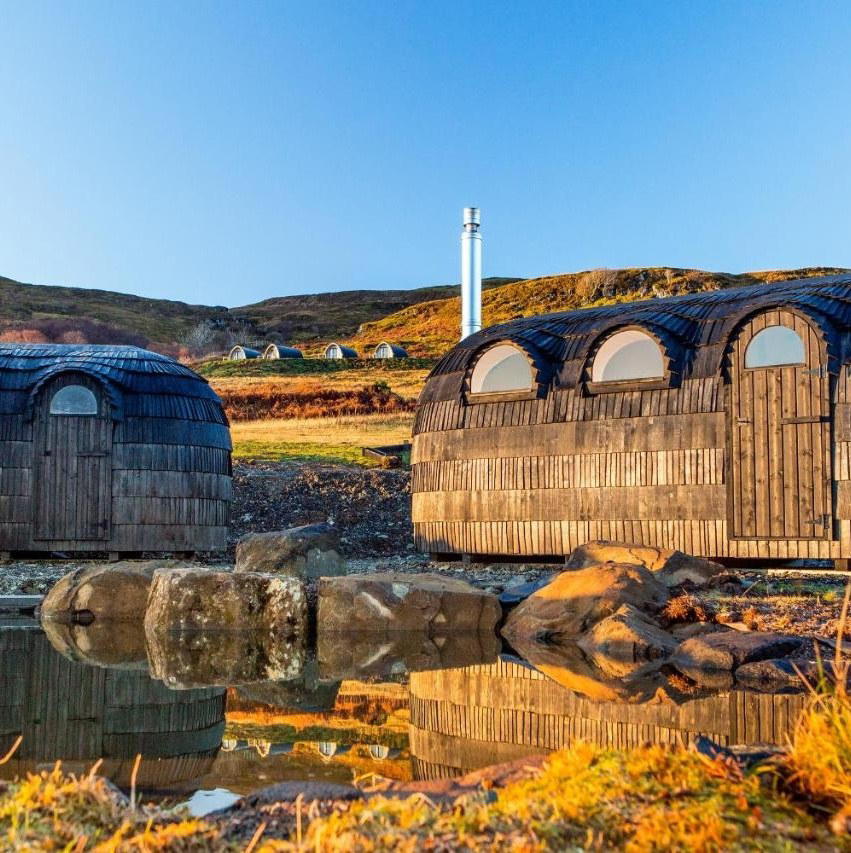
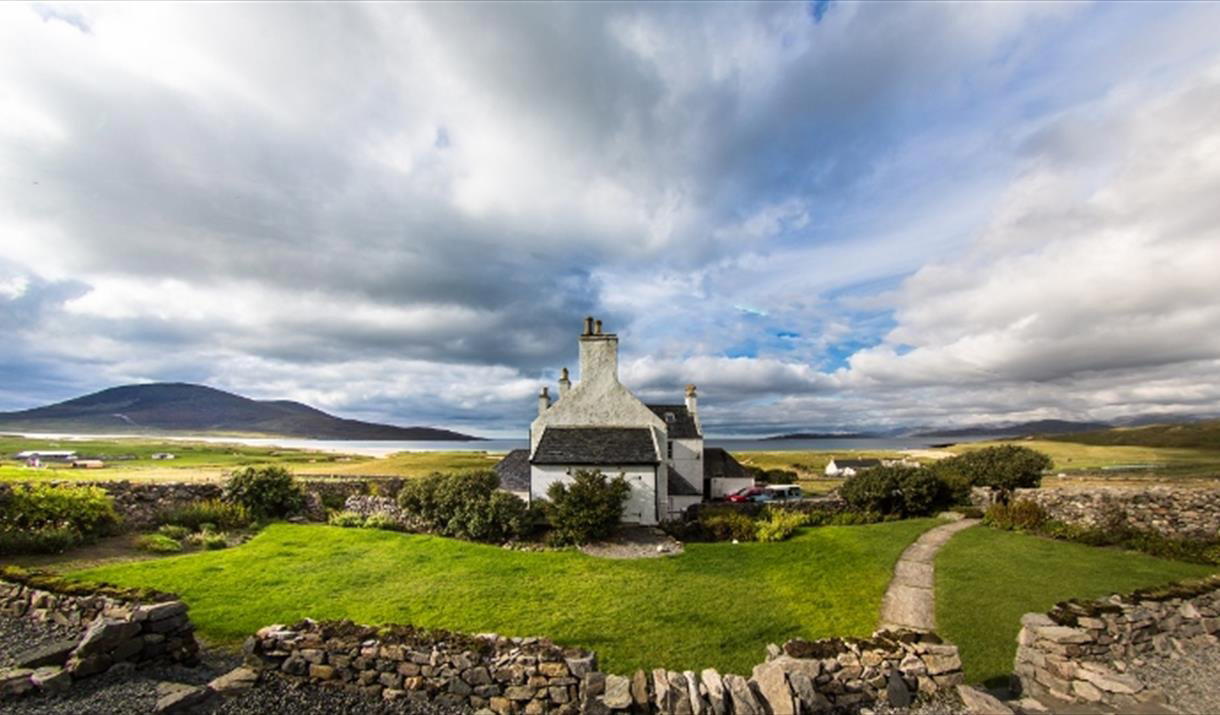
Wineries in Dunvegan
Browse all →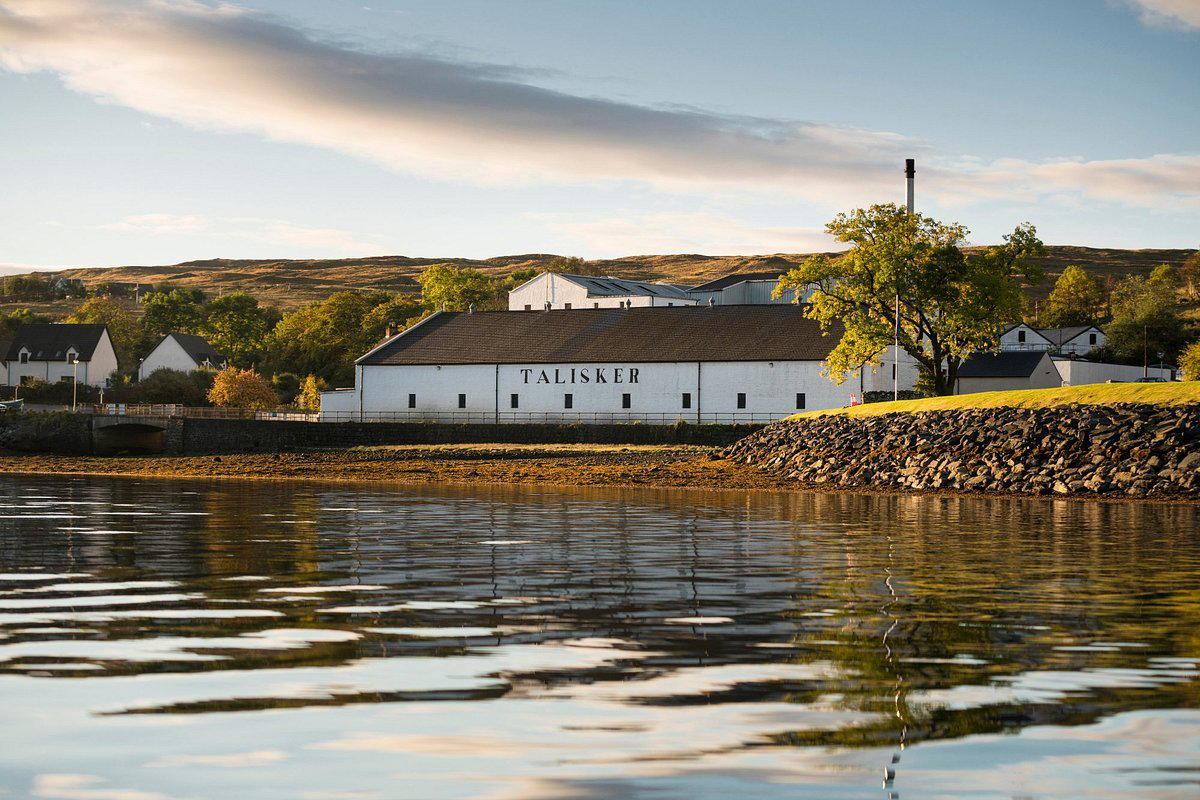
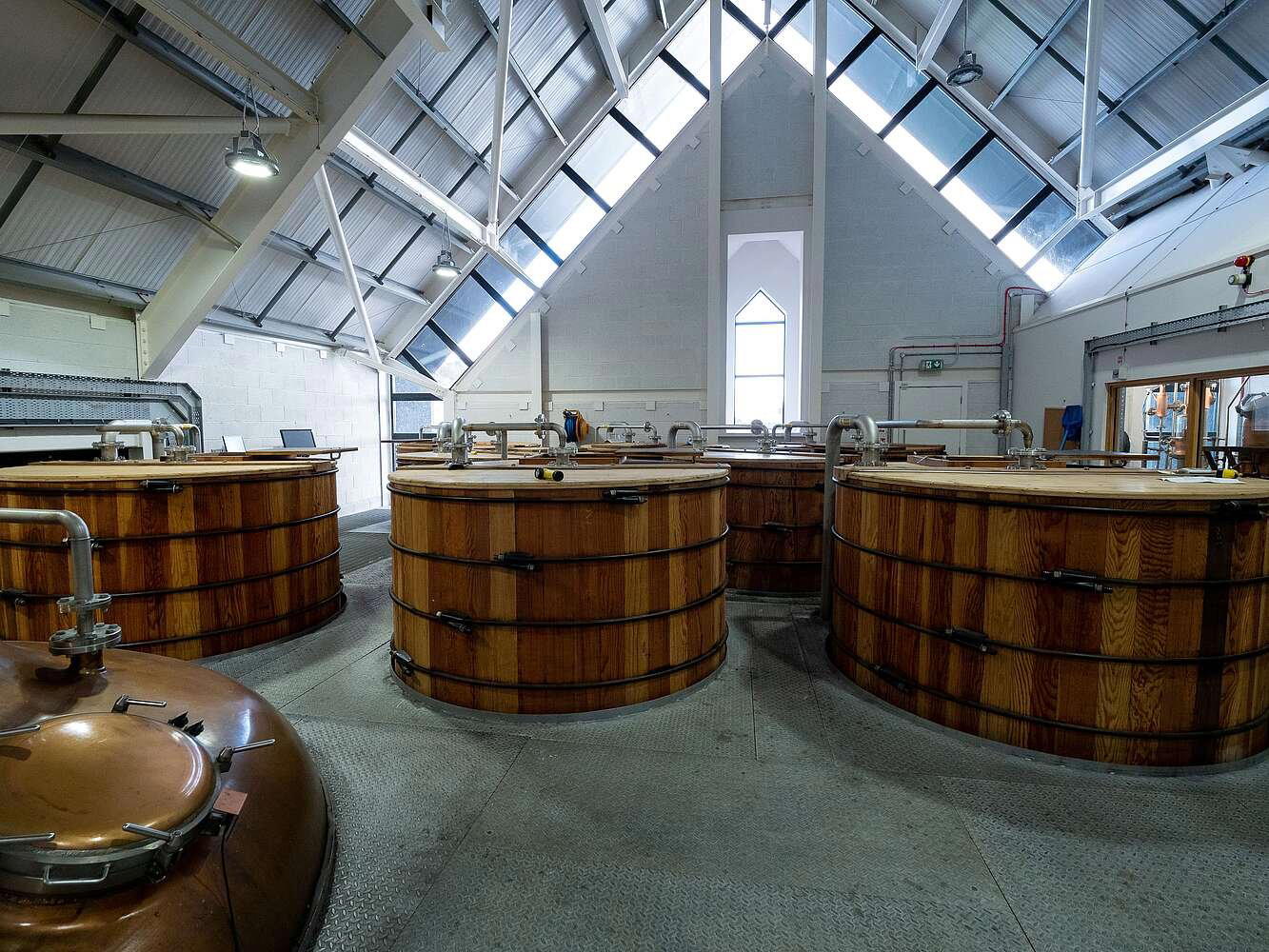
At a Glance
- Cozy
- Elegant
- Classic
- Rustic
- Date Night
- Family
- Celebration
- Special Occasion
- Historic Building
- Standalone
- Beer Program
- Farm To Table
- Local Sourcing
- Sustainable Seafood
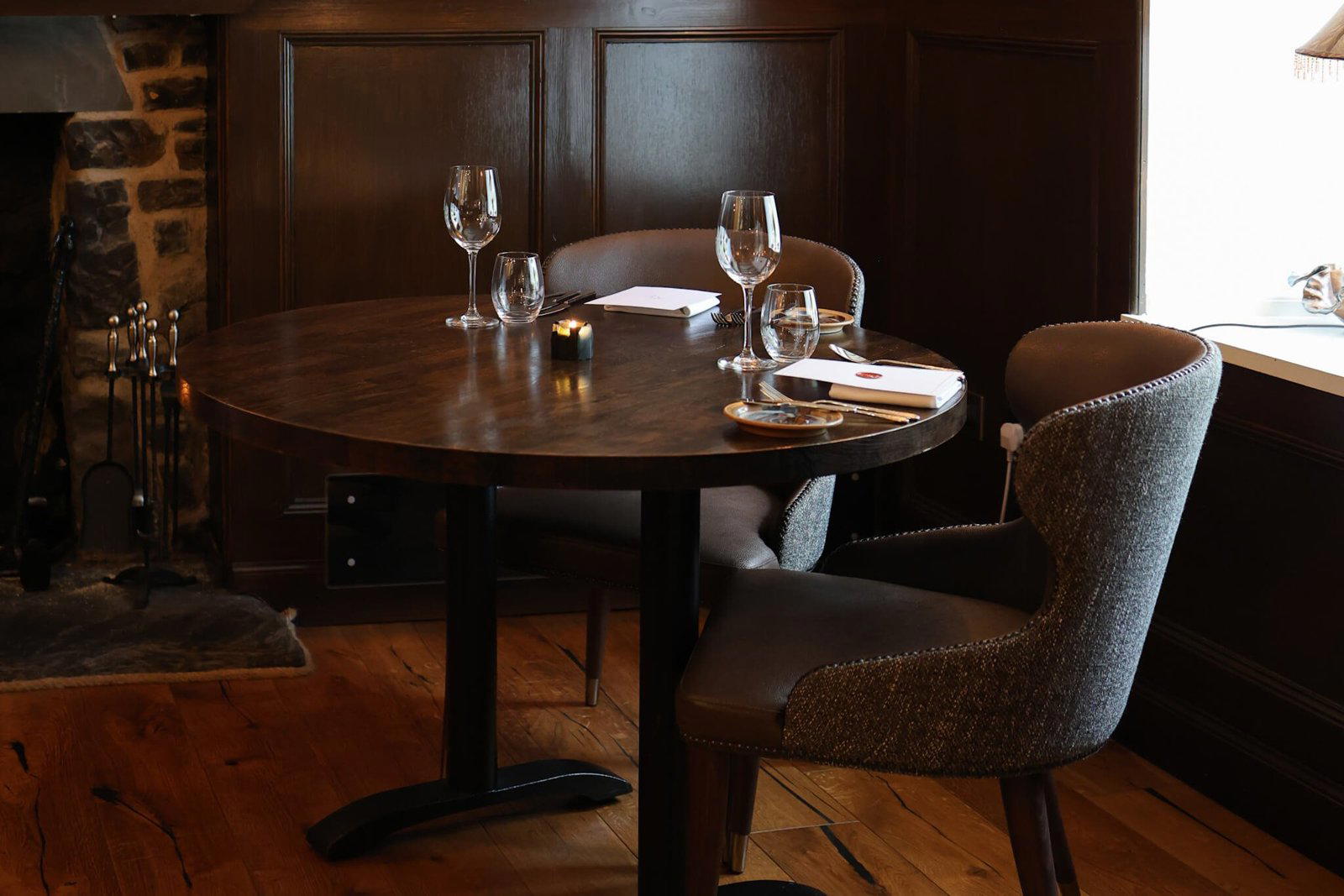
Elegant yet cozy atmosphere with friendly service in a historic building setting.