Wild Kitchen
Wild Kitchen operates out of Kames Industrial Estate in Tighnabruaich, placing serious cooking in one of Argyll's least assuming settings. The venue draws on the Cowal Peninsula's larder, coastal waters, upland game, and foraged material, and frames that sourcing as the organising principle of its menu. For visitors making the journey to this corner of the Firth of Clyde, it sits alongside Tide & Thyme as one of the area's most purposeful dining addresses.
Pearl is the En Primeur Club membership app — saves, bookings, and concierge access live there. Same editors, same standards.
- Address
- Kames Industrial Estate, Tighnabruaich PA21 2AB, United Kingdom
- Website
- uscmaps.top
- Directions
- Get directions
 Saves & bookings on Pearl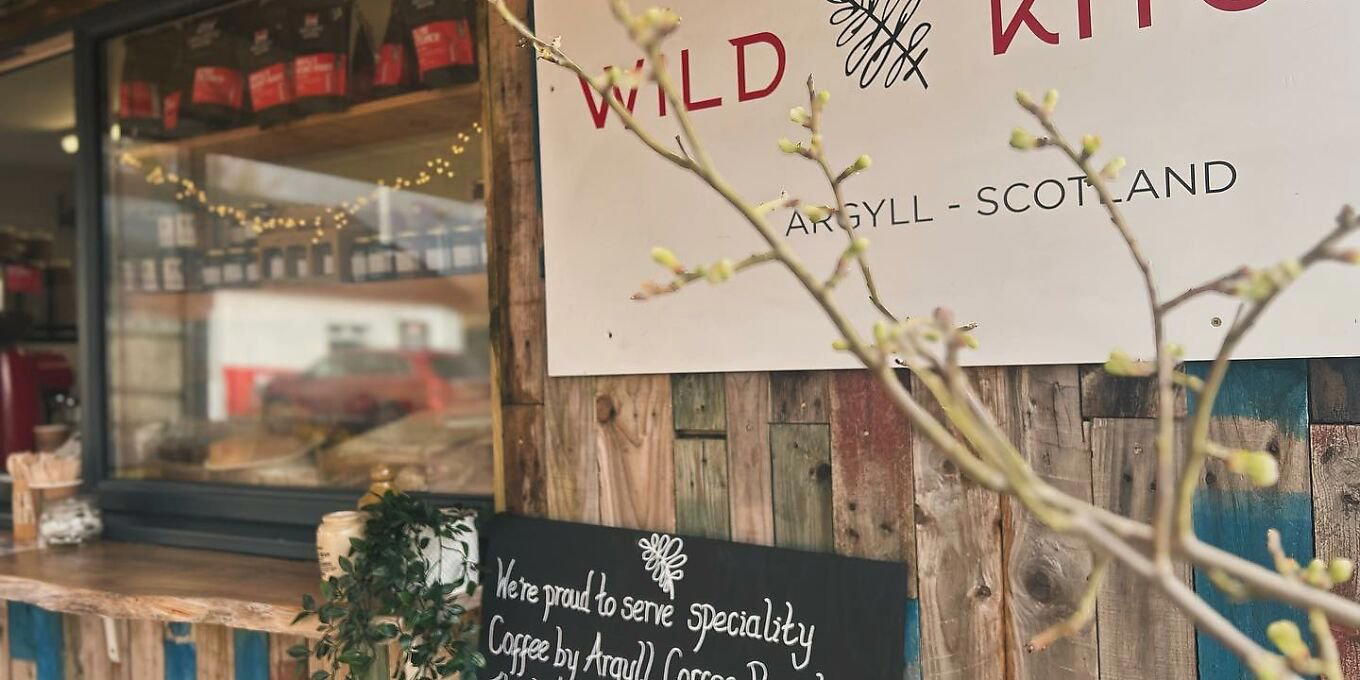
Where the Cowal Peninsula Comes to the Table
Tighnabruaich sits at the southern tip of the Cowal Peninsula, reachable by a single-track road that winds along the Kyles of Bute or by the small CalMac ferry from Rhubodach. The drive alone signals what kind of dining this part of Argyll produces: unhurried, contingent on weather and season, shaped by what the surrounding land and water are doing on any given week. Wild Kitchen operates out of Kames Industrial Estate, a short distance from the village itself, an address that would seem counterintuitive almost anywhere else but reads, in this context, as entirely consistent with the pragmatic self-sufficiency that characterises the leading rural cooking in Scotland. Industrial units on the west coast of Scotland tend to house boat repair outfits and agricultural suppliers. That a serious kitchen sits among them says something about the priorities of whoever set it up, and about the kind of culinary culture Tighnabruaich has quietly developed.
The Sourcing Logic of a West Coast Kitchen
Scotland's west coast has one of the more compelling ingredient geographies in Britain. The Firth of Clyde and the sea lochs feeding into it produce shellfish, langoustine, razor clams, mussels, scallops, at a quality level that supplies some of the country's most decorated tables. Restaurant Andrew Fairlie in Auchterarder has long drawn on Scottish seafood as a cornerstone of its menu. The Glenturret Lalique in Crieff similarly treats Highland provenance as a structural element rather than a garnish. For a kitchen physically positioned on the Cowal Peninsula, proximity to that supply chain is not a marketing point, it is a logistical fact that shapes what ends up on the plate.
Beyond the coast, the uplands around Tighnabruaich and the wider Argyll interior offer venison, game birds, and the kind of foraged material, fungi, coastal plants, hedgerow fruit, that has become central to how Britain's more ingredient-led kitchens construct their menus. The shift toward hyper-local sourcing accelerated noticeably across British fine dining in the 2010s, and venues from L'Enclume in Cartmel to Ynyshir Hall in Machynlleth built their identities around it. In rural Scotland, that same logic takes on a particular texture: the geography is more remote, the supply chains shorter and more personal, and the seasonality harder, which tends to produce cooking that is less performative about provenance and more structurally dependent on it.
Placing Wild Kitchen in Its comparable set
British rural dining has split into reasonably distinct tiers. At one end sit destination restaurants with substantial infrastructure, multi-course tasting menus priced at £150 and above per head, and accommodation attached, Moor Hall in Aughton, Gidleigh Park in Chagford, Le Manoir aux Quat'Saisons in Oxford. At the other end sit smaller, more stripped-back operations where the cooking ambition runs ahead of the formal infrastructure, fewer covers, shorter opening schedules, menus that shift with supply rather than season alone.
Wild Kitchen reads as the latter type. The Kames Industrial Estate address, the absence of the kind of hospitality apparatus that surrounds venues like Waterside Inn in Bray or Midsummer House in Cambridge, and the remote location all point toward a format where the cooking is the offering, without significant supplementary experience layered around it. That is not a limitation, it is a format that tends to attract a particular kind of diner: one who has made a deliberate decision to travel to this part of Scotland and is looking for something that reflects where they are, rather than something that could have been transplanted from a city.
Closer in spirit to hide and fox in Saltwood or Hand and Flowers in Marlow, both venues that prioritise cooking integrity over ceremonial dining formats, the restaurant occupies a niche that British food culture has increasingly come to respect. The critical attention directed at places like Opheem in Birmingham and Restaurant Sat Bains in Nottingham has helped shift the conversation about what serious British cooking looks like and where it needs to happen. It no longer needs to happen in London, a shift that venues in places as remote as Tighnabruaich benefit from directly.
Getting There and Planning the Visit
The journey to Tighnabruaich is not incidental to eating here. From Glasgow, the drive via the A83 through Inveraray and down the Cowal Peninsula takes approximately two hours under good conditions; the alternative route via the A815 and the Otter Ferry road is shorter in distance but slower, with single-track sections and passing places. The CalMac ferry crossing from Rhubodach to Colintraive offers a third approach and cuts the driving time from the north side of the Kyles of Bute. Neither route is practical for a quick evening out from a city, which means most visitors to the restaurant will be staying in the area, either in Tighnabruaich itself or in the broader Cowal and Kintyre region.
Neighbouring Tide & Thyme offers a point of comparison for the area's wider dining offer and is worth considering as part of a longer stay in the village. Visitors with a broader interest in British cooking will find useful reference points in the London end of the spectrum too, CORE by Clare Smyth, which has built a significant part of its identity around British provenance, sits at the summit of that conversation, as do internationally recognised kitchens like Le Bernardin in New York City and Atomix in New York City, where the sourcing philosophy, though geographically distant, shares a similar structural rigour.
Quick Comparison
Comparable venues nearby, for context on price, style, and recognition.
| Venue | Cuisine | Price | Notes |
|---|---|---|---|
| Wild KitchenThis venue — the venue you are viewing | Local Scottish Café | $$ | Not listed |
| Tide & Thyme | Modern Scottish with Global Influences | $$$ | Kames, Tighnabruaich |
| Old Bushmills Distillery | British Comfort Food | $$ | Bushmills |
| The Edinburgh Larder - Blackfriars Street | Scottish Breakfast & Brunch | $$ | St. Leonard's |
| Claridge's Bakery | Modern British bakery & café | $$$ | Mayfair |
Continue exploring
More in Tighnabruaich
Restaurants in Tighnabruaich
Browse all →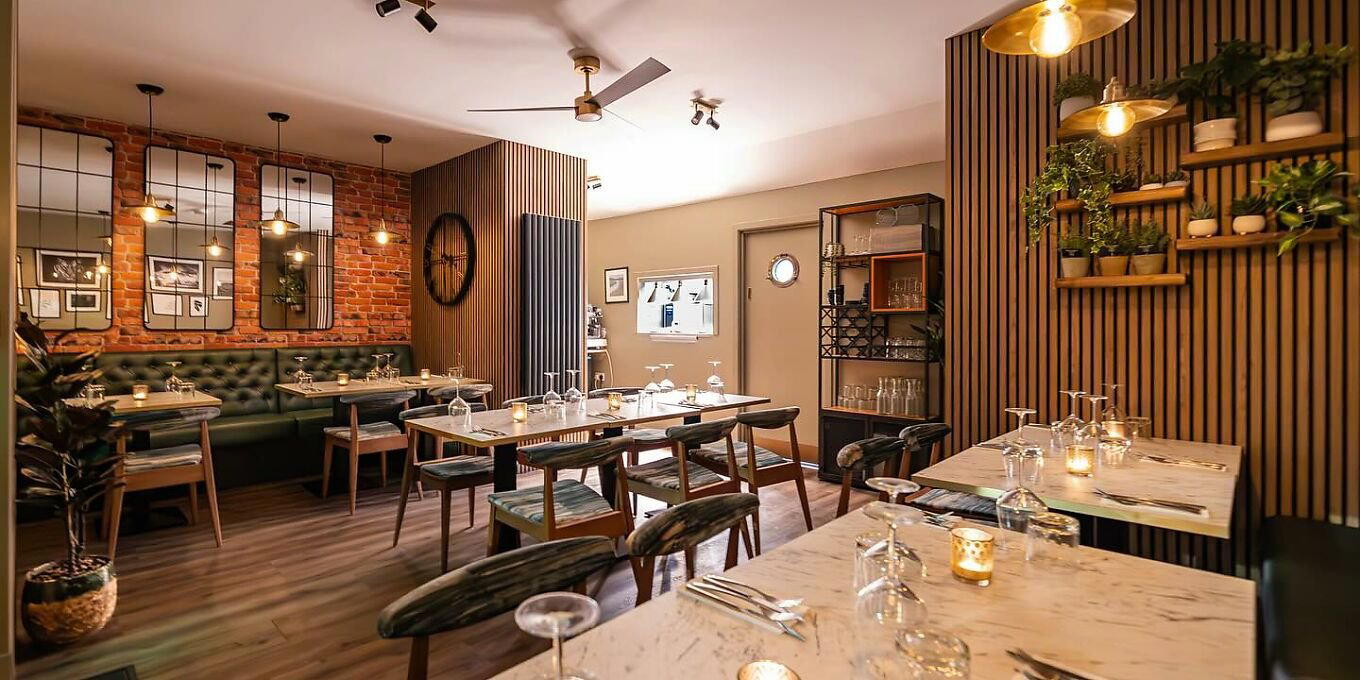
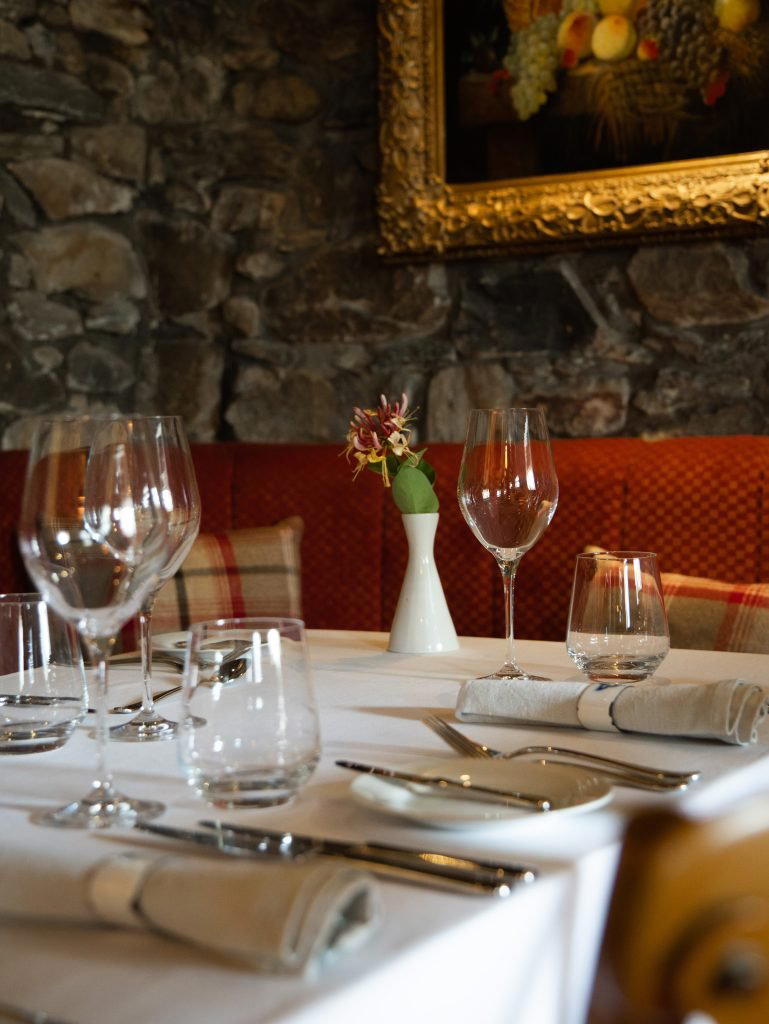
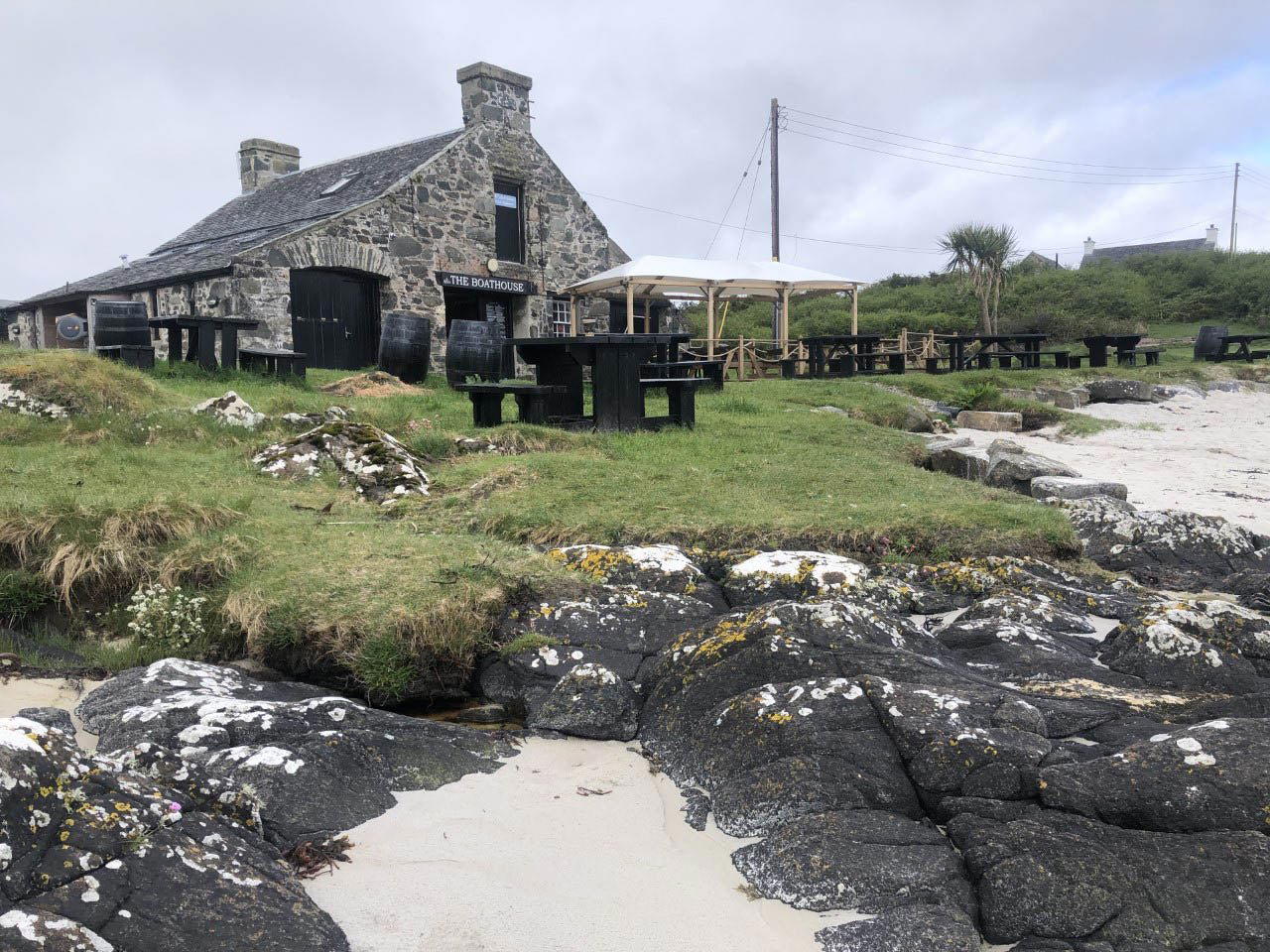
Bars in Tighnabruaich
Browse all →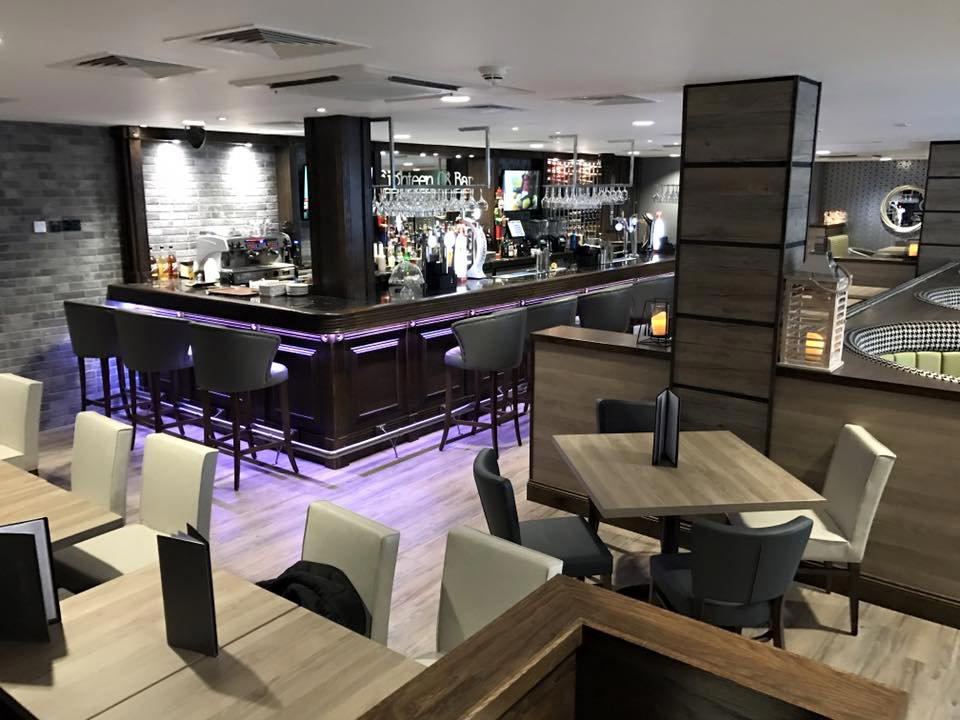
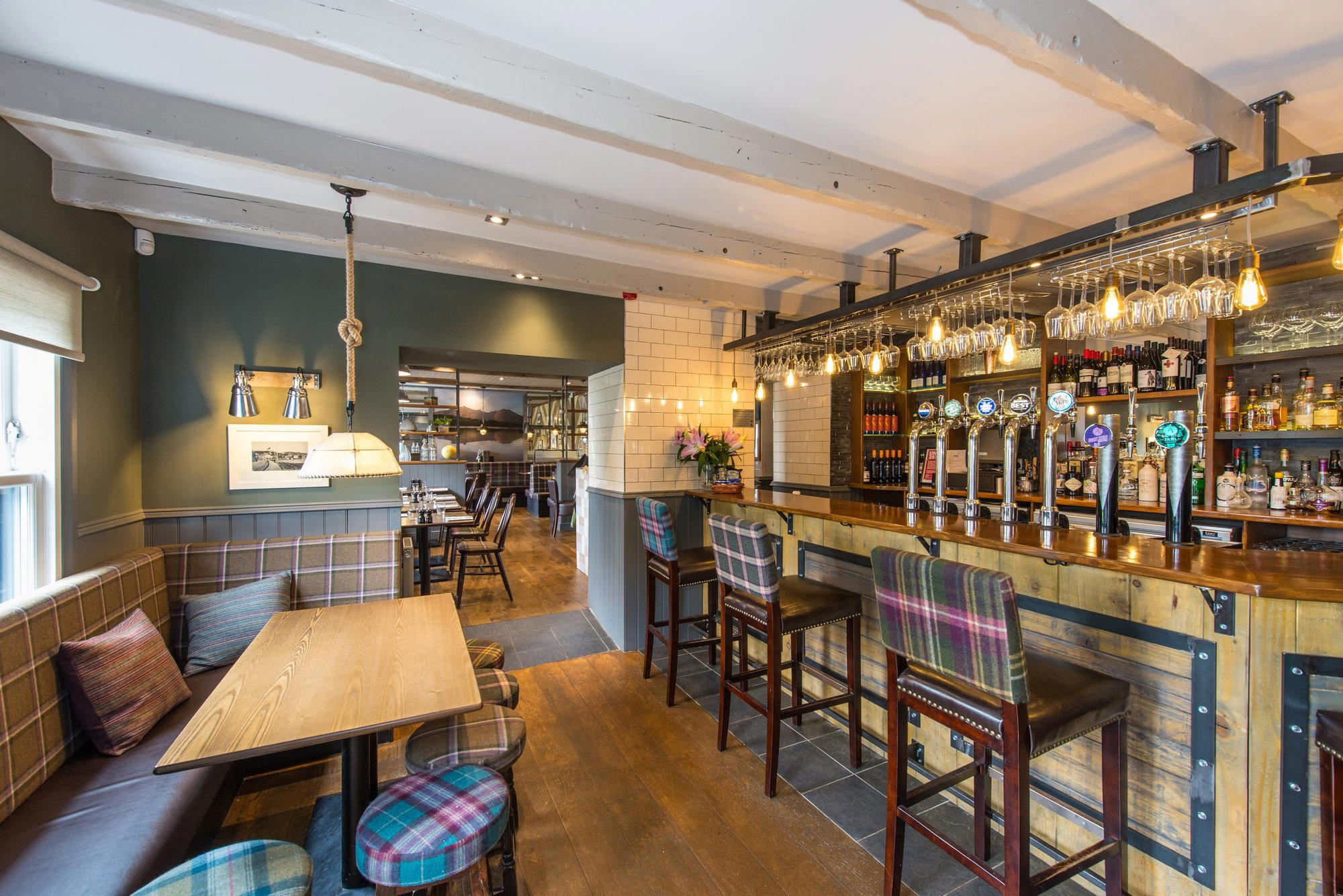
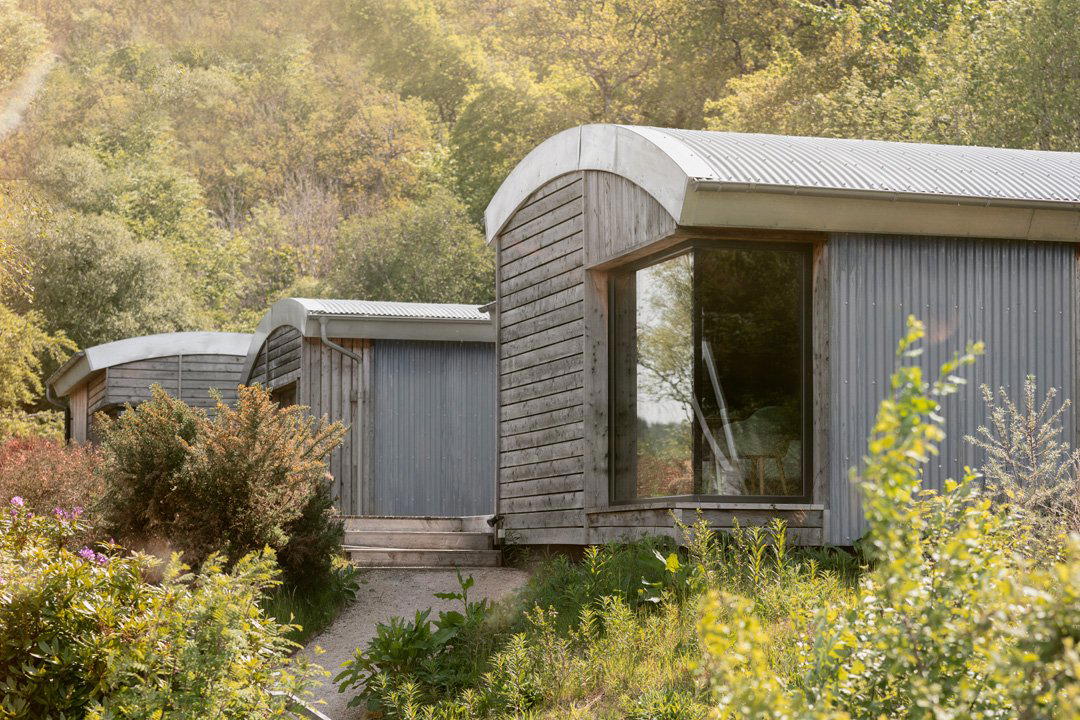
Hotels in Tighnabruaich
Browse all →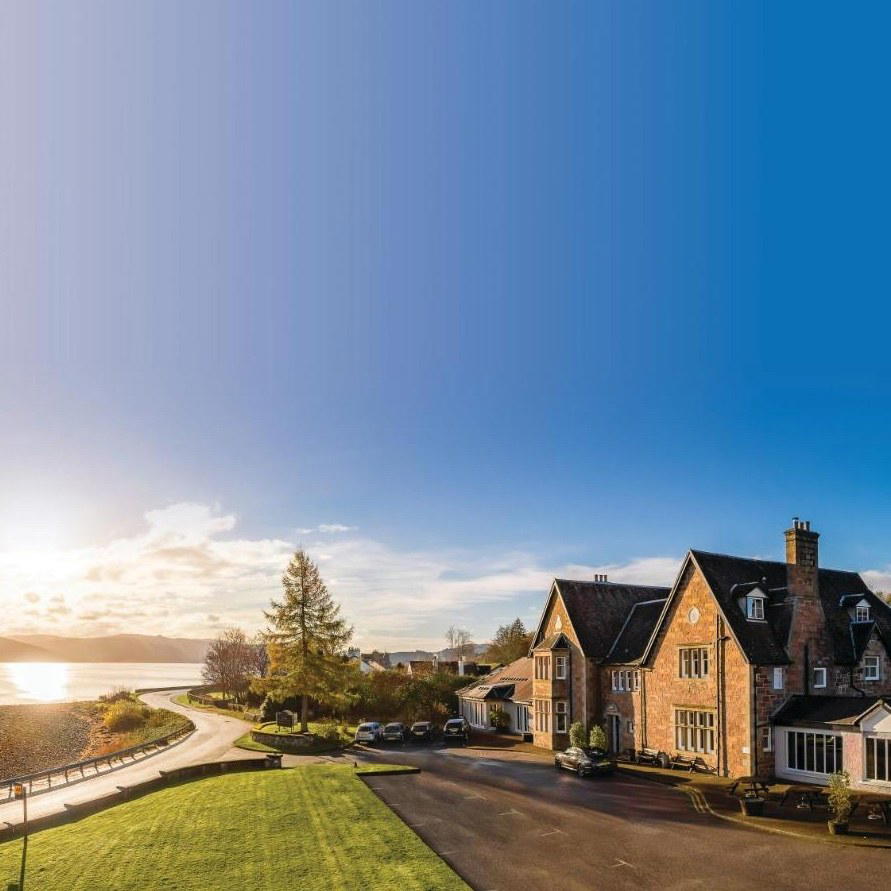
Wineries in Tighnabruaich
Browse all →
At a Glance
- Cozy
- Rustic
- Casual Hangout
- Family
- Standalone
- Local Sourcing
Casual alfresco seating with a couple of sheltered tables, offering a warm, community-oriented atmosphere.