Thala occupies a Carrer de Sepúlveda address in Barcelona's Eixample, positioning it within a neighbourhood that has steadily absorbed the city's more considered dining energy as the established creative fine-dining corridor matures. With Barcelona's premium restaurant tier now among the more competitive in southern Europe, Thala represents a point of interest for readers tracking how the city's mid-to-upper dining scene continues to evolve beyond its flagship names.
Pearl is the En Primeur Club membership app — saves, bookings, and concierge access live there. Same editors, same standards.
- Address
- Carrer de Sepúlveda, 76, Eixample, 08015 Barcelona, Spain
- Phone
- +34647650020
- Website
- restaurante.covermanager.com
- Directions
- Get directions
 Saves & bookings on Pearl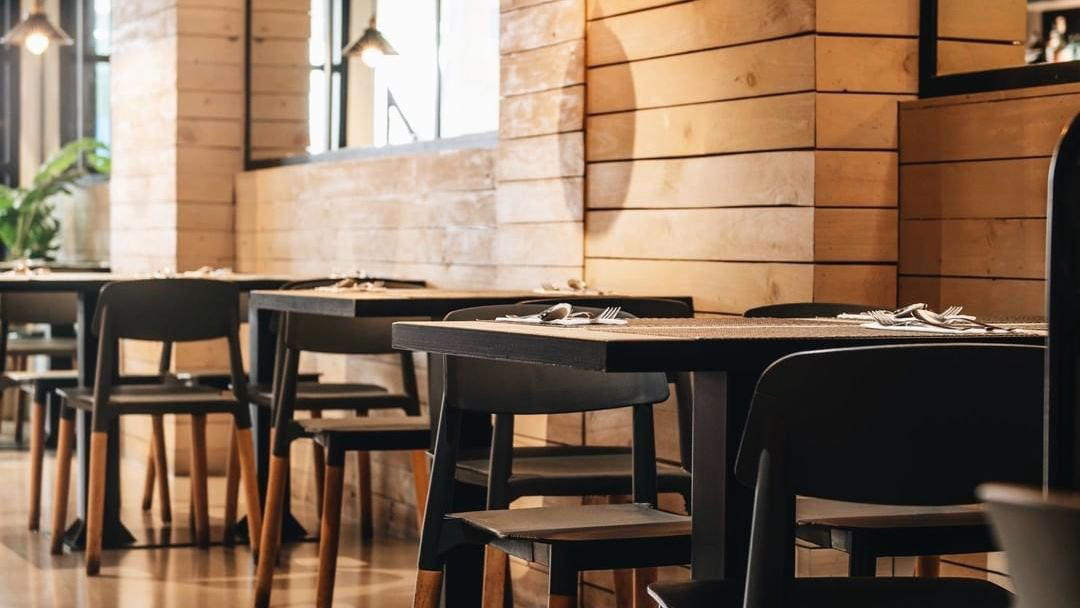
A Street That Has Changed Its Register
Carrer de Sepúlveda runs through the left side of Eixample, a district whose dining identity has shifted considerably over the past decade. What was once largely a residential grid punctuated by neighbourhood bars has absorbed a quieter, more considered wave of openings as rents along the Passeig de Gràcia corridor pushed ambitious operators toward the side streets. That migration has produced a different kind of dining culture in this pocket of the city: less visible from the outside, more reliant on word of mouth, and generally pitched at a local clientele rather than the tourist circuits that anchor Barcelona's most recognised addresses. Thala is an Authentic Peruvian restaurant at Carrer de Sepúlveda, 76, in Barcelona's Eixample.
The physical approach reinforces the point. Sepúlveda does not announce itself the way the main boulevards do. There are no hotel concierge queues, no clusters of tourists consulting phones outside the door. The register here is quieter, and that quietness is precisely what has drawn a certain kind of diner: one already familiar with the city's headline names and looking for something operating at a different pitch. Barcelona's creative fine-dining conversation is dominated by rooms that have accumulated years of international press and institutional recognition.
Barcelona's Mid-Tier Is Where the City Reinvents Itself
Spain's fine-dining infrastructure has expanded well beyond its traditional northern anchors. The broader national conversation now reaches from El Celler de Can Roca in Girona and Arzak in San Sebastián to Mugaritz in Errenteria, Azurmendi in Larrabetzu, DiverXO in Madrid, Aponiente in El Puerto de Santa María, Quique Dacosta in Dénia, Martin Berasategui in Lasarte-Oria, Ricard Camarena in València, and Atrio in Cáceres. That density of recognised names at the summit of the market has a secondary effect: it concentrates critical attention on the flagship tier and leaves a large amount of interesting work in the registers just beneath it less documented.
In Barcelona specifically, this dynamic has accelerated since roughly 2018. The leading creative addresses locked in their reputations with sustained institutional recognition, while the city's broader dining culture diversified. A generation of operators who trained through or adjacent to the creative fine-dining system began opening rooms with lower price thresholds, tighter formats, and a more direct relationship with the produce and cuisines that define Catalan cooking at its source. The Eixample side streets became a natural home for this wave, offering the spatial and economic conditions that the flagship corridor no longer provided.
What the Eixample Address Signals
A Carrer de Sepúlveda address places Thala in a specific competitive context. The immediate neighbourhood puts it within walking distance of Sant Antoni, one of Barcelona's most genuinely active food and drink districts, while remaining distinct from it. Sant Antoni's market renovation completed in 2009 and the bar and restaurant activity that developed around it over the following decade drew a particular demographic: younger, local, price-conscious, interested in quality without ceremony. Sepúlveda sits just east of that energy, catching some of its footfall without being defined by it.
For the international visitor approaching Barcelona's dining scene with some sophistication, this positioning matters. The question is rarely whether to eat at Disfrutar or Lasarte, those decisions are made months in advance and the rooms are well documented. The more useful question is what the city's dining culture looks like one tier down, where the cooking can be equally considered and the experience considerably less formal. Across Europe's major dining cities, from Lyon to Copenhagen to Lisbon, particularly revealing meals are often found in this intermediate register, and Barcelona is no exception. Comparable international benchmarks, Le Bernardin in New York City and Atomix in New York City, illustrate how cities with crowded premium tiers tend to produce some of their most interesting dining precisely in the spaces between institutional recognition and neighbourhood informality.
The Evolution Pattern in This Part of the City
What makes the Sepúlveda corridor particularly interesting as a frame for Thala is how it illustrates a broader reinvention pattern. Eixample's left side spent most of the twentieth century as a working residential district with little culinary identity of its own. The first wave of change came with Barcelona's post-Olympic transformation, which opened the city to international attention and pushed investment toward the waterfront and the Gothic quarter. The second wave, in the 2000s and 2010s, was driven by the city's creative fine-dining reputation, which concentrated around a small number of flagship addresses. The current wave is subtler: it is about the streets that surround those flagships filling in with operators who have absorbed the city's creative energy and are applying it at a more accessible and often more personal scale.
This is the context in which Thala is worth understanding. Its address is not incidental. It reflects a choice about where to operate and at what register, and that choice places it inside a pattern that is reshaping how Barcelona's dining culture distributes itself across the city. Readers tracking Spanish dining beyond its most celebrated rooms will find this part of Eixample a productive area to monitor.
Planning Your Visit
Readers should verify current details directly before visiting. Address: Carrer de Sepúlveda, 76, Eixample, 08015 Barcelona. Getting there: The address is a short walk from Urgell metro station (L1) and within cycling distance of the Sant Antoni market area. Booking: Reservations are recommended. Timing: Mon: 1 to 4 PM, 8 to 11 PM; Tue: 1 to 4 PM, 8 to 11 PM; Wed: 1 to 4 PM, 8 to 11 PM; Thu: 1 to 4 PM, 8 to 11 PM; Fri: 1 to 4 PM, 8 to 11 PM; Sat: 9 AM to 4 PM, 8 to 11 PM; Sun: 9 AM to 4 PM, 7 to 10 PM.
At-a-Glance Comparison
Comparable venues nearby, for context on price, style, and recognition.
| Venue | Cuisine | Price | Notes |
|---|---|---|---|
| ThalaThis venue — the venue you are viewing | Authentic Peruvian | $$ | Not listed |
| Komeridiana | Authentic Peruvian | $ | la Sagrera |
| Yakumanka by Gaston Acurio | Authentic Peruvian Marine Cuisine | $$$ | l'Antiga Esquerra de l'Eixample |
| El Laurel | Authentic Argentine Empanadas | $$ | Sant Antoni |
| Doppietta | Modern Northern Italian Salumeria | $$ | Sant Antoni |
| Casa Lola | Modern Spanish Tapas | $$ | la Dreta de l'Eixample |
Continue exploring
More in Barcelona
Restaurants in Barcelona
Browse all →
Bars in Barcelona
Browse all →
Hotels in Barcelona
Browse all →
At a Glance
- Lively
- Casual Hangout
- Date Night
- Craft Cocktails
Current opening hours
- Monday
- 1–4 PM, 8–11 PM
- Tuesday
- 1–4 PM, 8–11 PM
- Wednesday
- 1–4 PM, 8–11 PM
- Thursday
- 1–4 PM, 8–11 PM
- Friday
- 1–4 PM, 8–11 PM
- Saturday
- 9 AM–4 PM, 8–11 PM
- Sunday
- 9 AM–4 PM, 7–10 PM
Hours can change for holidays and private events. Last verified .
Warm and lively atmosphere.