

Gastón Acurio's Barcelona outpost on Carrer de València brings Peruvian coastal cooking into the heart of the Eixample, with ceviche at the centre and Iberian-sourced fish supplying the raw material. Among roughly 150 Peruvian restaurants in the city, Yakumanka operates at the summit of that tier, where product freshness and technique credibility carry greater weight.
Pearl is the En Primeur Club membership app — saves, bookings, and concierge access live there. Same editors, same standards.
- Address
- Carrer de València, 207, Eixample, 08007 Barcelona, Spain
- Phone
- +34 935 66 15 48
- Website
- yakumanka.com
- Directions
- Get directions
 Saves & bookings on Pearl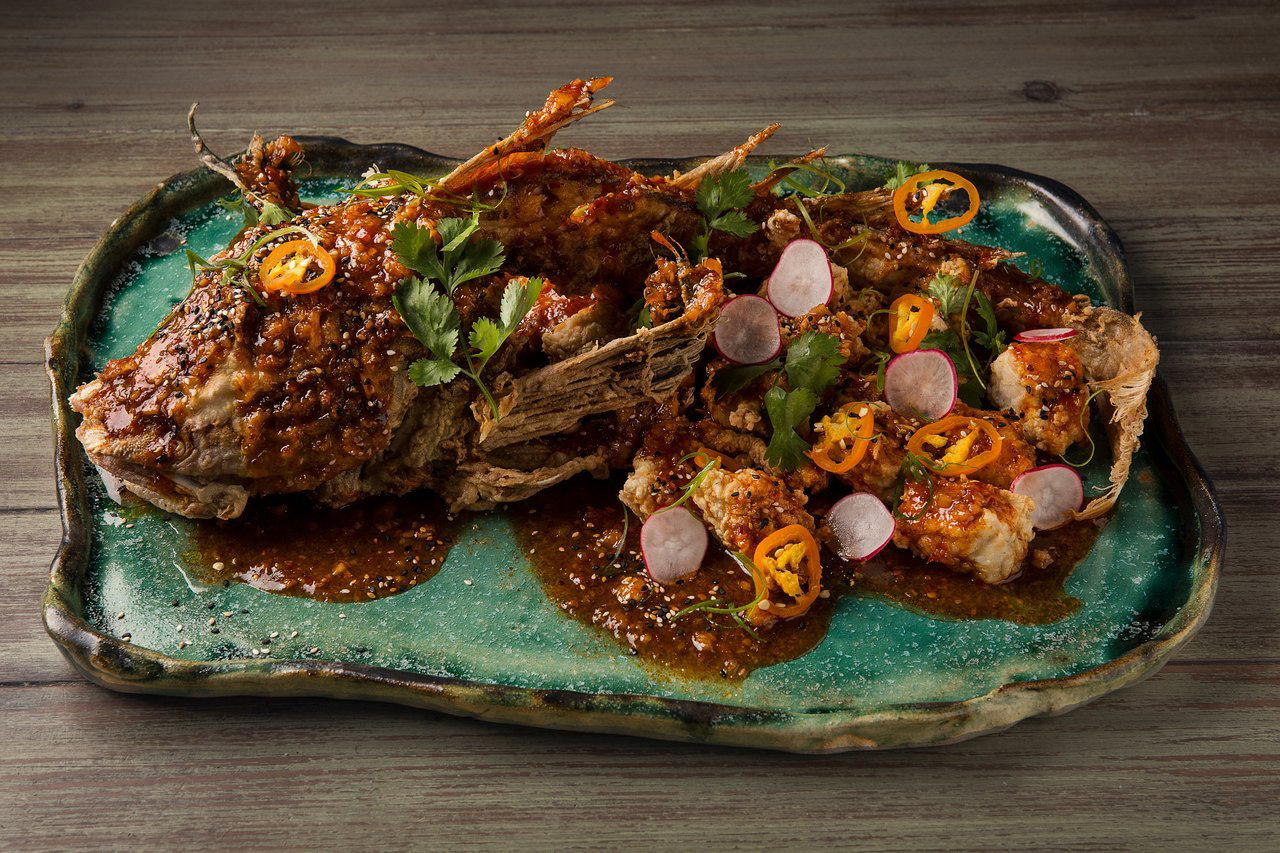
Where the Pacific Meets the Eixample
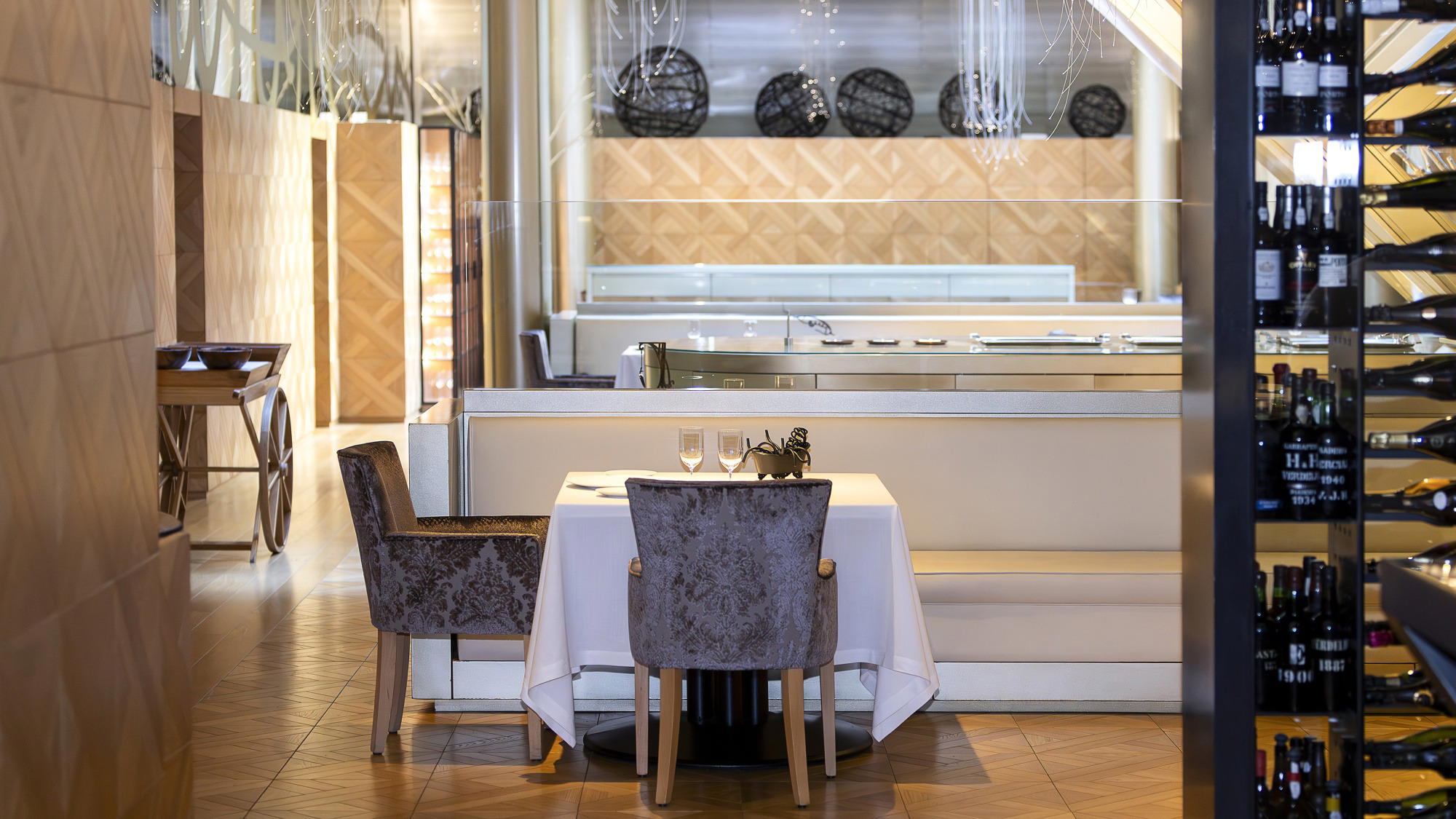
The Eixample grid does not typically announce itself as a destination for Latin American cooking, but Carrer de València has quietly accumulated a dining density that rewards walking its length. Yakumanka by Gastón Acurio occupies a stretch of this avenue where the neighbourhood's Modernista facades give way to ground-floor restaurants drawing on traditions well beyond Catalonia. Stepping in from the street, the room reads as a controlled counterpoint to the ornate architecture outside: clean lines, an emphasis on the bar and ceviche station, and a pace that signals this is a kitchen oriented around cold preparation and precision rather than long brigade cooking.
The atmosphere carries the particular energy of a well-run Peruvian table: busy without being chaotic, with fish arriving at the pass in states that make freshness the visible argument.
Peruvian Ceviche in a City That Knows Seafood
Barcelona is a city with its own rigorous seafood culture, which makes it a demanding audience for any restaurant proposing that another country's fish preparation deserves serious attention. Peruvian ceviche occupies a specific position in that argument. The dish is not just a preparation method; it is a centuries-layered tradition shaped by indigenous Andean technique, Japanese nikkei influence from the late nineteenth and early twentieth centuries, and the coastal geography of a country with one of the world's most biodiverse marine environments. When it travels to a city that already has a strong claim on Mediterranean fish cookery, the version that survives scrutiny is the one that refuses to dilute those references.
Gastón Acurio is among the figures most associated with bringing that full-weight version of Peruvian cuisine to international audiences. His restaurants across Lima, Madrid, and other cities have made the case that Peruvian cooking deserves the same critical category as French, Japanese, or Spanish cuisine, rather than being filed under "exotic" or "fusion." Yakumanka in Barcelona is an extension of that argument, with ceviche as the central proof point and Iberian coastal sourcing supplying the raw material. The fish here comes from the surrounding Spanish coasts, which means the citrus-and-ají structure of the leche de tigre interacts with Atlantic and Mediterranean species rather than the Peruvian catch one would find in Lima. That substitution is not a compromise; it is the kind of intelligent adaptation that marks serious cooking, where the technique remains intact and the local product is treated as a partner rather than a replacement.
The Menu Logic: Cold First, Then Warm
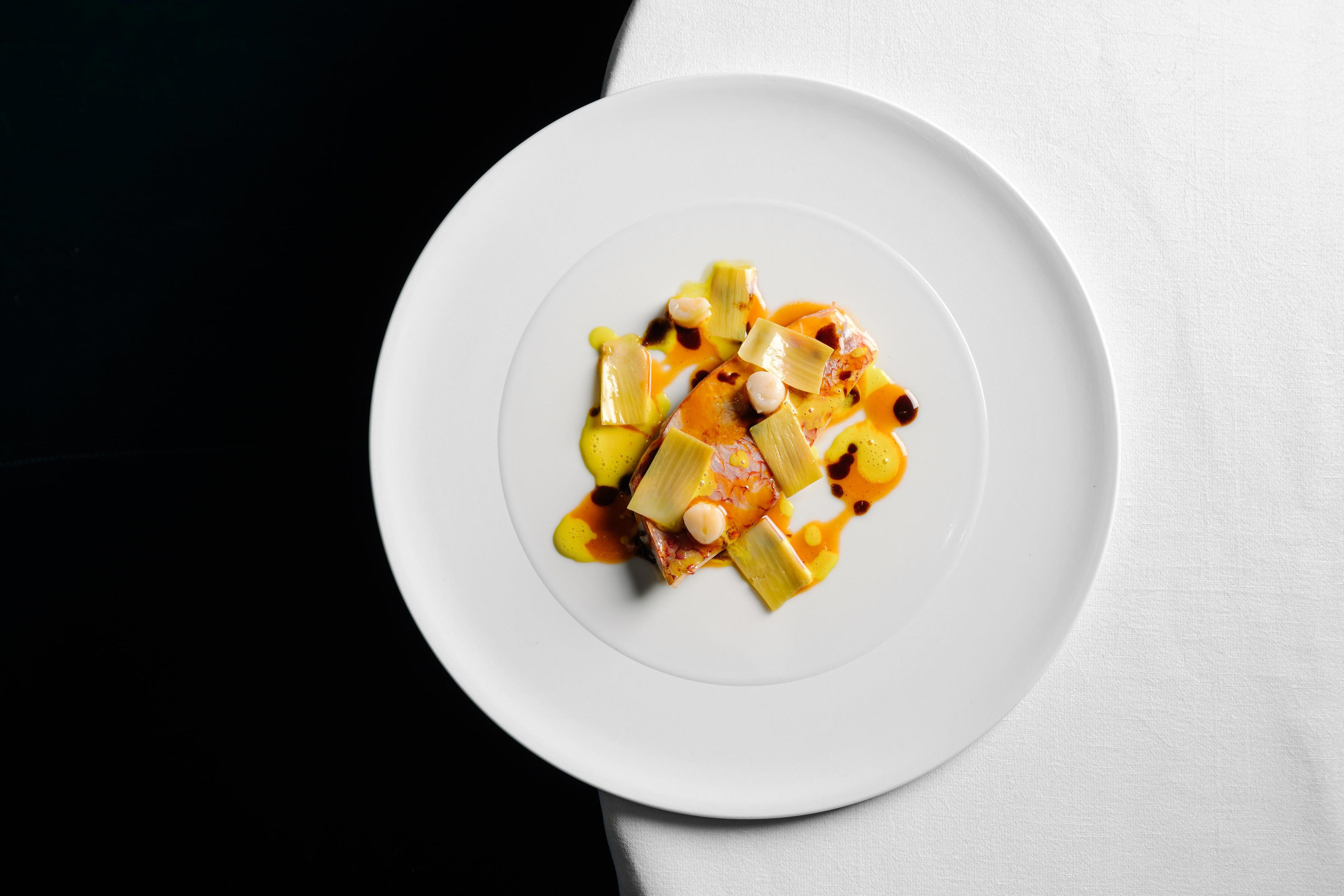
The kitchen's range extends beyond ceviche into a sequence of cold and warm fish dishes that build a fuller picture of Peruvian coastal cuisine. Cold preparations tend to rely on the leche de tigre base and variations on it, using acid, heat, and allium in proportions that distinguish one dish from another rather than repeating the same profile. Warm preparations bring in the grill and the braise, the chupe tradition of Peruvian chowders, and the broader vocabulary of Andean-coastal crossover cooking. Vegetables appear throughout, not as garnish but as structural components, reflecting the Peruvian habit of treating the Andean agricultural legacy (corn, potato, chili) as inseparable from the seafood tradition rather than subordinate to it.
In a city where Barcelona's own restaurants, including the tasting-menu flagships at Disfrutar, Cocina Hermanos Torres, ABaC, Lasarte, and Enigma, occupy the upper end of the creative Spanish canon, Yakumanka operates in a deliberately different register. It is not competing with the city's avant-garde dining tier. It is making the case for a distinct national cuisine with its own technical depth and cultural weight, operating from a mid-format position where the food is the primary argument and the setting is a vehicle for it.
The Peruvian Restaurant Field in Barcelona
Barcelona has developed one of Europe's denser concentrations of Peruvian restaurants, with roughly 150 venues across the city representing a range from neighbourhood lunch spots to destination dining. That breadth reflects both the scale of Peruvian immigration to Catalonia and the city's general appetite for Latin American cooking. Within that field, the tier that receives serious critical attention is small: a handful of restaurants where technique, sourcing, and the chef's connection to Peruvian culinary tradition are held to a standard comparable to what the city demands from its Spanish kitchens.
Yakumanka sits in that upper bracket by virtue of the Acurio name, which carries recognised authority in Peruvian gastronomy well beyond Barcelona, and by the consistent quality of its ceviche programme. The Acurio restaurant group has been instrumental in professionalising the global perception of Peruvian cuisine over the past two decades, with ventures across Latin America, North America, and Europe that have collectively shifted how critics and serious diners categorise the cuisine. For comparison, the kind of cultural-ambassador role Acurio plays for Peruvian cooking finds a partial parallel in figures like the teams behind Arzak or Azurmendi for Basque cuisine, or El Celler de Can Roca for Catalan-Spanish cooking: individuals whose restaurants function simultaneously as personal projects and as institutional arguments for their cuisine's place in the global conversation. The difference is that Yakumanka is doing this for a cuisine that still has more ground to cover in European critical circles than either Basque or Catalan cooking does.
Spain's own seafood-forward restaurants, from Aponiente in El Puerto de Santa María to Martin Berasategui in Lasarte-Oria, operate with deep Iberian product rooting. Yakumanka uses those same Iberian coasts as its supply chain but runs the product through a completely different technical and cultural framework. That tension, Iberian fish, Peruvian logic, is where the restaurant's most interesting cooking happens.
Planning a Visit
Yakumanka is located at Carrer de València, 207, in the Eixample, one of Barcelona's most walkable districts and a short distance from Passeig de Gràcia. The restaurant's position in the Eixample makes it a natural stop alongside the neighbourhood's broader dining circuit, and it draws both a local repeat clientele and visitors specifically seeking Peruvian cooking at a credible level. Booking ahead is recommended, particularly for weekend evenings. The menu's structure of cold and warm sharing dishes makes it suitable for groups who want range across the ceviche programme rather than a single fixed sequence.
For context on how serious fish-forward restaurants operate across different culinary traditions, Le Bernardin in New York and DiverXO in Madrid and Emeril's in New Orleans offer useful comparative reference points across price tiers and format types.
Budget and Context
Comparable venues nearby, for context on price, style, and recognition.
| Venue | Cuisine | Price | Notes |
|---|---|---|---|
| Yakumanka by Gaston AcurioThis venue — the venue you are viewing | Not listed | $$$ | Not listed |
| Els Pescadors Barcelona | el Poblenou, Traditional Catalan Seafood | $$$ | Not listed |
| El Ñaño Balmes | Not listed | $$ | la Dreta de l'Eixample, Ecuadorian & Latin American |
| Gimlet | Not listed | $$$ | Sant Gervasi - Galvany, Creative Cocktail Bar with Tapas |
| IKOYA Izakaya | Not listed | $$$ | Sant Pere, Santa Caterina i la Ribera, Japanese Izakaya with Robata Grill |
| Oaxaca Cuina Mexicana | Not listed | $$$ | Sant Pere, Santa Caterina i la Ribera, Modern Mexican |
Recognition history
Dated appearances from independent guides and award organizations, with the underlying list record or original source where available.
Macarfi 7.3 Food Rating
Macarfi
We're Smart World 2 Radishes
We're Smart World
World Culinary Awards Europe's Best Peruvian Cuisine Restaurant 2025 #1
World Culinary Awards
World Culinary Awards World's Best Peruvian Cuisine Restaurant 2025 #1
World Culinary Awards
Continue exploring
More in Barcelona
Restaurants in Barcelona
Browse all →
Bars in Barcelona
Browse all →
Hotels in Barcelona
Browse all →


At a Glance
- Relaxed
- Trendy
- Cozy
- Romantic
- Date Night
- Group Dining
- Celebration
- Special Occasion
- Standalone
- Terrace
- Extensive Wine List
- Craft Cocktails
- Sustainable Seafood
- Local Sourcing
Current opening hours
- Monday
- 1:15–3:15 PM, 8:15–10 PM
- Tuesday
- 1:15–3:15 PM, 8:15–10 PM
- Wednesday
- 1:15–3:15 PM, 8:15–10 PM
- Thursday
- 1:15–3:15 PM, 8:15–10 PM
- Friday
- 1:15–10:45 PM
- Saturday
- 1:15–10:45 PM
- Sunday
- 1:15–10 PM
Hours can change for holidays and private events. Last verified .
Relaxed and welcoming atmosphere with warm, friendly service; modern casual setting with lively energy balanced by comfortable spacing for intimate conversations.