
A serious soba address in Kamogawa, Tezukuri Soba Utsumian Kase belongs to Chiba’s quieter craft-noodle circuit rather than the city-centre tasting-menu lane. Its Tabelog 100 Soba EAST 2025 selection, 28-seat scale, tempura category, and drinks list built around nihonshu, shochu, and wine make it a considered rural stop for travellers reading the Boso Peninsula through ingredients rather than spectacle.
Pearl is the En Primeur Club membership app — saves, bookings, and concierge access live there. Same editors, same standards.
- Address
- 2329-1 Utsutsumi, Kamogawa, Chiba 296-0035, Japan
- Phone
- +81 4-7093-5209
- Website
- kase-soba.com
- Directions
- Get directions
 Saves & bookings on Pearl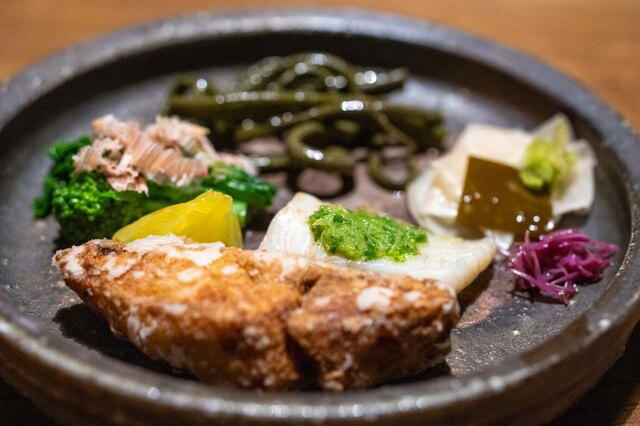
Kamogawa faces the Pacific, yet its sharpest dining split is between port tables and inland rooms, where buckwheat, frying oil, mountain roads, and small dining rooms define the argument. Tezukuri Soba Utsumian Kase sits firmly in that second register: a house-restaurant in Utsutsumi, away from station-front shorthand, with soba and tempura as the working grammar, not decoration.
That matters because soba in Japan is not just a noodle category; it is a sourcing discipline. Buckwheat is less forgiving than wheat, tied to milling, humidity, water, and timing, and serious soba restaurants show priorities through restraint. The better rooms need not long menus but a clear relationship between noodle, dipping broth, garnish, and seasonal frying. In Kamogawa, where many visitors look for fish, this table puts the inland side on the culinary map, not as a detour.
Kamogawa's inland soba lane, measured against its coastal dining reflex
Chiba’s Boso Peninsula is often sold through beaches, seafood markets, and drive routes, but its stronger food itineraries depend on contrast. A day can move from a seafood counter such as Sengyo Ikeda to a soba house without repeating the same appetite. Kamogawa is not a single-cuisine destination; it works better as a sequence of local specialisms, with seafood on one side and handmade buckwheat on the other.
The Tabelog 100 Soba EAST 2025 selection gives this address a trust marker in a category where anonymous rural rooms can be hard for travellers to read. It also places the restaurant in an eastern Japan soba conversation, not merely a Kamogawa one. For travellers choosing between another seaside lunch and a more ingredient-led inland meal, that award reduces risk: the craft has been noticed inside a specialist field, not simply liked as a rural stop.
The soba-and-tempura pairing matters. Soba houses that take tempura seriously show season and produce more fully, because frying becomes the counterpoint to buckwheat rather than a side order. The structure is old-fashioned in the right way: noodles provide coolness, aroma, and texture; tempura supplies heat, oil, and the produce register. The value is balance, pacing, and the quality of what reaches the fryer, not theatrical plating.
Buckwheat, tempura, and drink choices point to a slower meal
Ingredient sourcing at a soba restaurant is never only about naming farms; it is about the demands the cuisine places on raw materials. Buckwheat loses aromatic force quickly after milling, so soba rewards houses that think in short intervals rather than long supply chains. Tempura punishes poor produce and indifferent oil. A restaurant built around these two forms has less room to hide than a broad izakaya menu: craft is exposed in a narrow frame.
The drinks list also signals the intended meal. Sake, shochu, and wine are listed, with an emphasis on nihonshu. That pushes the room beyond a quick noodle stop. Sake can sit cleanly with dipping broth and fried vegetables; shochu can handle salt and oil; wine, chosen carefully, gives travellers a familiar bridge without forcing the meal into a Western register. In rural Japan, a considered drinks range often suggests that the house expects guests to linger rather than refuel.
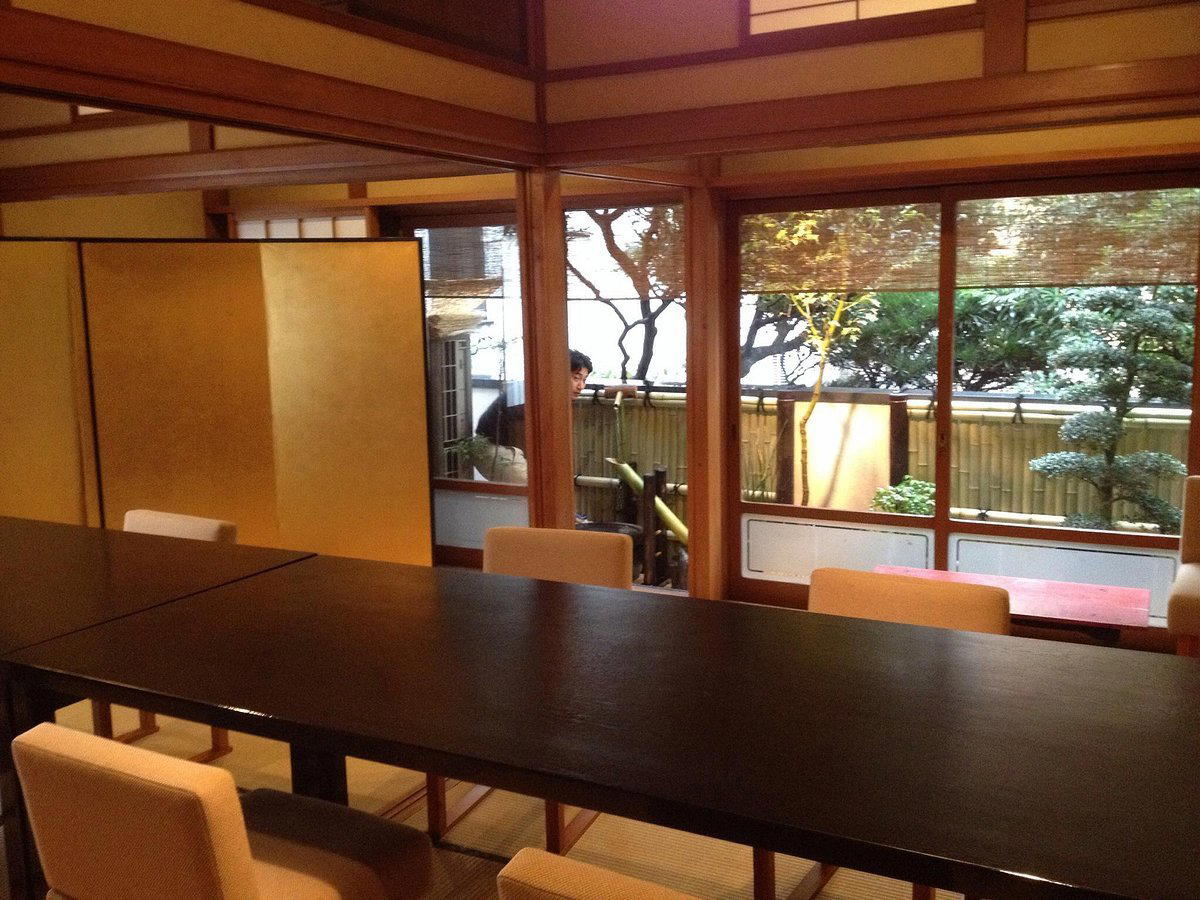
The 28-seat scale keeps the format intimate without turning it into a counter-only performance. That matters in soba because texture is time-sensitive. Large rooms can struggle to preserve the narrow window between boiling, rinsing, draining, and serving. Smaller dining rooms are not automatically better, but they make handmade-noodle logistics easier to control. Here, the room size supports the craft rather than distracting from it.
For a Kamogawa itinerary, compare it not with Tokyo’s high-polish dining rooms, but with the peninsula’s own appetite: coastal fish lunches, rural pizza stops, roadside set meals, and destination noodle houses. Tezukuri Soba Utsumian Kase belongs to the last group. It asks for a slower route and repays travellers who care how regional food changes when coastline gives way to fields and hills.
How to place it in a Kamogawa trip
This is a better fit for a food-led day than a casual add-on between sightseeing stops. The setting is rural, parking is part of the practical picture, and the house-restaurant character suits travellers comfortable leaving the densest part of town for a narrower culinary focus. Children are welcomed, private rooms are not part of the format, and private use is listed for groups up to 20: small, structured, and better planned than improvised.
The restaurant has operated since 2009, meaningful tenure in a category where consistency matters more than novelty. Its repeated Tabelog Soba selections across several years reinforce the point. In a city better known to visitors for sea air and fish, a sustained soba reputation gives the inland route a reason to exist. Not every traveller needs soba in Kamogawa, but travellers already interested in regional Japanese food will understand more of the city by including one.
Use it as the soba anchor in a broader Kamogawa plan, then build outward through the city’s other food and travel categories. For dining context, see Our full Kamogawa restaurants guide. For overnight planning, start with Our full Kamogawa hotels guide, then map the evening through Our full Kamogawa bars guide. Travellers extending the trip can also use Our full Kamogawa wineries guide and Our full Kamogawa experiences guide to avoid treating the city as a single-meal stop.
For wider Japan comparisons, the value lies in seeing how narrow specialisms differ by region and format. A sukiyaki-focused table such as -Grilled beef Sukiyaki- KAMAKURA TANUKIAN 鎌倉 たぬき庵 in Kamakura, a Tokyo charcoal-and-tuna address like . 鮪と炭火焼き うお炭 秋葉原店 in Tokyo, and a Kyoto listing such as [ki:] in Kyoto show how Japanese dining often works through tight categories rather than all-purpose menus. The same logic appears outside Japan in smaller specialist formats, from Jōdo Saké Bar in Los Angeles to Onigiri Time in Pasadena.
Other useful reference points across the guide include.cafe in Osaka.know in Kumamoto, (Shoku) Vietnam in Kawasaki, [Curry Senmon Ten] Maruyama Kyoju. in Sapporo, #肉といえば松田 奈良本店 in Kashihara, 1/3 HAMBURGER FACTORY in Kanazawa, and 1000 in Yokohama. Read together, they make the broader point: Japan rewards travellers who follow format, ingredient, and place, not only fame.
Comparison Snapshot
Comparable venues by cuisine and price in the same metro.
| Venue | Cuisine | Price | Notes |
|---|---|---|---|
| Tezukuri Soba Utsumian Kase | Handmade Soba | $$ | Awa Kamogawa |
| Sengyo Ikeda | Casual Japanese seafood set meals | $$ | Kamogawa |
| RED HOUSE (レッドハウス) | Japanese Slope-Side Casual | $$ | 安比高原 |
| ごころ | Handmade Sanuki Udon | $$ | Niseko Hirafu |
| 伊達翁 | Traditional Soba Noodles | $$ | Natsukumachi |
| Kumasotei (熊襲亭) | Authentic Satsuma Shabu-Shabu | $$ | 天文館 |
Recognition history
Dated appearances from independent guides and award organizations, with the underlying list record or original source where available.
Tabelog 100 #13 · No. 13
Tabelog · Tabelog 100 - Soba - EAST - 2025
At a Glance
- Cozy
- Classic
- Solo
- Casual Hangout
- Standalone
Current opening hours
- Monday
- Closed
- Tuesday
- 11:30 AM–4 PM
- Wednesday
- 11:30 AM–4 PM
- Thursday
- 11:30 AM–4 PM
- Friday
- 11:30 AM–4 PM
- Saturday
- 11:30 AM–4 PM
- Sunday
- 11:30 AM–4 PM
Hours can change for holidays and private events. Last verified .
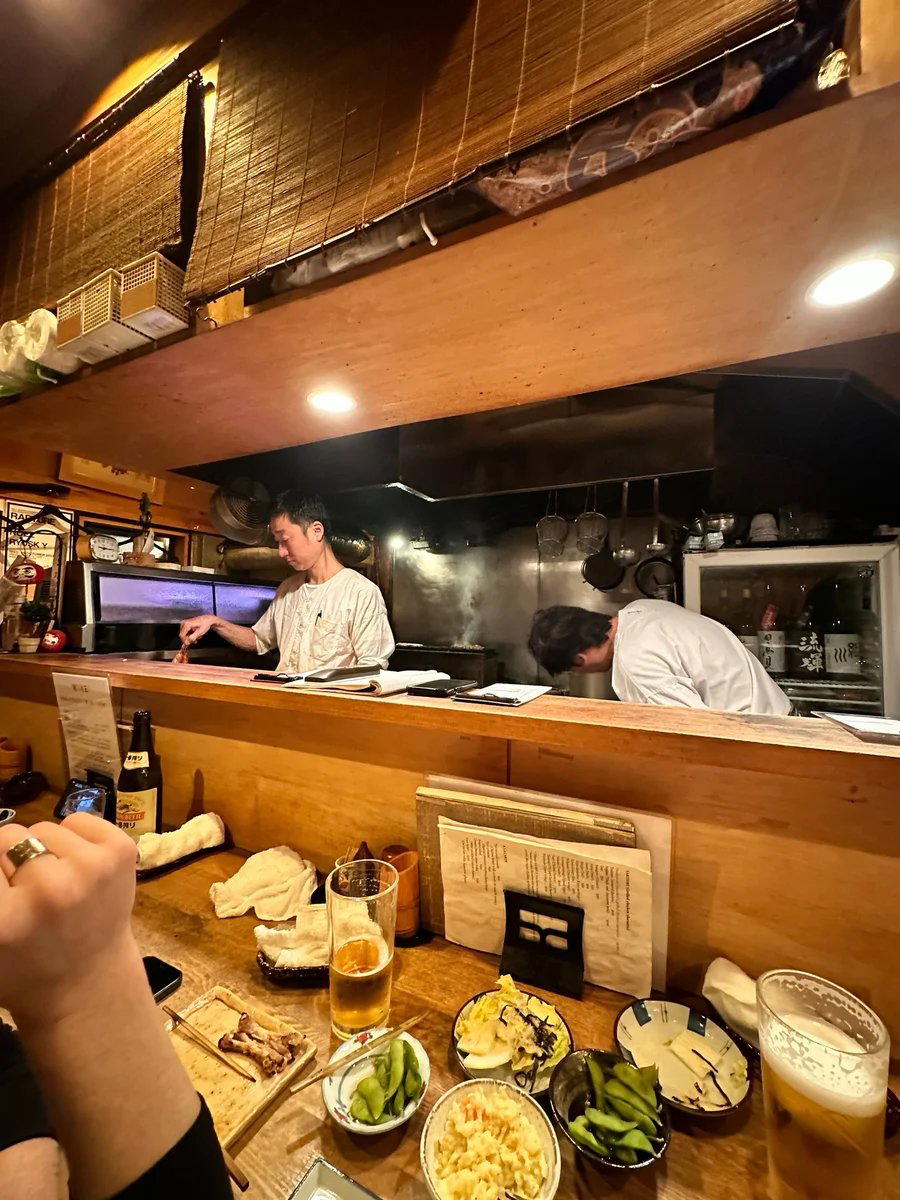
A modest, traditional soba shop atmosphere with an intimate, low-key feel rather than a flashy dining room.