
Sengyo Ikeda belongs to Kamogawa’s practical seafood-diner tradition, where proximity to the coast matters more than ceremony. The appeal is not luxury signalling but a tightly focused cafeteria, seafood and tempura format with Tabelog 100 Diner recognition in 2026, useful for travelers reading Chiba through its everyday fish culture rather than through resort dining.
Pearl is the En Primeur Club membership app — saves, bookings, and concierge access live there. Same editors, same standards.
- Address
- 518-8 Yairo, Kamogawa, Chiba 296-0033, Japan
- Phone
- +81 4-7092-3835
- Website
- instagram.com
- Directions
- Get directions
 Saves & bookings on Pearl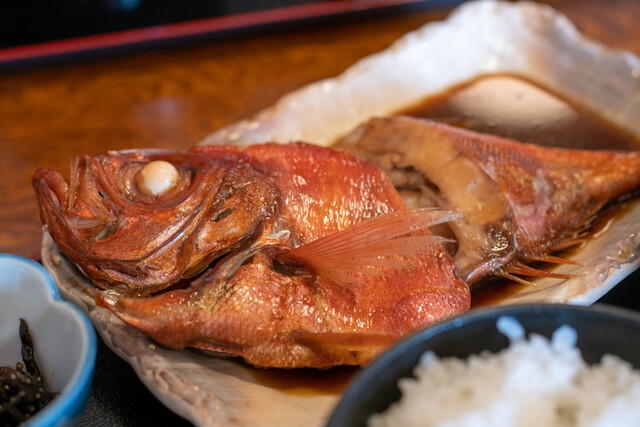
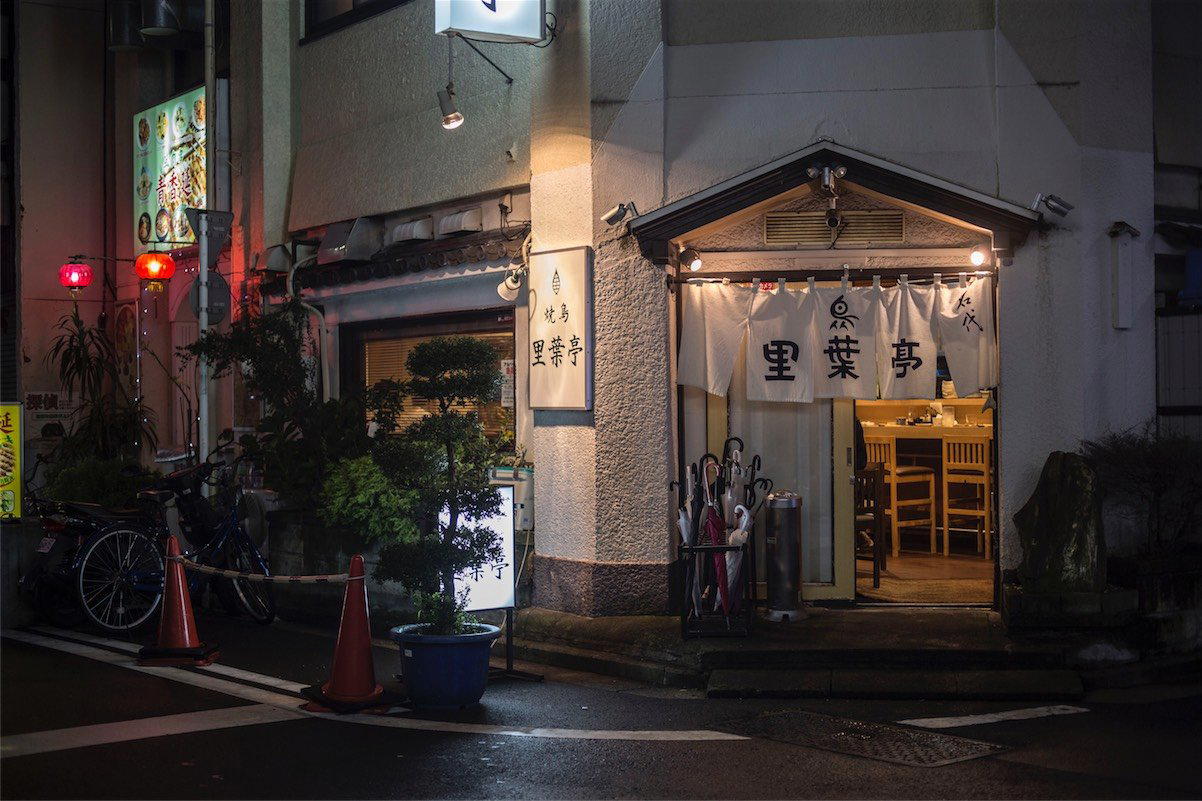
Approaching a house restaurant in Yairo, the mood is closer to a local meal stop than a destination dining room. Kamogawa’s food culture is shaped by the Pacific side of Chiba: fishing ports, family traffic, day trippers, and unfussy counters where seafood is treated as daily commerce rather than theater. Sengyo Ikeda sits inside that pattern, with cafeteria, seafood and tempura categories doing the work of a clear editorial signal: this is a fish-led shokudo, not a chef’s-menu restaurant.
That distinction matters in Kamogawa. Tokyo trains visitors to read Japanese dining through reservations, counters and tasting formats; coastal Chiba asks a different question, namely how directly a restaurant translates local appetite into lunch. The cooking tradition here values legibility. Fish, rice, fried items, sake and shochu form a familiar grammar, and the room’s tatami and table seating keeps the experience within the register of a neighborhood meal rather than a special-occasion stage set.
Kamogawa seafood without resort polish
The stronger reading of the room is not rarity but placement. Kamogawa is not short on coastal eating, yet the useful addresses are the ones that keep seafood at the center without turning it into a luxury performance. Sengyo Ikeda’s recognition in Tabelog 100 Diner 2026 places it in a national conversation about shokudo dining, a category where consistency, value and local attachment carry as much weight as technique. Its listed score of 3.66 is a useful signal in that context: high enough to flag a serious local following, but attached to a format that remains everyday in structure.
Ingredient sourcing is the editorial hinge. A fish-focused cafeteria in Kamogawa has a different responsibility from a seafood restaurant in an inland shopping district. The coast is not decoration here; it is the reason the category works. Tempura, set-meal logic and seafood ordering all rely on freshness, turnover and restraint. The point is not to bury fish under complexity, but to let a diner understand the day’s catch through a meal format that locals recognize immediately.
Compared with Tezukuri Soba Utsumian Kase, which occupies a higher local spend bracket and a soba-centered lane, this address reads as the more direct seafood proposition in Kamogawa. Against out-of-metro peers such as Hamabe or Sasuke Shokudo, it belongs to the same broad coastal-diner conversation: modest formats, fish as anchor, and pricing that keeps the meal in reach for repeat local use. That is the competitive set to understand, not the polished omakase counter.
The shokudo format is the point
Japan’s shokudo tradition is often misunderstood by visitors because it resists the signals that premium travelers are trained to notice. There may be no elaborate tasting arc, no sommelier choreography and no heavy design language. Instead, the value sits in reliability: a room that works for friends and families, a menu logic broad enough for mixed appetites, and a pace built around lunch rather than ceremony. Sengyo Ikeda’s 30-seat structure, split between tatami and table seating, reinforces that social function.
The format also explains why the address has travel relevance beyond a simple meal recommendation. Kamogawa can be approached as a coastal break, a seafood stop, or a base for southern Chiba; in each version, the better restaurant choices are the ones aligned with how the area actually eats. A fish-led shokudo gives visitors a sharper read on the city than a generic café or resort-adjacent dining room. It shows how seafood becomes daily food after it leaves the port economy.
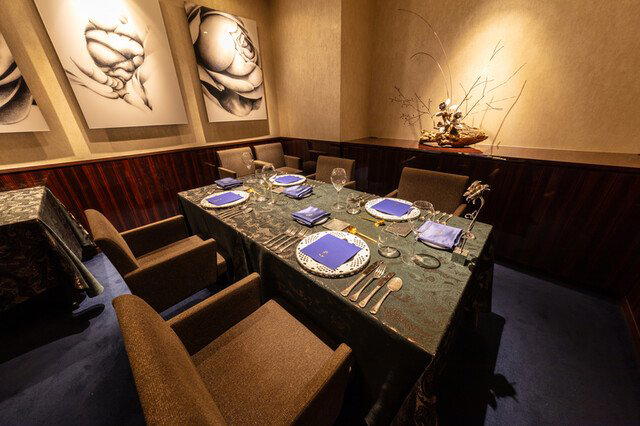
Drink details support the same reading. Sake and shochu are the listed alcohol anchors, which places the meal in a familiar Japanese seafood register without overcomplicating the decision. Non-smoking status, card acceptance and QR payment compatibility make the experience easier for travelers, while the absence of private rooms keeps expectations in the public, casual-dining lane. This is useful clarity: the restaurant’s appeal depends on category discipline, not on trying to behave like a formal dining address.
How to place it in a Kamogawa itinerary
For travelers building a food day around Kamogawa, the address belongs in the seafood slot rather than the grand dinner slot. Use it to understand the area’s everyday fish culture, then widen the trip through the city’s other categories. The full Kamogawa restaurants guide is the natural starting point for mapping coastal meals, while the Kamogawa hotels guide, Kamogawa bars guide, Kamogawa wineries guide and Kamogawa experiences guide help frame the rest of the stay without forcing every stop to carry the same culinary weight.
The broader Japan file also shows why this kind of address deserves attention alongside flashier urban dining. Regional specificity can appear in a Kamakura sukiyaki room such as -Grilled beef Sukiyaki- KAMAKURA TANUKIAN 鎌倉 たぬき庵 in Kamakura, a Tokyo seafood-and-grill format like . 鮪と炭火焼き うお炭 秋葉原店 in Tokyo, or smaller city addresses including .cafe in Osaka.know in Kumamoto, (Shoku) Vietnam in Kawasaki, [Curry Senmon Ten] Maruyama Kyoju. in Sapporo, [ki:] in Kyoto, #肉といえば松田 奈良本店 in Kashihara, 1/3 HAMBURGER FACTORY in Kanazawa and 1000 in Yokohama. For readers tracking Japanese food culture abroad, Jōdo Saké Bar in Los Angeles and Onigiri Time in Pasadena sit in a different diaspora conversation, but they underline the same point: format tells the reader how a cuisine wants to be used.
The editorial verdict is measured but firm. The restaurant is compelling because it keeps Kamogawa’s coastal logic intact: fish first, shokudo structure, family-friendly practicality and national diner recognition without inflated ceremony. It is the kind of restaurant that helps a traveler read a place correctly.
How It Stacks Up
Comparable venues by cuisine and price in the same metro.
| Venue | Cuisine | Price | Notes |
|---|---|---|---|
| Sengyo Ikeda | Casual Japanese seafood set meals | $$ | Kamogawa |
| Tezukuri Soba Utsumian Kase | Handmade Soba | $$ | Awa Kamogawa |
| 田中鮮魚店 漁師小屋 | Fresh Seafood at Fisherman's Hut | $$ | 久礼大正町市場 |
| EZO Seafood | Hokkaido Seafood Oyster Bar | $$$ | Niseko Hirafu |
| Noguchi Sengyo Ten | Casual Japanese seafood eatery | $ | Sumida |
| Hainan Jeefan Shokudo (海南鶏飯食堂) | Singaporean Hainanese Chicken Rice | $$ | Azabu-Juban |
Recognition history
Dated appearances from independent guides and award organizations, with the underlying list record or original source where available.
Tabelog 100 #52 · No. 52
Tabelog · Tabelog 100 - Diner - 2026
At a Glance
- Family
- Group Dining
- Casual Hangout
- Solo
- Standalone
- Local Sourcing
- Sustainable Seafood
Current opening hours
- Monday
- 11 AM–4 PM
- Tuesday
- 11 AM–4 PM
- Wednesday
- Closed
- Thursday
- 11 AM–4 PM
- Friday
- 11 AM–4 PM
- Saturday
- 11 AM–4 PM
- Sunday
- Closed
Hours can change for holidays and private events. Last verified .
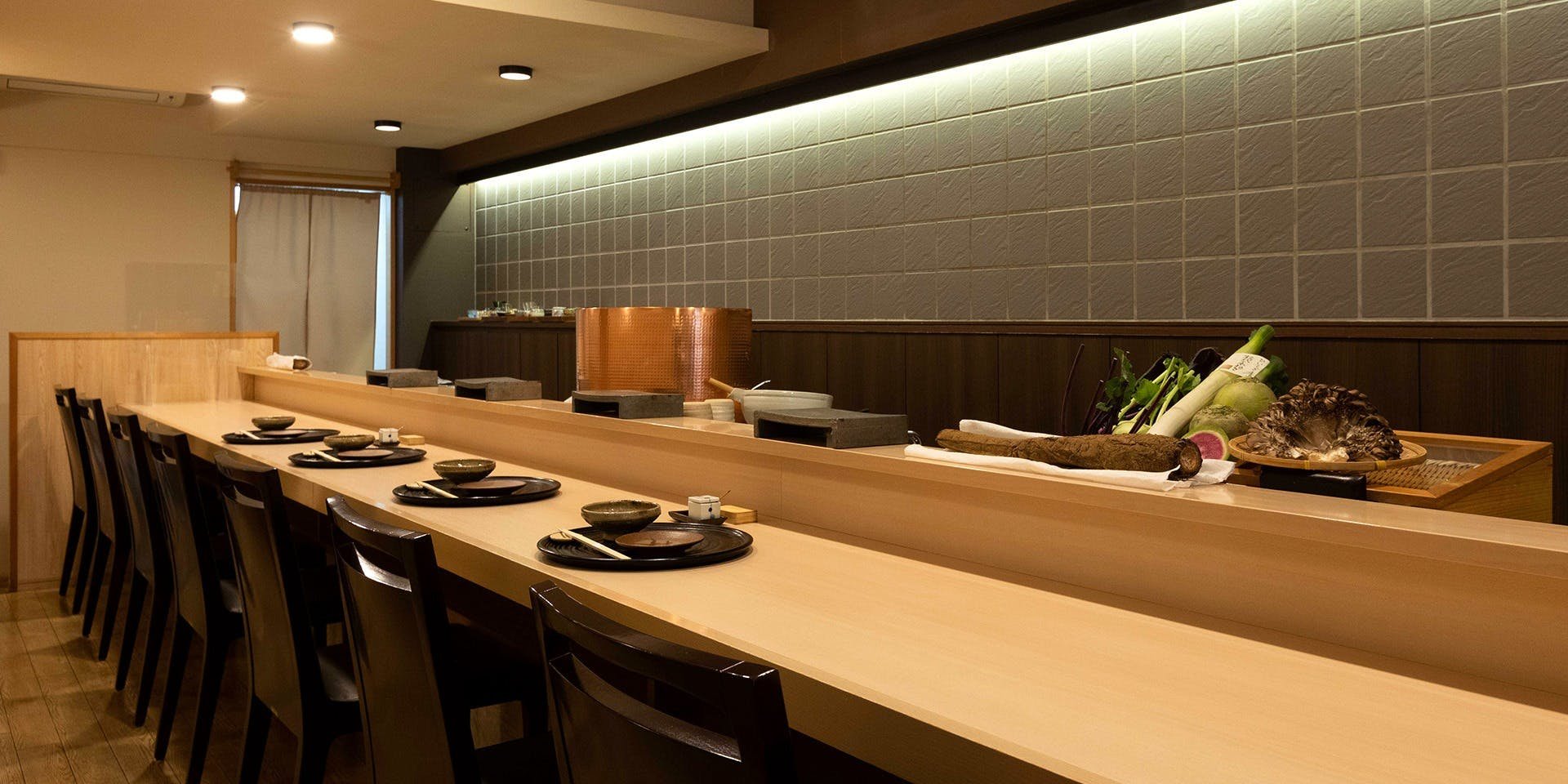
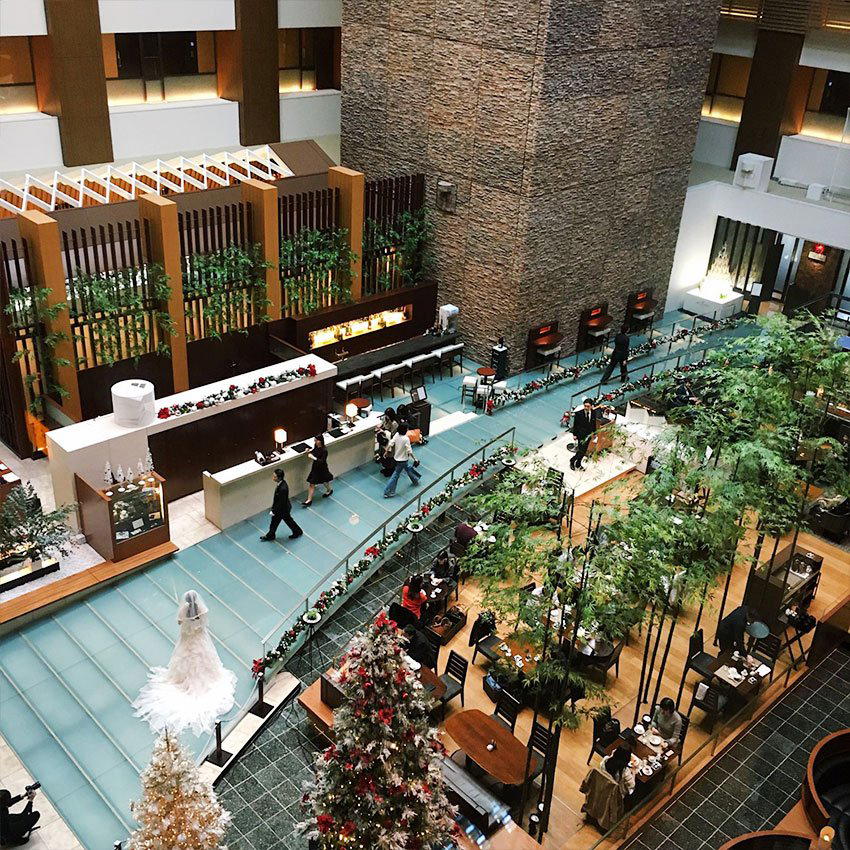
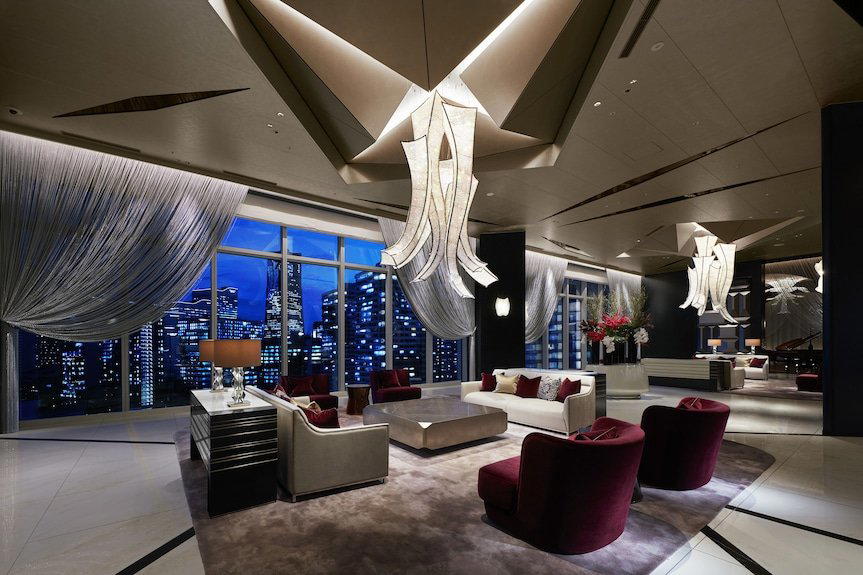
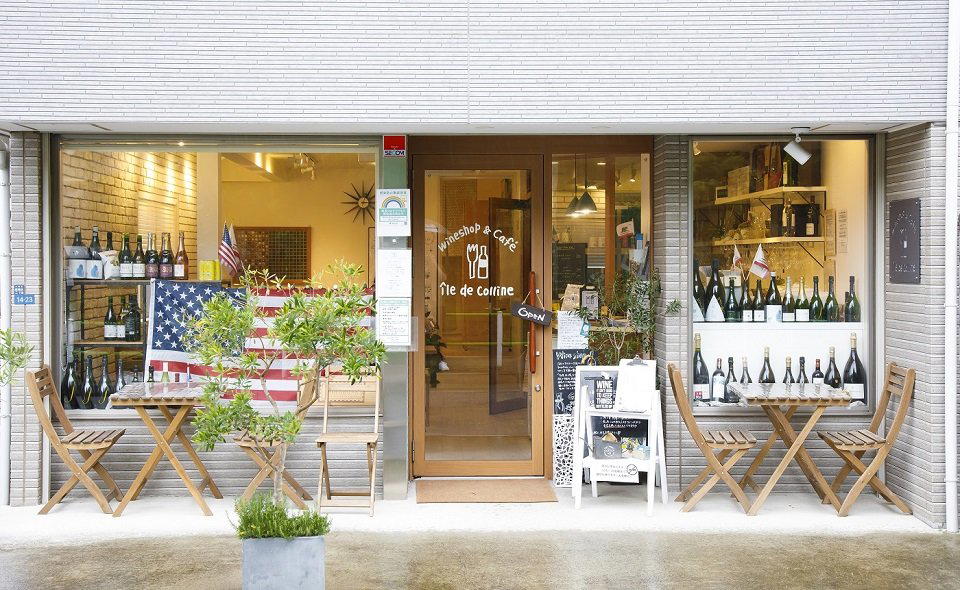
Modest, no-frills cafeteria atmosphere inside a converted house, with a relaxed, local feel and simple seating for both tatami and tables.