
A compact Nezu soba counter-and-table room with Tabelog 100 Soba EAST recognition in 2025, 2024, and 2021, Teuchi Soba Nezu Takajo belongs to Tokyo’s more serious everyday-special dining category: modest in format, exacting in expectation. It suits a small celebration built around hand-cut buckwheat noodles, sake or shochu, and the old Yanesen rhythm rather than ceremony for its own sake.
Pearl is the En Primeur Club membership app — saves, bookings, and concierge access live there. Same editors, same standards.
- Address
- 2 Chome-32-8 Nezu, Bunkyo City, Tokyo 113-0031, Japan
- Phone
- +81 3-5834-1239
- Website
- m.facebook.com
 Saves & bookings on Pearl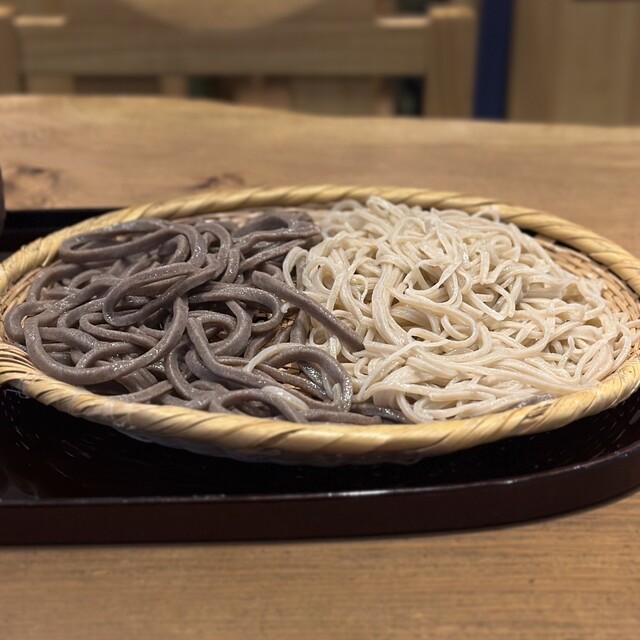
Nezu moves slower than the restaurant districts that dominate Tokyo itineraries. The approach is residential, low-rise, and temple-adjacent, with the old Yanesen triangle of Yanaka, Nezu, and Sendagi setting the mood before the first bowl. Here, soba needs no theatrical plating to carry a milestone meal. The room can be small, the format restrained, and the occasion still deliberate, because Tokyo has long treated hand-cut buckwheat as food for attention, not excess.
Teuchi Soba Nezu Takajo sits firmly in that tradition, with unusually strong public signals for a modest soba specialist. Selection for Tabelog 100 Soba EAST in 2025, after selections in 2024 and 2021, places it in a competitive group where consistency matters more than novelty. Tokyo has many casual noodle counters, but serious soba asks a sharper question: how much character can a restaurant draw from flour, water, cut, boil, and dip without turning the meal into luxury performance?
Hand-cut soba as a small celebration, not a spectacle
Soba has a distinctive role in Japanese occasion dining. It can mark New Year’s Eve, close a business lunch, or anchor a quiet family meal without the social weight of kaiseki or sushi omakase. That flexibility is the point. The pleasure is controlled and compact: noodles, dipping broth, condiments, sake or shochu, and a pace that rewards people there to talk as much as eat.
In Tokyo, soba suits celebrations that should feel intentional but not inflated. A birthday lunch, reunion with friends, or post-museum meal in Bunkyo can land better here than in a dining room built around formality. The category still has rigor. Hand-cut soba exposes weak technique fast: uneven cut changes texture, careless boil dulls aroma, and heavy sauce flattens buckwheat. Recognition on a dedicated soba list matters because it points to specialists judged within their craft, not against broader restaurant noise.
Nezu sharpens that reading. This is not a tourist stage set, but a lived-in district where old shops, narrow streets, university-adjacent culture, and temple traffic overlap. Nearby comparison helps. Nezu no Taiyaki covers the snack end of the area’s food culture, while Nezu Kamachiku works a noodle lane at a higher dinner spend. Tempura Fukutarou sits in a far more expensive bracket. Against that spread, Teuchi Soba Nezu Takajo reads as a focused soba meal with enough recognition to justify planning around it, without the cost structure or ceremony of Tokyo’s grander celebration restaurants.
Why the awards matter in a city crowded with noodles
Tokyo’s noodle scene can mislead outsiders because volume is not depth. Ramen dominates international attention, udon has regional pull, and soba often appears quieter despite its technical demands. Tabelog’s soba-specific Hyakumeiten framework helps separate category specialists from general popularity. A 2025 EAST selection, with previous appearances in 2024 and 2021, gives this address a useful trust signal for travelers choosing one soba meal rather than touring the whole category.
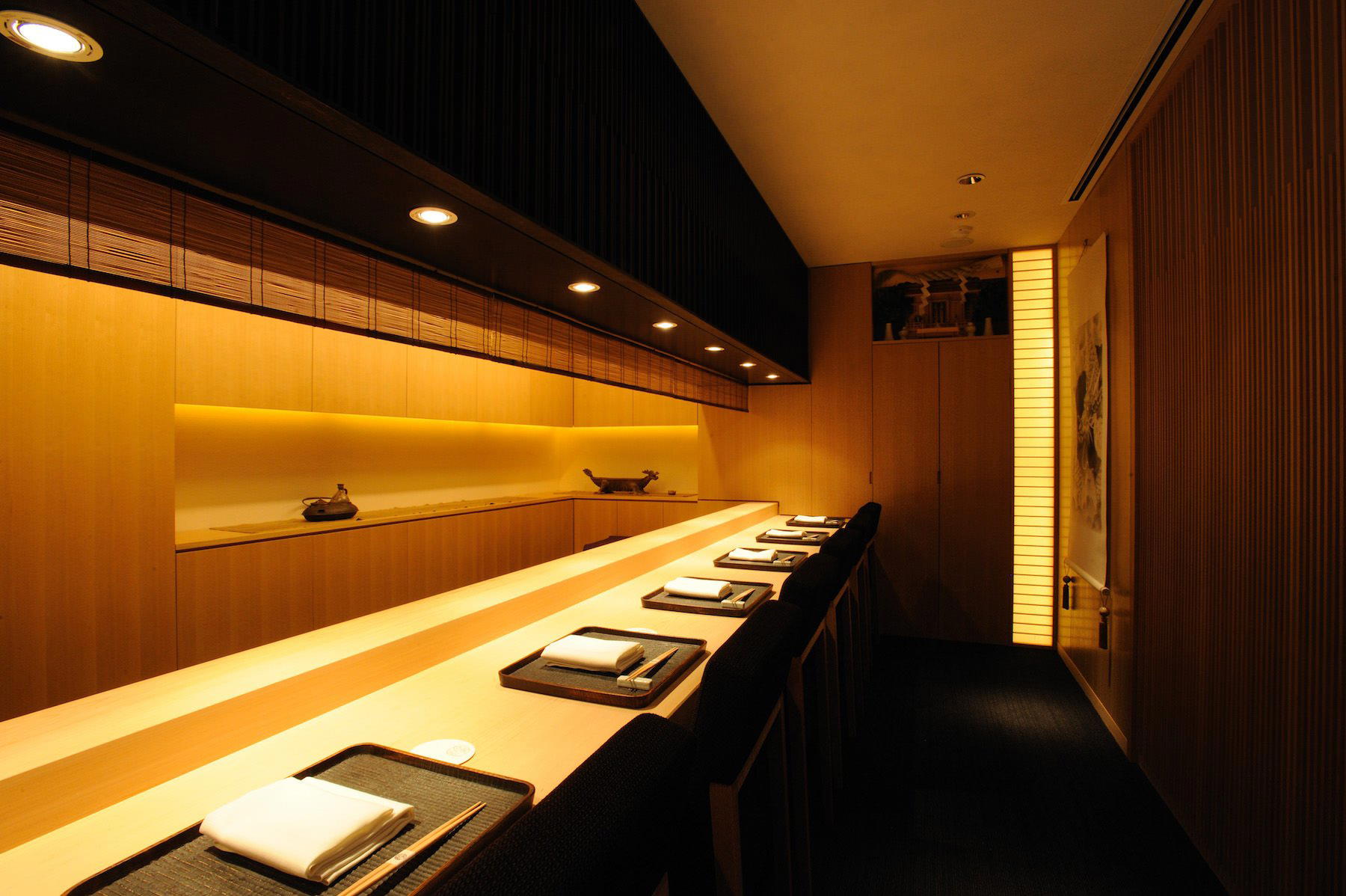
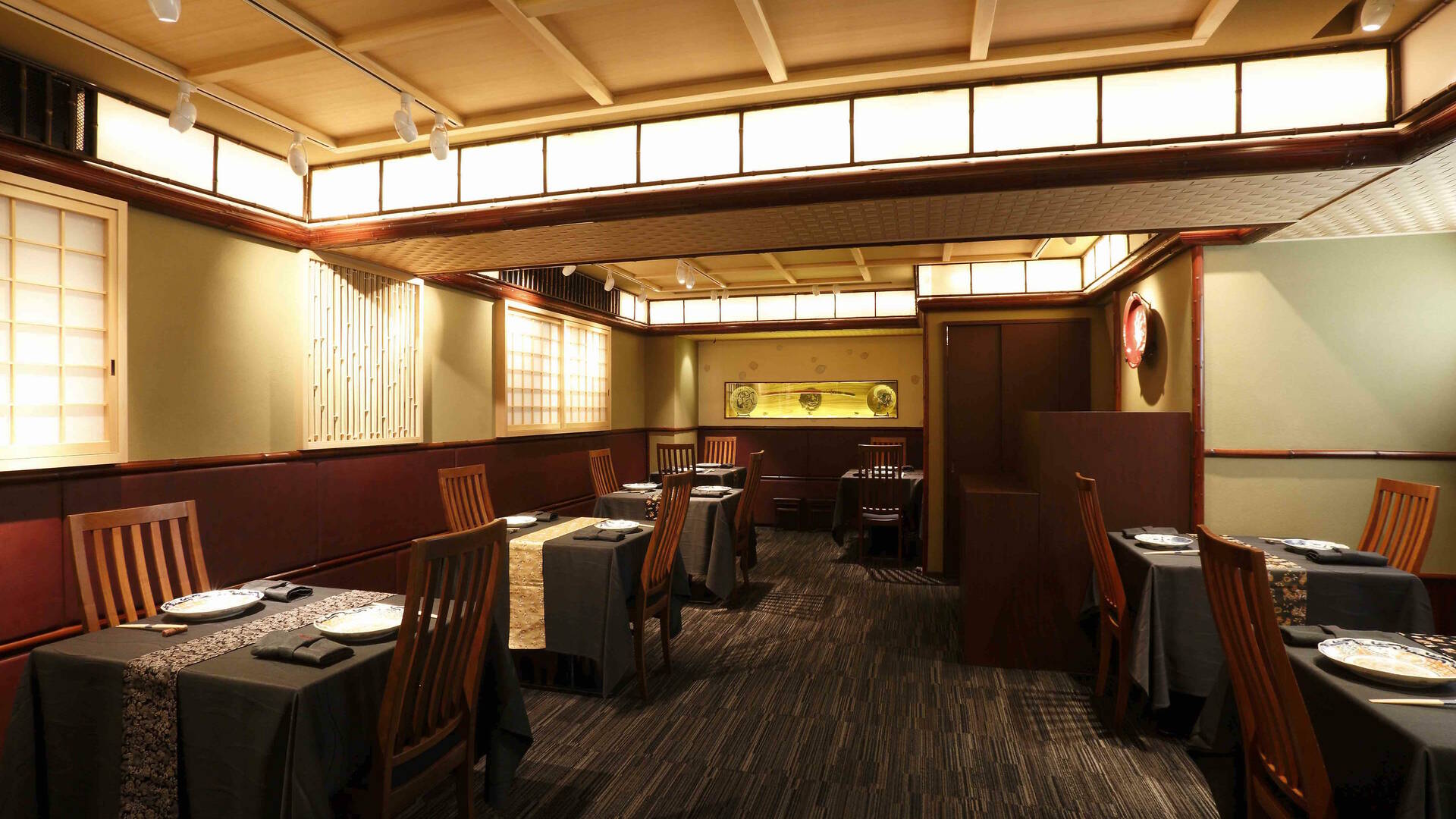
The format shapes the occasion. The restaurant is intimate, with counter and table seating rather than banquet-room energy. That favors small parties and meals where conversation is part of the value. It is wrong for a large celebration needing privacy, speeches, or a flexible schedule. It is better for two to four people who want a meal anchored in place, with nihonshu or shochu fitting naturally into the soba rhythm rather than competing with it.
That distinction matters because Tokyo celebration dining often defaults to expensive omakase, wagyu rooms, or hotel restaurants. Soba offers precision without grandstanding. The meal can be brief, but the craft has lineage; the bill can stay restrained, while the selection history carries weight. For travelers staying elsewhere, it pairs well with a day around Ueno, Yanaka Cemetery, Nezu Shrine, or the east-side museums, where a smaller lunch may satisfy more than a formal dinner detour.
Planning the meal around Nezu's pace
The practical decision is less dress code than timing and party size. This is a compact soba house in a neighborhood where patience matters. Large groups do not fit the format, and soba specialists can run on a rhythm that rewards early, decisive planning. Treat it as a fixed point in the day, not a fallback after sightseeing. Nearest rail access is Nezu on the Tokyo Metro Chiyoda Line, keeping it workable from central Tokyo without making the meal a cross-city project.
For a broader Tokyo itinerary, place this meal among other category-specific addresses rather than treating it as a generic Japanese restaurant stop. For grilled seafood and charcoal cooking, compare the mood with . 鮪と炭火焼き うお炭 秋葉原店; for Shinjuku density, see 12/10 Shinjuku ten; for a yakitori-led occasion, 124. KAGURAZAKA (Yakitori) belongs to a different evening rhythm. Tokyo’s casual visual culture appears at 2D Cafe, while curry specialists such as 3 Chome no Curry Ya San show another side of the city’s single-focus dining habits.
Travelers building a full city file can continue through Our full Tokyo restaurants guide, then cross-check stays, drinks, cellar visits, and cultural planning through Our full Tokyo hotels guide, Our full Tokyo bars guide, Our full Tokyo wineries guide, and Our full Tokyo experiences guide. For wider Japan and overseas comparisons, useful contrasts include -Grilled beef Sukiyaki- KAMAKURA TANUKIAN 鎌倉 たぬき庵 in Kamakura.cafe in Osaka.know in Kumamoto, (Shoku) Vietnam in Kawasaki, [Curry Senmon Ten] Maruyama Kyoju. in Sapporo, [ki:] in Kyoto, Jōdo Saké Bar in Los Angeles, and Onigiri Time in Pasadena.
The case for Teuchi Soba Nezu Takajo is not that it turns soba into theater. It belongs to a Tokyo category where restraint is the credential: a small room, narrow craft, repeat recognition, and a neighborhood that lets a quiet meal feel like the occasion rather than the prelude to one.
Credentials Lens
Comparable venues at similar price and category levels.
| Venue | Cuisine | Price | Notes |
|---|---|---|---|
| Teuchi Soba Nezu TakajoThis venue — the venue you are viewing | Traditional hand-cut soba | $$ | Not listed |
| Garak | Udon & Izakaya | $$ | Chiyoda |
| Yoshikami Asakusa ten | Yoshoku (Japanese-Style Western) | $$ | Taitō |
| Ishiusuhiki Teuchi Kyorakutei | Traditional Japanese Soba and Tempura | $$ | Shinjuku |
| BUNMEIDO CAFE | Japanese bakery café for castella and yoshoku | $$ | Chūō |
| Teuchi Soba Kikutani Sugamo honten | Handmade Soba & Soba Kaiseki | $$ | Toshima |
Recognition history
Dated appearances from independent guides and award organizations, with the underlying list record or original source where available.
Tabelog 100 #80 · No. 80
Tabelog · Tabelog 100 - Soba - EAST - 2025



At a Glance
- Quiet
- Classic
- Cozy
- Solo
- Casual Hangout
- Standalone
- Sake Program
Current opening hours
- Monday
- Closed
- Tuesday
- Closed
- Wednesday
- 12–5:30 PM
- Thursday
- 12–5:30 PM
- Friday
- 12–5:30 PM
- Saturday
- 12–5:30 PM
- Sunday
- 12–5:30 PM
Hours can change for holidays and private events. Last verified .
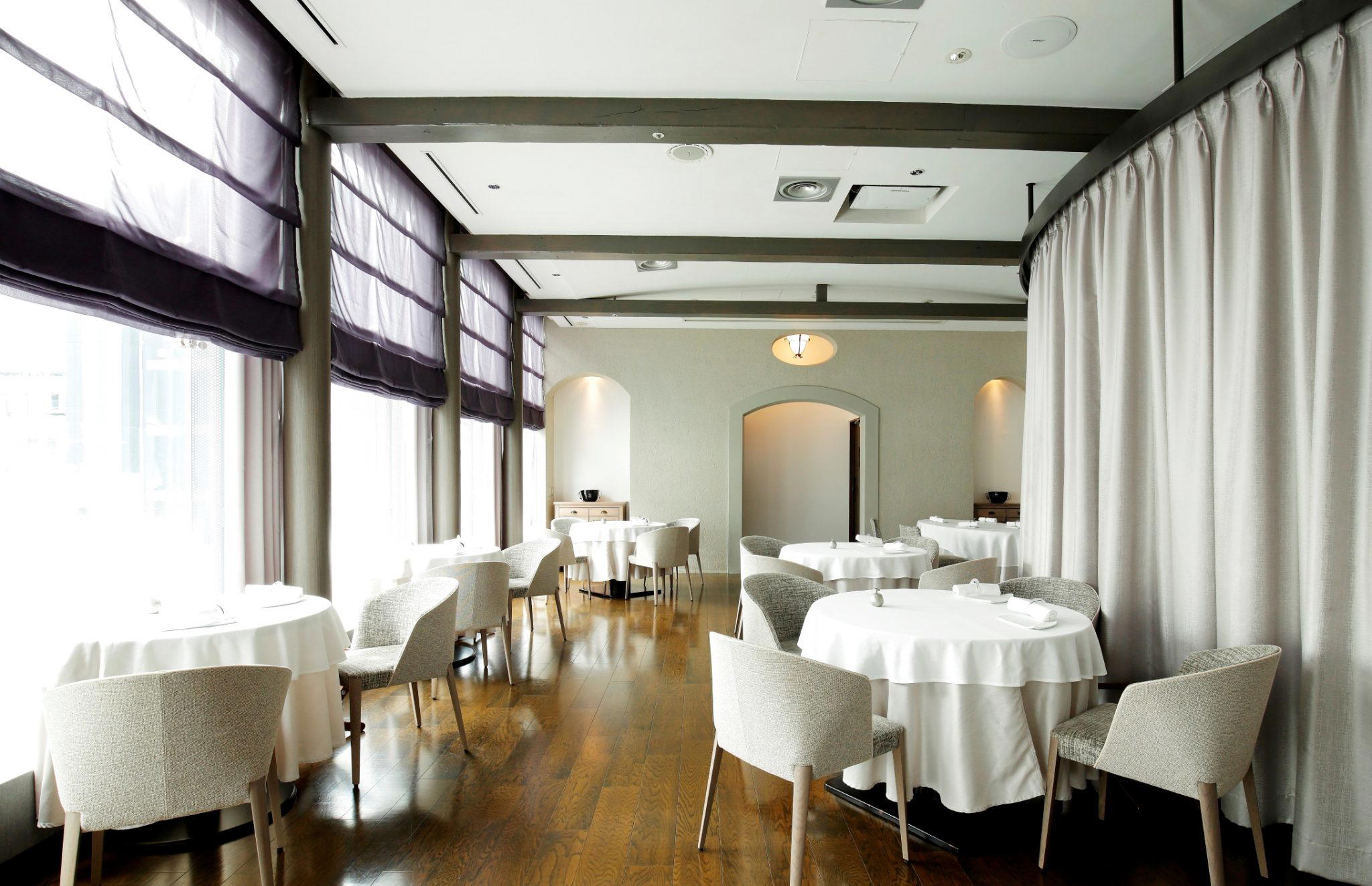
A small, relaxed soba shop with only 14 seats, non-smoking and simple traditional decor that creates a calm, intimate setting suited to quietly enjoying freshly made buckwheat noodles.