
Relais Chateaux Award
Our verdict
Xtian sits on Rua Dr. Evaristo Sousa Gago in Melides, a coastal village on Portugal's Alentejo littoral that has drawn quiet attention for its commitment to terroir-driven cooking. The kitchen works within a Portuguese Coastal tradition that foregrounds what the land and sea here actually produce. Rated 4.2 on Google from 41 reviews, it earns its place in the village's small but considered dining scene.

Pearl is the En Primeur Club membership app, where members save venues, book tables and use the concierge.
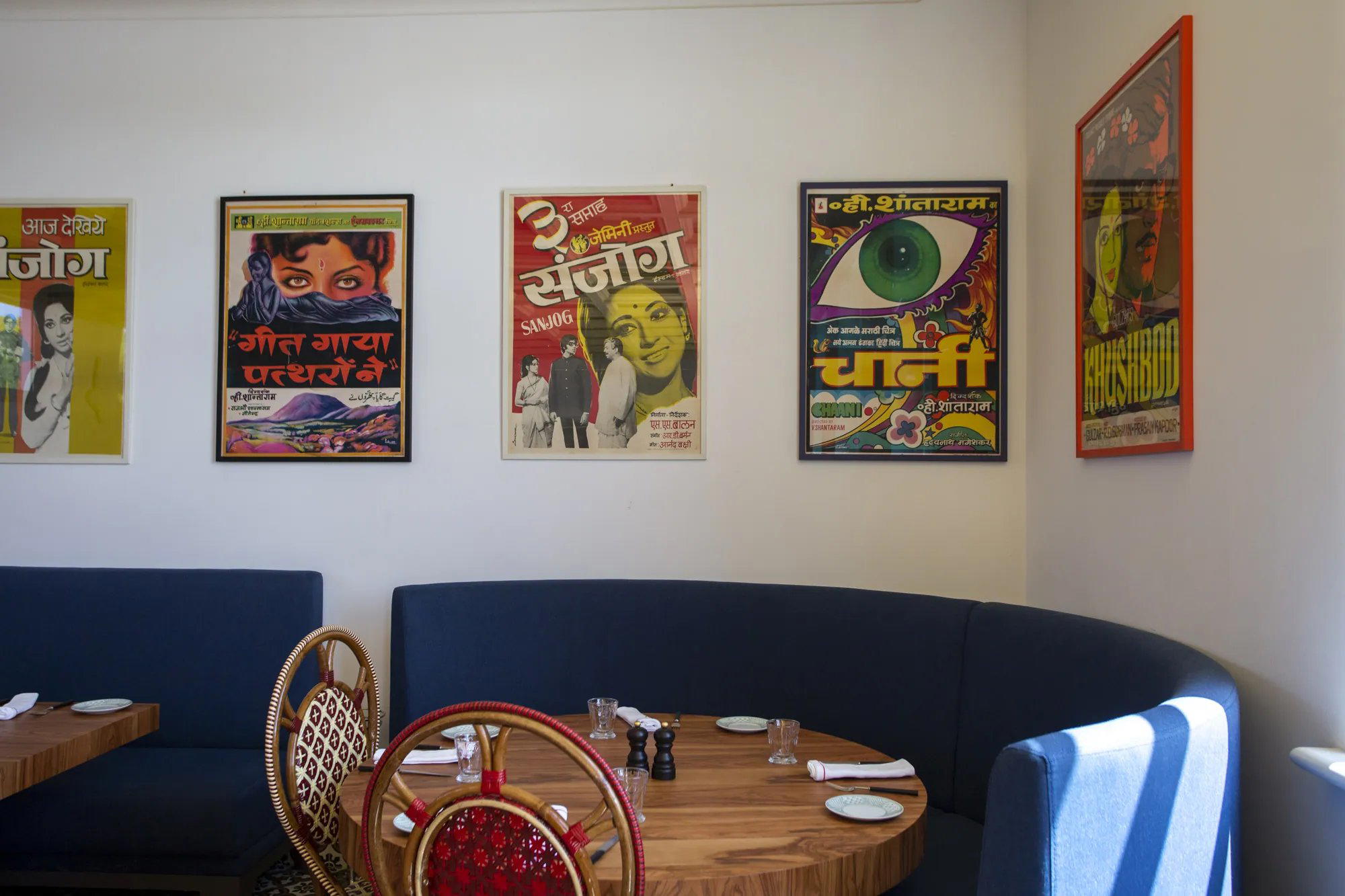
Where the Alentejo Coast Comes to the Table
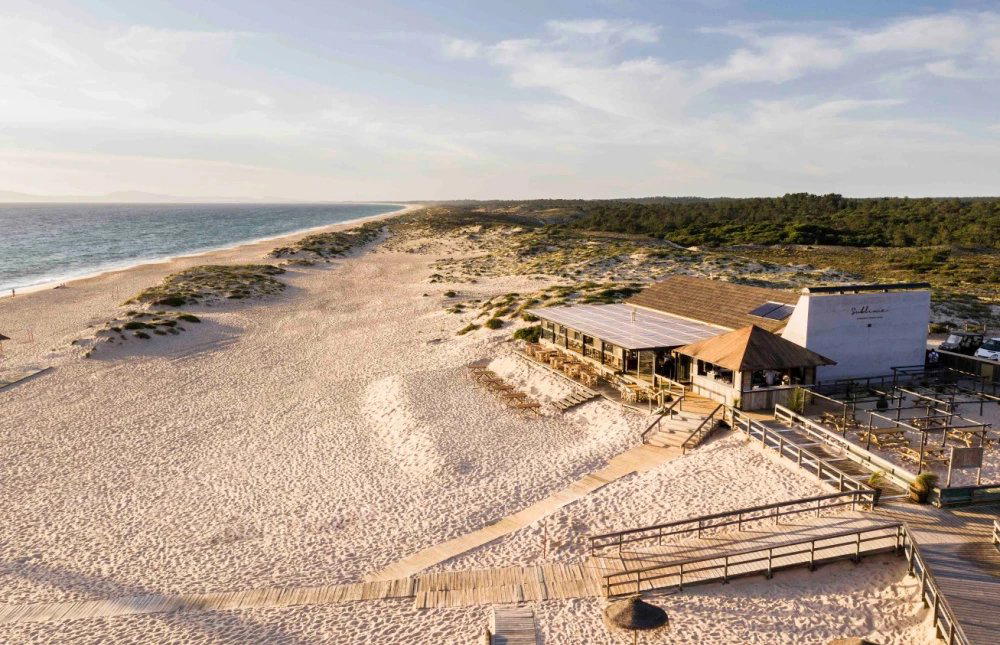
Melides sits roughly midway along Portugal's Alentejo littoral, a stretch of Atlantic coastline that has remained far less developed than the Algarve to its south or Comporta to its north. The village itself is small enough that its main street is also its social anchor, a short run of low whitewashed buildings, a square, and restaurants that draw their identity from what surrounds them: the ocean, the rice paddies, the lagoon, and the pine-covered dunes between the village and the sea. Xtian occupies a position on Rua Dr. Evaristo Sousa Gago in the centre of that small world, and the physical approach gives you a sense of what to expect inside, a place that fits the scale of its surroundings rather than reaching beyond them.
The broader dining shift in Melides over the past decade has moved toward what might be called intentional restraint: kitchens that resist importing a metropolitan sensibility into a coastal village setting and instead let local material set the terms. That tendency has made Melides an interesting counterpoint to the more produced dining experiences available at larger Portuguese restaurants. Where Belcanto in Lisbon or Ocean in Porches operate in a register of technical ambition and international reference points, the Alentejo coastal village kitchen works differently, the sophistication, when it appears, is in the sourcing and in the directness of the cooking rather than in transformation.
Terroir as a Culinary Framework
Xtian carries a specific designation worth understanding: Expression of the Terroir. In wine, terroir describes the totality of a place, its soil, microclimate, and the accumulated practices of those who work it. Applied to a restaurant, the term signals an intention to let geography determine the menu rather than the reverse. Along the Alentejo coast, that geography is specific and varied: the Atlantic brings fish and shellfish that differ from what you find in the Algarve or in the fishing ports of northern Portugal; the inland wetlands and agricultural land contribute vegetables, game, and grains with their own character; the local bread, the olive oil, the wine, all carry the distinct marker of a place that has not been homogenised by tourism at scale.
This philosophy of place-rooted cooking has deeper roots in Portuguese food culture than is sometimes recognised internationally. Portuguese cuisine has always been built on the logic of what is available, the famous bacalhau culture emerged from necessity and became identity; the rice dishes of the Alentejo reflect the flooded fields that define the landscape; the cataplana of the south encodes a specific local technology for extracting flavour from coastal ingredients. Xtian's terroir framing connects to that long tradition of letting geography shape the plate, rather than importing external templates. For a fuller picture of where Melides dining sits within that tradition, our full Melides restaurants guide maps the wider scene.
The Portuguese Coastal cuisine category that Xtian operates within covers significant ground nationally. At its most technically developed end, you find places like Casa de Chá da Boa Nova in Leça da Palmeira, where the Rui Paula kitchen applies formal technique to northern Atlantic seafood in an Álvaro Siza-designed building. At the other end sits the village trattoria model, where the Portuguese word tasca implies a casualness that is more about absence of ceremony than absence of skill. That is a meaningful signal in a place like Melides, where visitors can easily outnumber residents during summer months.
The Alentejo Coastal Table in Context
The Alentejo littoral occupies a specific position in Portugal's broader food geography. It is not the Algarve, with its deeply embedded tourism infrastructure and the culinary range that comes with it, from places like Vila Joya in Albufeira to casual beachside grills. It is not Lisbon, where the concentration of ambitious restaurants has produced a genuinely competitive fine dining environment and made Portugal a notable address for international food travel. The Alentejo coast sits in a more provisional register: a place where the raw material is exceptional, the seafood, the wine from the Alentejo interior, the vegetables from the agricultural plain, but where the restaurant infrastructure remains modest relative to demand during peak season.
That disparity between material quality and restaurant density is precisely what makes a place like Xtian worth attention. When a kitchen in a small coastal village draws consistent positive assessment, it is usually because it is doing something right with ingredients that a city restaurant would spend considerably more to source. The comparison with places like Antiqvvm in Porto or The Yeatman in Vila Nova de Gaia is less about register than about what each kitchen is optimising for: the Porto and Gaia examples work within an international fine dining framework; Xtian, like other terroir-focused coastal kitchens, is optimising for specificity and proximity to source.
For travellers also considering the wider Portuguese coastal dining spectrum, A Ver Tavira in Tavira and Al Sud in Lagos offer reference points in the south, while Il Gallo d'Oro in Funchal shows how island coastal traditions diverge from mainland practice. Closer to home, Hôtel Vermelho represents the other pole of the Melides dining conversation, a hotel kitchen with a higher international profile that draws a different kind of attention to the village.
Planning Your Visit
Xtian is located at Rua Dr. Evaristo Sousa Gago 2, in the centre of Melides, a village that does not have a train station, so arrival by car from Lisbon (roughly two hours via the A2 and regional roads) is the practical default. Melides has limited accommodation, and given the village's growing profile among Lisbon-based second-home owners and international visitors, booking a table ahead of arrival is the sensible approach during the summer season, which runs from approximately June through September. Website and phone contact details were not available at time of publication; arriving in person to enquire or checking current local listings is the most reliable approach. For accommodation context, our full Melides hotels guide covers the village's options, and if you want to build a wider picture of what Melides offers beyond restaurants, our bars guide, wineries guide, and experiences guide map the rest of the scene.
Frequently asked questions
What's the address for Xtian?
Xtian is located at R. Dr. Evaristo Sousa Gago 2, 7570-635 Melides, Portugal, Melides.
Price Lens
Comparable venues nearby, for context on price, style, and recognition.
| Venue | Cuisine | Price | Awards | Notes |
|---|---|---|---|---|
| XtianThis venue (the venue you are viewing) | Creative Portuguese Fine Dining | Not listed | Relais Chateaux Award | Not listed |
| Hôtel Vermelho | Modern Portuguese Bistro | Not listed | Relais Chateaux Award | Melides, Modern Portuguese Bistro |
| Santo Antonio de Alfama | Traditional Portuguese | $20–30 | Not listed | Castelo, Traditional Portuguese |
| Lotus Ramen Restaurant | Modern Japanese Ramen with French Techniques | $10–20 | Not listed | Baixa, Modern Japanese Ramen with French Techniques |
| Nori Restaurante Japonês | Authentic Japanese Ramen and Sushi | $20–30 | Not listed | Bairro Alto, Authentic Japanese Ramen and Sushi |
| Top Fishtail Restaurante | Authentic Indian & Nepali | $20–30 | Not listed | Alcantara, Authentic Indian & Nepali |
Recognition history
Dated appearances from independent guides and award organizations, with the underlying list record or original source where available.
Relais Chateaux Award
Relais Chateaux
Full recognition history (2 entries)
Relais Chateaux Award
Relais Chateaux
Continue exploring
More in Melides
Restaurants in Melides
All restaurants in Melides →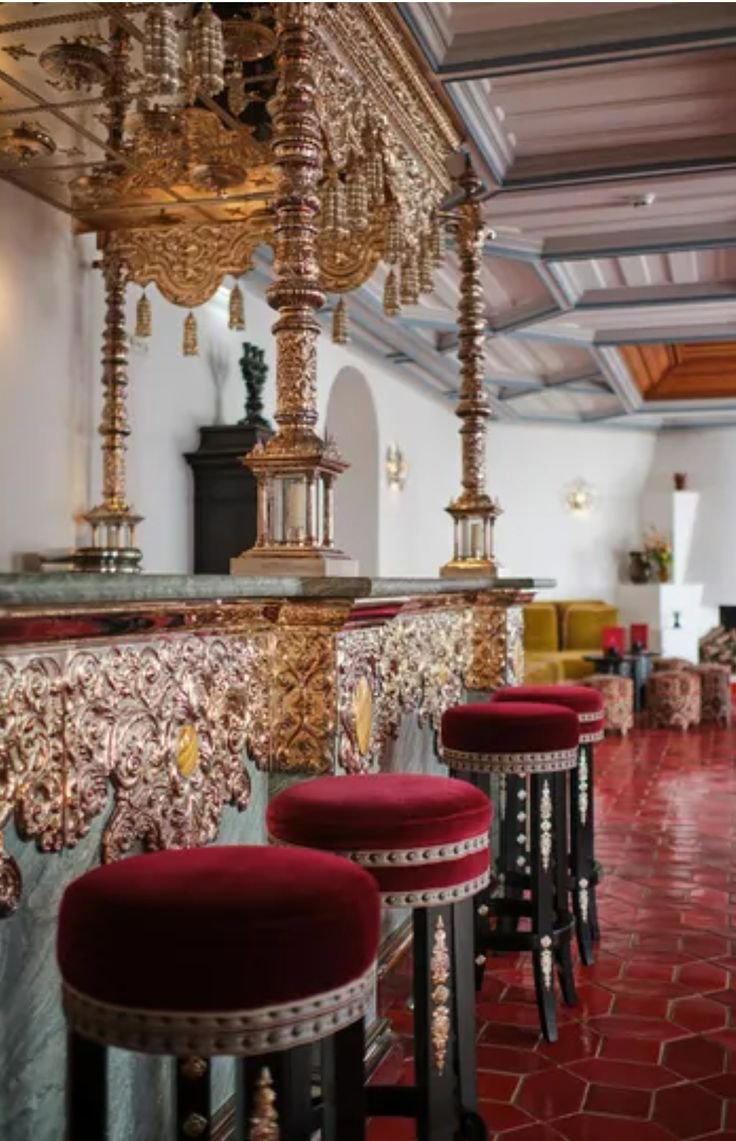
Bars in Melides
Browse all →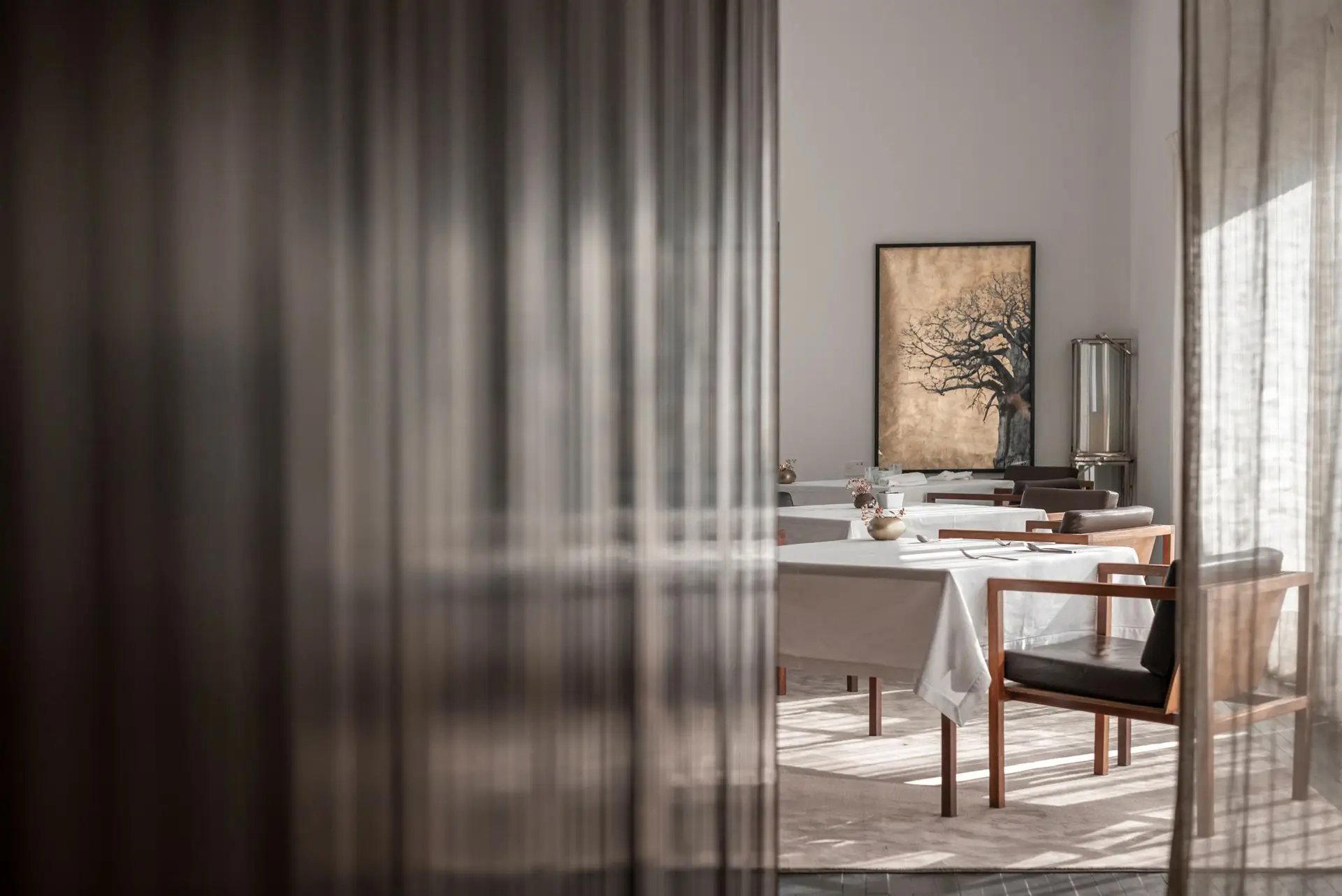

Details
- Elegant
- Sophisticated
- Cozy
- Whimsical
- Modern
- Date Night
- Special Occasion
- Celebration
- Hotel Restaurant
- Design Destination
- Standalone
- Local Sourcing
Current opening hours
- Monday
- 12–3 PM, 7–10 PM
- Tuesday
- 12–3 PM, 7–10 PM
- Wednesday
- 12–3 PM, 7–10 PM
- Thursday
- 12–3 PM, 7–10 PM
- Friday
- 12–3 PM, 7–10 PM
- Saturday
- 12–3 PM, 7–10 PM
- Sunday
- 12–3 PM, 7–10 PM
Hours can change for holidays and private events. Hours as of .
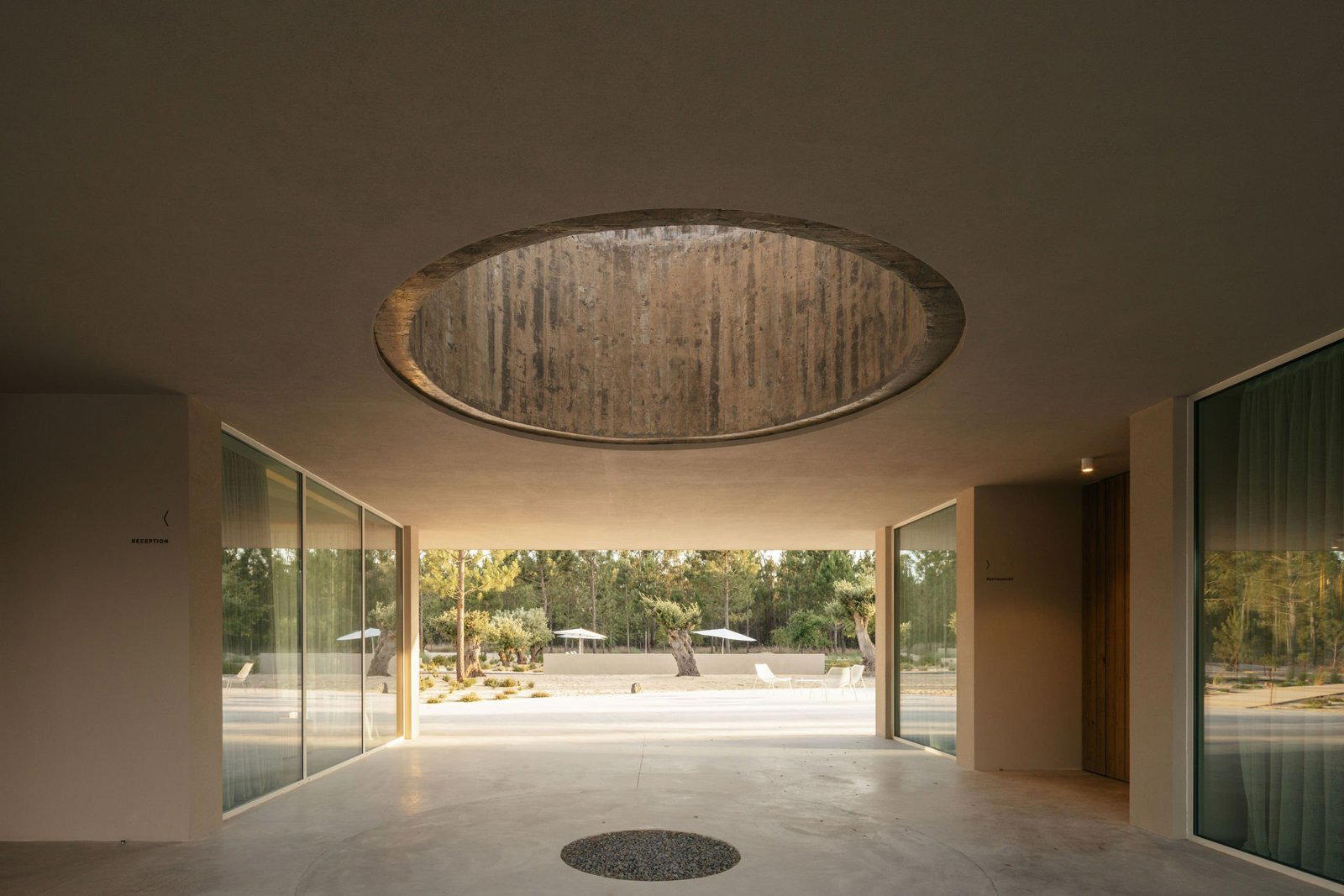
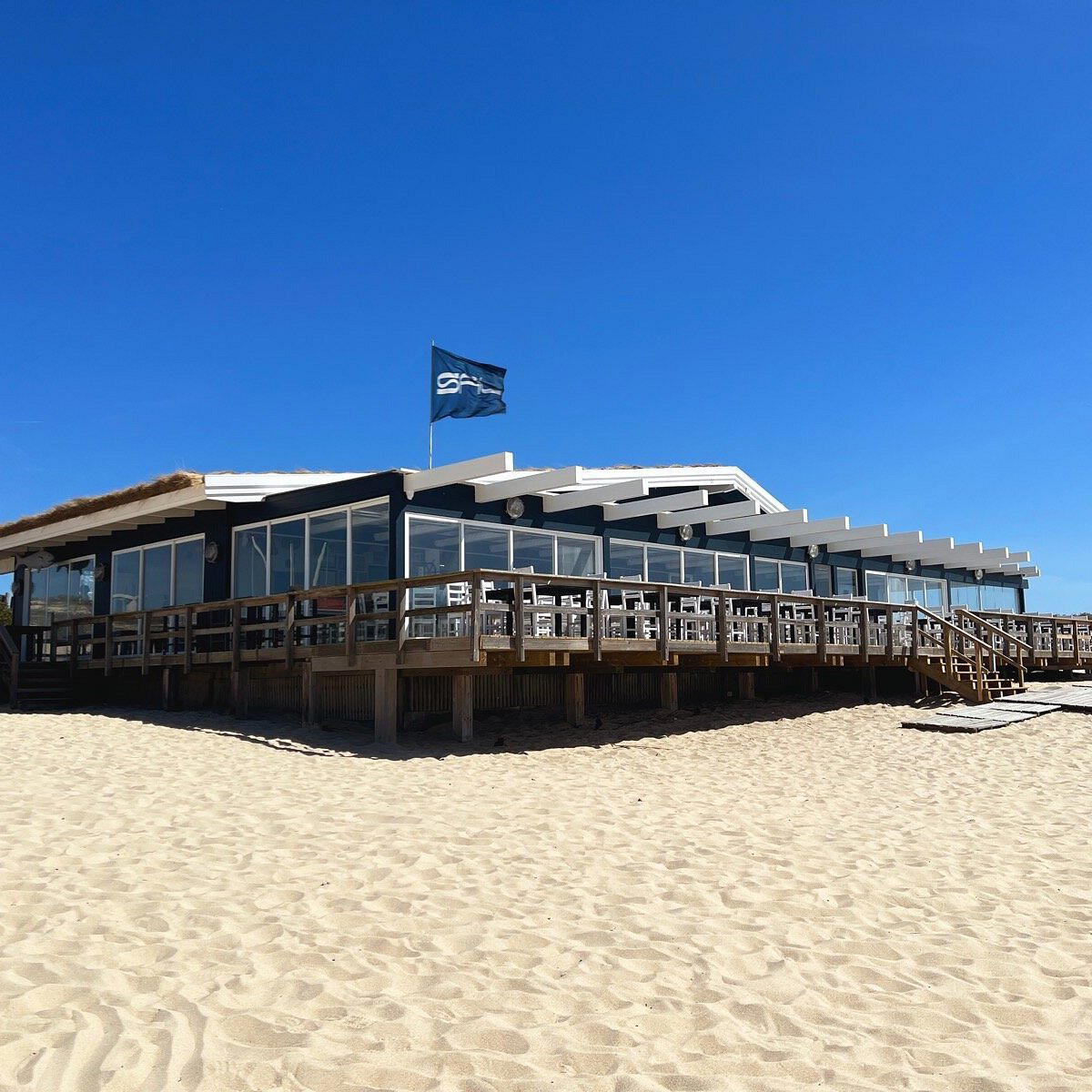
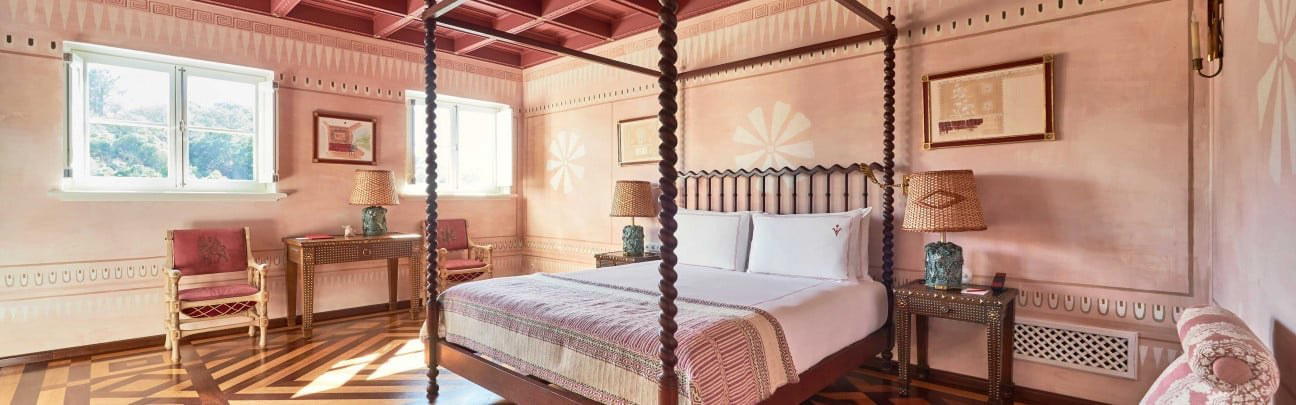
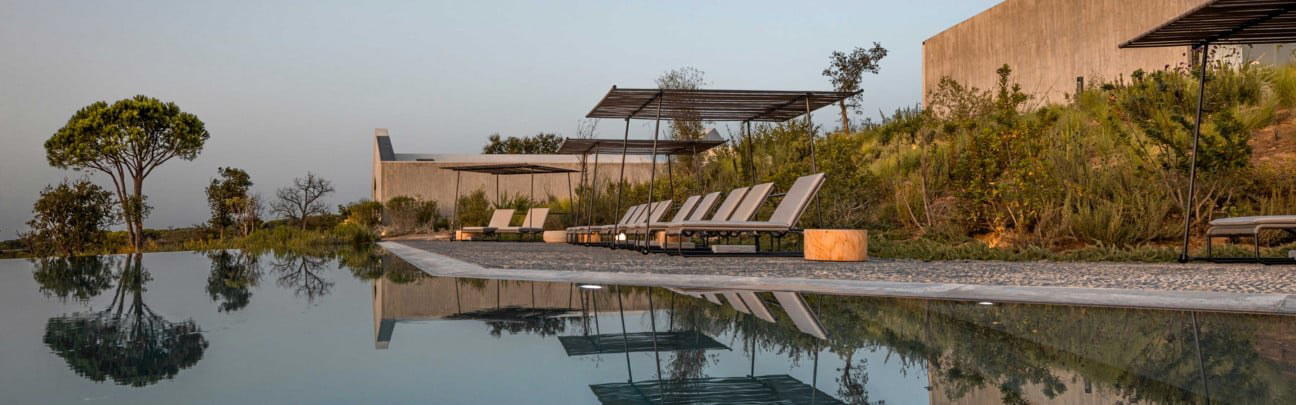
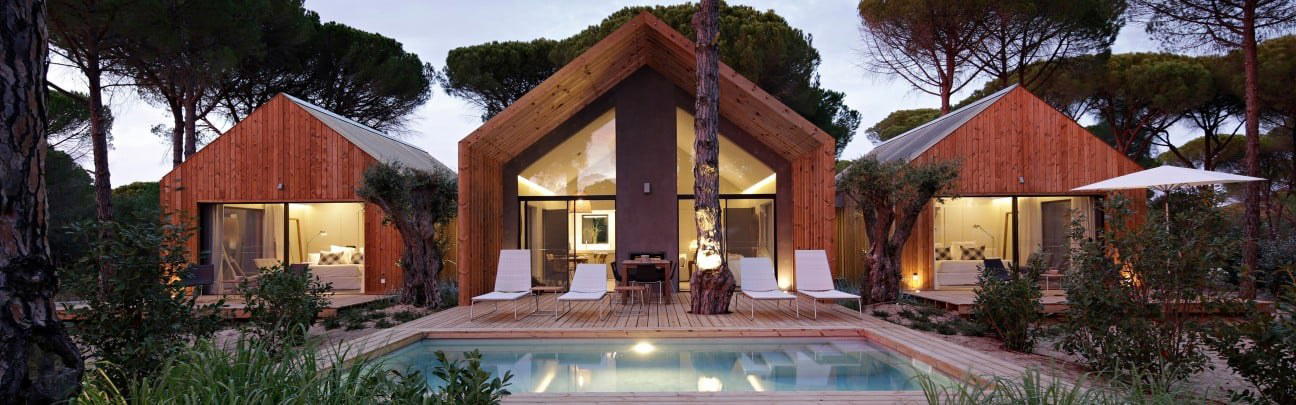
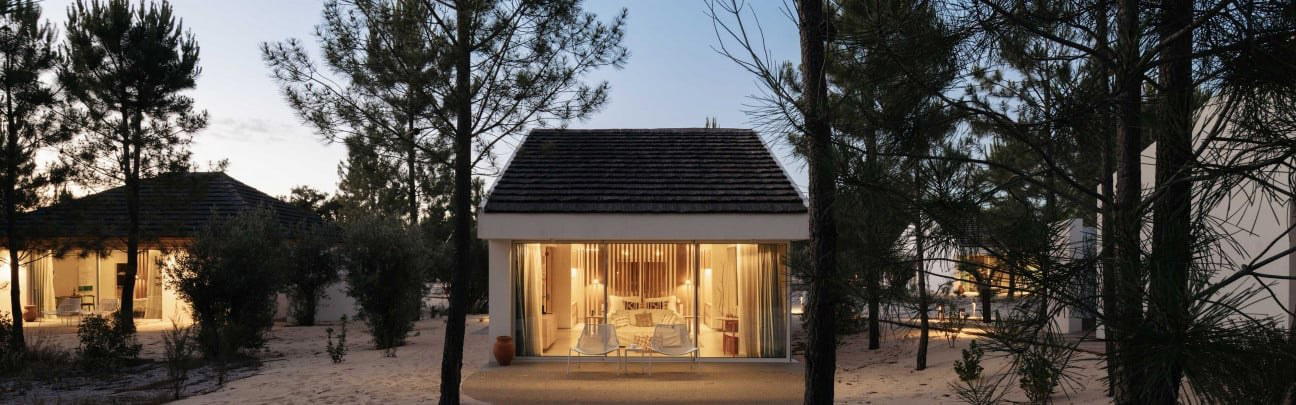
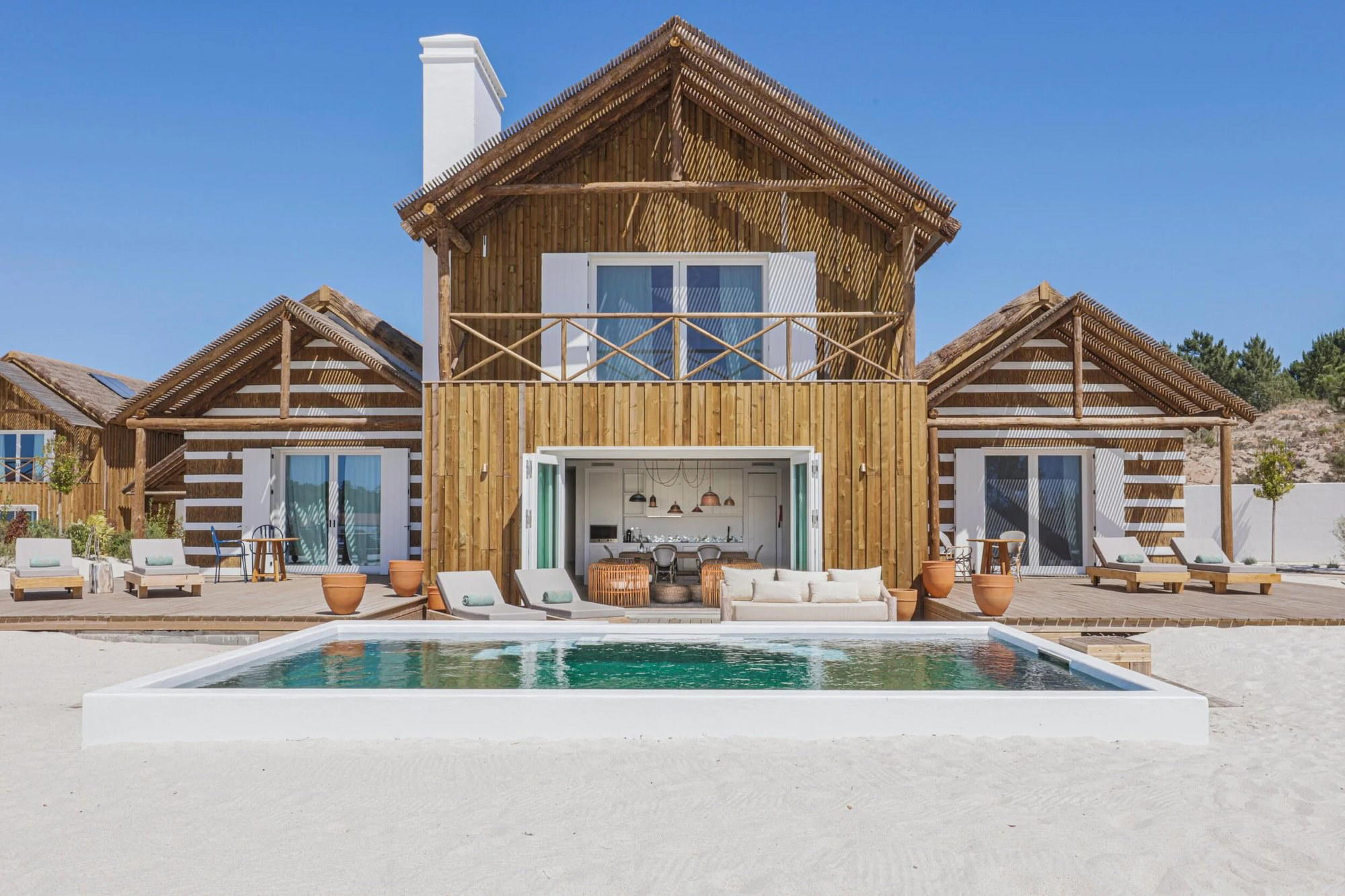
Relaxed bistro-style by daylight, shifting after sunset into an intimate candlelit atmosphere with colorful handcrafted tableware, baroque details, and an art-forward hotel setting.