Ternerita Steakhouse
Ternerita Steakhouse occupies a suite address on Universal Boulevard, positioning itself within Orlando's expanding corridor of destination dining that runs parallel to the theme-park economy. The steakhouse format here sits in a local market where the genre competes against both hotel-anchored options and a growing tier of independent fine-dining operators. Booking ahead is advisable given the address's proximity to high-footfall hospitality zones.
Pearl is the En Primeur Club membership app — saves, bookings, and concierge access live there. Same editors, same standards.
- Address
- 9924 Universal Blvd # 204, Orlando, FL 32819
- Phone
- +14074496631
- Website
- google.com
- Directions
- Get directions
 Saves & bookings on Pearl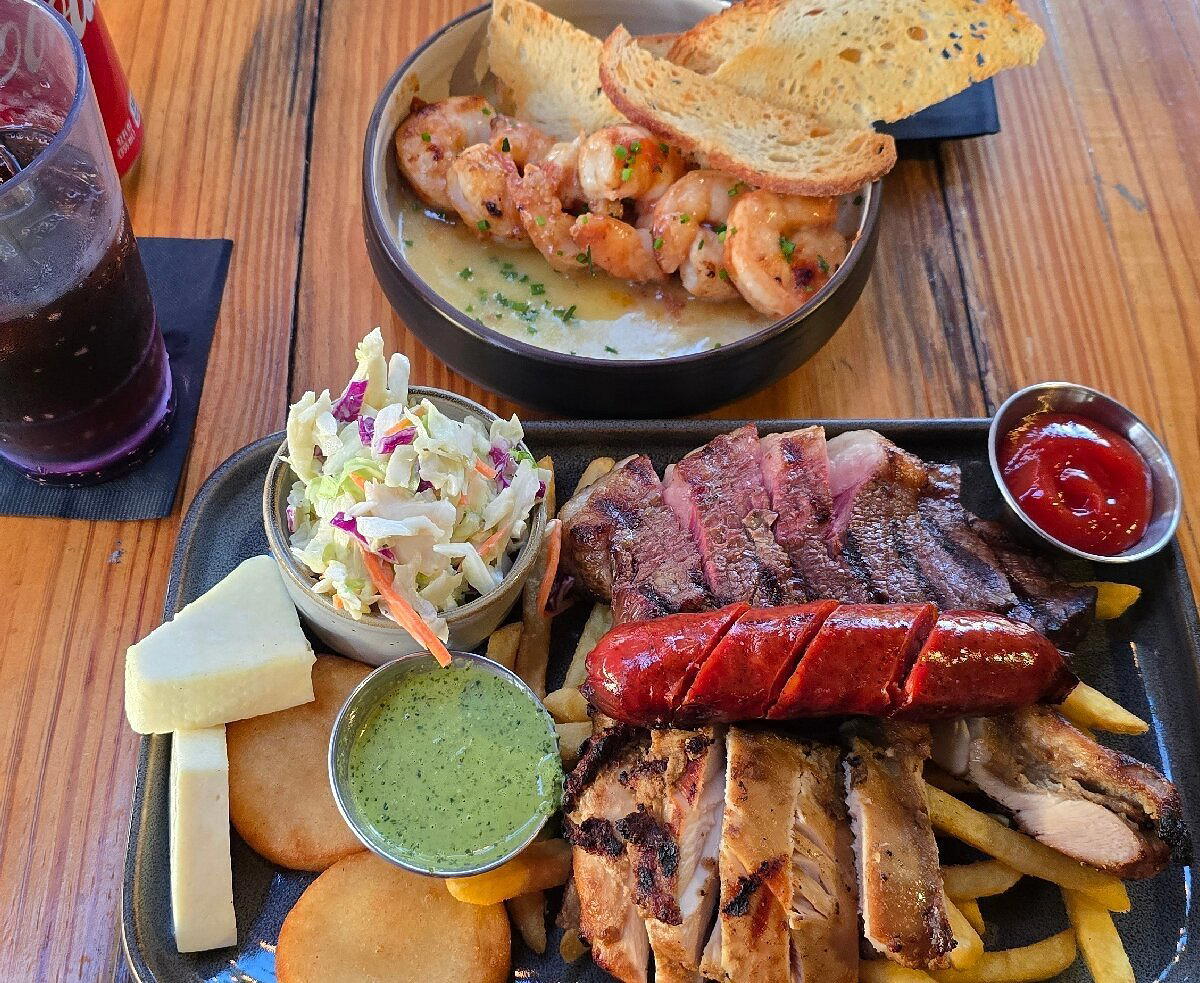
Where the Steakhouse Ritual Holds Its Ground in Orlando
Ternerita Steakhouse is a Venezuelan Steakhouse Parrilla at 9924 Universal Blvd # 204, Orlando, FL 32819, with. Universal Boulevard in Orlando is not, by default, the address that comes to mind when serious diners plot their evenings. The corridor exists primarily to service a hospitality economy built around theme parks, convention footfall, and hotel clusters. Yet that same density has created a secondary effect: enough sustained demand from travelers with real dining budgets that independent operators have found space to build something with more deliberate intention. Ternerita Steakhouse, addressed at 9924 Universal Blvd in the 32819 zip, occupies a suite-level position in this zone, which itself says something about the format. Suite addresses tend toward the quieter, the controlled, the less walk-in-dependent.
The steakhouse as a dining ritual is one of American cuisine's most codified forms. Sequencing matters: the arrival of the bread or amuse, the unhurried reading of the cut list, the side dishes ordered as a separate negotiation, the wine or cocktail decision made with the same weight as the protein. At its leading, a steakhouse dinner is not a fast transaction but a structured occasion, one where the pacing is as much part of the experience as the quality of the beef itself. That ritual holds particular cultural weight in Florida, where the genre competes across a wide price spectrum, from the casual chophouse to the hotel steakhouse operating as a flagship dining destination.
Orlando's Steakhouse Tier: What the Market Actually Looks Like
To understand where any Orlando steakhouse sits, it helps to map the category. At the upper end of the local market, Capa at Four Seasons Resort Orlando operates as a hotel-anchored Spanish-inflected steakhouse with a rooftop format and a $$$$ price point that places it firmly in the destination tier. Below that, a range of independent operators compete for the mid-to-upper diner who wants the steakhouse ritual without the resort premium. The Universal Boulevard address puts Ternerita adjacent to a concentration of hotels and a visitor economy that sustains year-round demand, regardless of season, which is a structural advantage most standalone urban steakhouses in other cities cannot rely on.
For diners comparing options across the city's non-hotel independent dining scene, the reference points extend further. Sorekara and Kadence represent the Japanese end of Orlando's premium independent tier, while Camille holds a comparable position in Vietnamese fine dining and Natsu extends the Japanese category further. The steakhouse, by contrast, operates on a different set of guest expectations: less counter intimacy, more tableside occasion, a ritual built around sharing and selection rather than a single composed progression.
The Ritual of the Steakhouse Meal
What separates a considered steakhouse experience from a perfunctory one is rarely the quality of the sourced beef alone. It is the sequencing. In American steakhouse tradition, the meal is designed to be assembled at the table: the cut chosen from a list, the temperature specified, the sides selected independently, the sauce either present or conspicuously absent depending on the kitchen's philosophy. This a la carte structure places more interpretive responsibility on the diner than a tasting-menu format does, and it rewards guests who have thought about what they want before they arrive.
That participatory dynamic is one reason the steakhouse has remained culturally durable even as tasting-menu formats have dominated critical attention at the national level. Restaurants like Alinea in Chicago, The French Laundry in Napa, or Lazy Bear in San Francisco represent one end of the American fine-dining spectrum: the chef-led, fixed-progression format. The steakhouse represents something structurally different: the guest drives the sequencing, the kitchen executes it, and the ritual of choosing becomes part of the pleasure. Blue Hill at Stone Barns, Single Thread Farm in Healdsburg, and Atomix in New York City each take the opposite approach, building rigorous tasting progressions. The steakhouse has no equivalent in the European tradition, which is partly why it remains distinctly, stubbornly American.
For international visitors arriving in Orlando, that distinction carries practical weight. Travelers more accustomed to the fixed-menu formats found at venues like 8½ Otto e Mezzo Bombana in Hong Kong or Le Bernardin in New York City will find the steakhouse meal operates on a fundamentally different logic, one that values guest agency over chef-led narrative. That is not a lesser format; it is a different contract between kitchen and table.
Context Across the American Steakhouse Scene
The American steakhouse has its own regional variations. The New Orleans chophouse tradition, exemplified by the longer legacy of places like Emeril's in that city's fine-dining scene, leans into Southern hospitality rhythms. The California model, influenced by operations adjacent to destinations like Providence in Los Angeles and Addison in San Diego, tends toward lighter protein treatments and produce-led sides. The mid-Atlantic variant, with The Inn at Little Washington as a nearby reference point for regional American fine dining, applies a more European sensibility to the occasion meal. Florida's version is shaped by a guest mix that skews heavily toward non-local visitors, which places a premium on consistency and legibility rather than regional idiosyncrasy.
Know Before You Go
Address: 9924 Universal Blvd, Suite 204, Orlando, FL 32819
Neighbourhood: Universal Boulevard corridor, adjacent to major hotel and convention infrastructure
Price range: Around $40 per person
Reservations: Recommended
Hours: Mon: 5–11 PM; Tue: 12–11 PM; Wed: 12–11 PM; Thu: 12–11 PM; Fri: 12 PM–1 AM; Sat: 12 PM–1 AM; Sun: 12–11 PM
Dress code: Smart casual
The Short List
Comparable venues nearby, for context on price, style, and recognition.
| Venue | Cuisine | Price | Notes |
|---|---|---|---|
| Ternerita SteakhouseThis venue — the venue you are viewing | Not listed | $$$ | Not listed |
| Delmonico's Italian Steakhouse | Not listed | $$$ | Central Florida Parkway, Italian Steakhouse |
| Debonair Supper Club | Downtown Orlando, Steakhouse and Seafood | $$$ | Not listed |
| Bull & Bear Orlando | Not listed | $$$$ | Bonnet Creek, Re-imagined Steakhouse Classics |
| Touken Sushi - Hunters Creek | Not listed | $$$ | Sky Lake South, Brazilian-Japanese Fusion Sushi |
| Dragonfly Robata Grill & Sushi | Not listed | $$$ | Little Sand Lake, Japanese Robata Grill & Sushi |
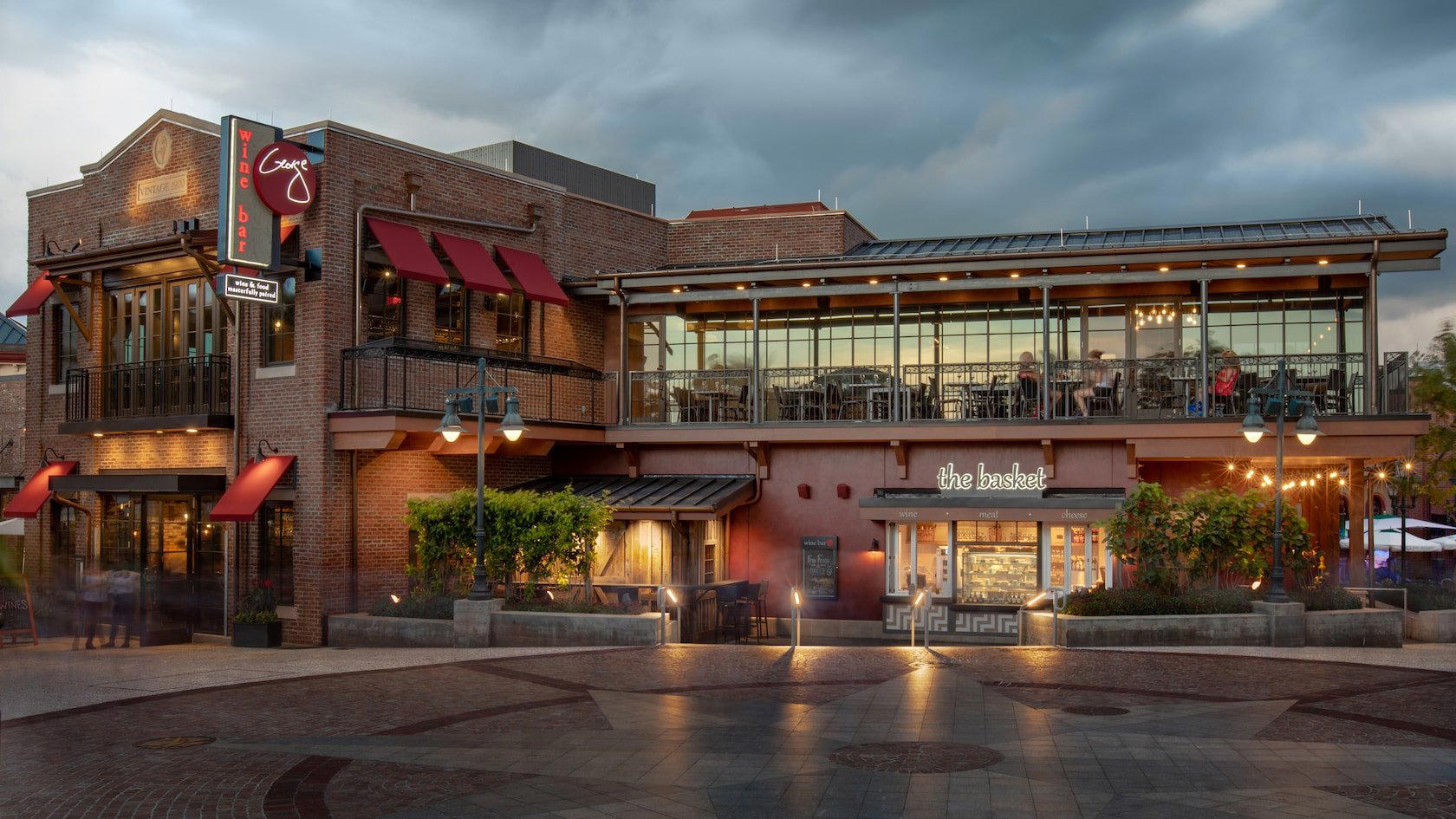
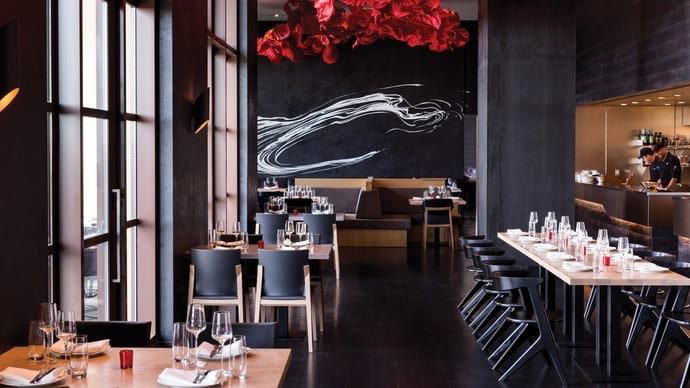
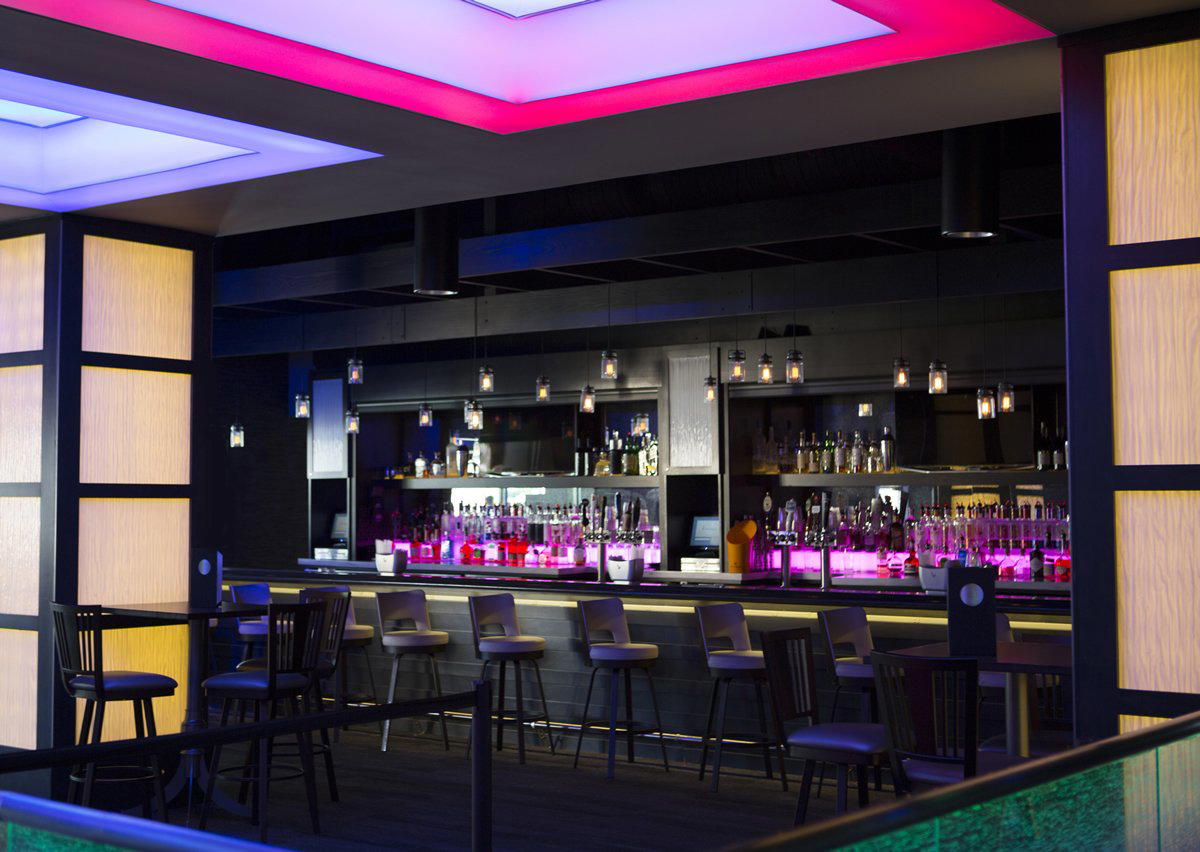
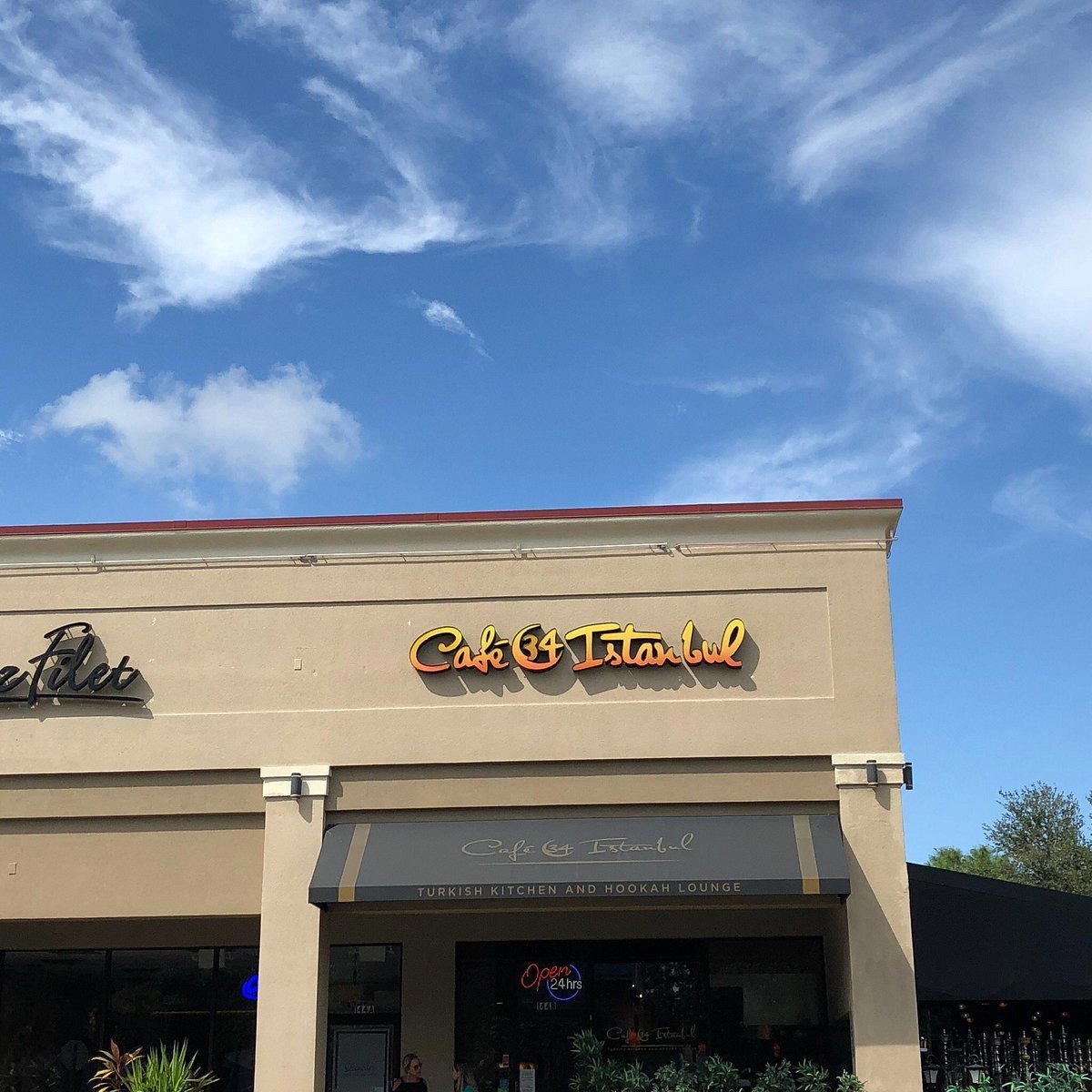
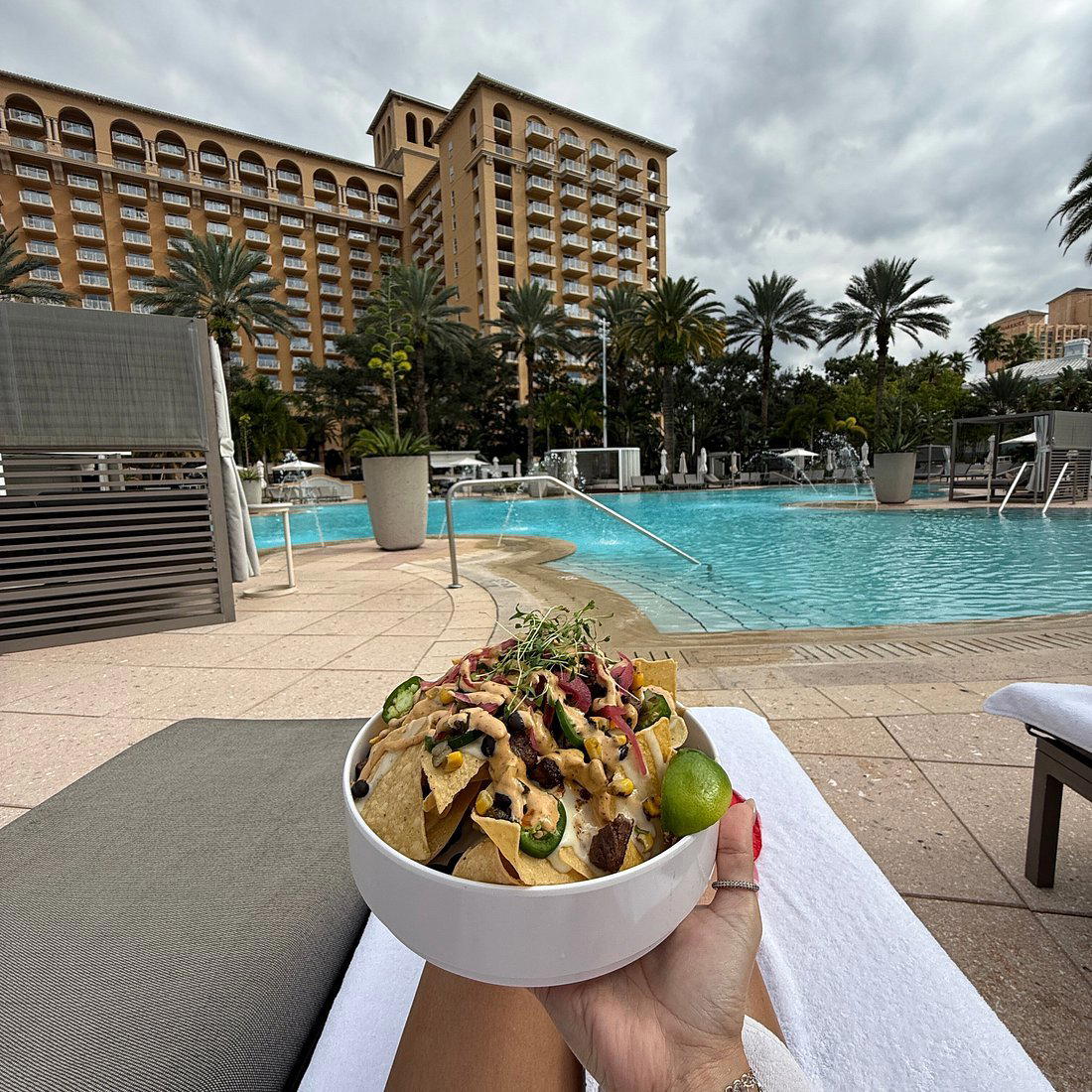
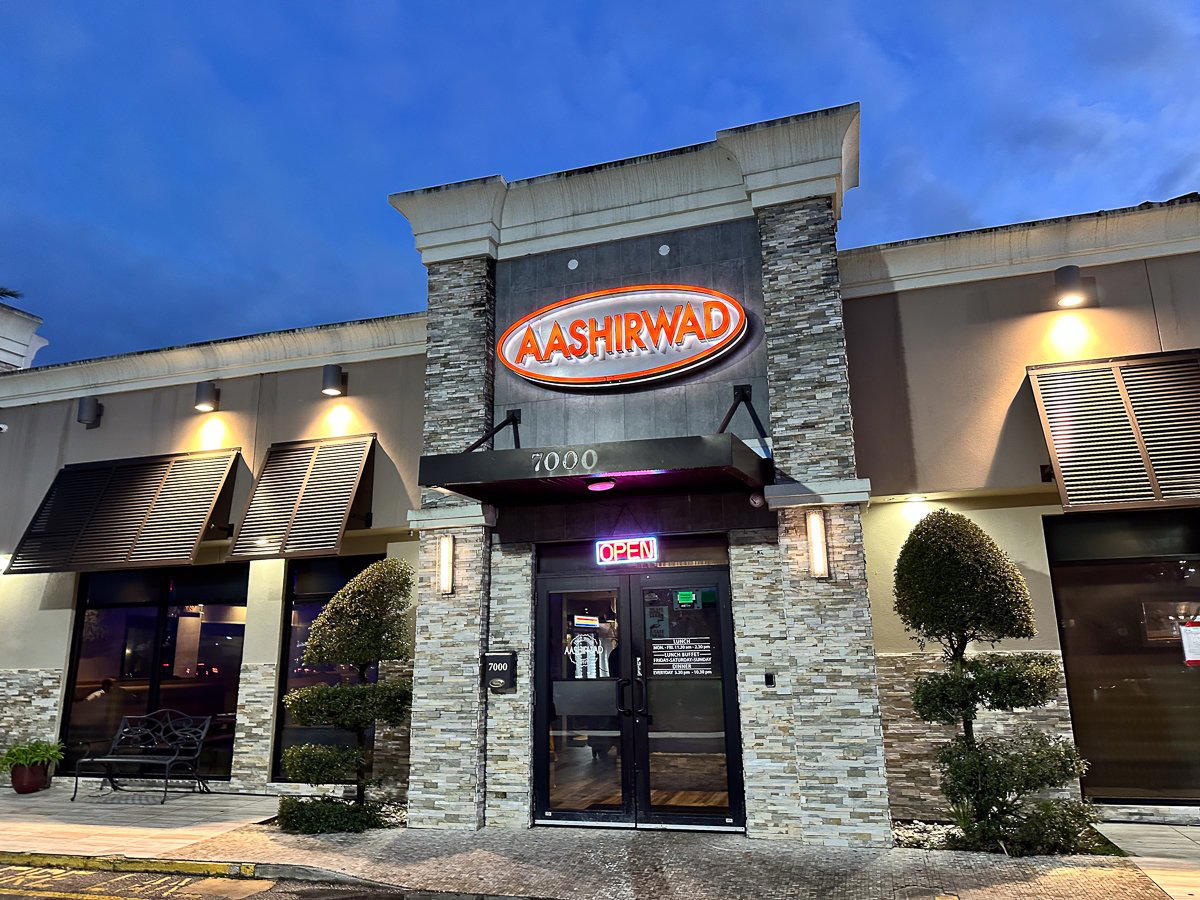
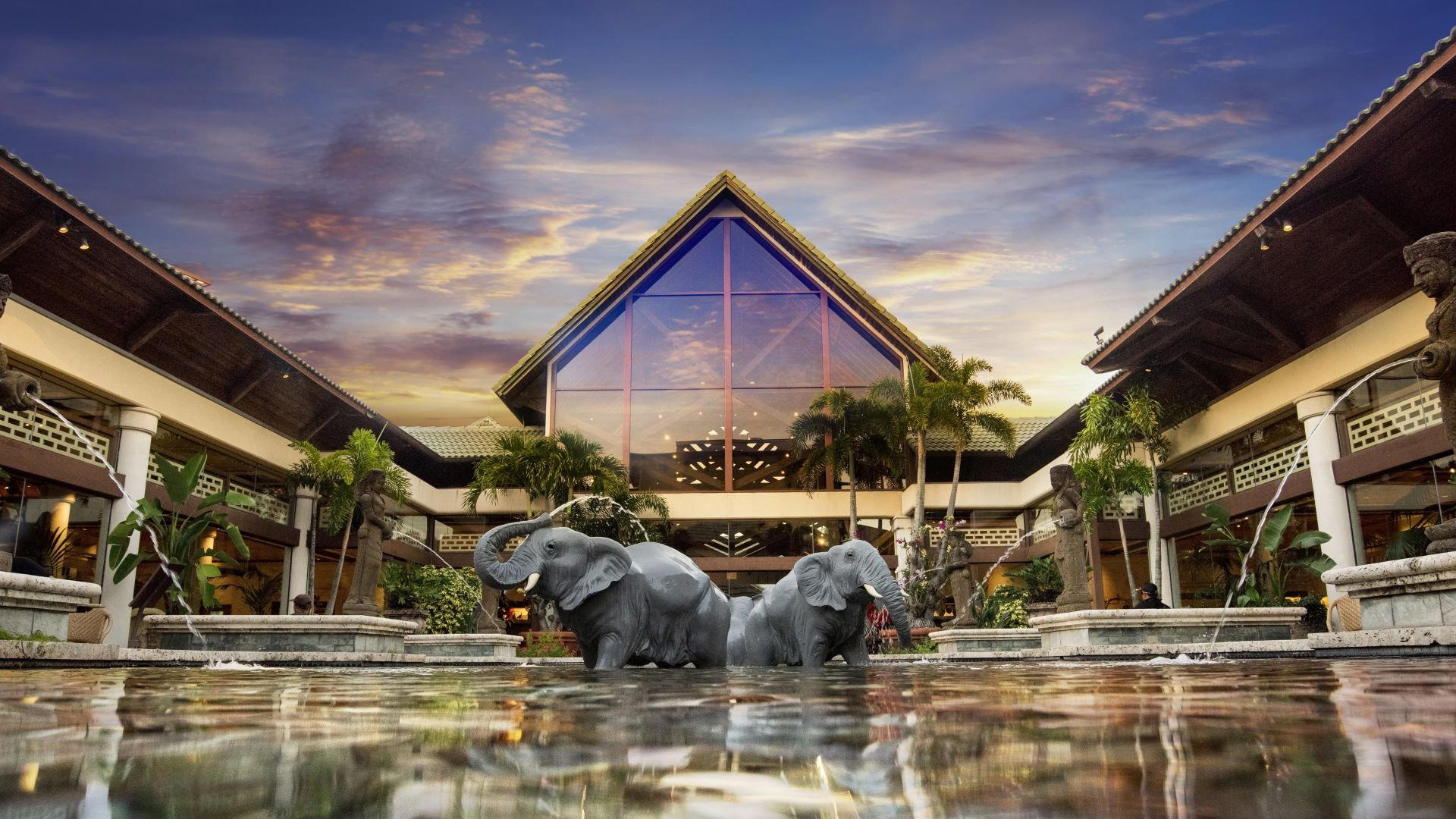
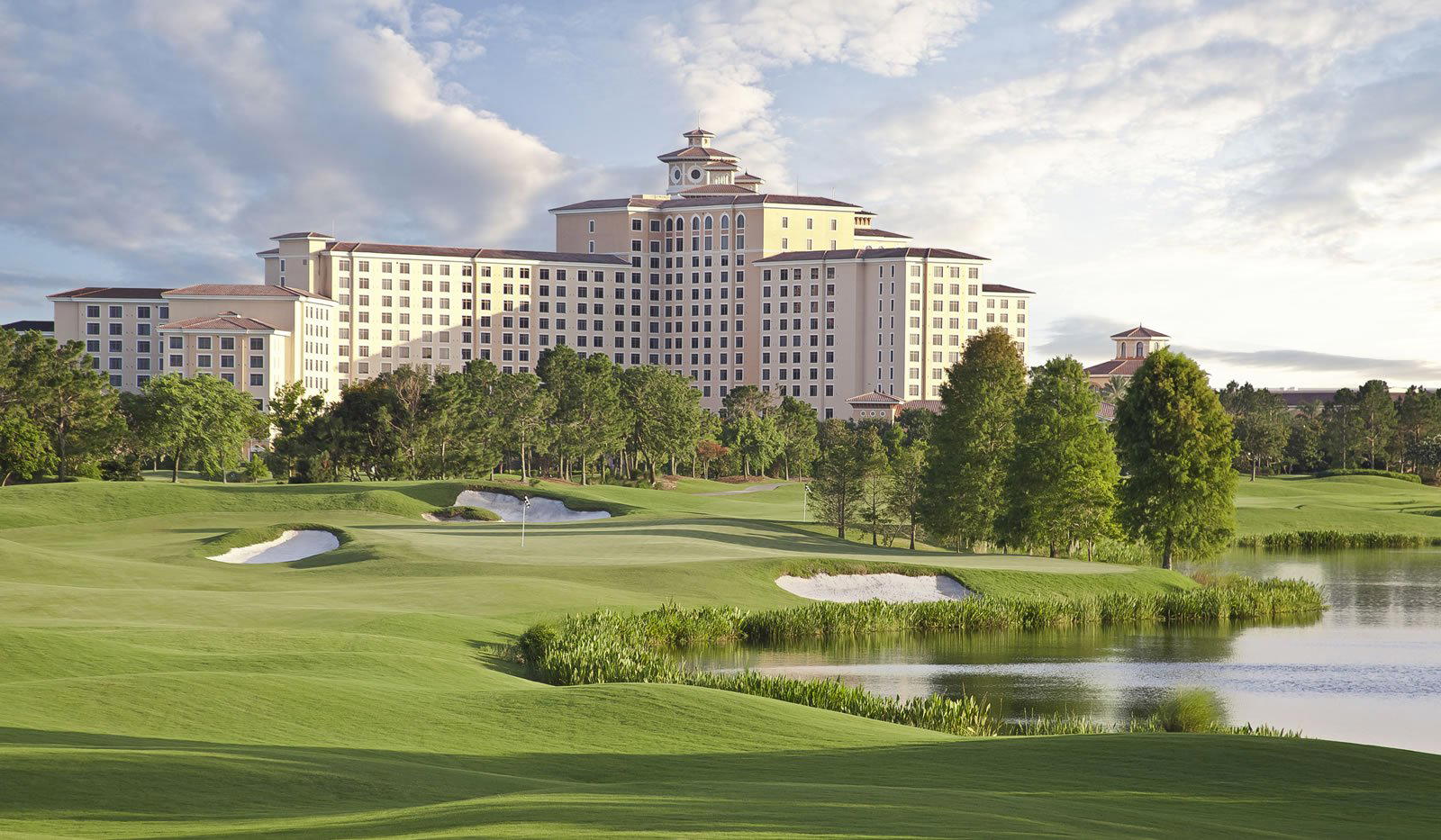
At a Glance
- Lively
- Energetic
- Group Dining
- Celebration
- Open Kitchen
- Terrace
- Craft Cocktails
Current opening hours
- Monday
- 5–11 PM
- Tuesday
- 12–11 PM
- Wednesday
- 12–11 PM
- Thursday
- 12–11 PM
- Friday
- 12 PM–1 AM
- Saturday
- 12 PM–1 AM
- Sunday
- 12–11 PM
Hours can change for holidays and private events. Last verified .
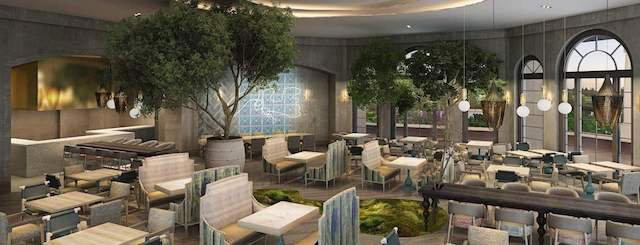
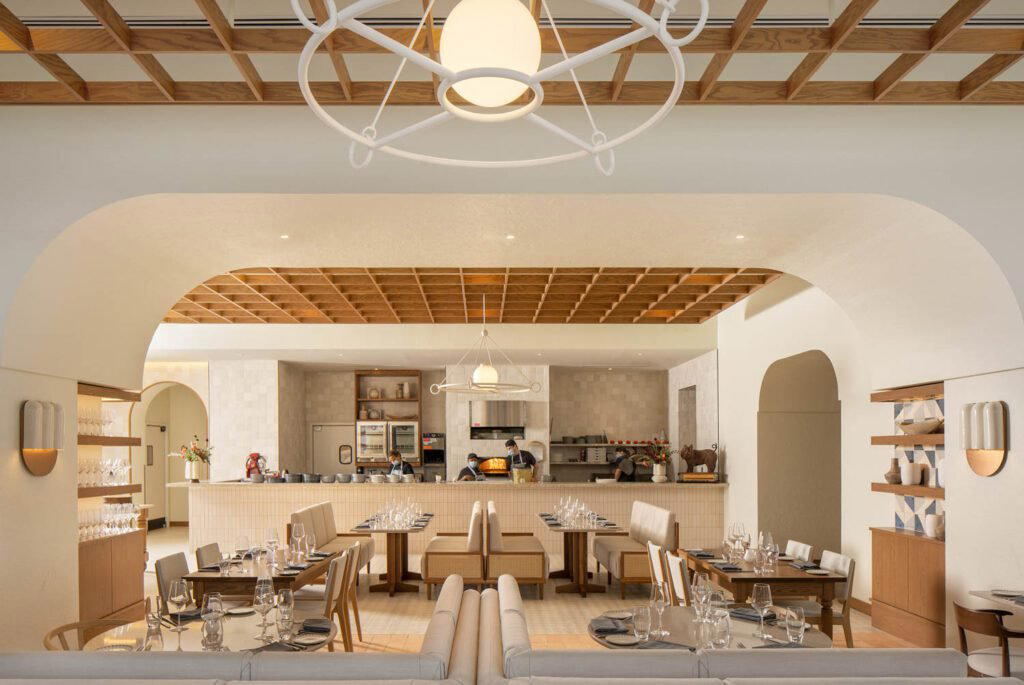
Upbeat and lively Latin-fusion vibe with good music and energetic patio atmosphere.