Bull & Bear Orlando


Forbes Recommended · Wine Spectator Best of Award of Excellence
Our verdict
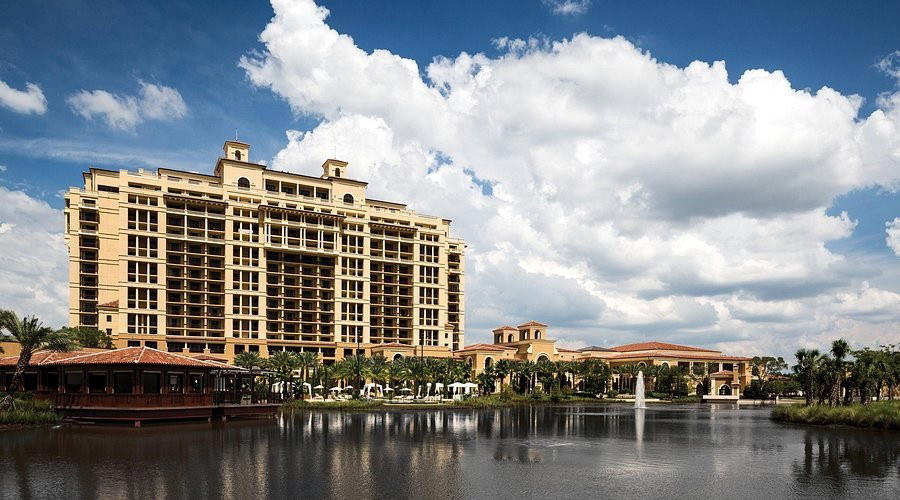
The Bull & Bear name traces back to a Waldorf Astoria institution that opened in New York in 1931. At Waldorf Astoria Orlando, the tradition continues in a setting that places serious dining within the Bonnet Creek resort corridor, roughly fifteen minutes from Walt Disney World.

Pearl is the En Primeur Club membership app — saves, bookings, and concierge access live there. Same editors, same standards.
- Address
- 14200 Bonnet Creek Resort Lane
- Phone
- 407-597-5500
- Hours
- Daily 6–10 PM
- Website
- bullandbearorlando.com
- Directions
- Get directions
- Booking
- Book on OpenTable
The menu
What to order
- Fried Chicken
- Pasta Explosion
- Chateaubriand For Two
A Name with a Long Shadow
Hotel dining rooms with real histories operate under a particular kind of pressure. The original Bull & Bear opened inside the Waldorf Astoria on Park Avenue in 1931, at a moment when New York's grand hotel restaurants were genuine civic institutions rather than amenity checkboxes. That lineage is not decorative background at the Orlando location; it is the frame through which the room positions itself in a market where most hotel restaurants are content to serve the captive audience on their floors. The Waldorf Astoria Orlando sits within the Bonnet Creek resort corridor at 14200 Bonnet Creek Resort Lane, placing it in a dense cluster of high-end properties that collectively form Orlando's most concentrated luxury accommodation zone, roughly fifteen minutes from Walt Disney World's main entrance.
In that context, the Bull & Bear name carries weight that newer hotel restaurant concepts in the same corridor cannot claim. Comparisons to properties like Capa at Four Seasons Orlando are reasonable given shared price tier and resort setting, but the generational brand history distinguishes the positioning. Where many Orlando hotel restaurants are built around a celebrity chef concept or a single regional cuisine, this one derives authority from institutional continuity across nearly a century of American hospitality.
The Room as an Argument
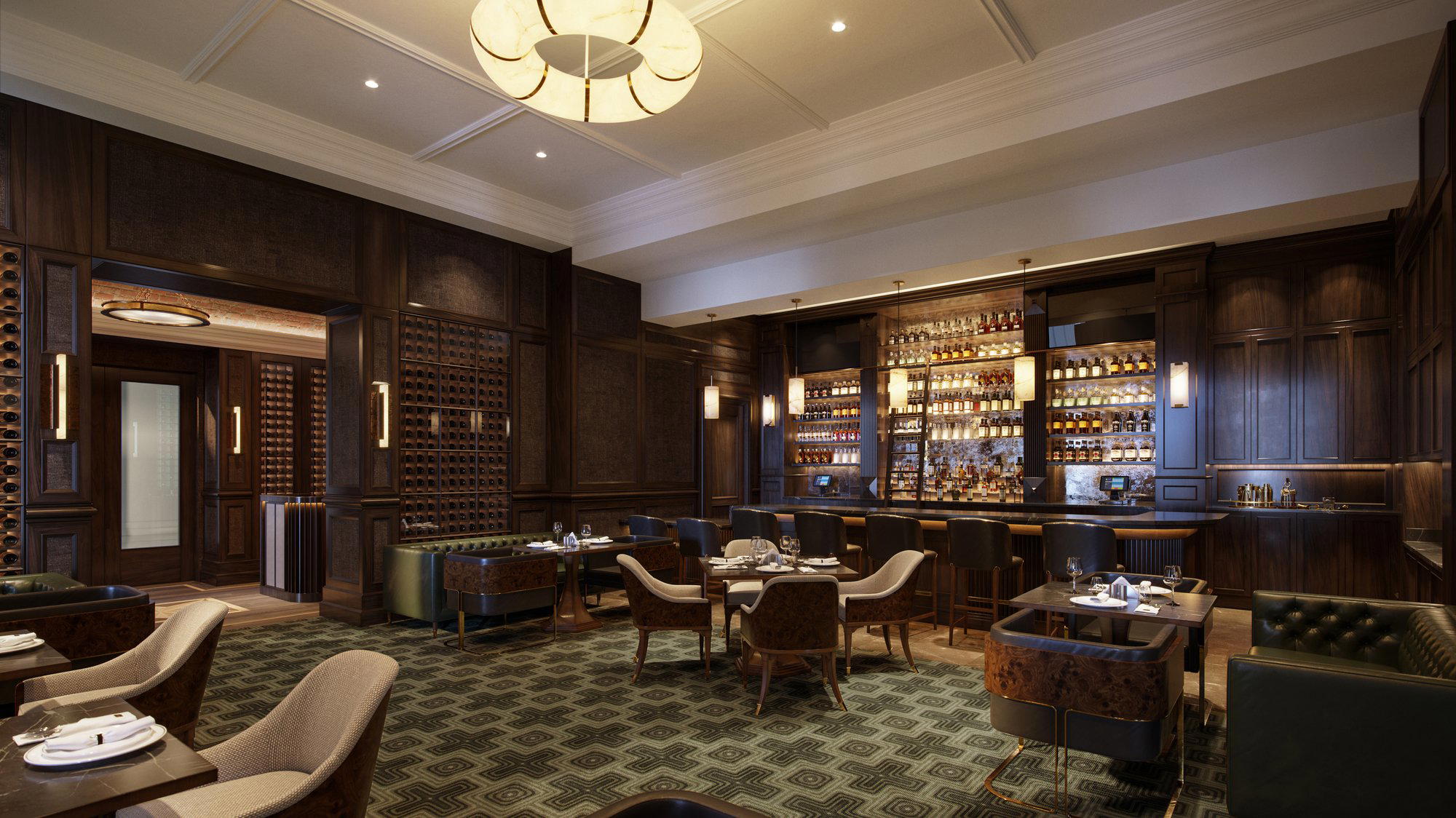
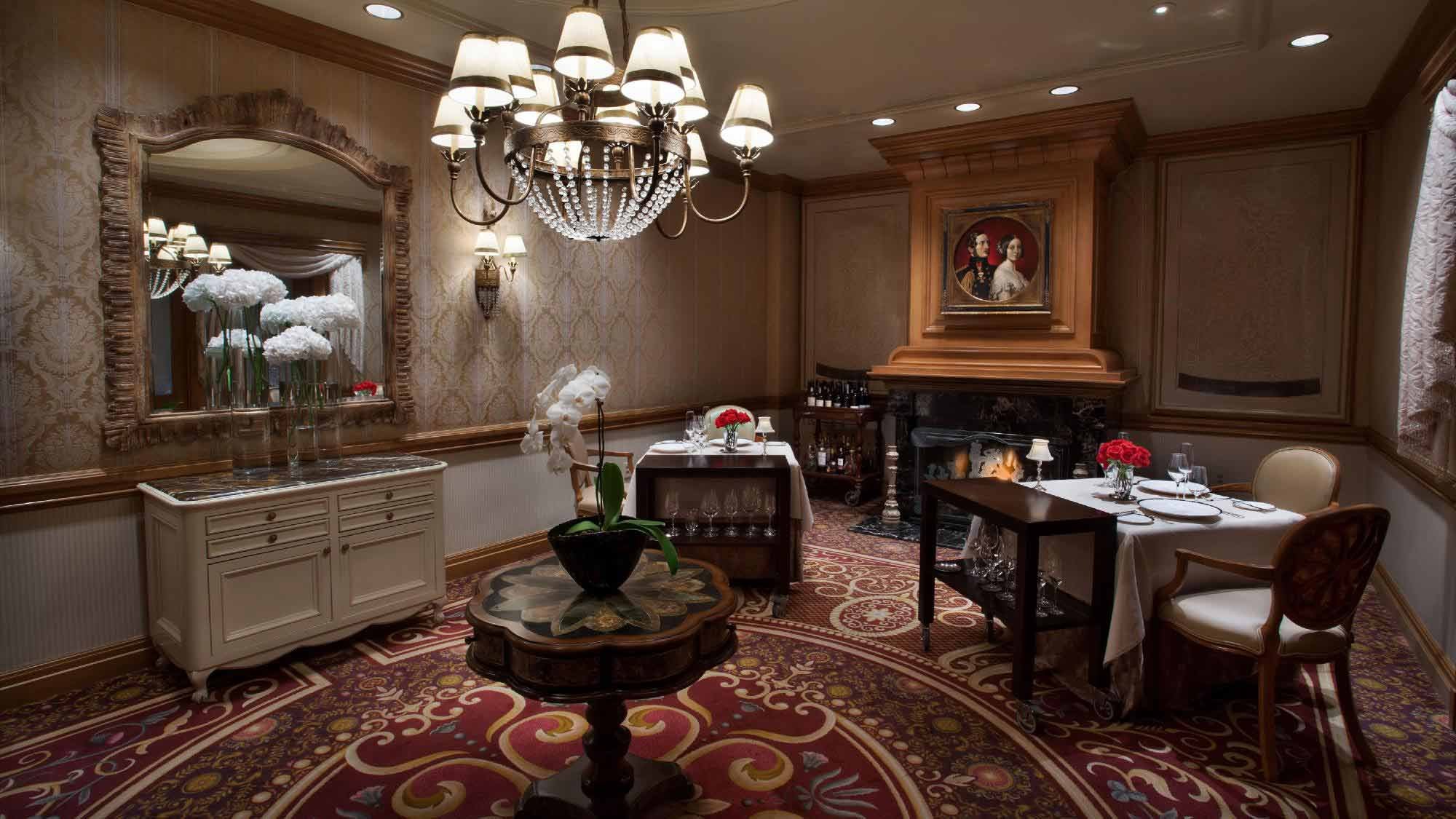
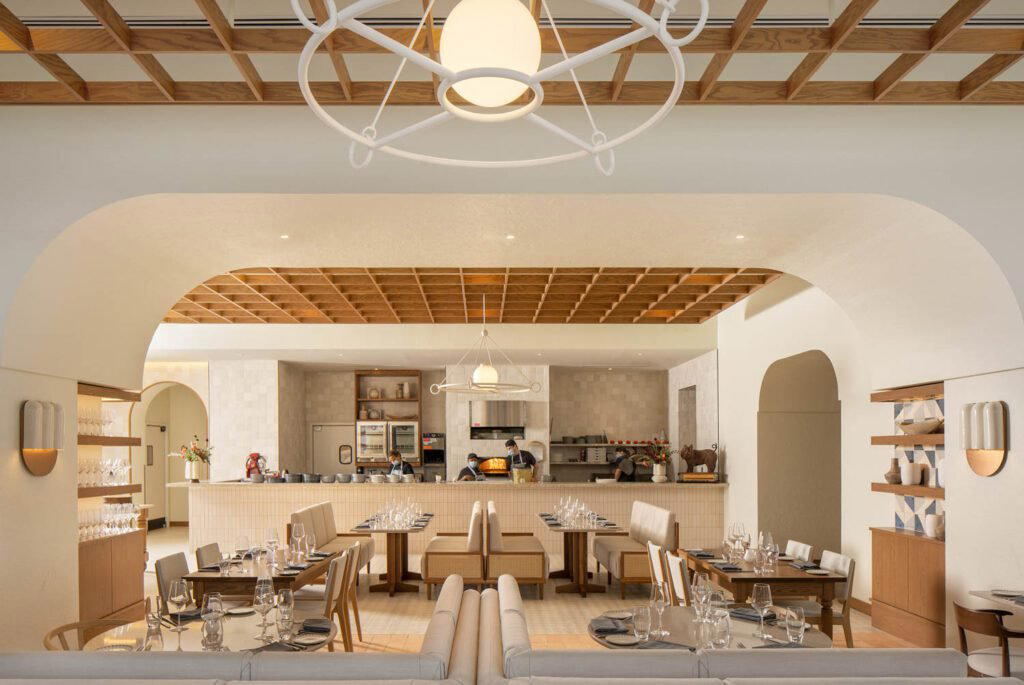
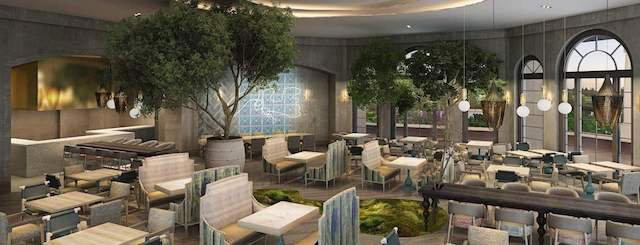
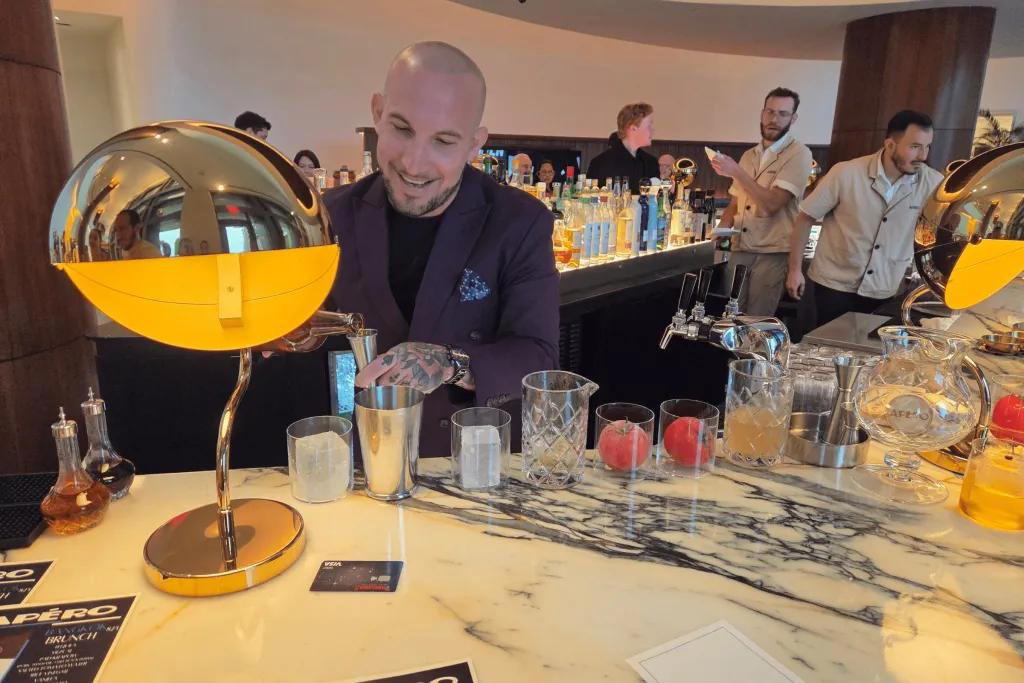
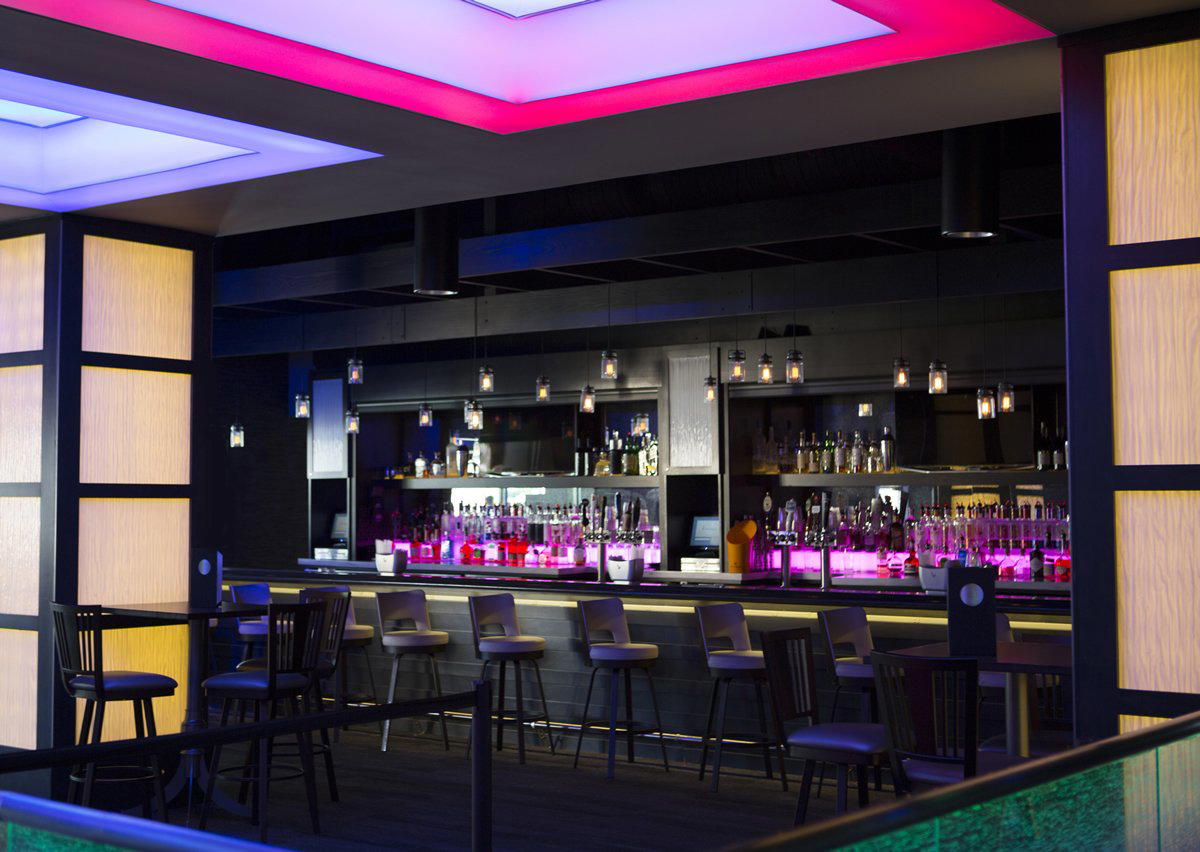
The physical environment at a restaurant of this tier is never incidental. Grand American steakhouse dining, from the old-guard New York model through to its current regional iterations, has always treated the room as part of the argument for why the food costs what it costs. Dark wood, leather, considered lighting, and a bar program that signals seriousness rather than volume are the grammar of this category. At Waldorf Astoria Orlando, the room carries the expected register: the kind of space that makes a business dinner feel appropriately weighted and a celebratory meal feel marked rather than merely expensive.
For guests already staying at the property, access is immediate. For those arriving independently, the Bonnet Creek location does require a car or arranged transport from Orlando's core dining neighborhoods, which cluster considerably further north and east. That separation is worth factoring against the alternatives: the independent dining scene in areas like Mills 50 or Thornton Park, where Sorekara, Camille, and Kadence operate at comparable price points with a very different kind of credential, built from chef-driven programs rather than institutional legacy.
Sourcing as Signal
The ingredient sourcing question matters differently at a resort hotel steakhouse than it does at a farm-driven tasting menu counter. At the latter, provenance is typically the editorial center of the menu itself. At a room operating in the American steakhouse tradition, sourcing is communicated through grade, aging, and breed selection: the difference between a steakhouse that specifies USDA Prime and dry-aged programs versus one that does not. These distinctions are meaningful to the category and are where restaurants in this tier differentiate on product rather than concept.
The steakhouse tradition that the Bull & Bear name invokes has always operated in this register. The original New York location served a clientele of financiers and executives who understood the signals of a properly aged cut, a sauce-forward preparation, and a wine list weighted toward domestic Cabernet and old Bordeaux. Those signals translate across generations even when the address changes. Restaurants at the premium end of this tradition, from hotel-anchored rooms to independent operators, continue to make sourcing legibility a core part of their pitch. For a dining room competing within a luxury resort corridor, the ability to specify origin and process is part of what separates a destination dining room from a convenient one.
For comparison with how sourcing-led philosophy plays out at the highest end of the American fine dining spectrum, it is worth noting that properties like Single Thread Farm in Healdsburg or The French Laundry in Napa have made ingredient origin the explicit architecture of their menus. The steakhouse model is structurally different but not less rigorous in its own category logic. At a room like this, the sourcing conversation runs through the beef program, the sides, and the bar's ingredient choices rather than through an explicitly stated farm-to-table narrative.
Where Bull & Bear Sits in Orlando's Premium Dining Map
Orlando's upper dining tier has diversified considerably over the past decade. The city's independent restaurant scene now includes serious Japanese programs like Natsu and Vietnamese cooking with real ambition at Camille. These restaurants operate with the kind of chef-driven intentionality that tends to generate critical attention. The hotel dining tier runs parallel: it has its own competitive logic, where room quality, service infrastructure, and brand authority matter alongside the food.
Within the hotel tier specifically, the Bonnet Creek corridor has become a genuine cluster for luxury resort dining, with properties like Four Seasons, Signia Hilton, and the Waldorf Astoria positioned within close proximity. This concentration means guests comparing options within the corridor can make meaningful distinctions based on room character, cuisine category, and brand positioning rather than simply defaulting to convenience. The Bull & Bear room's claim is historical depth and steakhouse category authority within that set.
For travelers approaching Orlando's broader dining and hospitality picture, the full context is worth exploring: see our full Orlando restaurants guide, our full Orlando hotels guide, our full Orlando bars guide, our full Orlando wineries guide, and our full Orlando experiences guide.
Planning a Visit
The restaurant sits within the Waldorf Astoria Orlando at 14200 Bonnet Creek Resort Lane. For those not staying on property, driving is the most practical approach given the resort's position off I-4; rideshare from downtown Orlando runs approximately twenty to twenty-five minutes depending on traffic. Reservations for a room at this tier within a Waldorf Astoria property are typically handled through the hotel's own reservation system or through Open Table. Booking a few days in advance is advisable, though the scale of a resort property generally allows for more flexibility than a small independent restaurant at comparable price points. For context on how other high-end American dining rooms handle their reservation and format structures, Lazy Bear in San Francisco and Alinea in Chicago represent the tighter-capacity, advance-booking end of the spectrum. The Bull & Bear model is more accessible by design.
Frequently asked questions
What distinctions does Bull & Bear Orlando have?
Bull & Bear Orlando has received recognition including: While Bull & Bear’s original 1931 New York location may be gone, its legacy endures at Waldorf Astoria Orlando, just 15 minutes from the enchanting gates of Disney’s Magic Kingdom..
Where is Bull & Bear Orlando located?
Bull & Bear Orlando is located at 14200 Bonnet Creek Resort Lane, Orlando.
What's the must-try dish at Bull & Bear Orlando?
What the record does confirm is that Bull & Bear operates within the Waldorf Astoria Orlando's heritage framework, tracing back to a 1931 New York original — which in American steakhouse terms points toward classically executed beef as the program's anchor. Ask the floor staff which cuts are running on the current menu; at a property of this standing, they will know.
What's the best way to book Bull & Bear Orlando?
Bull & Bear sits inside the Waldorf Astoria Orlando at 14200 Bonnet Creek Resort Lane, approximately 15 minutes from Disney's Magic Kingdom. For reservations, the most reliable route is through the Waldorf Astoria Orlando's main concierge line or its official reservations portal, both of which cover all on-property dining. Hotel guests should note that concierge-assisted bookings at Waldorf properties typically carry priority access, particularly on weekend evenings.
A Quick Peer Check
Comparable venues nearby, for context on price, style, and recognition.
| Venue | Cuisine | Price | Awards | Notes |
|---|---|---|---|---|
| Bull & Bear OrlandoThis venue — the venue you are viewing | Re-imagined Steakhouse Classics | $100–150 | Forbes Recommended · Wine Spectator Best of Award of Excellence | Not listed |
| Bourbon Steak Orlando | Modern American Steakhouse | $100–150 | Wine Spectator Best of Award of Excellence | Lake Buena Vista |
| Yachtsman Steakhouse | New England-Style Steakhouse | $50–100 | Not listed | Disney's Yacht Club Resort |
| A Land Remembered | Florida-Inspired Prime Steakhouse | $50–100 | Not listed | Convention Center |
| Sear + Sea | Woodfire Steakhouse & Seafood | $100–150 | Michelin Plate · Wine Spectator Award of Excellence | Bonnet Creek |
| Ternerita Steakhouse | Venezuelan Steakhouse Parrilla | $30–50 | Not listed | Convention Center |
Recognition history
Dated appearances from independent guides and award organizations, with the underlying list record or original source where available.
Forbes Recommended
Forbes
Wine Spectator Best of Award of Excellence
Wine Spectator
Bull & Bear Orlando
The wine
Bull & Bear Orlando holds the Wine Spectator Best of Award of Excellence, which Wine Spectator gives to lists of usually 350 or more selections.
- Wine program
- Curated wine list
- Wine Spectator
- Wine Spectator Best of Award of Excellence
- Extensive wine list
Details
- Elegant
- Sophisticated
- Cozy
- Intimate
- Date Night
- Special Occasion
- Business Dinner
- Hotel Restaurant
- Open Kitchen
- Extensive Wine List
- A La Carte
- Gluten Free Options
Current opening hours
- Monday
- 6–10 PM
- Tuesday
- 6–10 PM
- Wednesday
- 6–10 PM
- Thursday
- 6–10 PM
- Friday
- 6–10 PM
- Saturday
- 6–10 PM
- Sunday
- 6–10 PM
Hours can change for holidays and private events. Last verified .
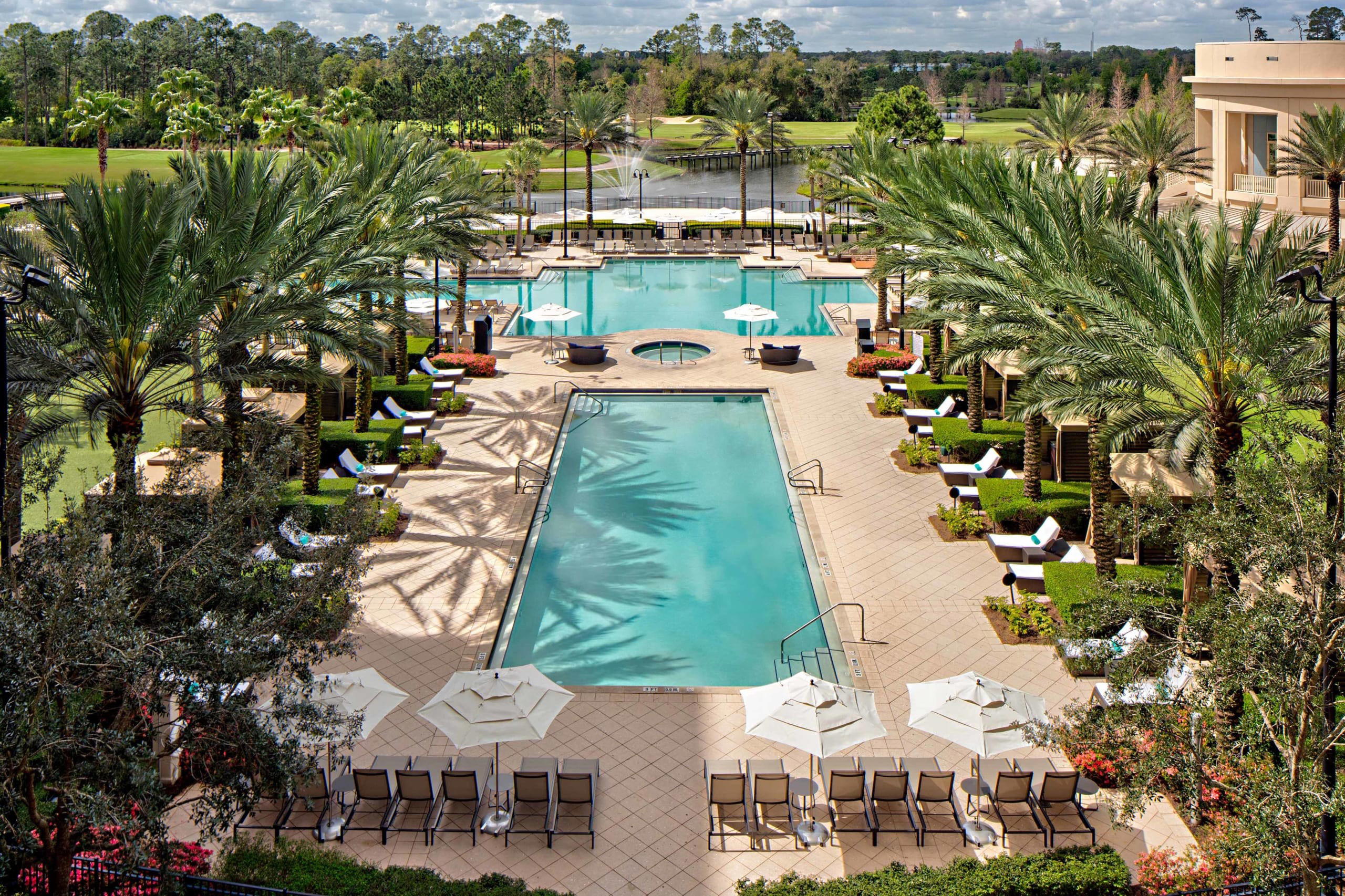
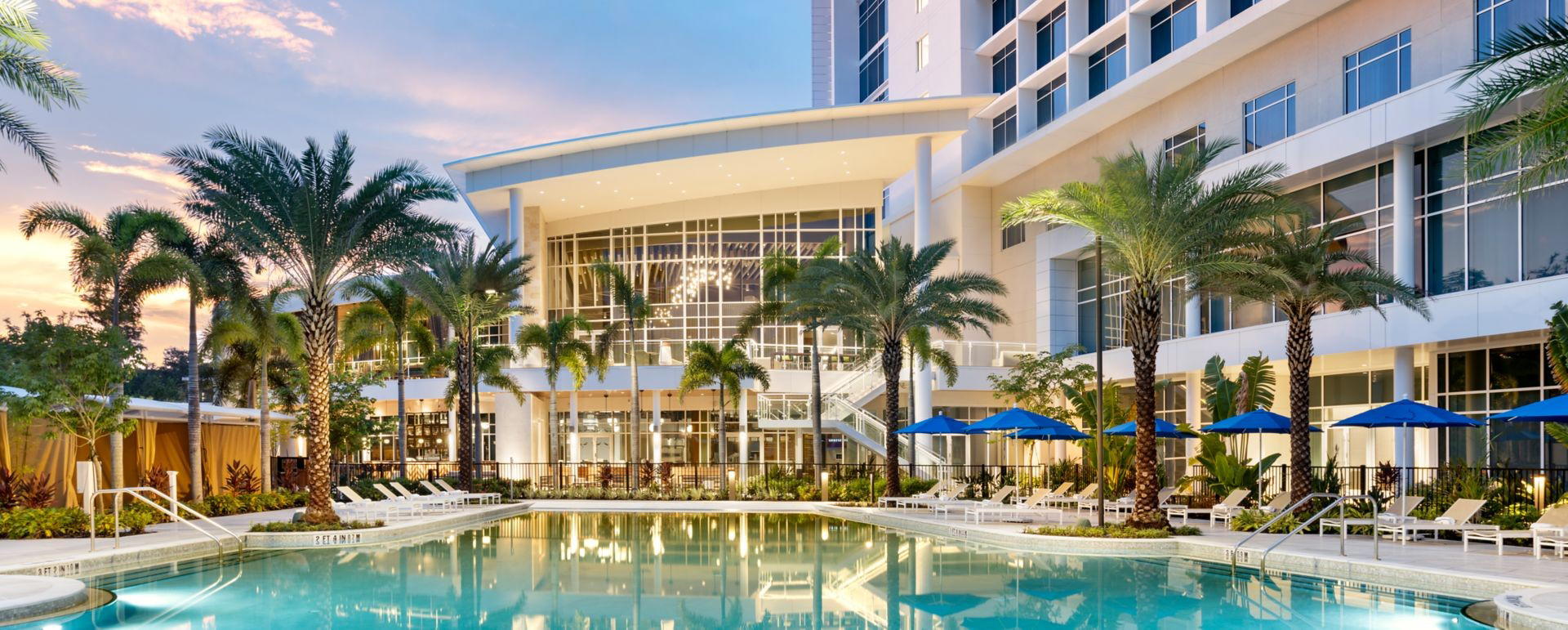
Cozy ambiance resembling a private club with dark woods, brass decor, luxurious seating, and large windows overlooking the pool area.