Tenzan
Tenzan at 988 Second Avenue occupies a corner of Midtown East where the city's Japanese dining tradition runs deep. The address places it within reach of both the corporate lunch circuit and the neighbourhood regulars who treat it as a weekly fixture. For those mapping New York's broader sushi and Japanese spectrum, it represents the mid-tier anchor around which higher and lower formats orient themselves.
Pearl is the En Primeur Club membership app — saves, bookings, and concierge access live there. Same editors, same standards.
- Address
- 988 2nd Ave, New York, NY 10022
- Phone
- +12129805900
- Website
- tenzan52midtown.getsauce.com
- Directions
- Get directions
 Saves & bookings on Pearl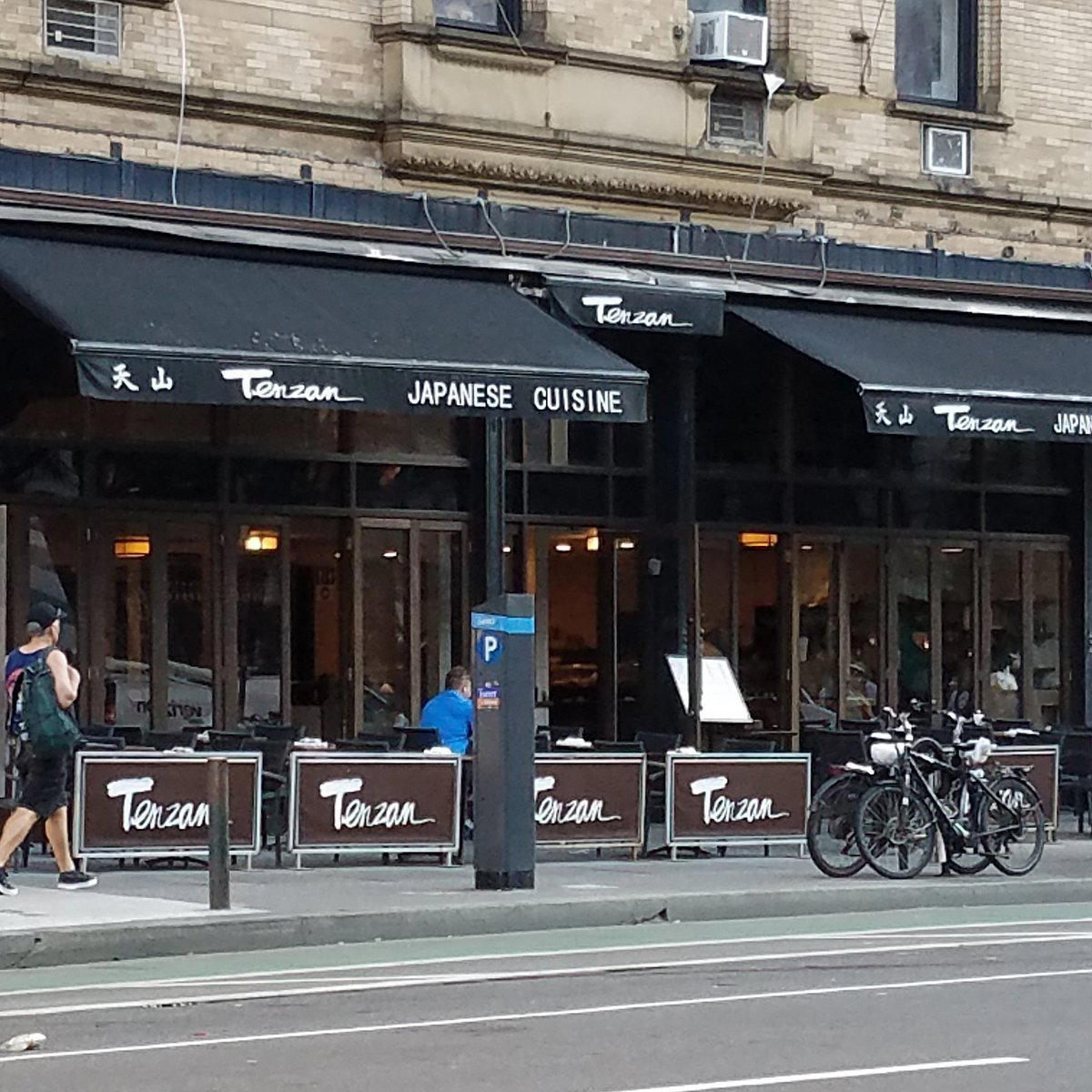
Second Avenue and the Structure of New York Japanese Dining
Midtown East's restaurant geography has always sorted itself by proximity to money and repetition. The blocks around Second Avenue in the low 50s have historically supported Japanese restaurants that function as neighbourhood staples rather than destination bookings, filling a tier between the counter-only omakase rooms that charge north of $350 per person and the conveyor-belt operations that treat sushi as fast food. Tenzan is a Japanese sushi restaurant at 988 2nd Ave, New York, NY 10022.
Understanding where Tenzan fits requires understanding what the city's Japanese dining tier looks like from above. At the leading, counters like Masa define an omakase format where the chef's sequencing is the entire meal, price is a signal of exclusivity, and the room holds fewer people than a Manhattan studio apartment. Below that, a broad and competitive middle layer of sushi restaurants absorbs the majority of the city's Japanese dining traffic: table service, à la carte menus, recognizable rolls alongside traditional nigiri, and prices that allow for regular visits rather than once-a-year occasions. Tenzan operates in this layer, on a stretch of Second Avenue that has supported Japanese dining in various configurations for decades.
The Arc of the Meal at a Mid-Tier Manhattan Sushi House
The tasting progression at a restaurant like Tenzan follows a structure that most New York sushi regulars know instinctively, even if they have never articulated it. It begins with small cold preparations, typically edamame or a light salad, that function as a palate reset after the transition from street to table. From there, the meal moves into soup, usually miso, which in a traditional Japanese sequencing would close a meal but in the Americanised format arrives early, serving the same warming function and signalling that the kitchen is ready to pace the next courses.
The main sequence at this tier of restaurant is built around choices rather than dictation. Unlike the omakase format, where the chef at a place like Masa determines every element of what arrives and when, the mid-tier à la carte model hands sequencing authority back to the diner. This produces meals that vary considerably in their arc depending on who is ordering. A table that works through sashimi before moving to specialty rolls and then nigiri will have a coherent progression from clean, unadorned fish to more complex assembled flavours. A table that reverses this order, starting with sauce-heavy rolls, compresses its own palate and makes the quieter nigiri harder to read. The kitchen cannot control this, and part of what separates more experienced sushi diners from newcomers is the willingness to let the lighter preparations lead.
New York's competitive sushi middle-tier has been reshaped over the past fifteen years by the arrival of formats that blur the boundary between casual and serious. The city now has a range of omakase options at the $100 to $180 price point that offer chef-sequenced meals without the full formality or cost of the upper-tier counters, which has pulled some diners upward from the à la carte format. Restaurants like Tenzan hold their ground partly through consistency, partly through the loyalty that comes from proximity and routine, and partly because the à la carte model offers something the omakase format cannot: the ability to order more of what you want.
Midtown East as a Dining Neighbourhood
Second Avenue in the 50s is not a neighbourhood that generates much editorial heat. It lacks the chef-driven density of the West Village or the tasting-menu concentration of the Upper East Side blocks around Atomix and the Korean fine-dining corridor further downtown. What it has is a stable, high-income residential and professional base that supports consistent, mid-range restaurants over long periods. Restaurants here tend to open quietly and run for years.
That durability is its own credential in a city where the turnover rate in the restaurant industry is high. It also means the neighbourhood's dining options tend toward the reliable rather than the experimental. For a diner whose primary interest is the cutting edge of New York's Japanese scene, the omakase counters and the Korean-Japanese fusion formats represented by places like Jungsik New York will be more relevant. For a diner who wants competent, accessible Japanese food without a booking made weeks in advance and without a three-figure minimum spend, Second Avenue's mid-tier establishments serve a clear function.
The broader New York dining scene spans formats far beyond what any single neighbourhood can represent. For context on what the city's highest-recognised tables look like, Le Bernardin and Per Se define the French-influenced fine-dining ceiling. Across the United States, comparable anchors in their respective cities include Alinea in Chicago, The French Laundry in Napa, Providence in Los Angeles, Lazy Bear in San Francisco, Single Thread Farm in Healdsburg, Blue Hill at Stone Barns in Tarrytown, Addison in San Diego, The Inn at Little Washington, Emeril's in New Orleans, and Bacchanalia in Atlanta. Internationally, the conversation extends to 8½ Otto e Mezzo Bombana in Hong Kong and Alain Ducasse at Louis XV in Monte Carlo. Our full New York City restaurants guide maps the city's dining formats across neighbourhoods and price tiers.
Planning a Visit
Tenzan is located at 988 Second Avenue, New York, NY 10022, in Midtown East. Reservations are recommended. Budget: Expect about $30 per person. The Second Avenue and Lexington Avenue subway corridors serve this stretch of Midtown East directly. Tenzan is open daily from 11 AM to 11 PM.
A Quick Peer Check
Comparable venues nearby, for context on price, style, and recognition.
| Venue | Cuisine | Price | Notes |
|---|---|---|---|
| TenzanThis venue — the venue you are viewing | Japanese Sushi | $$ | Not listed |
| Ramen Setagaya | Traditional Japanese Ramen | $$ | East Village |
| IPPUDO Westside | Hakata-Style Tonkotsu Ramen | $$ | Hell's Kitchen |
| Hakata TonTon | Hakata-style Japanese Izakaya | $$ | Chinatown-Two Bridges |
| Zutto Nolita | Japanese Ramen Sushi Bar | $$ | SoHo-Little Italy-Hudson Square |
| Iron Chef House | Modern Japanese Sushi | $$ | Brooklyn Heights |
Continue exploring
More in New York City
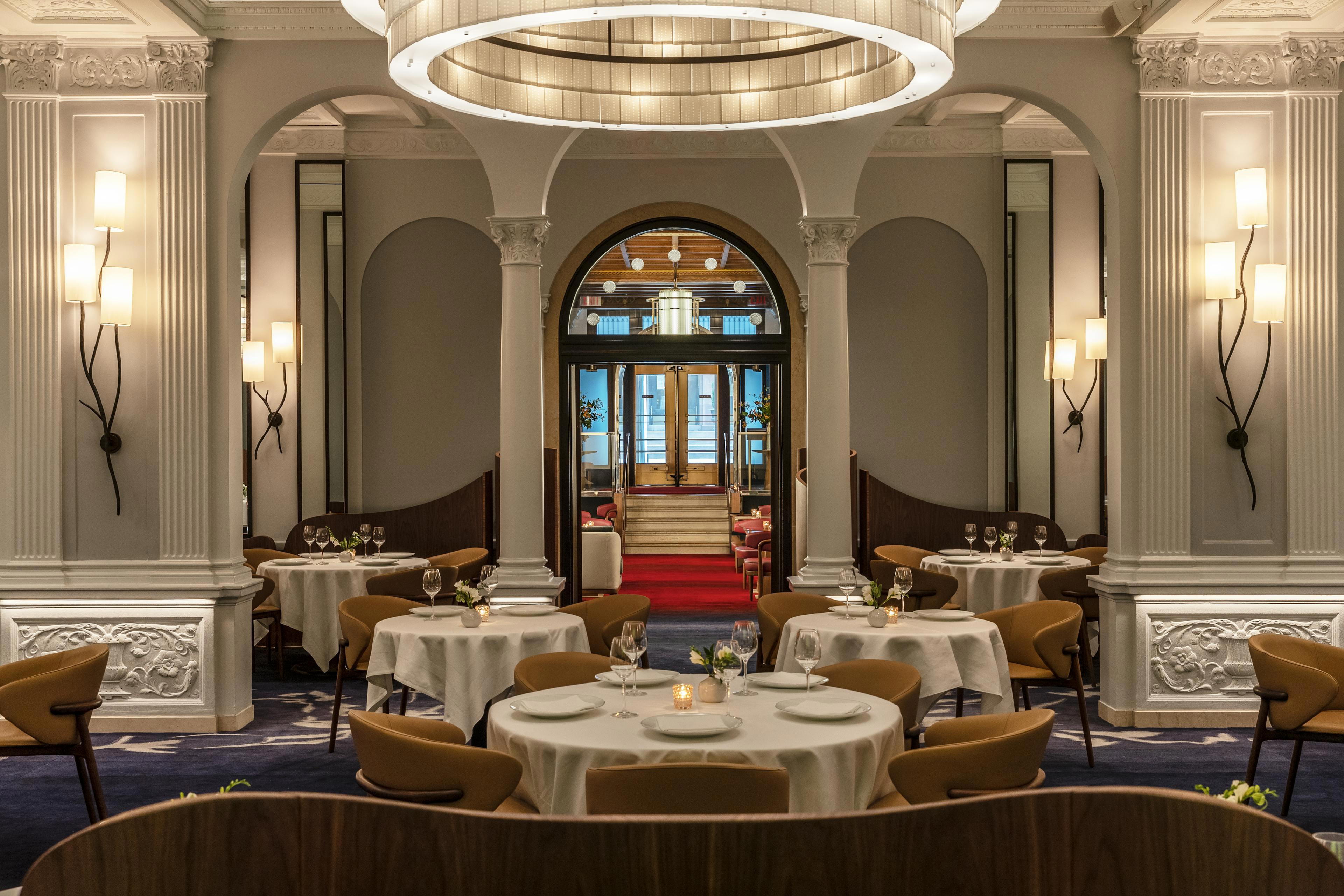
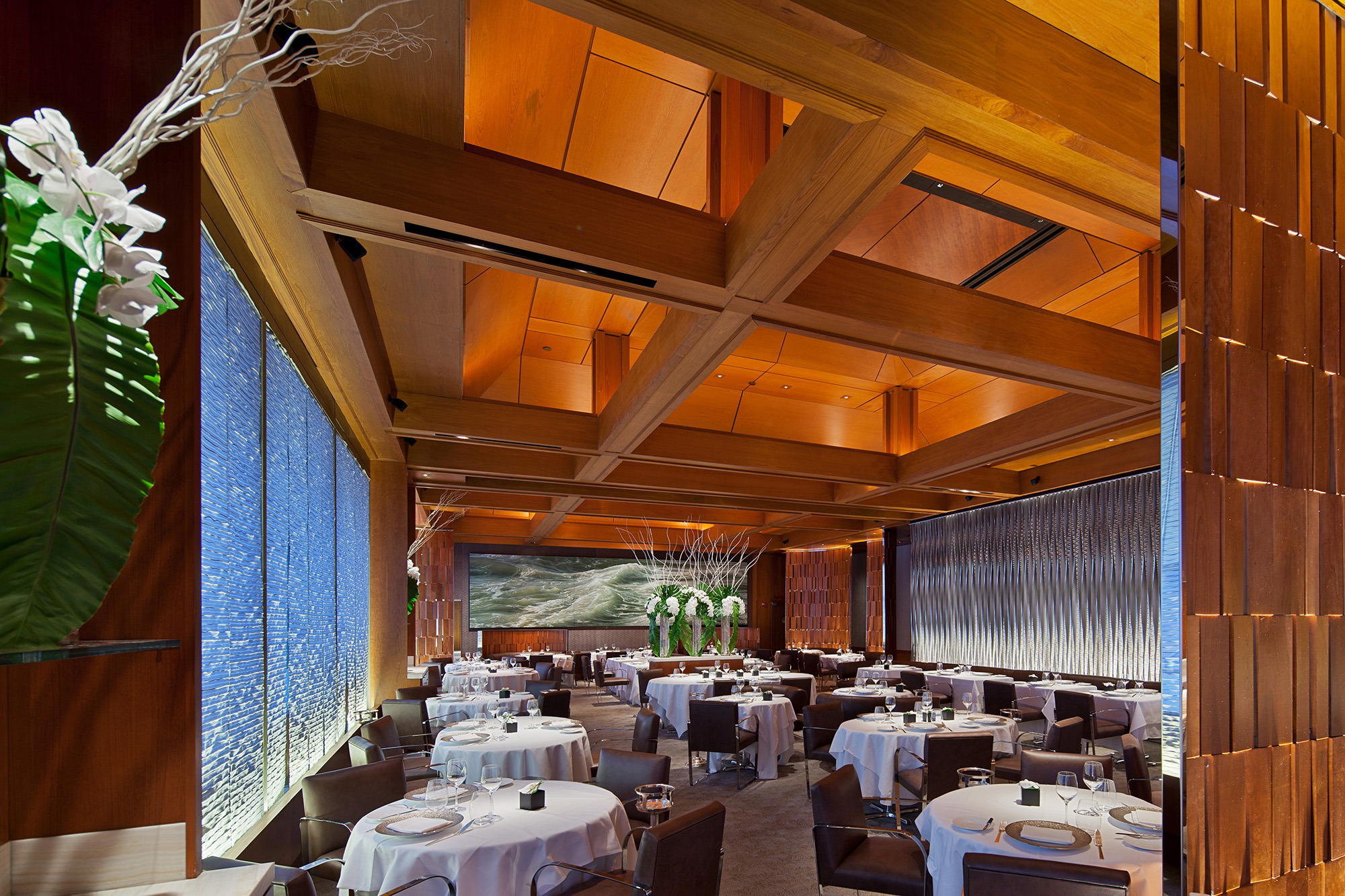
Restaurants in New York City
Browse all →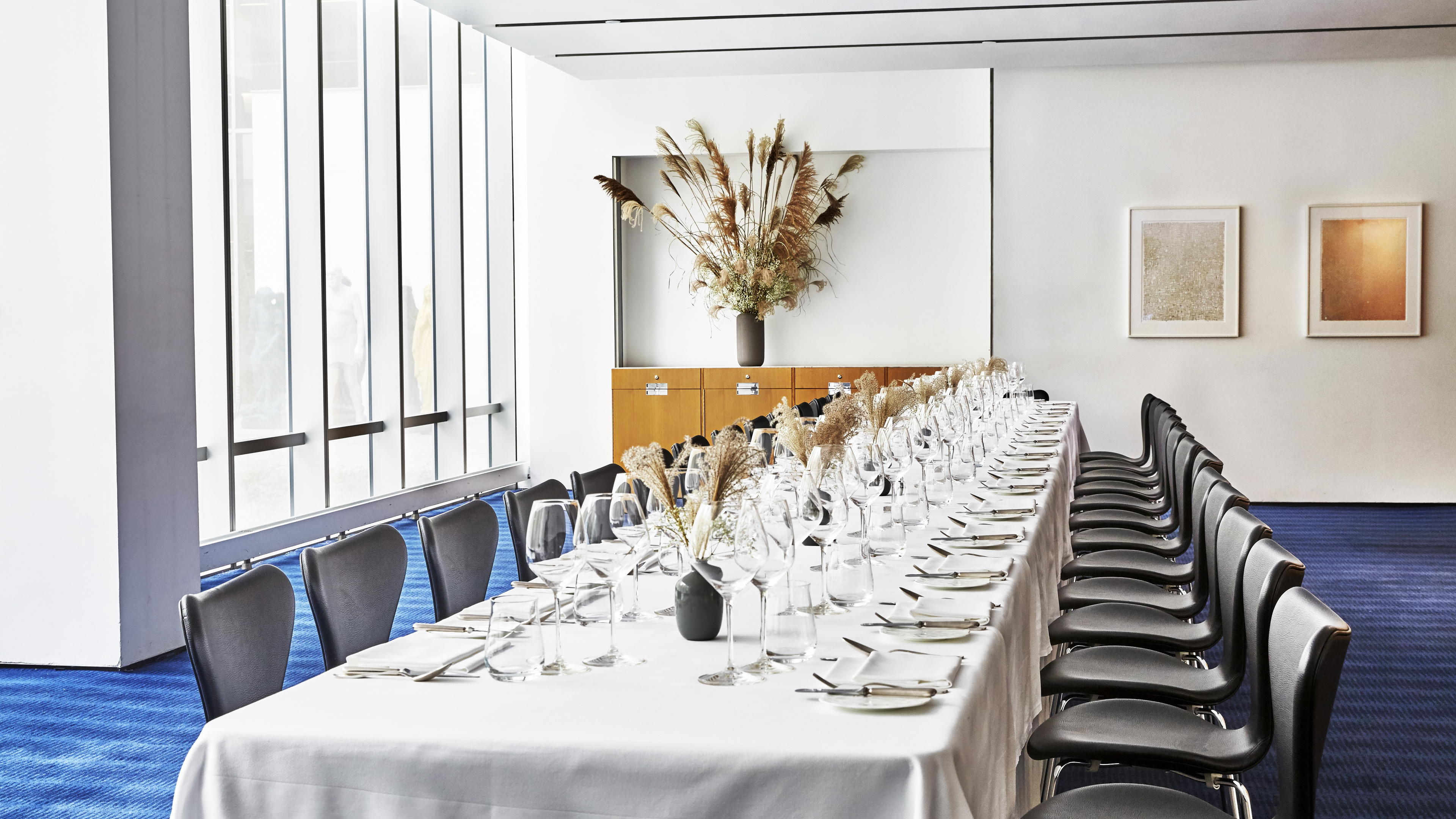
Bars in New York City
Browse all →

Hotels in New York City
Browse all →





At a Glance
- Lively
- Cozy
- Group Dining
- Casual Hangout
- Family
- Sake Program
Current opening hours
- Monday
- 11 AM–11 PM
- Tuesday
- 11 AM–11 PM
- Wednesday
- 11 AM–11 PM
- Thursday
- 11 AM–11 PM
- Friday
- 11 AM–11 PM
- Saturday
- 11 AM–11 PM
- Sunday
- 11 AM–11 PM
Hours can change for holidays and private events. Last verified .
Cozy atmosphere featuring a sushi bar and full-service bar, with a lively and lively dining experience.