IPPUDO Westside
IPPUDO Westside brings the Hakata-style ramen format that made the Tokyo original a cultural reference point to Midtown West, at 321 W 51st St. The kitchen anchors its menu around tonkotsu broth, positioning the restaurant squarely in the accessible, repeatable end of New York's Japanese dining spectrum. For neighbourhood lunches and pre-theatre dinners, it fills a practical gap that the city's Michelin-weighted Japanese tier does not cover.
Pearl is the En Primeur Club membership app — saves, bookings, and concierge access live there. Same editors, same standards.
- Address
- 321 W 51st St, New York, NY 10019
- Phone
- +1 212 974 2500
- Website
- ippudous.com
- Directions
- Get directions
 Saves & bookings on Pearl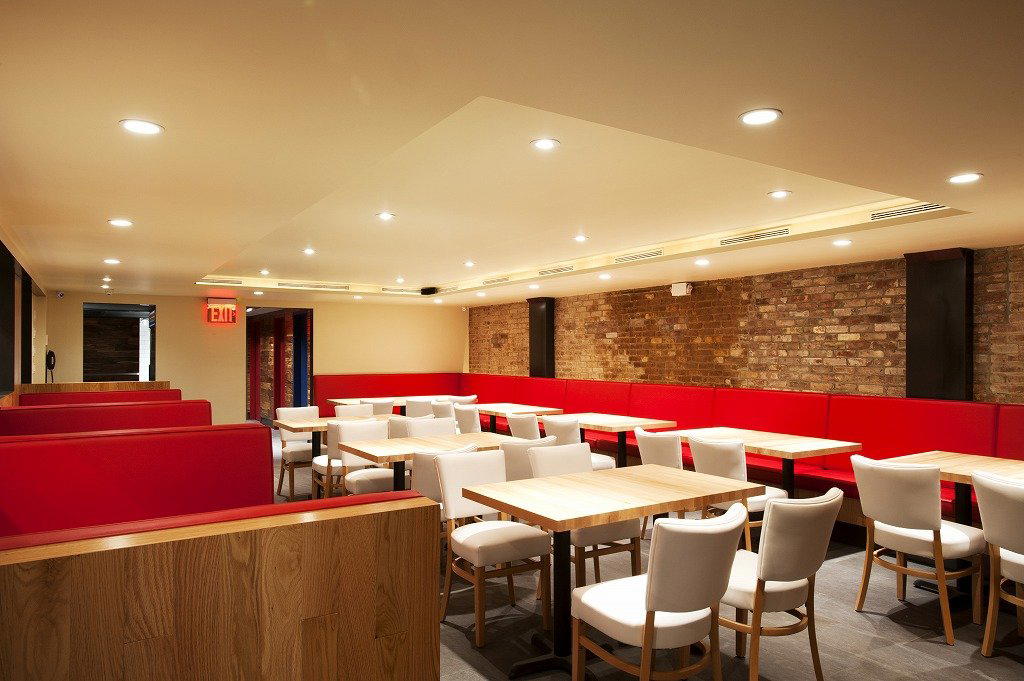
Midtown West and the Ramen Tier
New York's Japanese dining scene splits along a sharper price gradient than almost any other cuisine in the city. At one end sit the omakase counters of Midtown and the Upper West Side, where a seat at Masa or a reservation at Atomix demands serious planning and a three-figure budget before drinks. At the other end, the ramen shop occupies a different register entirely: quick service, communal energy, a bowl that rewards regularity rather than occasion. IPPUDO Westside, at 321 W 51st St, sits in that second tier.
Office lunch crowds, pre-theatre diners, and tourists moving between Rockefeller Center and the Hudson all converge here. Restaurants that thrive in this zone tend to do so by offering something reliable and replicable at speed. IPPUDO built its New York reputation on exactly that model, and the Westside location extends it into a part of the city where the competition at the accessible end of Japanese dining is thinner than in the East Village, where the original New York outpost operates.
Lunch vs. Dinner: The Two Modes of This Room
Ramen shops, more than most restaurant formats, live and die by the time of day. The lunch and dinner experiences at a place like IPPUDO Westside are functionally different, not just in crowd composition but in pace, purpose, and what you actually get from the meal.
At lunch, the room operates as a working neighbourhood canteen. The turn is fast, the noise level sits at a sustained hum, and the menu delivers what the format promises: a tonkotsu bowl built on a long-cooked pork bone broth, alongside buns and small plates that add texture without extending the meal unnecessarily. For the office worker or the visitor with a matinee to catch, this is the point. The value proposition at lunch is clarity and speed, not ceremony. In a Midtown landscape where a comparable sit-down meal at a French bistro or a mid-range steakhouse will cost more and take longer, the ramen shop fills a real gap.
The evening shift changes the character of the room. Post-theatre and post-work crowds come in with more time and less of an agenda. The kitchen operates at the same register, but the experience of sitting with a bowl of ramen at 8pm carries a different weight than at noon. Ramen as a dinner choice in New York used to read as a student or budget decision. The emergence of tonkotsu and tsukemen as dinner-hour formats has repositioned the category. IPPUDO helped drive that shift in the American market.
For those comparing dinner options in the immediate neighbourhood, the gap between IPPUDO and the city's formal Japanese tier is substantial. A dinner at Masa operates at a price point where the bowl of ramen is not a meaningful comparison; these are different decisions entirely. The more useful framing is to think about what the Theatre District and Midtown West actually need at dinner: accessible, fast, high-quality, and capable of accommodating a table without a month's notice. That is the niche this format fills.
The Hakata Lineage in a New York Context
IPPUDO traces its origin to Fukuoka's Hakata district, where the tonkotsu style, characterised by its opaque, collagen-rich pork bone broth and thin straight noodles, developed as a regional identity. The brand's expansion into New York beginning in 2008 placed it among the earliest operators to bring a format-serious ramen program to a Manhattan audience that had not yet developed a strong reference point for the category.
That early positioning matters because it shaped what New Yorkers came to understand as the baseline for a credible bowl. The same dynamic has played out in other cities: when a format-defining operator arrives early and holds quality, it anchors the consumer's reference point for years. In New York, IPPUDO occupies a position in ramen that is analogous, in category terms, to what Le Bernardin holds in French seafood, or Eleven Madison Park holds in the tasting menu format: it is the place that established the standard against which others are measured, even if those others now compete aggressively on quality and concept.
The Westside location extends the brand's footprint into a part of Manhattan where the ramen offering had historically been thinner. Its position a block from the Theatre District makes it a practical pre-show option.
Where IPPUDO Westside Sits Relative to Peers
| Venue | Cuisine / Format | Price Tier | Booking Lead Time | Neighbourhood |
|---|---|---|---|---|
| The restaurant | Ramen / Japanese | $–$$ | Walk-in friendly | Midtown West |
| Masa | Sushi / Omakase | $$$$ | Weeks to months | Columbus Circle |
| Atomix | Modern Korean | $$$$ | Weeks to months | NoMad |
| Per Se | French / Contemporary | $$$$ | Weeks | Columbus Circle |
| Le Bernardin | French / Seafood | $$$$ | Weeks | Midtown West |
The table above is not meant to frame these venues as direct competitors; they are not. It is meant to illustrate the density of high-end Japanese and New American dining in the Midtown West corridor, and the absence of anything between IPPUDO's tier and the $$$$ omakase or tasting menu tier. That gap is where the Westside location operates with the least competition.
Planning Your Visit
51st Street address places the restaurant within a short walk of most Midtown West hotels and easily accessible from the 50th Street station on the C and E lines, or the 49th Street stop on the N, R, and W. For visitors oriented around the Theatre District, the location is practical for pre-curtain dinners, though arriving with enough time to sit rather than rush is advisable during peak evening service.
Walk-in dining is generally more viable here than at the Michelin-weighted tier above it. That said, weekend evenings and the window between 6pm and 7:30pm on weeknights will see a meaningful queue. Lunch from opening through early afternoon is the lowest-friction window for solo diners and small groups.
A Pricing-First Comparison
Comparable venues nearby, for context on price, style, and recognition.
| Venue | Cuisine | Price | Notes |
|---|---|---|---|
| IPPUDO WestsideThis venue — the venue you are viewing | Not listed | $$ | Not listed |
| Momokawa | Not listed | $$ | Upper East Side-Lenox Hill-Roosevelt Island, Traditional Japanese Sukiyaki & Sushi |
| Sushi Tokyo | Not listed | $$ | Gravesend (East)-Homecrest, Kosher Japanese Sushi |
| Tomoe | Greenwich Village, Traditional Sushi | $$ | Not listed |
| Chuko | Clinton Hill, Brooklyn Craft Ramen | $$ | Not listed |
| wagamama, midtown, new york | Not listed | $$ | Midtown-Times Square, Modern Pan-Asian with Signature Ramen |
Continue exploring
More in New York City
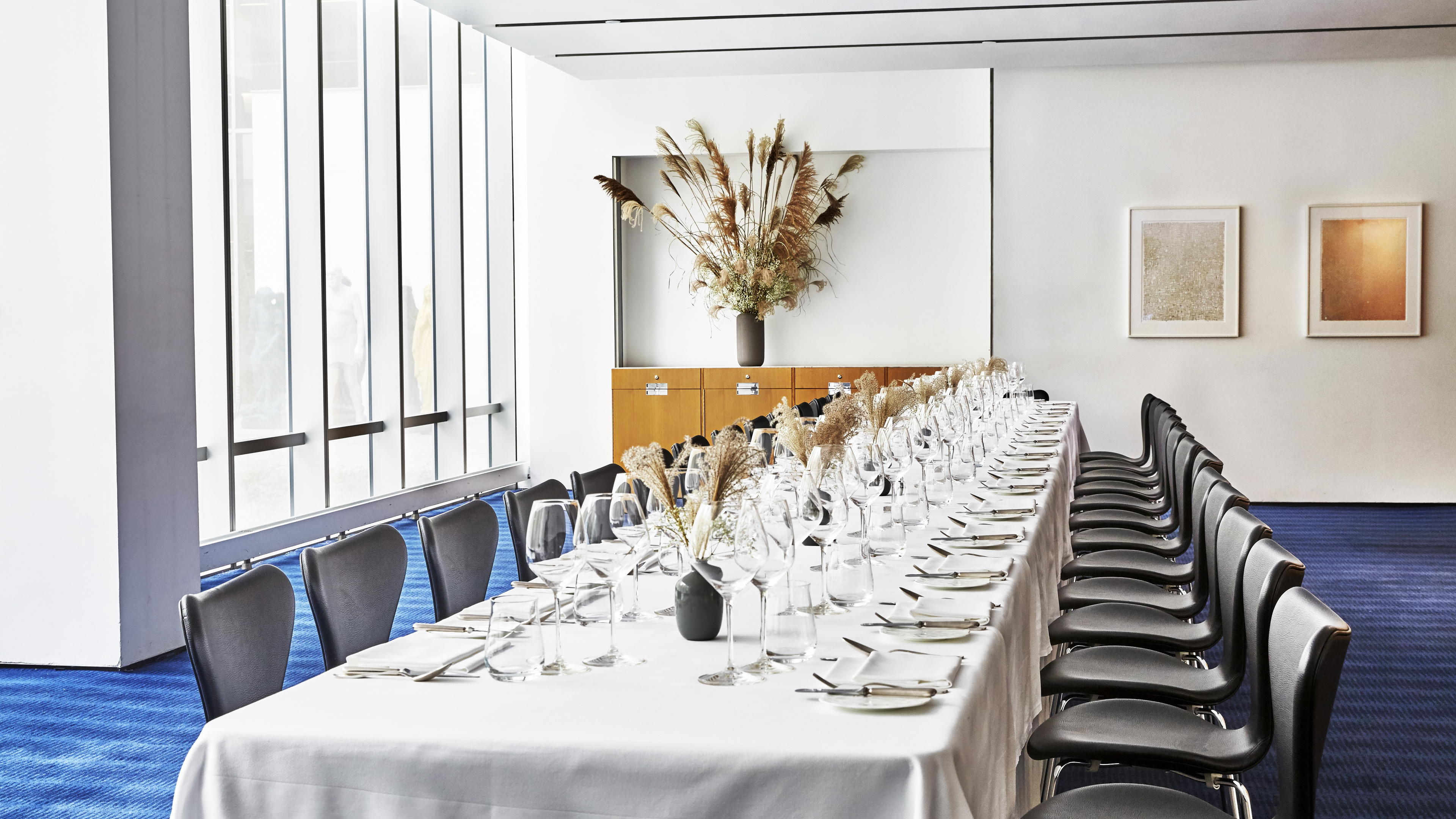
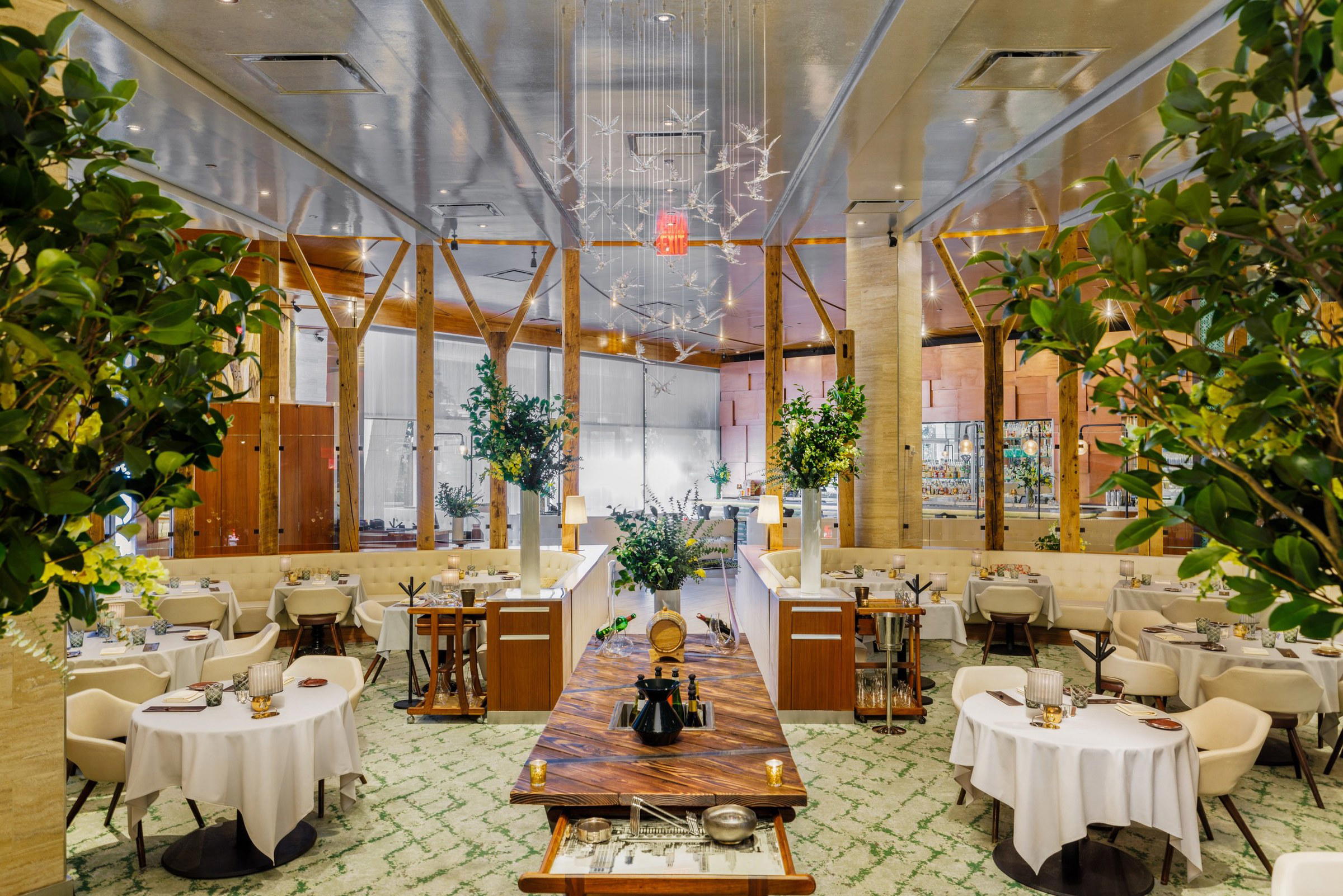
Restaurants in New York City
Browse all →
Bars in New York City
Browse all →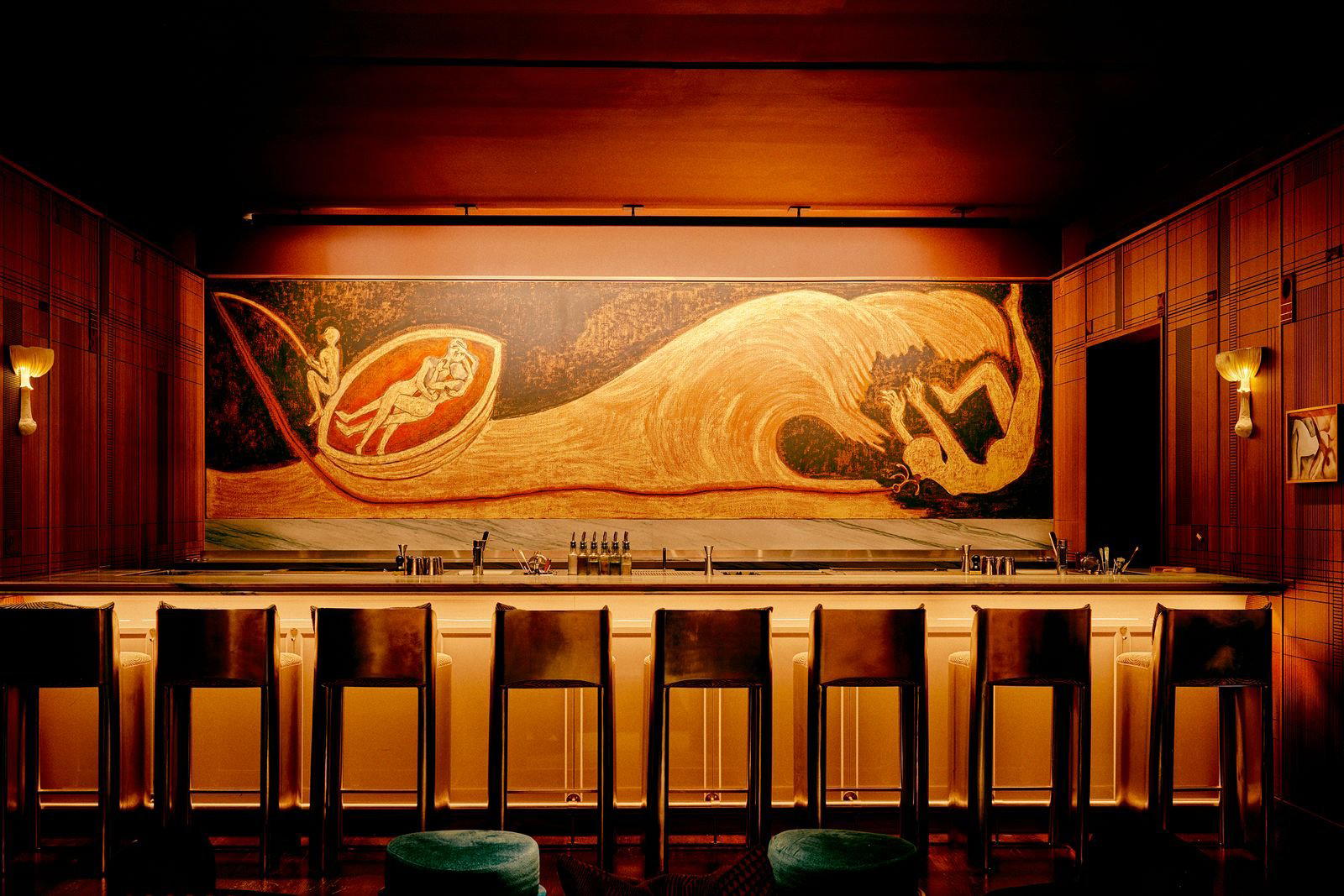

Hotels in New York City
Browse all →





At a Glance
- Lively
- Cozy
- Energetic
- Trendy
- Casual Hangout
- After Work
- Late Night
- Open Kitchen
- Sake Program
Current opening hours
- Monday
- 11:30 AM–10:30 PM
- Tuesday
- 11:30 AM–10:30 PM
- Wednesday
- 11:30 AM–10:30 PM
- Thursday
- 11:30 AM–10:30 PM
- Friday
- 11 AM–11:30 PM
- Saturday
- 11 AM–11:30 PM
- Sunday
- 11 AM–10:30 PM
Hours can change for holidays and private events. Last verified .
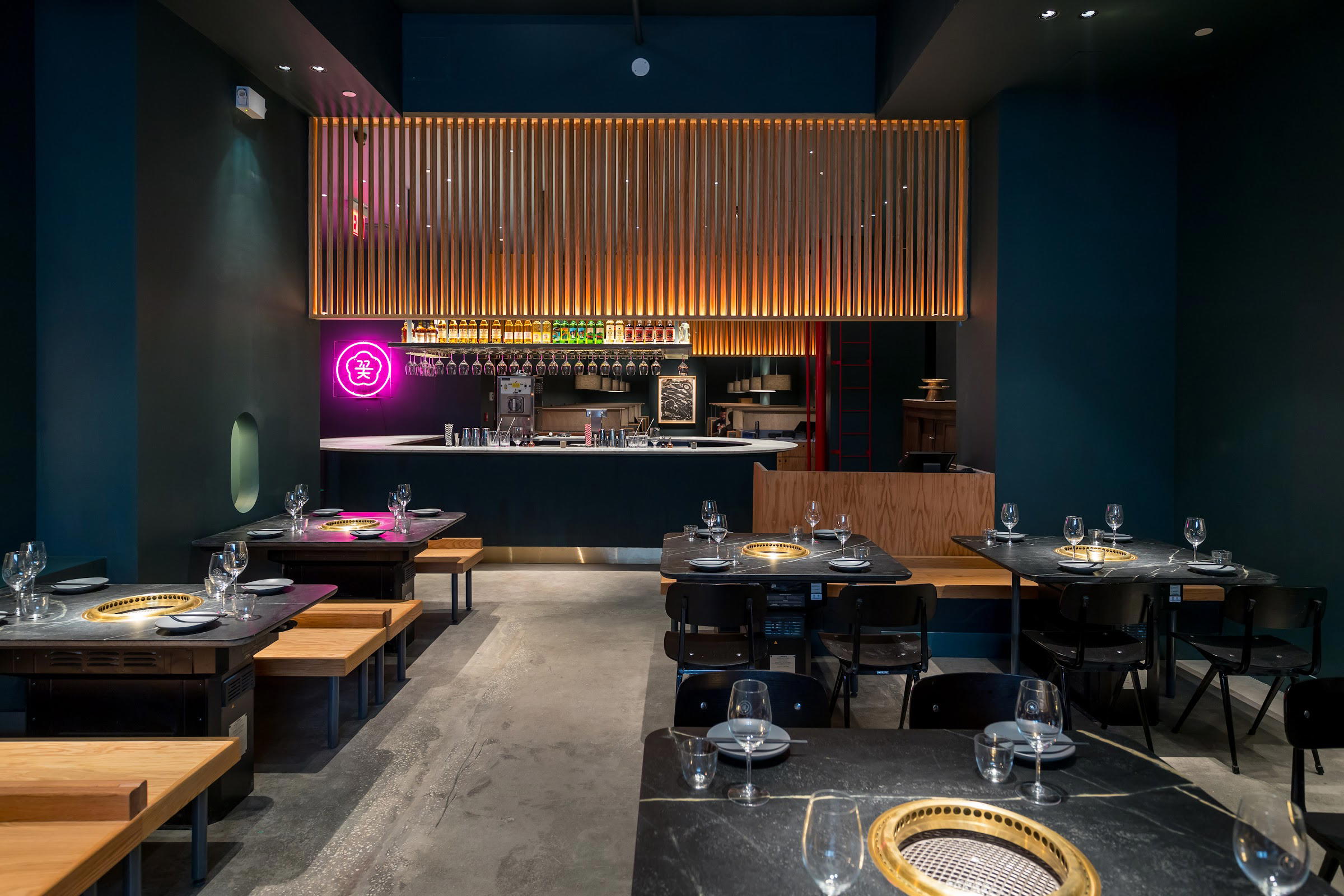
Cozy and inviting with a warm, energetic atmosphere, modern sleek design, open kitchen, and communal seating creating a lively vibe.