1 Michelin Star · Tabelog 100 #65
Our verdict
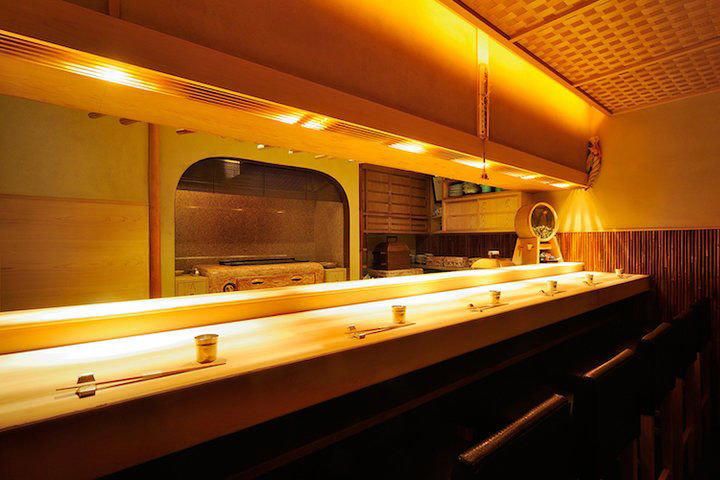
Ten Yokota holds a Michelin star in Motoazabu's quieter residential pocket, where an omakase tempura format built around shrimp distinguishes it from Tokyo's broader tempura canon. The kitchen inherits a craft lineage and applies it with measured imagination: rare-fried shrimp to draw out sweetness, shiitake stuffed with minced shrimp, and a kakiage finale that closes the arc.

Pearl is the En Primeur Club membership app, where members save venues, book tables and use the concierge.
The menu
What to order
- Prawn head
- Mushroom stuffed with minced shrimp
- Kakiagedon
Shrimp as a through-line: how Ten Yokota structures its omakase argument
Most tempura omakase counters in Tokyo treat shrimp as punctuation, a reliable opener or a crowd-pleasing middle piece before the kitchen moves on to seasonal vegetables and white-fleshed fish. Ten Yokota in Motoazabu inverts that logic. The shrimp is the through-line, returning in different preparations across the meal, each appearance designed to articulate something the previous piece left unsaid. That structural decision is the clearest signal of what kind of kitchen this is: one interested in ideas, not just technique.
Tokyo's Michelin-starred tempura tier is a relatively small competitive set. Counters such as Tempura Kondo and Tempura Motoyoshi have established the critical reference points for what a one- or two-star tempura experience looks like in the city: precise oil temperature management, ingredient provenance treated as seriously as execution, and a pace calibrated to the counter rather than the kitchen's convenience. Ten Yokota sits within that tradition and earns its 2024 Michelin star on comparable terms, while its compositional approach, the shrimp arc, the mountain-ocean pairings, the kakiage finale, gives it a distinct identity within the peer group.
A craft handed down, then adjusted
In Japanese fine dining, lineage is a form of credential. The tempura craft at Ten Yokota descends from the chef's father, which places it in a generational transmission model common to the most respected counters in the city. The kitchen's approach respects the essence of that inheritance while adding what the Michelin inspectors described as a few imaginative changes. That phrase matters: a few, not many. The discipline here is knowing which interventions to make and which to resist.
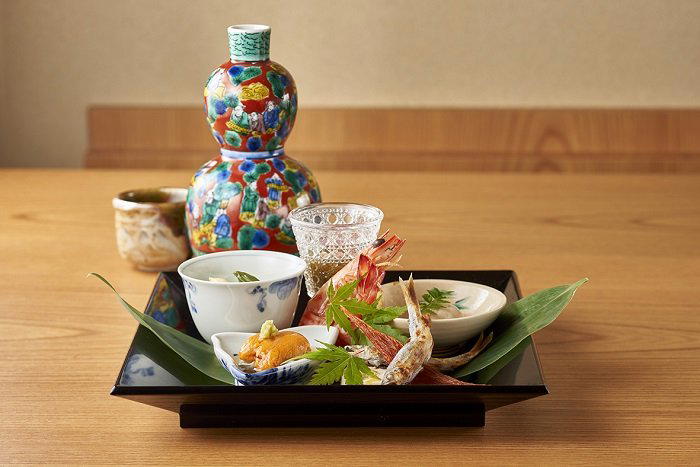
That restraint is visible in the menu's architecture. The first shrimp piece is fried rare, a deliberate choice to coax sweetness from the protein rather than seal it with heat. The shiitake mushroom stuffed with minced shrimp is a textural argument about what happens when the bounty of mountain and ocean meet inside a single piece. A later shrimp preparation conceals viscera within the batter, shifting the flavour register toward something more complex and fragrant. The meal closes with kakiage, a mixed seafood and vegetable tempura in which shrimp appears once more, completing the arc before guests choose their preferred bowl format. Quantity is adjustable to taste, which at this price point is a practical courtesy rather than a novelty.
This generational model, where a child refines what a parent established, produces a particular kind of restaurant: one with deep technical roots and carefully measured evolution. It is a different profile from the chef-as-auteur format common in Tokyo's French and kaiseki rooms, where the personal vision is often the explicit subject of the meal. Kaiseki operators like Gion Sasaki in Kyoto or contemporary Japanese formats like HAJIME in Osaka operate on a different expressive register. Ten Yokota's identity is quieter and more lateral: the tradition speaks, the chef adjusts.
Motoazabu as a setting for serious eating
The address in Motoazabu, a residential neighbourhood in Minato City, places Ten Yokota at some distance from the higher-footfall tempura corridors of Ginza and Shinjuku. Motoazabu has long been a neighbourhood where serious, low-profile restaurants operate without the overhead of a premium commercial strip. The surrounding streets carry embassies, old money apartments, and a density of small, high-quality food operations that reward residents and repeat visitors more than tourists. That setting is consistent with the counter's character: known to the people who seek it out, not visible from the main road.
For visitors building a Tokyo itinerary around food, Motoazabu sits within comfortable reach of Roppongi and Hiroo, both of which have their own concentrations of strong restaurants. Our full Tokyo restaurants guide maps the broader dining geography, while our full Tokyo hotels guide covers accommodation options in the surrounding wards. The neighbourhood warrants a dedicated evening rather than a rushed transit stop.
Where Ten Yokota sits in the tempura category
Tokyo's tempura scene divides roughly into three tiers. At the accessible end, standing bars and casual tendon counters serve lunch to office workers and tourists at low price points. In the middle, neighbourhood tempura restaurants offer sit-down kaiseki-adjacent meals with seasonal menus. At the leading, a small number of counter-format omakase operations, Michelin-recognised and reservation-required, treat the frying station as a stage for a complete dining argument. Ten Yokota occupies that upper tier at a ¥¥¥ price point, which positions it slightly below the ¥¥¥¥ ceiling occupied by Tokyo's most expensive counters in other categories.
Within the tempura category specifically, it competes with Tempura Ginya and sits in the same recognition tier as Fukamachi. Edomae Shinsaku offers a useful adjacent reference point for how Tokyo's counter-format specialists approach Edo-period traditions in different disciplines. For those extending a Japan trip, the tempura discipline also appears in strong form at Numata in Osaka, and internationally at Mudan Tempura in Taipei, where the form has travelled and adapted.
At this tier of dining, where guests arrive with calibrated expectations and strong comparative references, a 4.5 from 47 is a meaningful signal rather than a promotional rounding.
Planning a visit
Ten Yokota is located at 3 Chome-10-5 Motoazabu, Minato City, Tokyo, within a residential building at the address listed as Kadoru Motoazabu 202. The ¥¥¥ pricing places it in the mid-to-upper range for specialist counter dining in Tokyo, below the ceiling set by the city's ¥¥¥¥ kaiseki and sushi rooms but above casual neighbourhood tempura. Visitors unfamiliar with the neighbourhood logistics can cross-reference our full Tokyo bars guide and our full Tokyo experiences guide to build the surrounding evening. For those planning across the broader Kansai-Kanto corridor, akordu in Nara, Goh in Fukuoka, 1000 in Yokohama, and 6 in Okinawa extend the regional reference set, while our full Tokyo wineries guide covers beverage programming in the city more broadly.
Frequently asked questions
What should I expect cuisine-wise at Ten Yokota?
What part of town is Ten Yokota in?
Ten Yokota is located at Japan, 〒106-0046 Tokyo, Minato City, Motoazabu, 3 Chome−10−5 カドル元麻布 202, Tokyo.
Has Ten Yokota won any awards?
Ten Yokota has received recognition including: Tempura craftsmanship handed down from the chef’s father. The essence of tempura is respected, with just a few unique, imaginative changes added. Omakase set menus display a distinctive flair, with shrimp taking the lead role. The first pie….
What's the must-try dish at Ten Yokota?
The shrimp sequence is the backbone of the omakase: the first piece is deep-fried rare to draw out natural sweetness, a second conceals the viscera inside for a pronounced aromatic hit, and the meal closes with kakiage, a mixed seafood and vegetable cake in which shrimp reappears one final time. Missing the kakiage at the end means missing the point the kitchen has been building toward across the entire meal. The shiitake stuffed with minced shrimp, pairing mountain and ocean in a single bite, is the structural pivot between the two halves of the menu.
What price level is Ten Yokota?
Pricing at Ten Yokota is listed as ¥¥¥.
Recognition, Side-by-Side
A quick peer reference to anchor this venue in its category.
| Venue | Cuisine | Price | Awards | Notes |
|---|---|---|---|---|
| Ten YokotaThis venue (the venue you are viewing) | Michelin-Starred Edomae Tempura | $100–150 | 1 Michelin Star · Tabelog 100 #65 | Not listed |
| Harutaka | Edo-Style Omakase Sushi | $200–300 | 3 Michelin Stars · World's 50 Best #76 | Sushi |
| RyuGin | Modern Kaiseki | $500+ | 3 Michelin Stars · World's 50 Best #41 | Kaiseki, Japanese |
| L'Effervescence | Modern French with Japanese Influences | $200–300 | 3 Michelin Stars · World's 50 Best #69 | French |
| HOMMAGE | Modern French with Japanese Influences | $150–200 | 2 Michelin Stars · World's 50 Best #78 | Innovtive French, French |
| MAZ | Innovative Peruvian-Japanese Fusion | $150–200 | 2 Michelin Stars · World's 50 Best #28 | Innovative |
Recognition history
Dated appearances from independent guides and award organizations, with the underlying list record or original source where available.
Michelin 1 Star
Michelin
Opinionated About Dining Top Restaurants in Japan Recommended
Opinionated About Dining
Tabelog 100 #65 · No. 65
Tabelog · Tabelog 100 - Tempura - 2025
Full recognition history (4 entries)
Michelin 1 Star
Michelin