Tabelog 100 #91
Our verdict
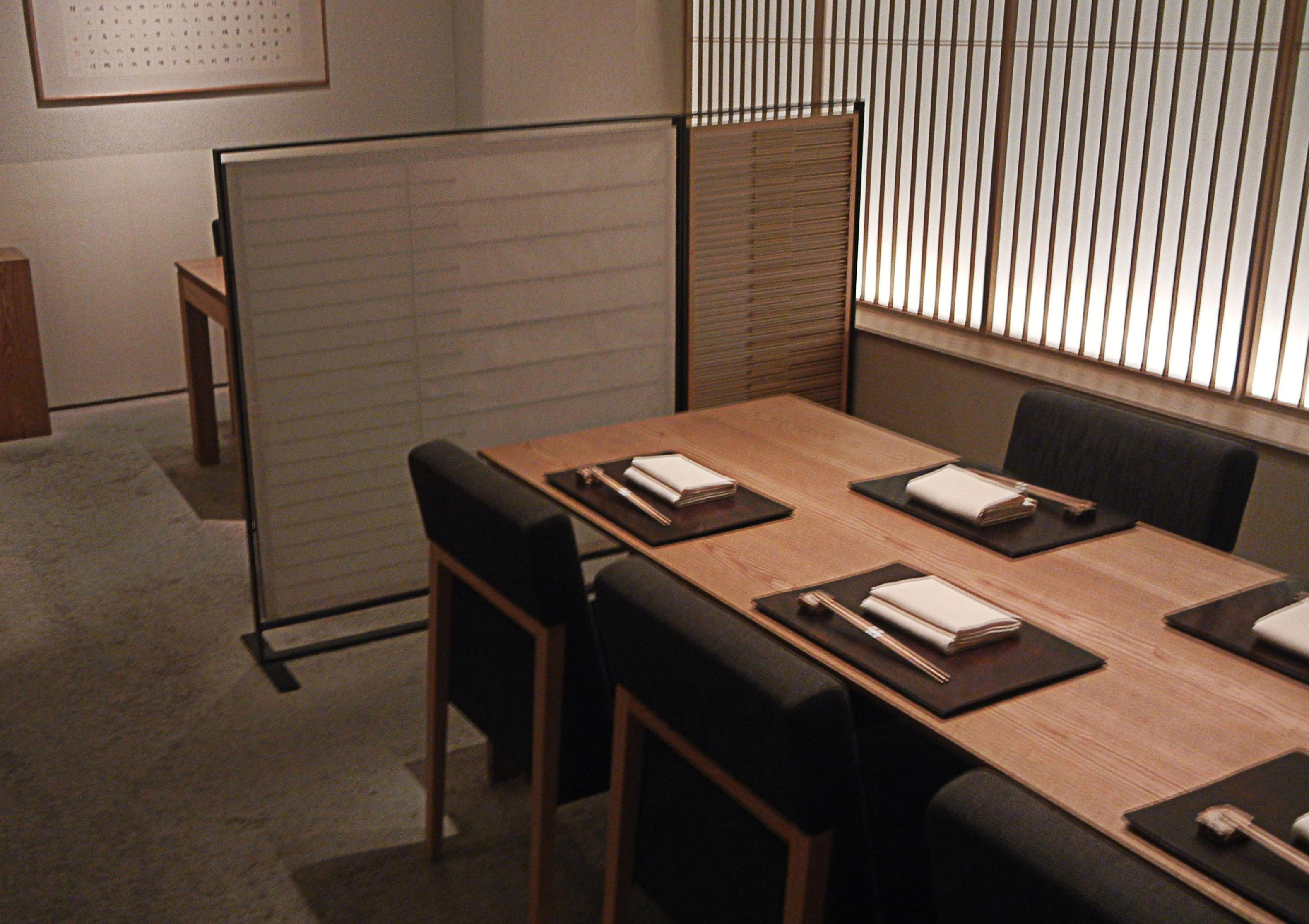
A compact Shinjuku tempura address with counter and tatami seating, Tempura Takashichi belongs to Tokyo’s older everyday-tempura tradition rather than the high-theatre omakase tier. Its Tabelog Tempura 100 selection in 2025, following earlier selections in 2022 and 2023, gives it a clear quality signal in a category where oil control, pacing, and rice-bowl discipline matter more than spectacle.

Pearl is the En Primeur Club membership app, where members save venues, book tables and use the concierge.
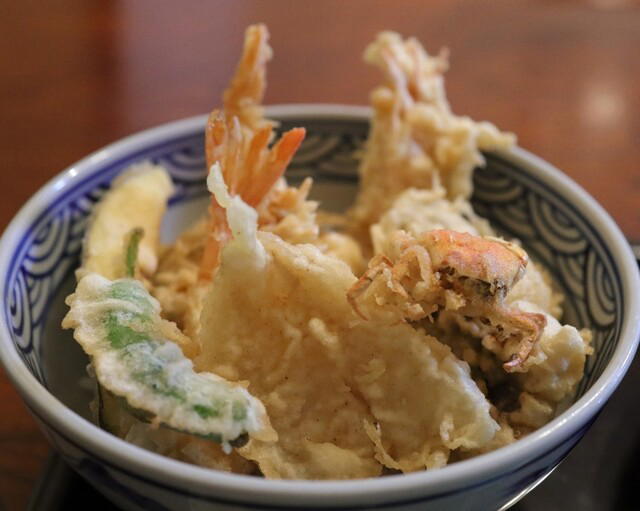
Tokyo is not one single dining mood, and that matters. The approach here is quieter and less staged than the city’s luxury tempura corridors, so the restaurant reads as part of an everyday dining rhythm rather than a performance set. Tokyo tempura often splits into two camps: polished counters built around sequential courses, and approachable houses where tempura and ten-don keep the tradition closer to routine appetite. Tempura Takashichi sits in the second camp, with enough recognition to make it more than a local convenience.
That distinction is useful for travellers. High-end tempura in Tokyo can become a formal study in batter, oil temperature, and seasonal sequencing, often priced and booked like sushi. This model is more direct: tempura and ten-don anchor the offer, while the experience depends on coordination between fryer, rice, service rhythm, and floor timing rather than ceremony. The kitchen may be the visible engine, but the meal only works when the rest of the team keeps pace.
Tempura without the Ginza theatre
Tokyo’s tempura culture rewards restraint. The batter should frame rather than bury; the oil should carry heat without heaviness; the dining room should move at a tempo that lets fried food arrive with purpose. In a small specialist format, that places pressure on collaboration. Guests notice the cooking rhythm, while the service team has to manage distance from the fryer without letting the food feel delayed. The point is not spectacle; it is the steady delivery of hot, cleanly handled tempura.
Recognition from Tabelog’s Tempura 100 in 2025 places the restaurant inside a national conversation about specialist tempura rather than a generic neighbourhood listing. The Tabelog score of 3.62 is not a luxury signal by itself, but in Japan’s restaurant culture it suggests a steady following in a competitive category. That is especially relevant for tempura, where diner loyalty often forms around consistency: frying technique, rice handling, portion logic, and the ability to serve lunch without reducing the craft to speed.
The comparison point is not a palace of seasonal omakase; it is the cluster of Tokyo specialists that keep single-category cooking viable at approachable levels. Tempura Kyorakutei belongs in the same broader Tokyo tempura conversation, while category specialists such as Tokyo Rakkyo Brothers and Jikasei Chuka Soba Toshioka show how the city supports focused cooking at everyday price points. For a broader read on the city’s dining spread, see Our full Tokyo restaurants guide.
The team dynamic is in the pacing
Tempura is unusually unforgiving for service teams because delay is visible on the plate. A sushi counter can absorb pauses through conversation and sequence; a tempura room has to move heat, rice, condiments, and table turnover as one system. The front-of-house role here is not decorative. It decides whether different guests receive the same sense of timing, and whether the wider service supports the food rather than interrupting it.
The restaurant’s accessible price band gives it a dual identity: serious enough to be recognised by a specialist list, approachable enough to work as part of an ordinary Tokyo day. Its Tabelog budget places lunch at JPY 1,000 - JPY 1,999, while dinner is not listed in the provided budget field. That combination is a useful reminder that recognition in Tokyo does not always mean a long tasting menu or a luxury-room format.
That matters in Tokyo, where dining can swing from department-store convenience to late-night drinking lanes to formal counter restaurants in a few subway stops. Tempura Takashichi sits outside the city’s international shorthand, but it has the advantage of lower theatrics. The broader city gives the restaurant a practical base, while the Tabelog selection gives travellers a reason to make the detour if tempura is the point.
Where it fits in a Tokyo eating itinerary
The strongest use case is a tempura-focused lunch or early evening meal when the day does not need another multi-course event. Tokyo rewards that kind of planning: one precise meal, one neighbourhood, no attempt to force every address into a grand narrative. Pairing this with a wider Tokyo day makes more sense than crossing the city only for a long evening crawl. Other casual Tokyo dining rooms can be useful for a different read on the city’s everyday restaurant culture.
Travellers building a wider city itinerary can use this address as a counterweight to polished hotel dining and cocktail-led evenings. Other focused Tokyo formats show the same city principle in different categories: modest footprints, clear specialisms, and regulars who care about repetition. For planning beyond restaurants, the city rails sit separately in Our full Tokyo hotels guide, Our full Tokyo bars guide, Our full Tokyo wineries guide, and Our full Tokyo experiences guide.
Across Japan and beyond, the same editorial thread appears in specialist addresses that resist over-expansion. The common lesson is simple: small-format dining often tells more about a city than a trophy reservation. Tempura Takashichi fits that reading because its strongest signals are practical rather than theatrical: tempura, ten-don, an approachable listed lunch budget, and recognition from Tabelog’s 2025 Tempura 100.
Frequently asked questions
What's Tempura Takashichi's location?
Tokyo.
What does dinner at Tempura Takashichi typically cost?
The provided Tabelog budget lists dinner as unavailable and lunch as JPY 1,000 - JPY 1,999. The listed price band is JPY 1,000 - JPY 1,999.
Do they take walk-ins at Tempura Takashichi?
The provided details do not confirm a walk-in policy. For planning, treat Tempura Takashichi as a recognised Tokyo tempura and ten-don specialist and check current availability before going.
What do critics highlight about Tempura Takashichi?
The strongest signal is the Tabelog Tempura 100 selection for 2025. The listing also gives a Tabelog score of 3.62 and identifies the categories as tempura and ten-don.
Credentials Lens
Comparable venues for context, by category and price tier.
| Venue | Cuisine | Price | Awards | Notes |
|---|---|---|---|---|
| Tempura TakashichiThis venue (the venue you are viewing) | Traditional Tempura | $10–20 | Tabelog 100 #91 | Not listed |
| Chuka Soba Chigonoki | Niboshi-focused Ramen Shop | $10–20 | Tabelog 100 #26 | Shinjuku |
| Sugamo Tokiwa Shokudo Honten | Japanese shokudo & teishoku diner | $10–20 | Tabelog 100 #11 | Toshima |
| TOKYO LIGHT BLUE HONGO-3 | Standing Sanuki udon & tempura | $1–10 | Tabelog 100 #33 | Bunkyō |
| Fukuo Shoten | Traditional Japanese sweets and agar jelly shop | $1–10 | Tabelog 100 #61 | Chiyoda |
| Ramen Jiro Mita honten | Japanese Ramen | Not listed | Tabelog 100 #86 | Minato |
Recognition history
Dated appearances from independent guides and award organizations, with the underlying list record or original source where available.
Tabelog 100 #91 · No. 91
Tabelog · Tabelog 100 - Tempura - 2025