
Tabelog 100 #11
Our verdict
Sugamo’s diner tradition is built on practical comfort rather than ceremony, and Sugamo Tokiwa Shokudo Honten sits squarely in that everyday Tokyo lane. Its Tabelog 100 Diner 2026 selection, fish-focused cafeteria format, breakfast availability, take-out service, and sake, shochu, and wine options make it a useful counterpoint to the city’s reservation-heavy dining culture.

Pearl is the En Primeur Club membership app, where members save venues, book tables and use the concierge.
The menu
What to order
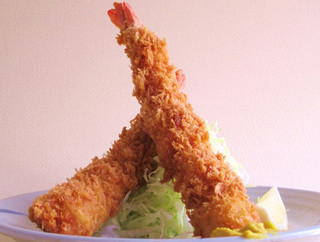
- Ebi fry (deep-fried shrimp) teishoku
- Horse mackerel sashimi
- Mixed fried set meal
- Grilled fish teishoku
- Minced meat cutlet
- Croquettes
Approaching Sugamo Tokiwa Shokudo Honten, the mood changes from Tokyo speed to a more everyday cadence: practical lunch decisions, small dining rooms, and the kind of meal built for repeat use rather than spectacle. This is the context that matters. Tokyo’s shokudo culture is not a lesser version of restaurant dining; it is a parallel system, designed around choice, speed, affordability, and the comfort of a full meal without choreography.
Sugamo Tokiwa Shokudo Honten belongs to that tradition, with a cafeteria and seafood identity rather than a chef-led tasting-menu format. The useful editorial point is not novelty. It is consistency inside a category that Tokyo visitors often underrate because it lacks the theatre of more formal counters or carefully staged rooms. Tabelog’s 2026 Hyakumeiten recognition gives the venue a clear public credential, and its 3.68 score places it in a tier where everyday cooking has been judged beyond casual local habit.
Fish-led shokudo dining with drinks kept practical
In Tokyo, the shokudo is where set-meal logic meets broad appetite. The category rewards range: rice, soup, fish, side dishes, and the ability to serve different kinds of diners without changing the grammar of the meal. Here, the cafeteria and seafood classification pushes the restaurant toward the older Tokyo model of usefulness. It is not necessary to frame the place around a single signature dish, and that is part of the point. The format depends on a meal that can be understood and used repeatedly.
The appeal is also one of restraint. Shokudo drinking and eating are different from a sommelier-led pairing culture or a highly choreographed counter meal. The supporting role is straightforward: something simple alongside fish, a full meal, or a practical dinner that stays focused on comfort rather than performance. Tokyo’s more formal dining rooms often use service and beverage programs to express technical ambition. A diner like this keeps the table moving. That difference is worth respecting, especially for travellers who assume Japanese dining splits only between quick casual formats and fine-dining ceremony.
There is also a useful comparison inside the same Tokyo food map. Mensouan Sunada, Teuchi Soba Kikutani Sugamo honten, Ganso Shio Daifuku Mizuno, DAIJU, and Negima show how small Tokyo areas can sustain several distinct forms of casual and everyday dining without becoming destination districts in the usual tourist sense. Sugamo Tokiwa Shokudo Honten’s appeal is not density alone; it is the way an everyday format remains legible, accessible, and easy to place within a broader day of eating.
Why this matters in a city obsessed with reservations
Tokyo restaurant coverage often overweights scarcity: counters with a handful of seats, invitation-heavy systems, opaque release windows, and prices that climb quickly once the meal becomes performative. The shokudo runs in the opposite direction. Sugamo Tokiwa Shokudo Honten is better understood as an everyday meal rather than a trophy reservation. That changes the reader decision. This is not a place to frame only through advance-planning drama; it is a meal to understand as part of a day in Tokyo, especially when the priority is reliable Japanese cooking rather than access theatre.
The practical signals are intentionally simple. The venue is in Tokyo, and the category tells readers more than a long checklist of amenities would: cafeteria, seafood, approachable budgeting, and a public score that helps separate it from anonymous everyday dining. For visitors accustomed to building trips around headline rooms, that clarity can be useful. The important preparation is not to expect ceremony, but to understand the restaurant as part of Tokyo’s durable, repeatable dining infrastructure.
Price is another reason this category deserves attention. Lunch sits at JPY 1,000 to JPY 1,999, with dinner at JPY 2,000 to JPY 2,999. In a city where premium tasting menus and counter meals can dominate international attention, that bracket shows a different kind of value: not cheapness as compromise, but a durable local format that can feed regulars often. The Tabelog Hyakumeiten recognition in 2026 gives that everyday value a measurable quality signal.
How to place it within a Tokyo itinerary
Tokyo rewards both headline reservations and slower, city-led days. Sugamo Tokiwa Shokudo Honten fits the second model: sweets, soba, diner meals, practical stops, and a meal that does not need to carry the burden of being a once-in-a-lifetime booking. Readers building a wider Tokyo food map can treat this as the everyday anchor and then compare it with other unnamed styles across the city, from seafood-focused casual dining to counter formats, noodle shops, cafés, and curry specialists.
For planning beyond one meal, use Our full Tokyo restaurants guide alongside Our full Tokyo hotels guide, Our full Tokyo bars guide, Our full Tokyo wineries guide, and Our full Tokyo experiences guide. The broader Japanese map is useful too in a general sense: regional casual dining changes by city, by price point, and by the role a restaurant plays in daily life. For travellers, that comparison is most useful when it sharpens the question of what kind of meal is being chosen, rather than turning every stop into a name-checking exercise.
The critical read is simple: this is not Tokyo dining as trophy collection. It is Tokyo dining as civic infrastructure, a seafood-oriented shokudo with recognized standing, accessible pricing, and a format that supports the meal rather than competes with it. That makes it especially valuable for travellers who want to understand how the city eats between its headline reservations.
Frequently asked questions
What should I budget for a meal at Sugamo Tokiwa Shokudo Honten?
Pricing at Sugamo Tokiwa Shokudo Honten is listed as Dinner: JPY 2,000 - JPY 2,999; Lunch: JPY 1,000 - JPY 1,999.
What's the address for Sugamo Tokiwa Shokudo Honten?
Tokyo.
What days is Sugamo Tokiwa Shokudo Honten closed?
Specific closing days for Sugamo Tokiwa Shokudo Honten are not provided here.
What do critics highlight about Sugamo Tokiwa Shokudo Honten?
Critics point to its cafeteria and seafood format, listed lunch and dinner budgets, and Tabelog Hyakumeiten 2026 recognition. Its 3.68 Tabelog score gives that everyday formula added weight.
Cuisine-First Comparison
Comparable venues for context, by category and price tier.
| Venue | Cuisine | Price | Awards | Notes |
|---|---|---|---|---|
| Sugamo Tokiwa Shokudo HontenThis venue (the venue you are viewing) | Japanese shokudo & teishoku diner | $10–20 | Tabelog 100 #11 | Not listed |
| UCHOUTEN | Yoshoku (Japanese-style Western) hamburger steak | $10–20 | Tabelog 100 #67 | Toshima |
| Pneuma Curry | Japanese Curry | $1–10 | Tabelog 100 #84 | Shinjuku |
| Kansai Fu Teuchi Udon Irasshai | Kansai-style handmade udon | $1–10 | Tabelog 100 #43 | Taitō |
| Nanba Sennichimae Kamatake Udon Yaesu kitaguchi ten | Osaka-style Sanuki udon & curry udon | $10–20 | Tabelog 100 #96 | Chiyoda |
| Hendrix curry | Japanese Spice Curry Bar | $10–20 | Tabelog 100 #89 | Shibuya |
Recognition history
Dated appearances from independent guides and award organizations, with the underlying list record or original source where available.
Tabelog 100 #11 · No. 11
Tabelog · Tabelog 100 - Diner - 2026
Continue exploring
More in Tokyo
Restaurants in Tokyo
All restaurants in Tokyo →


Bars in Tokyo
All bars in Tokyo →





Details
- Lively
- Classic
- Cozy
- Well Known
- Solo
- Family
- Group Dining
- Casual Hangout
- After Work
- Late Night
- Standalone
- Open Kitchen
- Local Sourcing
- Street Scene
- A La Carte
- Set Menu
- Family Style
- Beer
- Sake
Current opening hours
- Monday
- 10 AM–10 PM
- Tuesday
- 10 AM–10 PM
- Wednesday
- 10 AM–10 PM
- Thursday
- 10 AM–10 PM
- Friday
- 10 AM–10 PM
- Saturday
- 10 AM–10 PM
- Sunday
- 10 AM–10 PM
Hours can change for holidays and private events. Hours as of .