


1 Michelin Star · Tabelog 100 #57
Our verdict
A Michelin-starred tempura counter in Azabujuban, Tempura Maehira follows a structured progression from delicate fish through vegetables to shrimp, with sesame oil chosen to match each ingredient's intensity. Chef Tomokazu Maehira closes the meal with seasonal flourishes, clam tempura steeped in tea in spring, shredded sea bream mixed through rice in autumn, that position this as one of the more considered tempura addresses in Minato City.

Pearl is the En Primeur Club membership app, where members save venues, book tables and use the concierge.
The menu
What to order
- Young scallion tempura
- Baby scallop tempura
Counter Theatre in Azabujuban: How Tokyo's Tempura Tradition Lives at the Fryer
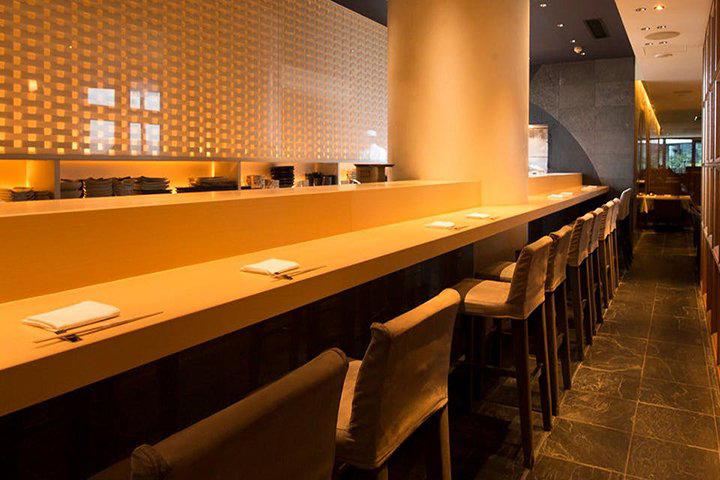
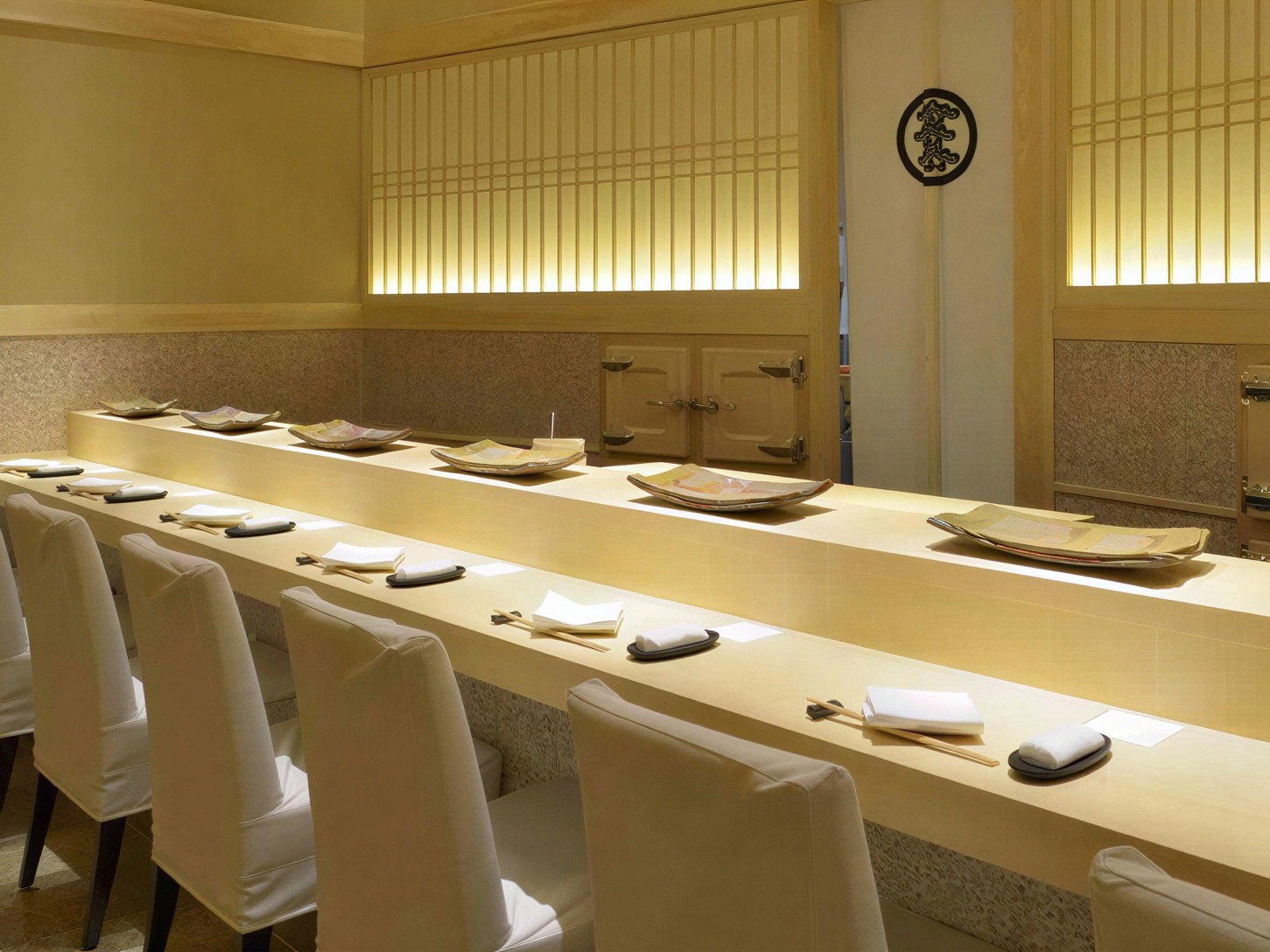
The counter seat at a serious tempura restaurant is one of the more precise dining formats in Tokyo. The chef works directly in front of guests, frying in real time, handing pieces across as they come out of the oil, adjusting sequence based on what the season and the table demand. There is no hot-pass, no expediter, no gap between cook and plate. The structural logic of a tempura counter is closer to a sushi bar than to a kitchen, and the leading practitioners treat it the same way, building a meal through rhythm, temperature, and ordering rather than through complexity of flavour alone. Tempura Maehira, holding a Michelin star since 2024 and ranked 458th in Opinionated About Dining's leading Japan listings the same year, occupies this format on the fourth floor of a building in Azabujuban, one of Minato City's quieter, more residential neighbourhoods for this calibre of dining.
The Sesame Oil Decision: Where Tradition Becomes Technique
In Tokyo's tempura hierarchy, the choice of frying oil is as defining as rice sourcing is in sushi. Maehira works with two distinct sesame oils across the course of a meal, and the distinction is not decorative. Roasted sesame oil, with its heavier, more aromatic profile, fries the lighter-flavoured fish pieces at the opening of the meal, where its umami depth brings the ingredient forward without competing. Cold-pressed sesame oil, cleaner, less pronounced, handles the stronger-flavoured items later in the sequence, where the frying medium needs to step back rather than amplify. This is the kind of operational specificity that separates structured tempura from competent tempura. Comparable counters in the ¥¥¥ bracket, such as Tempura Ginya and Tempura Kondo, each make their own oil choices, and those choices shape the entire character of the meal. At Maehira, the decision is systematic and sequenced rather than uniform.
The Progression: From Fish to Vegetable to Shrimp
The structure of the meal at Maehira follows an arc that is codified in the broader tradition but executed here with deliberate attention to flavour accumulation. Service opens with light-flavoured fish, moves through vegetables in the middle register, and arrives at shrimp, the richest, most texturally satisfying element, toward the close. This is not arbitrary sequencing. Tempura eaten in this order allows the palate to build rather than front-load, ensuring that the batter's delicacy remains legible at the start and that each successive course lands against a palate that has been prepared for it. The live-fire counter format makes this progression literal: each piece is fried and served in the moment, so the sequence functions as a tasting arc rather than a menu to be consumed at the diner's pace. Among Tokyo's counter-format tempura specialists, this kind of structured progression is the norm at serious addresses. What differentiates individual restaurants is how they punctuate that structure, and Maehira's punctuation comes at the end.
The Seasonal Closer: Temcha and Tembara as Culinary Argument
Michelin's assessors noted the seasonal flourish that closes the meal at Maehira as a specific point of distinction, and it is worth understanding why. The tradition of finishing a tempura meal with rice is well established, but the form Maehira takes varies by season in a way that functions as an argument about what the restaurant is trying to say. In spring, the closer is temcha: clam tempura steeped in tea over rice, a bowl that bridges tempura's inherent richness with the clean, slightly bitter register of a good tea. In autumn, it becomes tembara: shredded sea bream tempura mixed through rice, the fish broken down into the grain rather than served whole, which changes how the flavour distributes across the bowl. These are not embellishments. They are statements about the season's produce and about what the meal has been building toward. The approach places Maehira alongside similarly inventive counters in Tokyo's ¥¥¥ tier rather than with restaurants content to close on a standard tendon or tempura rice. For comparison across the city's broader tempura field, Tempura Motoyoshi and Fukamachi each bring their own seasonal reading to the format, and the differences between those readings are genuinely worth tracking across visits.
Azabujuban: A Neighbourhood That Earns Its Starred Restaurants
Azabujuban sits in Minato City, south of Roppongi and a short walk from the embassies and quiet streets that give the area a residential character unusual for a district with this density of serious restaurants. The neighbourhood is less trafficked by international visitors than Ginza or Shinjuku, which means its restaurant culture tends toward the regular rather than the occasion-dining tourist circuit. A Michelin-starred tempura counter here draws a different room than one in Ginza: more repeat local guests, fewer one-time visitors, which in turn shapes how the counter functions as a social and culinary space. This is consistent with the broader geography of Tokyo's high-end dining scene, where addresses outside the obvious central clusters often operate with more consistency of clientele and, arguably, more precision in execution as a result. For broader context on the city's restaurant scene, see our full Tokyo restaurants guide.
Where Maehira Sits in the Tempura Tier
Tokyo's serious tempura counters cluster in two broad price tiers. Maehira operates at ¥¥¥, which in Tokyo's context means the meal is still a considered spend, but it sits in a bracket where a Michelin star provides genuine signal value rather than simply confirming what the price already implies. That gap between formal recognition and broad awareness is often where the most consistent experiences in Tokyo's dining scene are found. For visitors extending to other Japanese cities, HAJIME in Osaka, Gion Sasaki in Kyoto, and Goh in Fukuoka represent comparable levels of formal recognition in different formats. For tempura specifically beyond Tokyo, Numata in Osaka and Mudan Tempura in Taipei offer points of comparison across how the discipline travels and adapts. Other Japan destinations worth noting in this tier: akordu in Nara, 1000 in Yokohama, and 6 in Okinawa.
Planning a Visit
Maehira opens Tuesday through Saturday, running a single evening service from 5:00 pm to 10:30 pm; Sunday and Monday are closed. The dinner-only format is standard for this calibre of counter in Tokyo, where the work involved in sourcing and preparing to a consistent standard makes a lunch service impractical without a larger team. The fourth-floor address in the ISI Building at 2-8-16 Azabujuban places it a manageable walk from Azabu-Juban Station on the Namboku and Oedo lines. Given the formality implied by the format and the recognition, booking through a hotel concierge or a local reservation service is a reasonable approach for visitors unfamiliar with direct contact methods. For what else to do in the city around the meal, see our full Tokyo hotels guide, our full Tokyo bars guide, our full Tokyo experiences guide, and our full Tokyo wineries guide.
Frequently asked questions
What price level is Tempura Maehira?
Pricing at Tempura Maehira is listed as ¥¥¥.
City Peers
| Venue | Cuisine | Price | Awards | Notes |
|---|---|---|---|---|
| Tempura MaehiraThis venue (the venue you are viewing) | Michelin-Starred Tempura | $150–200 | 1 Michelin Star · Tabelog 100 #57 | Not listed |
| Harutaka | Edo-Style Omakase Sushi | $200–300 | 3 Michelin Stars · World's 50 Best #76 | Sushi |
| RyuGin | Modern Kaiseki | $500+ | 3 Michelin Stars · World's 50 Best #41 | Kaiseki, Japanese |
| L'Effervescence | Modern French with Japanese Influences | $200–300 | 3 Michelin Stars · World's 50 Best #69 | French |
| HOMMAGE | Modern French with Japanese Influences | $150–200 | 2 Michelin Stars · World's 50 Best #78 | Innovtive French, French |
| MAZ | Innovative Peruvian-Japanese Fusion | $150–200 | 2 Michelin Stars · World's 50 Best #28 | Innovative |
Recognition history
Dated appearances from independent guides and award organizations, with the underlying list record or original source where available.
Michelin 1 Star
Michelin
Tabelog 100 #57 · No. 57
Tabelog · Tabelog 100 - Tempura - 2025
Opinionated About Dining Top Restaurants in Japan Ranked #458
Opinionated About Dining
Full recognition history (4 entries)
Michelin 1 Star
Michelin
Continue exploring
More in Tokyo
Restaurants in Tokyo
All restaurants in Tokyo →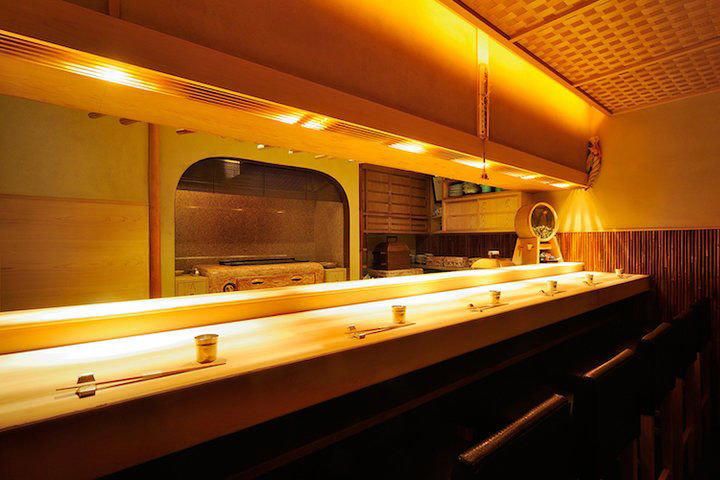

Bars in Tokyo
All bars in Tokyo →



Details
- Elegant
- Intimate
- Sophisticated
- Special Occasion
- Date Night
- Chefs Counter
- Open Kitchen
- Sake Program
- Extensive Wine List
- Counter Dining
- Omakase
- Sake
- Wine
Current opening hours
- Monday
- 5–10:30 PM
- Tuesday
- 5–10:30 PM
- Wednesday
- 5–10:30 PM
- Thursday
- 5–10:30 PM
- Friday
- 5–10:30 PM
- Saturday
- 5–10:30 PM
- Sunday
- Closed
Hours can change for holidays and private events. Last verified .
Intimate counter-only space with a calm, traditional atmosphere focused on the chef's craft.